 MomSkoop

Finding love after 60 can feel exciting, hopeful, and even a little scary all at once. Many people in this stage of life carry decades of experiences, habits, and memories that shape how they connect with someone new.
A new romance later in life comes with unique challenges that younger couples rarely face. Understanding these hurdles ahead of time can help you build a stronger, healthier relationship.
1. Baggage from Past Relationships

Years of lived experience can be a beautiful thing, but they can also weigh heavily on a new romance.
Decades of history, including past divorces, emotional wounds, or broken trust, often travel quietly into a new relationship.
Without realizing it, old patterns resurface.
A small disagreement can trigger a much bigger emotional reaction rooted in something that happened years ago.
Working through this baggage takes patience and honest self-reflection.
Therapy, journaling, or simply talking openly with your new partner can help you separate the past from the present.
Your new partner is not your ex, and treating them as such can slowly push them away.
Give yourself and your relationship a fair chance by making peace with your history first.
2. Blending Established Families
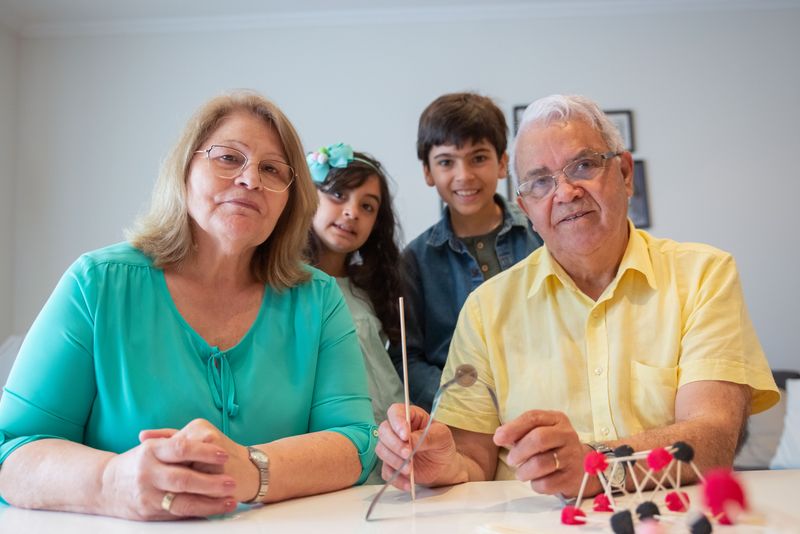
Adult children and grandchildren often have very strong feelings about a parent or grandparent dating someone new.
Loyalty to a deceased parent, concerns about inheritance, or simply the discomfort of change can make family gatherings feel more like negotiations than celebrations.
These reactions are normal, but they can put real strain on a budding romance.
Open communication with your children – without seeking their permission – is a healthy starting point.
Share your feelings, listen to their concerns, and set respectful boundaries.
Your happiness matters too.
Blending families at any age takes time, and patience goes a long way.
Small, low-pressure get-togethers can help everyone warm up gradually rather than forcing connections that need space to grow naturally.
3. Financial Complexity and Asset Protection
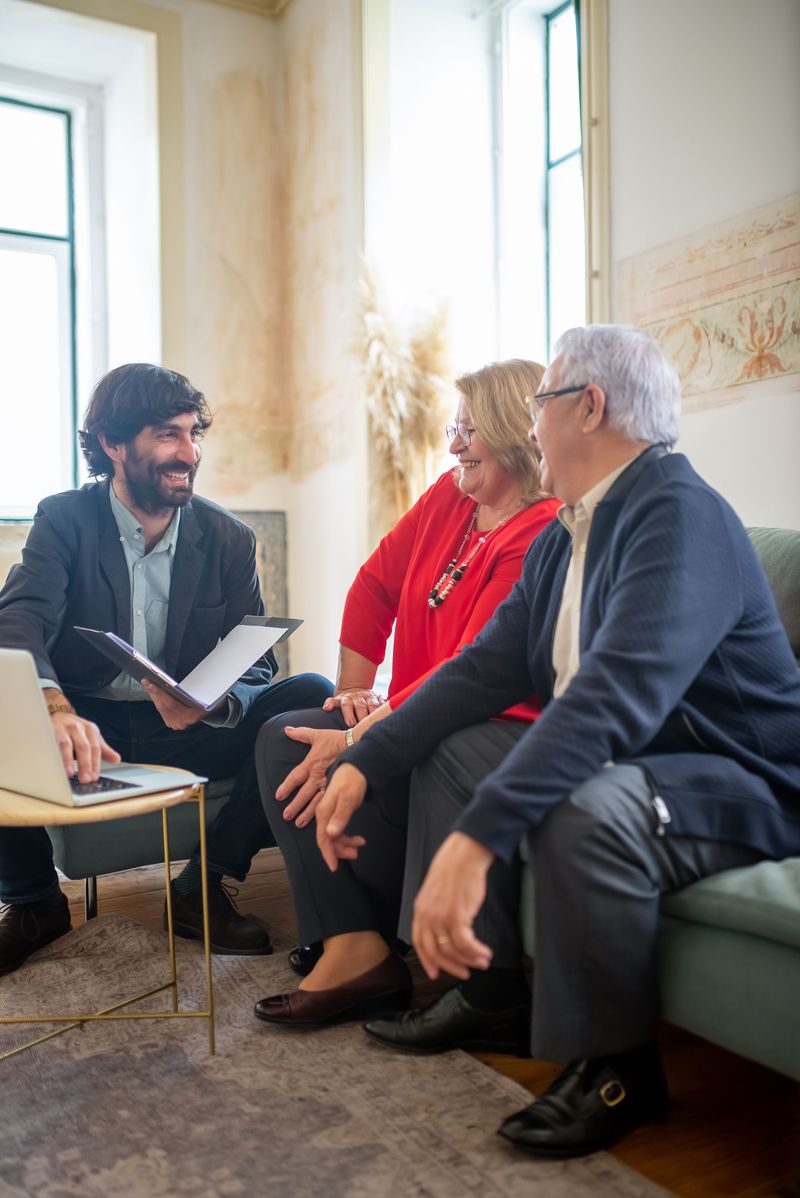
Money conversations are never easy, but after 60, they carry extra weight.
Pensions, real estate holdings, retirement savings, outstanding debts, and carefully crafted estate plans all become part of the picture when two lives begin to merge.
What seemed like a romantic relationship can quickly feel like a business negotiation if these topics are not handled thoughtfully.
Bringing in a financial advisor or estate planning attorney early can take some of the emotional charge out of these discussions.
Prenuptial agreements, while uncomfortable to mention, are a practical tool that protects both partners.
Transparency is key.
Knowing where each person stands financially before making major commitments helps build trust and prevents ugly surprises from surfacing later down the road.
4. Differing Health and Mobility Statuses

Not every 60-something is in the same physical condition, and that gap can create unexpected friction in a relationship.
One partner might love hiking, traveling, and staying active, while the other manages a chronic illness, joint pain, or limited mobility.
These differences do not have to be deal-breakers, but they do require honest conversations early on.
The real challenge shows up when one partner begins to feel more like a caregiver than a romantic equal.
Resentment can build on both sides if expectations are never clearly discussed.
Finding activities you both enjoy, respecting each other’s limits, and planning for future health changes together can keep the relationship balanced.
Love at this stage means embracing each other fully, including the harder physical realities.
5. Settled Routines and Habits
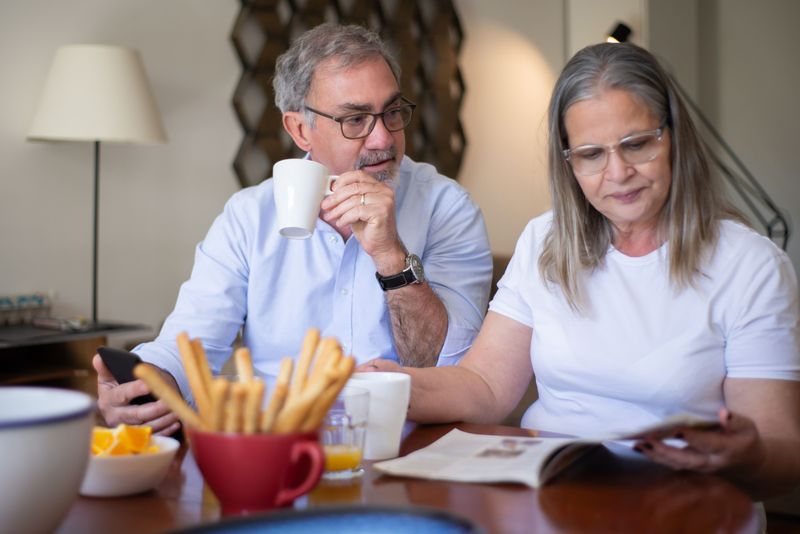
After years of living independently, people develop strong daily routines.
The way you organize your home, when you eat dinner, how quiet you like your mornings, and even how you load a dishwasher can become deeply personal preferences.
Sharing space with someone new means all of those habits are suddenly up for negotiation.
What might seem like a tiny issue – like different sleep schedules or clashing cleaning standards – can quickly snowball into bigger arguments if left unaddressed.
Compromise is the only path forward, but compromise gets harder when you have spent decades doing things your own way.
Approaching these moments with humor rather than frustration can ease the tension.
Small adjustments, made willingly, show your partner that the relationship matters more than your comfort zone.
6. Widower’s Grief and Memory

When one or both partners have lost a spouse, love does not simply disappear because that person is gone.
Photos stay on shelves, old friends still share memories, and anniversary dates carry emotional weight.
A new partner can sometimes feel like they are competing with someone who can never truly be replaced, and that is an isolating feeling.
Grief does not follow a schedule, and a widowed partner may not always realize when they are making their new companion feel invisible.
Gentle, honest conversations about boundaries around memories can help.
Honoring the past does not have to mean excluding the present.
A good relationship leaves room for both, as long as both partners feel seen, valued, and genuinely loved for who they are right now.
7. Navigating Living Arrangements

Where will you live?
It sounds like a simple question, but for couples over 60, it rarely is.
One partner may have lived in the same home for 30 years, and the idea of leaving feels like losing a piece of identity.
The other might be reluctant to give up their own space and independence.
Both feelings are completely valid, and neither one should be dismissed.
Some couples choose a concept called Living Apart Together, where they maintain separate homes while building a committed relationship.
Others eventually merge households, and some buy a new place together as a fresh start.
Each option has trade-offs.
Talking openly about what home means to each of you, without pressure or ultimatums, is the only way to reach a solution that truly works for both people.
8. Shifting Intimacy and Physical Expectations
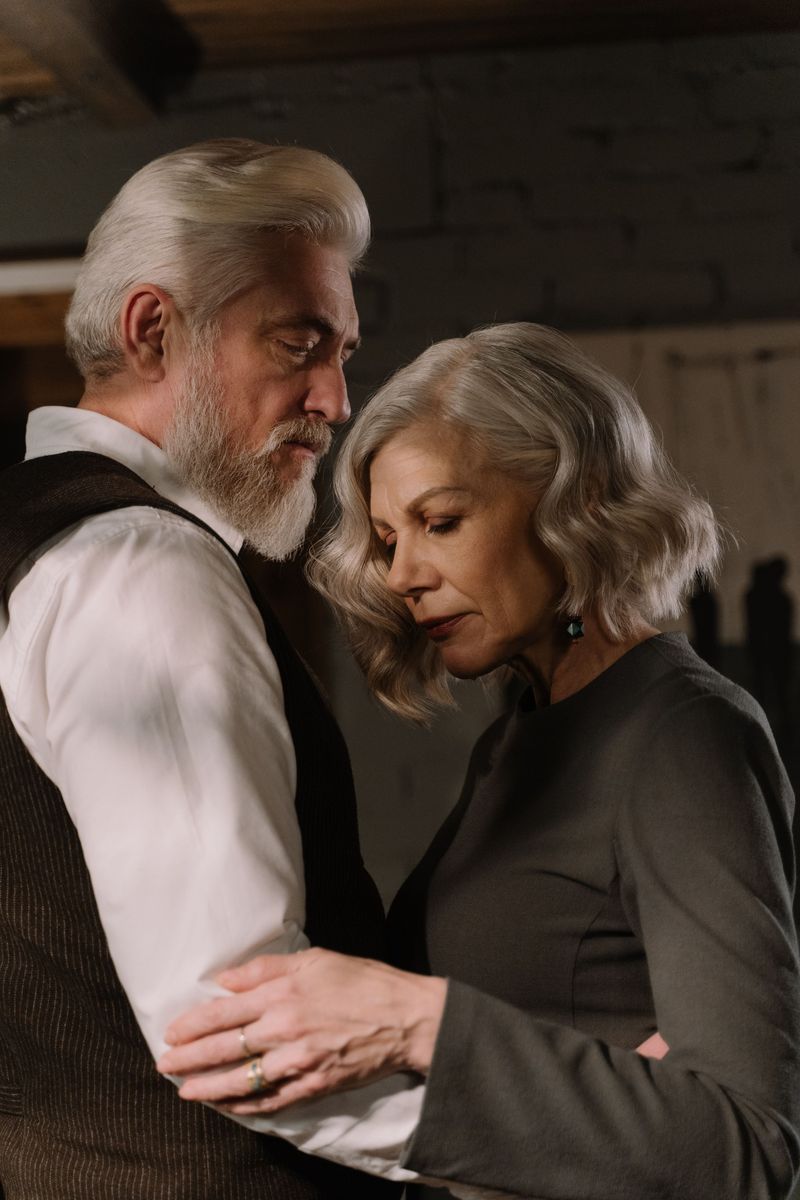
Physical intimacy after 60 can look and feel very different than it did in earlier decades.
Changes in hormone levels, body image, medications, and overall health can all affect libido and physical comfort.
Some people feel embarrassed about these changes, while others are not sure how to bring them up without making things awkward.
Honest, judgment-free communication is the foundation here.
A partner who feels safe enough to talk about these shifts without shame is far more likely to feel close and connected.
Intimacy is not only physical – emotional closeness, affection, and shared vulnerability matter just as much, sometimes more.
Adjusting expectations together, rather than silently comparing the present to the past, allows both partners to find a version of intimacy that genuinely works for them.
9. Social Circle and Peer Group Dynamics

Long-time friendships carry their own loyalties, and when a new partner enters the picture, those social dynamics can get complicated fast.
Friends who were close to an ex-spouse or a late partner may not be quick to welcome someone new.
Some may feel protective, suspicious, or simply uncomfortable watching their friend move on.
This kind of social friction can leave the new couple feeling isolated or pressured to justify their relationship to everyone around them.
Giving old friends time to adjust is reasonable, but allowing them to disrespect your new partner is not.
Being clear and calm about your expectations sets the tone.
New friendships as a couple can also be built over time, creating a social world that embraces and celebrates who you both are today.
10. Caretaking Expectations

Nobody gets into a romance expecting to become a full-time caregiver, yet unspoken assumptions about future caretaking are surprisingly common in later-life relationships.
One partner may quietly assume the other will be there to manage medical appointments, medications, or physical assistance if their health declines.
The other partner may have no idea that expectation even exists.
When those assumptions go unspoken, resentment can build quickly and quietly.
A romantic partner who suddenly feels more like a nurse than a companion may begin to pull back emotionally.
Having a direct conversation about long-term care expectations – including professional help, family involvement, and personal limits – is one of the most loving things a couple can do.
Clarity now prevents painful misunderstandings later.
11. Estate Planning and Inheritance Friction

Few topics stir up more conflict in later-life relationships than inheritance.
Adult children may worry that a new partner will inherit assets they feel should stay within the family.
A surviving spouse might feel that their financial security is being questioned before the relationship has even fully formed.
These fears, on all sides, are understandable.
Working with an estate planning attorney to create a plan that is both fair and transparent can ease a lot of this tension.
Trusts, beneficiary designations, and clearly written wills can protect everyone involved.
Talking openly with both your partner and your children about your intentions – before assumptions are made – reduces the risk of ugly disputes later.
Love and legacy do not have to be in conflict when the right legal tools are used.
12. Fear of Loss and Limited Time

There is a quiet awareness that comes with falling in love after 60 – a sense that time is not unlimited and that loss is no longer an abstract possibility.
For someone who has already buried a spouse or watched close friends decline, opening their heart again takes real courage.
The fear of going through that kind of grief a second time can make full emotional commitment feel terrifying.
Some people respond by rushing things, wanting to make every moment count.
Others hold back, protecting themselves from a pain they can already imagine too clearly.
Neither extreme is healthy long-term.
Talking about these fears with your partner creates a kind of emotional safety that allows love to grow steadily.
Choosing to love fully, even knowing the risks, is one of the bravest things a person can do.