 MomSkoop

Self-help advice is everywhere, from social media feeds to bestselling books, and a lot of it sounds really convincing. But not every tip works the same way for everyone, especially for women who face unique pressures, expectations, and life circumstances.
Some popular advice can actually make things harder instead of better. Here is a closer look at 15 commonly shared self-help tips that many women find more frustrating than helpful.
1. Just Think Positive
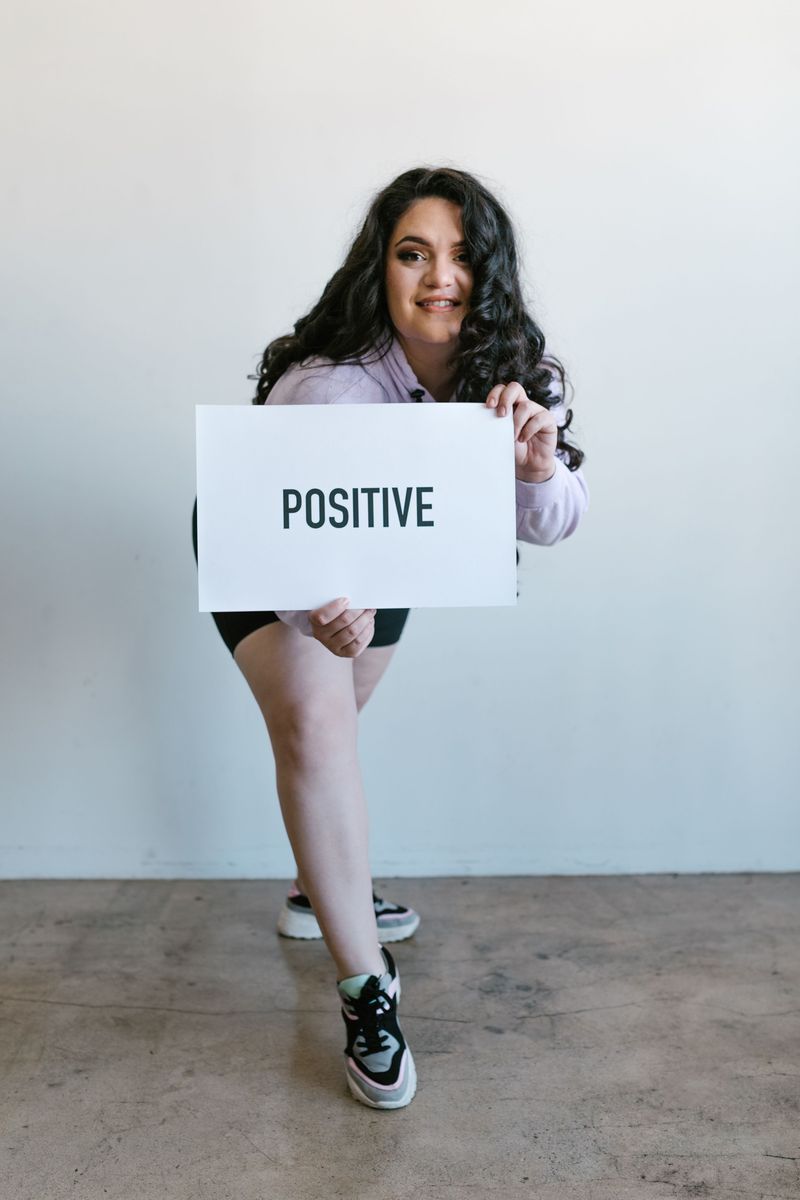
Telling yourself everything is fine when it clearly is not can feel hollow pretty fast.
Positive thinking has its place, but forcing a smile over real pain does not make that pain go away.
In fact, research suggests that toxic positivity can make people feel worse because it dismisses genuine emotions.
Women are already often told to “cheer up” or “look on the bright side” when they express frustration or sadness.
Constantly pushing away negative feelings can lead to emotional burnout.
Acknowledging hard feelings is not weakness.
Allowing yourself to feel what is real, then working through it, tends to produce far more lasting results than a forced positive mindset ever could.
2. Wake Up at 5 A.M. Every Day

Somewhere along the way, waking up before sunrise became a symbol of ambition and success.
Countless productivity gurus swear by the 5 a.m. wake-up call, promising it will transform your life.
But biology does not care about trends.
Women who are night owls, new mothers, or managing health conditions often feel worse, not better, after forcing an early schedule.
Sleep deprivation is a serious health issue, and cutting it short to fit a popular routine can backfire badly.
Not everyone’s most creative or productive hours fall at dawn.
Tuning into your own natural rhythm and building a schedule around when you actually function best is a far smarter approach than chasing someone else’s morning routine.
3. Fake It Until You Make It

This phrase has been repeated so many times it almost sounds like fact.
The idea is that acting confident will eventually make you feel confident.
For some situations, a little “act as if” energy can help.
But for many women, constantly pretending to feel something they do not leads to exhaustion and imposter syndrome.
When you perform a version of yourself that does not feel real, it becomes hard to trust your own instincts.
Over time, the gap between the mask and the real you can grow wider.
Building genuine confidence through small wins, honest feedback, and real skill development tends to create a much stronger foundation than any performance ever could.
4. Say Yes to Every Opportunity

Hustle culture loves to celebrate the idea of never turning anything down.
Say yes to every meeting, every invitation, every project, and watch your life expand.
Sounds exciting, until you realize you have no time left to breathe, rest, or think clearly.
For women especially, the pressure to always be available and agreeable is already intense.
Adding a self-help rule that rewards saying yes to everything only deepens that pressure.
The truth is, saying no is one of the most powerful skills anyone can develop.
Protecting your time and energy is not laziness.
Choosing your commitments carefully allows you to show up fully for the things that truly matter to you.
5. Cut Out Every Negative Person

Protecting your peace is genuinely important, and there are real situations where stepping back from toxic relationships is the right call.
But the advice to ruthlessly cut out anyone who seems “negative” oversimplifies human connection in a big way.
Sometimes the people labeled as negative are actually struggling and need support.
Other times, they are simply honest voices that challenge you to grow.
Cutting off everyone who does not radiate good vibes can leave you isolated and surrounded only by people who tell you what you want to hear.
Healthy relationships include room for hard conversations, bad days, and real honesty.
Learning to set boundaries thoughtfully, rather than burning bridges, builds a much richer support network.
6. Follow a Perfect Morning Routine

Morning routines went from helpful habit to full-on performance art somewhere around 2015.
Now there are five-step, ten-step, and even fifteen-step routines promising to unlock your best self before 8 a.m.
For many women managing kids, long commutes, or unpredictable schedules, this ideal is simply not realistic.
Chasing a “perfect” morning routine can actually start your day with a sense of failure when things do not go as planned.
A rushed morning or a skipped workout does not mean the whole day is ruined.
Simple, flexible habits that fit your actual life are far more sustainable.
Two or three small, consistent actions each morning will do more good than an elaborate routine you can only pull off twice a week.
7. Practice Constant Gratitude

Gratitude practices, when used thoughtfully, can genuinely shift perspective and improve mental health.
But constant gratitude, the kind where you are expected to find the silver lining in every single difficulty, can start to feel like emotional suppression wearing a prettier name.
Women are often already conditioned to minimize their own struggles and prioritize others’ comfort.
A rigid gratitude practice that demands positivity at all times can reinforce that pattern.
Feeling frustrated, angry, or deeply sad about hard circumstances is completely valid.
Gratitude works best when it is genuine and balanced, not forced.
Pairing thankfulness with honest acknowledgment of what is hard creates a much healthier emotional practice than gratitude journaling alone ever will.
8. Stop Comparing Yourself to Others

Easier said than done, right?
Comparison is a deeply human instinct, and telling someone to simply stop doing it is about as useful as telling them to stop breathing.
Social media makes constant comparison almost unavoidable, and for women, the pressure to measure up physically, professionally, and personally is relentless.
Rather than aiming for zero comparison, a more realistic goal is learning to notice when comparison is helpful versus harmful.
Comparing yourself to someone further along a path you want to walk can be motivating.
Comparing your behind-the-scenes life to someone else’s highlight reel is where the damage happens.
Developing awareness around your comparison habits is far more effective than pretending the instinct does not exist.
9. Manifest the Life You Want

Vision boards and manifestation journals have become a massive trend, and believing in your goals is genuinely a good starting point.
But the idea that you can attract your dream life purely through thought and intention has a serious flaw.
It places all the responsibility on your mindset while ignoring real structural barriers.
For women facing financial inequality, caregiving demands, or systemic discrimination, being told to simply “manifest harder” can feel dismissive and even insulting.
Action, planning, and access to resources matter enormously.
Visualization works best as a motivational tool paired with concrete steps, not as a replacement for them.
Dreaming big is wonderful, but pairing those dreams with a real plan is what actually moves things forward.
10. Leave Your Comfort Zone Every Day

Growth does happen outside comfort zones, that part is true.
But the pressure to challenge yourself every single day sets an exhausting pace that very few people can maintain without burning out.
Rest, routine, and familiarity are not signs of weakness.
They are necessary parts of a balanced life.
For women who are already managing high levels of stress at work, at home, or in their communities, adding a daily discomfort challenge can tip the scale toward overwhelm rather than empowerment.
Meaningful growth tends to happen in waves, not in a constant sprint.
Choosing intentional moments to stretch your boundaries, rather than forcing discomfort every day, allows you to grow steadily without draining your reserves completely.
11. Turn Every Hobby Into a Side Hustle

There is a popular idea floating around that every talent you have should be generating income.
Love to paint?
Open an Etsy shop.
Enjoy baking?
Start a food blog.
But monetizing the things you do purely for joy can quietly strip those activities of the very thing that made them enjoyable in the first place.
Hobbies serve a real psychological purpose.
They give your brain space to relax, play, and create without pressure.
When profit enters the picture, suddenly your peaceful escape becomes a job with deadlines, customer demands, and marketing stress.
Not everything has to earn money to have value.
Protecting a few corners of your life that exist purely for pleasure is genuinely good for your mental health.
12. Become More Productive at All Costs

Productivity culture has a way of making rest feel like a moral failure.
If you are not optimizing every hour of your day, you are somehow falling behind.
For women who already carry heavy loads of unpaid labor at home alongside professional responsibilities, this message lands especially hard.
Pushing yourself to produce more at the expense of sleep, relationships, and recovery is not ambition.
It is a fast track to burnout.
Studies consistently show that rest and downtime actually improve creativity, decision-making, and long-term performance.
Doing less, more intentionally, often produces better results than cramming more tasks into an already overloaded schedule.
Sustainable output matters far more than maximum output measured over a single exhausting week.
13. Ignore What Other People Think

Caring too much about others’ opinions can hold you back, no question.
But the flip side, completely ignoring what anyone thinks, is both unrealistic and occasionally unwise.
Feedback from people who know and respect you can be genuinely valuable, even when it is uncomfortable to hear.
Women are sometimes advised to develop a thick skin and stop worrying entirely about perception.
But social connection and belonging are fundamental human needs.
Caring about how your actions affect the people around you is not weakness.
The real skill lies in filtering feedback thoughtfully, taking in what is constructive while letting go of criticism rooted in others’ insecurities or biases.
That balance is far more useful than a blanket “ignore everyone” approach.
14. Love Yourself Before Anyone Else Can

Self-love is a worthwhile pursuit, and working on your relationship with yourself matters deeply.
But the idea that you must achieve complete self-love before you deserve connection with others sets an impossible standard.
Nobody arrives at perfect self-acceptance, and waiting until you do means waiting forever.
This advice can unintentionally shame women who struggle with self-esteem while also wanting love and partnership.
The truth is, healthy relationships can actually support your journey toward self-acceptance.
Connection, kindness from others, and shared experiences all play a role in how we learn to value ourselves.
You do not have to be fully healed to be worthy of love.
Growing alongside people who support you is a perfectly valid path forward.
15. Never Give Up on Your Goals

Persistence matters, and sticking with meaningful goals through difficulty is genuinely admirable.
But the blanket rule of never giving up can keep people locked in situations that no longer serve them.
Sometimes the bravest and smartest thing you can do is pivot, adjust, or let something go entirely.
Women are often praised for endurance and criticized for changing course, which makes this particular piece of advice carry extra weight.
Recognizing when a goal no longer aligns with who you are or what you truly want is not failure.
It is growth.
Flexibility and self-awareness are strengths, not weaknesses.
Releasing a goal that has run its course frees up enormous energy for pursuits that actually fit the life you are building right now.