 MomSkoop

The way you eat at restaurants can quietly reveal a lot about your financial lifestyle. Many families develop smart, budget-friendly dining habits that stretch every dollar as far as possible.
These choices are not signs of struggle but rather clever strategies passed down through experience and necessity. If some of these patterns sound familiar, you are definitely not alone.
1. Choosing Restaurants Mainly by Price
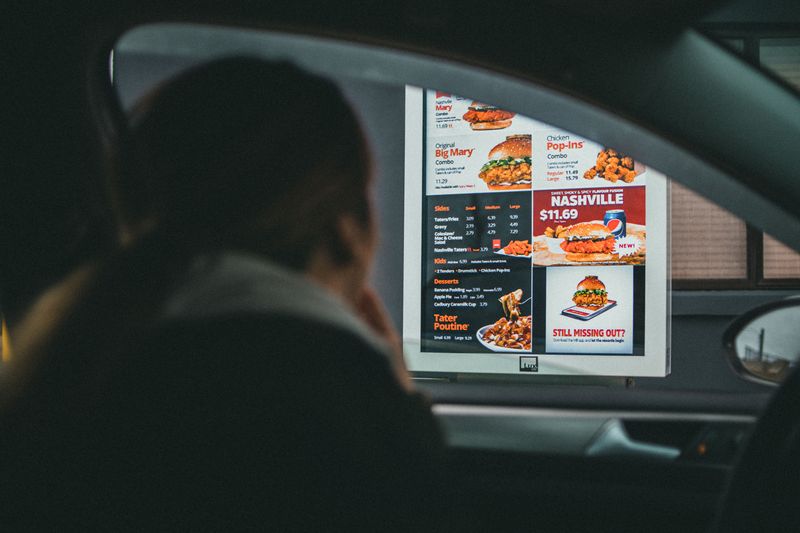
Before even thinking about what sounds delicious, the first question is often simple: can we actually afford this place?
Checking prices before committing to a restaurant is a habit that many budget-conscious families know well.
It is not about being cheap.
It is about being responsible with limited income.
A quick glance at the menu helps avoid that awkward moment when the bill arrives and the total is way more than expected.
Families who watch their spending learn early that price-awareness is a form of financial self-respect.
Choosing a place that fits the budget means enjoying the meal without stress.
Eating out should feel like a treat, not a source of anxiety.
Price-checking keeps that experience positive and manageable for everyone at the table.
2. Prioritizing Large Portions

There is something deeply satisfying about a plate so full it barely fits on the table.
For budget-minded diners, a big portion is not just about hunger.
It is about value.
When one meal can stretch into tomorrow’s lunch, that restaurant suddenly becomes a much smarter choice.
Families who stretch every dollar know the math well.
Paying twelve dollars for a meal that feeds you twice is a better deal than paying ten dollars for something that disappears in three bites.
Generous servings signal that a restaurant respects its customers’ money.
Diners who grew up in households where food waste was frowned upon carry this mindset naturally into adulthood.
Big portions equal big value, and that logic is hard to argue with.
3. Saving Restaurant Visits for Special Occasions

Not every Friday night ends with a restaurant reservation when money is tight.
Instead, eating out becomes something to look forward to, a reward saved for birthdays, anniversaries, or the end of a tough school year.
That anticipation actually makes the experience feel richer.
When dining out is rare, it carries real emotional weight.
The food tastes better.
The conversation feels more special.
Everyone is a little more present because this is not just another Tuesday dinner.
It is an event worth remembering.
Budget-conscious families often build stronger memories around these occasional restaurant trips than frequent diners do.
Scarcity creates appreciation.
Saving restaurant visits for meaningful moments transforms a simple meal into something genuinely worth celebrating together as a family.
4. Using Coupons and Restaurant Deals

Clipping coupons used to mean scissors and Sunday newspapers.
Today, savvy diners scroll through apps, loyalty programs, and email deals before deciding where to eat.
Finding a good discount feels like a small victory, and honestly, it is.
Loyalty rewards programs at popular chains can add up fast.
A free entree here, a discounted combo there.
These deals make dining out accessible on nights when the budget would otherwise say no. Knowing how to stack promotions is practically a skill worth bragging about.
Using coupons is not embarrassing.
It is strategic.
People who hunt for restaurant deals are often the same ones who manage their household finances with impressive discipline.
Getting a great meal at a reduced price is simply smart spending dressed up as dinner.
5. Preferring Familiar Chain Restaurants
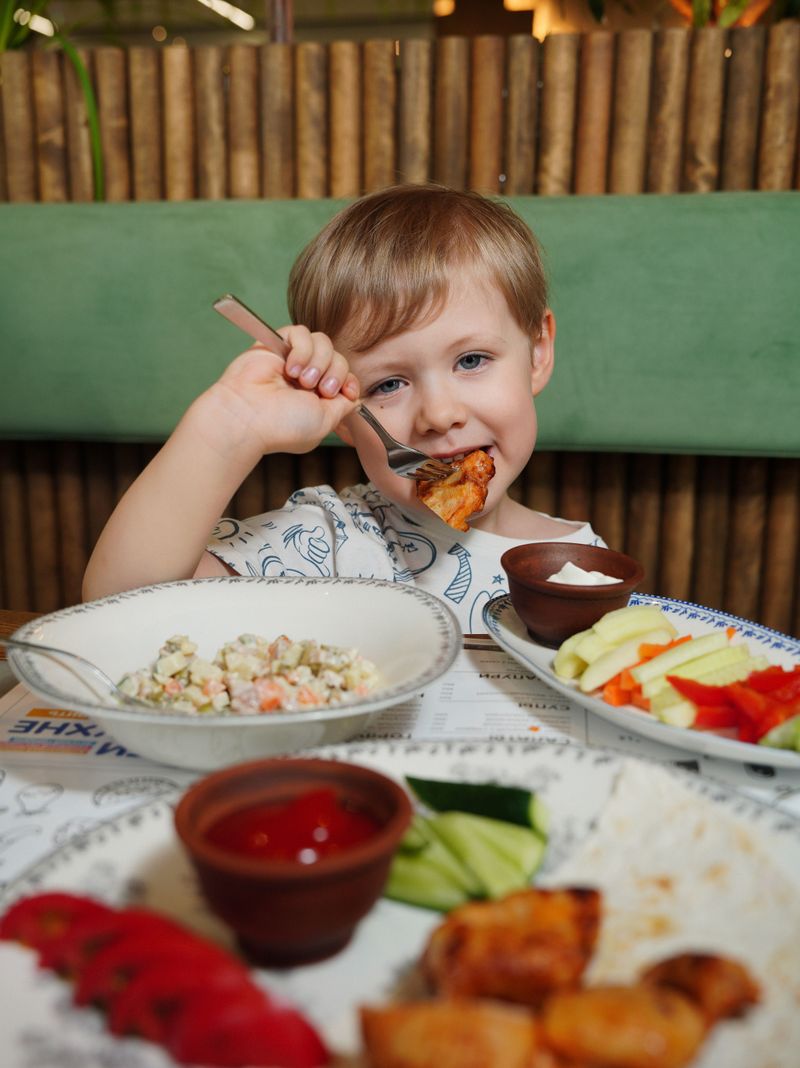
Walk into a familiar chain and you already know what to expect.
The prices are predictable, the portions are consistent, and nobody is going to hand you a menu written entirely in French.
For budget-focused families, that kind of reliability is genuinely comforting.
Chain restaurants remove the guesswork.
You know the kids will find something they like, you know roughly what the bill will look like, and you know there will not be any unpleasant surprises.
That consistency has real value when you are managing a tight household budget.
There is also something nostalgic about returning to the same booth at the same chain year after year.
Those familiar meals become woven into family traditions, creating warm memories built around predictable, affordable, and satisfying food experiences.
6. Taking Leftovers Home

Leaving food on a restaurant plate feels almost criminal when you have worked hard for every dollar you spend.
Boxing up leftovers is second nature for many families.
That extra pasta becomes tomorrow’s lunch, and suddenly the meal’s cost-per-serving drops significantly.
There is no shame in the takeout box.
Plenty of financially savvy people request one without hesitation.
Reducing food waste and stretching the value of a restaurant meal is just practical thinking with a side of common sense.
Some of the best lunches come from last night’s restaurant leftovers, reheated and enjoyed in the comfort of home.
Families who embrace this habit are not being frugal in a limiting way.
They are making intelligent choices that honor both their budget and the food itself.
7. Ordering Water Instead of Paid Drinks

Sodas, lemonade, and specialty cocktails can quietly add fifteen to twenty dollars to a restaurant bill before the food even arrives.
Ordering water is one of the simplest, most effective ways to keep dining costs under control without sacrificing the experience.
Many regular restaurant-goers barely notice the drink menu anymore.
Water becomes the default, and honestly, it pairs well with almost everything.
It also keeps you hydrated and avoids the sugar crash that sometimes follows a large soda with dinner.
This small habit reflects a broader mindset: focus spending on what truly matters, which is the food itself.
Skipping paid beverages is not deprivation.
It is prioritization.
The money saved on drinks can go toward dessert, a better entree, or simply keeping the total bill manageable.
8. Checking Menu Prices Before Visiting
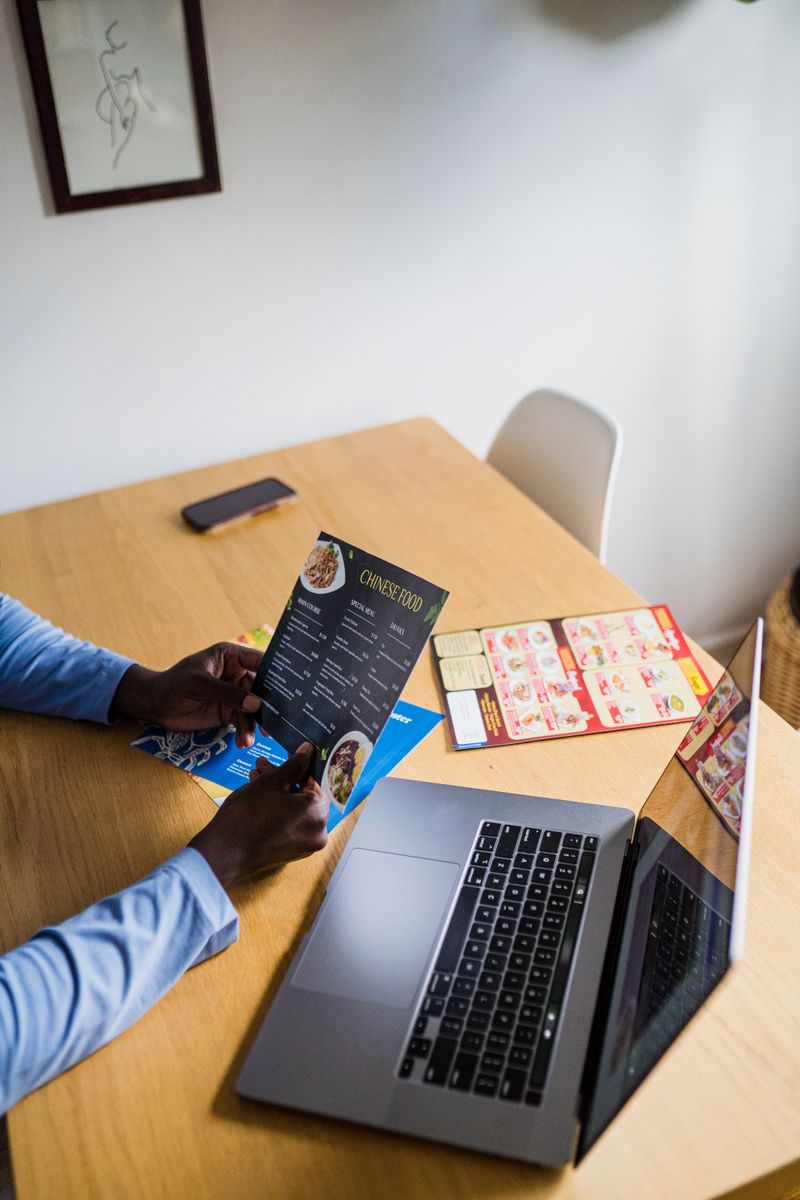
Nobody enjoys arriving at a restaurant only to discover the cheapest entree costs more than expected.
Checking the menu online beforehand is a habit that prevents exactly that kind of disappointment.
It also helps families plan what they can realistically order without blowing the budget.
Pre-visit menu research has become remarkably easy with restaurant websites and food delivery apps.
A five-minute browse from the couch can save serious stress at the table.
Some people even decide their order in advance so there is no hesitation or accidental overspending in the moment.
This habit reflects a disciplined, forward-thinking approach to spending.
Rather than reacting to prices at the last second, prepared diners stay in control.
Knowing what dinner will cost before leaving the house is genuinely empowering for budget-conscious households.
9. Sharing Appetizers or Desserts

Splitting one appetizer or dessert between two people is a move that feels both romantic and financially clever.
Why pay for two separate dishes when one can be enjoyed together just as happily?
Sharing reduces the bill without reducing the enjoyment.
Families with children often apply this logic naturally.
One order of mozzarella sticks or a single slice of chocolate cake split four ways still satisfies the craving.
The experience of sharing food can actually bring people closer, turning a simple dish into a communal moment.
Budget-aware diners have long understood that extras add up fast.
Sharing keeps the extras affordable without cutting them out entirely.
It is a small compromise that preserves the pleasure of treating yourself while keeping the final total within a comfortable, manageable range.
10. Favoring Filling Comfort Foods
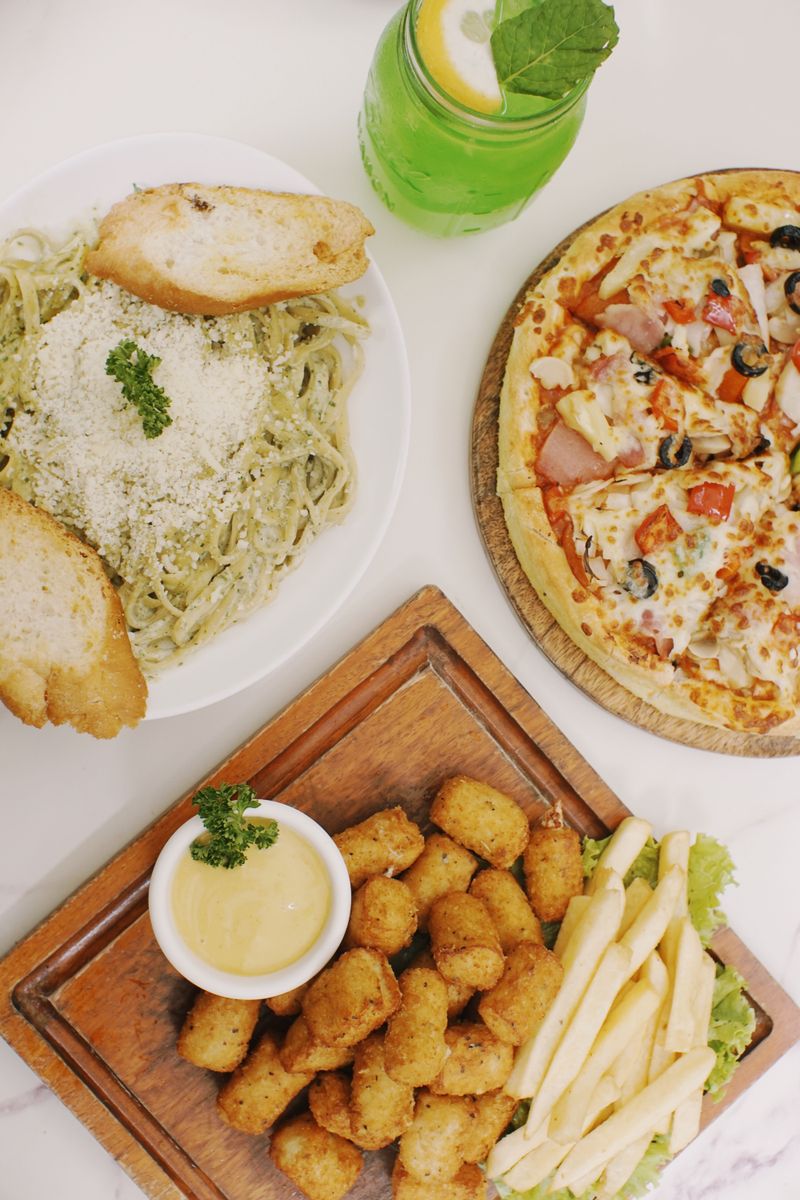
Burgers, pasta, pizza, and casseroles have one thing in common: they fill you up completely and usually cost less than fancier alternatives.
Comfort food is beloved for good reason.
It satisfies on a deep level that goes beyond just calories.
For budget-minded families, ordering something substantial makes financial sense.
A filling meal means nobody leaves hungry and nobody needs to stop for snacks on the way home.
That practical consideration shapes menu choices more than most people openly admit.
There is also genuine emotional warmth in comfort food.
These dishes often connect to childhood memories, home cooking, and the feeling of being cared for.
Choosing a hearty bowl of pasta over a delicate salad is not unsophisticated.
It is choosing satisfaction, familiarity, and real fullness all at once.
11. Choosing Takeout Over Full-Service Dining

Full-service dining comes with hidden costs that add up quickly.
Tips, service charges, and the expectation of ordering multiple courses can push a simple meal into expensive territory.
Takeout sidesteps most of those extras while still delivering the pleasure of restaurant-quality food.
Eating at home with takeout means comfortable seating, no dress code, and complete control over the atmosphere.
You can watch a movie, sit on the floor, or eat in pajamas.
The food is still delicious, and the savings are real and measurable.
Budget-conscious households often find takeout to be the perfect middle ground between cooking from scratch and dining out fully.
It provides a break from the kitchen without the financial weight of a full restaurant experience.
That balance is genuinely valuable on a limited household income.
12. Paying Close Attention to the Final Bill

Some diners mentally track every item ordered throughout the meal, running a quiet tally in the background while conversations happen around them.
By the time the check arrives, they already have a rough total in mind.
Surprises on the bill feel stressful when money is carefully managed.
Checking for errors, confirming that discounts were applied, and calculating a fair tip without overspending all require a certain level of attention.
This habit reflects genuine financial mindfulness rather than distrust of the restaurant.
Errors on bills happen more often than most people realize.
Being engaged with the final total is a sign of someone who values their money and works hard for it.
There is quiet confidence in knowing exactly what you owe and why.
Budget-aware diners leave with both a full stomach and a clear financial conscience.