 MomSkoop

Controlling behavior in relationships can be confusing and painful for everyone involved. Many people wonder why some men act in ways that feel restrictive or domineering.
What often goes unnoticed is that these behaviors are usually rooted in deep, unresolved emotions. Understanding the feelings behind the actions can help both partners find healthier paths forward.
1. Fear

When someone is afraid of losing what matters most to them, they may tighten their grip instead of letting go.
Fear of losing a partner, a position of authority, or a sense of stability can quietly push a man toward controlling behavior.
It feels like the only way to keep things from falling apart.
This kind of fear is often invisible from the outside.
He may not even recognize it himself.
Instead of expressing vulnerability, he may set strict rules or monitor situations closely.
Recognizing fear as the root cause is the first step.
Open, honest conversations about insecurities can help replace control with trust and genuine connection.
2. Insecurity

Feeling like you are not enough is one of the most uncomfortable emotions a person can carry.
Insecurity, especially when it is tied to self-worth or relationship value, can quietly fuel controlling behavior in men.
If someone constantly doubts whether they deserve love or respect, they may try to manage their environment to feel safer.
Controlling a partner or situation can feel like a way to prevent rejection before it happens.
It is a defense mechanism, not a personality flaw.
Building self-confidence through therapy, honest reflection, or supportive relationships can reduce the need for control.
Real security comes from within, not from managing others.
3. Jealousy

Jealousy has a sneaky way of disguising itself as love.
When a man feels anxious or resentful because attention is going somewhere else, that discomfort can quickly turn into controlling actions.
He might check a partner’s messages, limit friendships, or demand constant reassurance.
At its core, jealousy is about fear and comparison.
It often signals a deeper worry about not being chosen, valued, or preferred.
These feelings, left unaddressed, can slowly damage even the strongest relationships.
Talking openly about jealousy without blame is a healthy starting point.
Understanding what triggers it and working through those feelings together can replace suspicion with genuine trust over time.
4. Anxiety

Anxiety and control go hand in hand more often than people realize.
When someone feels overwhelmed by uncertainty, the brain looks for ways to reduce that discomfort.
For some men, controlling situations or the people around them feels like a way to manage that constant inner tension.
It is not about being mean or selfish.
It is about trying to feel safe in a world that feels unpredictable.
The need to plan everything, manage outcomes, or restrict others can all be signs of unmanaged anxiety.
Learning healthy coping tools like mindfulness, therapy, or even simple breathing exercises can help a man regain calm without needing to control everything around him.
5. Shame

Shame is one of the most painful emotions a person can experience, and it rarely shows up looking like what it really is.
Instead of saying “I feel worthless,” a man carrying deep shame might project strength through dominance, control, or rigid rules.
It becomes a mask that hides the hurt underneath.
Research by Dr. Brene Brown has consistently shown that shame thrives in silence.
When men are taught that vulnerability equals weakness, shame has nowhere healthy to go.
Control becomes a way to manage the fear of being exposed.
Creating space for honest emotional expression, whether through therapy or trusted relationships, allows shame to lose its power over behavior.
6. Anger

Anger does not always look like shouting or slamming doors.
Sometimes it shows up quietly through rules, restrictions, and the need to be in charge.
When a man feels frustrated or perceives a threat to his position, anger can push him toward controlling responses as a way to reassert power.
The tricky part is that anger often covers other emotions.
Underneath it, there may be hurt, fear, or a sense of being disrespected.
Addressing the surface emotion without exploring what is beneath it rarely leads to lasting change.
Anger management resources, healthy communication habits, and emotional literacy can all help redirect this energy into something constructive rather than harmful to those nearby.
7. Envy

Envy is more than just wanting what someone else has.
When a man feels envious of a partner’s independence, confidence, friendships, or success, it can create a quiet resentment that slowly shapes his behavior.
He may begin to undermine, criticize, or limit what the other person does in order to feel more balanced.
Unlike jealousy, which usually involves a third party, envy is about feeling lesser than.
It feeds on comparison and can make even positive achievements feel threatening to someone already struggling with self-worth.
Channeling envy into personal growth rather than resentment is a powerful shift.
Celebrating a partner’s wins instead of feeling threatened by them builds a far stronger relationship foundation.
8. Loneliness

Loneliness can feel like an ache that never fully goes away, and for some men, that ache quietly shapes how they treat the people closest to them.
The fear of emotional isolation can push someone toward possessive behavior, not out of cruelty, but out of a desperate need to feel connected and not abandoned.
Holding on too tightly is often a sign that someone is terrified of being left alone.
Controlling a partner’s time, friendships, or activities might feel like a way to ensure closeness, but it usually pushes people further away.
Building emotional intimacy through vulnerability and honest communication creates real closeness.
Connection that is chosen freely is always more meaningful than connection that is forced or restricted.
9. Resentment

Old wounds have a way of shaping present behavior.
Resentment that builds up over time, whether from past betrayals, unmet needs, or repeated disappointments, can quietly turn into restrictive or punitive behavior.
A man who feels wronged but never addresses it may begin to act out in controlling ways without fully understanding why.
Resentment is like a slow-burning fire.
It does not always announce itself loudly, but it can damage a relationship from the inside out.
Rules, punishments, or emotional withdrawal may all be signs that unresolved grievances are running the show.
Working through resentment, ideally with a therapist or counselor, allows both people in a relationship to heal and move forward without old pain driving present choices.
10. Helplessness

Feeling powerless is deeply uncomfortable for most people, and for some men, that feeling can trigger a strong urge to regain authority wherever possible.
When life feels out of control, whether at work, in health, or in personal matters, some men compensate by controlling the people or environments they feel they can manage.
Helplessness does not always look passive.
It can show up as aggression, rigidity, or an intense need to have the final say in every decision.
The behavior may look like strength from the outside, but it often signals deep inner distress.
Acknowledging feelings of powerlessness and seeking support rather than suppressing them is a courageous step that can lead to healthier, more balanced relationships.
11. Embarrassment
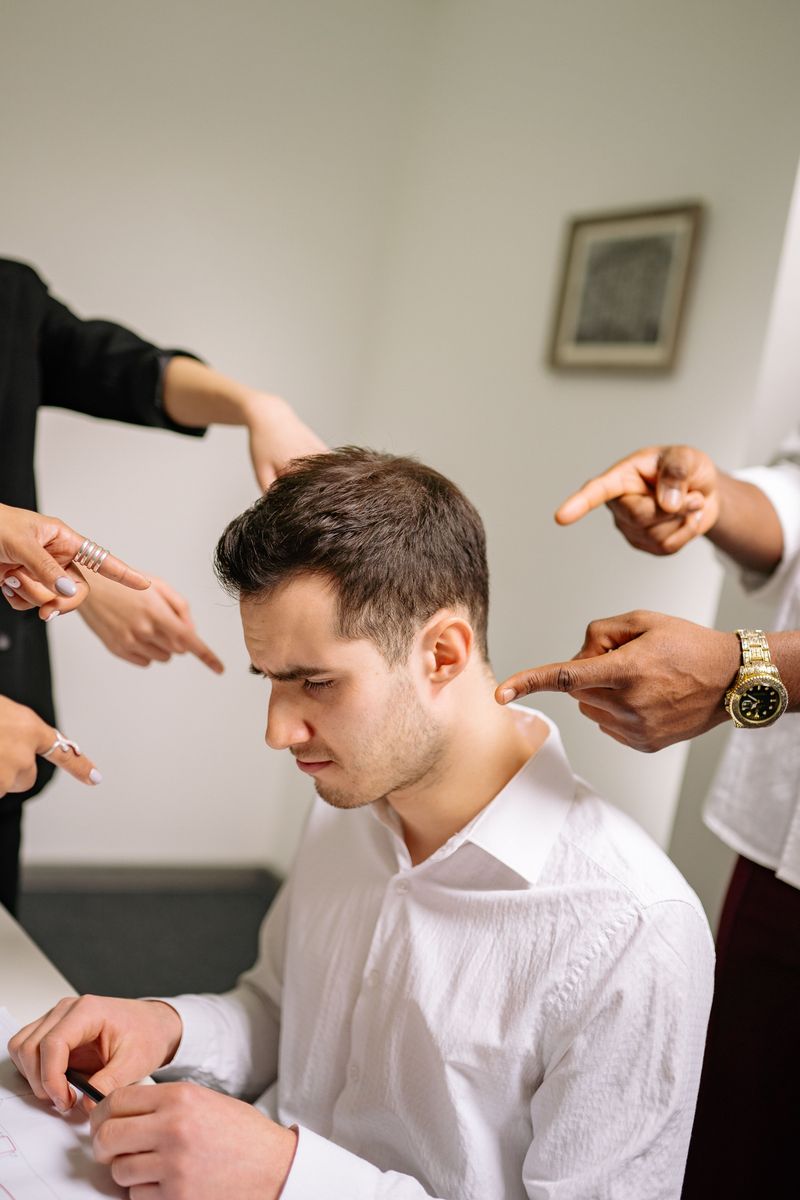
Nobody enjoys feeling embarrassed, but for some men, sensitivity to humiliation or social judgment runs especially deep.
When a man is highly concerned about how he or his relationship looks to others, he may become rigid and controlling in an attempt to manage perceptions and avoid anything that might bring him shame in public.
He might dictate how a partner dresses, speaks, or behaves around others.
These behaviors are often driven by an internal fear of being judged or ridiculed, not by a desire to cause harm.
Developing a stronger sense of self that is not dependent on outside approval can significantly reduce this kind of controlling behavior.
Self-acceptance is a powerful antidote to image-driven control.
12. Distrust

Trust does not come easily to everyone, especially those who have been hurt before.
When a man struggles to believe that others are reliable or faithful, that distrust can fuel monitoring, restrictions, and a constant need for proof of loyalty.
Past experiences with betrayal can make it feel impossible to simply let someone in.
The problem is that controlling behavior driven by distrust rarely creates the safety it is looking for.
Instead, it tends to breed resentment and erode the very connection the person is trying to protect.
Healing distrust takes time and often requires professional support.
Learning to extend trust gradually while also communicating concerns openly can help rebuild a foundation for a healthier relationship dynamic.
13. Vulnerability

Opening up emotionally can feel terrifying, especially for men who have learned that showing feelings is a weakness.
When vulnerability feels too risky, some men build walls and adopt dominant or controlling behavior as a way to keep others at a safe distance.
It is a form of emotional self-protection.
The irony is that this approach often creates the very disconnection they are trying to avoid.
Keeping people out through control means never experiencing the kind of deep, genuine closeness that makes relationships truly meaningful.
Learning to sit with vulnerability, even in small doses, can be transformative.
Therapy, journaling, or simply practicing honest conversations can gradually make emotional openness feel less threatening and more rewarding over time.