 MomSkoop
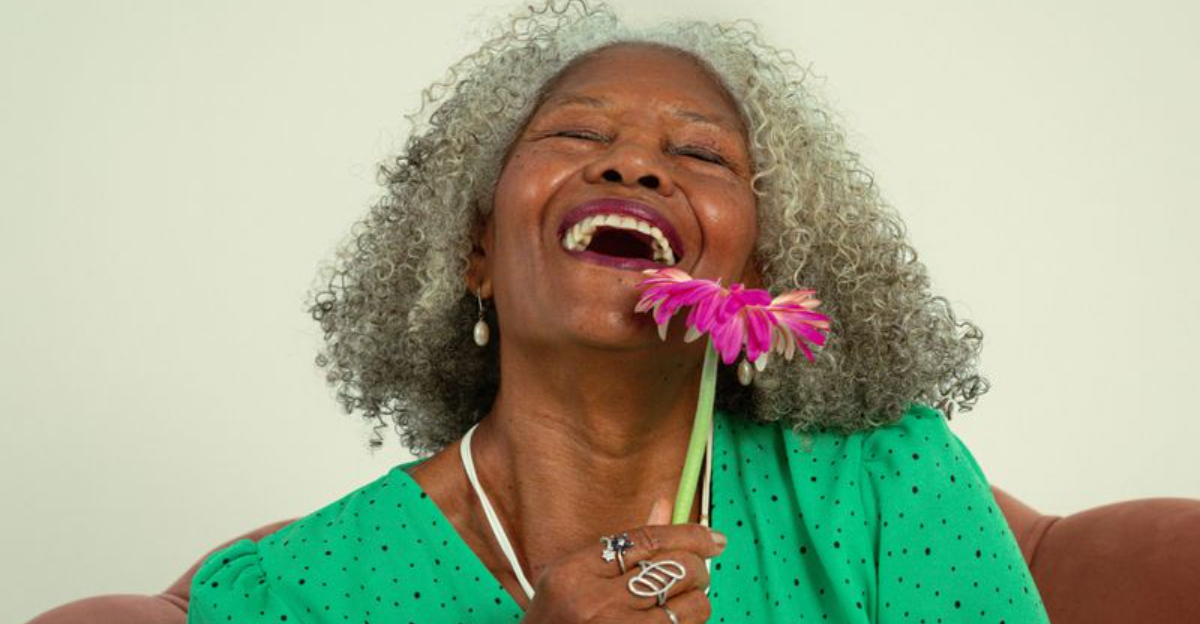
Society has a habit of putting older women into neat little boxes, as if age alone can summarize who a person is. These boxes come with labels that are often unfair, outdated, and just plain wrong.
Older women are teachers, athletes, artists, entrepreneurs, and so much more. Understanding the stereotypes they face is the first step toward seeing them as the full, complex human beings they truly are.
1. The Frail Older Woman
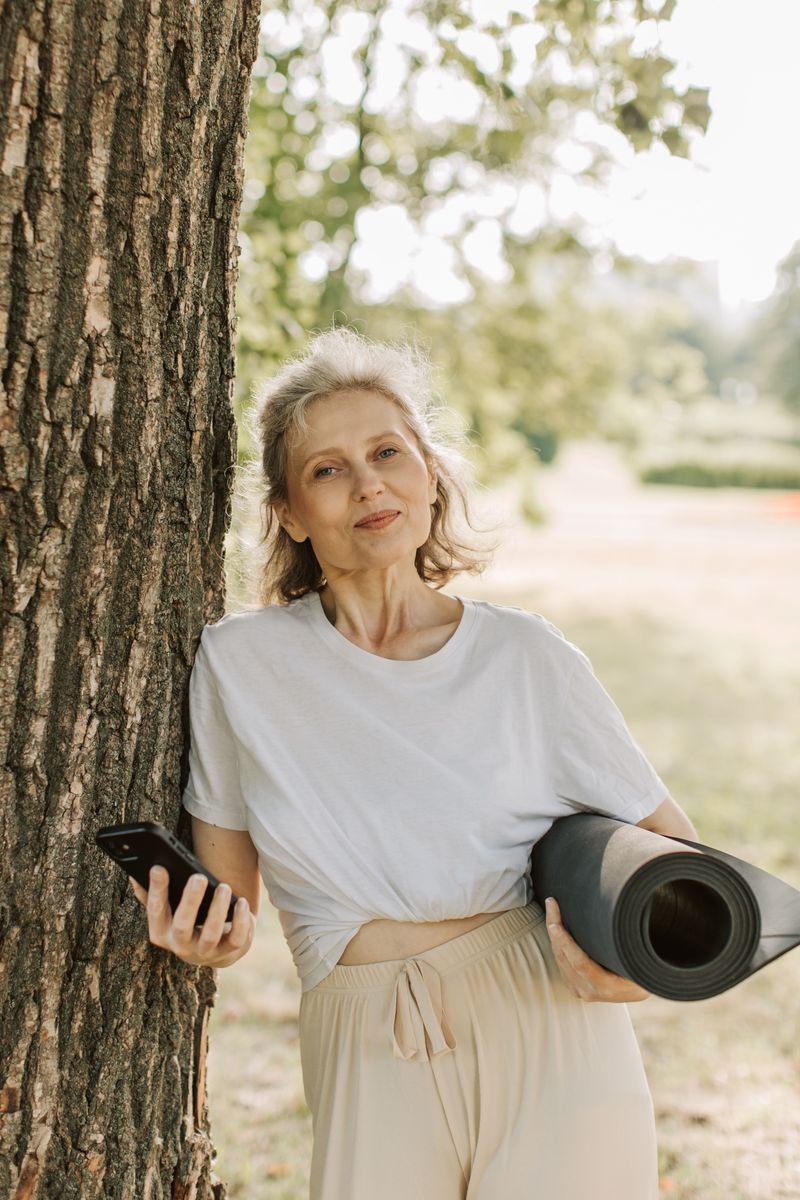
Picture a woman in her late sixties crossing a marathon finish line, arms raised, beaming with pride.
The stereotype that aging automatically brings weakness and dependence does not hold up against reality.
Many older women are physically active, mentally sharp, and completely capable of caring for themselves.
Health challenges can happen at any age, and facing them does not make a person weak.
Plenty of older women lift weights, practice yoga, hike trails, and run races well into their seventies and beyond.
Strength looks different for everyone, and age is just one small part of a much bigger picture.
Reducing older women to fragile figures erases their resilience and ignores decades of hard-earned toughness.
2. The Invisible Woman
There is a frustrating moment many older women describe: walking into a room and feeling like the walls get more attention than they do.
The idea that women become invisible once they reach a certain age says more about society’s blind spots than it does about the women themselves.
Older women lead companies, run for office, publish books, and spark conversations that change minds.
Their voices carry decades of lived experience, which is something no amount of youth can replicate.
Dismissing them as background figures is not just unfair, it is a genuine loss for everyone around them.
Visibility is not something that expires with age.
Many older women are louder, bolder, and more present than ever before.
3. The Technologically Clueless Woman
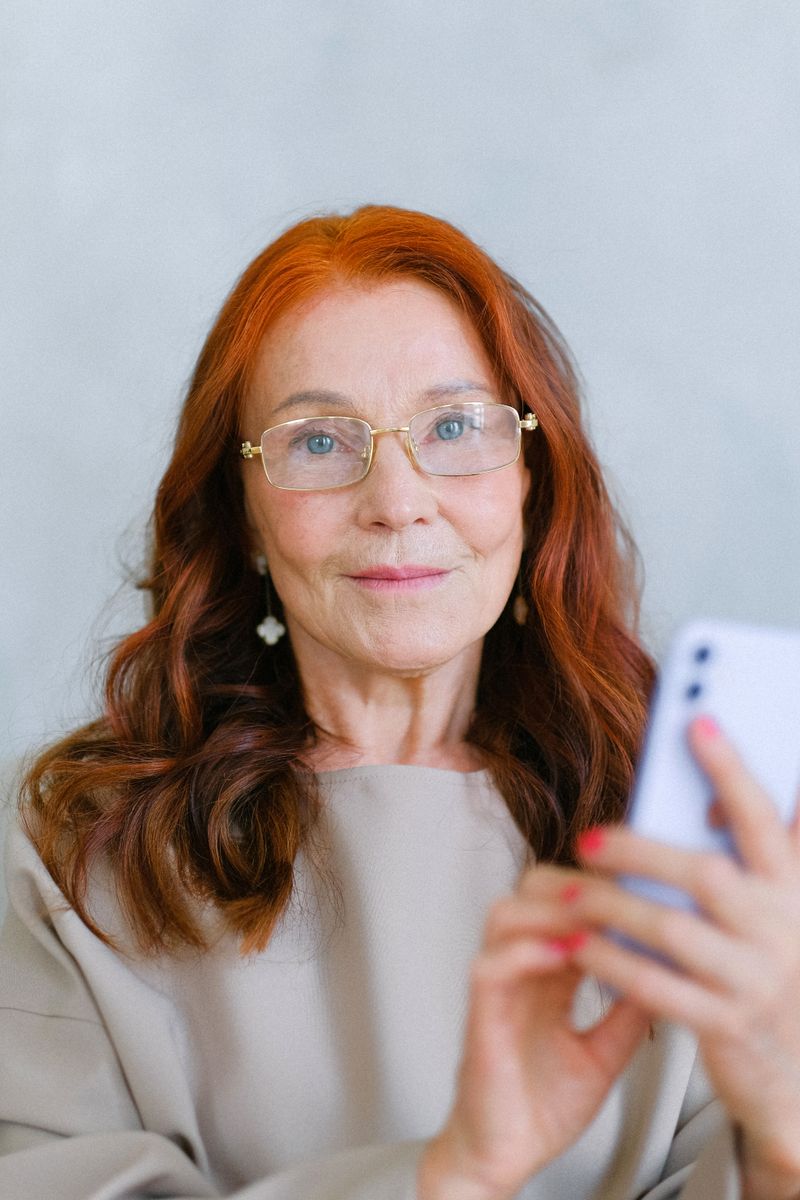
Believe it or not, some of the most active users on social media platforms are women over sixty.
The stereotype that older women cannot figure out smartphones or apps is not only wrong, it is a bit insulting.
Many older women learned to adapt to new technology long before the internet was even a household word.
From video calls with grandchildren to running online businesses, older women are navigating the digital world every single day.
Some even teach tech skills to younger family members who are less patient with setup processes.
Technology is a tool, and tools do not care how old the hands using them are.
Assuming cluelessness based on age overlooks a lifetime of adaptability and curiosity.
4. The Traditional Homemaker

Some older women love cooking and homemaking, and that is completely valid.
But assuming every older woman’s world revolves around a kitchen or a cleaning schedule is a serious oversimplification.
Many older women have built careers, launched nonprofits, earned advanced degrees, and traveled the world solo.
The homemaker stereotype often gets applied without asking what a woman actually wants or values.
It strips away her individual ambitions and replaces them with a one-size-fits-all image that was never accurate to begin with.
Older women come from generations that fought hard to expand what was possible for women everywhere.
Whether a woman chooses domestic life or a corner office, that choice belongs to her alone, not to any stereotype.
5. The Grumpy Older Woman
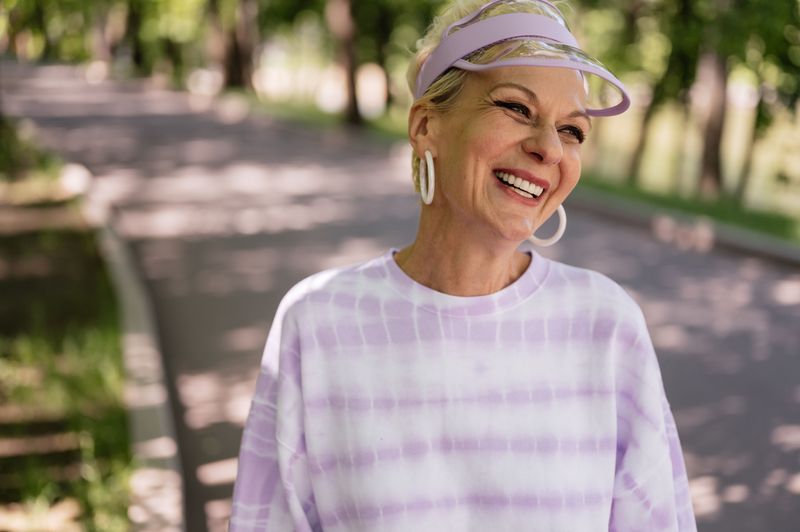
Sure, some older women are blunt and outspoken.
But calling that grumpy misses the point entirely.
Women who have spent decades navigating a world that often ignored their opinions have earned the right to speak their minds clearly and without apology.
The grumpy stereotype tends to show up whenever older women express preferences, set boundaries, or push back on things they disagree with.
Younger people doing the same thing might be called confident or passionate.
The double standard is hard to miss once you start looking for it.
Plenty of older women are warm, funny, adventurous, and endlessly patient.
Personality is shaped by far more than age, and painting an entire generation with one grumpy brush is simply not fair.
6. The Overprotective Grandmother
Grandmothers can be wonderful, caring, and deeply important to their families.
But not every older woman is a grandmother, and those who are have lives that extend far beyond that role.
Reducing older women to their relationship with younger generations ignores everything else they bring to the world.
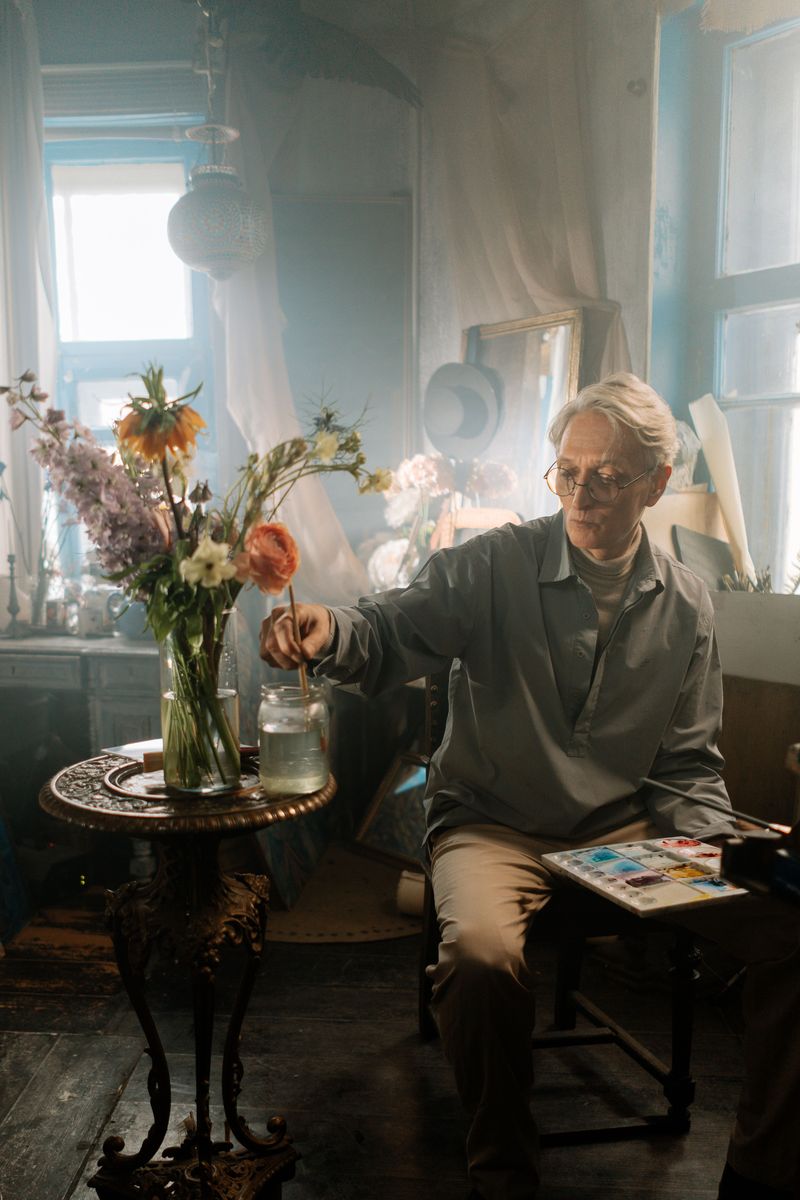
Many older women are deeply engaged in creative pursuits, political activism, travel, entrepreneurship, or academic research.
Their identities are rich and layered in ways that a single family role cannot capture.
Expecting older women to define themselves primarily through caregiving places an unfair and limiting expectation on them.
Older women deserve to be seen as whole people with their own passions, goals, and stories that have nothing to do with who they raised.
7. The Out-of-Touch Woman
Here is a fun fact: many of the social movements shaping today’s world were built on foundations laid by older women.
The assumption that older women cannot grasp contemporary culture, new language, or shifting social norms underestimates how closely many of them pay attention.
Staying current is not a young person’s exclusive ability.
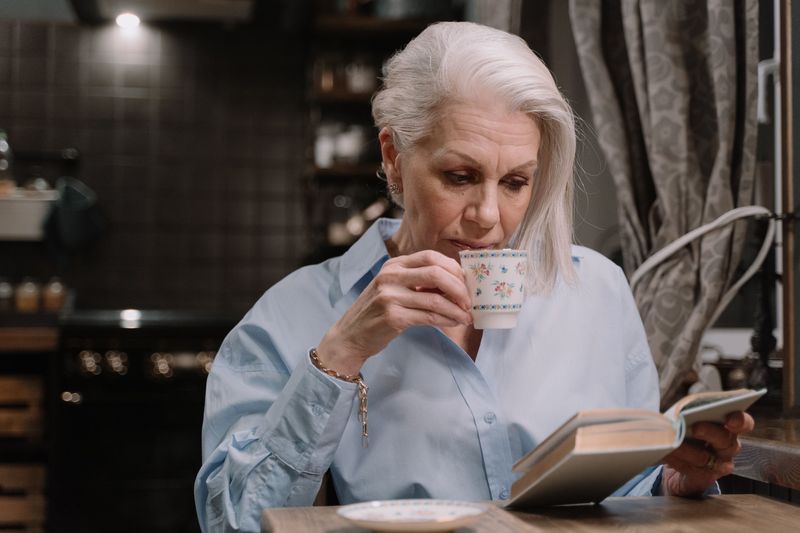
Older women read, listen, learn, and evolve just like anyone else.
Some actively seek out new perspectives because they understand that the world keeps moving and they want to move with it.
Calling someone out of touch without actually listening to them is a shortcut that costs everyone something valuable.
The lived experience of older women often adds context and depth that newer voices have not yet had time to develop.
8. The Lonely Older Woman
Loneliness is a real and serious issue that affects people of all ages, not just older women.
The stereotype that being older, single, divorced, or widowed automatically leads to isolation and sadness is both inaccurate and harmful.
Many older women report some of the highest levels of life satisfaction of any age group.
Freedom from certain social pressures, deeper friendships built over time, and a clearer sense of personal values often make older women’s social lives richer than they were in earlier decades.
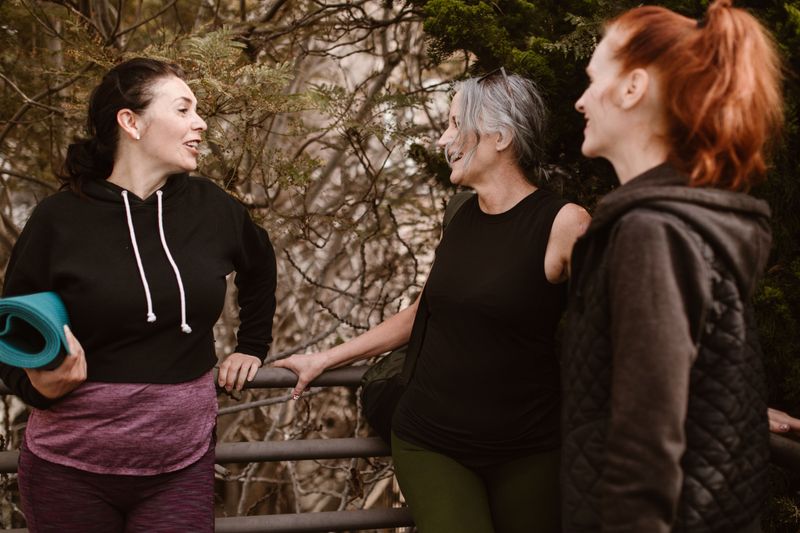
Many actively build communities, join clubs, volunteer, and travel with friends who share their interests.
Assuming an older woman is lonely just because she lives alone or does not have a partner projects a bias that says more about the observer than the observed.
9. The Unfashionable Woman
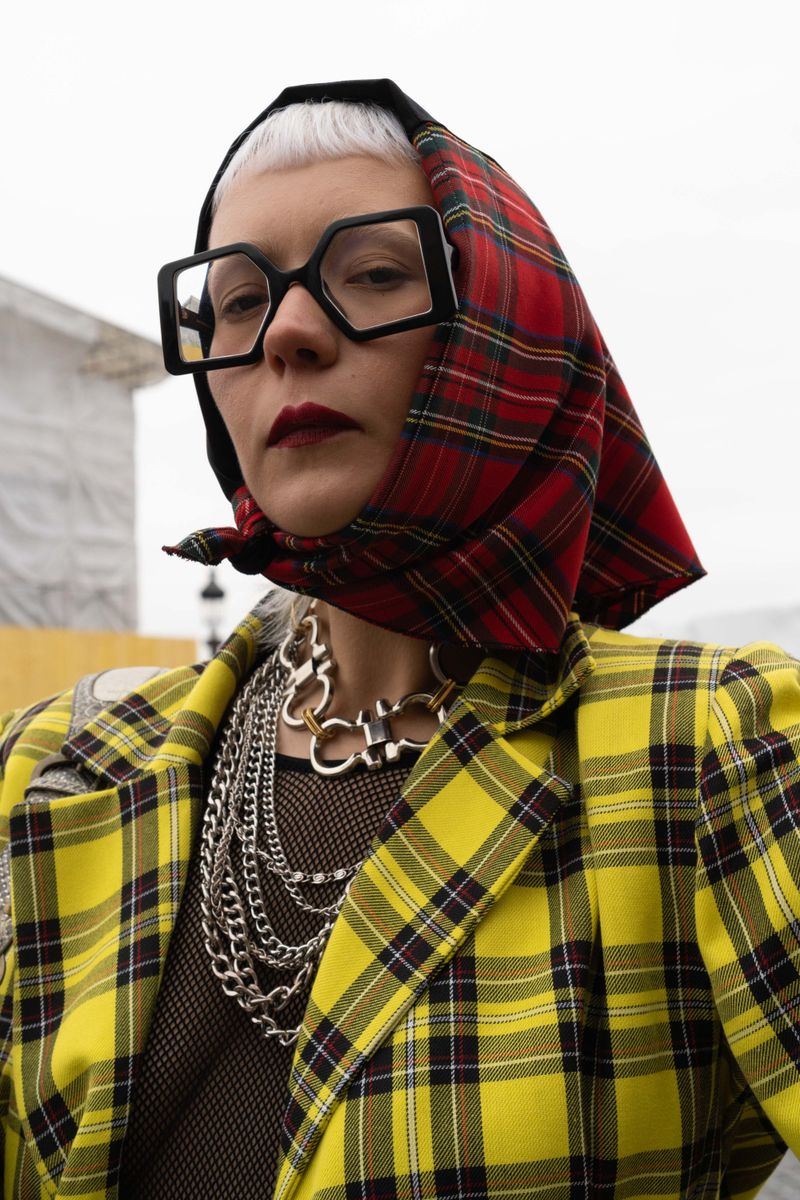
Fashion has no age limit, and older women across the globe are proving it every single day.
The idea that women past a certain age should stick to muted colors, loose cardigans, and sensible shoes is a relic of thinking that has long since worn out its welcome.
Older women are featured in major fashion campaigns, run popular style blogs, and set trends that younger people eagerly follow.
Personal style is an expression of identity, and identity does not fade just because a birthday number climbs higher.
Some women actually find their most authentic style voice later in life, once they stop worrying about fitting in.
Beauty and fashion belong to anyone bold enough to claim them, regardless of age or what anyone else thinks.
10. The Career-Past-Her-Prime Woman
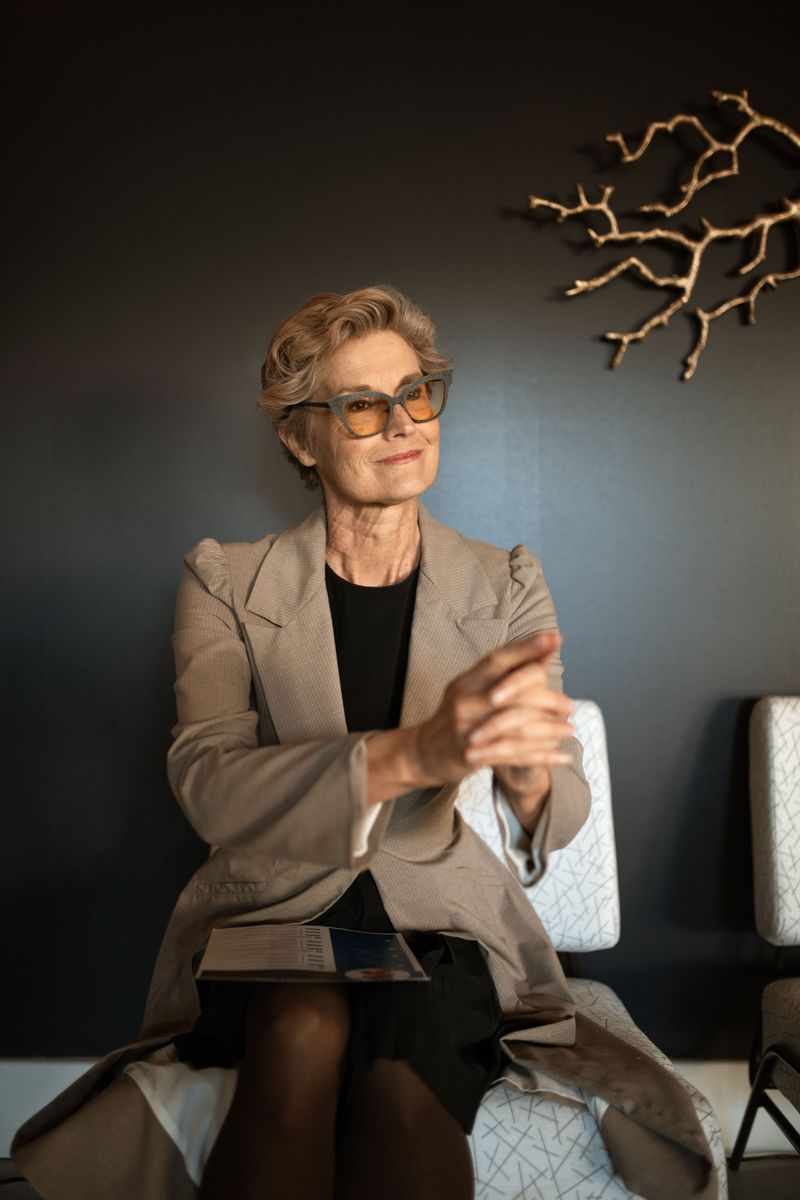
Age and ambition are not opposites.
The notion that older women have peaked professionally and are simply waiting to retire ignores a mountain of evidence to the contrary.
Many women hit their career stride in their fifties and sixties, armed with experience, confidence, and a network built over decades.
Older women bring institutional knowledge, emotional intelligence, and problem-solving skills that are genuinely hard to replicate.
They mentor younger colleagues, lead teams through complex challenges, and launch entirely new ventures with the kind of calculated boldness that only comes from having navigated failure before.
Treating an older woman as professionally past her prime is not just dismissive, it is a strategic mistake for any organization willing to overlook such a valuable resource.
11. The Non-Romantic Older Woman
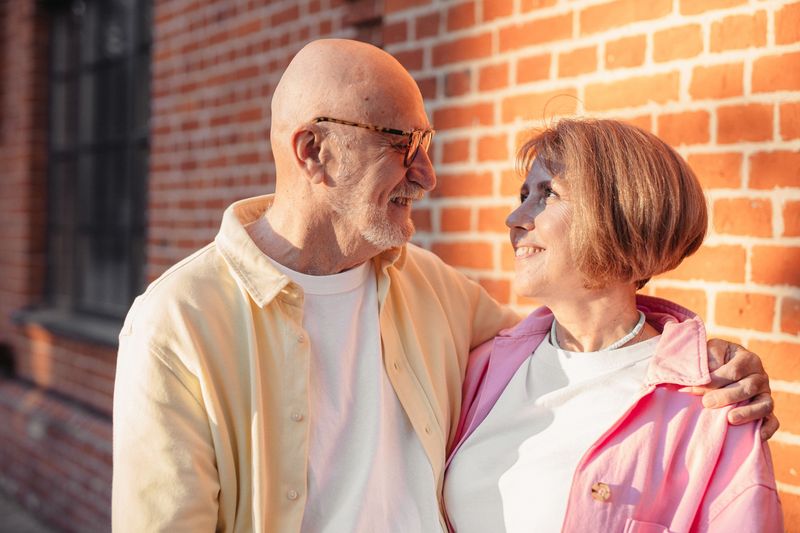
Romance, attraction, and intimacy do not come with an expiration date.
The assumption that older women lose interest in or access to romantic and sexual lives is one of the most persistent and least examined stereotypes out there.
Research consistently shows that many older women remain interested in intimacy and connection well into later life.
Dating apps have seen significant growth among users over sixty, and older women are among those actively seeking meaningful relationships.
Desire, affection, and the need for closeness are deeply human experiences that age does not simply switch off.
Treating older women as if they have moved past all of that not only erases a real part of their lives, it also reflects a cultural discomfort with older women’s autonomy and desires.
12. The Sweet Little Old Lady
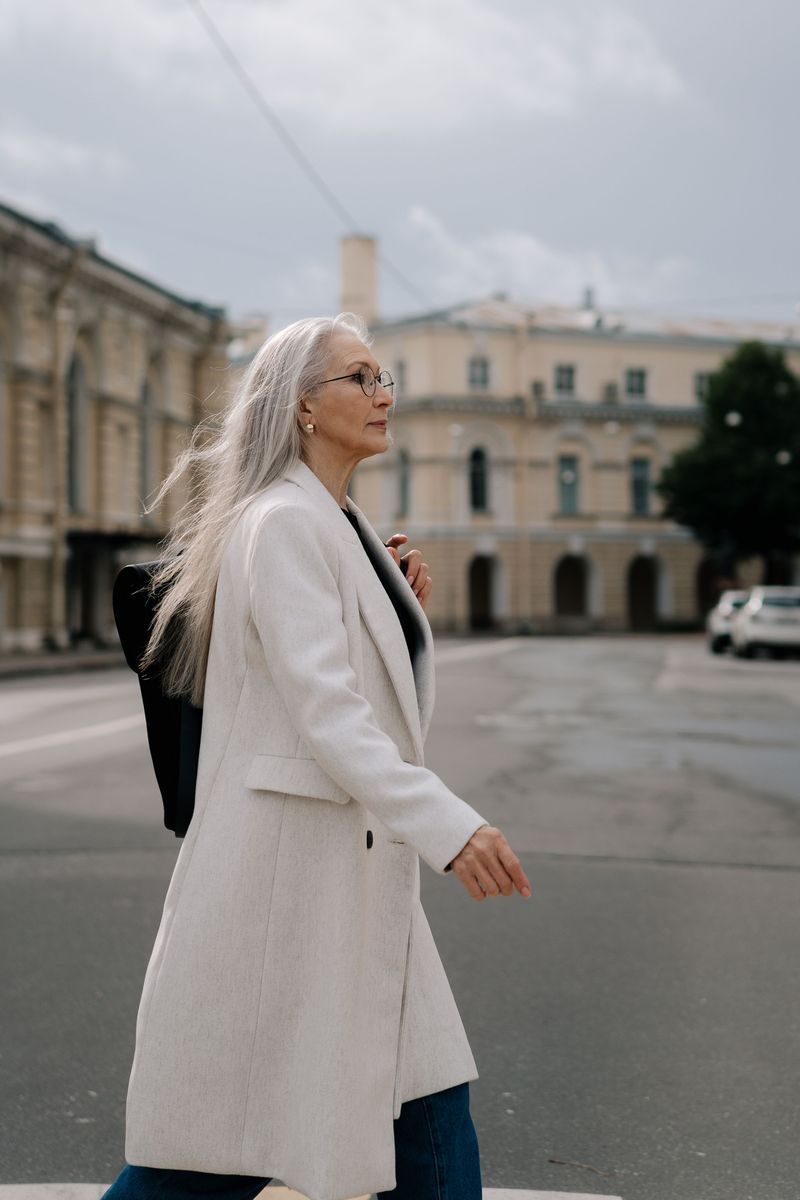
Not every older woman bakes cookies, speaks softly, and smiles at everything.
The sweet little old lady image, while sometimes well-intentioned, flattens a hugely diverse group of people into a single harmless caricature.
Some older women are fierce advocates, sharp critics, bold risk-takers, and complicated human beings with edges worth knowing.
Expecting older women to be universally gentle and passive puts pressure on them to perform a version of femininity that was never one-size-fits-all to begin with.
It also makes it easier to dismiss them when they do speak up, challenge authority, or refuse to play the expected role.
Older women are as varied in personality as any other group.
Letting them be fully themselves, in all their complexity, is the least they deserve.