 MomSkoop

Relationships can fall apart even when nothing seems obviously wrong. Sometimes a man walks away from a partnership that looks perfectly fine from the outside, leaving his partner confused and heartbroken.
The truth is, a number of quiet, internal factors can push someone toward the door long before any major conflict ever surfaces. Understanding these reasons can help both partners recognize warning signs and have more honest conversations before it is too late.
1. Loss of Emotional Connection

Somewhere between the late-night conversations and comfortable routines, the spark of emotional closeness can quietly fade.
A man might still care about his partner but feel like they are talking past each other rather than truly connecting.
That gap between two people sharing a home but not their inner worlds can be one of the loneliest feelings imaginable.
When he stops feeling understood, he may begin pulling away emotionally long before any physical separation happens.
Emotional disconnection is often gradual, making it easy to overlook until the distance feels too wide to bridge.
Couples who regularly check in with each other emotionally are far more likely to catch this drift before it becomes permanent.
2. Different Visions for the Future

Picture two people who genuinely love each other but want completely different lives.
One dreams of raising a family in a small town, while the other is chasing a career across the globe.
That kind of mismatch is not a small hurdle; it is a fork in the road with no easy workaround.
Conflicting goals around marriage, children, money, or where to settle down can quietly erode even the most compatible relationships.
A man may reach a point where he realizes that staying means giving up too much of what he wants for his future.
Honest, early conversations about long-term goals can save both partners from heartbreak down the road.
3. Feeling Taken for Granted

There is a slow kind of pain that comes from putting in consistent effort and never seeing it acknowledged.
When a man’s contributions, whether it is planning dates, managing stress, or simply showing up every day, go unnoticed, he may begin to wonder if any of it really matters.
Feeling invisible inside a relationship is surprisingly common and deeply demoralizing.
Over time, that lack of appreciation chips away at his motivation and emotional investment.
He might not bring it up right away because he does not want to seem needy, but the resentment builds quietly.
Small, genuine acts of recognition can make a huge difference.
A simple thank-you or acknowledgment of his effort can go a long way toward keeping the bond strong.
4. Unmet Emotional Needs

A relationship can look stable from every angle and still leave one person feeling emotionally hollow.
Men are often expected to be self-sufficient, which makes it harder for them to admit when they are not getting the affection, reassurance, or companionship they truly need.
When those core emotional needs go unmet for long enough, the relationship begins to feel more like a comfortable arrangement than a fulfilling partnership.
He may not even have the words to explain what is missing, which makes the problem even harder to address.
Recognizing that men have emotional needs just as real and valid as anyone else is a good starting point.
Creating space for open, judgment-free conversations can help both partners feel genuinely seen and supported.
5. Fear of Long-Term Commitment
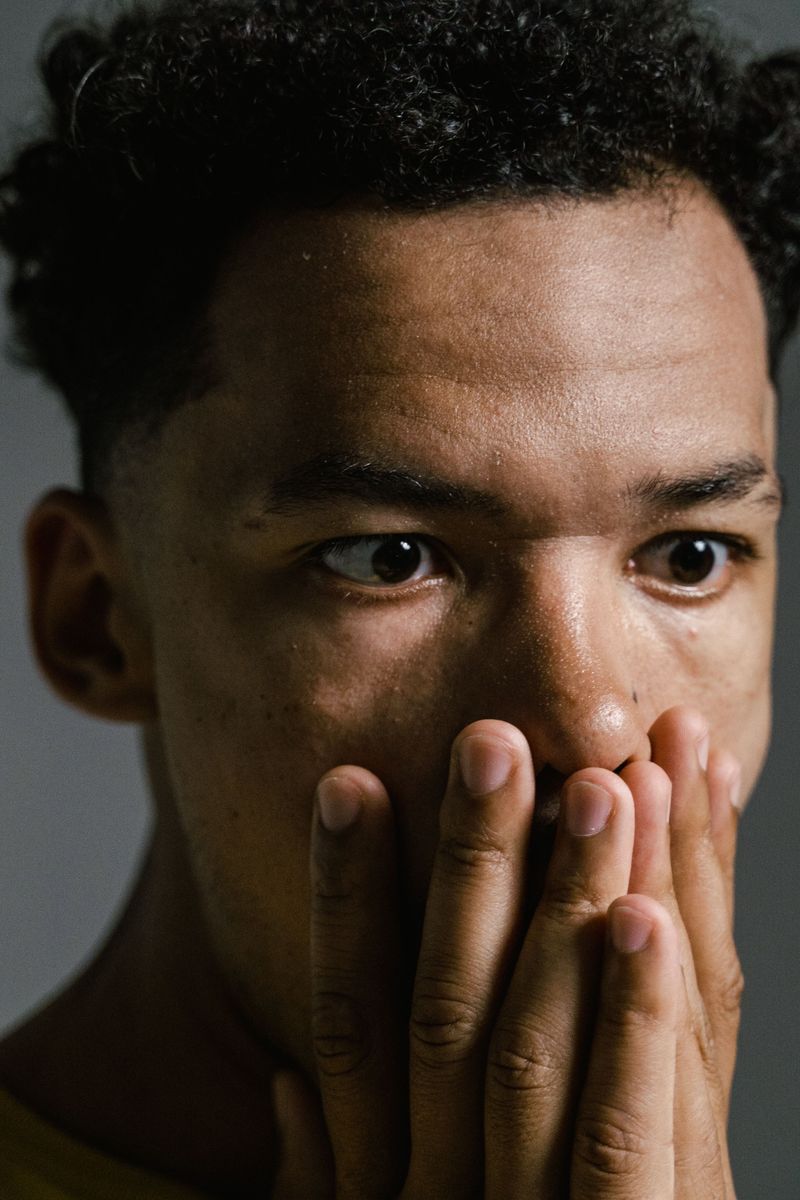
Commitment can feel exciting and terrifying at the same time, especially when a relationship starts moving toward something permanent.
For some men, the closer things get to marriage or long-term exclusivity, the louder the internal alarm bells become.
That anxiety is not always about the partner; sometimes it is about the weight of permanence itself.
Questions like “What if I make the wrong choice?” or “Will I lose my independence?” can spiral quickly into avoidance behavior.
He might genuinely love his partner while simultaneously feeling paralyzed by the idea of forever.
Therapy, honest conversations, and giving each other space to process these fears can sometimes resolve the anxiety.
But when the fear is deep-rooted, it may push him toward an exit even from a genuinely good relationship.
6. Loss of Personal Identity

Remember who you were before the relationship?
For some men, that question becomes impossible to answer after years of slowly giving up hobbies, friendships, and personal goals to keep a partnership afloat.
That gradual erosion of self can feel suffocating, even when the relationship itself is not toxic.
When maintaining a relationship consistently requires shrinking yourself, something eventually has to give.
He may begin to associate the partnership with the loss of things that once made him feel alive and purposeful.
Leaving starts to feel less like abandonment and more like reclaiming himself.
Healthy relationships make room for both partners to grow individually.
Encouraging each other to maintain outside friendships, personal ambitions, and independent interests actually strengthens the bond rather than threatening it.
7. Declining Physical or Romantic Attraction

Attraction is not a switch that stays permanently flipped to on.
Over time, especially in long relationships, the physical and romantic chemistry that once felt effortless can quietly shift.
That does not make either person bad; it just reflects a natural reality that many couples face but few openly discuss.
A man may still respect and care for his partner while noticing that the romantic spark no longer feels the same.
Pretending that everything is fine often makes things worse rather than better.
Acknowledging the change and working on rekindling intimacy is almost always a better path than silence.
Couples who invest in quality time, physical affection, and shared new experiences tend to maintain attraction more effectively.
The effort has to be mutual and consistent to make a real difference.
8. Persistent Communication Problems
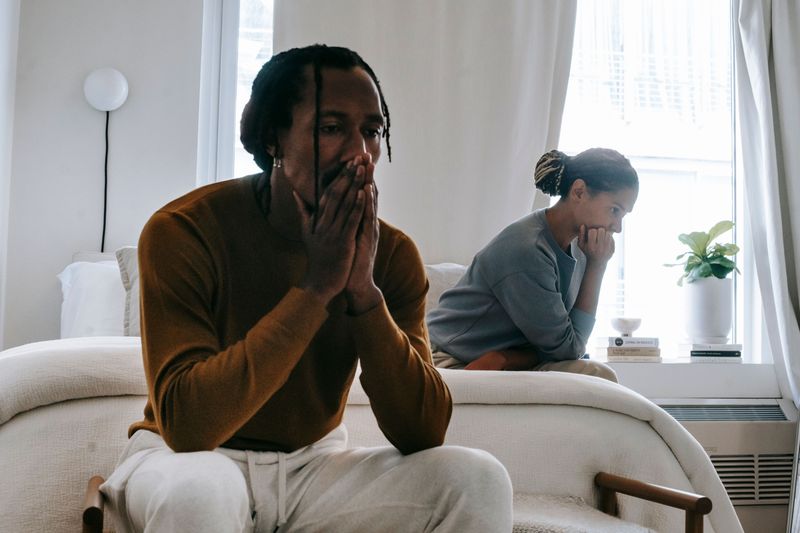
Every couple argues, but not every couple knows how to actually resolve what they argue about.
When the same disagreements keep circling back without any real resolution, conversations start to feel like minefields rather than safe spaces.
That kind of emotional exhaustion adds up fast.
Defensiveness, stonewalling, and the inability to talk about vulnerable topics are some of the most relationship-damaging patterns a couple can fall into.
A man who repeatedly feels unheard or attacked during discussions may eventually stop trying to communicate altogether.
Learning to listen without immediately defending yourself is a skill that takes practice but pays off enormously.
Couples counseling can offer practical tools for breaking destructive communication cycles before they do irreversible damage to the relationship.
9. Feeling Unable to Meet Expectations

Nobody can be the perfect partner every single day, but some men feel like that is exactly what is being asked of them.
Whether the pressure is stated directly or simply implied, the constant sense of falling short can be deeply discouraging.
Over time, it can make the relationship feel more like a performance review than a partnership.
Feelings of inadequacy tend to grow quietly.
He might not say anything at first, but internally he is keeping score of every moment he believes he has let his partner down.
Eventually, withdrawal starts to feel easier than continuing to try and fail.
Reassurance and realistic expectations matter more than people realize.
A relationship where both partners feel “good enough” rather than constantly evaluated is one that tends to last.
10. Personal Issues Outside the Relationship

Sometimes the reason a man leaves has almost nothing to do with his partner.
Career stress, financial pressure, family obligations, or a personal identity crisis can consume so much emotional energy that maintaining a relationship starts to feel impossible.
He may genuinely believe he is doing his partner a favor by stepping away.
Life transitions, like job loss, a family illness, or a major move, can shake a person’s sense of stability in ways that ripple into every relationship they have.
When he is barely holding himself together, the added responsibility of nurturing a partnership can feel overwhelming.
This is one of the hardest situations for a partner to navigate because the problem is not about them.
Open communication and mutual support during tough seasons can sometimes keep the relationship intact through the storm.
11. Realizing Love Is No Longer Enough

This one is perhaps the hardest to explain and even harder to accept.
No betrayal, no blowout fight, no obvious red flags.
He still cares.
He might even still love her.
But something has shifted at a level that is difficult to put into words, and he knows the relationship no longer feels right.
Love, as real and powerful as it is, does not always guarantee that two people are meant to stay together permanently.
Sometimes feelings change in ways that cannot be reversed, no matter how much both people wish otherwise.
Acknowledging that truth takes a kind of courage that is rarely celebrated but deeply necessary.
Walking away out of honesty rather than cruelty is its own form of respect.
Staying when the heart is no longer in it rarely ends well for either person.