 MomSkoop
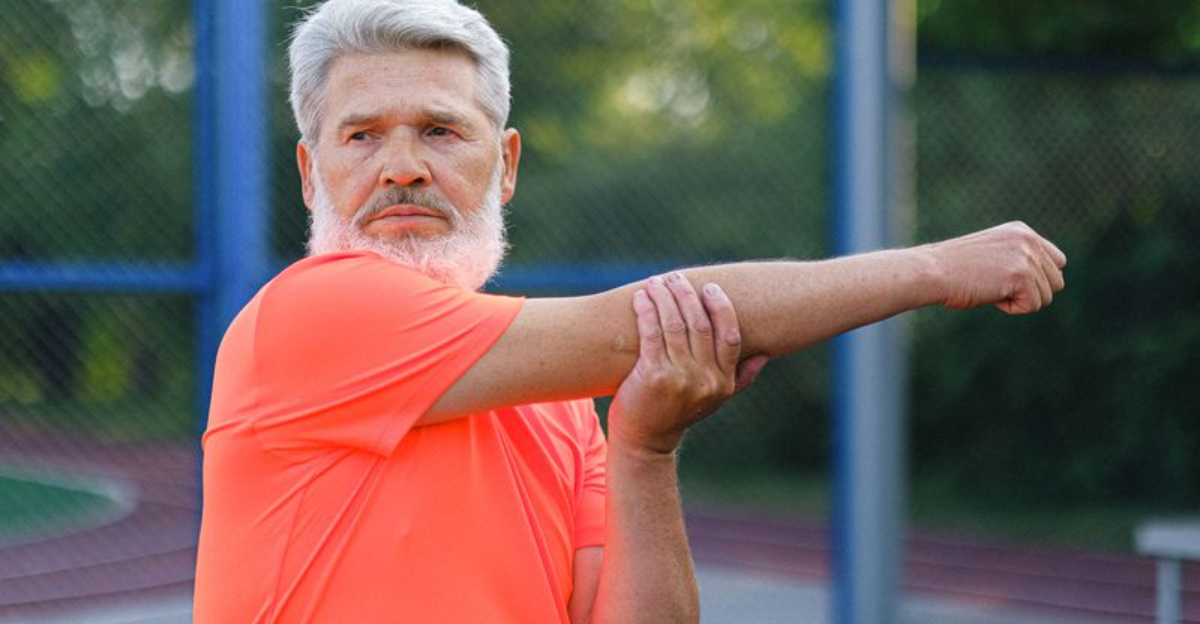
Getting older does not mean slowing down completely. For men over 50, certain physical abilities can tell you a lot about how healthy and fit you really are.
These everyday movements and tasks reveal strength, balance, flexibility, and endurance in ways that a gym number never could. Pay attention to how your body handles these 12 physical tests, because they might surprise you.
1. Walking Briskly for 30 Minutes

Lace up your shoes and head outside, because a brisk 30-minute walk is one of the most honest fitness checks available to men over 50.
Cardiovascular health shows up quickly when you push your pace beyond a casual stroll.
If you can maintain a speed that raises your breathing without leaving you gasping, your heart and lungs are working well together.
Brisk walking also engages your leg muscles, core, and posture in a natural, functional way.
Studies show that regular walkers have lower risks of heart disease, diabetes, and joint problems.
Aim for a pace where talking is possible but singing is not.
That sweet spot signals solid aerobic fitness for your age group.
2. Climbing Several Flights of Stairs Without Stopping
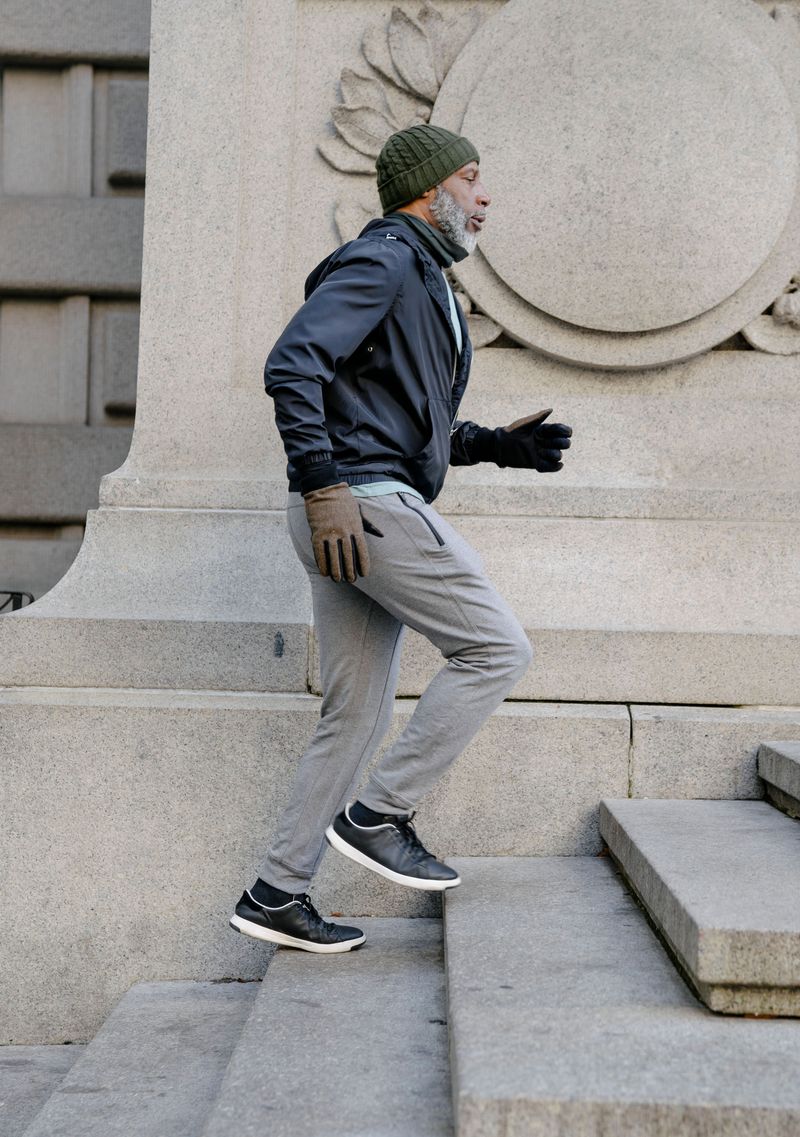
Stairs have a way of exposing fitness levels fast.
Men who can climb three or more flights without gripping the railing or needing a breather are showing real cardiovascular and muscular strength.
The staircase is essentially a free gym available almost everywhere.
Each step recruits your quadriceps, glutes, calves, and core simultaneously.
That combination of muscle groups working together reflects functional lower-body power, which tends to decline with age if not maintained.
Research from the European Society of Cardiology found that men who struggled climbing stairs had a higher risk of heart-related issues.
So next time you see an elevator, consider skipping it.
Your body will thank you for choosing the harder path.
3. Standing Up from a Chair Without Using the Hands
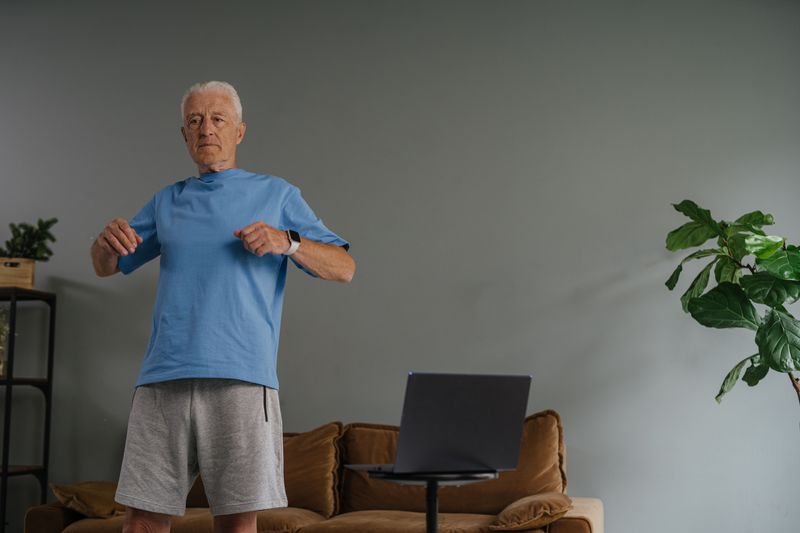
Try this right now: sit in a chair, cross your arms over your chest, and stand up using only your legs.
Sounds simple, but many men over 50 find this surprisingly difficult.
This movement tests leg strength, core stability, and coordination all at once.
Researchers have linked this ability, sometimes called the sitting-rising test, to longevity and overall physical health.
Weak quadriceps and poor hip mobility are often the culprits when men struggle.
Practicing bodyweight squats and lunges regularly can dramatically improve this movement pattern.
The ability to rise independently from a seated position also becomes critically important for preventing falls and maintaining independence as the years go on.
Treat this as a personal benchmark worth tracking.
4. Balancing on One Leg for 20 to 30 Seconds
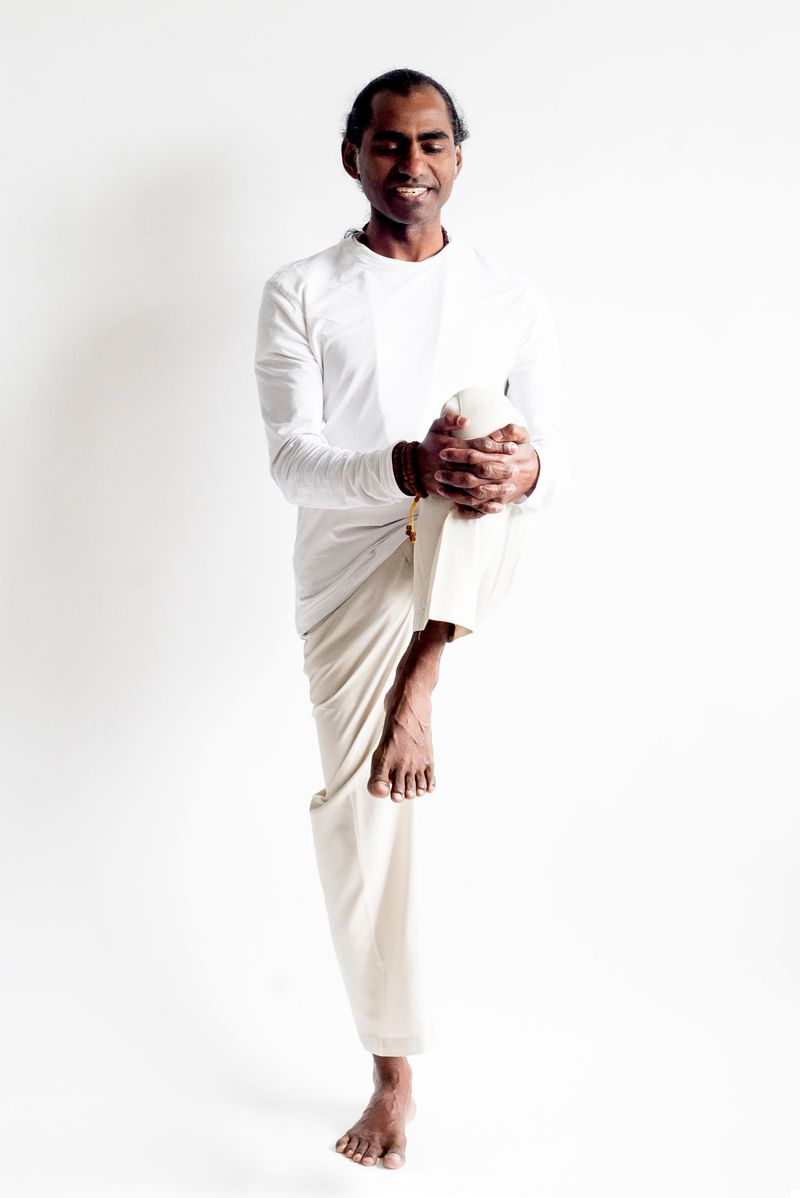
Balance is one of the first physical skills to quietly fade after age 50, often without men even noticing until a stumble or fall happens.
Standing on one leg for 20 to 30 seconds without wobbling or hopping is a reliable marker of neuromuscular health and core control.
A 2023 study published in the British Journal of Sports Medicine found that men who could not hold a 10-second one-leg balance had a significantly higher risk of early death.
That is a striking finding from such a simple test.
Practicing daily balance drills, like standing on one foot while brushing your teeth, builds stability over time.
Strong ankles, hips, and an alert nervous system all contribute to keeping you upright and confident.
5. Performing 10 to 15 Controlled Push-Ups
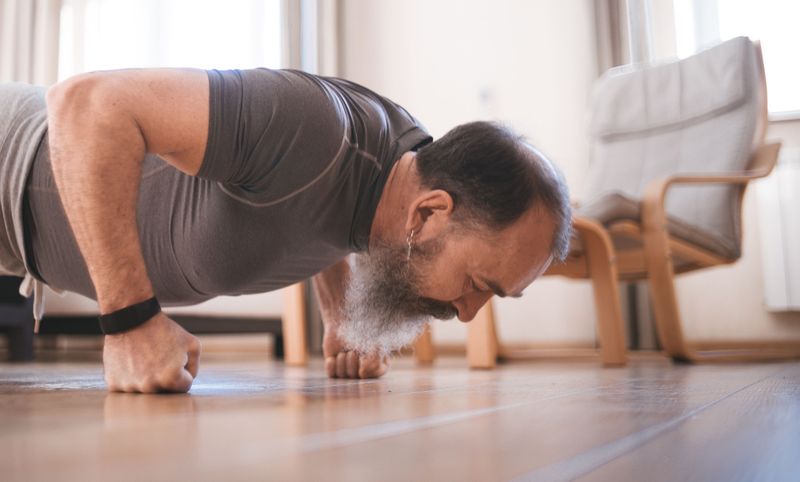
Push-ups have been a fitness staple for good reason.
Completing 10 to 15 clean, controlled reps without sagging hips or shaking arms reflects meaningful upper-body and core strength.
For men over 50, maintaining muscle mass becomes increasingly important because the body naturally loses muscle at about 1 percent per year after age 40.
A Harvard study tracking middle-aged men found that those who could complete more than 40 push-ups had significantly lower cardiovascular disease risk compared to those managing fewer than 10.
You do not need to hit 40 right away.
Start with 10 solid reps using full range of motion.
Quality beats quantity every time, and consistent effort builds real, functional strength that supports daily life.
6. Carrying Moderately Heavy Grocery Bags Comfortably

Grip strength might be the most underrated fitness indicator for men over 50.
Carrying two full grocery bags from the car to the kitchen without dropping them or wincing reveals a lot about your hand, forearm, and shoulder endurance.
Researchers at the University of Michigan found that grip strength is closely linked to overall muscle health and even cognitive function.
Farmers carries, where you simply walk while holding heavy weights at your sides, are one of the best exercises for building this kind of functional strength.
Beyond the gym, the ability to carry things comfortably supports independence and daily confidence.
If grocery bags feel heavier than they used to, that is a useful signal worth addressing sooner rather than later.
7. Squatting Down and Returning to Standing with Control
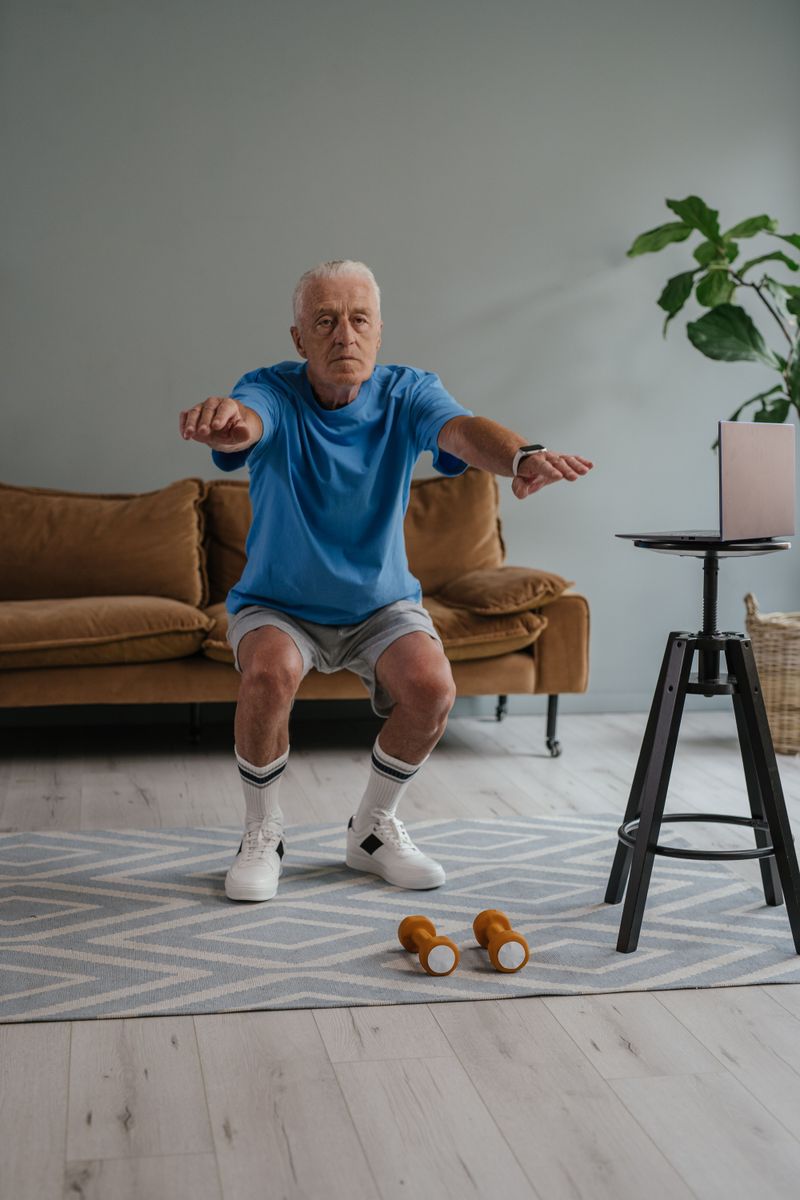
Few movements reveal functional fitness as honestly as a squat.
Lowering your body toward the floor with control and rising back up smoothly shows that your hips, knees, ankles, and core are all working together properly.
Many men over 50 avoid squatting because of discomfort, but avoiding it often makes things worse over time.
Tight hip flexors, weak glutes, and poor ankle mobility are the most common reasons squatting feels uncomfortable or unstable.
Addressing those areas with targeted stretching and strengthening makes a noticeable difference within weeks.
The squat pattern also mirrors everyday actions like picking something off the floor or lowering into a car seat.
Keeping this movement smooth and pain-free is one of the clearest signs of well-maintained physical fitness after 50.
8. Getting Up from the Floor Without Significant Assistance
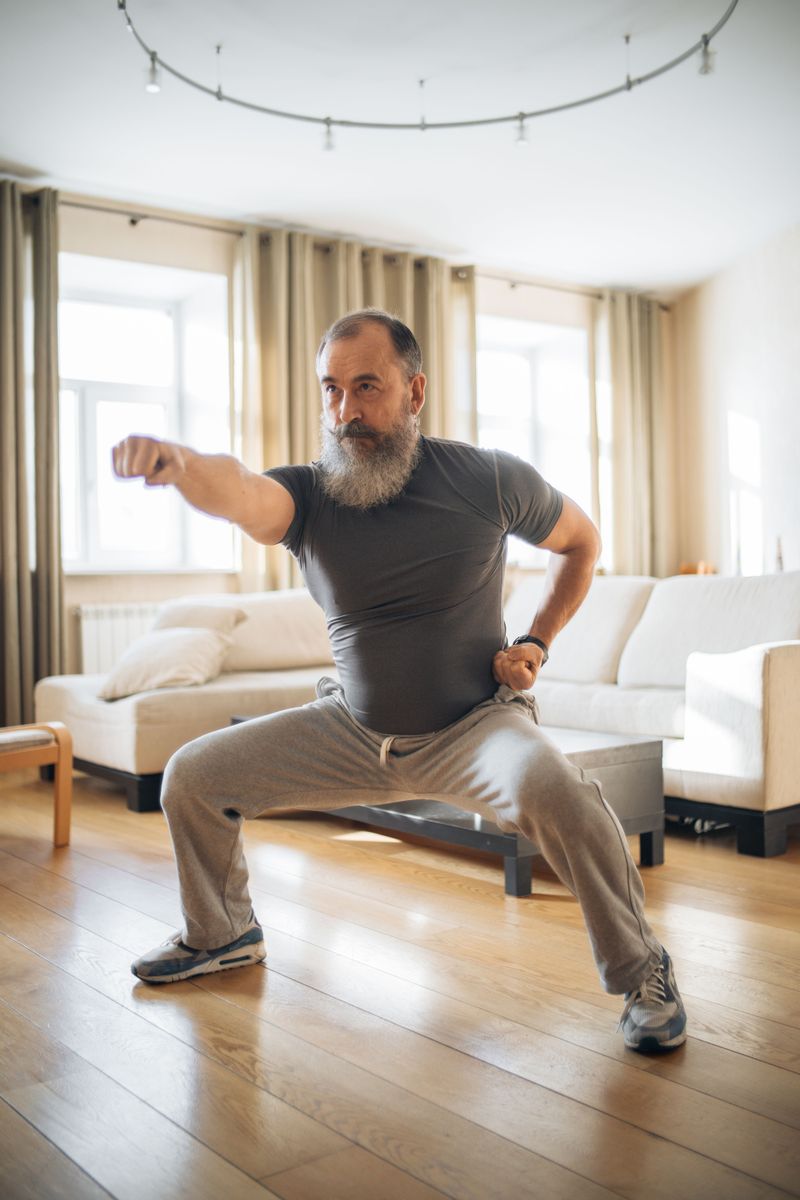
Getting down to the floor and back up again is something most people take for granted in their 30s.
By 50, it becomes a genuine fitness test.
The ability to rise from the floor without pushing off furniture or needing a hand reflects hip mobility, leg strength, core stability, and total-body coordination working in harmony.
The sitting-rising test, developed by Brazilian physician Claudio Gil Araujo, scores this exact movement on a scale of zero to ten.
Low scores were associated with higher mortality rates in his research, which made headlines worldwide.
Practicing floor movements regularly, like yoga, stretching, or simple get-up drills, keeps this ability sharp.
Staying comfortable on the floor means staying capable in life, and that matters more than most men realize.
9. Walking a Mile at a Steady Pace

One mile might not sound like much, but how you feel at the finish line tells a revealing story.
Men over 50 who can walk a mile at a consistent pace without significant breathlessness or leg fatigue are demonstrating solid aerobic endurance and muscular stamina.
The Rockport Walking Test uses a timed one-mile walk to estimate cardiovascular fitness, and it remains a trusted benchmark in exercise science.
A healthy target for men in this age group is completing the mile in around 14 to 16 minutes while keeping heart rate in a moderate zone.
Regular walking builds endurance gradually without stressing the joints the way running sometimes does.
Consistency matters far more than speed.
Getting out for daily walks is one of the smartest, most sustainable fitness habits available.
10. Touching the Toes or Reaching Toward the Feet Comfortably
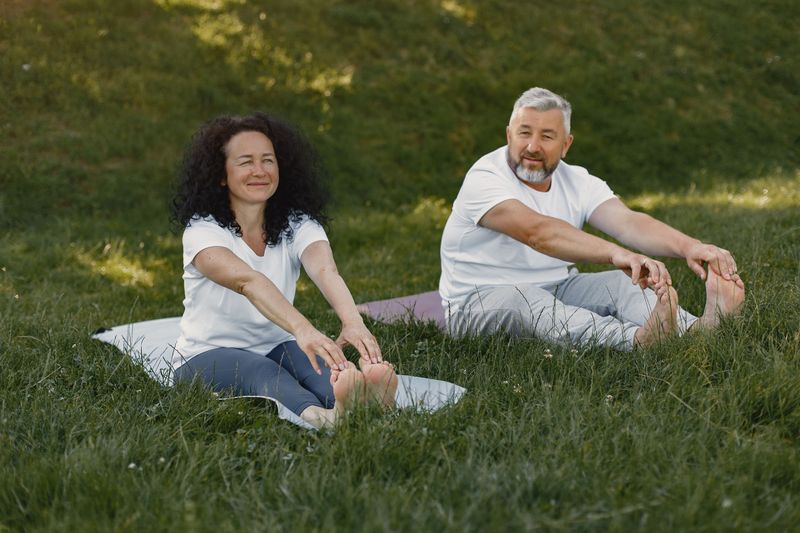
Flexibility often gets ignored in favor of strength and cardio, but for men over 50, it deserves equal attention.
Reaching toward your toes while standing or seated reflects the flexibility of your hamstrings, lower back, and hips, all areas that tighten significantly with age and a sedentary lifestyle.
Poor flexibility in these regions contributes to lower back pain, poor posture, and a higher risk of muscle strains during everyday activities.
A 2020 study found that body flexibility was also associated with arterial stiffness, meaning that stretching may benefit cardiovascular health beyond just the muscles.
Spending five to ten minutes stretching daily, particularly after exercise, creates real improvement over weeks.
Flexibility is not about impressing anyone.
It is about keeping your body functional and pain-free for the long run.
11. Holding a Plank for 30 to 60 Seconds
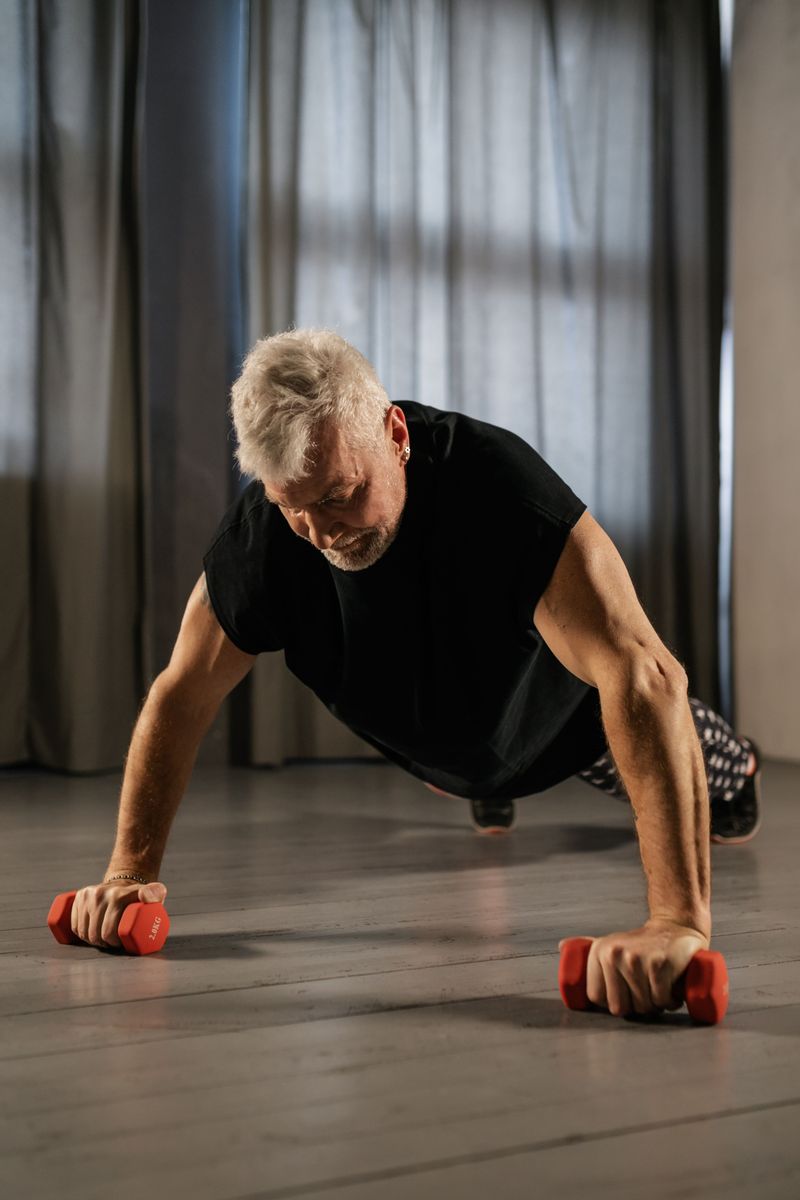
Core strength is the foundation that every other physical ability depends on, and the plank is one of the most efficient ways to measure it.
Holding a solid plank position for 30 to 60 seconds without the hips dropping or rising means your deep abdominal muscles, lower back, and stabilizing muscles are doing their job effectively.
Many men over 50 are surprised to discover their core is weaker than expected, especially if they have spent years focusing only on arms and legs.
A strong core protects the spine, improves posture, reduces lower back pain, and enhances performance in virtually every physical activity.
Building plank time gradually, adding five seconds each week, is a realistic and rewarding progression.
Start where you are, and build from there with patience.
12. Maintaining a Steady Pace During Moderate Physical Activity
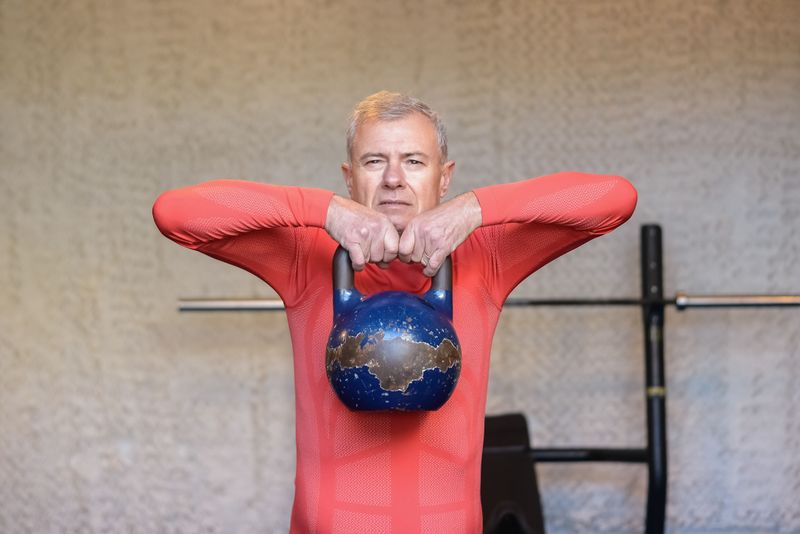
Endurance is not just about going fast.
For men over 50, the ability to sustain a moderate effort over time, whether jogging, cycling, swimming, or hiking, reflects the health of the heart, lungs, and slow-twitch muscle fibers that power prolonged activity.
Fading energy levels or needing frequent rest breaks during moderate exercise can signal declining aerobic capacity.
VO2 max, the body’s ability to use oxygen during exercise, drops naturally with age but can be slowed significantly through consistent aerobic training.
Keeping a conversational pace during a 20 to 30-minute workout is a practical real-world test.
If you can chat comfortably without gasping, your aerobic base is in reasonable shape.
Protecting that base through regular moderate activity is one of the most powerful things a man over 50 can do for long-term health.