 MomSkoop

Some people seem to bounce back from tough situations faster than others, and it is not just luck. The way someone responds to a hard moment often comes down to habits they have built over time.
These patterns of thinking and acting make a real difference when life gets difficult. Understanding what those habits look like can help anyone face their own challenges with more confidence and calm.
1. Breaking Big Problems Into Smaller Steps

Staring at a massive problem can feel like standing at the bottom of a mountain with no path in sight.
People who handle challenges well know that the trick is not to climb the whole mountain at once.
Instead, they chip away at it one small step at a time.
Breaking a big problem into smaller pieces makes it feel manageable.
Each small win builds momentum and confidence.
You stop feeling overwhelmed and start feeling capable.
Try writing down the three smallest actions you can take today toward solving a problem.
That simple habit shifts your brain from panic mode into problem-solving mode, and that shift makes all the difference when things get tough.
2. Focusing on What They Can Control
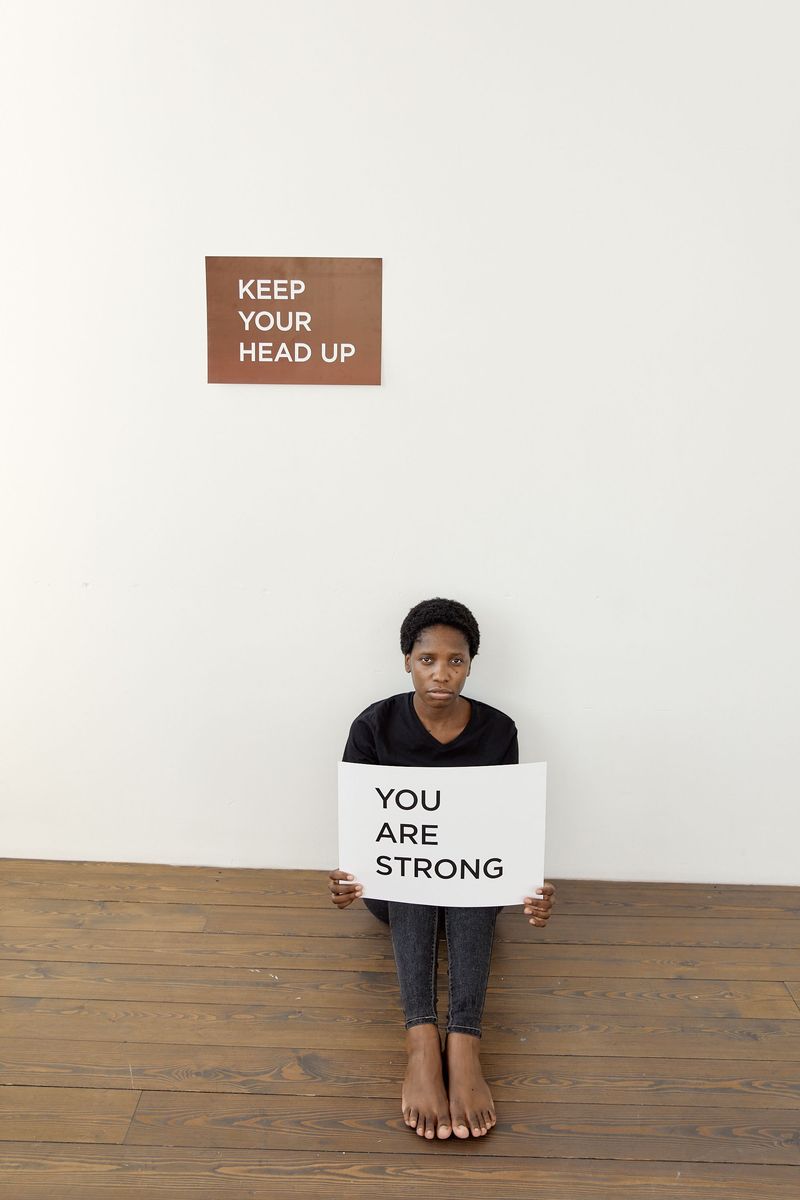
Worrying about things outside your control is like trying to stop rain with your bare hands.
It drains energy without producing results.
People who manage challenges well understand this clearly and choose to redirect their focus.
They ask themselves one simple question: “What can I actually do about this right now?” That question cuts through the noise and points attention toward real action.
It is a habit that reduces anxiety and builds a sense of personal power.
You cannot control every outcome, but you can control your effort, your attitude, and your next move.
Practicing this habit consistently helps you stay grounded even when situations feel completely out of hand.
3. Taking Time Before Reacting

Ever said something in anger that you immediately wished you could take back?
Most people have.
Reacting too fast in a stressful moment often makes the situation worse, not better.
People who handle pressure well have trained themselves to pause before responding.
That pause might be a deep breath, a short walk, or simply counting to ten.
It sounds small, but it creates just enough space to think clearly before acting.
Neuroscience backs this up.
When your brain is flooded with stress hormones, logical thinking takes a back seat.
Giving yourself even a few seconds to calm down allows your rational mind to take over.
That brief pause can completely change the outcome of a difficult situation.
4. Adjusting Plans When Circumstances Change

Rigid plans crack under pressure.
Flexible ones bend and hold.
People who consistently navigate challenges well know that clinging too tightly to a plan when things change is a recipe for frustration.
Adjusting does not mean giving up.
It means being smart enough to recognize when the original path is no longer working and being willing to find a new one.
That kind of adaptability is one of the most valuable skills a person can develop.
Think of it like a GPS rerouting when a road is blocked.
The destination stays the same, but the route changes.
Practicing flexibility in small everyday situations builds the mental muscle needed to adapt quickly when bigger challenges come along.
5. Asking for Help When They Need It

There is a common myth that asking for help is a sign of weakness.
In reality, it is one of the smartest moves a person can make when facing a tough challenge.
Strong people know they do not have to figure everything out alone.
Reaching out to someone with more experience or a different perspective can open up solutions you never would have found on your own.
It also builds stronger relationships and reminds you that support is available when you need it.
Start small.
Ask a friend, teacher, or family member for input on something you are struggling with.
Getting comfortable with asking for help early on makes it much easier to seek support when the stakes are higher.
6. Keeping Problems in Perspective

When you are in the middle of a hard moment, it can feel like the end of the world.
But most problems, when viewed from a wider angle, are not as permanent or as devastating as they first appear.
People who handle challenges well regularly practice zooming out.
They ask themselves, “Will this matter in five years?” That question does not dismiss the problem, it just puts it in its proper place.
Sometimes the answer is yes, and sometimes it helps you realize the issue is smaller than it felt.
Keeping perspective also means recognizing that you have survived hard things before.
That track record is proof that you are more capable than your worst moments make you feel.
7. Maintaining Consistent Daily Routines
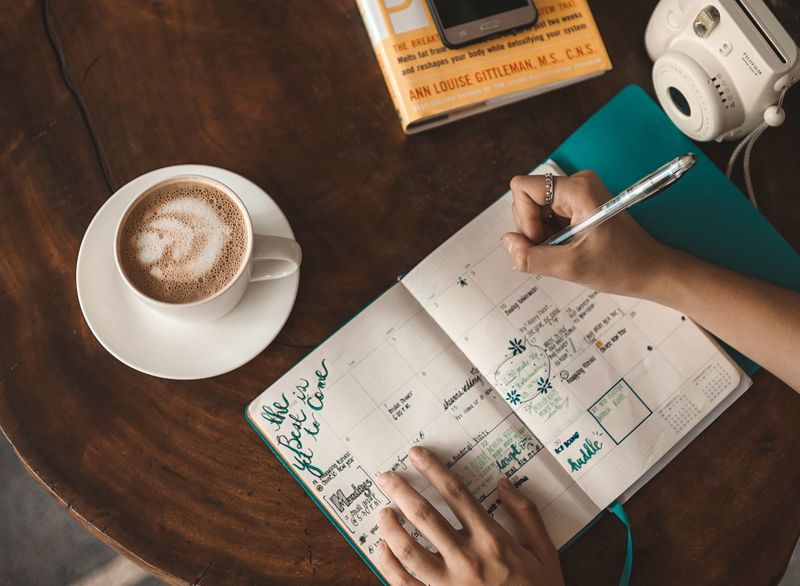
Routines might sound boring, but they are actually one of the most powerful tools for handling stress.
When life feels chaotic, having a predictable structure to return to provides a sense of stability and calm.
People who manage challenges well often protect their basic routines fiercely.
They keep regular sleep times, eat consistently, and carve out small moments of order even when everything else feels uncertain.
These habits act as anchors during stormy periods.
Research shows that routines reduce decision fatigue, which frees up mental energy for actual problem-solving.
You do not have to have an elaborate schedule.
Even a simple morning or evening routine can create enough structure to help you stay steady when challenges pile up.
8. Learning From Past Difficulties

Every hard experience carries a lesson if you are willing to look for it.
People who handle challenges well do not just survive tough moments, they study them afterward to understand what worked and what did not.
This habit turns painful experiences into valuable data.
Instead of replaying failures with regret, they replay them with curiosity.
What could I have done differently?
What did I learn about myself?
Those questions transform setbacks into stepping stones.
Keeping a simple journal after a difficult period is one practical way to build this habit.
Writing down what happened, how you responded, and what you would change helps your brain process the experience and store the lesson for next time.
9. Setting Realistic Expectations

Expecting everything to go perfectly is one of the fastest routes to disappointment.
People who handle challenges well set goals that are ambitious but grounded in reality.
That balance keeps motivation alive without setting the stage for constant letdown.
Realistic expectations do not mean lowering your standards.
They mean understanding what is actually achievable given your current resources, time, and circumstances.
That honest self-assessment prevents the kind of frustration that makes people want to quit when things get hard.
A good way to practice this is to ask, “What is a realistic outcome here, not the best possible outcome?” That simple reframe helps you plan more effectively and celebrate real progress rather than chasing a version of success that was never within reach.
10. Looking for Practical Solutions

Some people get so caught up in analyzing a problem that they never actually get around to solving it.
People who handle challenges well balance understanding the problem with moving toward action.
They stay solution-focused, even under pressure.
This habit is about asking “What can I do?” more than “Why did this happen?” Understanding causes matters, but dwelling on them without moving forward only prolongs difficulty.
Practical thinkers look for options, test ideas, and adjust based on what they learn.
You can build this habit by listing three possible solutions to any problem you face, no matter how simple or imperfect they seem.
That exercise trains your brain to shift from problem mode to action mode quickly, which is a skill that pays off consistently.
11. Making Decisions Despite Uncertainty

Waiting for perfect information before making a decision often means never deciding at all.
People who handle challenges well have learned to make their best call with the information they have, then adjust as things become clearer.
Uncertainty is uncomfortable, but paralysis is worse.
Indecision has its own costs, including missed opportunities, prolonged stress, and lost momentum.
Making a thoughtful decision, even an imperfect one, moves you forward and gives you something real to work with.
Think of it like driving in fog.
You cannot see the whole road, but you can see enough to keep moving safely.
Trusting yourself to navigate with incomplete information is a skill that grows stronger each time you practice making a decision despite not knowing everything.
12. Giving Themselves Time to Recover

Pushing through without rest sounds tough, but it usually leads to burnout rather than breakthroughs.
People who consistently handle challenges well understand that recovery is not laziness.
It is a necessary part of staying strong over time.
After a hard period, the body and mind both need time to reset.
Skipping that recovery phase means carrying fatigue into the next challenge, which makes everything harder.
Rest is what allows you to come back with fresh energy and clearer thinking.
Recovery looks different for everyone.
For some, it is sleep.
For others, it is time outdoors, creative activities, or quiet downtime.
The key is recognizing what genuinely recharges you and protecting that time without guilt, especially after a particularly draining experience.
13. Continuing to Act Even When Motivation Is Low

Motivation is unreliable.
It shows up strong some days and disappears completely on others.
People who handle challenges well do not wait around for motivation to return.
They act anyway, because they know that action often creates motivation, not the other way around.
This habit is built on discipline rather than feeling.
You do the work because it matters, not because you feel like doing it.
Over time, that consistency becomes its own kind of momentum.
Small actions add up, and progress itself becomes the fuel that keeps you going.
Start with the smallest possible version of the task on low-motivation days.
Even five minutes of effort counts.
That tiny start often breaks the inertia and gets things moving again, proving that you do not need to feel ready to begin.