 MomSkoop

Some of the most unforgettable characters in movie history never had a real name to call their own. Whether it was a mysterious gunslinger or a quiet getaway driver, these characters left a huge mark on audiences without ever needing a formal introduction.
Their lack of a name often made them feel more mysterious, more universal, and sometimes even more powerful. Here are 13 on-screen characters who proved that a name is just a small part of what makes someone truly memorable.
1. The Man With No Name – Dollars Trilogy
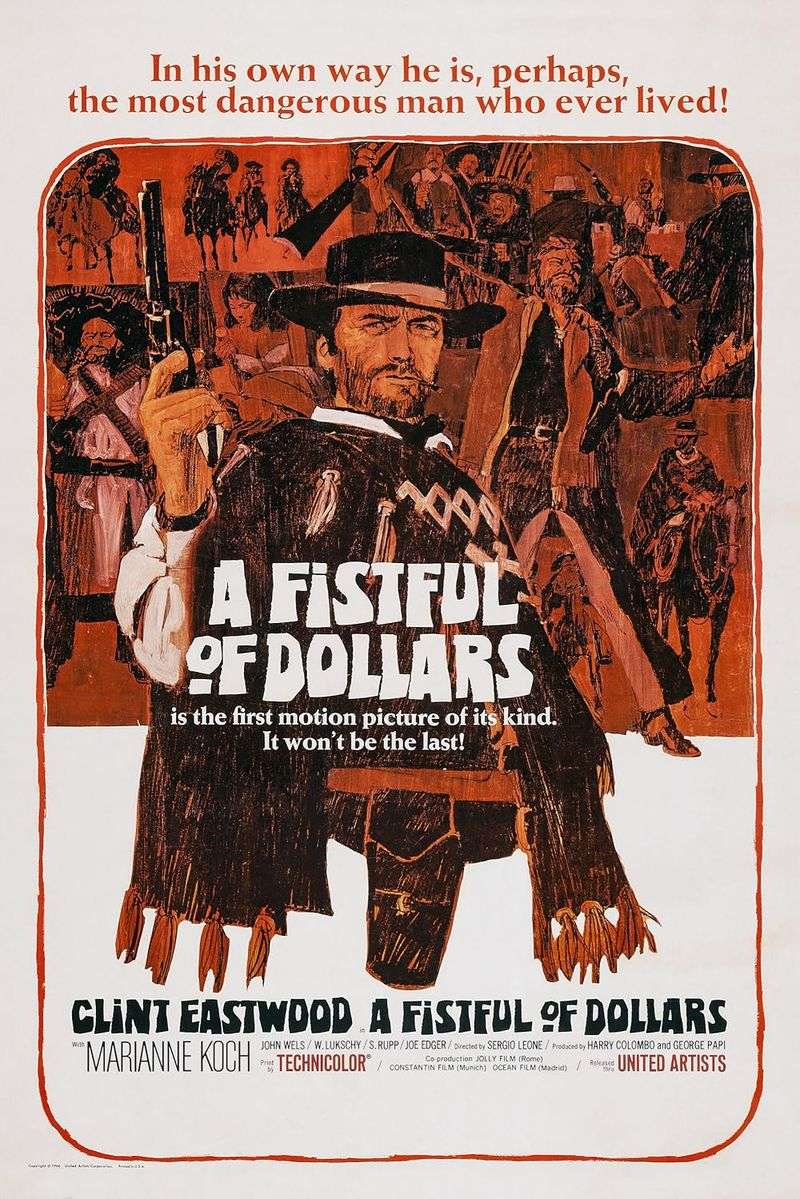
Few characters in cinema history are as cool and mysterious as Clint Eastwood’s iconic gunslinger from Sergio Leone’s Dollars Trilogy.
Across three films, he goes by different nicknames like Joe, Manco, and Blondie, but none of them are his real name.
Viewers never learn who he truly is, and that mystery is a huge part of his appeal.
The character drifts from town to town, outsmarting everyone around him with sharp instincts and calm nerves.
He rarely speaks more than necessary, letting his actions do the talking.
That quiet confidence made him one of the most imitated figures in Western film history.
His unnamed status turned him into a symbol rather than just a person, representing freedom, danger, and untamed independence.
2. The Bride – Kill Bill
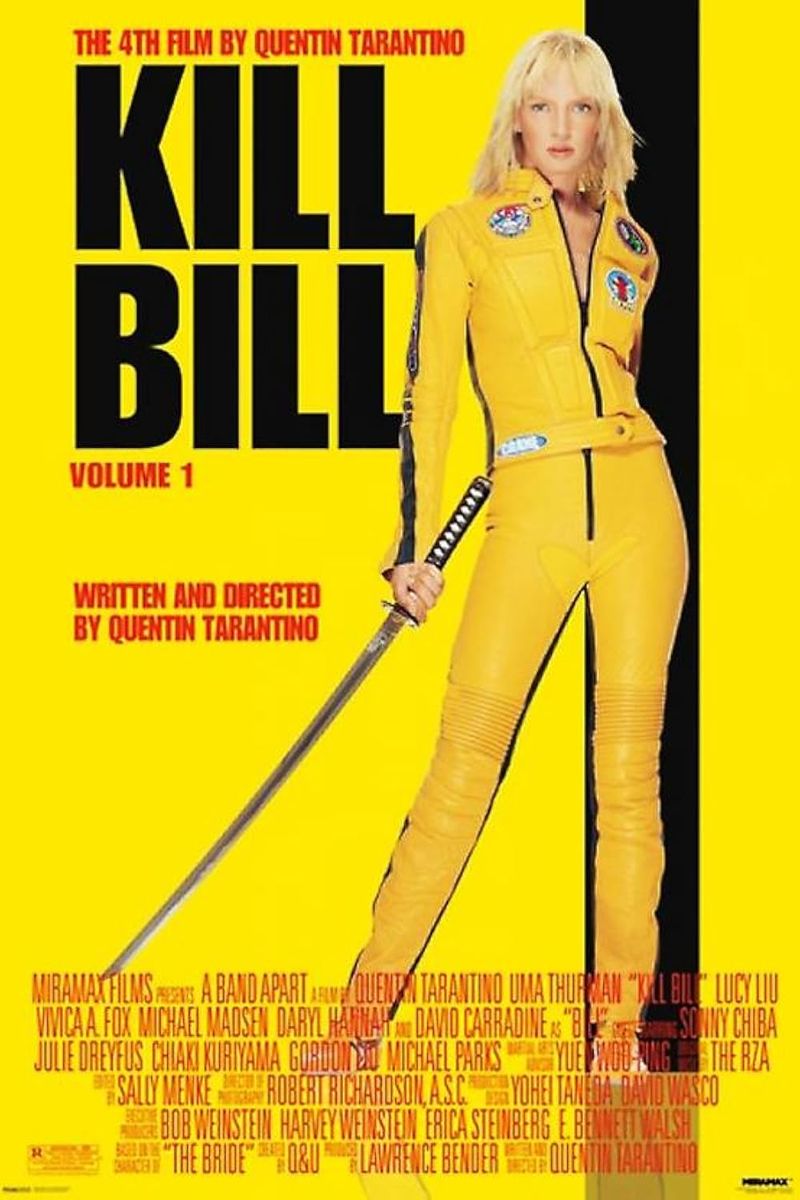
Revenge has rarely looked as stylish or felt as personal as it does through Uma Thurman’s character in Kill Bill.
Known mostly as the Bride, her real name is deliberately hidden for most of the story, shown only briefly and even then bleeped out on screen.
That choice made audiences feel like they were protecting her secret too.
Director Quentin Tarantino used the missing name as a storytelling tool, making her identity feel raw and stripped down to pure emotion.
She is not just a woman with a name.
She is a force of nature on a mission.
The Bride became one of cinema’s greatest action heroines, proving that purpose and pain can define a character far more than any name ever could.
3. The Driver – Drive
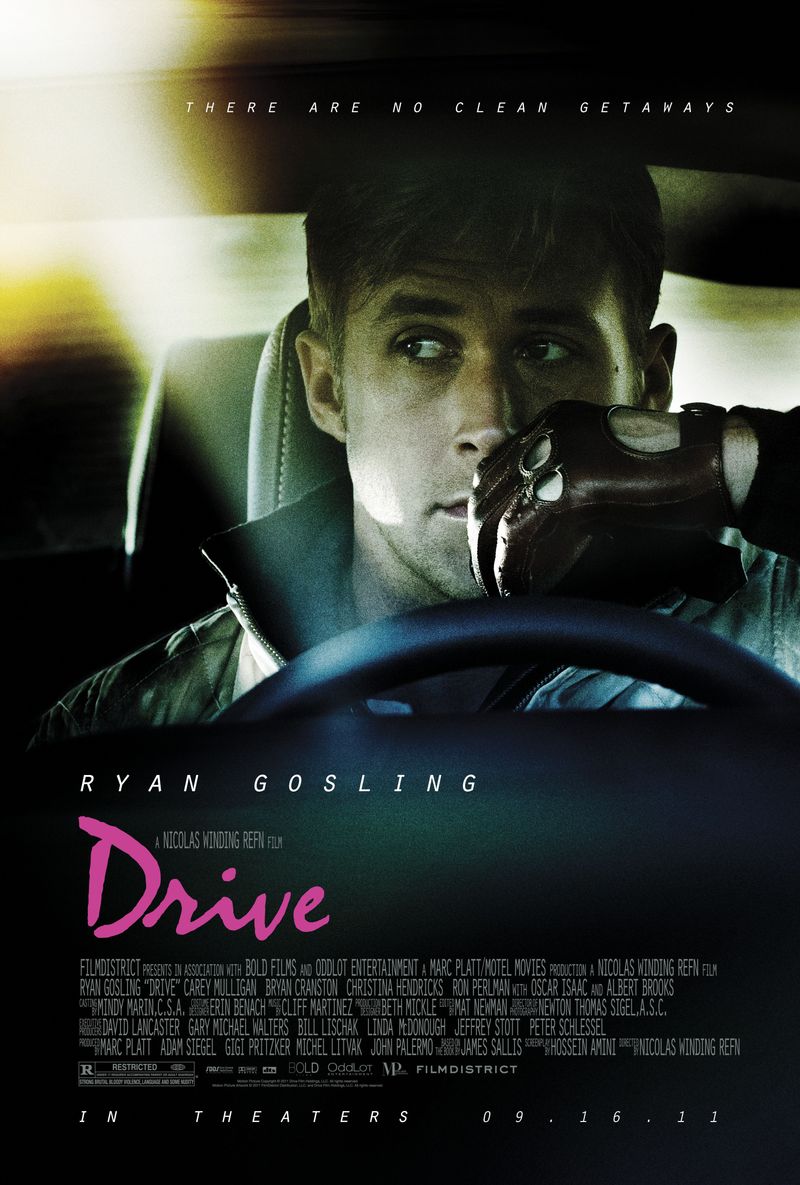
Ryan Gosling’s character in Drive barely speaks, yet every scene he appears in carries enormous weight.
He is listed in the credits simply as Driver, and the film offers no backstory, no full name, and no easy explanation for who he is.
That blankness makes him oddly fascinating to watch.
By day, he works as a Hollywood stunt driver.
By night, he moonlights as a getaway driver for criminals.
When he gets tangled up in something dangerous, his quiet exterior gives way to something far more intense and protective.
The namelessness works perfectly here because the Driver feels like a character from an old myth or a fairy tale, someone defined entirely by what he does rather than who he is.
4. The Narrator – Fight Club
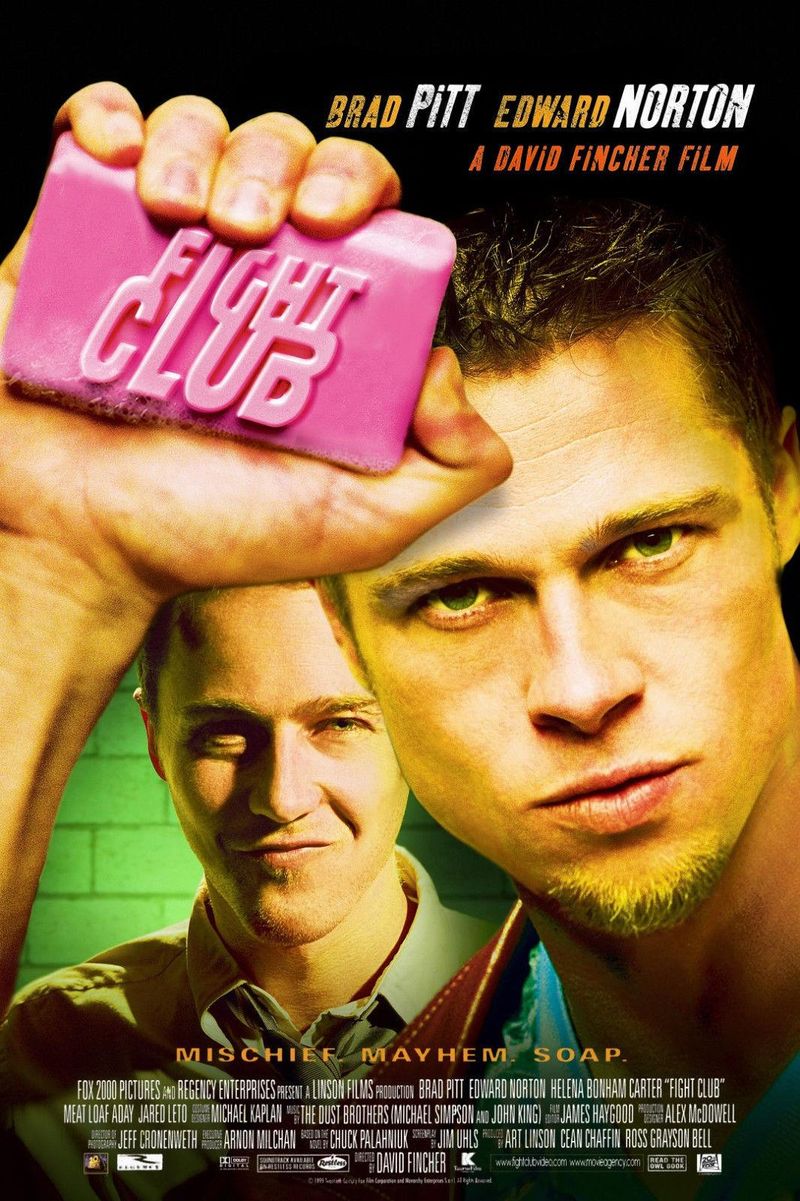
Edward Norton’s character in Fight Club sits through the entire film without ever being given a real name.
He is simply called the Narrator, a label that fans and critics adopted because it perfectly describes his role.
He tells us the story, but he remains oddly disconnected from it, almost like an outsider watching his own life fall apart.
The film uses his namelessness to highlight how lost he feels in modern consumer culture.
He has a job, an apartment, and all the right furniture, but no real identity.
Then Tyler Durden walks in and everything changes.
Leaving him unnamed was a bold creative choice that made his identity crisis feel completely real.
He could be anyone, which is exactly the point.
5. The Woman – The Woman in the Dunes
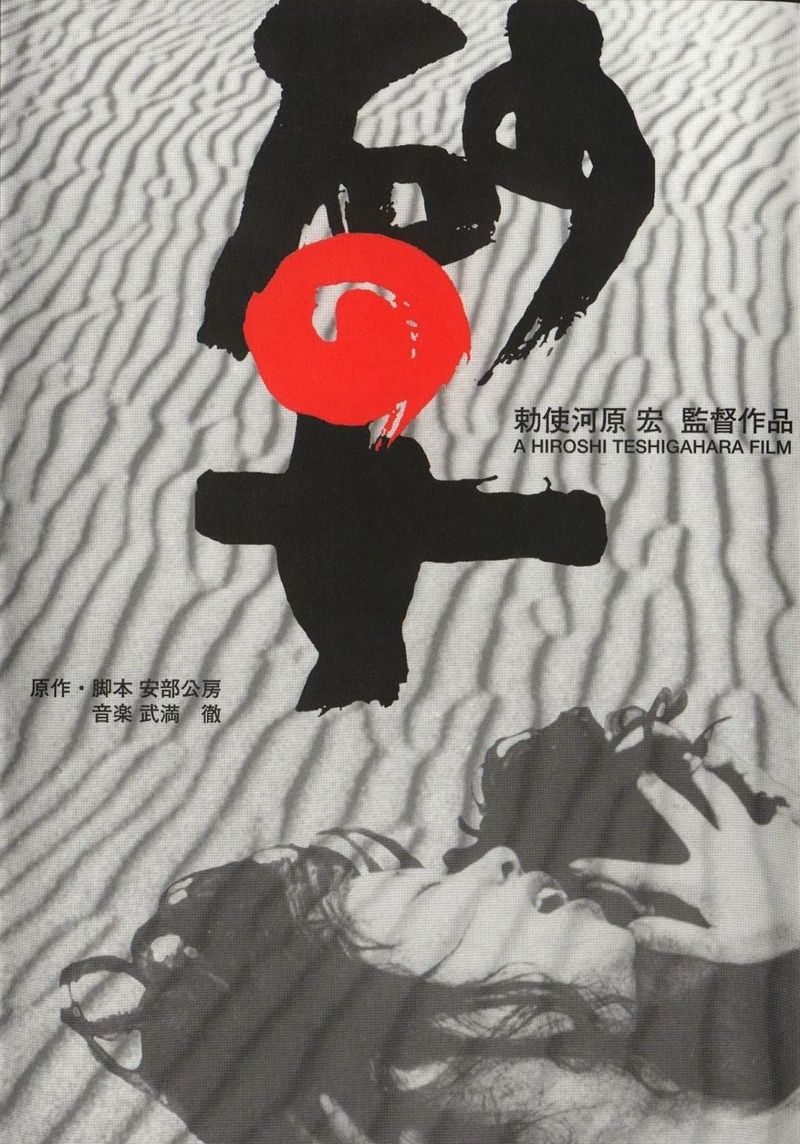
Based on Kobo Abe’s haunting novel, The Woman in the Dunes is a 1964 Japanese film that traps its central female character in a sandpit with a visiting entomologist.
Her name is never revealed, and that absence feels completely intentional.
She exists in a world so isolated that names seem almost pointless.
The Woman is defined entirely by her circumstances and her quiet endurance.
Every day she shovels sand to keep her pit from collapsing, accepting a reality that would break most people.
Her resilience is extraordinary, even as her situation remains deeply troubling.
Withholding her name keeps her anonymous in a way that makes her feel universal.
She represents anyone who has ever been trapped by life and found a way to keep going anyway.
6. The Stranger – The Big Lebowski
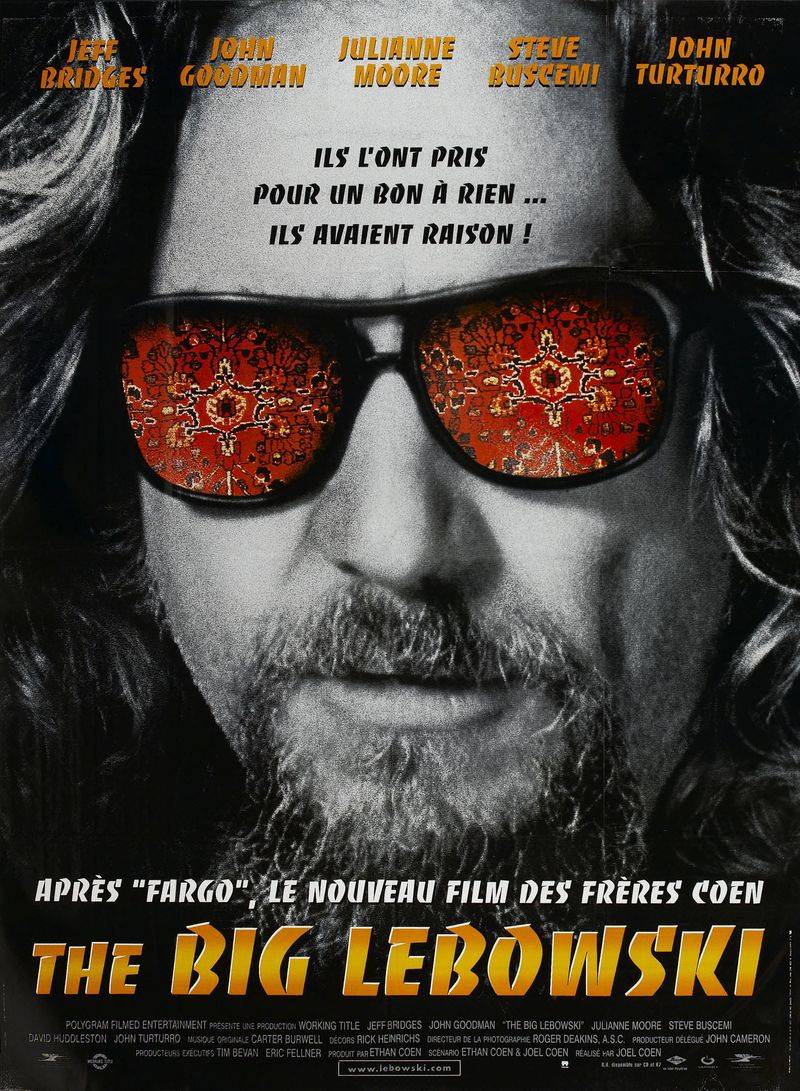
Sam Elliott’s velvet-voiced narrator in The Big Lebowski floats through the film like a friendly ghost from an old Western.
He calls himself the Stranger, tips his hat, and wanders in and out of the story with no real explanation for why he is there.
Honestly, that makes him even better.
The Coen Brothers used the Stranger as a humorous framing device, letting him set the tone for the film’s laid-back, rambling story.
He seems to know more than he lets on, but he never gives anything away.
His identity is as mysterious as his milk-drinking habits.
Despite having very little screen time, the Stranger became one of the most beloved supporting characters in Coen Brothers history, beloved precisely because he never tried too hard to explain himself.
7. The Man – The Road
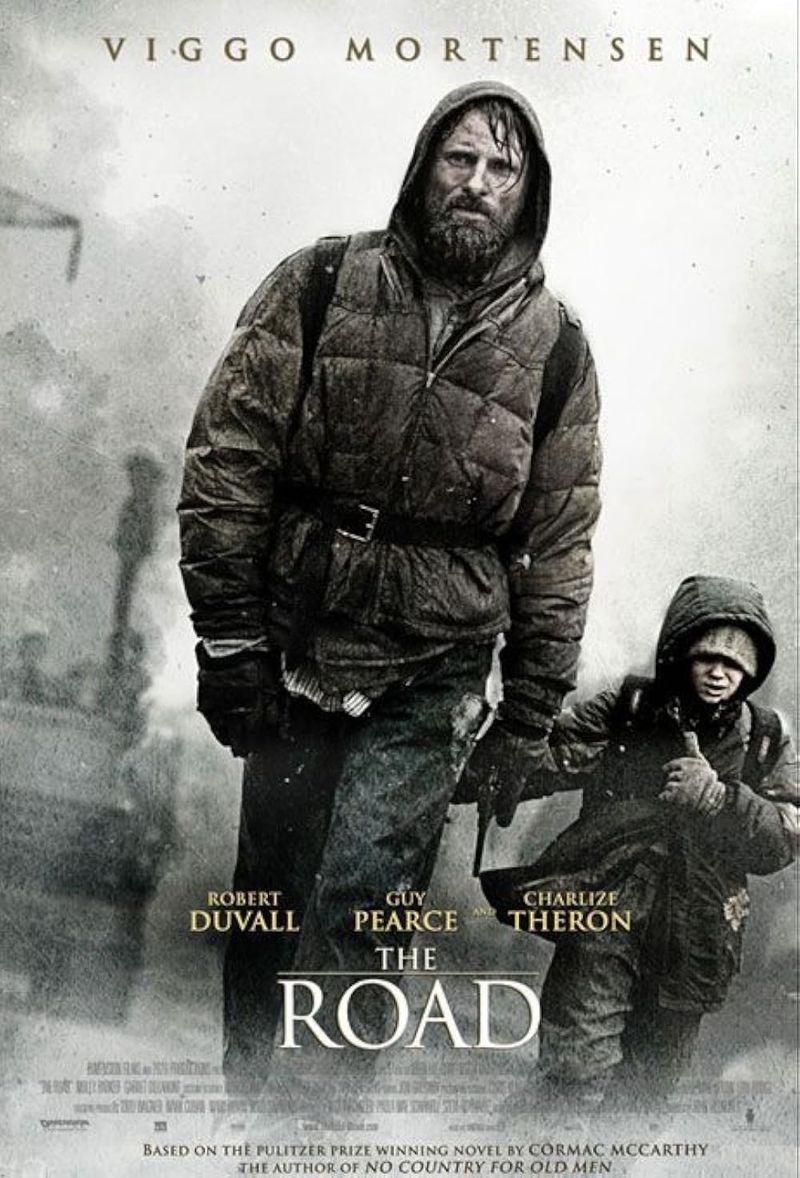
Viggo Mortensen plays a father in The Road who is simply called the Man throughout the entire film.
Cormac McCarthy’s source novel made the same choice, and the film honors it fully.
In a world that has been reduced to ash and survival, names feel like a luxury that no longer applies.
The Man’s entire existence is built around one goal: keeping his son alive.
Every decision he makes, every risk he takes, comes from that fierce and exhausted love.
Watching him push forward with almost nothing left is genuinely heartbreaking.
By stripping away his name, the film makes him feel like every father who has ever tried to protect someone they love in impossible conditions.
He is specific and universal all at once.
8. The Mother – mother!

Jennifer Lawrence’s character in Darren Aronofsky’s mother! is one of the most unsettling unnamed protagonists in recent memory.
She is credited simply as Mother, and throughout the film she watches her peaceful home get invaded, disrupted, and ultimately destroyed by forces she cannot control.
Her distress feels completely real and completely relentless.
The film uses her namelessness as part of its larger allegorical design.
She is not just a woman.
She is meant to represent something much bigger, something tied to nature, creation, and sacrifice.
That layer of meaning makes her experience feel both intimate and enormous.
Audiences were divided over the film, but almost no one forgot Lawrence’s performance.
Her unnamed status added to the film’s dreamlike, suffocating quality in a way that a regular name never could have.
9. The Young Woman – I’m Thinking of Ending Things

Charlie Kaufman’s I’m Thinking of Ending Things is the kind of film that gets stranger the more you think about it, and its central character is no exception.
The Young Woman travels with her boyfriend to meet his parents, but her name keeps shifting throughout the film.
She is called different names by different people, and she herself seems unsure of who she is.
That unstable identity is completely intentional.
Kaufman uses her shifting sense of self to explore memory, regret, and the stories we tell ourselves about our own lives.
She is both a character and an idea at the same time.
Her deliberately unnamed and ever-changing identity makes her one of the most intellectually interesting unnamed characters in modern cinema, a puzzle that rewards patient and curious viewers.
10. The Woman – Under the Skin
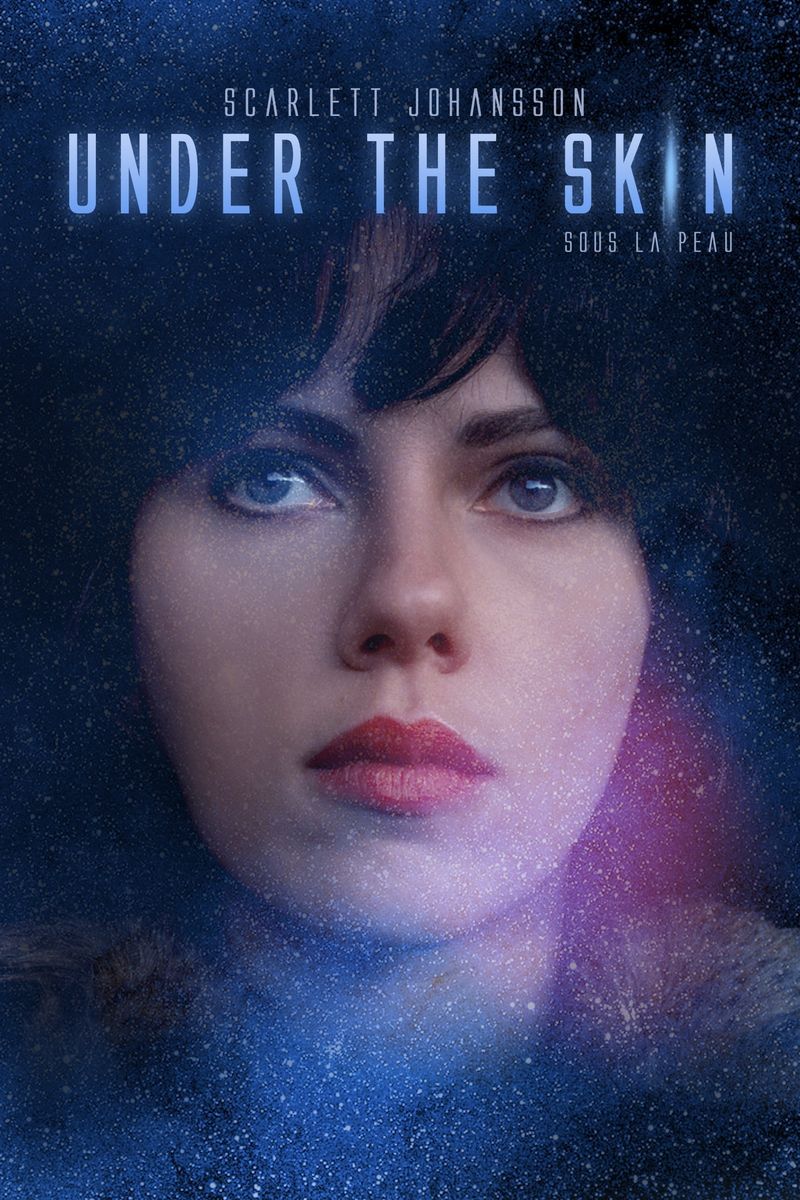
Scarlett Johansson plays a character in Under the Skin who is never given a name, and that feels exactly right for a film about an alien wearing a human body.
She drives through Scotland luring men, and the camera watches her with the same cold curiosity she seems to have about human life.
Nothing about her feels quite human, even when she looks perfectly ordinary.
The film is slow and hypnotic, almost more like an experience than a traditional story.
Her namelessness emphasizes how alien she truly is.
She has no history, no family, no place in the world she is inhabiting.
As the film progresses, she begins to change, and that shift becomes quietly devastating.
Without a name, her transformation feels even more fragile and profound.
11. The Boy – The Road
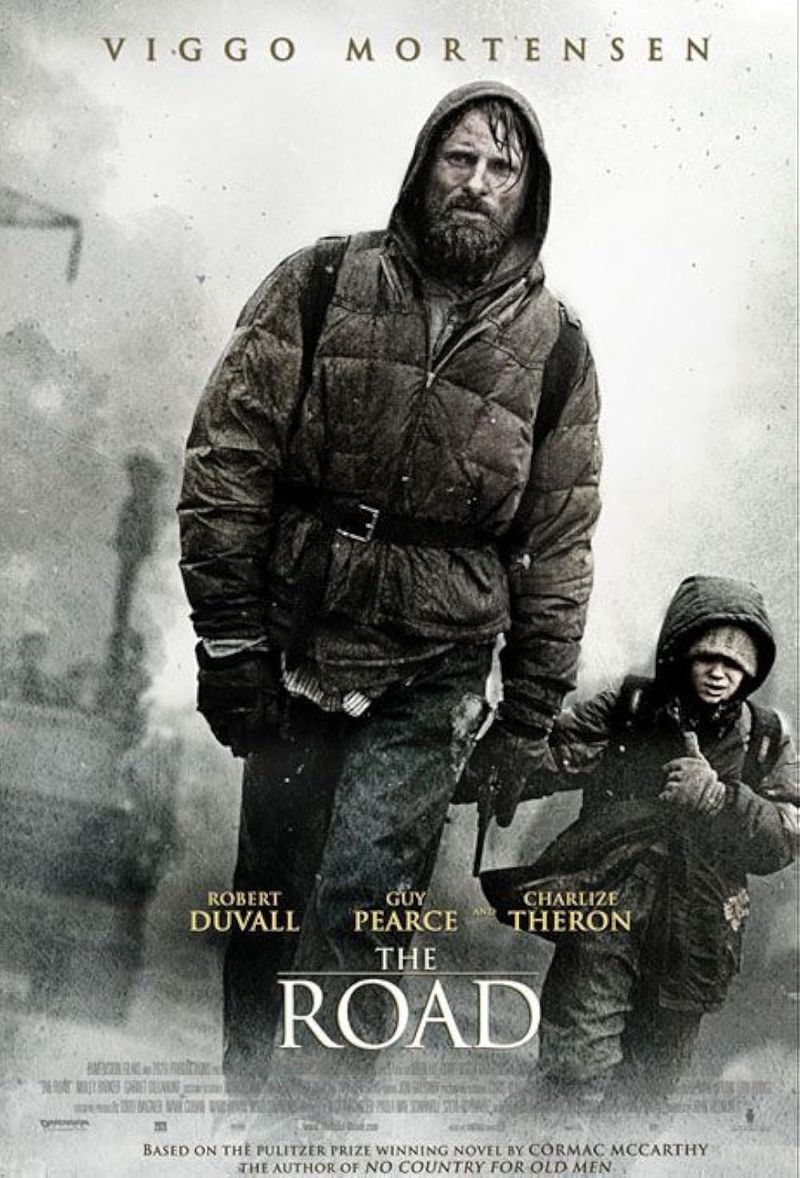
Kodi Smit-McPhee’s young character in The Road carries an enormous emotional burden for someone so small.
Known only as the Boy, he has grown up in a world with no color, no warmth, and no memory of what normal life once looked like.
Yet somehow, he holds onto a sense of goodness that his father struggles to maintain.
The Boy often challenges his father’s harsher survival instincts, asking him to show mercy to strangers even when it seems dangerous.
That moral tension between the two is at the heart of the film.
He represents hope in a story that has very little of it.
His namelessness mirrors his father’s, and together they feel like symbols of humanity itself trying to survive against every possible odd.
12. The Killer – The Killer
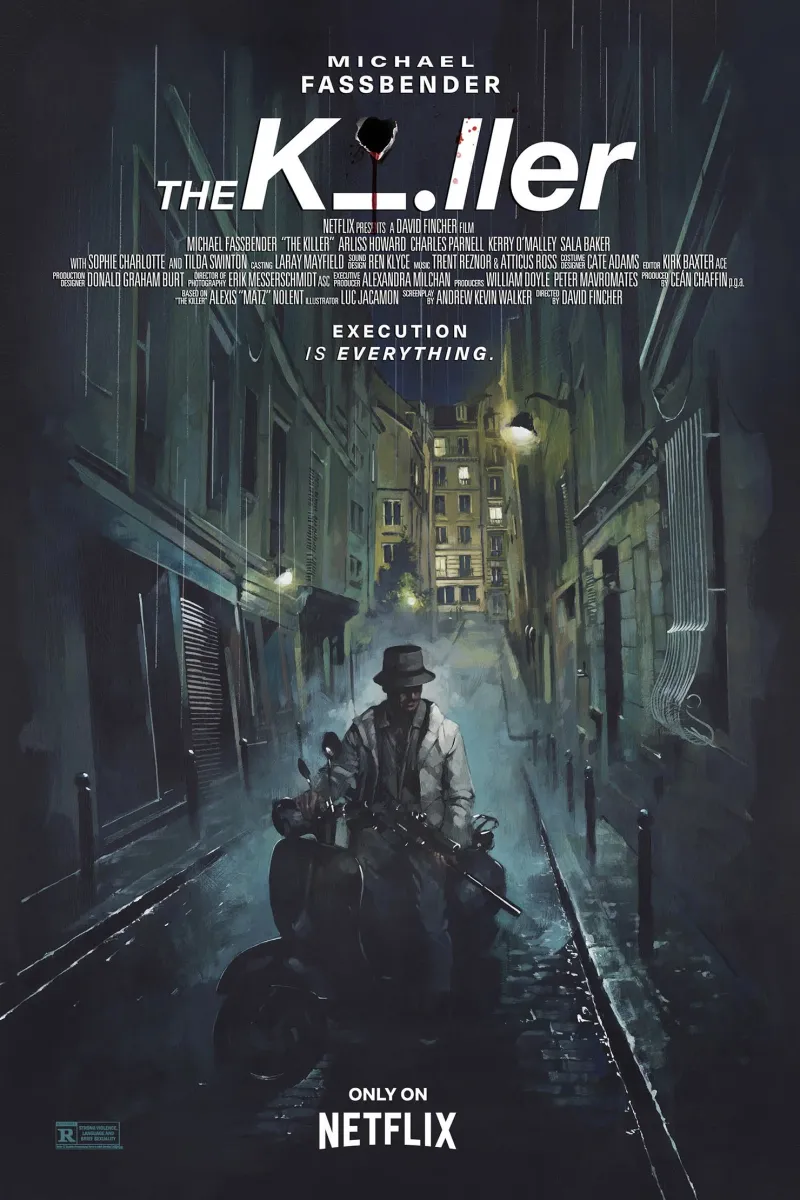
Michael Fassbender’s assassin in David Fincher’s The Killer operates under a strict personal code and several different aliases, but he never has a confirmed real name.
He refers to himself through various cover identities, each one a mask worn for a specific job.
Underneath all of them, he remains completely blank.
What makes this character so compelling is his obsessive internal monologue.
He narrates his own life like a manual for emotional detachment, reminding himself constantly to feel nothing.
Yet the story slowly reveals cracks in that armor, moments where something human breaks through.
The missing name is not a mystery here.
It is a lifestyle choice.
He has erased himself on purpose, and the film treats that erasure with a kind of dark, fascinating respect.
13. The Protagonist – Tenet
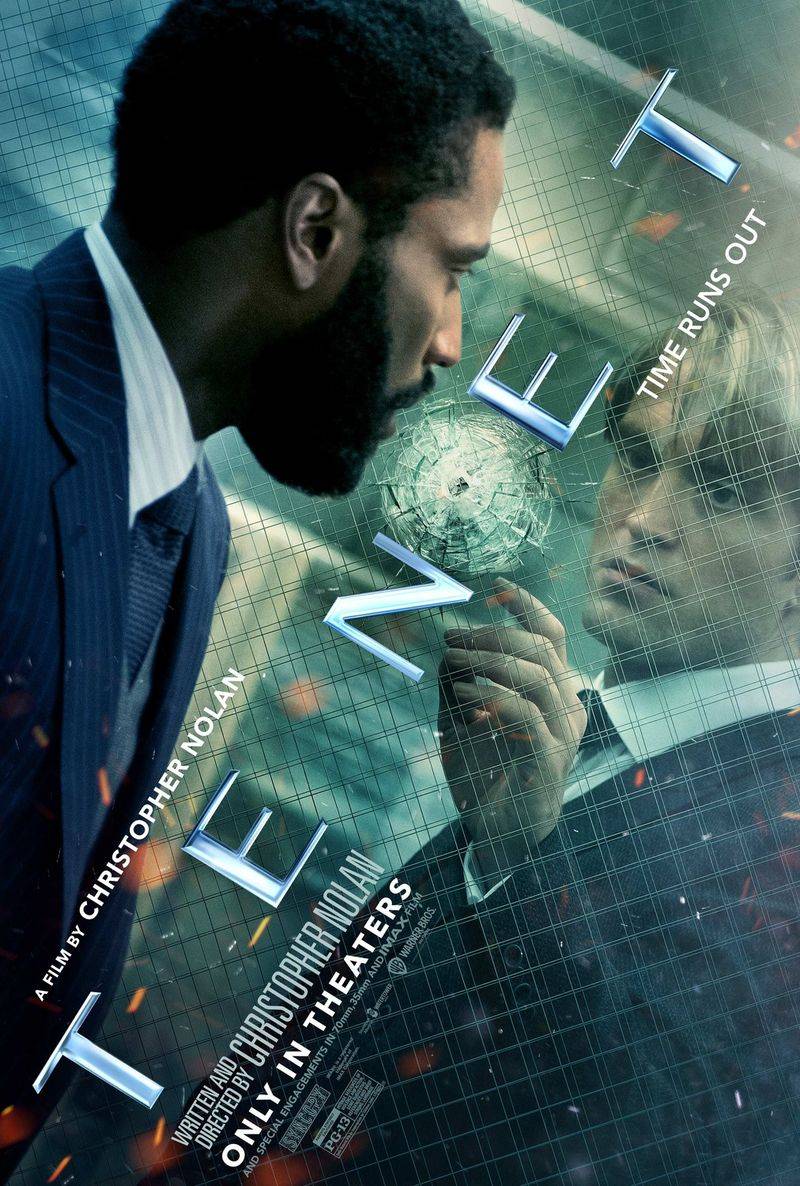
John David Washington’s character in Christopher Nolan’s Tenet does something almost no other film character does: he openly acknowledges that he does not have a name.
Early in the film, he literally introduces himself as the Protagonist, and the movie runs with it for the entire runtime.
It is a bold, self-aware creative choice that fits perfectly with Nolan’s mind-bending style.
The Protagonist is a former CIA operative pulled into a world of time inversion and global conspiracy.
He moves through the story with cool confidence, solving problems that most people cannot even fully understand.
Naming him the Protagonist turns a story device into a character trait.
He is the hero by definition, by title, and by sheer determination, and somehow that makes him feel both larger than life and completely grounded.