 MomSkoop

Most people have a hobby they love but feel a little nervous sharing with others. Whether it’s something quirky, creative, or just misunderstood, certain pastimes tend to raise eyebrows or spark unsolicited opinions.
The truth is, hobbies that get judged the most are often the ones that bring the most joy. Here are 12 hobbies that people sometimes look down on, and why they deserve way more respect than they get.
1. Collecting Dolls or Action Figures
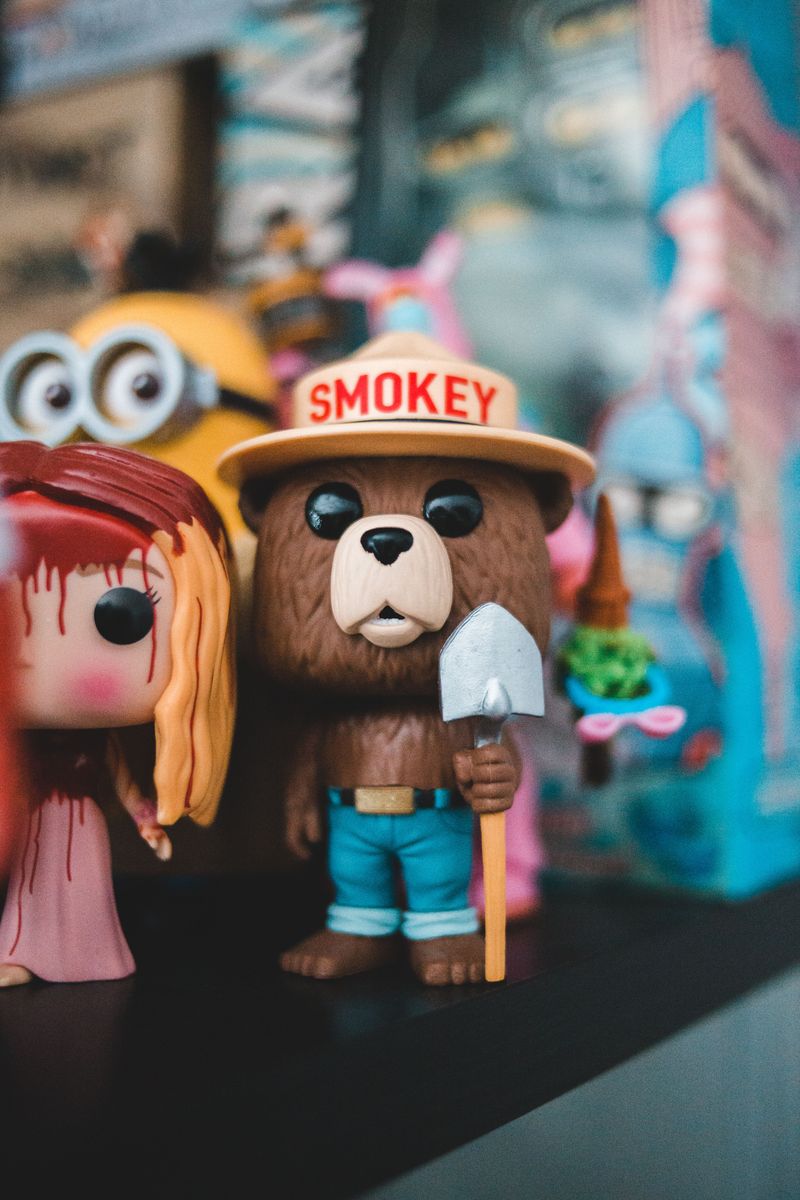
Somewhere along the way, society decided that collecting toys was only acceptable for children, but collectors around the world would strongly disagree.
Many action figures and dolls are limited-edition pieces of art that increase in value over time.
Some rare collectibles have sold for thousands of dollars at auction.
Collecting builds patience, research skills, and a sharp eye for detail.
Enthusiasts often spend hours tracking down specific pieces, connecting with other collectors online, and carefully preserving their items.
It is also a deeply personal hobby tied to nostalgia, fandom, and appreciation for craftsmanship.
Calling it childish ignores the dedication and knowledge that serious collectors bring to every single piece on their shelf.
2. Cosplaying

Walking into a room dressed as your favorite fictional character takes serious guts, and cosplayers do it with pride.
People sometimes assume cosplay is just playing dress-up, but the reality is much more impressive.
Many cosplayers spend weeks or even months crafting their costumes by hand.
Sewing, sculpting, and painting are just a few of the skills involved.
Cosplay builds a strong sense of community among fans who share the same passion for storytelling and creativity.
Conventions like Comic-Con draw hundreds of thousands of attendees every year, proving this hobby is far from a fringe activity.
Judging someone for loving a character enough to bring them to life says more about the critic than the cosplayer.
3. LARPing
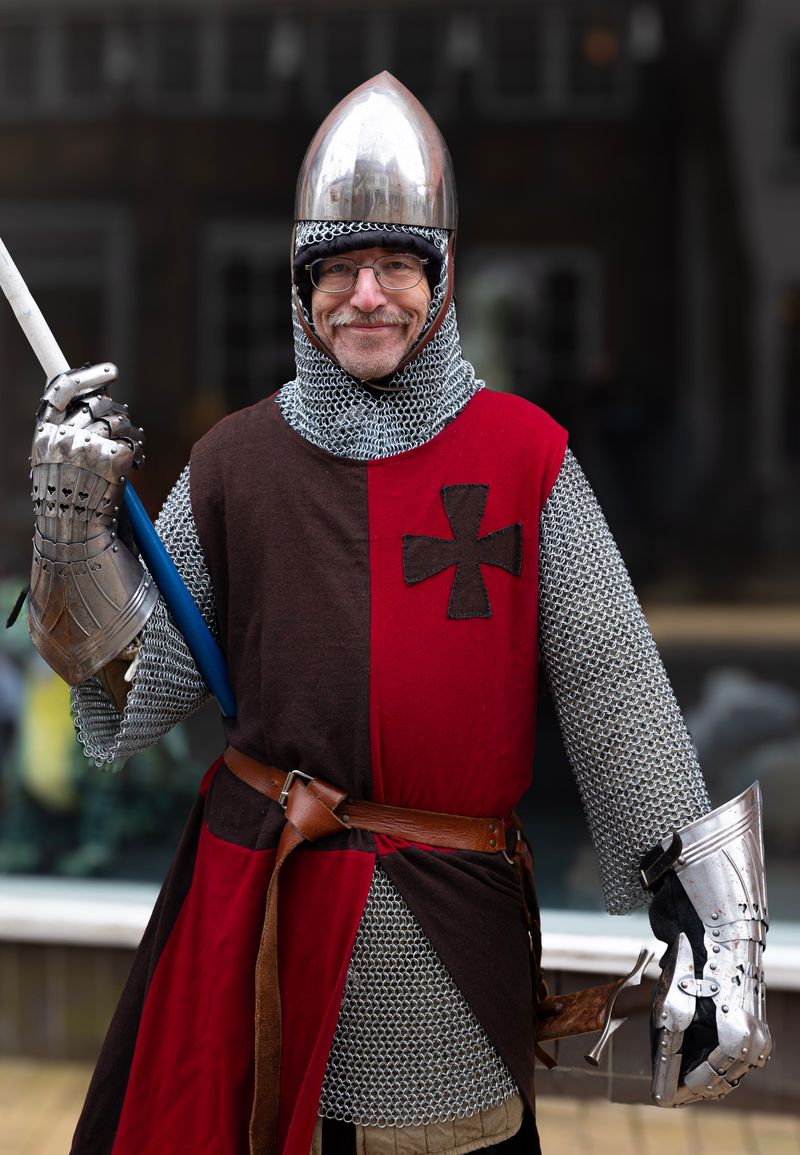
Live-action role-playing, better known as LARPing, is one of those hobbies that sounds strange until you actually try it.
Participants create characters, build fictional worlds, and act out storylines together in real time.
Think of it as improvisational theater meets adventure storytelling, all happening outdoors.
LARPers craft their own costumes, weapons, and backstories, which requires imagination, planning, and serious teamwork.
Studies have even shown that role-playing activities help people develop empathy and communication skills.
Far from being silly, LARP events can last entire weekends and involve hundreds of players working together toward a shared narrative goal.
The judgment often comes from people who have never experienced the rush of stepping into a character and making a story come alive.
4. Gaming for Many Hours

Gaming has been called a waste of time so often that many players feel they have to hide how much they enjoy it.
But the gaming industry now generates more revenue than movies and music combined, which says a lot about how many people actually love playing.
Competitive gaming, or esports, has even become a career path for skilled players.
Beyond entertainment, gaming sharpens problem-solving, hand-eye coordination, and strategic thinking.
Many games require teamwork, communication, and quick decision-making under pressure.
Online communities built around games have helped people form real friendships across the globe.
Spending hours gaming is no different than spending hours watching a TV series, yet only one of those tends to get criticized at the dinner table.
5. Astrology

Astrology has been practiced for thousands of years across dozens of cultures, yet today it often gets dismissed as superstition or wishful thinking.
Believers use birth charts to explore personality traits, relationship patterns, and life cycles in a way that feels deeply personal and meaningful.
Whether or not the stars literally guide fate, astrology gives many people a helpful framework for self-reflection.
Psychologists note that tools encouraging introspection, even symbolic ones, can support emotional awareness and personal growth.
Millions of people check their horoscopes daily, making astrology one of the most widely followed belief systems in the world.
Laughing at someone for finding comfort or insight in the stars is a little ironic when so many people search for meaning in far less poetic places.
6. Ghost Hunting
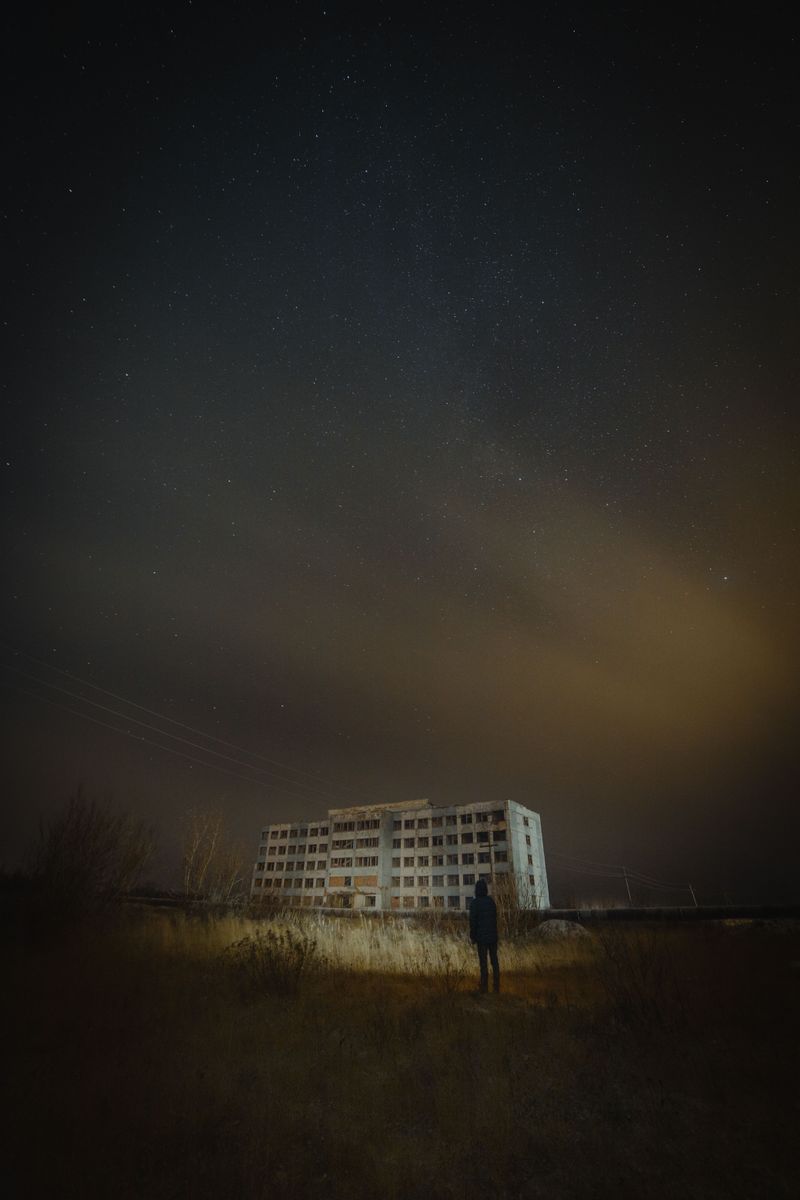
Ghost hunting sits at the crossroads of history, science, and mystery, which makes it far more layered than most people assume.
Enthusiasts visit reportedly haunted locations with equipment like EMF meters, infrared cameras, and audio recorders, carefully documenting anything unusual they find.
Many ghost hunters are genuinely driven by curiosity about the unknown rather than a desire to scare themselves.
Paranormal investigation has inspired a massive genre of television, podcasts, and books that millions of people consume regularly.
Some investigators focus on the history of the locations they visit, preserving stories of the past.
Whether or not ghosts are real, the hobby encourages exploration, critical thinking, and a healthy appetite for mystery.
Mocking it requires ignoring that humanity has been fascinated by what lies beyond death since the very beginning.
7. Trainspotting

Trainspotting has a reputation for being the dullest hobby imaginable, but people who actually know anything about trains would beg to differ.
Enthusiasts track, photograph, and document specific locomotives, often traveling significant distances to spot a rare or historic model.
It is part collecting, part travel, and part living history.
Trains have shaped the modern world in ways that are easy to forget, and trainspotters keep that legacy alive by paying close attention.
The hobby requires patience, precision, and a genuine love of mechanical engineering and transportation history.
Online communities of trainspotters share sightings, compare notes, and celebrate rare finds with real excitement.
Calling it boring is a little unfair when it combines travel, photography, history, and a sense of adventure into one surprisingly rich pastime.
8. Reborn Doll Collecting
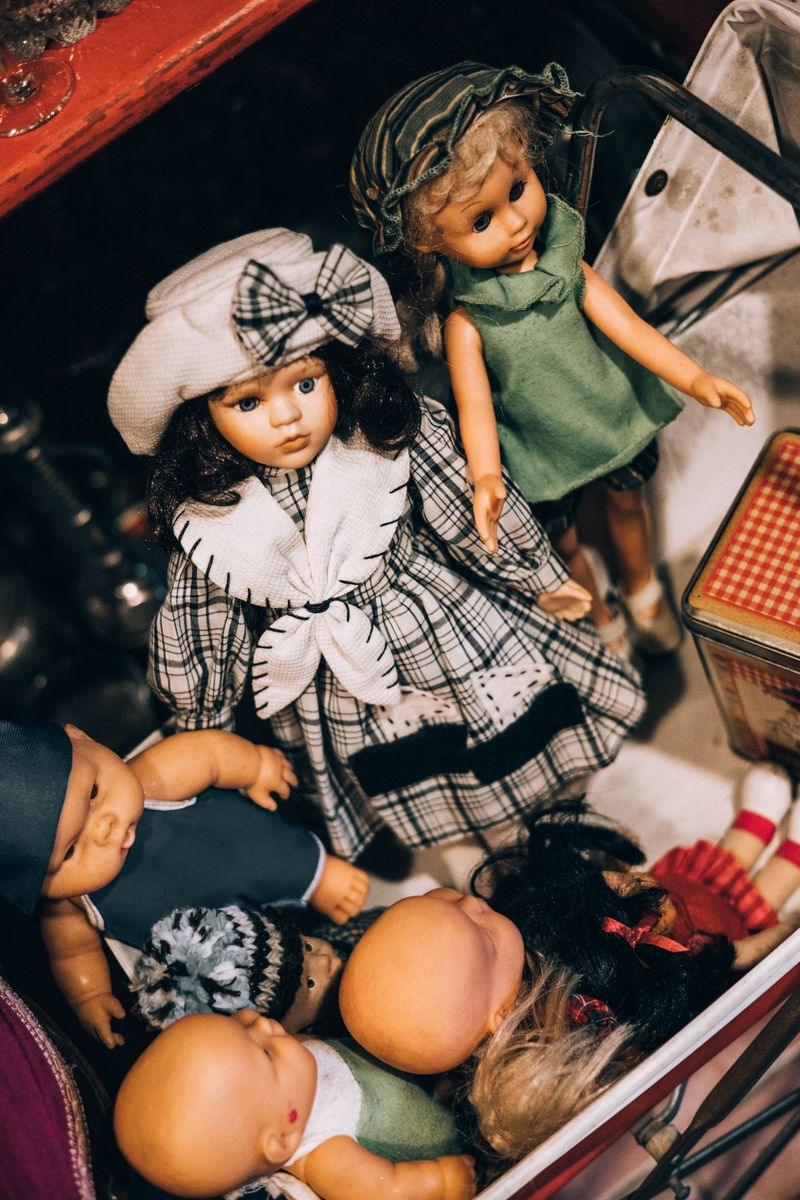
Reborn dolls are so realistic that photos of them regularly fool people online, and that level of artistry is exactly what draws collectors to them.
Artists spend dozens of hours painting, rooting hair, and weighting each doll to feel as lifelike as possible.
The results are genuinely stunning works of art that showcase extraordinary skill.
For some collectors, reborn dolls provide emotional comfort, particularly for people who have experienced loss or grief.
Therapists have noted their potential benefit in certain therapeutic settings.
Others simply appreciate them as high-end collectibles created by talented artists.
The judgment around this hobby tends to come from a surface-level reaction to something that looks unusual.
Spending a little more time understanding the community reveals a world of creativity, compassion, and artistic dedication.
9. Historical Reenactment
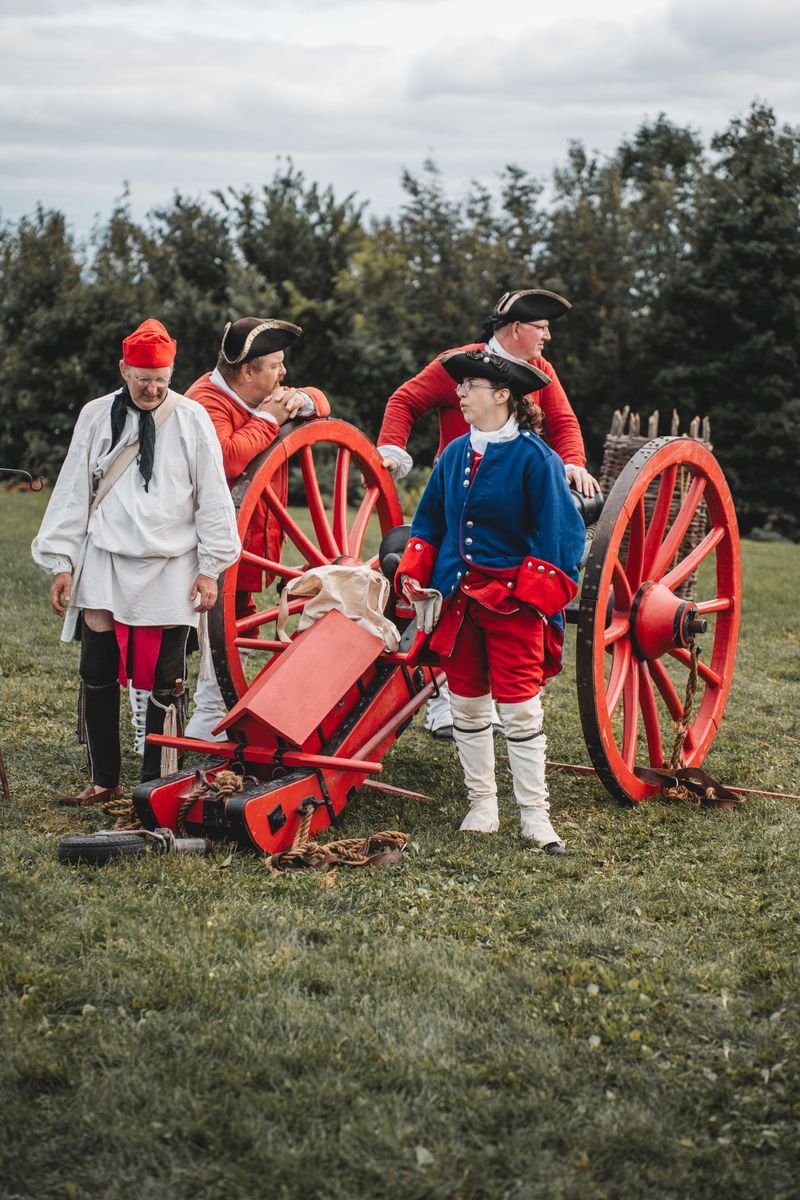
Historical reenactment is essentially living history brought to life, and the dedication involved is nothing short of remarkable.
Participants research specific time periods in exhaustive detail, sourcing or handcrafting period-accurate clothing, tools, weapons, and accessories.
Some reenactors spend years perfecting a single historical persona.
Schools, museums, and historical societies regularly invite reenactors to educate the public about the past in a way that textbooks simply cannot replicate.
Experiencing history through sight, sound, and physical participation creates a lasting impression that lectures rarely match.
Many reenactors become genuine experts in their chosen period, contributing meaningfully to public historical education.
Getting laughed at for caring deeply enough about history to wear a wool uniform in July takes a specific kind of passion, and that kind of passion deserves genuine admiration.
10. Soap and Candle Making
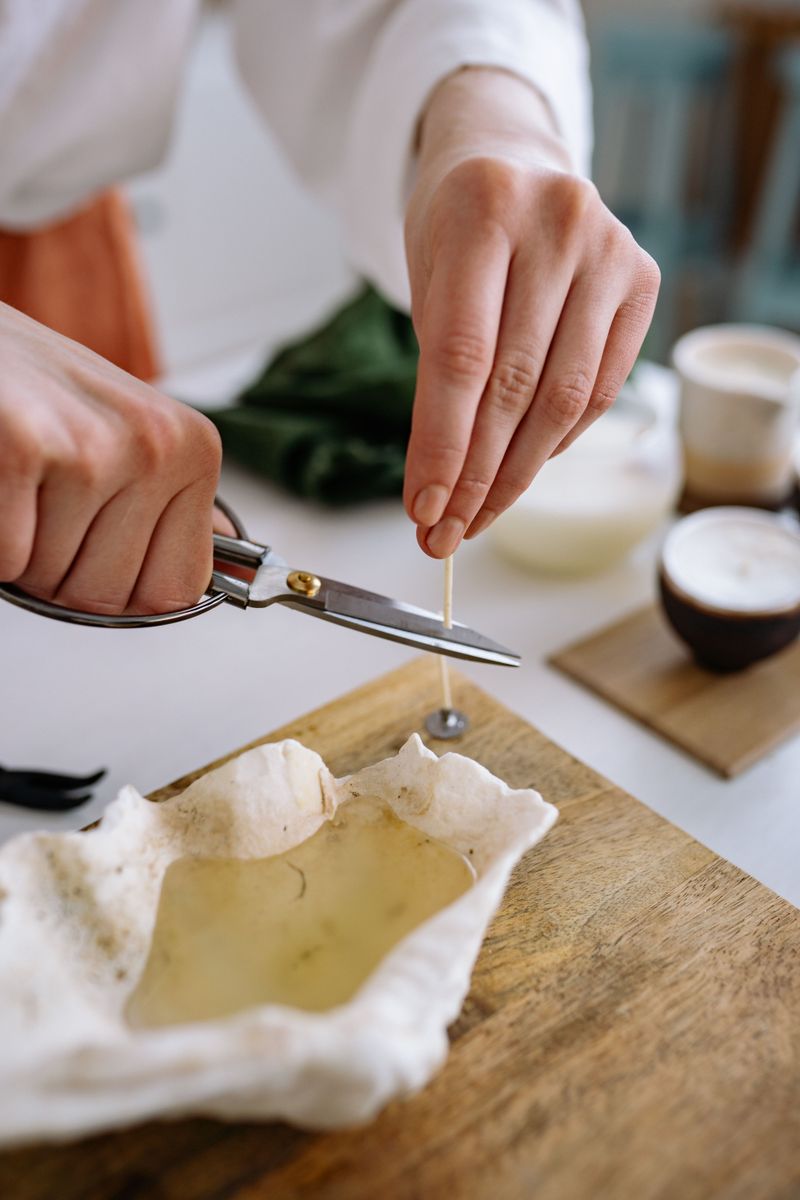
Soap and candle making sounds like something your grandma did in a farmhouse kitchen, but this hobby has made a serious comeback.
Some people smirk at it, calling it old-fashioned or overly domestic.
But crafters who pour, scent, and mold their own creations know it takes real chemistry knowledge and artistic skill.
Getting the fragrance ratios right, choosing sustainable waxes, and perfecting the swirl patterns in handmade soap bars is genuinely challenging.
Many hobbyists even turn their passion into small businesses.
Far from being a boring pastime, it blends science, creativity, and a very satisfying hands-on experience.
11. Competitive Eating

Competitive eating gets a lot of side-eyes from people who consider it wasteful or just plain gross.
Spectators at family gatherings might grimace when someone mentions training for a hot dog contest.
Yet the sport has a massive global following, with professional competitors who treat it with the same seriousness as any athletic pursuit.
Believe it or not, many top competitive eaters maintain strict diets between events and train their bodies methodically.
Organizations like Major League Eating host official tournaments worldwide.
Judging this hobby too quickly means missing a surprisingly disciplined and passionate community hiding behind the messy spectacle.
12. Doll Customizing
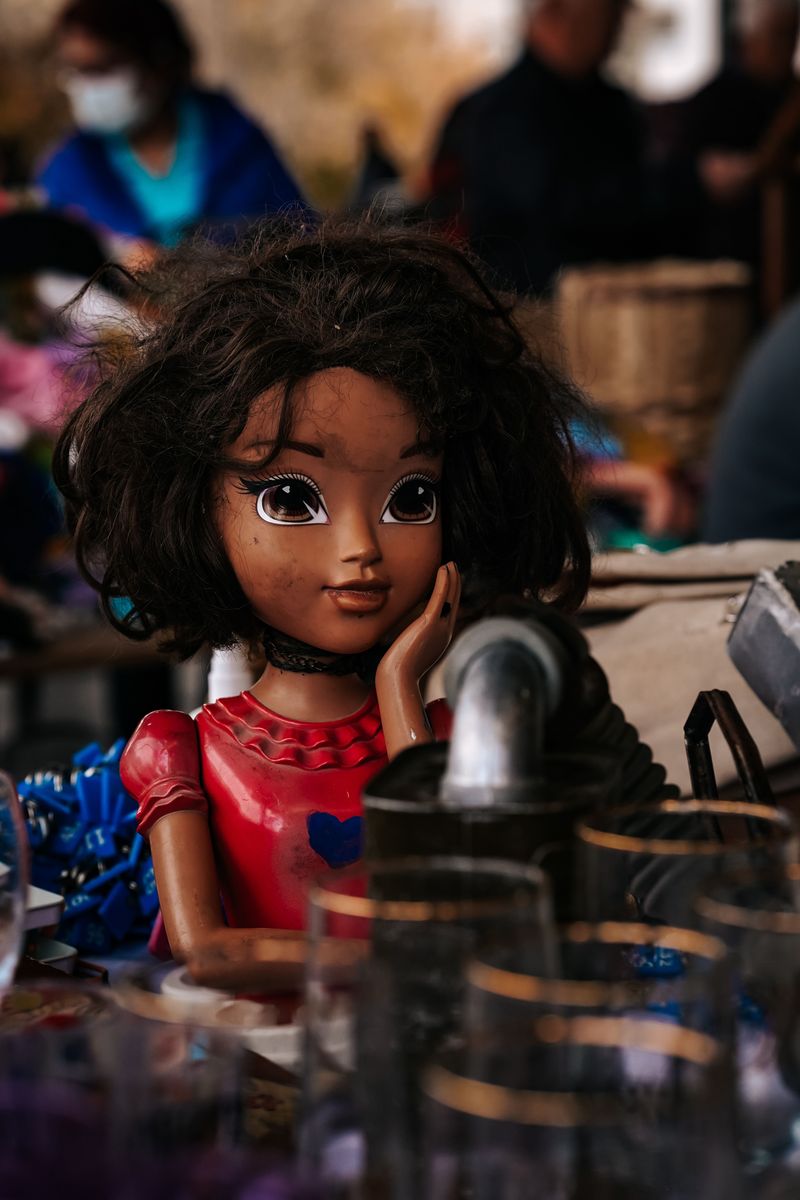
Taking a store-bought doll and transforming it into a one-of-a-kind work of art sounds like something only a child might do, but the doll-customizing community is filled with incredibly talented adults.
Hobbyists repaint faces, root new hair, sculpt new features, and sew miniature wardrobes from scratch.
The results are genuinely stunning, often resembling museum-quality figures rather than toys.
Some customizers sell their pieces for hundreds of dollars, while others create them purely for personal satisfaction.
Critics sometimes find it odd, but the skills involved, painting, sculpting, sewing, and design, are anything but childish.
It is fine art in miniature form.