 MomSkoop

Not everyone grows up with a ride-or-die best friend, and that is more common than most people think. Some people move through life with plenty of acquaintances and friendly faces, yet never quite find that one person who truly feels like their person.
If you have never had a best friend, certain experiences may feel very familiar to you. This list explores 11 things that people in that situation often relate to deeply.
1. You’re used to handling things alone
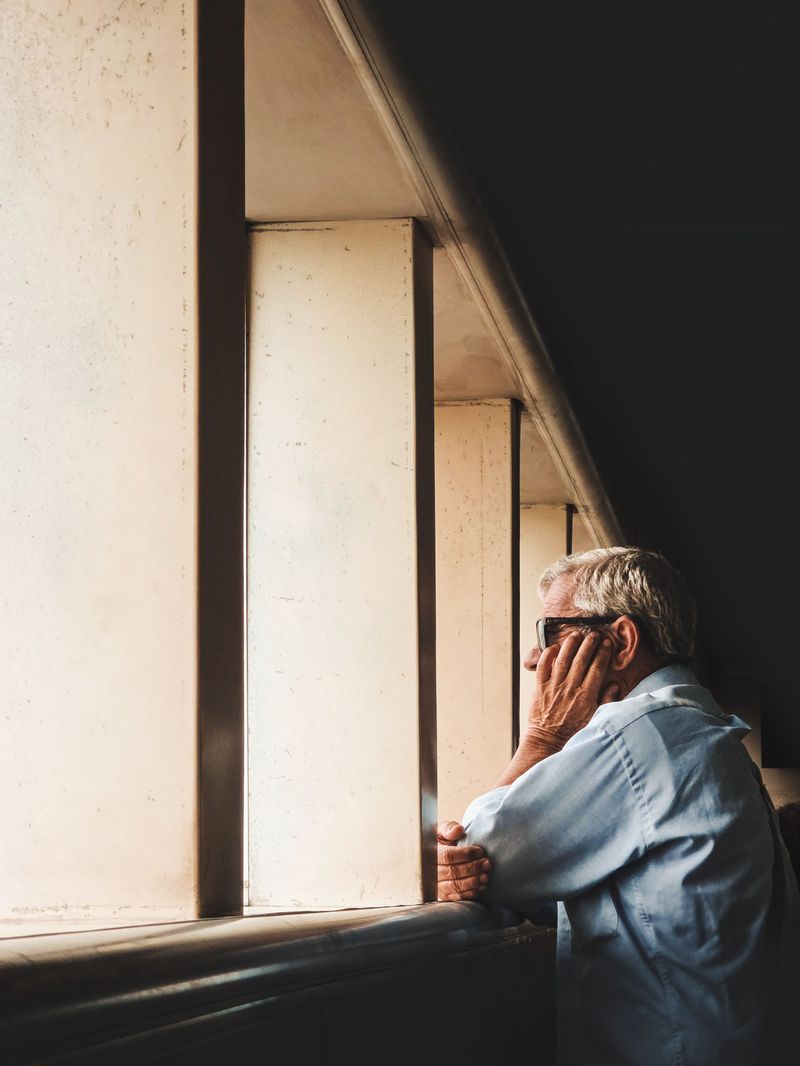
Something breaks, something goes wrong, or a hard day hits, and the first thought is not to call anyone.
For people who have never had a best friend, handling problems solo is just the default setting.
There is no automatic person to reach out to, so dealing with things privately becomes second nature.
Over time, this builds a quiet kind of strength.
You learn to think things through on your own and trust your own judgment.
That independence is genuinely valuable, even if it sometimes feels isolating.
Still, carrying everything alone can get heavy.
Recognizing that tendency is the first step toward being open to leaning on others when the right person comes along.
2. You have friends, but no go-to person
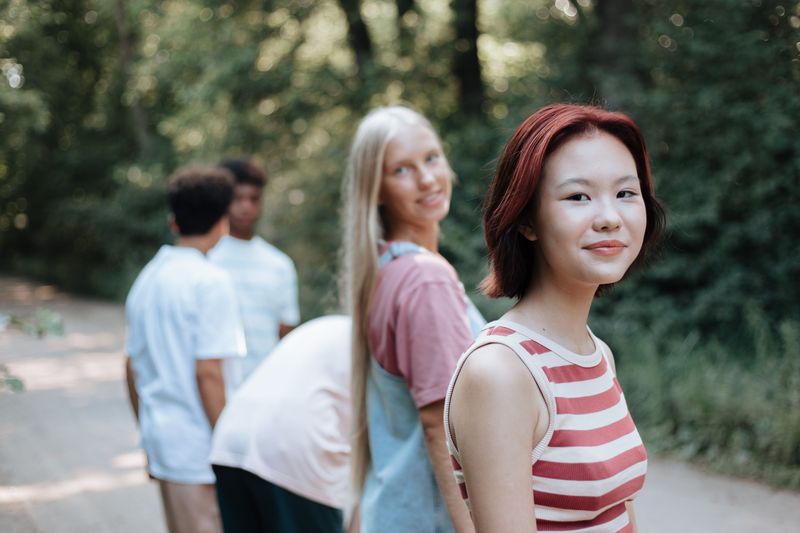
Knowing plenty of people and still feeling like nobody is truly yours is a strange kind of loneliness.
You might have coworkers you enjoy, neighbors you chat with, and classmates you grab lunch with.
But when something big happens, there is no single name that pops into your head first.
That missing go-to person is what separates having friends from having a best friend.
It is less about the number of people in your life and more about depth and priority.
Other people seem to already have their person, and you are just kind of floating between circles.
This feeling is valid and more widespread than social media makes it seem.
Many adults quietly experience the same gap.
3. You sometimes wonder what having a best friend feels like
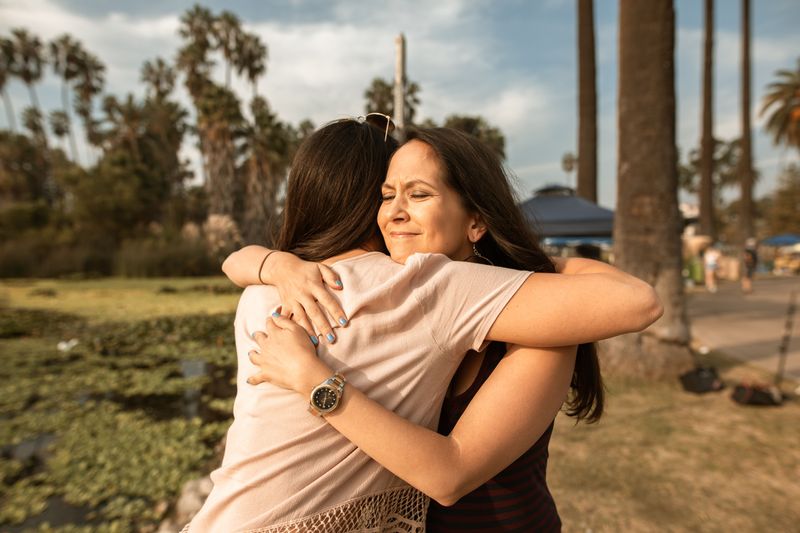
Watching two people who finish each other’s sentences or drop everything for one another can spark a genuine curiosity.
What does that actually feel like from the inside?
People who have never had a best friend often find themselves wondering whether that level of closeness is as meaningful as it looks from the outside.
Movies and TV shows make best friendships look effortless and magical.
Real life is messier, of course.
But that does not stop the quiet wondering from creeping in, especially during big life moments when having someone truly in your corner would mean everything.
Curiosity about that kind of bond is not jealousy.
It is a perfectly human response to seeing something you have never personally experienced.
4. You hesitate to call someone your best friend

Even when a friendship grows closer than usual, something holds you back from using the label.
The words “best friend” can feel enormous, almost like a title that needs to be officially earned or mutually agreed upon.
For someone who has never had that relationship before, putting a name to it feels unfamiliar and even a little risky.
Part of the hesitation comes from not knowing what the standard actually is.
How close is close enough?
What if they do not feel the same way about you?
That uncertainty is understandable.
The label carries a lot of weight when you have spent most of your life without it.
Taking things one honest conversation at a time can help ease that pressure.
5. You’re rarely someone’s first call

You might be liked, included, and genuinely appreciated by the people around you.
But when something major happens in their lives, they are already calling someone else.
Being second or third on someone’s list is not a rejection exactly, but it does sting in a quiet, hard-to-explain way.
This experience is common for people who do not have a best friend of their own.
Other people have already filled that top spot with someone they have known longer or grown closer to.
You are part of the group, just not part of anyone’s inner circle.
Noticing this pattern does not mean you are unimportant.
It simply means the right kind of close, mutual friendship has not found you yet.
6. Friendship groups can still feel lonely

Being in a room full of people and still feeling completely alone is one of the most disorienting experiences a person can have.
Friendship groups can be fun, warm, and genuinely enjoyable on the surface.
But without someone who truly gets you on a deeper level, the connection can feel shallow no matter how many people are around.
Laughter and shared plans do not always equal emotional closeness.
You can enjoy someone’s company without ever feeling truly seen by them.
That gap between social activity and real understanding is where loneliness quietly lives.
Recognizing this does not mean the friendships are worthless.
It just means you are aware of what is missing, and that self-awareness is actually a strength worth honoring.
7. You keep a lot of personal things to yourself

When there is no one person you fully trust with the messy, complicated parts of your inner world, keeping things private becomes the habit.
Emotions get processed internally.
Struggles get worked through alone.
Over time, you become very good at holding your own feelings without needing to voice them to anyone.
There is something peaceful about that kind of privacy.
But there is also a cost.
Carrying unspoken feelings for too long can make them feel heavier than they need to be.
Sharing is not weakness.
It is connection.
People who have never had a best friend often build strong inner lives as a result of this habit.
The challenge is learning to let someone trustworthy in when the opportunity genuinely arrives.
8. You’ve experienced one-sided friendships
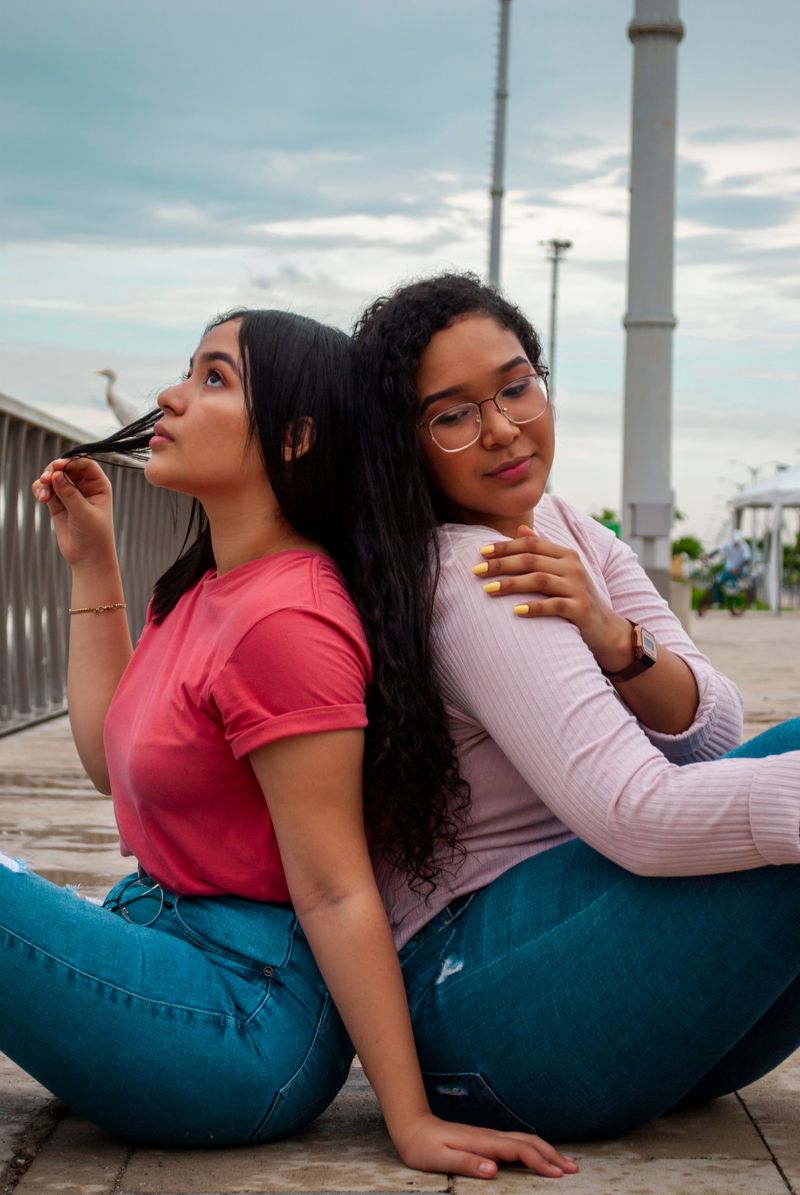
Some friendships feel very real and important from your side while the other person barely registers you as a close friend.
You might have thought of someone as your person only to realize they had an entirely different picture of the relationship.
That kind of imbalance can be quietly painful and hard to admit.
One-sided friendships often develop when someone is searching for closeness and latches onto the first person who shows consistent warmth.
The investment goes deep on one end while the other person stays casual.
Realizing the gap exists can feel like a small heartbreak.
These experiences teach valuable lessons about what genuine mutual friendship actually looks like.
They are disappointing, yes, but they also sharpen your understanding of what you truly want.
9. You’re comfortable doing things by yourself

Solo dinners, solo road trips, solo Saturday afternoons at the bookstore – none of these feel awkward or sad.
For people who have never had a built-in companion, doing things alone simply becomes normal life.
You stop waiting for someone to join you and start just going anyway.
There is real freedom in that.
You move at your own pace, make your own choices, and never have to compromise on what you want to do.
A lot of people who always had company around actually envy that kind of ease with solitude.
Of course, it would sometimes be nice to share experiences.
But being comfortable alone is a genuinely useful life skill, not a sign that something is missing or wrong with you.
10. You sometimes feel like the extra friend

Every group has its pairs – the two people who are clearly each other’s person.
And then there is everyone else.
If you have never had a best friend, you may often find yourself in the role of the extra, the one who fits in fine but does not belong to any specific someone.
It is a peculiar feeling.
You are not excluded.
You are invited, included, and welcomed.
But there is a subtle difference between being part of a group and being truly claimed by someone within it.
Feeling like the extra friend does not mean you are less valued.
It often just means the right pairing has not happened yet.
Groups shift, people grow closer, and connection can come from unexpected directions at unexpected times.
11. You still want a deep friendship, you just don’t want to force one

The desire for a truly close friendship is real, but so is the awareness that forced closeness never actually works.
People who have never had a best friend often hold both of those truths at the same time.
They want it, but they refuse to manufacture it out of desperation or settle for something that does not feel genuine.
That kind of patience takes maturity.
Pretending a surface-level friendship is deeper than it is only leads to disappointment.
Waiting for something real, even if it takes longer, shows a healthy respect for what true connection actually requires.
The best friendships tend to grow quietly, without pressure or performance.
Staying open, being yourself, and trusting the process is often the most honest path forward.