 MomSkoop
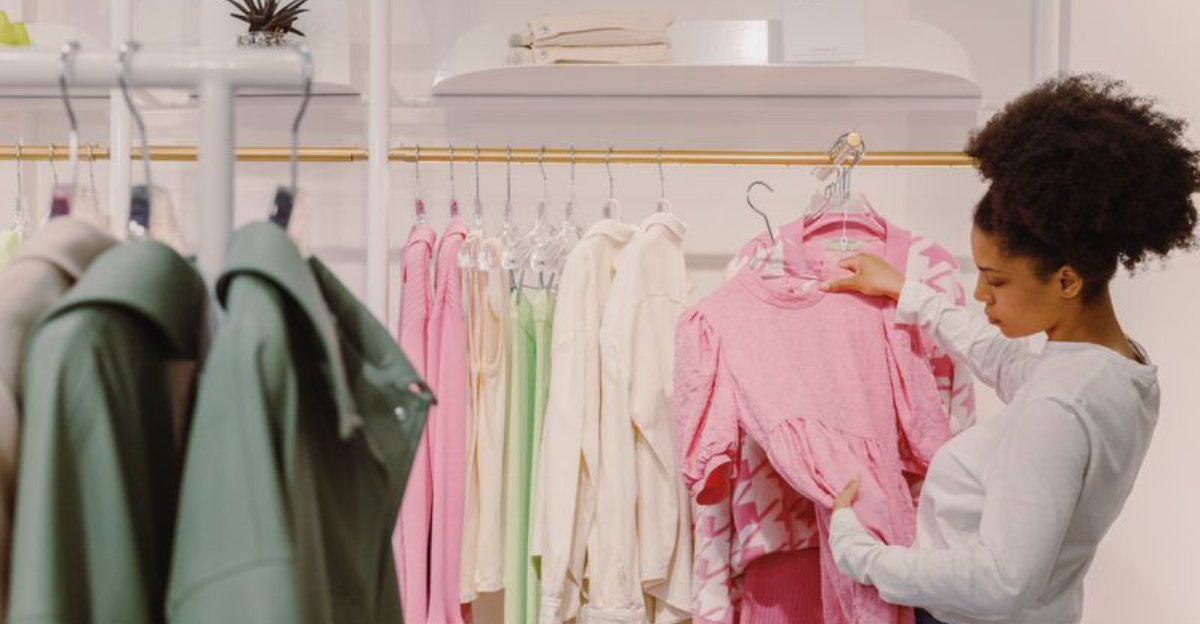
Your style is not determined by how much money you spend. It is shaped by the choices you make, the pieces you reach for again and again, and the way you put things together.
Whether you shop at thrift stores or department stores, these habits can help you build a look that feels genuinely yours. Read on to discover twelve practical habits that can transform the way you dress, starting today.
1. Know What You Actually Wear
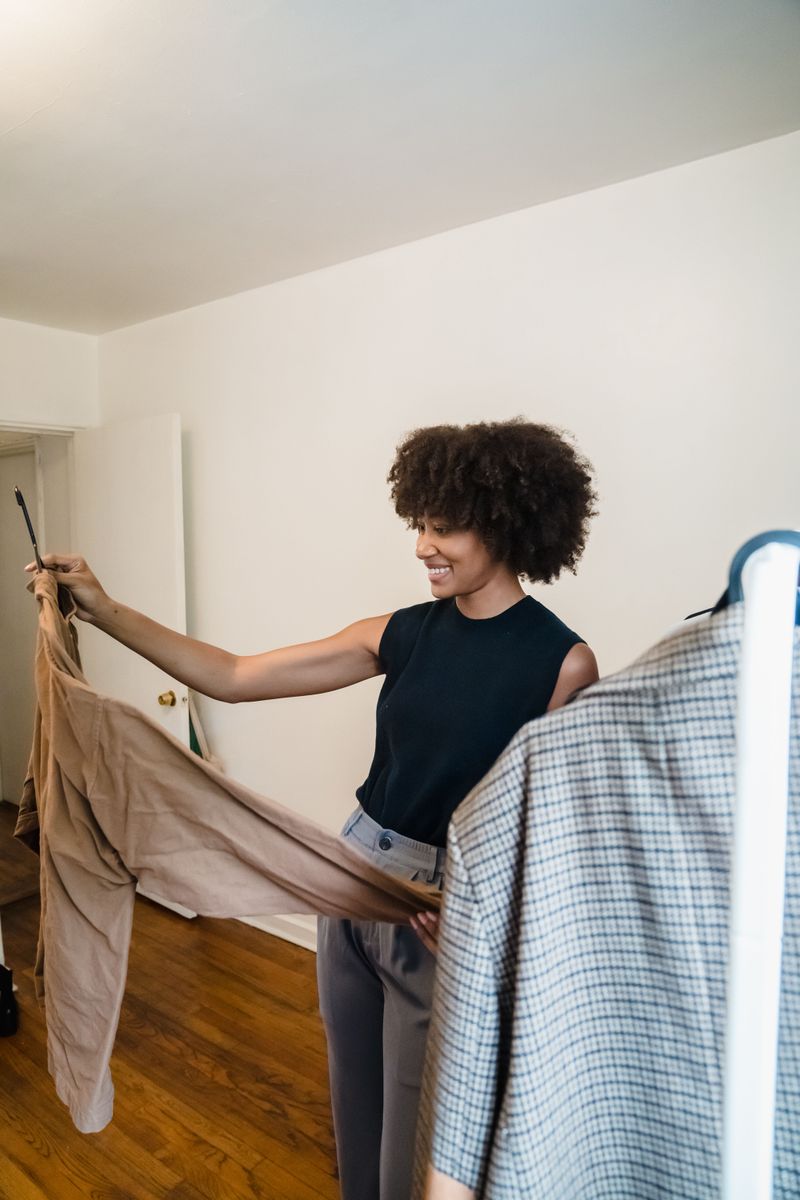
Most people own far more clothes than they actually wear.
The real secret to understanding your style is paying attention to the pieces you keep reaching for, not the ones hanging untouched at the back of your closet.
Those repeat favorites tell you everything.
They reveal the colors, fabrics, and silhouettes that genuinely make you feel comfortable and confident.
Try flipping your hangers backward and turning them forward only when you wear something.
After a month or two, the untouched pieces become obvious.
This simple exercise cuts through wishful thinking and shows your true preferences.
Your wardrobe should reflect your actual life, not an imaginary version of it.
2. Prioritize Fit Above Everything Else

Here is a truth that seasoned stylists swear by: fit matters more than price, brand, or trend.
A ten-dollar shirt that fits your shoulders and chest perfectly will almost always look better than a hundred-dollar one that bunches, gaps, or hangs awkwardly.
Proportions are everything when it comes to looking put-together.
Clothes that match your actual body shape create a clean, intentional look that people notice in the best possible way.
Basic tailoring, like hemming pants or taking in a waist, is often surprisingly affordable.
Even hand-stitching a simple alteration at home can make a dramatic difference.
Before you dismiss a piece as unflattering, ask yourself whether the right fit could completely transform it.
3. Build Around a Consistent Color Palette
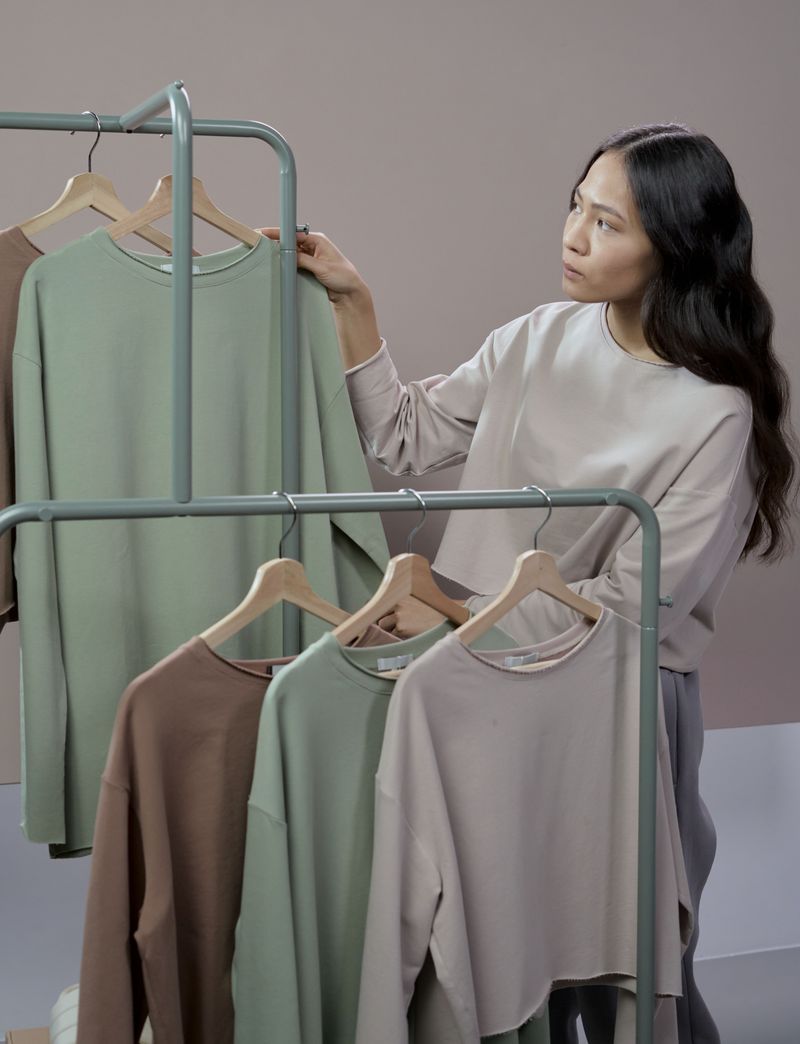
Picking an outfit feels much easier when your wardrobe speaks the same color language.
Identifying two or three neutrals you love, plus one or two accent colors, means almost everything you own can mix and match without effort.
Think of it like building a playlist with a consistent vibe.
Each piece does not need to match perfectly, but they should all feel like they belong together.
Earthy tones, cool blues, or classic black and white are popular starting points for a reason.
Sticking to a palette also saves money because you stop buying random pieces that clash with everything else.
Over time, your wardrobe becomes more cohesive, and getting dressed in the morning becomes genuinely enjoyable rather than stressful.
4. Repeat Outfits With Confidence
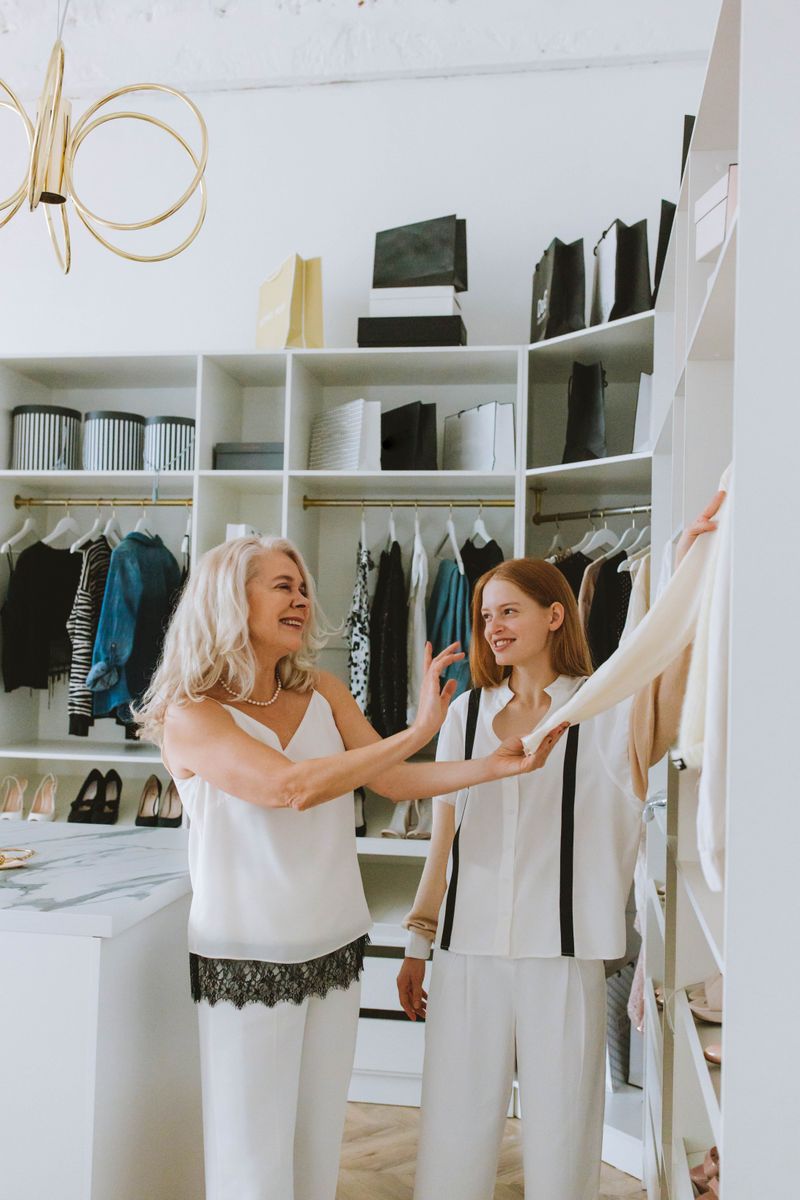
Somewhere along the way, many people started believing that wearing the same outfit twice was something to avoid.
That idea is worth letting go of completely.
Real personal style is built on recognizable combinations, not a constant parade of brand-new looks.
Think about the most stylish people you admire.
Chances are, they have a handful of go-to outfits they wear on rotation without apology.
Repetition is actually a sign of knowing yourself well.
Wearing an outfit again also gives you a chance to refine it.
Maybe next time you add a scarf, swap the shoes, or tuck in the shirt differently.
Confidence is the detail that makes any repeated outfit look intentional and polished rather than lazy.
5. Learn Your Preferred Silhouettes
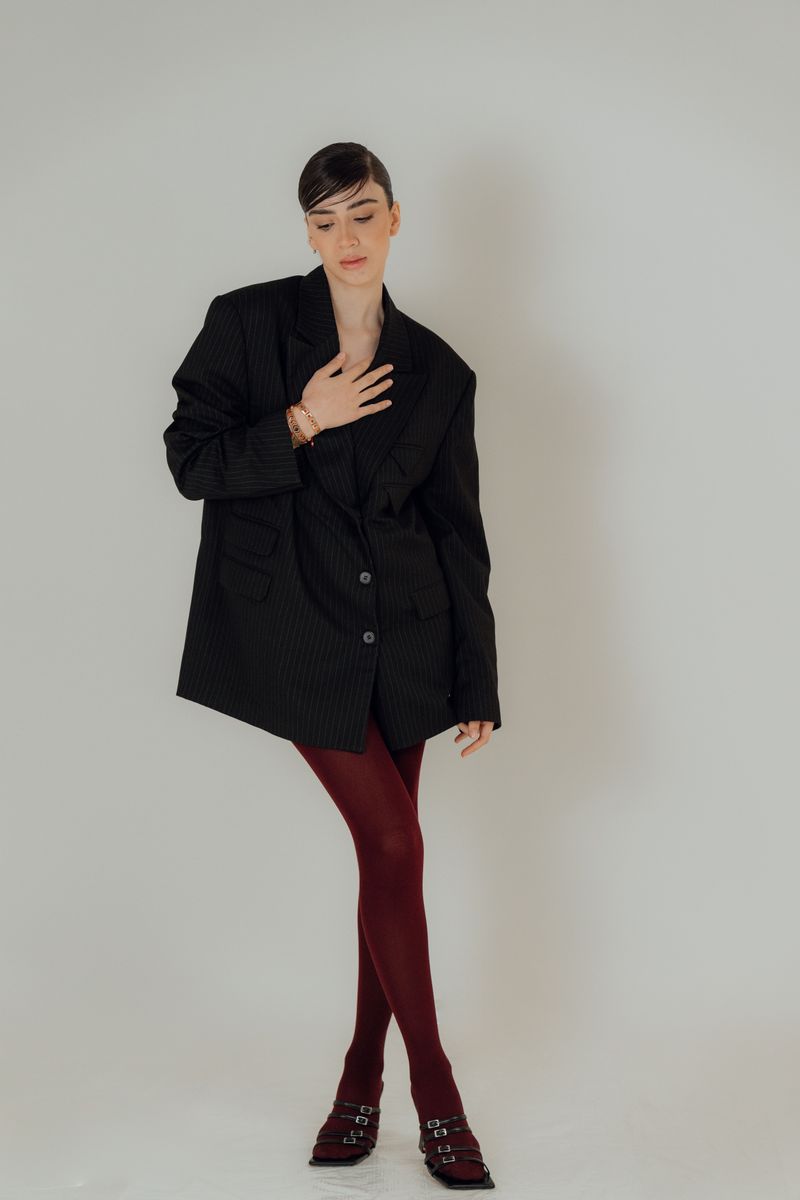
Silhouette is one of those fashion words that sounds complicated but simply means the overall shape of an outfit.
Do you feel best in relaxed, roomy pieces?
Or do you prefer structured, fitted shapes that follow your body closely?
Noticing which silhouettes consistently make you feel great is one of the most useful things you can do for your wardrobe.
It stops you from chasing trends that look great on a model but feel completely wrong on your own body.
Experiment with cropped tops paired with high-waisted bottoms, oversized jackets with slim pants, or long flowy layers over fitted basics.
Keep mental notes of what feels right.
Over time, you will develop an instinct for the shapes that suit your lifestyle and personality.
6. Style Before You Shop

Before reaching for your wallet, reach into your closet instead.
Most wardrobes have far more outfit potential than people realize, and a little creative experimenting can unlock combinations you never considered before.
Try tucking a shirt in differently, rolling up your sleeves, adding a belt to a dress, or swapping sneakers for loafers.
Sometimes simply changing one element, like the footwear or how a collar is styled, can make an existing outfit feel completely fresh and new.
This habit also sharpens your styling instincts over time.
You start to see your clothes as versatile building blocks rather than fixed outfits.
Shopping becomes more intentional when you already know what gaps actually exist in your wardrobe instead of buying on impulse.
7. Take Good Care of Your Clothes
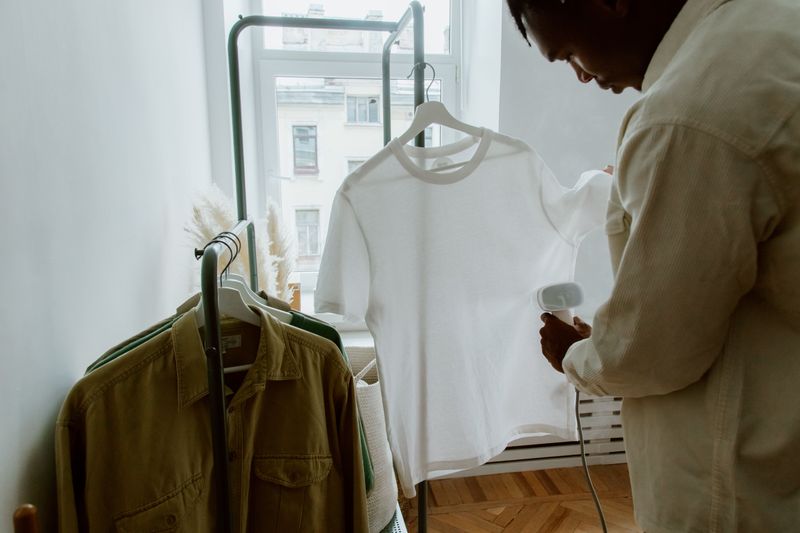
A wardrobe that is well-maintained always looks more expensive than one that is not.
Pilling, wrinkles, scuffed shoes, and stretched-out necklines can make even quality pieces look worn and careless, while a clean, pressed basic looks sharp and intentional.
Simple habits make a big difference.
Wash clothes inside out to protect colors, air-dry delicates instead of tossing them in a dryer, and use a lint roller regularly.
Learn to do basic repairs like re-stitching a loose button before it falls off completely.
Proper shoe care is equally important and often overlooked.
Wiping down leather shoes, using a brush on suede, and storing footwear correctly extends their life significantly.
Treating your clothes well is one of the most budget-friendly style moves you can make.
8. Choose Accessories With Intention
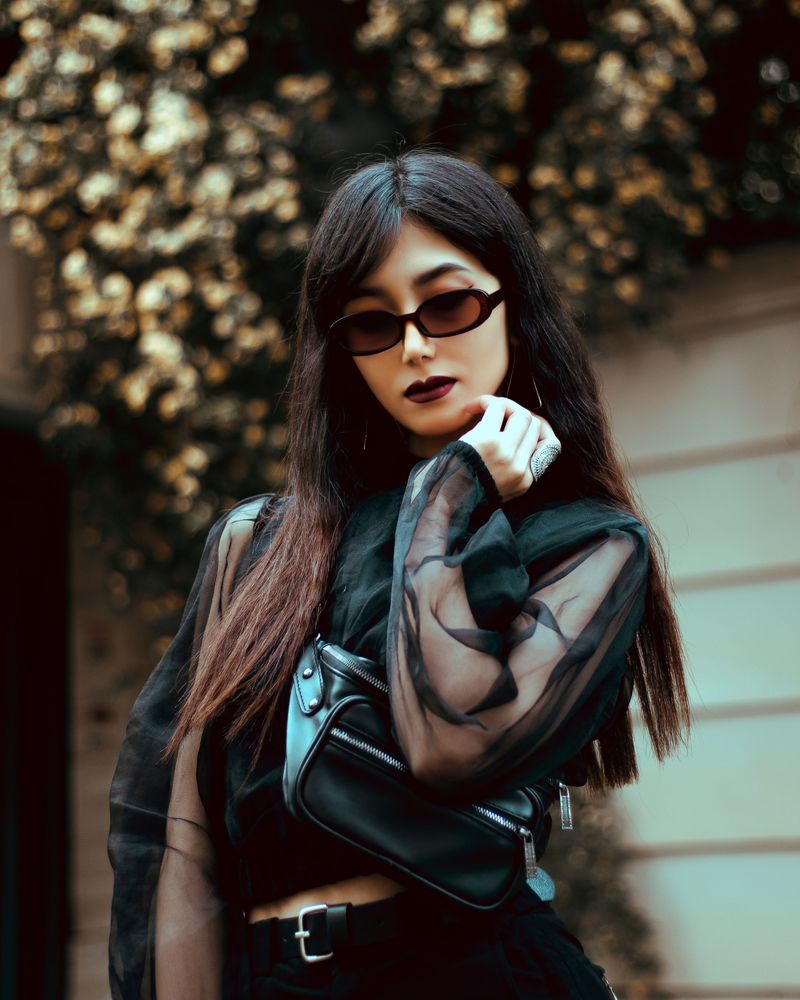
Accessories are where personal style often gets the most interesting.
A specific jewelry style, a signature bag, or a particular type of belt can become the detail people associate with you, creating a recognizable look without requiring a new outfit every time.
The key word here is intentional.
Randomly piling on accessories can feel cluttered, while one or two chosen pieces can elevate even the simplest outfit.
Think about what you are naturally drawn to and lean into that rather than following whatever is trending.
Scarves, glasses frames, and even the way you tie a bag strap are small decisions that add up to something distinctive.
Building a small collection of accessories you genuinely love is often more valuable than owning a closet full of clothes.
9. Use Style Inspiration Selectively
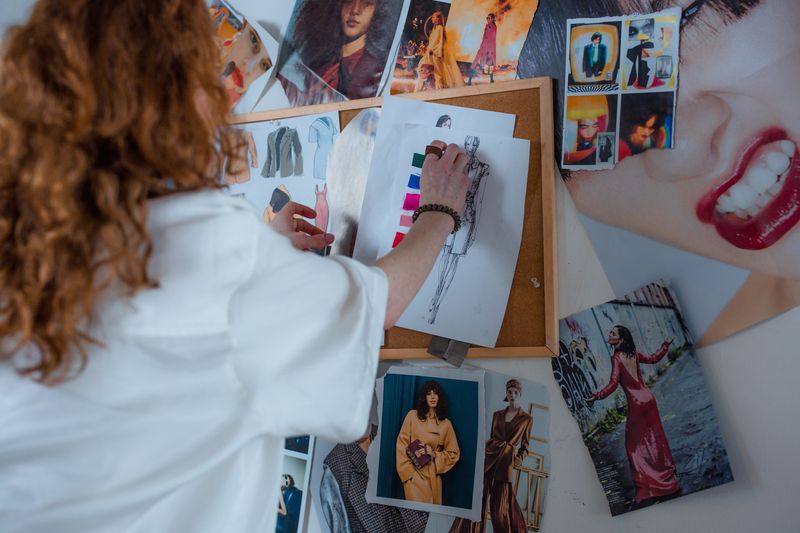
Scrolling through fashion content can be inspiring or completely overwhelming, depending on how you approach it.
The goal is not to copy every trend you see but to notice what genuinely excites you across many different images over time.
Save outfits that make you stop and think, I would actually wear that.
Then look for patterns.
Are you always drawn to earthy tones?
Tailored shapes?
Relaxed layering?
Those recurring details are clues to your authentic aesthetic.
Using inspiration as a guide rather than a blueprint keeps your style personal.
Trends come and go quickly, but the elements you are consistently attracted to point toward something more lasting.
Build on those preferences instead of trying to chase every new look that appears in your feed.
10. Pause Before Making a Purchase

Impulse buying is one of the fastest ways to end up with a wardrobe full of things you never wear.
Building a habit of pausing before purchasing can save both money and closet space, while also pushing your style in a more intentional direction.
Ask yourself two straightforward questions before buying anything.
First, does this work with at least three things I already own?
Second, would I realistically wear this in the next two weeks?
If the honest answer to either question is no, put it back.
Waiting 24 hours before buying something online is another useful trick.
Many impulse purchases feel far less exciting the next day.
Shopping with a clearer head means every new piece earns its place in your wardrobe rather than cluttering it.
11. Edit Your Wardrobe Regularly
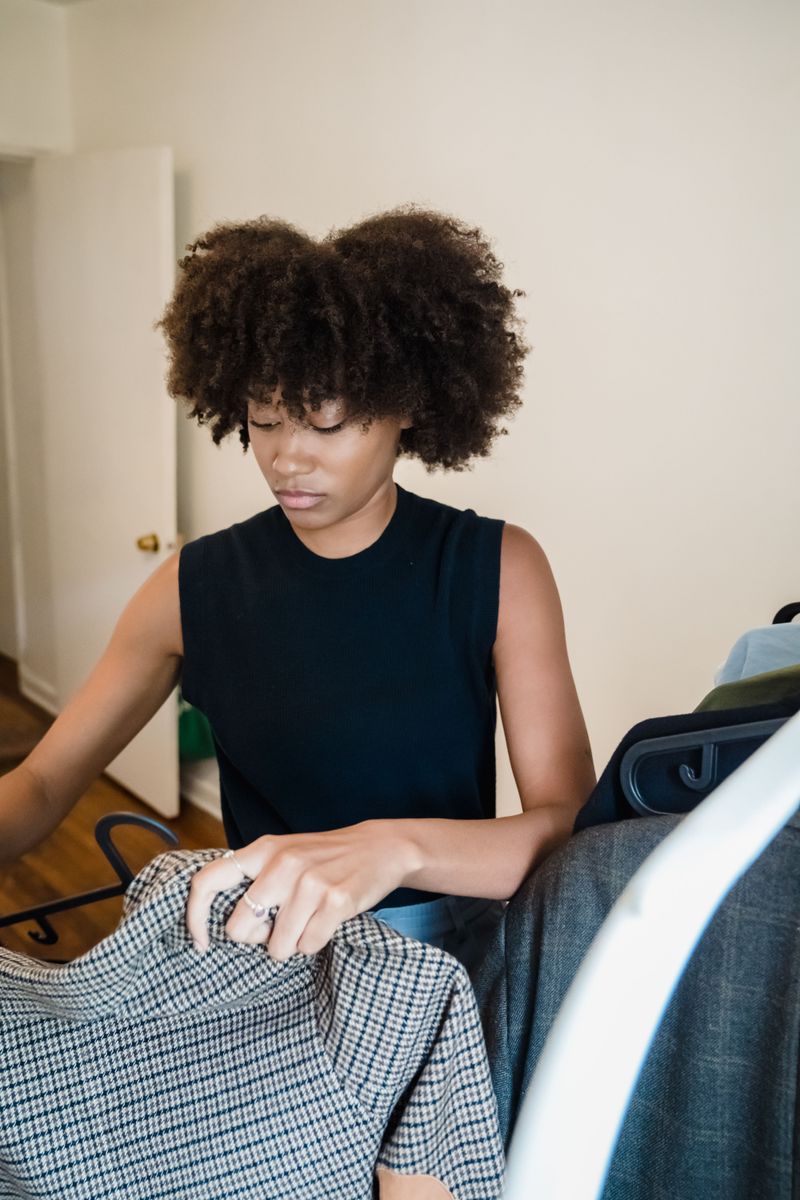
A cluttered wardrobe makes it harder to see your own style clearly.
When clothes you no longer wear or love are mixed in with everything else, getting dressed becomes a frustrating game of digging through things that do not represent you anymore.
Regular editing, even just twice a year, clears the noise.
Pull out anything that does not fit well, feels uncomfortable, or simply does not excite you anymore.
Donating or selling those pieces is a win for both your space and someone else’s wardrobe.
What remains after an edit is a more honest picture of your current style.
You can spot gaps more easily and shop more purposefully.
A smaller, curated wardrobe almost always feels more satisfying and easier to work with than a large, disorganized one.
12. Develop a Signature Element

Some of the most memorable personal styles are built around one repeated detail rather than a constantly changing wardrobe.
A signature element is something you return to consistently, and over time it becomes part of how people recognize your look.
It does not have to be dramatic.
Maybe it is always wearing a specific color, choosing a certain shoe style, or layering a denim jacket over everything.
Perhaps it is a bold lip color, a stack of simple rings, or a preference for wide-leg trousers.
Finding your signature takes some experimentation, but once you land on something that feels truly you, lean into it without apology.
Consistency is what transforms random outfit choices into a cohesive, recognizable personal style that feels effortless and completely your own.