 MomSkoop

Most homes are filled with products that seem useful but quietly drain your wallet over time. Frugal people have a talent for spotting everyday items that cost more than they are worth.
By swapping out wasteful habits for smarter alternatives, you can save a surprising amount of money each year. Take a look at these common household items that budget-minded folks often decide to skip.
1. Paper Towels
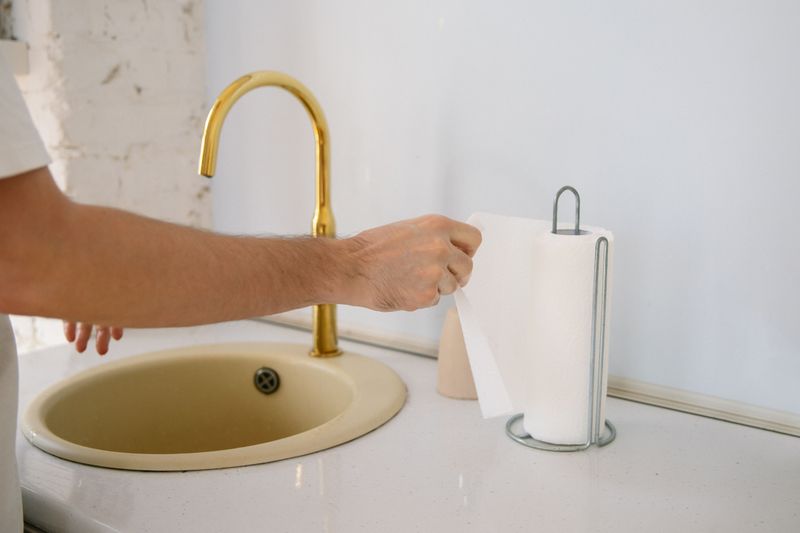
Reaching for a paper towel feels automatic, but those rolls add up fast.
The average American family spends over $100 a year on paper towels alone.
That is a lot of money for something you throw away after one use.
Reusable cloths made from old t-shirts, worn dish towels, or even cut-up flannel sheets can handle almost every cleaning job around the house.
They wipe up spills, scrub counters, and dry hands just as well.
Toss them in the wash and use them again.
Switching to reusable rags is one of the simplest frugal swaps you can make.
Once you build the habit, you will barely miss the paper rolls.
2. Bottled Water

Buying bottled water every week is one of those habits that feels small but costs a surprising amount over time.
A single plastic bottle might cost a dollar or more, while a gallon of tap water costs a fraction of a cent.
The math is pretty hard to ignore.
A reusable water bottle paired with a basic tap filter or a filter pitcher gives you clean, fresh water without the ongoing expense.
Many cities already have safe, great-tasting tap water that meets strict quality standards.
Beyond saving money, cutting out plastic bottles reduces waste that ends up in landfills and oceans.
Frugal people often see this swap as a win on every level.
3. Fabric Softener
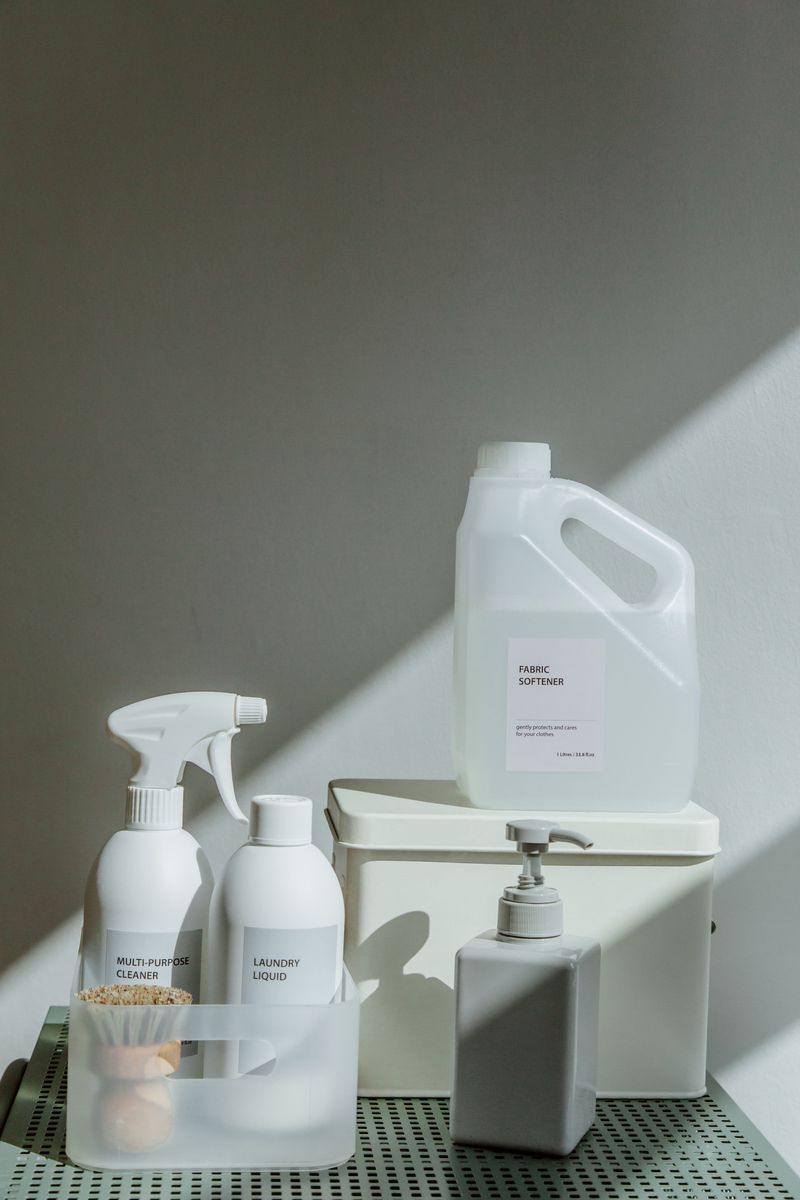
Fabric softener has been a laundry staple for decades, but plenty of households skip it without any regrets.
Most clothes come out of the wash feeling soft and smelling fresh without any softener at all.
The product is largely a comfort habit, not a necessity.
For those who still want a little extra softness, a splash of white vinegar in the rinse cycle works just as well and costs almost nothing.
It also helps remove detergent buildup from fabrics over time, which actually makes clothes last longer.
Frugal shoppers often realize that fabric softener is one of those items the industry convinced us we needed.
Skipping it is an easy, painless way to trim your grocery bill.
4. Dryer Sheets
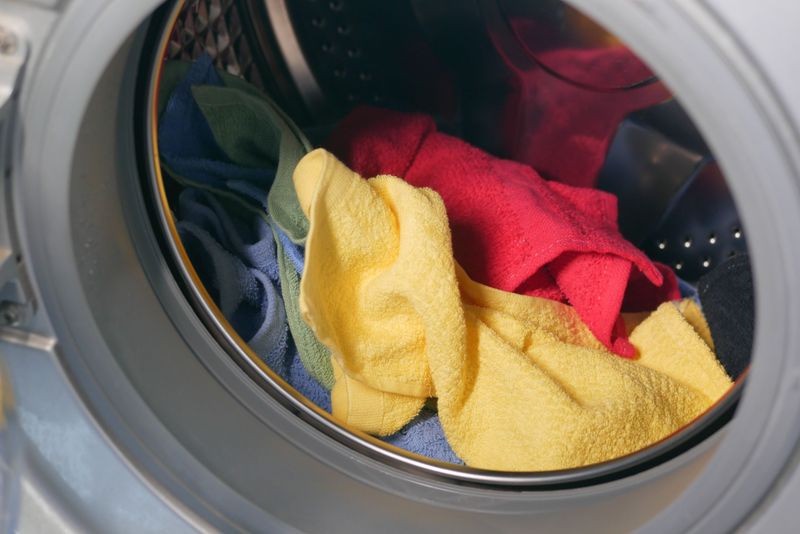
Dryer sheets are another laundry product that sounds essential until you realize there is a better option sitting right next to them on store shelves.
Wool dryer balls do the same job, reducing static and softening clothes, without any chemicals or waste.
A set of quality wool dryer balls typically costs around $10 to $15 and can last for hundreds of loads.
Compare that to buying box after box of dryer sheets every few months, and the savings become clear pretty quickly.
You can even add a few drops of essential oil to the dryer balls if you enjoy a light scent on your laundry.
It is a simple upgrade that frugal households tend to love.
5. Disposable Plates and Cups

Paper plates and plastic cups seem convenient, especially for parties or busy weeknights, but the cost adds up surprisingly fast.
Buying disposable tableware regularly means you are essentially paying for trash every single time.
A basic set of ceramic plates and glass cups can last for years, even decades, with normal care.
Washing dishes takes a few extra minutes, but the long-term savings far outweigh that small inconvenience.
Many frugal households find that this shift also makes meals feel a little more intentional and enjoyable.
Thrift stores often sell complete dish sets for just a few dollars, making it easy to get started without spending much.
Once you make the switch, disposable options start to feel like a waste in every sense.
6. Single-Use Cleaning Wipes
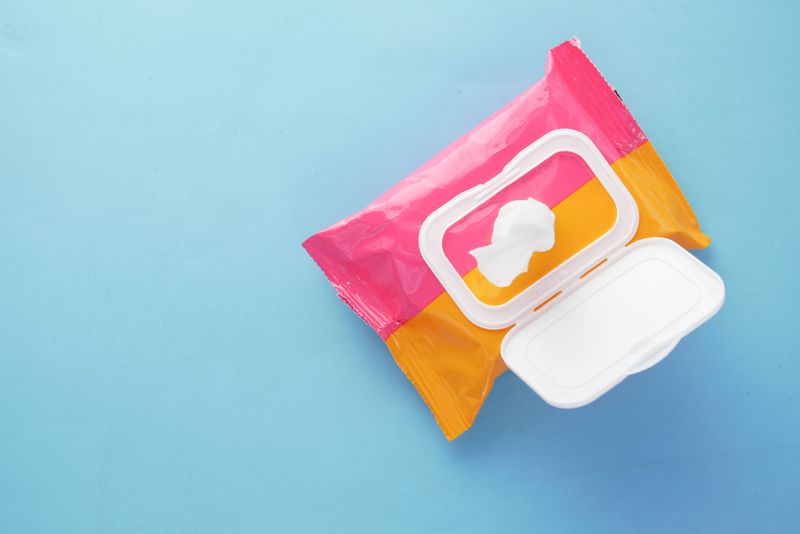
Pre-moistened cleaning wipes are handy, no question about it.
But when you look at the price per wipe compared to a spray bottle of all-purpose cleaner and a washable cloth, the difference is pretty eye-opening.
You are essentially paying a premium for convenience you do not really need.
A basic microfiber cloth can be rinsed, wrung out, and reused dozens of times before it even needs a wash.
Pair it with a homemade or store-bought multi-surface spray, and you have a cleaning combo that handles counters, appliances, and bathroom surfaces with ease.
Frugal households often keep a small bin of clean cloths under the sink for quick cleanups.
The habit is just as easy as grabbing a wipe, but far less wasteful and expensive.
7. Specialized Cleaning Products
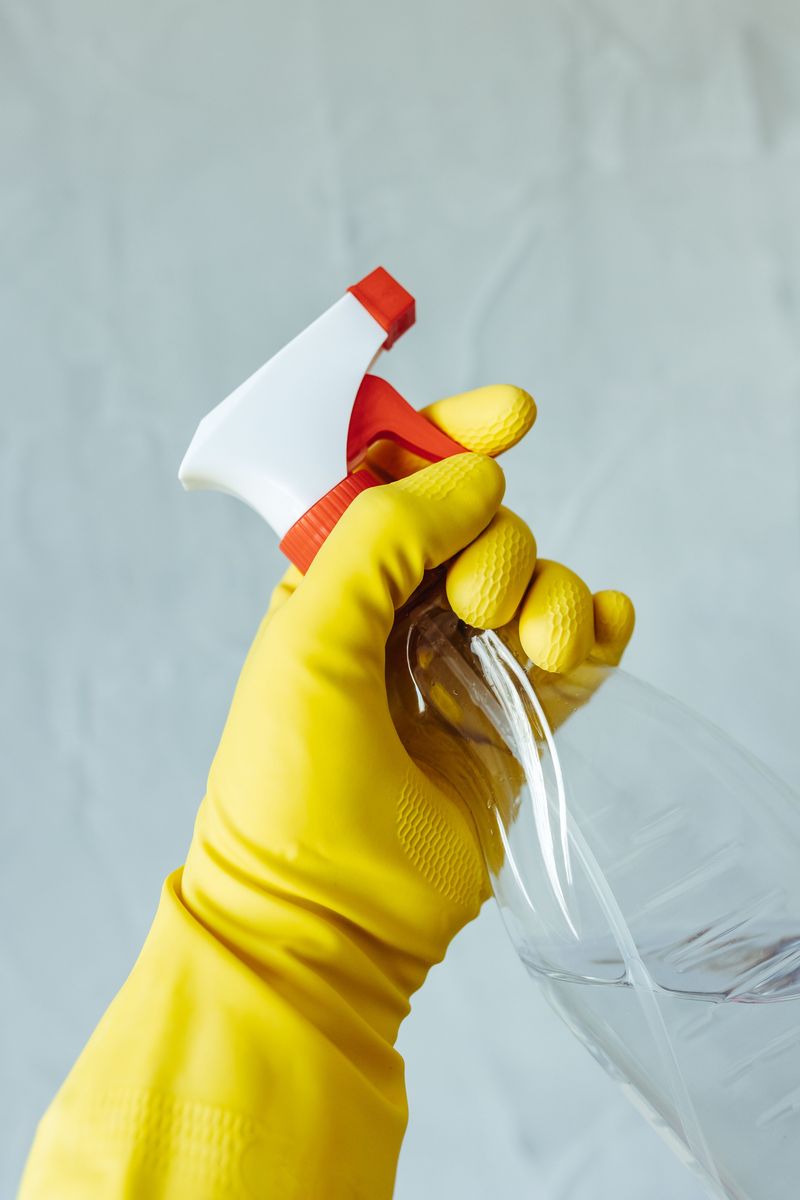
Walk down the cleaning aisle and you will find a separate product for nearly every surface imaginable: glass cleaner, tile spray, wood polish, stainless steel cleaner, and more.
Marketing makes each one seem essential, but most homes do not actually need all of them.
A good all-purpose cleaner handles the majority of household surfaces without any trouble.
White vinegar, baking soda, and dish soap are three simple staples that cover an enormous range of cleaning tasks at a fraction of the cost.
Frugal homeowners often cut their cleaning supply budget in half just by consolidating what they buy.
Fewer products also means less clutter under the sink, which is a bonus that has nothing to do with money.
8. Air Fresheners
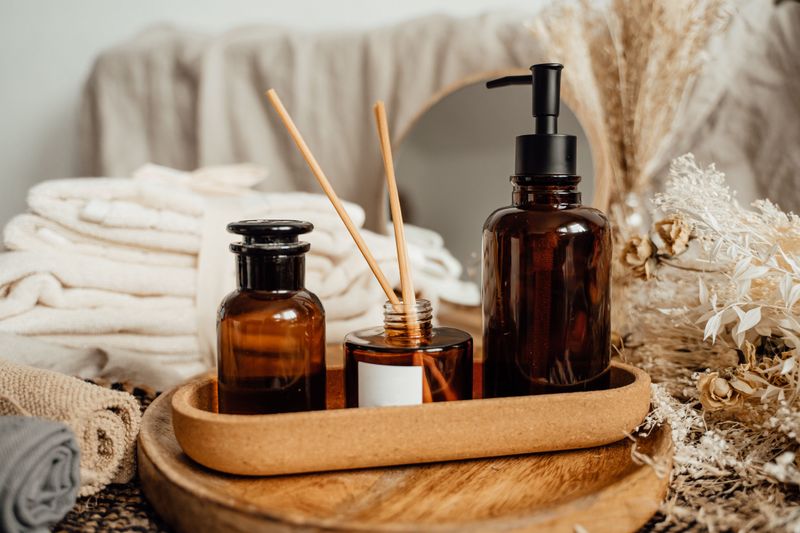
Plug-in air fresheners, sprays, and scented gels can quietly eat through your budget month after month.
Many of them also contain synthetic chemicals that some people prefer to avoid, especially in homes with kids or pets.
Opening windows for fresh air, cleaning regularly, and tackling odor sources directly are the most effective ways to keep a home smelling pleasant.
A small bowl of baking soda absorbs odors in fridges, closets, and bathrooms without costing much at all.
Simmering a pot of water with cinnamon sticks or citrus peels on the stove creates a warm, natural scent that costs almost nothing.
Many frugal households find these simple tricks work better than any store-bought freshener they have tried.
9. Decorative Throw Pillows
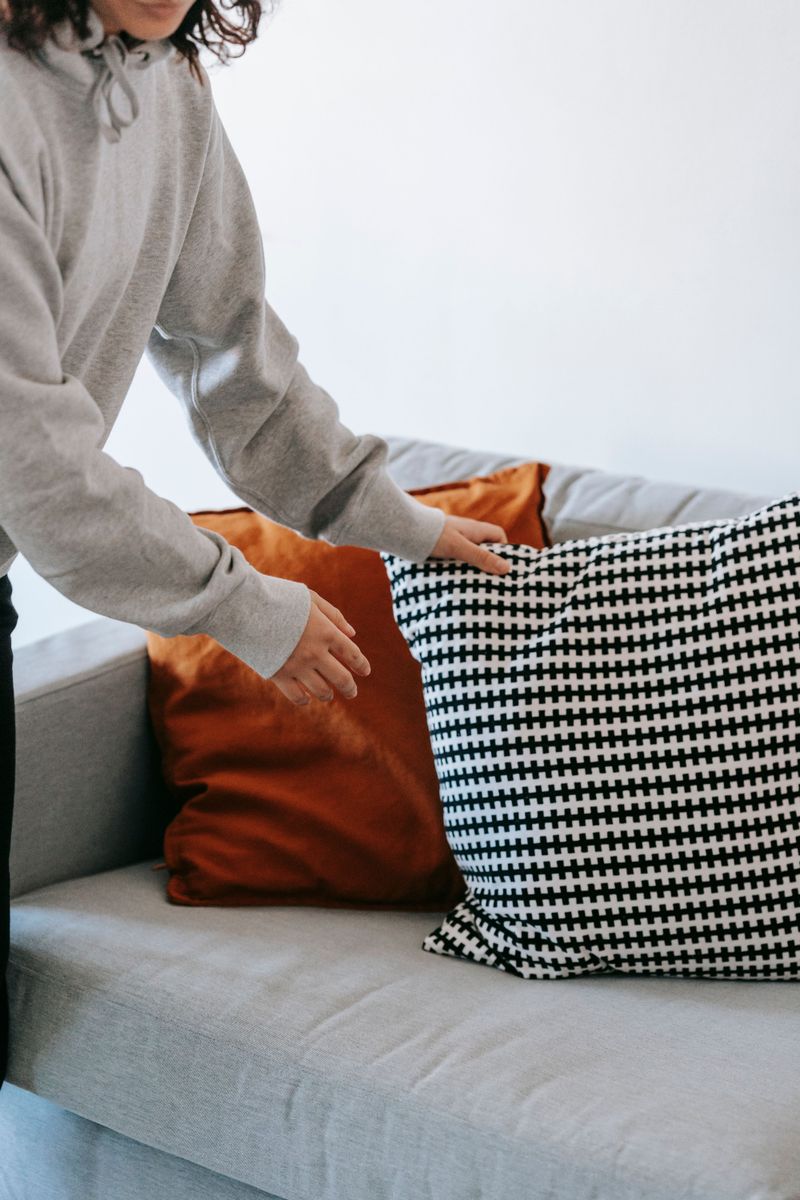
There is something undeniably cozy about a couch piled high with throw pillows.
But if you have ever spent $20 or $30 on a pillow that mostly ends up on the floor, you might start to wonder whether they are really worth it.
Decorative pillows rarely provide comfort that your regular couch cushions do not already offer.
They tend to be chosen for looks alone, and their style can feel outdated within a season or two as trends shift.
That means more spending to keep up with the look.
Frugal decorators often keep one or two quality pillows they genuinely love and skip the rest.
A simple, uncluttered space can feel just as warm and welcoming without the extra expense.
10. Excess Kitchen Gadgets
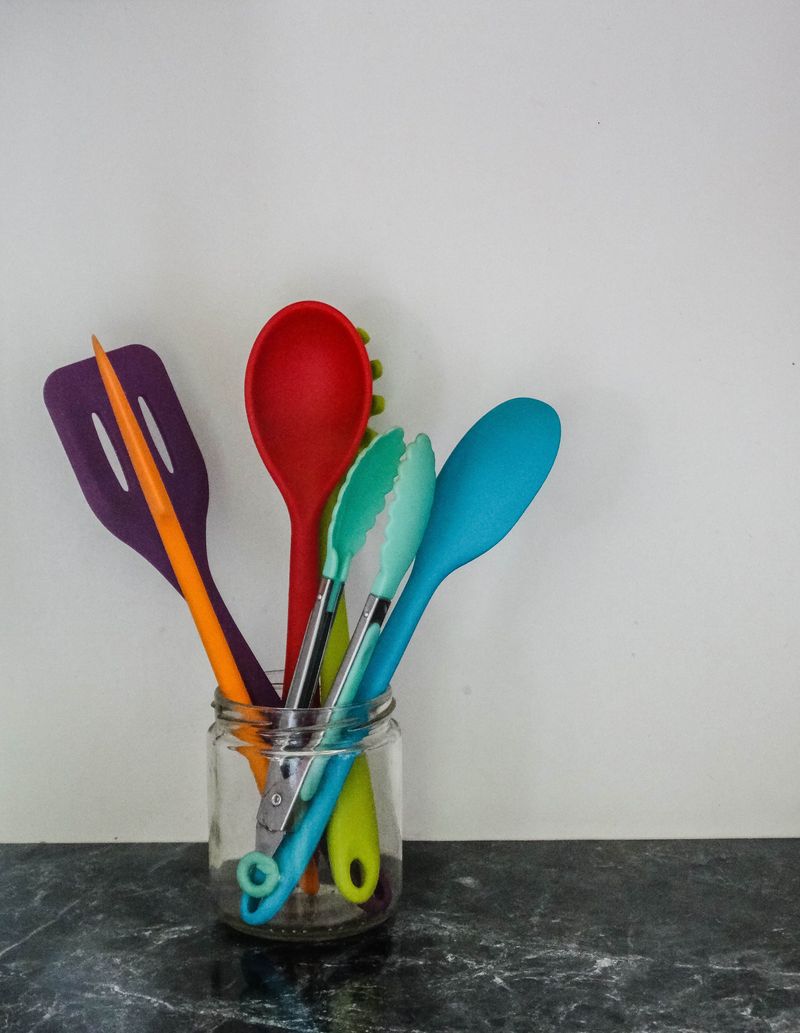
Avocado slicers, strawberry hullers, egg cookers, and quesadilla makers all have one thing in common: a good knife and basic cookware can do the same job for free.
These single-purpose gadgets are fun to buy but rarely earn their place in a crowded kitchen drawer.
Most experienced home cooks rely on a handful of versatile tools that handle dozens of different tasks.
A sharp chef’s knife, a cutting board, a cast iron skillet, and a sturdy pot cover about 90 percent of what you need to prepare a full meal.
Before adding another gadget to your cart, ask yourself how often you will realistically use it.
Frugal cooks have learned that less equipment usually means more skill, not less.
11. Coffee Pods
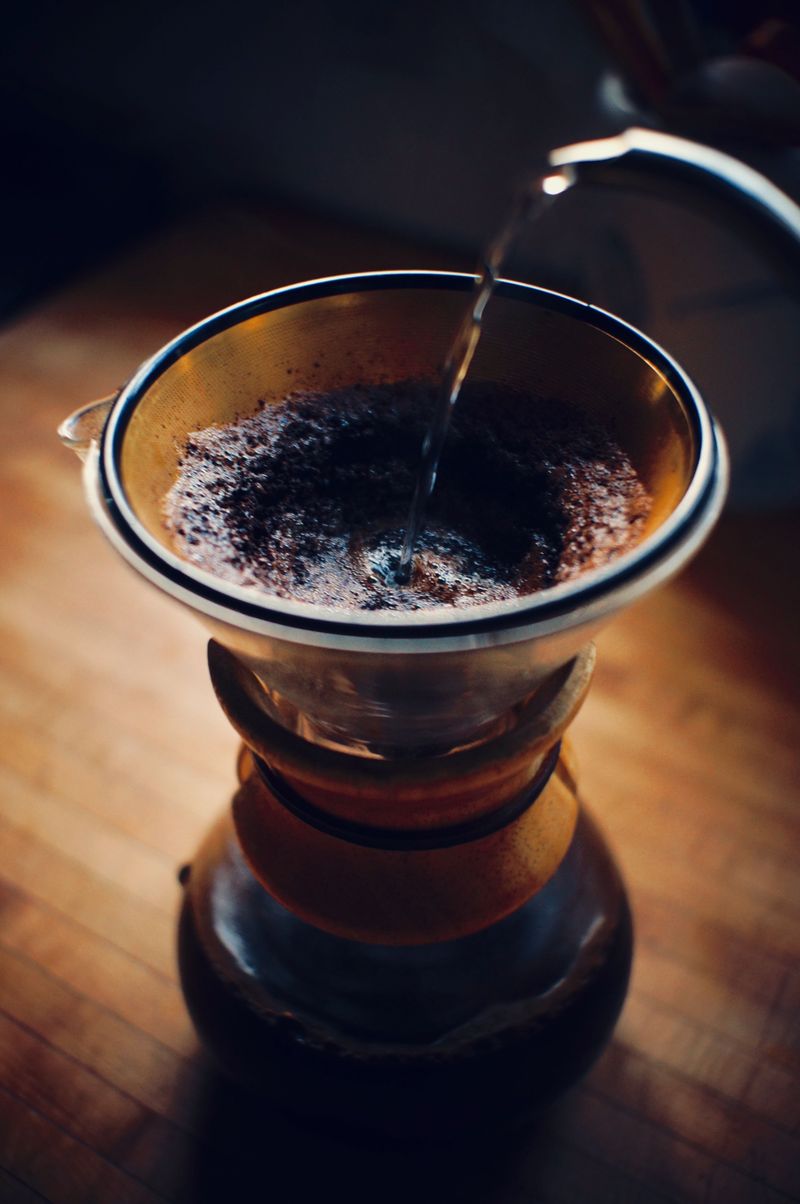
Pod coffee machines are incredibly convenient, but the cost per cup is significantly higher than brewing a pot of ground coffee the traditional way.
Some pods work out to nearly a dollar each, while a bag of quality ground coffee can bring that cost down to pennies per cup.
Drip coffee makers, French presses, and pour-over setups all produce excellent coffee without the ongoing expense of single-use pods.
Many coffee lovers actually prefer the taste of freshly ground beans brewed this way.
Buying coffee in larger quantities also tends to stretch your dollar further.
Frugal households often find that switching away from pod machines is one of the easiest ways to save $20 to $50 every single month without giving up their morning routine.
12. Pre-Cut Fruits and Vegetables
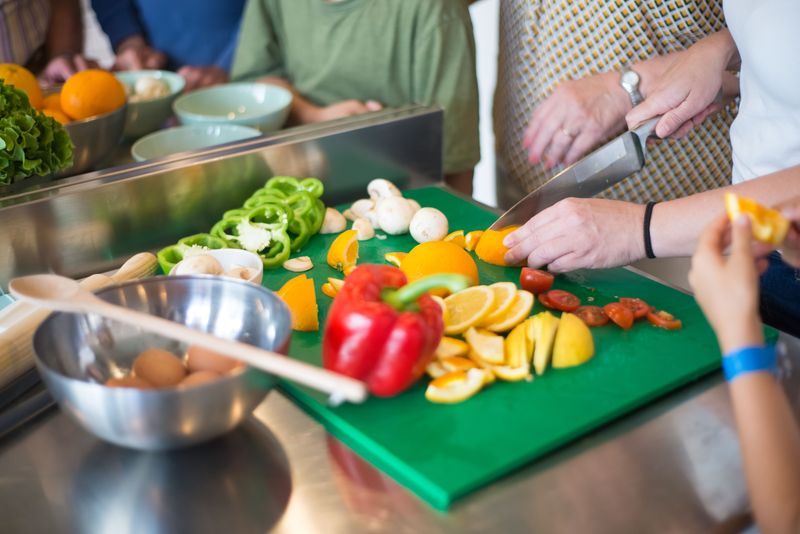
Pre-cut fruit and vegetable containers are one of the grocery store’s most effective upsells.
You pay significantly more per pound for the convenience of having someone else do the chopping, and the produce often has a shorter shelf life once it has been cut and packaged.
Buying whole produce and preparing it at home takes maybe five to ten extra minutes, but the savings can be substantial.
A whole pineapple, for example, might cost half as much as the same amount already sliced and packed in a plastic container.
Batch prepping vegetables on the weekend is a strategy many frugal families use to get the best of both worlds: ready-to-use produce at a whole-food price.
A sharp knife and a few minutes of effort go a long way.
13. Disposable Food-Storage Bags
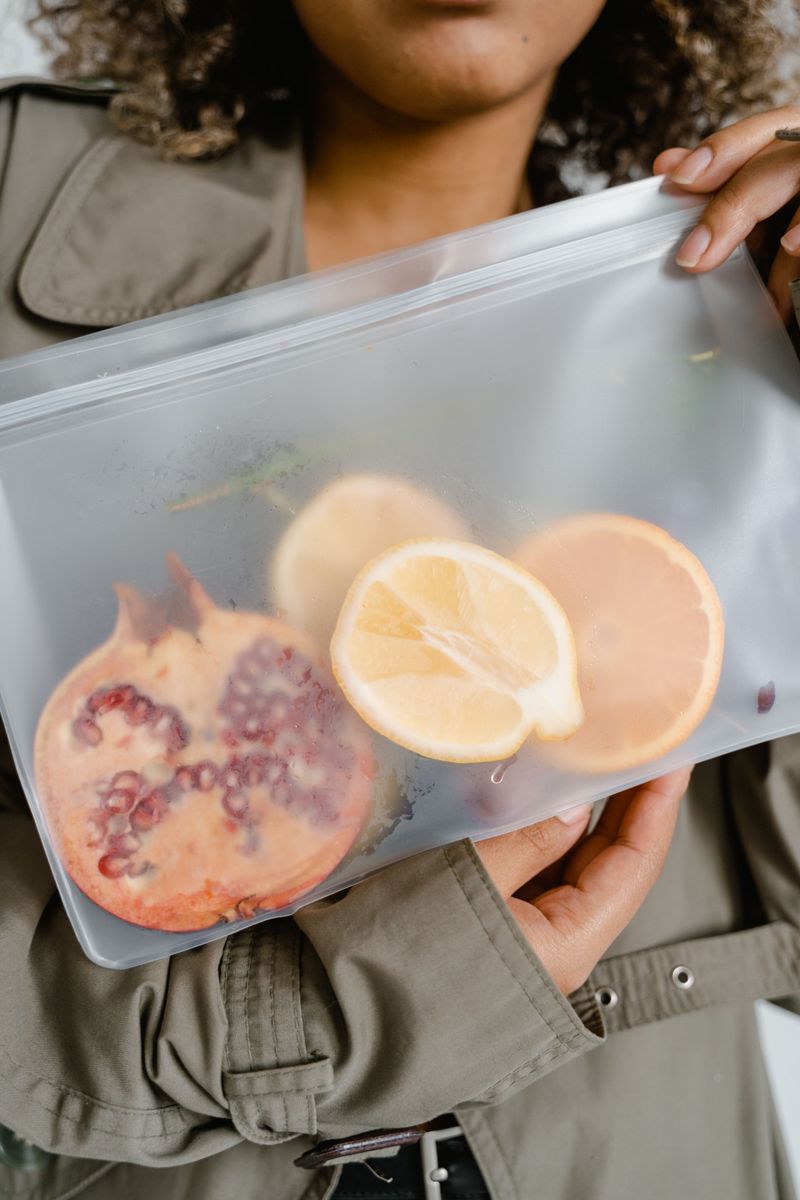
Zip-lock bags and plastic sandwich bags are so common in most kitchens that it is easy to forget they are a recurring expense.
Buying box after box throughout the year adds up to a noticeable chunk of your grocery budget for something you literally throw away.
Reusable silicone bags and glass or plastic containers with lids do the exact same job without the ongoing cost.
They seal tightly, stack neatly in the fridge, and are easy to wash.
Many sets are dishwasher-safe, making cleanup no harder than tossing a bag in the trash.
The upfront cost of reusable containers pays for itself within a few months of regular use.
Frugal households often call this swap one of their most satisfying kitchen changes.
14. Cable TV

Cable TV bills have climbed steadily for years, with many households paying $100 or more per month for channels they rarely watch.
When you break that down, it is a significant annual expense for entertainment that has plenty of cheaper alternatives.
Free over-the-air channels, library streaming services, and one carefully chosen subscription platform can cover most viewing needs at a fraction of the cost.
Many libraries now offer free access to streaming services like Kanopy or Hoopla using just a library card.
Frugal families often find that cutting cable forces them to be more intentional about screen time, which turns out to be a welcome side effect.
The money saved can go toward experiences or goals that matter far more than extra channels.
15. Multiple Sets of Dishes
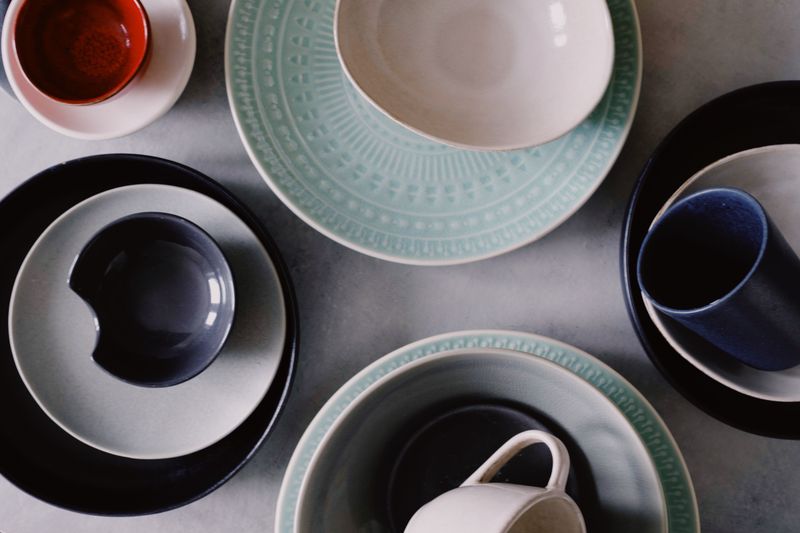
Many households own an everyday dish set, a formal china set for special occasions, and possibly a seasonal set for holidays.
That is a lot of cabinet space and a lot of money tied up in plates that spend most of the year collecting dust.
One well-chosen, durable set of dishes can handle casual Tuesday dinners and holiday gatherings alike.
Neutral colors and classic shapes tend to work beautifully across all occasions without looking out of place.
Frugal homeowners often point out that guests rarely notice whether the dishes are everyday or formal.
What matters far more is the food, the company, and the warmth of the gathering.
Simplifying your dish collection frees up both storage space and money for things that genuinely matter.
16. Trendy Home Decor
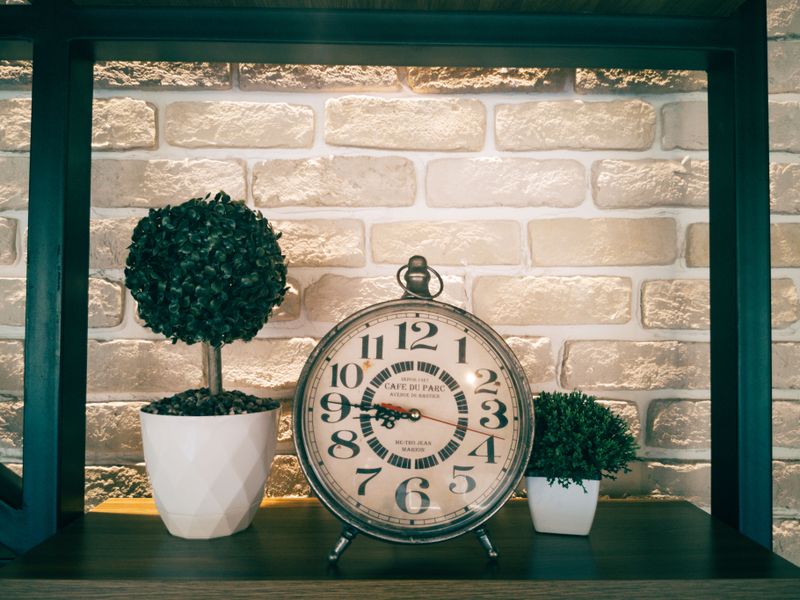
Home decor trends move fast.
What looks fresh and modern one year can feel dated the next, and keeping up with every new style that floods social media and home magazines is an expensive treadmill to stay on.
Frugal decorators tend to favor timeless pieces over trendy ones: simple frames, neutral colors, and meaningful personal items that do not go out of style.
A few well-placed pieces with personal significance create a home that feels genuinely lived-in and warm, not like a showroom chasing the latest look.
Shopping at thrift stores, swapping decor with friends, or simply leaving walls a little more bare are all strategies that save money without sacrificing style.
Your home does not need to be trendy to feel beautiful.