 MomSkoop

As we get older, our bodies and minds go through many changes that can make everyday self-care feel different or even harder. Simple things like bathing, cooking, or staying active might need some adjustments along the way.
Understanding what changes to expect can help you or someone you love stay healthy and independent for as long as possible. Knowing what to watch for makes a big difference in planning ahead and getting the right support.
1. Reduced Mobility
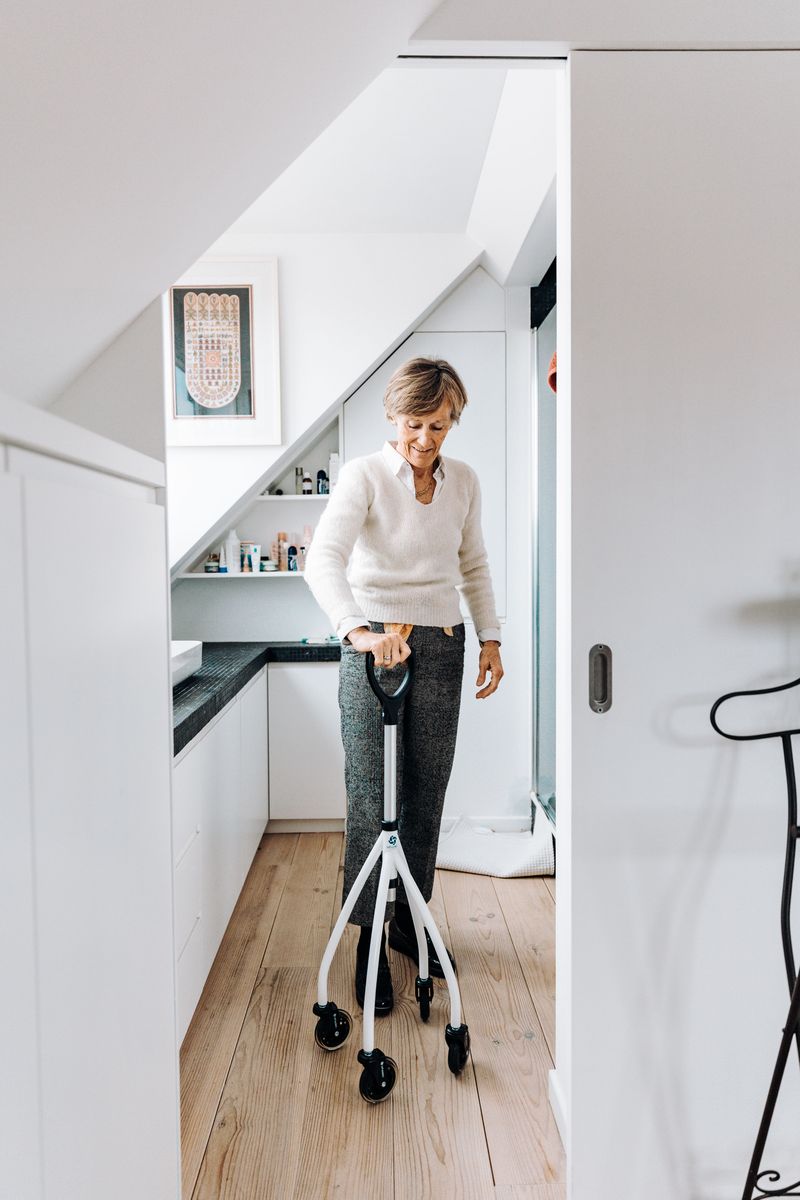
Moving around freely is something most people take for granted until it becomes a challenge.
For many older adults, reduced mobility can make self-care routines like bathing, dressing, and cooking feel exhausting or even risky.
Simple tasks that once took minutes can suddenly require extra effort, tools, or help from others.
Using grab bars, shower seats, and long-handled tools can make a real difference.
Staying as active as possible through gentle exercises like walking or water aerobics helps keep joints flexible.
Talking to a physical therapist is a smart step toward finding safe ways to stay independent and comfortable at home.
2. Poor Balance

Falls are one of the leading causes of injury among older adults, and poor balance is often the main reason.
When your sense of balance weakens, everyday activities like stepping out of the shower, climbing stairs, or even reaching for something on a shelf can become dangerous.
That risk can quietly reshape how much self-care a person feels confident doing alone.
Balance exercises, proper footwear, and removing tripping hazards at home all help reduce fall risk.
Handrails and non-slip mats are simple but powerful tools.
Checking with a doctor about medications that might affect balance is also a worthwhile step that many people overlook.
3. Reduced Muscle Strength

Muscle strength naturally decreases with age, a process called sarcopenia that begins as early as your 30s and picks up speed after 60.
Weaker muscles make it harder to lift groceries, open jars, get up from a chair, or carry out basic hygiene routines.
Over time, this can chip away at a person’s confidence and independence in ways that are hard to predict.
Strength training does not have to mean heavy weights.
Resistance bands, bodyweight exercises, and even gardening can help maintain muscle mass.
Eating enough protein is equally important, since muscles need good nutrition to stay strong.
A doctor or trainer can help design a safe routine tailored to your needs.
4. Changes in Eyesight

Vision changes are incredibly common as people age, and they can sneak up gradually.
Conditions like cataracts, glaucoma, and age-related macular degeneration can make reading labels, recognizing faces, or navigating a home much harder.
When eyesight fades, self-care tasks like reading medication instructions or shaving safely become more complicated and even hazardous.
Regular eye exams are the best way to catch problems early.
Good lighting throughout the home, large-print labels, and magnifying tools can help compensate for vision loss.
Wearing the correct prescription glasses is a must.
Some people also benefit from low-vision specialists who teach helpful strategies for managing daily tasks with limited sight.
5. Hearing Loss

Hearing loss affects nearly one in three adults over age 65, yet many people wait years before seeking help.
When you cannot hear well, it becomes harder to follow medical instructions, communicate needs to caregivers, or even notice warning sounds like a smoke alarm.
That gap in communication can quietly undermine both safety and self-care quality.
Hearing aids have improved dramatically in recent years and can restore a lot of daily function.
Captioned phones, visual alerts, and speaking face-to-face also help bridge the gap.
Letting family members and doctors know about hearing difficulties ensures better support.
Regular hearing check-ups should become part of every older adult’s health routine, just like eye exams.
6. Memory Problems

Forgetting things occasionally is a normal part of aging, but more serious memory problems can interfere with important self-care tasks.
Missing medication doses, forgetting to eat, leaving the stove on, or skipping doctor appointments are all real risks when memory becomes unreliable.
Over time, these lapses can add up and affect overall health in significant ways.
Simple systems like pill organizers, written schedules, and reminder apps on phones can be game-changers.
Involving a trusted family member or caregiver to check in regularly adds another layer of safety.
Early conversations with a doctor about memory concerns are always worthwhile, since some causes of memory loss are treatable when caught soon enough.
7. Reduced Coordination

Coordination involves the brain and body working together smoothly, and that connection can weaken with age.
Tasks that once felt automatic, like buttoning a shirt, tying shoes, or brushing teeth properly, can become frustratingly difficult when coordination declines.
This can leave older adults feeling embarrassed or reluctant to ask for the help they genuinely need.
Occupational therapists specialize in helping people find new ways to complete daily tasks safely.
Adaptive tools like electric toothbrushes, Velcro fasteners, and easy-grip utensils can restore a sense of independence.
Staying mentally and physically active also supports coordination by keeping the brain-body connection stronger.
Addressing coordination changes early prevents bigger problems from developing down the road.
8. Arthritis or Joint Pain

Arthritis affects more than 50 million adults in the United States, making it one of the most common reasons older people struggle with self-care.
Stiff, swollen, or painful joints can make gripping a toothbrush, turning a faucet handle, or pulling on clothing feel like a real ordeal.
The frustration of losing hand function is something many people dealing with arthritis know all too well.
Anti-inflammatory medications, warm compresses, and joint-friendly exercises can reduce pain and improve movement.
Ergonomic tools designed for people with arthritis, like wide-grip brushes or jar openers, make daily tasks more manageable.
Staying at a healthy weight also reduces stress on joints.
Working with a rheumatologist helps ensure the best treatment plan for long-term comfort.
9. Long-Term Health Conditions

Chronic conditions like diabetes, heart disease, and COPD require ongoing self-care that can become overwhelming over time.
Managing multiple medications, monitoring blood sugar, following special diets, and attending frequent appointments can take up a huge portion of daily life.
When the body is already working hard to manage illness, energy for other self-care tasks often runs low.
Building a strong healthcare team, including a primary doctor, specialists, and possibly a care coordinator, makes a significant difference.
Learning as much as possible about your conditions gives you more control.
Telehealth options have made it easier to get check-ins without leaving home.
Asking for help is a strength, not a weakness, when managing complex health needs every day.
10. Changes in Mental Health

Mental health changes in older adults are often overlooked, even though depression and anxiety affect millions of seniors every year.
Feelings of sadness, worry, or hopelessness can make it hard to find the motivation to care for yourself, cook meals, keep appointments, or even get out of bed.
When emotional well-being suffers, physical self-care almost always follows.
Talking to a doctor or counselor is one of the most helpful steps a person can take.
Therapy, medication, and social connection all play important roles in supporting mental health.
Regular routines, outdoor time, hobbies, and meaningful relationships all help lift mood naturally.
Recognizing that mental health care is just as valid as physical health care is a crucial mindset shift.
11. Reduced Energy and Increased Fatigue

Feeling tired more often is one of the most common complaints among older adults, and it can quietly reshape entire daily routines.
When energy runs low, self-care tasks like cooking a nutritious meal, exercising, or even showering might get skipped or shortened.
Over time, those small shortcuts can add up to bigger health problems that are harder to reverse.
Fatigue in older adults can have many causes, including anemia, thyroid issues, poor sleep, or medication side effects.
Talking to a doctor helps identify what is driving the tiredness.
Pacing activities throughout the day, taking short rest breaks, and prioritizing sleep hygiene can all help.
Eating well and staying hydrated are simple habits that support energy levels more than many people realize.
12. Changes in Social Support or Living Arrangements

Losing a spouse, moving to a new home, or having family members move away can dramatically change how much support an older adult has for daily self-care.
Social connections are not just emotionally important – they are practically important too.
A neighbor who checks in, a friend who drives to appointments, or a family member who helps with groceries can make all the difference in maintaining good health habits.
Community programs, senior centers, and volunteer visitor services help fill the gaps when social networks shrink.
Many areas offer meal delivery, transportation assistance, and caregiver support programs.
Staying connected through phone calls and video chats also reduces isolation.
Asking for help before a crisis hits is always a smarter approach than waiting until things fall apart.
13. Difficulty Carrying Out Daily Activities Independently

There comes a point for many older adults when everyday tasks like bathing, dressing, preparing meals, or managing finances require more help than they once did.
This shift can feel like a loss of independence, which is emotionally difficult and sometimes leads people to avoid asking for the assistance they truly need.
Pushing through alone when it is no longer safe can lead to accidents or declining health.
Home health aides, occupational therapists, and community services exist precisely to support people through these transitions.
Assistive devices and home modifications can extend independence longer than many expect.
Planning ahead, before a crisis makes the decision for you, gives older adults far more control over how and where they receive care.