 MomSkoop

Family relationships are supposed to be a source of love and support, but sometimes they become a breeding ground for resentment. When parents and adult children clash, the tension can build quietly over years before anyone realizes how deep the hurt runs.
Understanding the common issues that fuel this resentment is the first step toward healing and building healthier connections. Whether you are a parent or an adult child, recognizing these patterns can make a real difference.
1. Unresolved Childhood Hurt
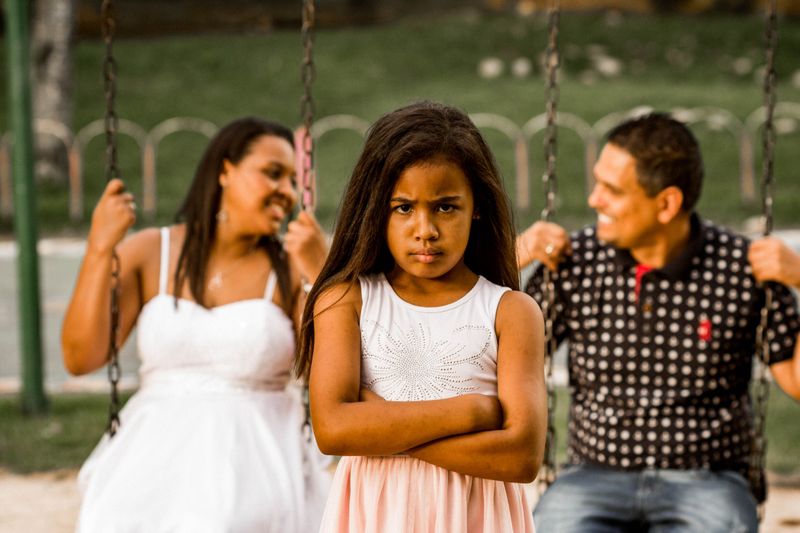
Some wounds from childhood never fully heal, especially when they are never talked about.
Neglect, harsh criticism, favoritism, or a chaotic home life can leave lasting marks on a person’s sense of worth and safety.
When these painful experiences are never acknowledged by the parent who caused them, the hurt does not just disappear.
Instead, it quietly grows into resentment that follows adult children into their everyday lives.
A parent might not even realize the damage their actions caused.
Healing requires honest conversations, genuine apologies, and a willingness to listen without becoming defensive.
Therapy can also help both sides process old pain and begin to repair what was broken.
2. Boundary Violations

Few things feel more suffocating than a parent who cannot stop treating their grown child like they are still a teenager.
Overstepping into personal relationships, parenting decisions, career choices, or finances sends a clear message: “I don’t trust your judgment.” That kind of interference, even when it comes from love, can feel deeply disrespectful.
Adult children need space to make their own decisions and learn from their own mistakes.
When boundaries are repeatedly crossed, resentment builds fast.
Parents can show love without controlling outcomes.
Setting clear, calm boundaries and sticking to them is not about pushing family away.
It is about creating a relationship built on mutual respect rather than obligation or anxiety.
3. Feeling Unappreciated

Parents often pour enormous amounts of time, money, and energy into raising their children, and many feel that sacrifice goes completely unnoticed once those children grow up.
On the flip side, adult children frequently feel that their own hard work, struggles, and personal growth are dismissed or minimized by their parents.
Both feelings are valid, and both can quietly poison a relationship.
Appreciation is a two-way street that requires consistent effort from everyone involved.
A simple “thank you” or genuine acknowledgment can go a long way.
Making a habit of expressing gratitude, even for small things, helps shift the emotional tone of the relationship.
Feeling seen and valued matters deeply at every stage of life.
4. Different Expectations About Contact

One of the most common sources of tension between parents and adult children is a mismatch in how often they expect to connect.
A parent might expect weekly calls and monthly visits, while their adult child feels comfortable checking in every few weeks.
Neither expectation is wrong, but when they are never openly discussed, hurt feelings pile up fast.
Parents may interpret less frequent contact as rejection or indifference, while adult children may feel guilty or pressured.
The fix is simpler than most people think: talk about it honestly and without blame.
Agreeing on a realistic schedule that works for both sides removes the guesswork and helps everyone feel more secure in the relationship.
5. Criticism and Judgment

Constant criticism has a way of making even the strongest person feel like they are never quite good enough.
When parents repeatedly comment on their adult child’s weight, career path, romantic partner, parenting style, or personal choices, it stops feeling like concern and starts feeling like an attack.
Over time, that pattern chips away at the relationship.
Most adult children stop sharing important life updates when they expect to be judged rather than supported.
Parents may believe they are being helpful, but unsolicited opinions often do more harm than good.
Shifting from criticism to curiosity, asking questions instead of offering corrections, can transform the dynamic.
People open up when they feel accepted, not evaluated.
6. Lack of Accountability

Nothing stalls a relationship quite like the stubborn refusal to say “I was wrong.” When either a parent or an adult child makes a mistake but refuses to own it, the other person is left holding all the hurt with nowhere to put it.
That unresolved pain does not disappear; it turns into resentment that colors every future interaction.
Accountability is not about losing an argument.
It is about valuing the relationship more than protecting your ego.
A genuine apology, offered without excuses or conditions, can shift the entire emotional climate between two people.
Both parents and adult children benefit when they model accountability for each other.
It takes courage, but it also builds the kind of trust that lasts.
7. Financial Conflicts

Money has a unique ability to expose fault lines in any relationship, and family is no exception.
Unpaid loans, unequal financial support among siblings, expectations of inheritance, or pressure to provide financial help can all create serious friction between parents and adult children.
When money becomes a way to control or keep score, the damage can last for years.
Transparency and clear agreements are the best tools for preventing financial resentment.
If a parent lends money, both sides should agree on repayment terms from the start.
If financial support is given unevenly among siblings, an honest conversation about the reasons can help.
Keeping money and love clearly separate protects both the relationship and everyone’s dignity.
8. Favoritism and Sibling Comparisons

Being compared to a sibling as an adult stings just as much as it did in childhood. “Why can’t you be more like your brother?” is the kind of comment that lingers in a person’s memory for decades.
Real or perceived favoritism creates a quiet rivalry that can fracture both sibling relationships and the parent-child bond.
Parents sometimes show favoritism without realizing it, through how much time they spend with each child, how they distribute financial help, or whose opinions they take more seriously.
Adult children carry those comparisons with them long after they leave home.
Recognizing and actively addressing unequal treatment, even when it feels uncomfortable, is essential for building a fair and emotionally healthy family dynamic.
9. Difficulty Accepting Changing Roles

Parenting does not come with a clear manual for knowing when to step back.
Many parents struggle to shift from a protective, directive role to one that treats their child as a capable, independent adult.
That reluctance can feel suffocating to the adult child, who may have been managing their own life successfully for years.
At the same time, adult children sometimes resist acknowledging that their aging parents may now need more support, not less.
Both shifts require emotional flexibility and a willingness to see the other person differently.
Talking openly about how the relationship has changed, and what each person needs now, helps both sides adjust without feeling disrespected or abandoned.
Growth in family roles is normal and healthy.
10. Conflicting Values and Life Choices

Families do not always grow in the same direction, and that can be a hard thing for everyone involved to accept.
When an adult child’s religion, politics, relationship structure, parenting style, or career path differs sharply from what their parents expected, the gap can feel impossible to bridge.
Neither side is necessarily wrong, but the friction is very real.
Respecting someone does not require agreeing with every choice they make.
Parents and adult children can disagree on major values while still treating each other with basic dignity.
The key is choosing connection over being right.
Finding shared ground, like humor, shared memories, or common interests, keeps the relationship alive even when deeper differences exist.
Mutual respect is possible even across significant value gaps.
11. Poor Communication and Emotional Avoidance

Silence is not always peaceful.
When difficult topics get avoided long enough, they do not disappear; they fester.
Patterns like the silent treatment, constant defensiveness, blame-shifting, or simply changing the subject whenever things get uncomfortable allow resentment to quietly accumulate over months and years.
Eventually, small frustrations become major emotional walls.
Many families avoid hard conversations because they fear conflict or simply do not know how to start.
But avoiding the conversation is often what creates the most damage.
Learning to express feelings calmly and listen without interrupting can completely change the tone of a relationship.
Family therapy is a practical, effective option for families who want to improve communication but feel stuck on where to begin.