 MomSkoop

Most people assume that looks are the first thing others notice about them, but that is only part of the story. Long before someone evaluates your appearance, they are already picking up on dozens of small signals that shape how they feel about you.
Your energy, your voice, the way you treat a stranger – these things speak loudly. Understanding what people actually notice first can help you make a stronger, more genuine impression in any situation.
1. Your Facial Expression

A smile can open doors that a perfect outfit never could.
Your facial expression is often the very first emotional signal people read, happening in a fraction of a second before they consciously register anything else about you.
Whether your jaw is tight, your brows are furrowed, or your eyes crinkle with warmth, people are already forming feelings about you.
Expressions are remarkably hard to fake for long.
A genuine smile involves the muscles around your eyes, not just your mouth.
Practicing relaxed awareness of your own face – especially in stressful settings – can help you project the approachable, confident energy you actually want to communicate.
2. Your Eye Contact

There is something almost magnetic about someone who knows how to hold steady, comfortable eye contact.
It signals that you are present, engaged, and confident without needing to say a single word.
On the flip side, darting eyes or a constant downward gaze can make others feel like you are distracted or uneasy around them.
Eye contact does not mean staring – that crosses into uncomfortable territory fast.
The sweet spot is natural, relaxed attention that shows you are genuinely listening.
If eye contact feels awkward for you, try focusing on one eye at a time or looking at the bridge of someone’s nose.
Small adjustments like these can shift how others experience your presence entirely.
3. Your Posture

Before you say hello, your posture has already introduced you.
The way you hold your body tells a story about how you feel about yourself and the space you occupy.
Upright, open posture suggests someone who is comfortable and engaged, while rounded shoulders or a caved-in chest can unintentionally signal low energy or discomfort.
Good posture does not mean stiff or military-straight.
Relaxed and tall is the goal – shoulders back, head level, weight evenly balanced.
Interestingly, research suggests that adjusting your posture can actually influence how you feel internally, not just how others see you.
Standing taller for even two minutes before a big moment can shift both your mood and your impression on others.
4. Your Tone of Voice

Words carry meaning, but your voice carries emotion.
People pick up on your tone of voice almost instantly, and it shapes how your message lands before the actual content even registers.
A calm, clear voice tends to make people feel at ease, while a rushed or sharp tone can create distance even when your words are perfectly polite.
Volume matters too.
Speaking too softly can make you seem uncertain, while speaking too loudly can feel aggressive.
Pace is another factor – slowing down slightly signals confidence and lets your words breathe.
Warming up your voice before important conversations, staying hydrated, and practicing deliberate breathing can all help you sound more like the person you want others to meet.
5. How You Treat Other People
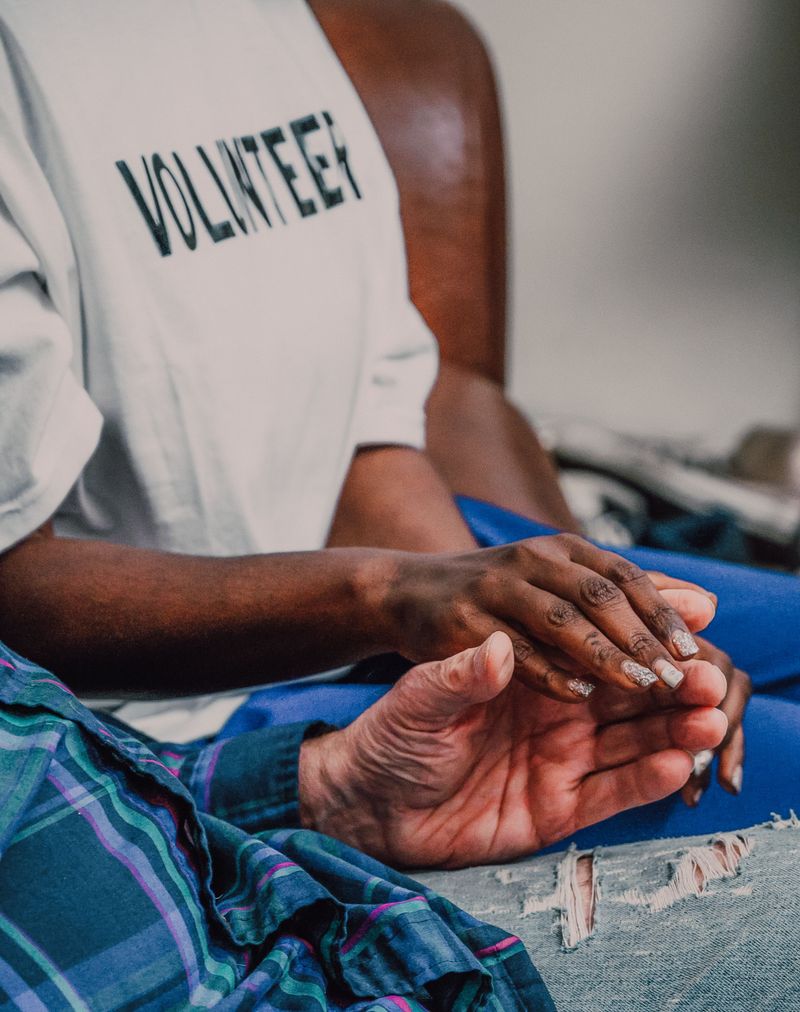
Watch how someone treats a waiter, a parking attendant, or a coworker who cannot do anything for them.
That behavior is one of the most honest windows into someone’s character, and people notice it more than you might expect.
Kindness shown only to people who can benefit you is not really kindness at all.
Courtesy and patience in small moments – holding a door, saying thank you, not interrupting – can build a stronger impression than any polished introduction.
These behaviors signal emotional maturity and genuine respect for others.
The good news is that treating people well is a habit, and like any habit, it becomes more natural the more consistently you practice it in everyday interactions.
6. Your Energy

Some people walk into a room and something shifts.
It is not always about being loud or extroverted – it is about the invisible frequency you seem to broadcast.
Energy is that hard-to-name quality that makes someone feel uplifting to be around, or oddly draining, even before a word is exchanged.
Your energy is shaped by your mood, your stress levels, your sleep, and your mindset going into any interaction.
A quiet person can radiate warmth and steadiness, while someone very social can project tension or restlessness.
Becoming more aware of the energy you bring – especially during challenging days – is a surprisingly powerful way to improve how others experience being around you in both personal and professional settings.
7. Your Listening Skills
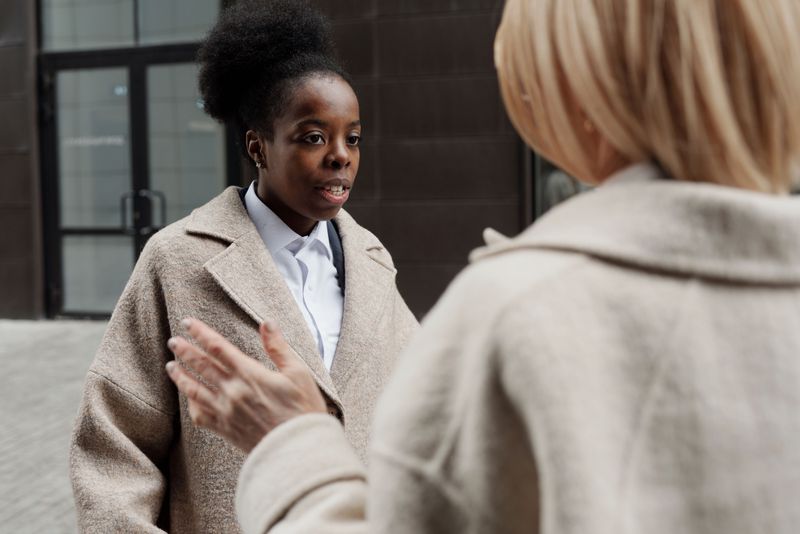
Most people think communication is about speaking well, but listening may actually be the more impressive skill.
When someone feels truly heard, they tend to walk away from a conversation with a strong positive impression of the person who listened.
It is one of the most underrated social tools available to anyone.
Active listening means more than staying quiet while someone else talks.
It involves following the thread of what they are saying, asking questions that show you caught the details, and responding to what was actually said rather than steering back to yourself.
Avoiding interruptions, resisting the urge to check your phone, and making small verbal acknowledgments all signal that the person in front of you genuinely matters to you.
8. Your Personal Grooming

Grooming and attractiveness are not the same thing, and that distinction matters.
Someone can have conventionally striking features but still leave a negative impression through poor hygiene, while someone with average looks can seem remarkably put-together through consistent care and attention to detail.
Cleanliness communicates effort, self-respect, and awareness of others.
Fresh breath, neat nails, clean hair, and clothing that fits well and is properly maintained – these details do not require expensive products or hours of prep time.
They require consistency and mindfulness.
People notice grooming habits quickly, often subconsciously, and they factor into judgments about reliability, professionalism, and social awareness.
Taking care of yourself signals that you take other things seriously too, which is a quietly powerful message to send.
9. How You Move

Your body is always communicating, even when you are just crossing a room.
The pace of your walk, the firmness of your handshake, the way you gesture while talking – all of these physical signals contribute to the overall impression you create.
Controlled, unhurried movement tends to suggest composure and self-assurance.
Fidgeting, rushing, or constantly shifting your weight can read as nervousness or restlessness, even if you feel fine internally.
Slowing down your movements slightly – especially in high-pressure situations – can make you appear more grounded and in control.
A warm, confident handshake still carries real social weight in many settings.
Paying attention to how you physically inhabit a space is a simple but meaningful way to strengthen your presence.
10. Your Clothing Choices

Clothing sends a message before you open your mouth.
People do not always consciously analyze what you are wearing, but they absorb signals from it instantly – signals about your personality, your priorities, and the context you belong to.
Whether your style is minimalist, bold, sporty, or classic, it shapes early assumptions others make about you.
This does not mean dressing to impress everyone or following trends you do not connect with.
Wearing clothes that fit well and feel intentional – regardless of price – tends to project confidence and self-awareness.
The goal is alignment between how you present yourself and who you actually are.
When those things match, your clothing becomes a natural extension of your personality rather than a costume or a source of self-consciousness.
11. Your Manners and Social Awareness

Small behaviors leave lasting impressions.
Saying thank you without being prompted, putting your phone face-down during a conversation, introducing people who do not know each other, or noticing when someone has been left out of a group – these moments reveal a level of social intelligence that people genuinely remember and appreciate.
Manners are not about being formal or old-fashioned.
They are about demonstrating that you are aware of the people around you and that their comfort matters to you.
In a world where many people are absorbed in their own screens and schedules, basic social awareness stands out in a refreshing way.
Practicing these small courtesies consistently builds a reputation for being someone others genuinely enjoy spending time with.
12. Confidence Without Arrogance

Genuine confidence has a quiet quality to it.
It does not need to announce itself or compare itself to others.
People who are truly self-assured tend to speak clearly, stay comfortable with silence, admit when they do not know something, and listen as much as they talk.
These subtle behaviors register as deeply reassuring to the people around them.
Arrogance, by contrast, tends to involve putting others down, seeking constant validation, or needing to be the most impressive person in the room.
Most people can sense the difference quickly, even if they cannot always name it.
Building real confidence comes from knowing your values, respecting your own limits, and treating others as equals – not from performing strength or hiding uncertainty behind bravado.
13. How You Make Them Feel

At the end of any interaction, what people carry with them is rarely a precise memory of what was said.
More often, they remember how being around you felt.
Did they feel respected?
Interesting?
Comfortable?
Judged?
That emotional residue is powerful, and it shapes how much someone wants to see you again.
Creating a positive emotional experience does not require being endlessly entertaining or charming.
It often comes down to making the other person feel seen and valued.
Asking about their life with genuine curiosity, responding warmly to what they share, and leaving space for them to be themselves all contribute to that feeling.
Over time, how you make people feel can become one of the most attractive things about you.