 MomSkoop

The way you treat people often goes back to what you learned growing up. Whether it came from a parent, a teacher, or a role model, those early lessons shape how you act every day.
Some of these behaviors are easy to spot, while others are more subtle. Take a look at these 13 behaviors and see how many sound familiar to you.
1. Respecting Other People’s Boundaries
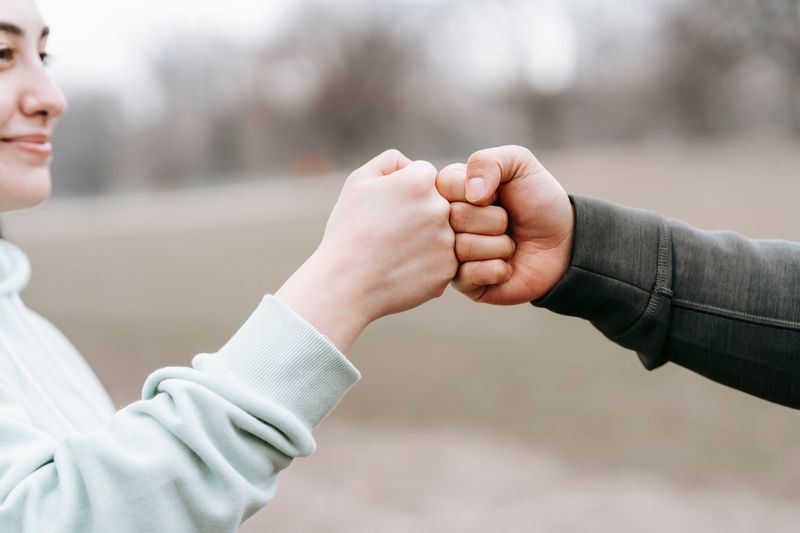
Knowing where someone else’s comfort zone ends is a skill not everyone learns early, but those who do carry it with them for life.
If you grew up in a home where people asked before borrowing things or entering rooms, you likely do the same now.
Respecting boundaries means understanding that every person has limits, and those limits deserve to be honored without question.
You do not push for information someone does not want to share, and you do not crowd people who need space.
This behavior shows a deep awareness of others as individuals.
It is one of the clearest signs that you were taught to value people beyond just your own needs.
2. Listening Without Interrupting

There is something powerful about feeling truly heard.
If someone taught you to wait your turn before speaking, you probably stand out in conversations today because so few people actually do it.
Listening without interrupting shows respect for what another person is saying.
It tells them that their words matter and that you are not just waiting to talk but actually paying attention to them.
People who practice this behavior often build stronger friendships and earn more trust from others.
It may seem like a small thing, but giving someone your full attention without cutting them off is one of the most generous gifts you can offer in a conversation.
3. Helping Without Expecting Anything Back

Some people help others and immediately wonder what they will get in return.
But those raised to give freely tend to help simply because it feels like the right thing to do.
Helping without expecting something back is rooted in genuine kindness.
It means you are not keeping score or waiting for a favor to be returned.
You help because someone needs it, and that is reason enough for you.
Research in psychology suggests that selfless giving actually boosts a person’s own happiness.
So while you may not expect a reward, you often receive one anyway in the form of a deeper sense of purpose and connection with the people around you.
4. Treating Everyone With Equal Respect
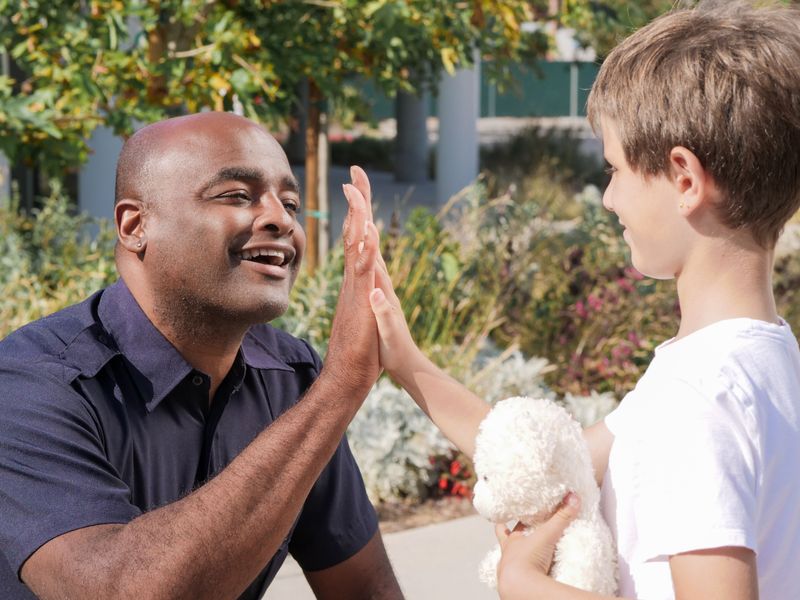
Have you ever noticed how some people are polite to their boss but rude to a server?
That contrast says a lot.
People who were taught to treat everyone equally do not change their attitude based on someone’s job, status, or background.
Equal respect means the cashier at the store receives the same courtesy as a principal or a teacher.
It is not about pretending everyone is the same, but about recognizing that every person deserves basic dignity.
This behavior often comes from homes where parents modeled it consistently.
Children who saw adults speak kindly to strangers, service workers, and neighbors grew up understanding that respect is not something people have to earn.
It is something everyone is simply owed.
5. Apologizing When You Are Wrong

Saying sorry is harder than it sounds.
For many people, admitting a mistake feels like losing, but those who were raised to own their errors know that a real apology is actually a sign of strength.
Apologizing when you are wrong means you value the relationship more than your pride.
You do not make excuses or shift the blame.
You acknowledge what happened, express regret, and try to do better.
Kids who grew up watching adults apologize sincerely learned that no one is perfect and that mistakes are fixable.
That lesson sticks.
As adults, they tend to have healthier relationships because the people around them know they will be held accountable and treated fairly when things go wrong.
6. Including People Who Feel Left Out
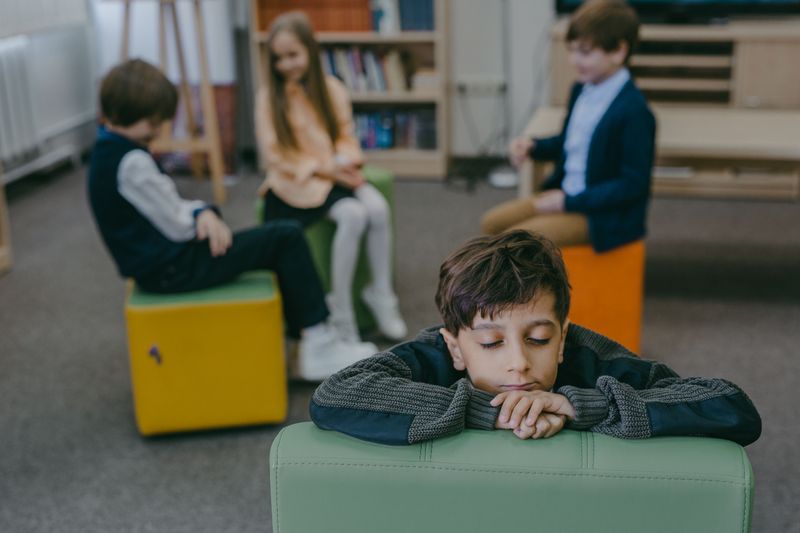
Picture a kid sitting alone at lunch while everyone else laughs in groups nearby.
Now picture someone walking over and pulling up a chair.
That second person likely grew up being taught that kindness means noticing who is missing from the circle.
Including people who feel left out takes social awareness and a willingness to step outside your own comfort zone.
It is not always easy, but it can change someone’s entire day or even their outlook on belonging.
People who practice this behavior tend to create environments where others feel safe and welcomed.
They understand that exclusion can hurt deeply, and they actively work to make sure no one around them has to experience that feeling unnecessarily.
7. Keeping Promises and Commitments

Your word is one of the most valuable things you have.
People who were raised to follow through on what they say understand that breaking a promise is not just forgetting something.
It is letting someone down.
Keeping promises and commitments builds trust over time.
When you say you will be somewhere, you show up.
When you say you will do something, you do it.
That reliability becomes part of how others see you and depend on you.
Growing up in a home where adults kept their word teaches children that consistency matters.
It shows them that relationships are built on follow-through, not just good intentions.
That lesson becomes the foundation for how they show up in friendships, school, and eventually the workplace.
8. Showing Gratitude for Small Gestures

Not everyone notices the small things, but those who were taught gratitude tend to see kindness even in the tiniest moments.
A door held open, a compliment offered, or a snack shared can all feel worth acknowledging when you have been raised to pay attention.
Showing gratitude for small gestures means saying thank you and meaning it.
It means recognizing that someone made an effort, even if it was minor, and letting them know it did not go unnoticed.
Studies show that gratitude strengthens relationships and boosts emotional well-being for both the giver and the receiver.
People who practice this regularly tend to be more positive, more connected to others, and more appreciated in return.
Gratitude, it turns out, is contagious in the best possible way.
9. Being Considerate of Other People’s Feelings

Empathy is not something you are simply born with.
A lot of it is modeled and taught.
If the adults in your life took time to ask how others were feeling and adjusted their words accordingly, you probably do the same without even thinking about it.
Being considerate of other people’s feelings means pausing before you speak or act to ask yourself how your words might land.
It means choosing honesty with care, not cruelty dressed up as truth.
People who practice emotional consideration tend to be trusted more and hurt others less.
They are the kind of friends people turn to during hard times because they know they will not be judged, dismissed, or made to feel worse than they already do.
10. Avoiding Gossip and Unnecessary Criticism

Gossip travels fast and sticks longer than most people expect.
Those who were raised to speak carefully about others tend to feel uncomfortable the moment a conversation starts turning into talk about someone who is not there to defend themselves.
Avoiding gossip is not about being perfect or never venting.
It is about recognizing when words are being used to tear someone down rather than work through something real.
Unnecessary criticism, especially behind someone’s back, rarely helps anyone and often does quiet damage.
People who skip the gossip tend to be seen as more trustworthy and mature.
Others naturally feel safer around them because they know their name will not be dragged through a conversation the moment they leave the room.
11. Respecting Other People’s Belongings

Borrowing something and returning it in the same condition, or better, is a habit that quietly says a lot about a person’s character.
If you were taught to treat other people’s things with care, you likely do it automatically without needing to be reminded.
Respecting other people’s belongings goes beyond just not breaking things.
It means asking before you use something, returning items promptly, and understanding that what belongs to someone else is not yours to treat carelessly.
This behavior reflects a broader value of consideration.
Children who learn this lesson early tend to grow into adults who honor boundaries in other areas of life too.
They understand that respect for property is really just another form of respect for the person who owns it.
12. Staying Polite During Disagreements

Disagreements are a normal part of every relationship, but how you handle them reveals a lot about how you were raised.
Some people shut down or explode.
Others stay calm, keep their voice level, and focus on the issue rather than the person.
Staying polite during disagreements does not mean pretending to agree or hiding your true feelings.
It means expressing those feelings without insults, name-calling, or bringing up old grudges just to win a point.
People who learned this skill early often have more productive conflicts.
They come out of disagreements with solutions rather than resentment.
That ability to stay composed under pressure is a sign of emotional maturity, and it makes a real difference in every kind of relationship they build throughout life.
13. Taking Responsibility for Your Actions

Blame-shifting is easy.
Owning your mistakes takes real courage.
People who were taught accountability from a young age tend to face their errors head-on rather than looking for someone else to point at when things go wrong.
Taking responsibility means saying “I did this” without adding a long list of excuses.
It means fixing what you broke, whether that is a physical object, a plan, or someone’s trust.
It also means learning from the experience so it does not keep repeating.
Children who grew up in homes where adults modeled accountability saw that taking ownership did not destroy a person.
It actually made them more respected.
That example becomes a quiet but powerful guide for how they handle their own mistakes as they grow up.