 MomSkoop
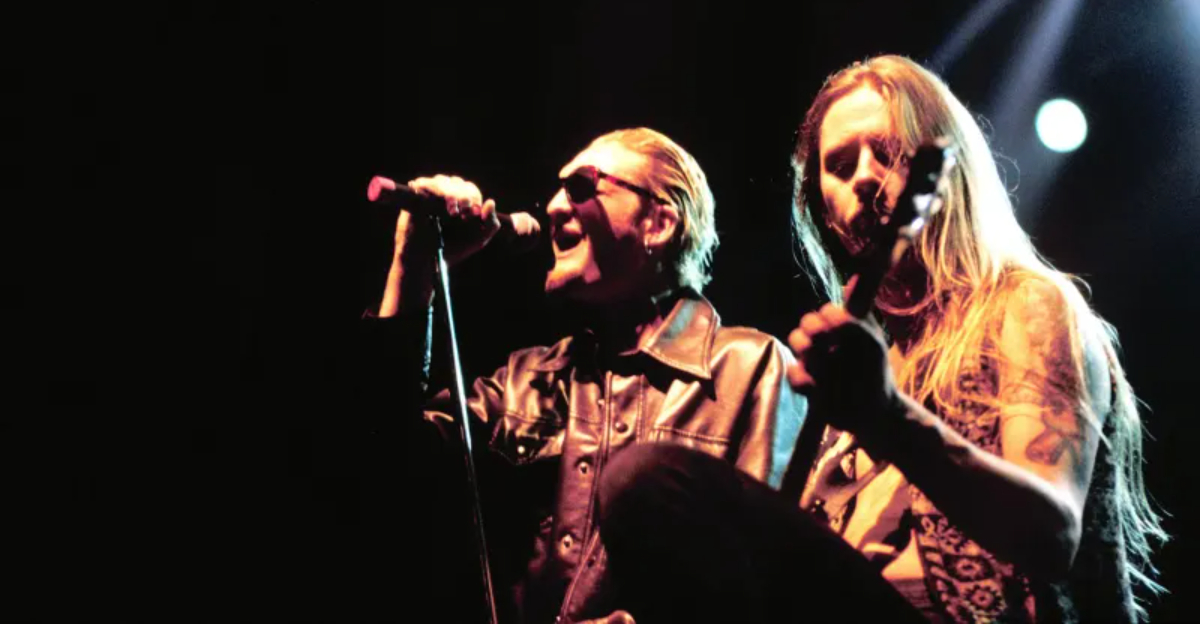
Some bands earn their fans the hard way, playing small clubs, trading demo tapes, and building a community one listener at a time. Long before radio stations or music videos made them household names, these groups had devoted followers who felt like they discovered something special.
That sense of ownership and loyalty is a big part of what made these bands explode when the rest of the world finally caught on. Here are 16 bands whose fans were there from the very beginning.
1. Nirvana
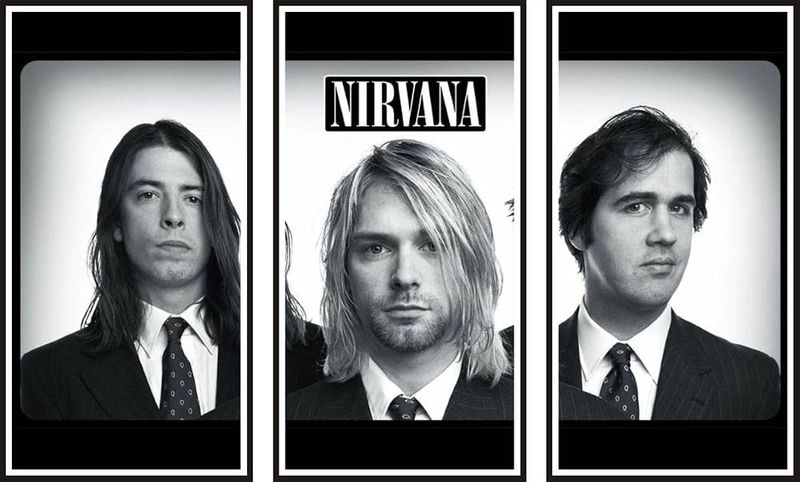
Long before Nevermind turned them into global icons, Nirvana was a scrappy trio building something real in the Pacific Northwest.
Their debut album, Bleach, released in 1989 on Sub Pop Records, cost just over six hundred dollars to record.
The indie crowd that discovered them during that era felt a genuine, almost personal connection to the band.
Kurt Cobain, Krist Novoselic, and Dave Grohl played relentlessly, winning over audiences city by city.
When “Smells Like Teen Spirit” hit in 1991, those early fans watched in amazement as their underground heroes became the face of a generation.
Few bands in history have made such a seismic leap from cult favorite to worldwide phenomenon so quickly.
2. Alice in Chains
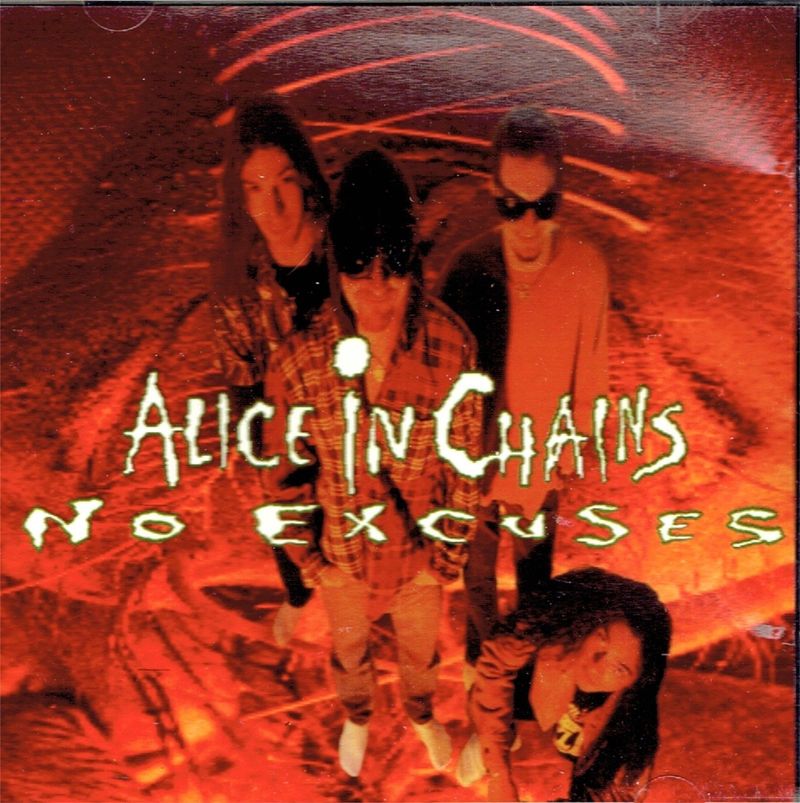
Before the world knew what grunge was, Seattle already had Alice in Chains.
The band carved out a fierce reputation in the city’s heavy underground scene, playing shows where the crowd knew every riff before any album even dropped.
Their sound was darker and heavier than most of what was on the radio at the time.
When Facelift arrived in 1990, followed by the crushing single “Man in the Box,” everything changed fast.
Fans who had been there from the beginning suddenly shared their favorite band with millions.
That early Seattle following gave Alice in Chains a rock-solid foundation that helped them weather anything the music industry threw at them.
3. Metallica
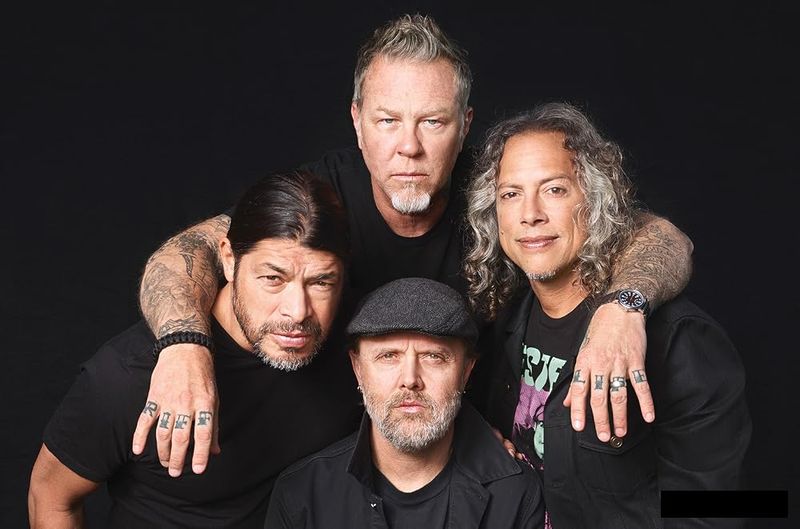
Tape trading was a real thing in the early 1980s, and Metallica benefited from it more than almost any other band.
Fans dubbed cassette copies of demo recordings and passed them around like contraband, spreading the band’s furious thrash metal sound across the country before Kill ‘Em All was even released.
The loyalty built through those grassroots channels was extraordinary.
Albums like Ride the Lightning deepened the connection, proving Metallica was not a one-trick act.
By the time they headlined arenas in the late 1980s, their underground army had already been with them for years.
That devoted core fanbase is a huge reason why Metallica became one of the best-selling bands in history.
4. Green Day
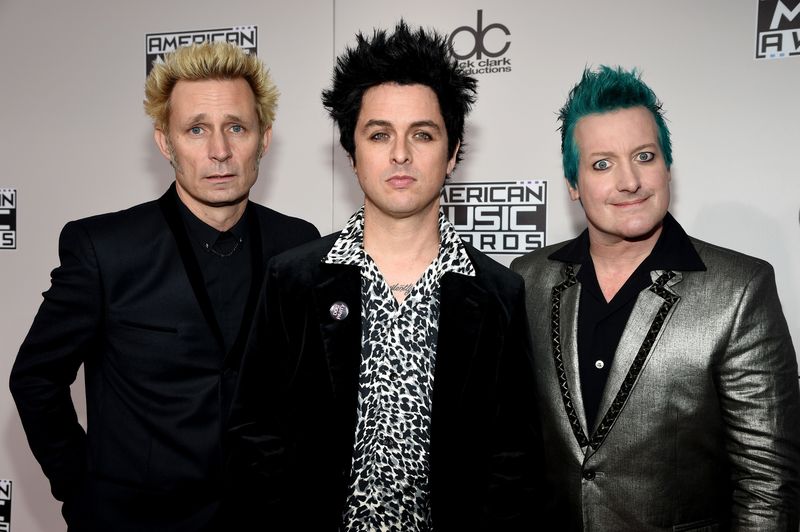
924 Gilman Street in Berkeley, California, was more than a venue.
For the punk kids who called it home in the late 1980s and early 1990s, it was a community, and Green Day was one of its most beloved bands.
Billie Joe Armstrong, Mike Dirnt, and Tre Cool played that stage repeatedly, earning a reputation for explosive, hook-filled punk rock.
Their early independent releases on Lookout!
Records built a dedicated following that stretched across the country through zines and word of mouth.
When Dookie arrived on a major label in 1994 and sold millions, longtime fans had mixed feelings.
But nobody could deny that Green Day had paid every possible due before the mainstream came calling.
5. R.E.M.
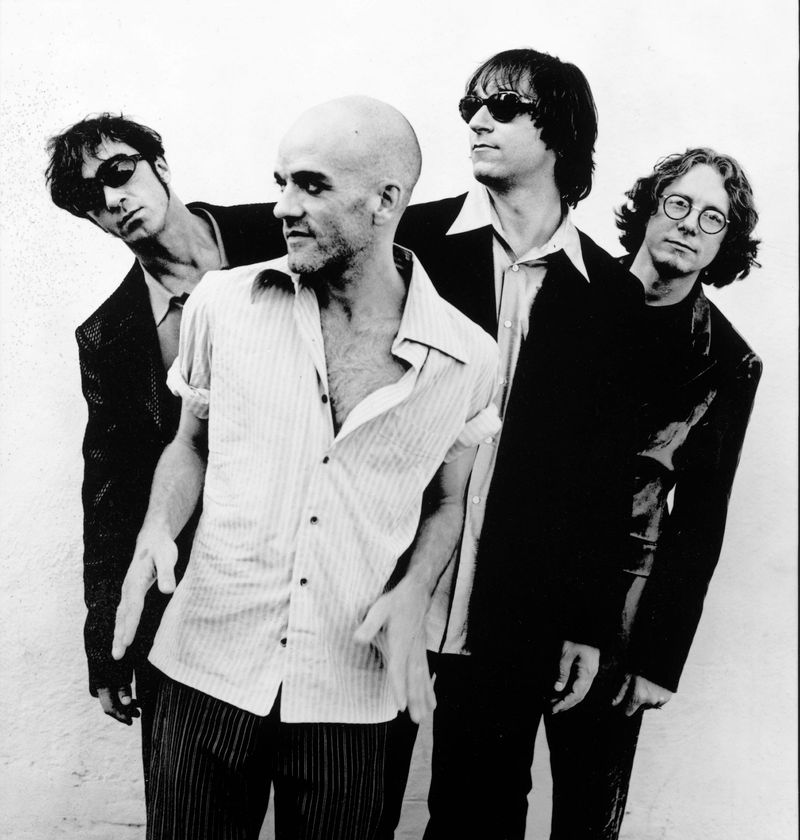
College radio was its own universe in the 1980s, and R.E.M. ruled it.
Coming out of Athens, Georgia, the band built a coast-to-coast following through relentless touring and a string of records on I.R.S.
Records that spoke directly to thoughtful, music-hungry listeners.
Songs like “Radio Free Europe” and “The One I Love” became anthems for a generation of alternative fans.
For years, R.E.M. existed comfortably as critics’ darlings and college-radio heroes without craving pop stardom.
When Out of Time dropped in 1991 and “Losing My Religion” became a smash hit, it felt like the world finally caught up.
Their decade-long underground run made that mainstream moment feel incredibly well-earned.
6. The Cure
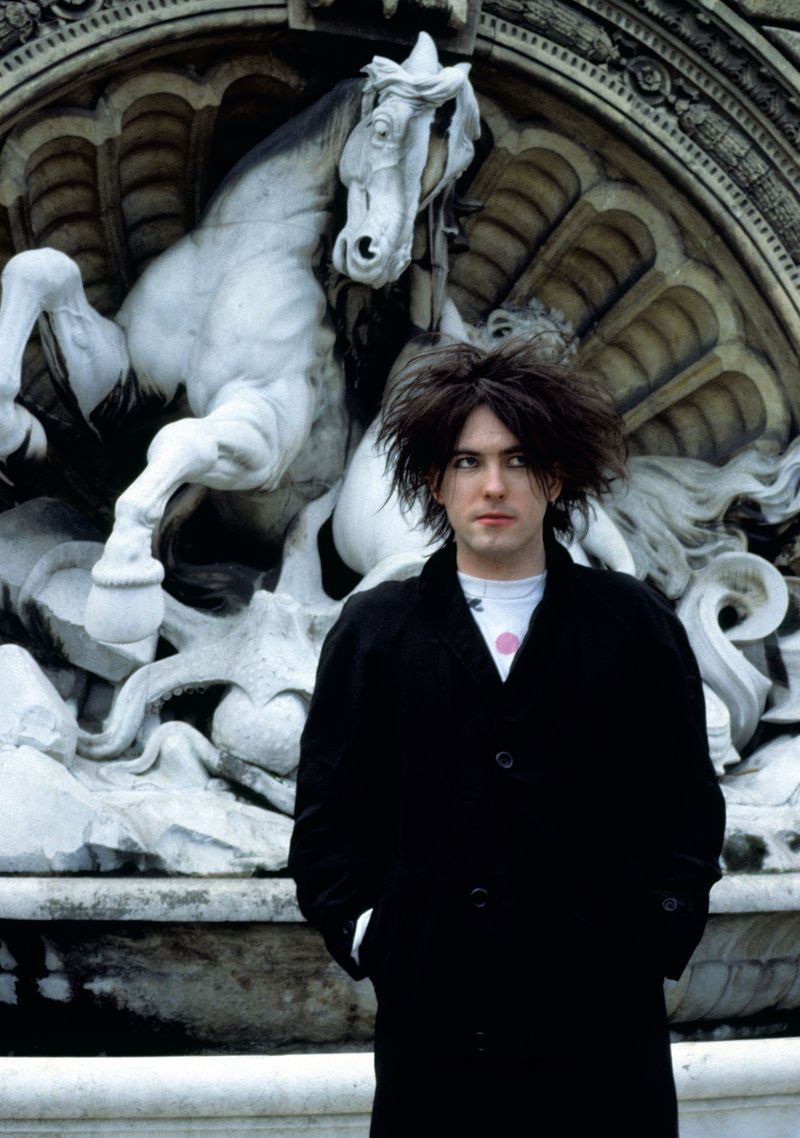
Robert Smith’s smeared lipstick and wild hair became symbols for an entire subculture.
The Cure spent the better part of the 1980s as cult heroes among post-punk, alternative, and goth fans who treasured albums like Disintegration with a near-religious devotion.
For those listeners, The Cure was not just a band.
It was a lifeline.
When “Lovesong” hit number one in the United States in 1989, many longtime fans were genuinely surprised.
The idea of their beloved, brooding band topping the mainstream charts felt surreal.
Then came “Friday I’m in Love” in 1992, which pushed them even further into pop territory.
Through all of it, the original faithful never left, proud that the world had finally noticed what they already knew.
7. Red Hot Chili Peppers
Few bands threw themselves into live performance the way Red Hot Chili Peppers did in their early years.
Playing sweaty clubs across Los Angeles with explosive energy and a genre-bending mix of funk, punk, and rock, they built a following that was more like a tribe than a typical fanbase.
People came back to their shows again and again just to see what would happen next.
Albums like Mother’s Milk showed the world what was coming, but Blood Sugar Sex Magik in 1991 was the moment everything broke wide open.
Suddenly the band that underground fans had been raving about for years was everywhere.
Their decade of relentless gigging made that mainstream success feel completely natural.
8. Soundgarden
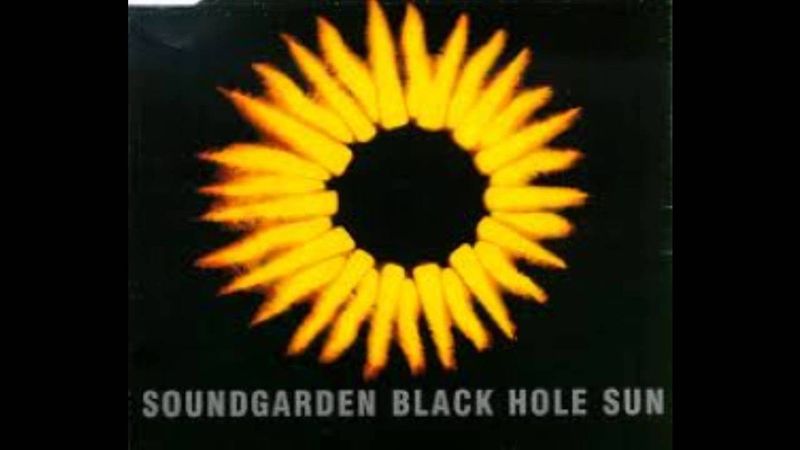
Soundgarden was already a veteran band by the time grunge became a household word.
They were one of the first acts signed to Sub Pop Records and spent years building credibility in Seattle’s underground scene through sheer musical force.
Chris Cornell’s voice alone was enough to make anyone stop and pay attention.
Albums like Ultramega OK and Louder Than Love earned serious respect among heavy music fans long before the mainstream had any idea what was happening in Seattle.
When Badmotorfinger and then Superunknown arrived, critics and casual listeners finally understood what the underground had been buzzing about for years.
Soundgarden’s early fans always carried a quiet pride in having known first.
9. The Smashing Pumpkins
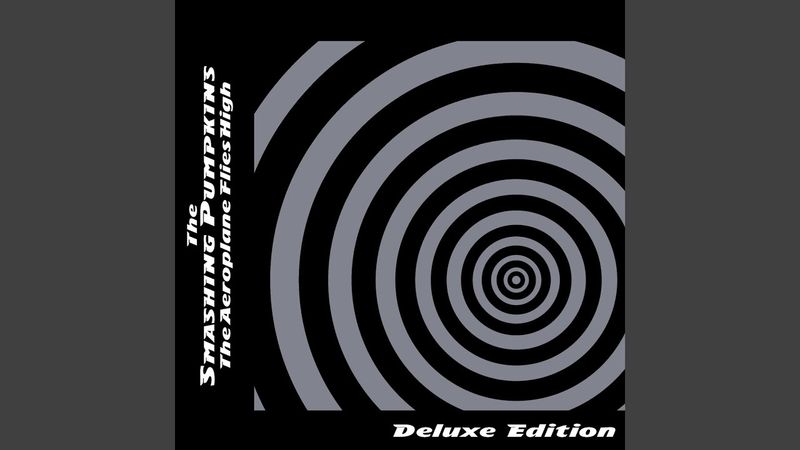
Chicago’s alternative scene in the early 1990s was a fertile ground for ambitious, genre-bending music, and The Smashing Pumpkins stood out immediately.
Billy Corgan’s vision was enormous from the start, blending dreamy shoegaze textures with heavy guitar and deeply personal lyrics.
Local fans who caught their early shows knew they were witnessing something that would not stay small for long.
Gish, their 1991 debut, earned strong reviews and built a devoted following before Siamese Dream turned them into stars.
Then Mellon Collie and the Infinite Sadness made them one of the biggest bands on earth.
Through every phase, the fans who discovered them in Chicago held those early memories close, knowing they were there before the curtain fully rose.
10. Blink-182
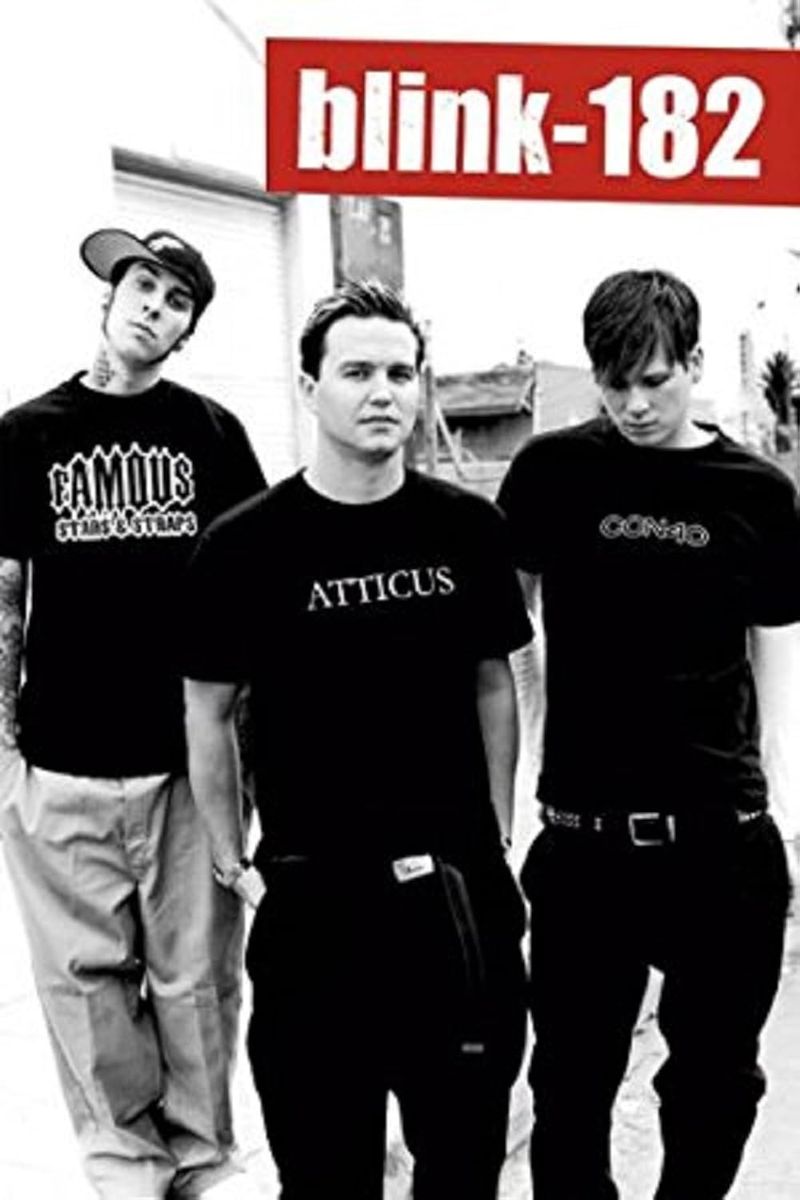
Skateparks, DIY venues, and constant touring were the building blocks of Blink-182’s early career.
The San Diego trio played with a relentless work ethic, releasing independent records and criss-crossing the country in a van long before any major label came knocking.
Their self-deprecating humor and catchy punk hooks made them instant favorites among skate-culture kids.
Cheshire Cat and Dude Ranch built a loyal audience that spread the band’s name through word of mouth and mixtapes.
When Enema of the State dropped in 1999 and “What’s My Age Again?” hit MTV, the band’s fanbase exploded overnight.
But the kids who had been singing along in tiny venues years earlier never forgot that they were part of the original crew.
11. The Offspring
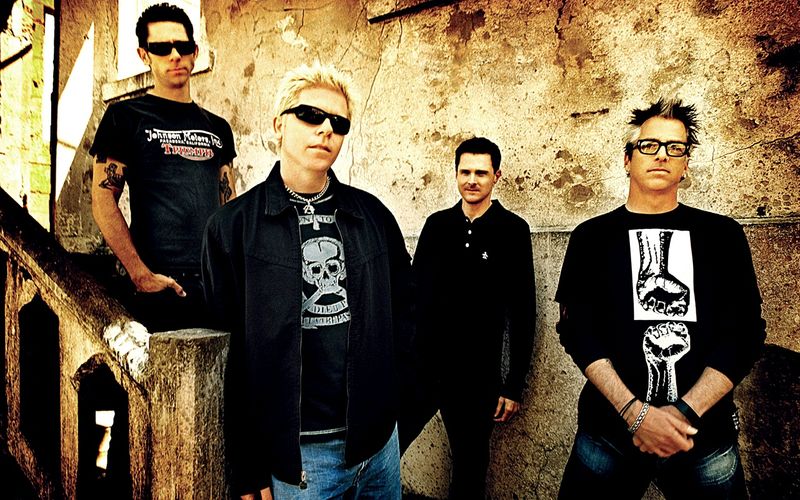
Southern California’s punk underground in the late 1980s and early 1990s was packed with talented bands, and The Offspring earned their place near the top through years of hard work.
Albums like Ignition on Epitaph Records won them a reputation as one of the tightest and most exciting acts in the scene.
Their fanbase grew steadily through touring and word of mouth.
Then Smash arrived in 1994 and became the best-selling independent album in history at that time, a completely unexpected commercial explosion.
Songs like “Come Out and Play” and “Self Esteem” were everywhere.
For longtime fans, it was a jaw-dropping moment, watching a band they had championed for years suddenly become a pop-culture staple.
Nobody had predicted it, but everyone celebrated.
12. My Chemical Romance
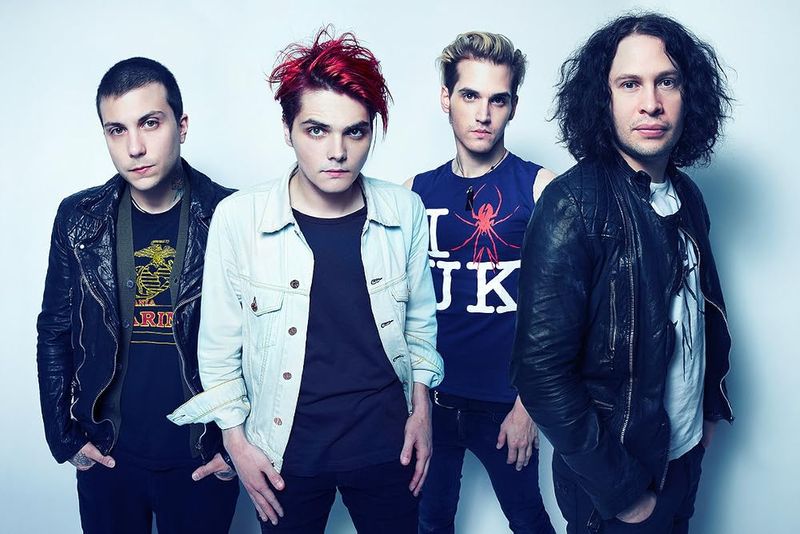
My Chemical Romance built something rare: a fanbase that did not just like the music but felt genuinely saved by it.
From the release of I Brought You My Bullets, You Brought Me Your Love in 2002, the band connected with fans who were struggling, lonely, or just looking for music that understood them.
That emotional bond was powerful and real.
Three Cheers for Sweet Revenge deepened the connection and expanded their reach considerably.
By the time The Black Parade arrived in 2006 with its theatrical ambition and anthemic songs, the world was ready.
But for the fans who had been there from the basement-show era, MCR was already everything.
Fame just confirmed what they had always believed.
13. Fall Out Boy
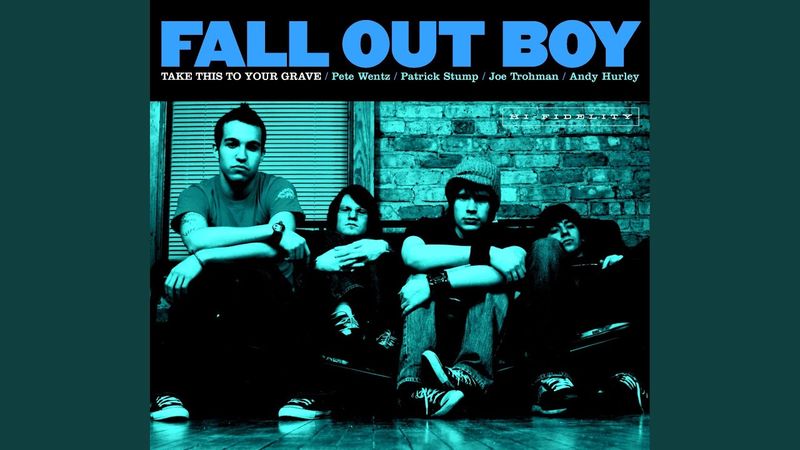
Fall Out Boy grew out of Chicago’s hardcore scene, which might surprise fans who only know their polished pop-punk hits.
Pete Wentz and Patrick Stump were deeply embedded in a community of DIY shows, underground zines, and passionate local music fans before they ever thought about mainstream success.
That roots-level connection shaped everything about how they approached their fanbase.
Evening Out with Your Girlfriend and Take This to Your Grave built a grassroots following that spread quickly through online communities and constant touring.
From Under the Cork Tree in 2005 broke them nationally, but the kids who had been trading burned CDs of their earlier material felt a special ownership over the band’s story.
Chicago made them.
The world just got to enjoy them later.
14. Paramore
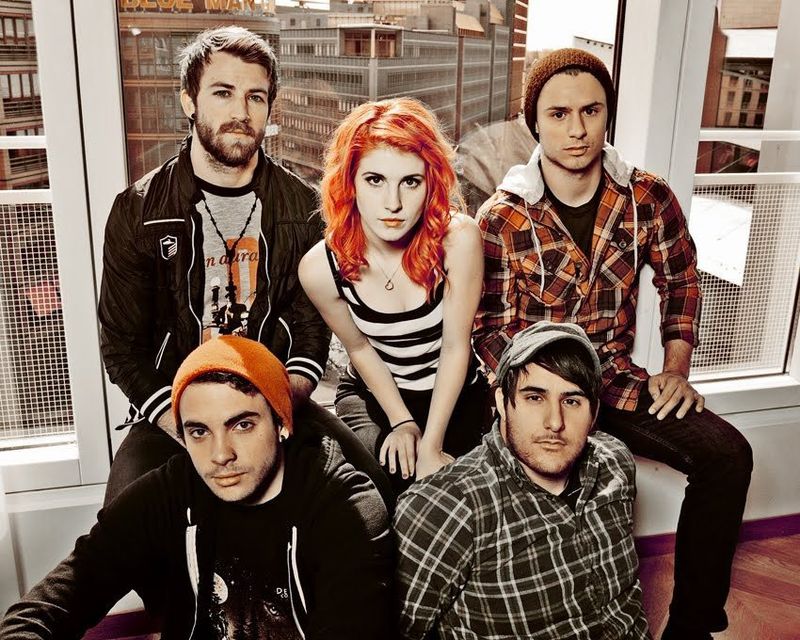
Hayley Williams had a voice that stopped people in their tracks from the very beginning.
Paramore burst onto the Warped Tour circuit as teenagers, and their combination of pop hooks, alternative rock energy, and Williams’s magnetic stage presence quickly built a passionate following among young fans.
The Warped Tour crowd adopted them almost instantly.
All We Know Is Falling and Riot! established the band as a genuine force in alternative music before the mainstream fully caught on.
When “Misery Business” became a crossover hit and “Decode” appeared on the Twilight soundtrack, millions of new listeners discovered what Warped Tour regulars had known for years.
Paramore’s early fans wore their loyalty like a badge, proud to have been first.
15. Arctic Monkeys
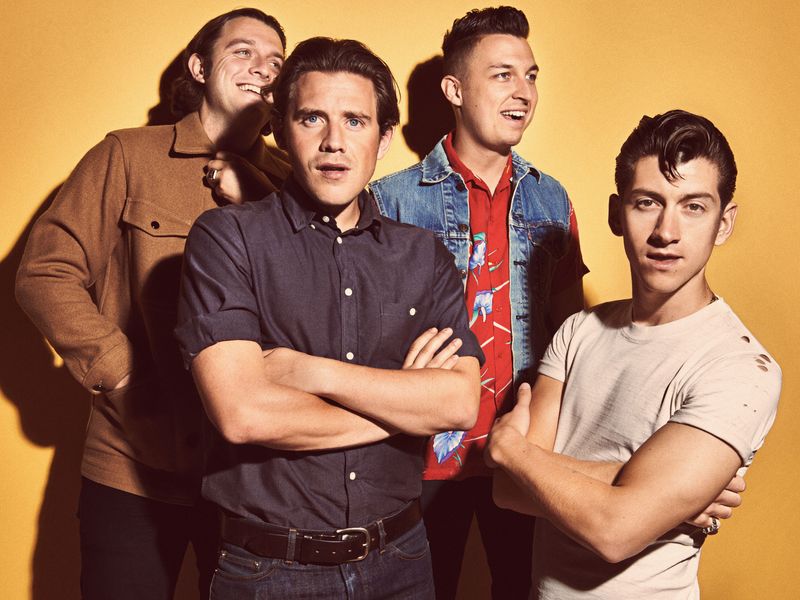
Before a single note of their debut album was officially released, Arctic Monkeys had already built one of the most talked-about fanbases in British music history.
The Sheffield band handed out free demo CPs at early shows and encouraged fans to share their songs online, creating a grassroots buzz that spread organically across the UK.
It was a genuinely new way for a band to grow.
By the time Whatever People Say I Am, That’s What I’m Not dropped in January 2006, it became the fastest-selling debut album in UK chart history.
Critics scrambled to explain a phenomenon that the fans had already understood for two years.
Arctic Monkeys proved that authenticity and a great live show could build something no marketing campaign could manufacture.
16. Twenty One Pilots
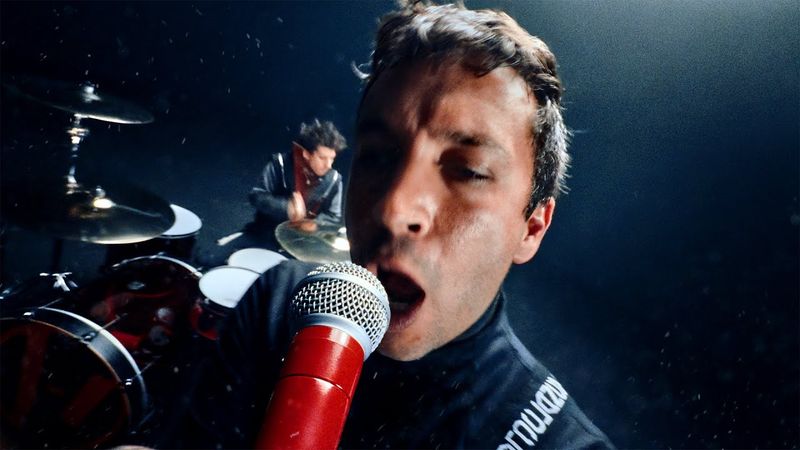
Columbus, Ohio, might seem like an unlikely launching pad for a global phenomenon, but Twenty One Pilots built something extraordinary there before anyone outside the Midwest was paying attention.
Tyler Joseph and Josh Dun played show after show with a raw, theatrical intensity that made audiences feel personally included in something special.
Fans did not just attend concerts.
They joined a movement.
Self-released albums and relentless regional touring created a deeply committed following that spread the band’s name through social media and personal recommendation.
When Blurryface arrived in 2015 and produced multiple hit singles, the jump to global stardom felt almost sudden to outsiders.
But the fans who had been in those small rooms years earlier knew exactly how long and how hard the duo had worked to get there.