 MomSkoop

Some people spend a lot of energy trying to prove things to the world, whether it’s how smart they are, how successful they’ve become, or how unbothered they seem. Emotionally mature people have figured out something powerful: real confidence doesn’t need an audience.
They’ve learned to trust themselves from the inside out, which means they stop chasing approval and start living more freely. If you’ve ever wondered what emotional maturity actually looks like in everyday life, this list breaks it down in a clear and relatable way.
1. Being Right All the Time

Admitting you’re wrong can feel uncomfortable, but emotionally mature people actually find freedom in it.
They understand that clinging to being right every single time doesn’t make them smarter – it just makes conversations harder and relationships weaker.
When you stop needing to win every factual debate, something shifts.
You start listening more carefully, learning more openly, and connecting more honestly with the people around you.
Emotionally mature people know that the goal of a conversation isn’t to score points.
It’s to understand and be understood.
Letting go of the “always right” identity is one of the most quietly powerful things a person can do for their own growth.
2. Being Better Than Others

There’s a quiet trap many people fall into: measuring their worth against everyone else.
Emotionally mature people have stepped out of that trap entirely.
They’re not interested in ranking themselves above others because they don’t need that comparison to feel good about who they are.
When someone is secure in themselves, another person’s success doesn’t feel like a threat.
Instead, it can even feel inspiring.
That shift in perspective makes life a lot less exhausting.
Competing with others for status or superiority is a race with no finish line.
Emotionally mature people choose a different path, focusing on their own progress and celebrating who they’re becoming without needing to outshine anyone else.
3. How Intelligent They Are

Constantly dropping facts, correcting others, or steering conversations toward your own knowledge is often a sign of insecurity, not intelligence.
Emotionally mature people don’t feel the urge to perform their smarts for a crowd.
Real intellectual confidence is quiet.
It shows up in how someone asks questions, stays curious, and admits when they don’t know something.
That kind of honesty is far more impressive than trying to appear like the smartest person in the room.
Emotionally mature people are comfortable saying “I don’t know” or “That’s a great point.” They’ve realized that intelligence isn’t something you have to advertise.
When it’s genuine, people notice it without being told to look.
4. How Successful They Are
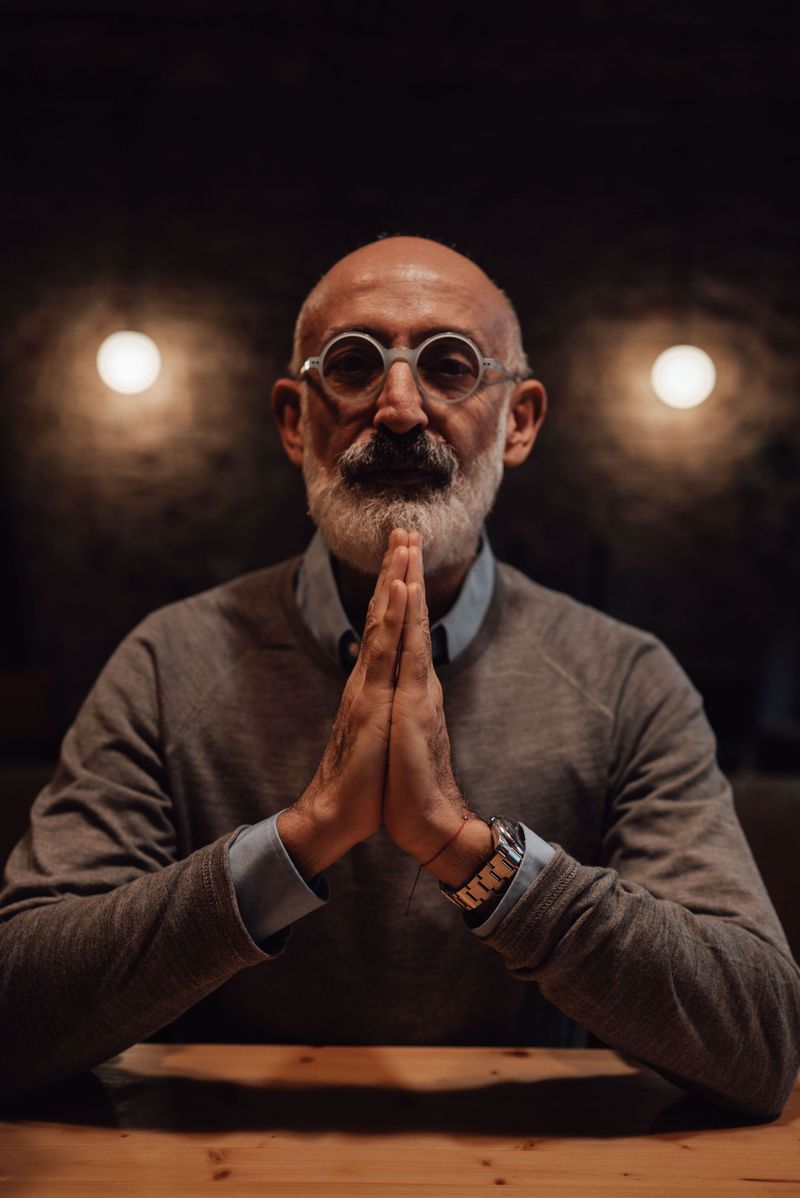
Social media has made it easy to perform success rather than simply live it.
Posting achievements, name-dropping accomplishments, or steering every conversation toward what you’ve built can become a habit that’s hard to shake.
Emotionally mature people don’t need a highlight reel to feel proud of themselves.
They measure success by how aligned their life feels with their values, not by how impressed others appear to be.
There’s something deeply peaceful about working hard without needing applause.
When you’re not constantly broadcasting your wins, you actually get to enjoy them more fully.
Emotionally mature people have learned that real success is something you feel, not something you perform for an audience.
5. Being Strong All the Time

Pretending everything is fine when it isn’t takes a surprising amount of energy.
Many people wear a mask of strength because they’re afraid that showing struggle will make them look weak or unreliable.
Emotionally mature people understand that strength and vulnerability can coexist.
Crying when something hurts, asking for help when you’re overwhelmed, or saying “I’m not okay right now” are all signs of genuine emotional health, not weakness.
The pressure to always appear unshakeable is exhausting and ultimately isolating.
When you give yourself permission to be human, you also give the people around you permission to do the same.
That creates deeper, more honest connections that actually support you when things get hard.
6. Worth Through Productivity

A lot of people tie their entire sense of value to how much they get done in a day.
Rest feels guilty.
Slow days feel wasteful.
And taking a break somehow seems like a character flaw.
Emotionally mature people have untangled their worth from their output.
They know that being a good person, a kind friend, or a thoughtful partner has nothing to do with how many tasks they checked off a list today.
You are not a machine, and your value doesn’t reset to zero when you rest.
Emotionally mature people live by this truth.
They work hard when it counts, rest without guilt, and never confuse being busy with being worthy of love or respect.
7. Being Liked by Everyone

Not everyone is going to like you, and emotionally mature people are genuinely okay with that.
Trying to win over every single person in your life is one of the fastest routes to losing yourself completely.
When you chase universal approval, you end up saying yes when you mean no, shrinking your opinions to avoid conflict, and performing a version of yourself that nobody actually knows.
That kind of people-pleasing is draining and dishonest.
Emotionally mature people focus on being authentic rather than universally appealing.
They’d rather be truly liked by a few people who know the real them than vaguely tolerated by many who only know a polished performance.
Genuine connection beats broad approval every single time.
8. Having a Perfect Life

Filtered photos and carefully curated updates can make it seem like everyone else has their life completely together.
Emotionally mature people aren’t interested in maintaining that illusion about themselves.
They’ll tell you honestly that life gets messy sometimes.
Their house isn’t always clean, their relationships take work, and their plans don’t always pan out the way they hoped.
And they’re not ashamed of any of that.
Chasing the appearance of a perfect life is like running toward a horizon that keeps moving.
Emotionally mature people have stopped running.
They’ve chosen to appreciate the actual life in front of them, imperfections and all, because that’s where real joy lives.
Authenticity beats perfection in the long run.
9. Winning Every Argument

Some people treat every disagreement like a battle that must be won.
Emotionally mature people approach conflict very differently.
For them, the goal isn’t victory – it’s resolution, understanding, or at least mutual respect.
Letting an argument go, even when you believe you’re right, takes real emotional strength.
It means valuing the relationship more than the outcome of a single conversation.
That’s not weakness – that’s wisdom.
Emotionally mature people also recognize that two people can walk away from a disagreement with different opinions and still both feel heard.
Not every conversation needs a winner and a loser.
Sometimes the most mature thing you can do is simply agree to disagree and move forward with respect intact.
10. Being Unbothered When They’re Hurting

“I’m fine” is one of the most overused phrases in the human vocabulary.
Many people say it automatically, even when they’re clearly not fine, because admitting pain feels risky or embarrassing.
Emotionally mature people don’t pretend to be unbothered when something has genuinely hurt them.
They allow themselves to feel it, process it, and talk about it when the time and company are right.
That honesty takes courage.
Performing toughness when you’re actually struggling doesn’t protect you – it just isolates you.
Emotionally mature people have learned that acknowledging pain is the first step to actually moving through it.
Feeling hurt doesn’t make you fragile.
Pretending you don’t is what keeps you stuck longer than necessary.
11. Choices That Make Sense to Everyone

Changing careers, leaving a relationship, moving to a new city, choosing a lifestyle that doesn’t match what others expect – these decisions can draw a lot of unsolicited opinions.
Emotionally mature people make peace with that reality.
They don’t feel the need to justify every personal choice to everyone in their life.
They’ve done their own thinking, considered their own values, and made a decision that works for them.
That’s enough.
Needing everyone to approve of your choices before you commit to them is a recipe for living someone else’s life.
Emotionally mature people trust their own judgment.
They’re open to feedback from people they respect, but they don’t require a consensus to feel confident in the path they’ve chosen.
12. Value by Comparing Themselves to Others
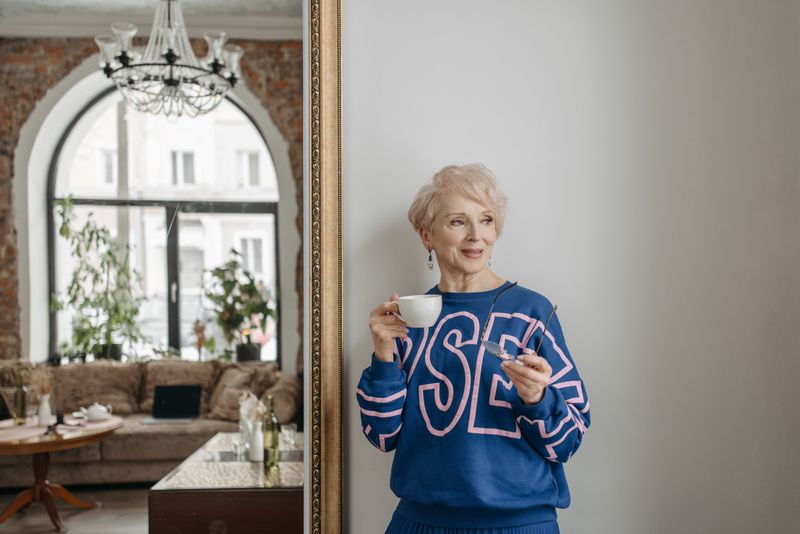
Scrolling through someone else’s highlight reel and feeling suddenly behind in life is an experience most people know well.
Comparison is sneaky – it shows up quietly and leaves you feeling smaller than you were before.
Emotionally mature people catch that pattern early.
They’ve trained themselves to measure growth against their own past rather than against someone else’s present.
That shift alone changes everything about how they see themselves.
Your journey has a completely different starting point, timeline, and destination than anyone else’s.
Emotionally mature people understand this deeply.
They cheer for others without using those people as a measuring stick for their own worth.
Their value comes from within, not from where they rank in an invisible competition nobody actually signed up for.