 MomSkoop
Turning a beloved book into a movie is one of the hardest jobs in Hollywood. Fans already have pictures in their heads, emotions attached to characters, and strong opinions about every detail.
But every once in a while, a film comes along that genuinely honors what made the book so special in the first place. Here are 15 movie adaptations that managed to capture the heart and soul of their source material.
1. The Lord of the Rings: The Fellowship of the Ring (2001) – J.R.R. Tolkien
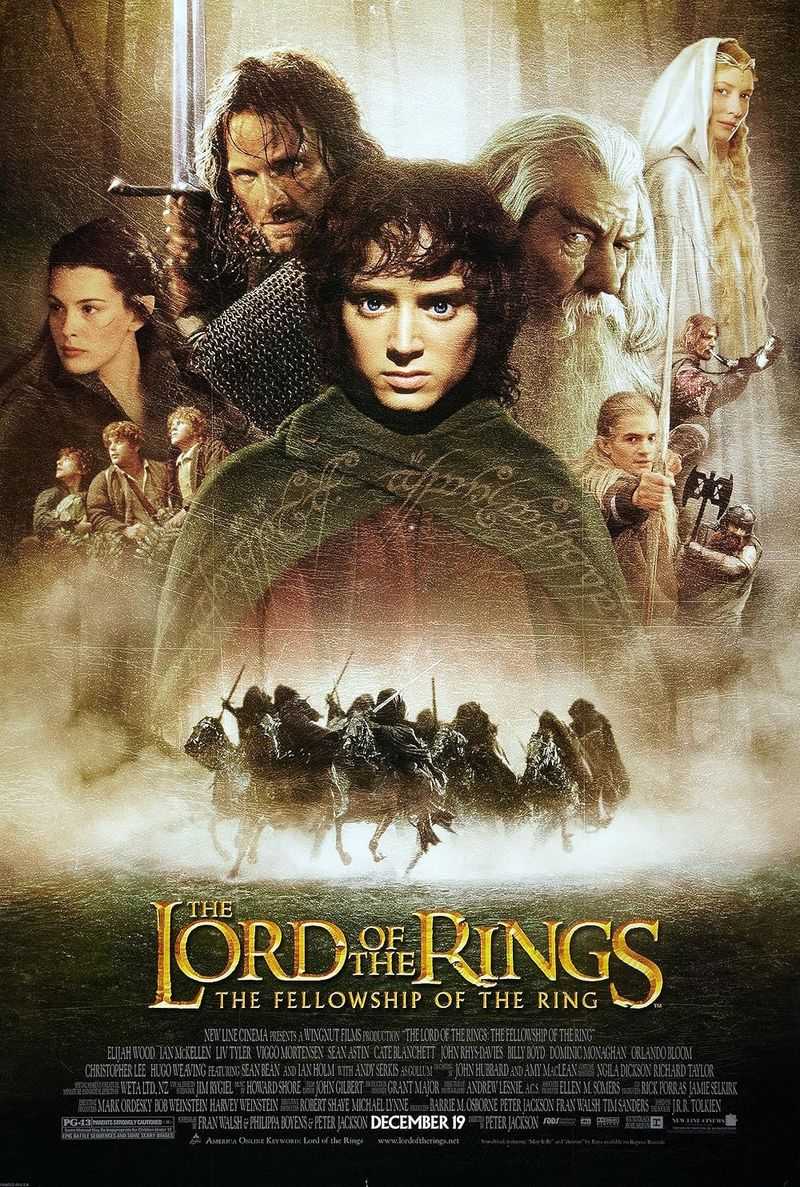
Few fantasy worlds feel as fully realized on screen as Middle-earth does in Peter Jackson’s sweeping 2001 adaptation.
Every detail, from the rolling hills of the Shire to the dark mines of Moria, was crafted with deep respect for Tolkien’s original vision.
Jackson kept the emotional core intact: the idea that even the smallest person can change the course of history.
Frodo’s burden feels real, and the Fellowship’s bond feels earned.
Fans of the book were thrilled to see their favorite scenes brought to life with such care.
The film introduced millions of new readers to Tolkien’s work.
It proved that a faithful adaptation could also be a massive box office success.
2. To Kill a Mockingbird (1962) – Harper Lee
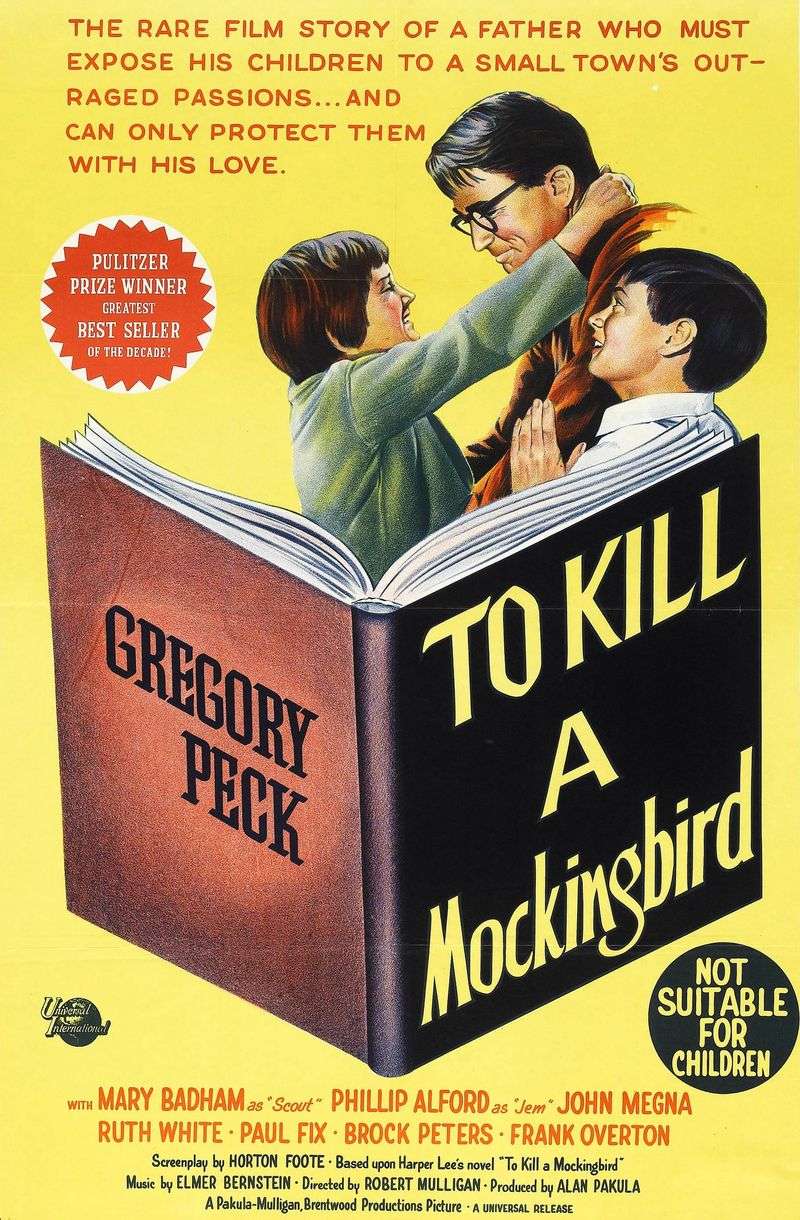
Gregory Peck’s portrayal of Atticus Finch is so powerful that Harper Lee herself said he became the character for her.
That kind of author approval says everything about how faithfully this film treats her beloved novel.
The movie keeps the story told through Scout’s young eyes, preserving the innocence and confusion of childhood while tackling serious themes like racial injustice and moral courage.
The pacing feels quiet and deliberate, just like the book.
Director Robert Mulligan understood that the novel’s strength came from its emotional honesty, not its plot twists.
By staying close to Lee’s voice and tone, the film became a timeless classic in its own right.
It still holds up today.
3. No Country for Old Men (2007) – Cormac McCarthy
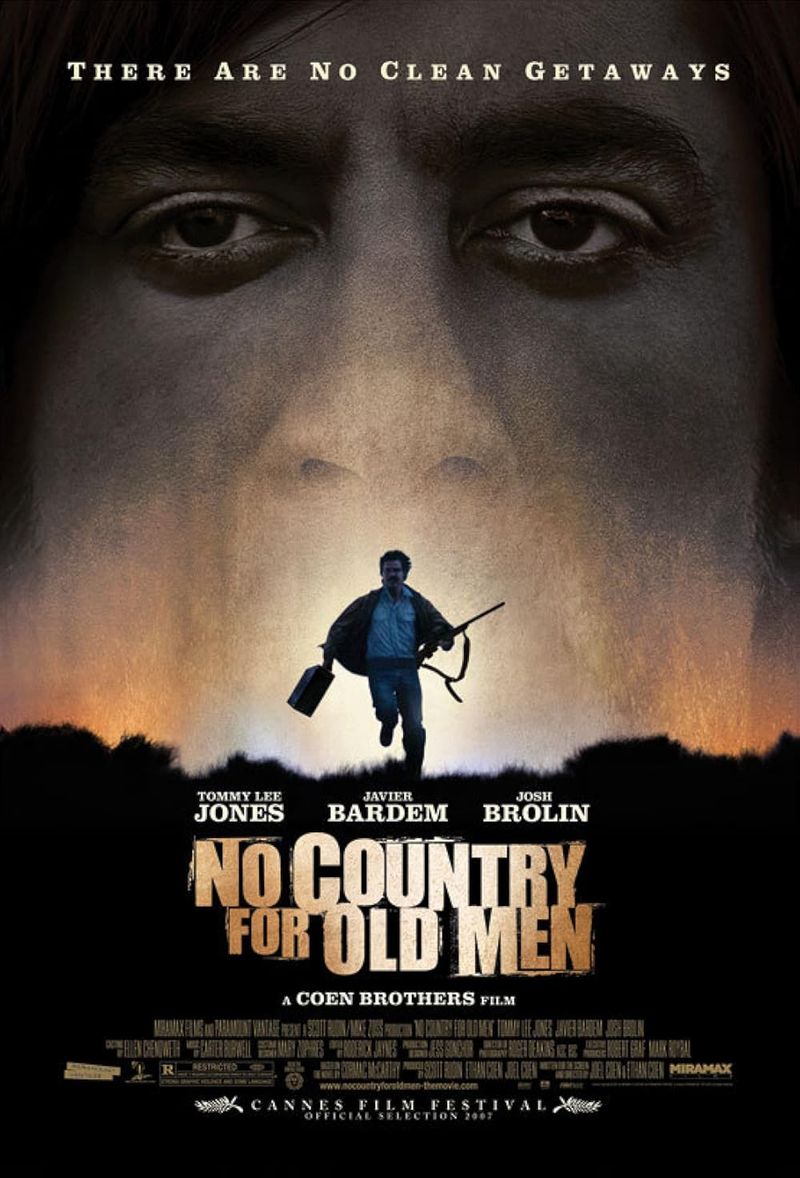
Cormac McCarthy’s novel is spare, brutal, and deeply unsettling.
The Coen Brothers matched that energy almost perfectly, creating one of the most faithful literary adaptations in modern cinema history.
What makes this film remarkable is how much it trusts silence.
Large sections of the movie have almost no dialogue, mirroring McCarthy’s stripped-down prose style.
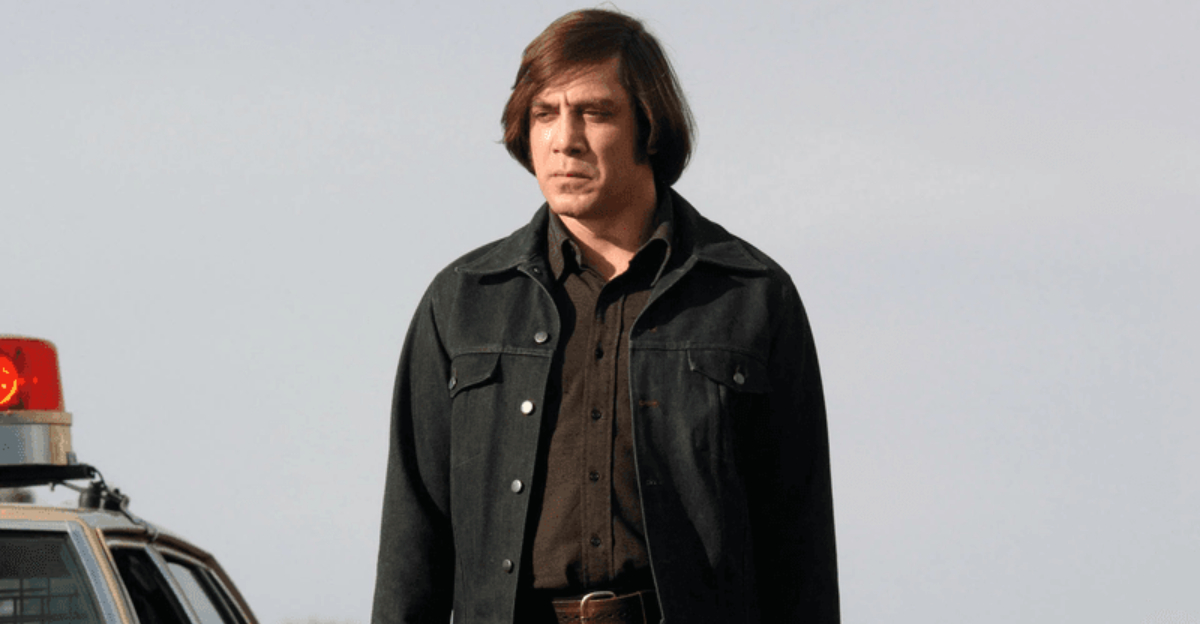
Anton Chigurh, played by Javier Bardem, is terrifying in exactly the way the book intended.
The film even keeps the novel’s ambiguous, philosophical ending intact, which surprised many audiences expecting a traditional resolution.
That creative courage paid off.
No Country for Old Men won four Academy Awards, including Best Picture, proving that staying true to a difficult book can lead to extraordinary results.
4. The Green Mile (1999) – Stephen King
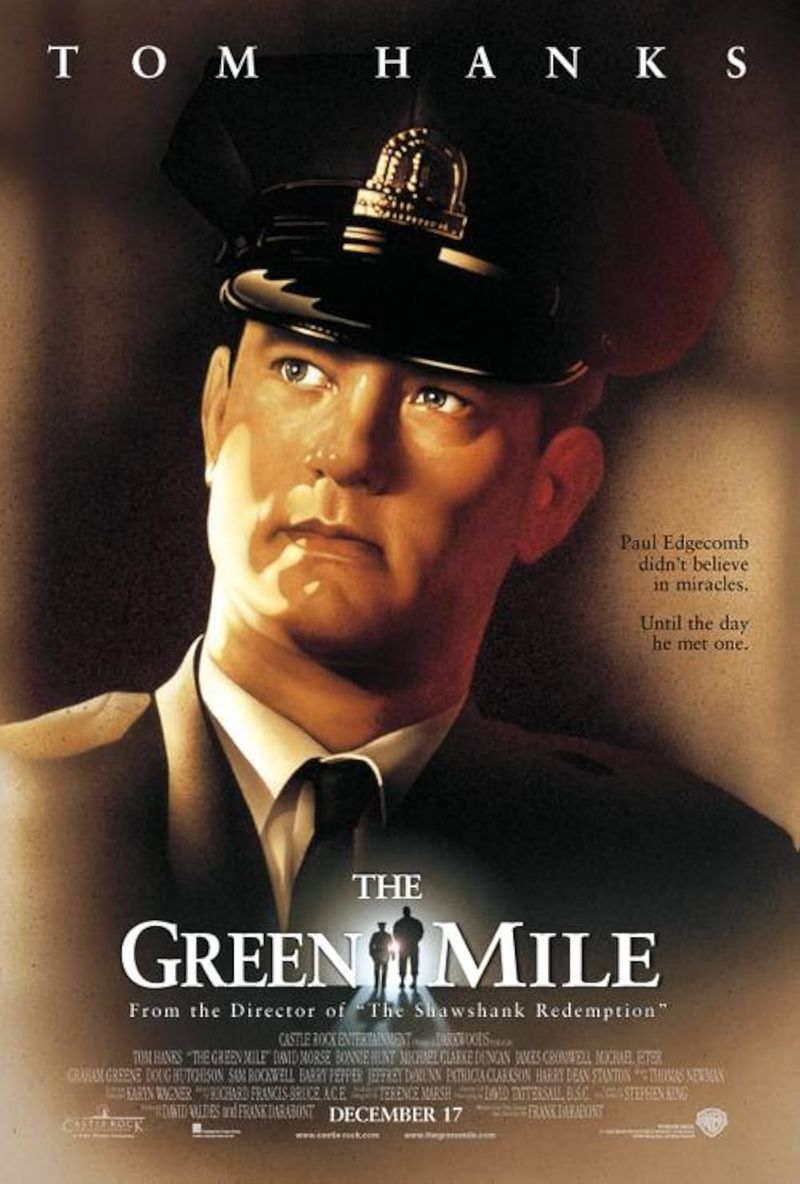
Stephen King has had a complicated history with Hollywood adaptations of his work, but The Green Mile stands as one of the most emotionally faithful translations of his writing to the big screen.
Frank Darabont, who also directed The Shawshank Redemption, understood that King’s story is really about human compassion and the cruelty of injustice.
Tom Hanks as Paul Edgecomb anchors the film with quiet dignity, and Michael Clarke Duncan’s portrayal of John Coffey is heartbreaking and unforgettable.
King himself praised the adaptation for honoring the emotional weight of his original serialized novel.
The film runs nearly three hours, but every minute earns its place.
Few movies make audiences cry quite so openly and unapologetically.
5. Pride and Prejudice (2005) – Jane Austen
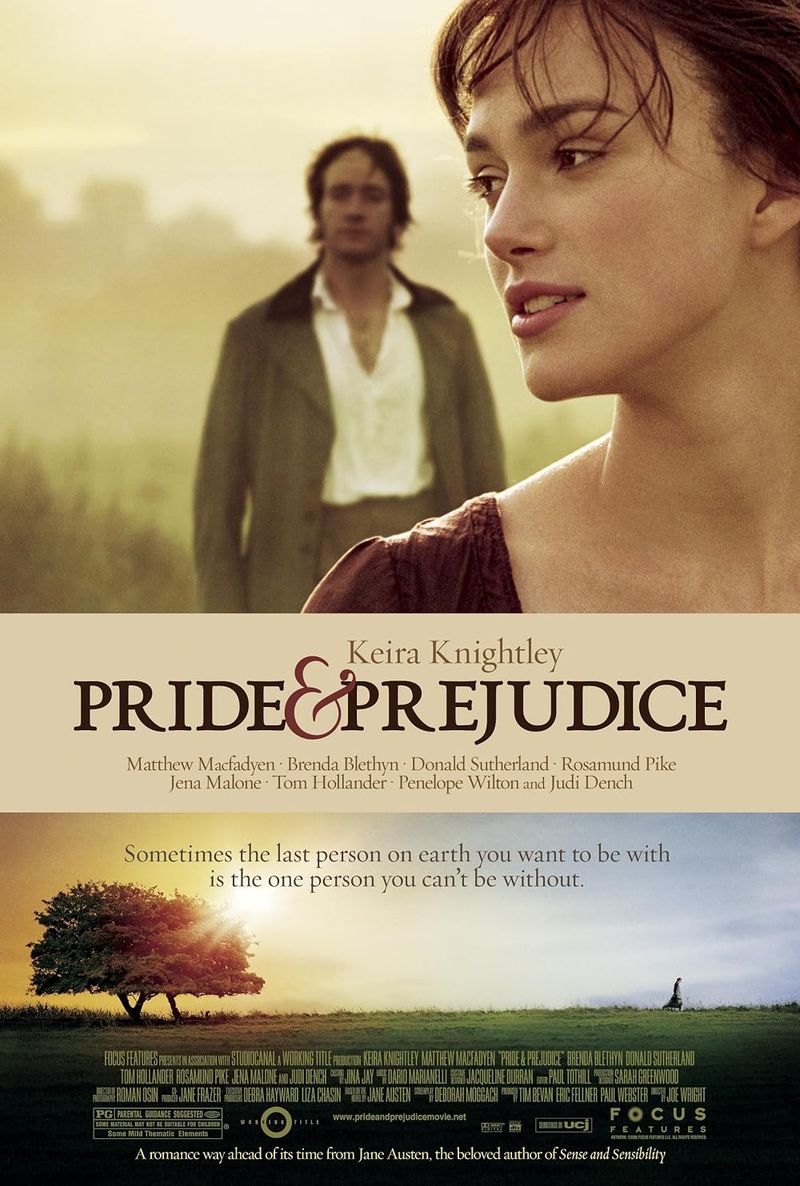
Keira Knightley’s Elizabeth Bennet feels like she genuinely leaped off the pages of Austen’s novel.
Sharp-tongued, curious, and fiercely independent, she captures exactly what readers have loved about that character for over 200 years.
Director Joe Wright made a bold choice to show the Bennet household as slightly chaotic and lived-in, rather than perfectly polished.
That decision brought Austen’s comedy of manners to life in a way that felt surprisingly fresh and modern.
The film compresses the novel’s plot, but it never loses the emotional beats that matter most.
The slow-burn tension between Elizabeth and Mr. Darcy is handled with real skill.
Austen fans largely agreed this version captured the book’s wit, warmth, and romantic longing beautifully.
6. The Shawshank Redemption (1994) – Stephen King
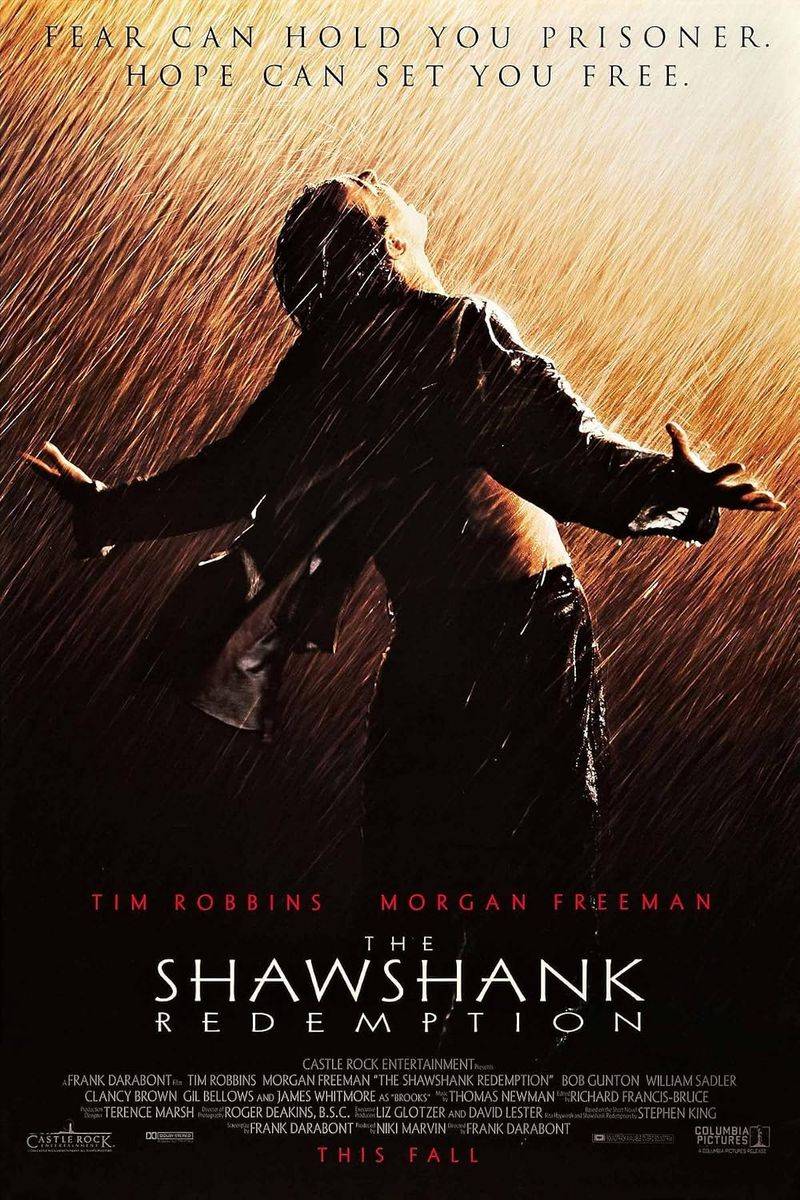
Based on King’s novella Rita Hayworth and Shawshank Redemption, this film is widely considered one of the greatest movies ever made.
What is remarkable is how closely it follows the emotional journey King laid out on the page.
Red’s narration in the film echoes the novel’s first-person voice almost exactly, giving the story a personal, reflective quality that pulls viewers in from the very first scene.
The friendship between Andy and Red forms the beating heart of both the book and the movie.
Frank Darabont again proved his gift for translating King’s humanist themes to the screen.
Hope, perseverance, and quiet dignity shine through every frame.
The film flopped at the box office initially but became a beloved classic through home video and television reruns.
7. Little Women (2019) – Louisa May Alcott
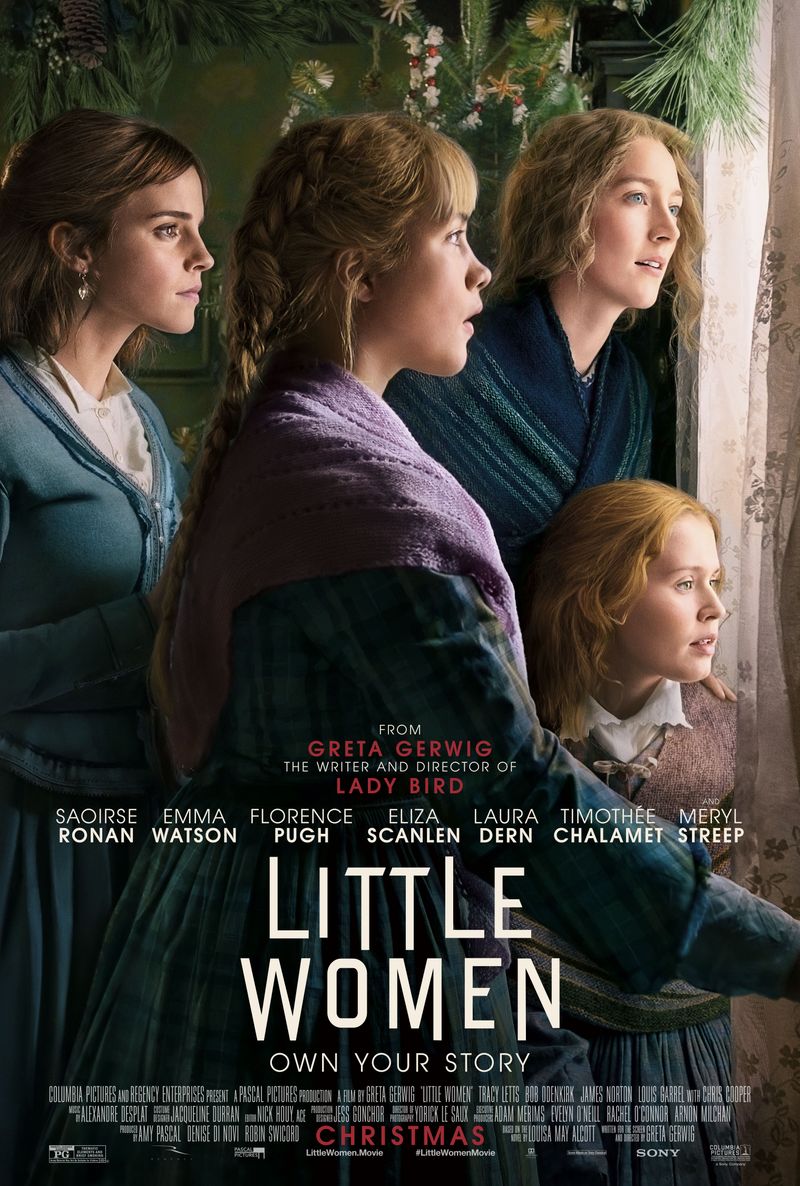
Greta Gerwig’s adaptation of Little Women is a masterclass in how to honor a classic while making it feel completely alive and urgent.
By shuffling the timeline between past and present, Gerwig found a new way to explore the emotional truth Alcott embedded in the original story.
Each of the four March sisters feels fully realized and distinct.
Jo’s burning ambition, Amy’s complex journey, Beth’s quiet grace, and Meg’s longing for stability all ring true to the novel.
Saoirse Ronan plays Jo with a restless energy that Alcott herself would likely have recognized.
The film also engages directly with Alcott’s own complicated feelings about marriage and creative freedom.
That layer of self-awareness makes this adaptation feel especially honest and surprisingly modern for a story written in 1868.
8. The Road (2009) – Cormac McCarthy
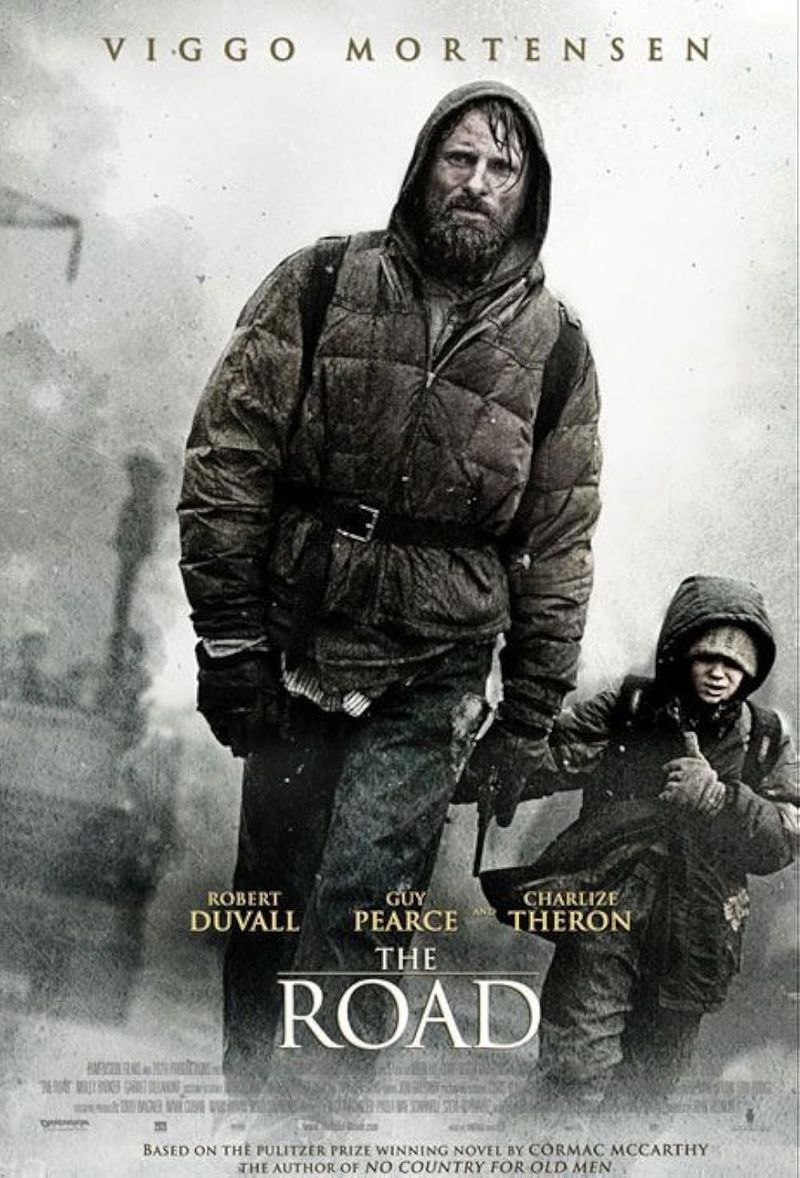
McCarthy’s novel about a father and son surviving in a post-apocalyptic world is one of the most emotionally devastating books ever written.
Director John Hillcoat captured that rawness with remarkable fidelity.
Viggo Mortensen and Kodi Smit-McPhee bring an aching authenticity to the father-son relationship that forms the entire emotional core of the story.
The film’s gray, washed-out visuals mirror McCarthy’s sparse, almost colorless prose in a way that feels genuinely intentional and artistically brave.
The movie keeps the novel’s most haunting moments intact, including the ending that offers just a sliver of hope in an otherwise dark world.
Fans of the book found the adaptation deeply respectful.
It is not an easy watch, but it is an honest one.
9. Gone Girl (2014) – Gillian Flynn
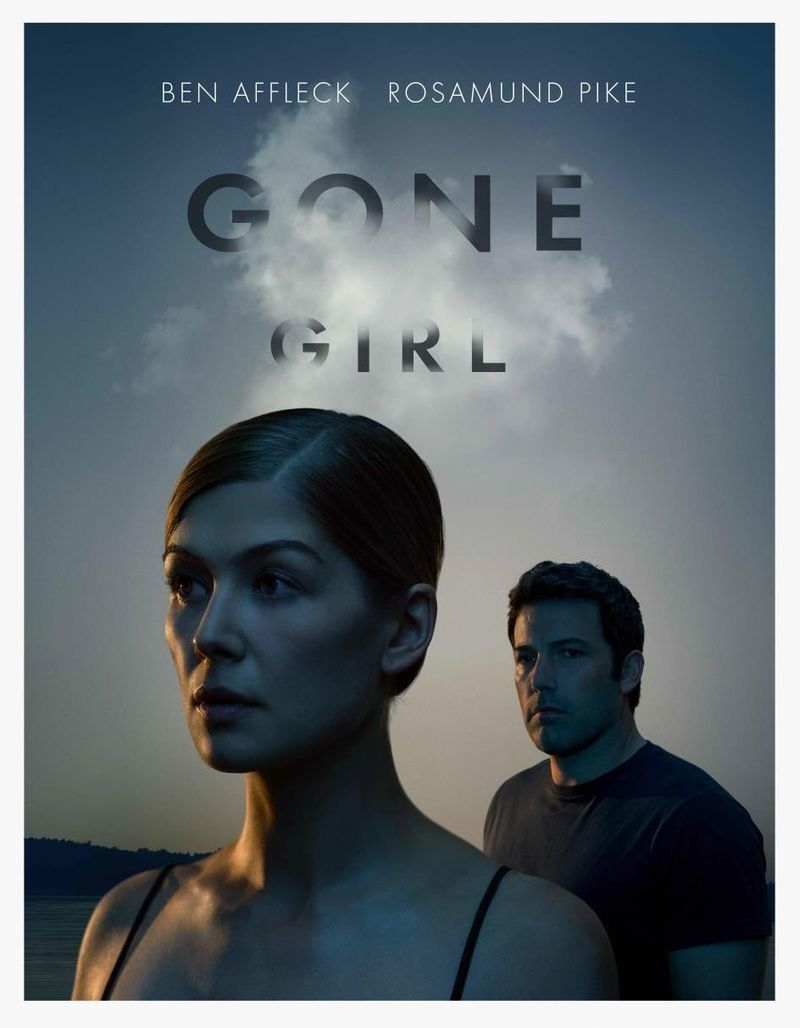
Gillian Flynn wrote the screenplay herself, which probably explains why Gone Girl feels so completely true to the twisty, unsettling spirit of her own novel.
Having the author adapt her own work is a rare gift, and it shows in every scene.
Director David Fincher matched Flynn’s cold, clinical storytelling style with a visual approach that keeps viewers off balance throughout the entire film.
Rosamund Pike’s portrayal of Amy Dunne is chilling in exactly the way the character was written.
The film preserves the novel’s sharp commentary on marriage, media, and the performance of identity, themes that gave the book its real bite beyond the mystery plot.
Fans of the novel were largely delighted.
The movie is smart, stylish, and genuinely faithful to what made the book a sensation.
10. Harry Potter and the Philosopher’s Stone (2001) – J.K. Rowling
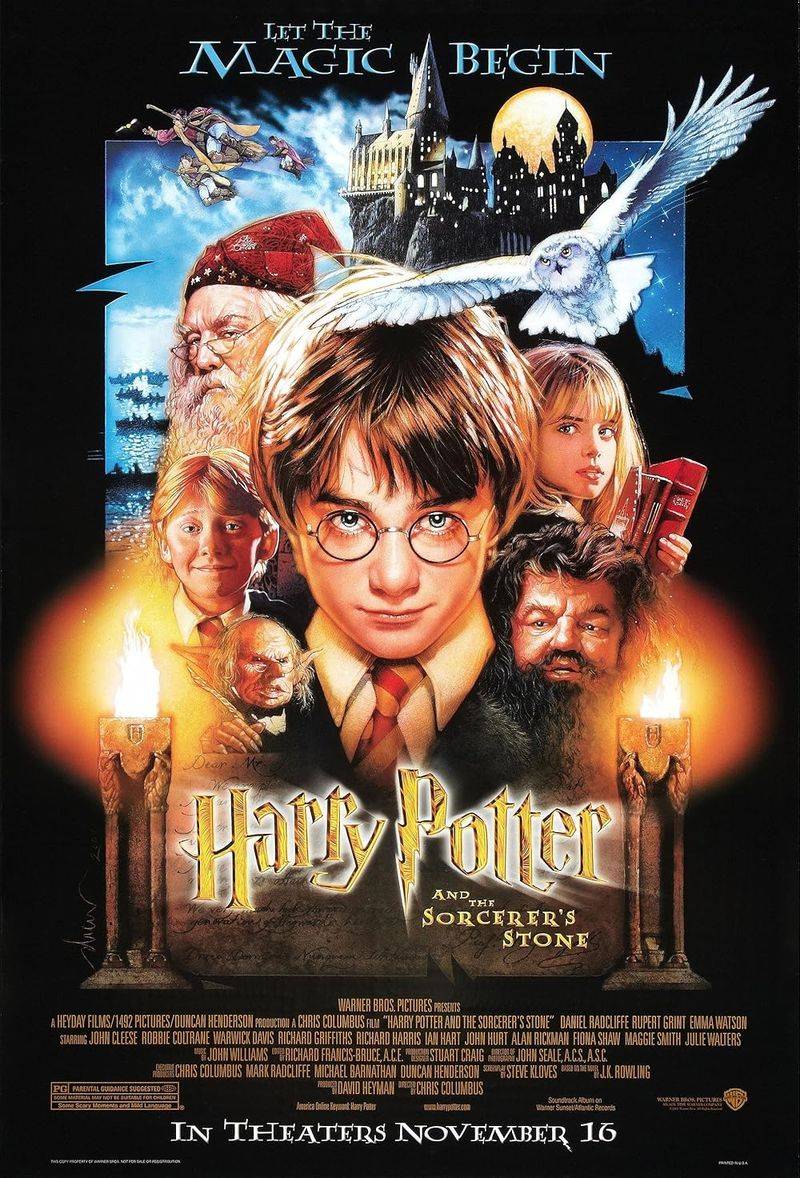
When Chris Columbus brought Rowling’s wizarding world to the screen in 2001, millions of young readers held their breath hoping their beloved book would survive the journey.
For the most part, it did beautifully.
The film is remarkably faithful to the novel’s plot, characters, and sense of wonder.
Hogwarts looks exactly as readers imagined it: grand, mysterious, and full of hidden magic.
The casting, especially Daniel Radcliffe, Emma Watson, and Rupert Grint, felt spot-on to fans worldwide.
Columbus prioritized capturing the warmth and playfulness of Rowling’s storytelling, making the film feel like a genuine celebration of the book rather than a replacement for it.
Kids who saw the movie immediately picked up the novel, and vice versa.
Both versions made each other better.
11. The Fault in Our Stars (2014) – John Green
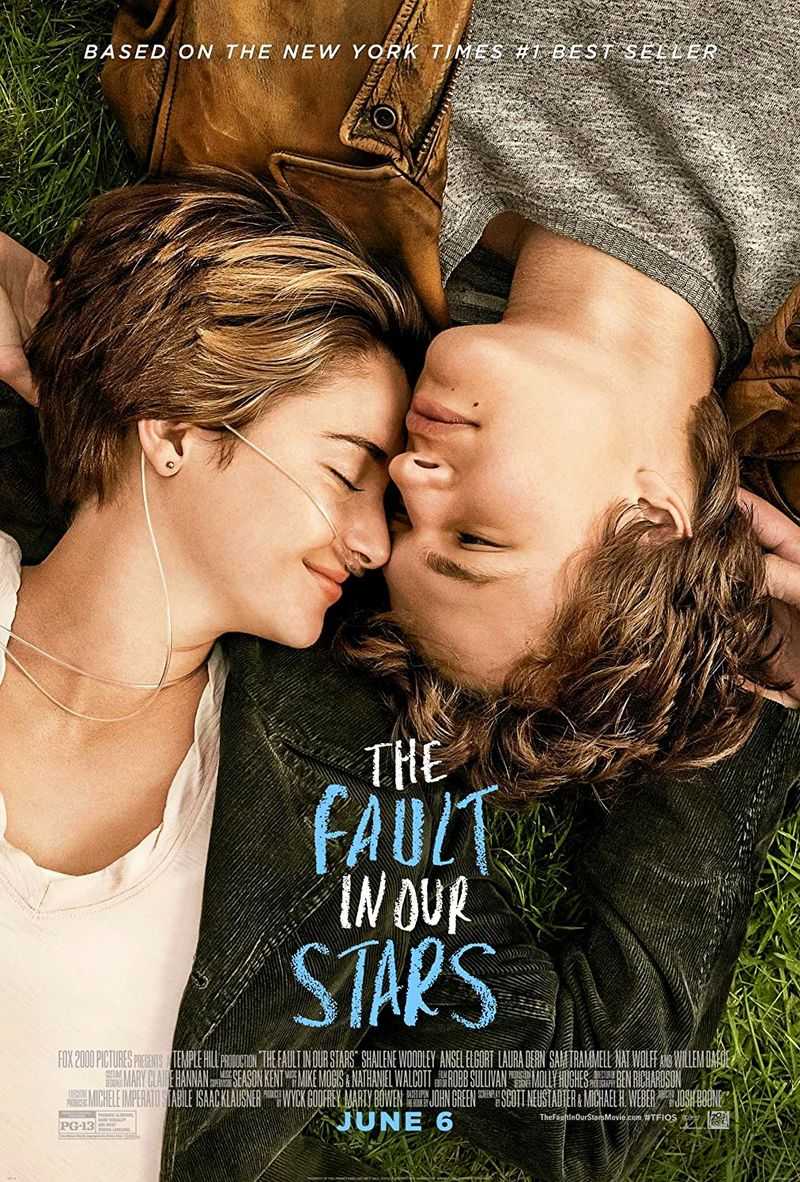
John Green’s novel about two teenagers with cancer falling in love became a phenomenon precisely because it refused to be sentimental or dishonest about illness and grief.
The 2014 film, starring Shailene Woodley and Ansel Elgort, matched that emotional honesty with real courage.
The screenplay stayed remarkably close to Green’s dialogue, which fans appreciated deeply since Hazel and Augustus’s conversations are a huge part of what makes the book so special.
Woodley in particular brought Hazel’s dry wit and quiet sadness to life in a way that felt completely authentic.
Green was openly enthusiastic about the adaptation, which reassured fans before they even bought their tickets.
The film made audiences laugh and cry in equal measure, just like the novel it was based on always did.
12. The Perks of Being a Wallflower (2012) – Stephen Chbosky
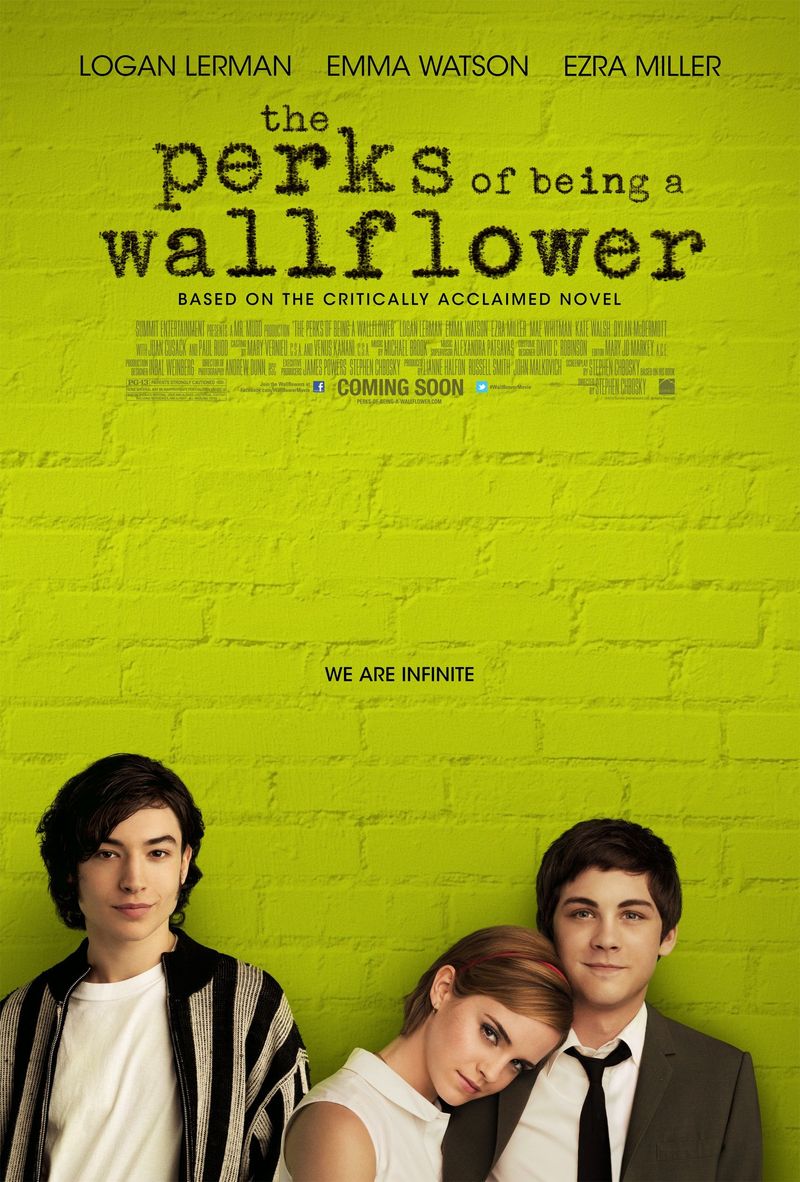
Stephen Chbosky wrote both the novel and the screenplay for this adaptation, and then directed the film himself.
That level of creative control is almost unheard of, and it resulted in one of the most authentic coming-of-age movies in recent memory.
The story follows Charlie, a quiet freshman navigating high school trauma, friendship, and self-discovery.
Logan Lerman plays Charlie with a fragile sensitivity that perfectly matches how readers imagined him.
Emma Watson and Ezra Miller round out the central trio with warmth and electricity.
Chbosky kept the novel’s most emotionally raw moments intact, including its difficult revelations about Charlie’s past.
The film honors the book’s central message: that we accept the love we think we deserve.
That line hit just as hard on screen as it did on the page.
13. Room (2015) – Emma Donoghue
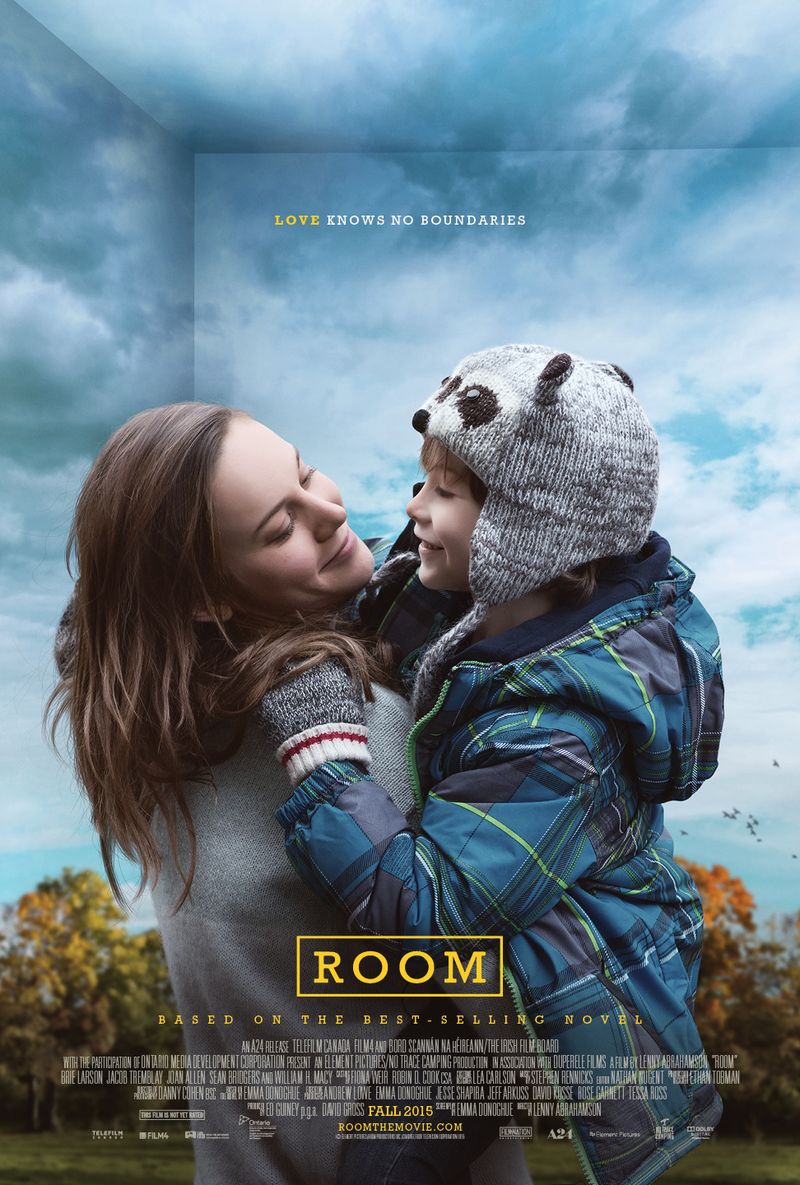
Emma Donoghue adapted her own novel for the screen, ensuring that the story’s most essential element, the child Jack’s perspective, remained the emotional anchor of the film.
That choice made all the difference.
Brie Larson won an Academy Award for her portrayal of Ma, a young woman held captive in a small shed with her young son.
Jacob Tremblay’s performance as Jack is one of the most remarkable child acting performances ever captured on film, bringing the novel’s unique viewpoint to life with startling naturalness.
The film preserves the book’s careful balance between horror and hopefulness, never letting one overwhelm the other.
Donoghue’s adaptation proves that a story can be deeply difficult to watch and deeply life-affirming at the same time.
Room is unforgettable.
14. The Princess Bride (1987) – William Goldman
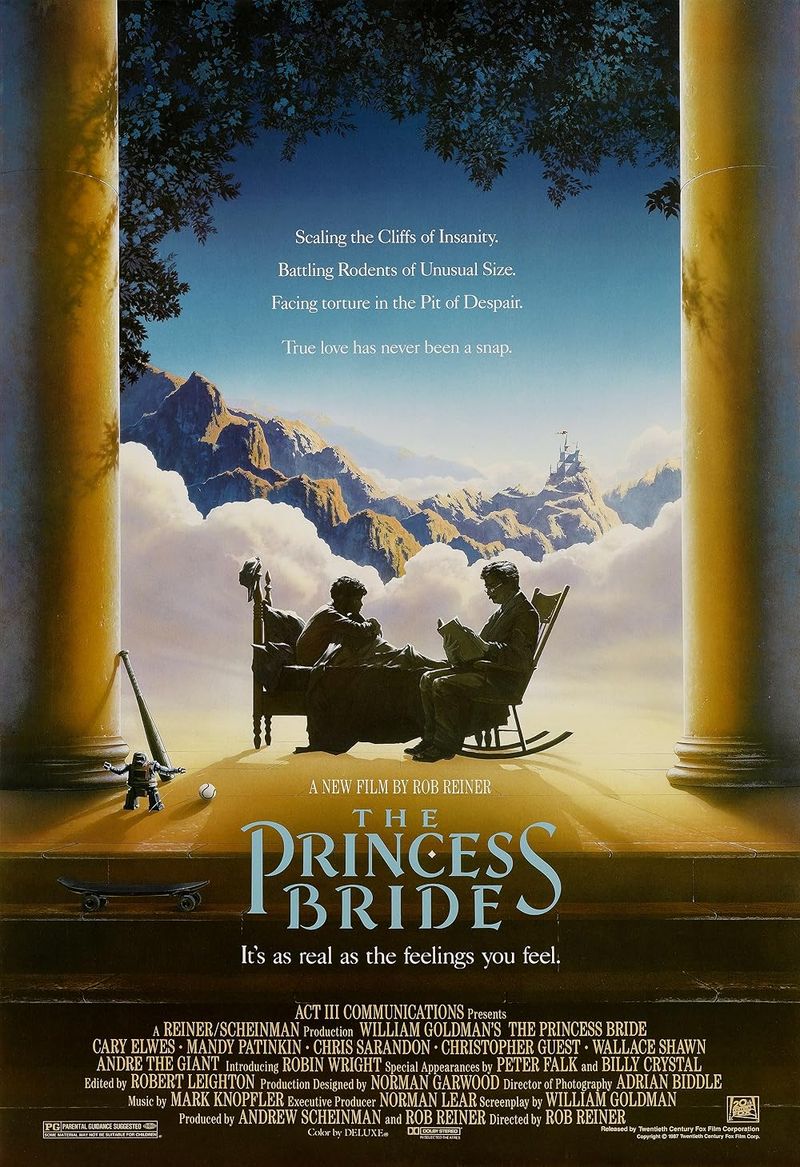
William Goldman wrote both the novel and the screenplay for The Princess Bride, which probably explains why the film feels like the book jumped off the page and started performing for a live audience.
Every joke, every adventure, and every romantic moment lands exactly right.
The movie keeps the novel’s clever framing device of a grandfather reading the story aloud to his sick grandson, preserving the book’s playful, self-aware tone.
Characters like Inigo Montoya and Fezzik feel perfectly cast and completely alive.
Fans of the book embraced the film immediately and never let go.
The Princess Bride has become one of the most quoted movies ever made, with lines that come directly from Goldman’s original pages.
It is a rare case where book and film feel equally beloved and equally essential.
15. Atonement (2007) – Ian McEwan
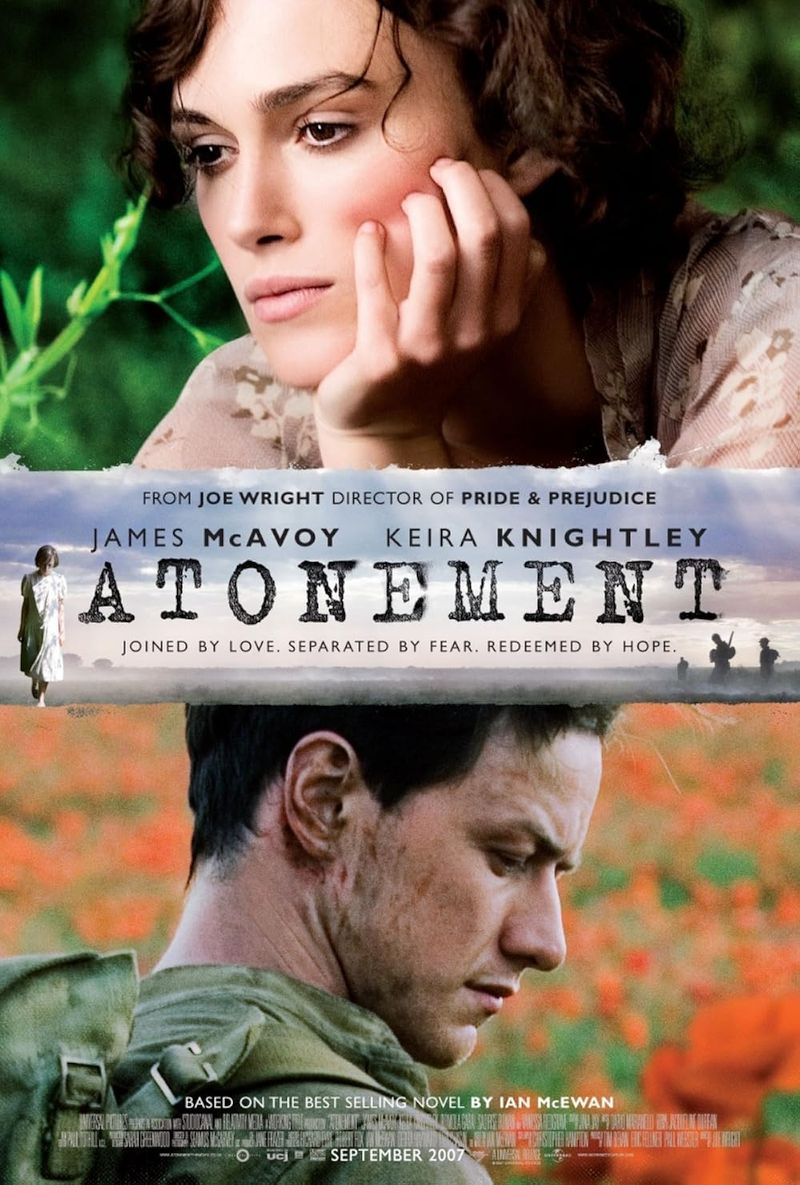
Ian McEwan’s novel is a story about storytelling itself, about how a single act of misinterpretation can unravel lives and haunt a person forever.
Director Joe Wright understood that meta-quality and wove it brilliantly into the film’s visual language.
The famous five-minute Dunkirk beach tracking shot is one of cinema’s great technical achievements, but more importantly, it captures the scale of tragedy that McEwan built across his novel’s pages.
Keira Knightley and James McAvoy bring real chemistry and heartbreak to Cecilia and Robbie’s doomed romance.
Saoirse Ronan’s portrayal of young Briony, the girl whose lie sets everything in motion, is precise and deeply unsettling in exactly the right way.
The film honors McEwan’s layered, literary structure while making the emotional devastation feel immediate and completely cinematic.