 MomSkoop
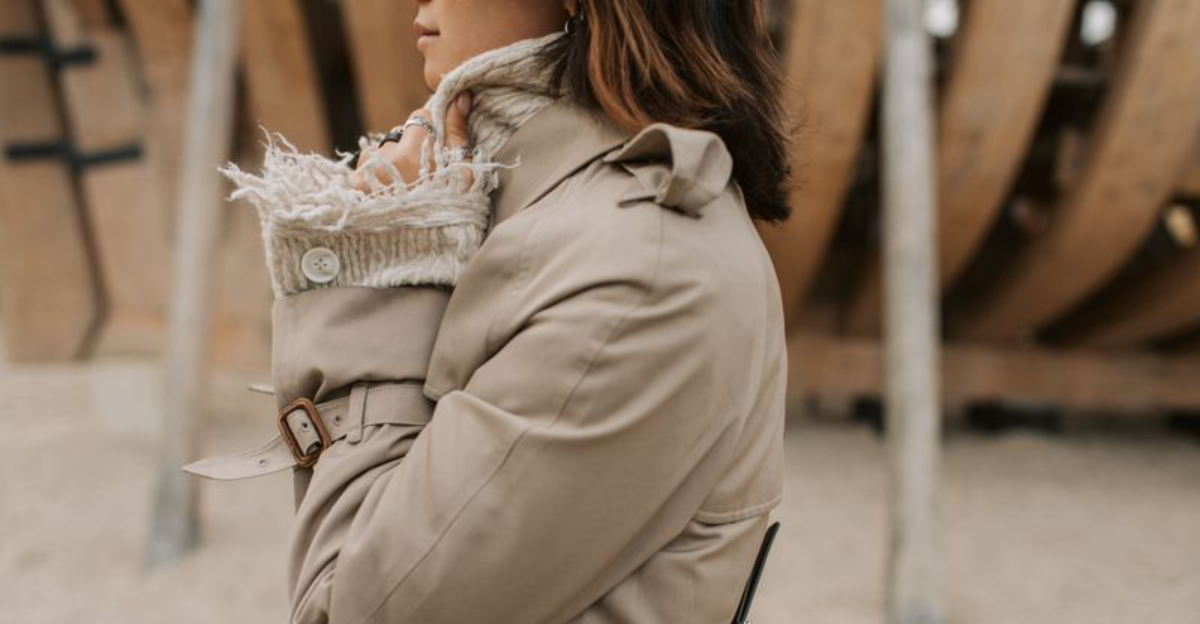
Layering clothes is one of the easiest ways to look stylish and put-together, but it can go wrong fast if you are not careful. A few small missteps can turn a cool outfit into something that looks messy, heavy, or just off.
The good news is that most of these mistakes are totally fixable once you know what to watch for. Read on to find out which layering habits might be holding your style back.
1. Too Many Bulky Layers
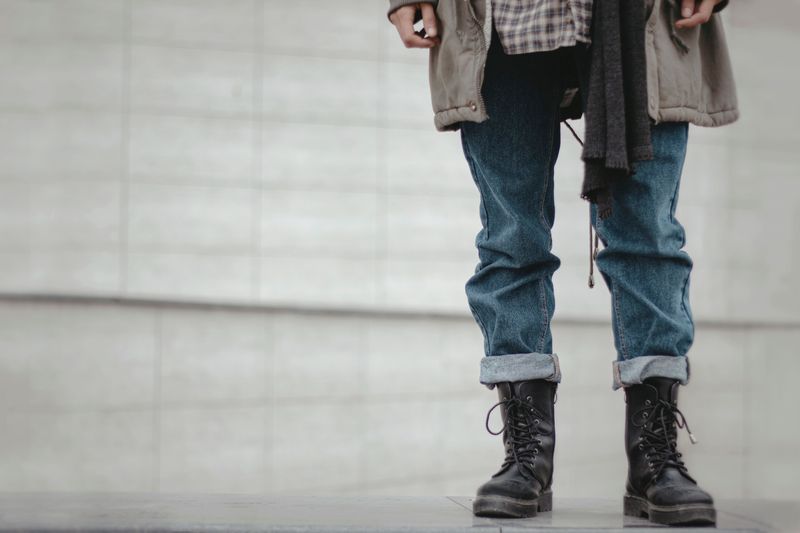
Stacking thick, heavy pieces one on top of the other might seem like a great way to stay warm, but it can seriously weigh down your look.
When every layer adds bulk, the outfit starts to look more like a pile of clothes than a styled ensemble.
The silhouette disappears, and instead of looking intentional, it just looks heavy.
A smarter approach is to mix one statement bulky piece with thinner layers underneath.
For example, pair a chunky knit sweater with a slim turtleneck and fitted jeans.
This keeps warmth without sacrificing shape.
Think of each layer as having a job, and make sure they work together instead of competing for space.
2. Ignoring Proportions
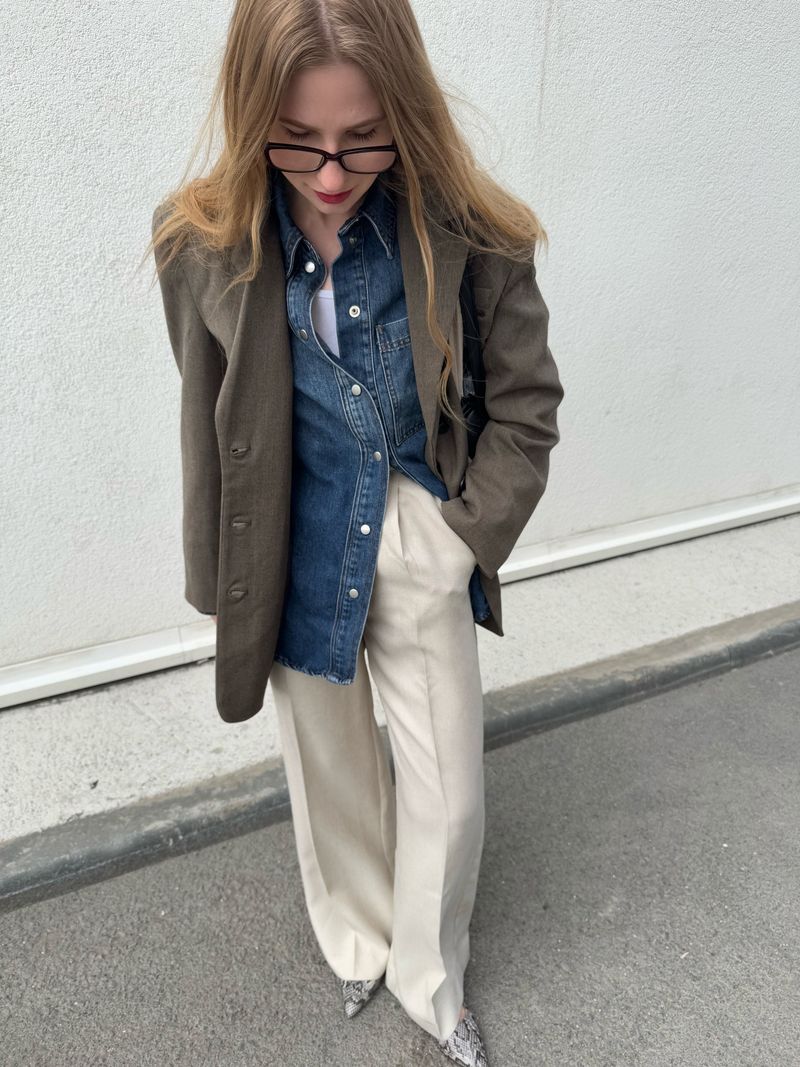
Proportion is one of those styling rules that sounds complicated but is actually pretty simple once you get it.
When you layer multiple oversized or long pieces together, your body shape completely disappears under all that fabric.
The result feels less like a fashion choice and more like you grabbed whatever was closest to the door.
The fix is balancing your layers by mixing fitted and relaxed fits.
If your outer layer is big and roomy, try a more fitted piece underneath.
If your bottoms are wide-leg or flowy, keep the top half more structured.
Playing with proportion is actually one of the most fun parts of putting an outfit together when you know the basics.
3. Clashing Necklines
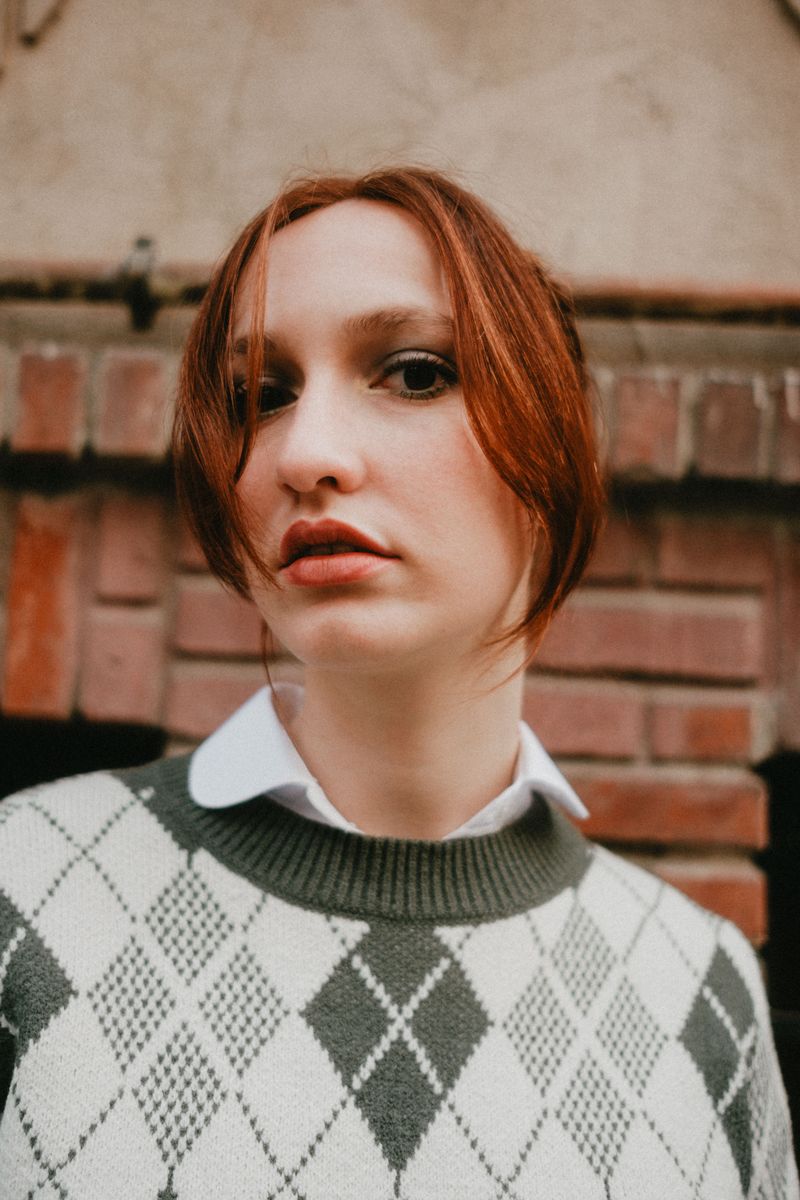
The neckline area is one of the first places people look when they see an outfit, so having too much going on there can be really distracting.
A hood, a collar, and a turtleneck all fighting for the same space creates visual noise that pulls attention away from the rest of your look.
It ends up feeling cluttered rather than cool.
When layering necklines, try to keep things simple and intentional.
A V-neck under a crewneck sweater looks clean and deliberate.
A collared shirt peeking out from under a jacket adds a polished touch.
The goal is to let one neckline play a supporting role while the other takes the lead, not have them both shouting at the same time.
4. Layering Pieces That Are Too Tight
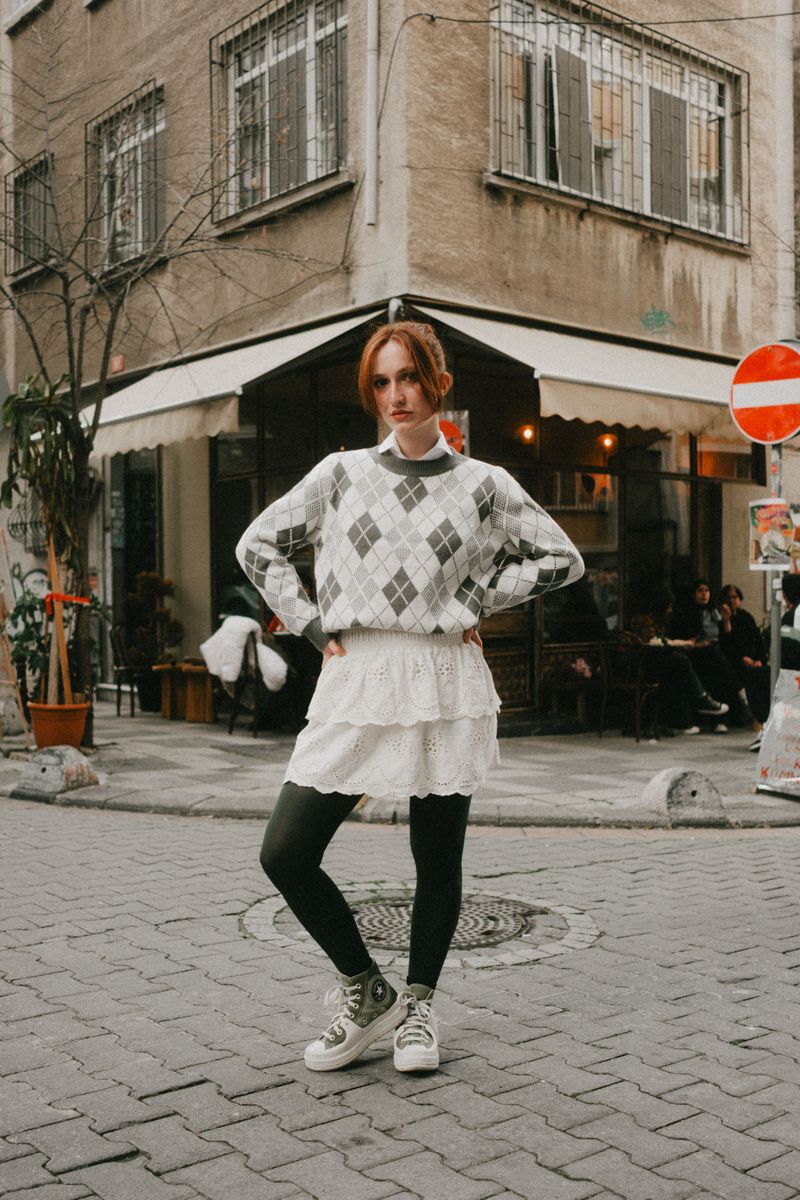
There is a common belief that layering only works with loose or oversized pieces, but the real problem is layering pieces that are too tight without enough room to move or breathe.
When a base layer clings too hard, it bunches up under the next piece, creating weird lumps and lines that are visible through the fabric.
It looks uncomfortable because it usually is.
Base layers should fit close to the body but still allow some ease of movement.
Think fitted, not strangling.
A snug but comfortable long-sleeve shirt under an open flannel works beautifully.
When you try on a layered look, move around a little.
If you see pulling, twisting, or bunching, it is a sign something needs to be sized up.
5. Mixing Too Many Patterns
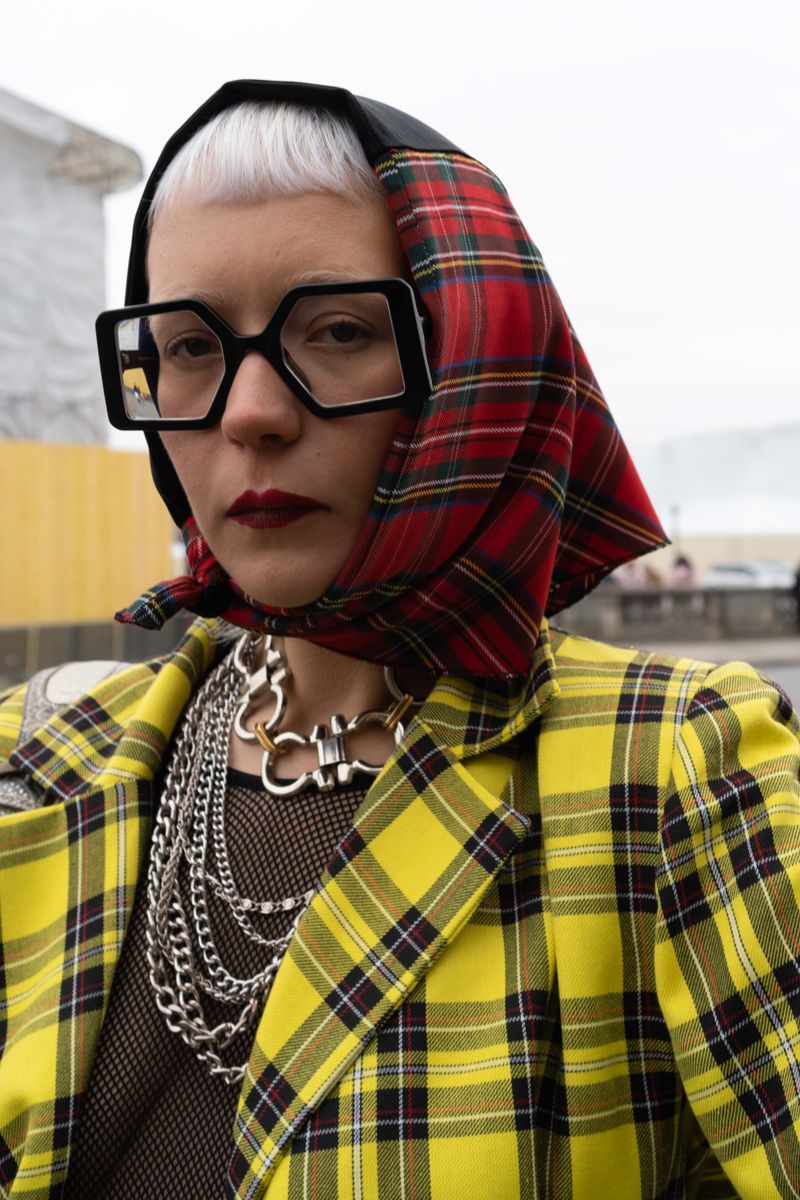
Patterns are exciting, and mixing them can look absolutely brilliant when done with care.
But when you throw together three or four bold prints without a plan, the outfit turns into visual chaos.
Plaid plus stripes plus florals all at once is a lot for the eyes to handle, and nothing gets a chance to shine.
A good rule of thumb is to stick to two patterns max, and make sure they share at least one color so they feel connected.
Pairing a large print with a smaller, more subtle one also helps create balance.
If you love patterns, let one be the star and keep the others as supporting acts.
That way, your outfit tells a clear story instead of several confusing ones at once.
6. No Variation in Length
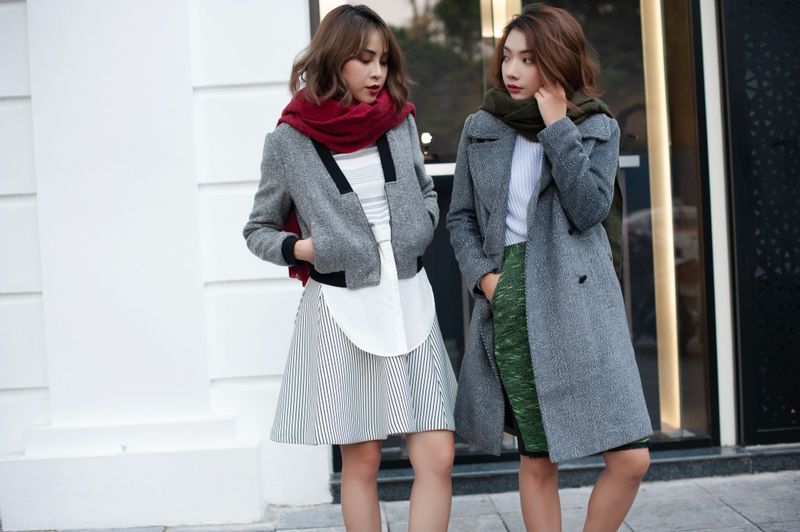
Here is something a lot of people never think about: where each layer ends matters just as much as what the layer looks like.
When all your pieces stop at the same point, the outfit starts to look accidental rather than styled.
It creates a boxy, blocky shape that hides your natural proportions and feels unfinished.
Varying hemlines adds visual interest and makes a layered outfit look much more intentional.
Try a longer shirt peeking out under a shorter jacket, or a longline cardigan over a cropped top.
Each layer should reveal a little bit of the one beneath it.
This creates depth and movement in the outfit, making it look like you actually thought it through, which of course, you did.
7. Too Many Statement Pieces
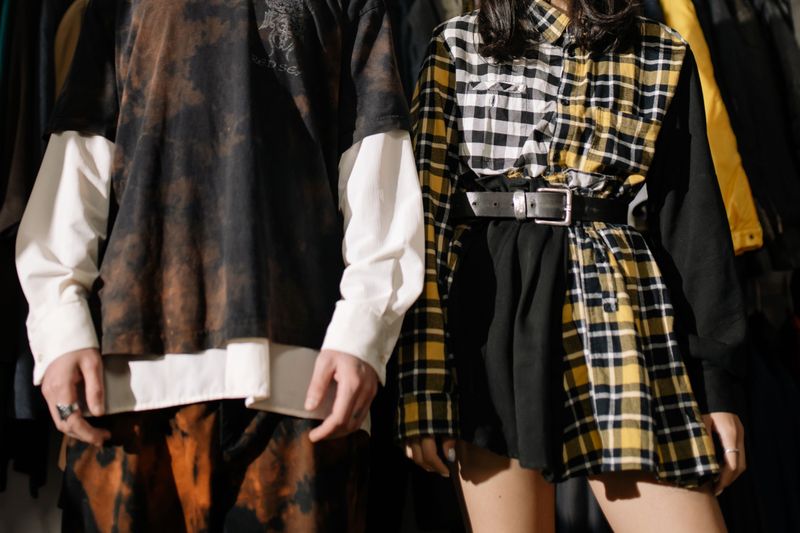
Statement pieces are meant to do exactly what the name says: make a statement.
The problem happens when every single item in an outfit is trying to be the loudest thing in the room.
A bold jacket, a dramatic sweater, a graphic tee, and eye-catching accessories all together create a look that feels more overwhelming than stylish.
Choosing one or two standout items and building the rest of the outfit around them is the smarter move.
If your jacket is the star, keep the shirt simple and let the accessories be minimal.
Think of your outfit like a team where everyone has a role.
Not everyone can be the captain, and the looks that understand that tend to be the most memorable ones.
8. Ignoring Fabric Weight
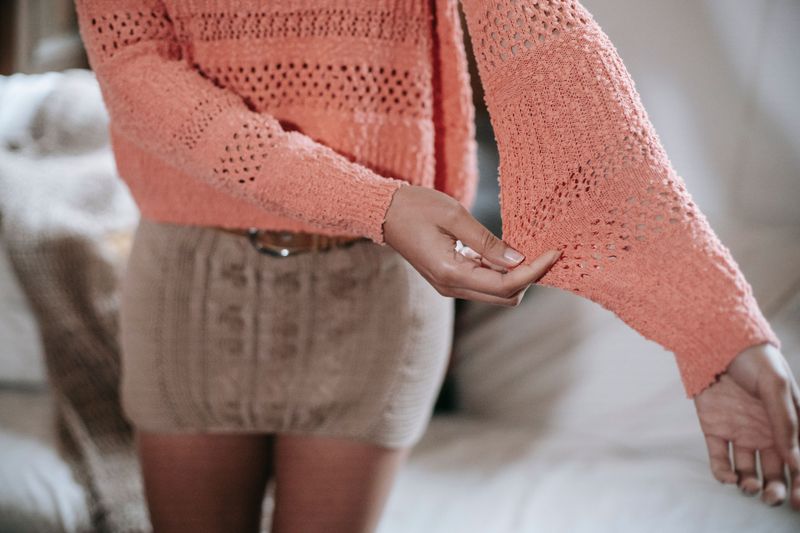
Fabric weight is one of those behind-the-scenes details that makes a huge difference in how a layered outfit sits and moves.
Throwing a heavy structured coat over a thin, delicate blouse can cause the lighter fabric to bunch, collapse, or lose its shape entirely.
The whole look ends up feeling off, even if both pieces are individually beautiful.
A good approach is to layer from lightest to heaviest as you move outward.
Start with your thinnest fabrics closest to the body and add weight gradually.
A silk top under a denim jacket under a wool coat works because each layer can support the next.
Paying attention to how fabrics interact with each other is a small habit that makes a big difference in the finished look.
9. Using Too Many Colors
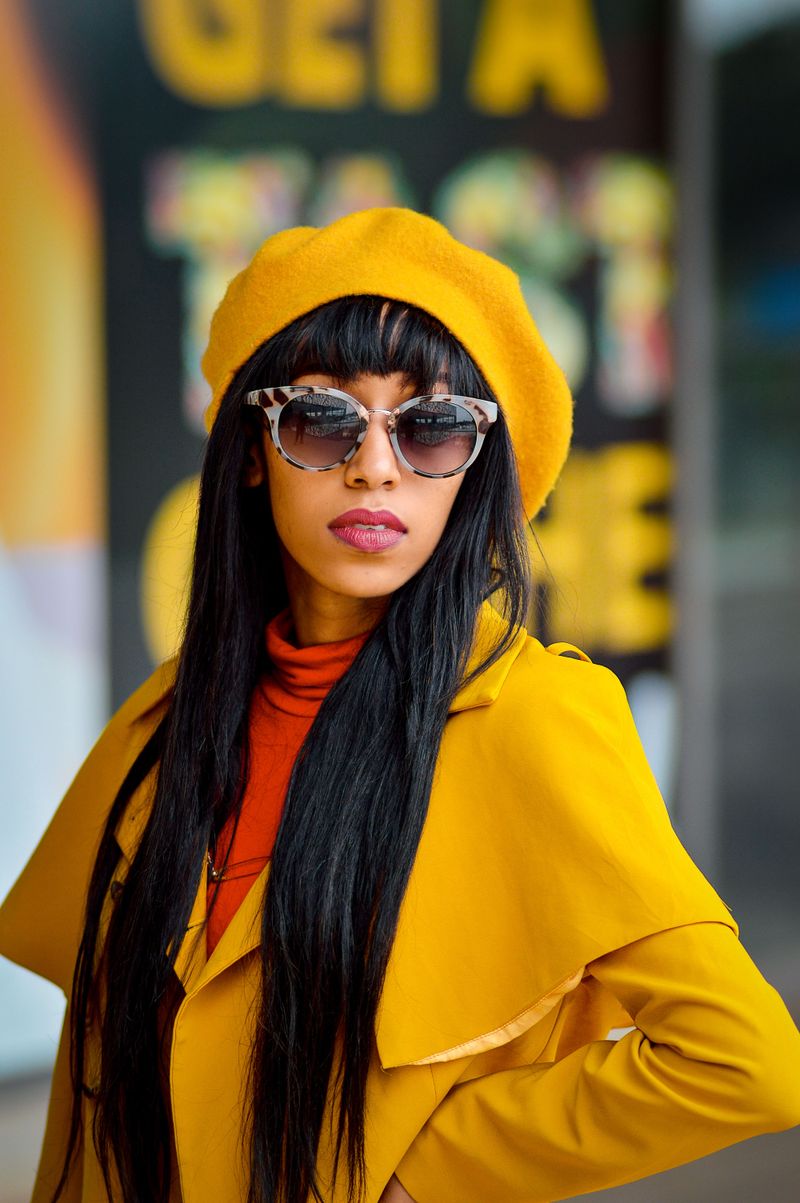
Color is one of the most powerful tools in fashion, but like any powerful tool, it needs some control.
Layering pieces in five or six completely unrelated colors creates a look that feels visually chaotic and hard to follow.
Your eye does not know where to go, and the outfit ends up feeling more like a mistake than a mood.
Keeping a layered look to two or three colors, or sticking to one color family, makes everything feel more cohesive.
Neutrals like white, beige, grey, and black are great anchors that let one or two accent colors pop.
If you love bold color, try wearing one colorful piece and building the rest in quieter tones.
That way, the color you love actually gets noticed instead of getting lost in the mix.
10. Letting Underlayers Bunch Up
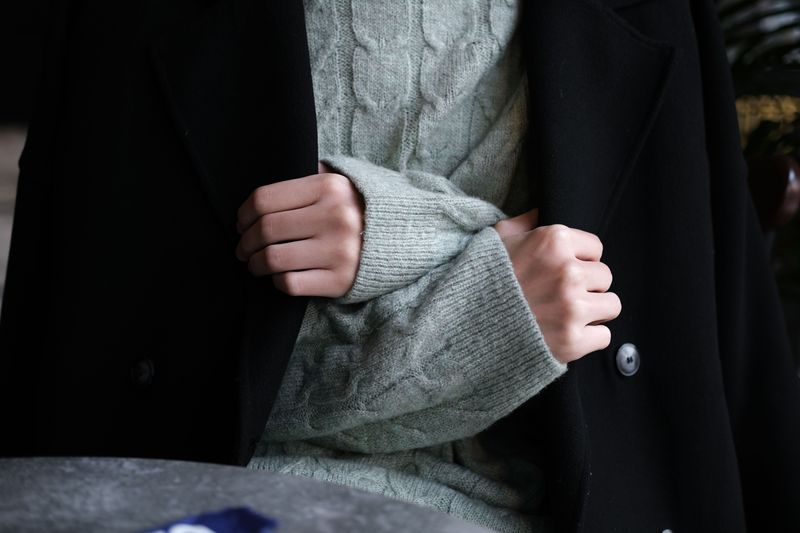
Nothing ruins a layered outfit faster than an underlayer that refuses to stay put.
Twisted hems peeking out at weird angles, sleeves bunching up at the elbows, and gathered fabric around the waist all send the message that the outfit is falling apart.
Even the most carefully chosen pieces can look sloppy if the layers underneath are not cooperating.
Fixing this is mostly about fit and fabric.
Smooth, fitted base layers in fabrics that do not cling or bunch are your best friends.
Tucking in underlayers when possible also helps keep things tidy.
Before heading out, do a quick check in the mirror and smooth everything down.
A few extra seconds of attention to the details underneath can make the whole outfit look cleaner and more polished.
11. Forgetting the Final Silhouette
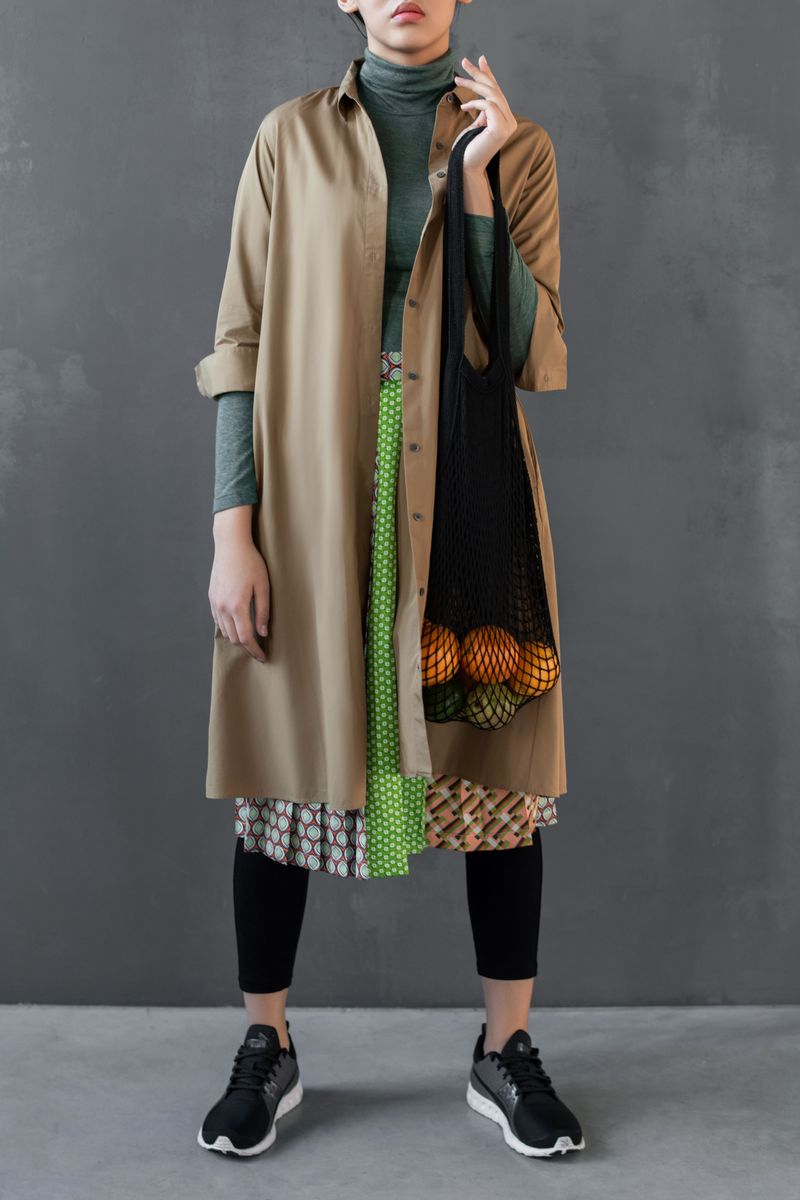
You might fall in love with each individual piece in your layered outfit, but love does not always equal compatibility.
Sometimes two or three great pieces come together and create a silhouette that feels completely wrong.
The combined shape can look boxy, lopsided, or just unbalanced in a way that is hard to pin down at first glance.
Before finalizing any layered look, take a step back and look at the overall shape in a full-length mirror.
Ask yourself if the silhouette feels intentional and balanced from head to toe.
Sometimes swapping one piece or adjusting a tuck makes all the difference.
The best layered outfits look great as a whole, not just piece by piece.
Training yourself to see the full picture is a skill worth building.
12. Layering Without a Clear Focal Point
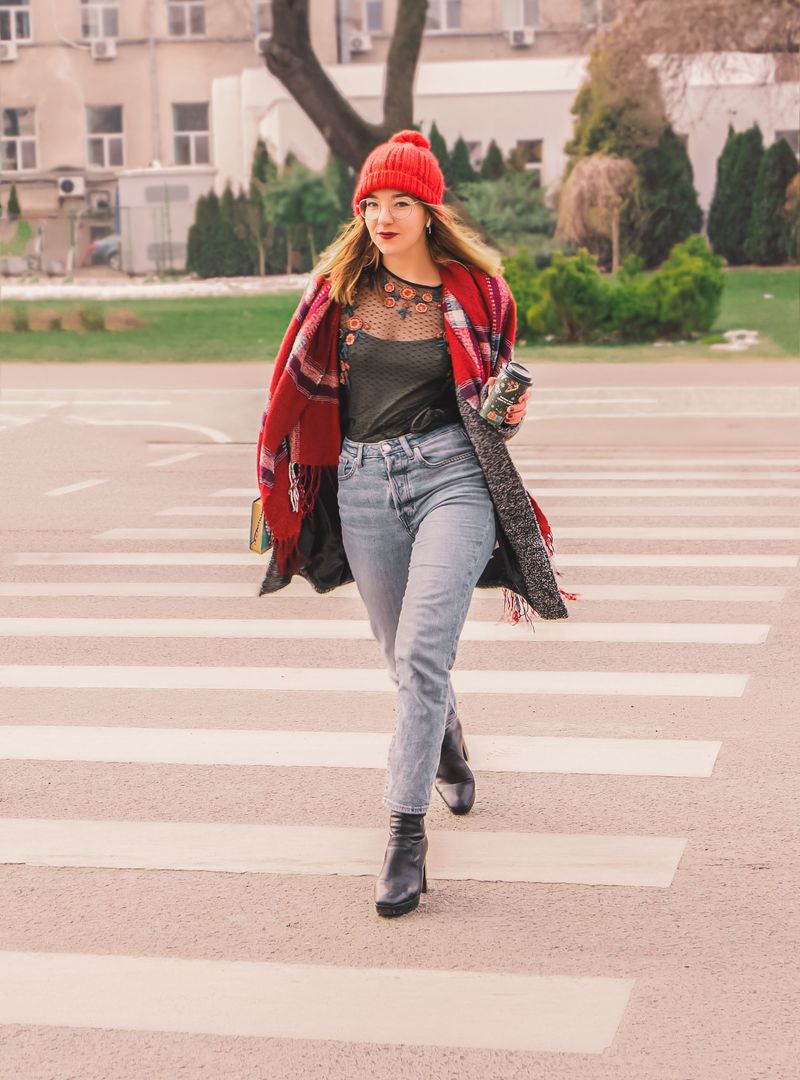
Every great outfit has a focal point, that one element your eye naturally lands on first.
When you layer without thinking about visual hierarchy, every piece ends up competing equally for attention.
The result is an outfit that feels busy and confusing rather than bold and intentional.
People do not know where to look, so the whole effect falls flat.
Deciding on your focal point before you start layering makes the whole process easier.
Want your jacket to be the star?
Keep everything else simple and understated.
Love your scarf?
Build the layers around it in quieter tones.
Once you know what you want people to notice, the rest of the outfit becomes about supporting that choice.
That kind of clarity is what separates a styled look from a random collection of clothes.