 MomSkoop

For introverts, spending time alone is not something to feel bad about. It is actually one of the most refreshing and recharging things they can do.
While some people gain energy from being around others, introverts find their energy in quiet moments, personal hobbies, and their own company. If you are an introvert, you will probably recognize every single one of these favorite solo activities.
1. Reading a good book
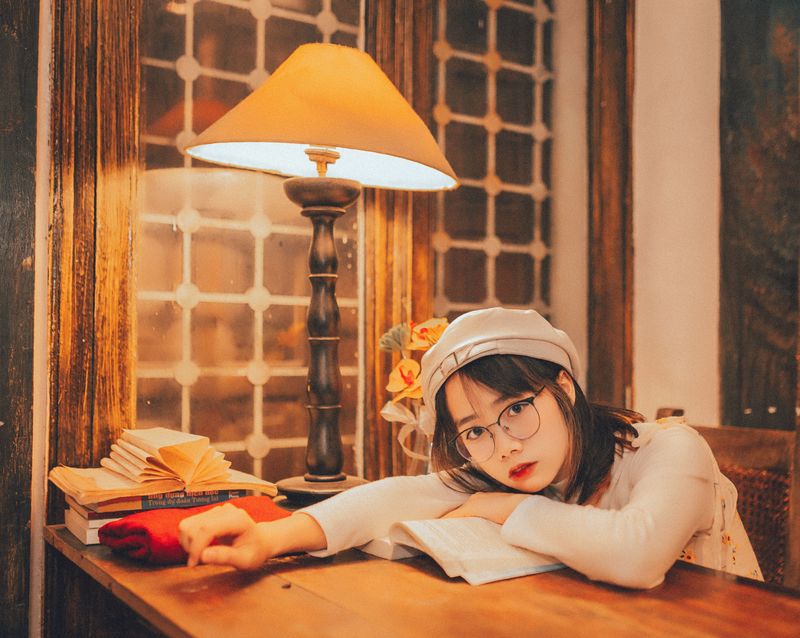
There is a special kind of magic that happens when a book pulls you so deeply into its world that you forget everything around you.
For introverts, this is not just reading.
It is a full escape from noise, obligations, and the outside world.
A great story can feel more real than reality itself.
Characters become friends, and fictional places feel like home.
Many introverts will admit they have stayed up way too late because they simply could not put a book down.
Reading also sharpens the mind, builds vocabulary, and encourages empathy.
Best of all, it requires zero small talk and absolutely no social energy whatsoever.
2. Watching movies or a favorite series

Pressing play on a favorite movie or binge-watching a beloved series is a deeply satisfying solo experience.
There is no negotiating over what to watch, no pausing to explain plot points, and no pressure to react in any particular way.
Introverts tend to get genuinely invested in the stories and characters they follow.
Watching alone means fully feeling every dramatic twist, emotional scene, or hilarious moment without distraction.
Did you know that streaming platforms report solo viewing as one of the most common usage patterns worldwide?
Introverts figured out something the rest of the world is slowly catching up to.
Good entertainment and personal space are a perfect combination.
3. Taking peaceful walks

Sometimes the best thinking happens when your feet are moving and the world around you is quiet.
A solo walk through a park, along a beach, or down a calm neighborhood street gives introverts exactly the kind of unstructured mental space they crave.
There is no agenda, no destination that has to be reached by a certain time, and no conversation to maintain.
Just the rhythm of footsteps and the sounds of the environment.
Walking alone also has real health benefits.
It reduces stress hormones, boosts mood, and clears mental clutter.
Many introverts use solo walks as a way to process emotions, solve problems, or simply reset after a long and draining day.
4. Listening to music
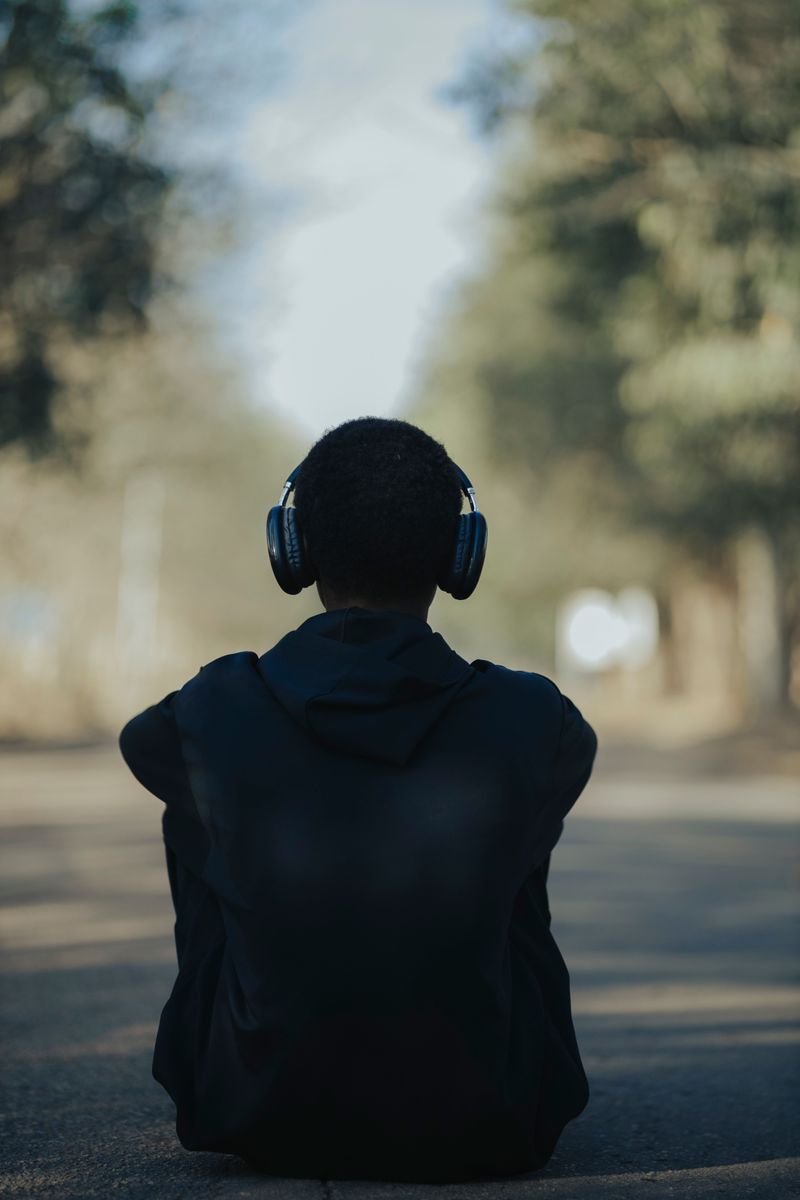
Headphones on, world off.
For many introverts, putting on a favorite playlist is the fastest way to create a personal bubble of calm and comfort, no matter where they happen to be.
Music has a unique ability to match and shift emotions.
An introvert might listen to something energizing while cleaning, something mellow while resting, or something deeply moving just to feel all the feelings without having to explain them to anyone.
Research shows that listening to music activates the brain’s reward system, releasing dopamine, which is the chemical linked to pleasure and motivation.
Introverts have known this all along.
A great song at the right moment can feel like the best company in the world.
5. Writing or journaling

Introverts often have rich inner lives filled with thoughts, ideas, and observations that do not always get spoken out loud.
Journaling gives those thoughts a place to land, a private space where nothing needs to be filtered or explained to anyone else.
Writing can take many forms.
Some people record daily events, while others explore emotions, sketch out creative ideas, or plan future goals.
There is no wrong way to fill a page.
Studies suggest that regular journaling can lower anxiety, improve self-awareness, and even boost problem-solving skills.
For introverts, it is not just a hobby.
It is a way of understanding themselves more clearly and processing the world on their own terms and timeline.
6. Enjoying a solo coffee or tea

There is something quietly luxurious about sitting down with a hot drink and having absolutely nowhere to be and no one to entertain.
For introverts, a solo cup of coffee or tea is not sad or lonely.
It is a small, intentional moment of peace.
The ritual itself is part of the joy.
Brewing the drink, picking the mug, finding the right spot to sit.
These small choices add up to a deeply personal and satisfying experience.
Many introverts actually prefer cafes on their own because they can observe the world around them without being pulled into it.
People-watching with a warm drink in hand?
That is basically an introvert’s version of a perfect afternoon outing.
7. Working on creative hobbies
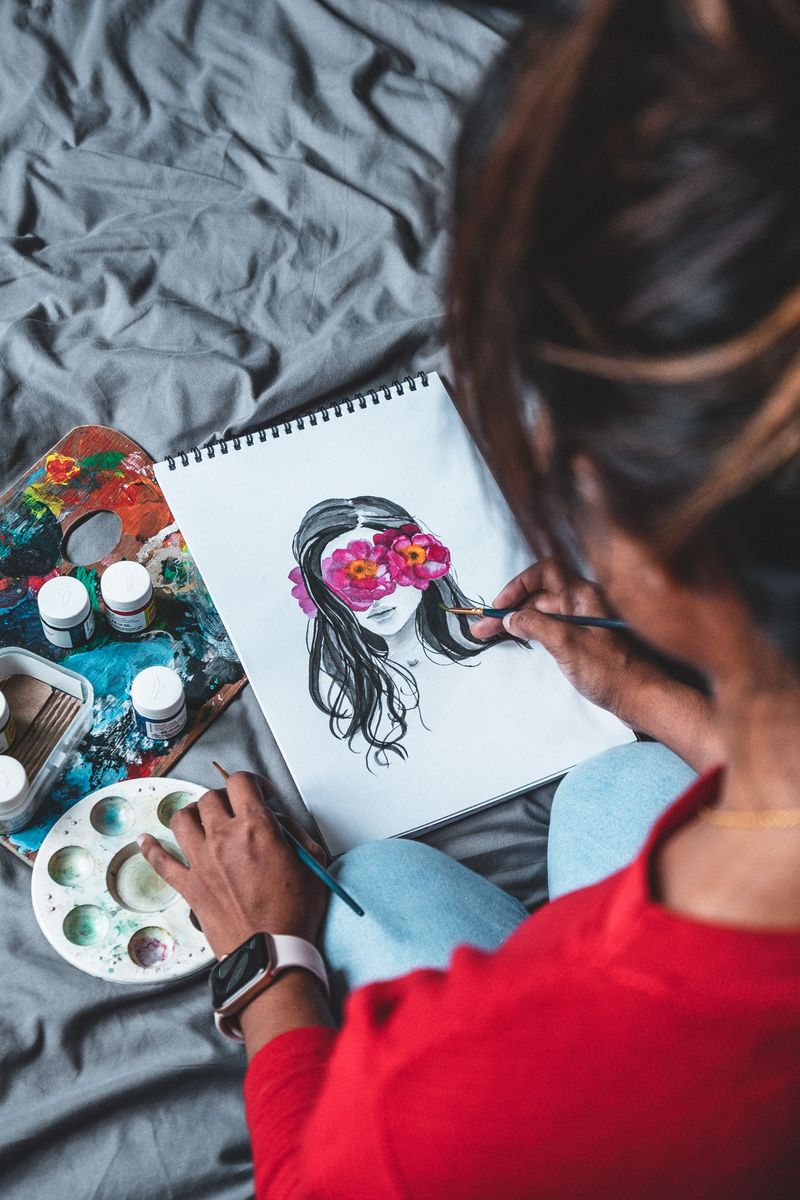
Creative hobbies are where introverts truly thrive.
Whether it is drawing, painting, photography, knitting, crafting, or playing an instrument, these activities offer a perfect blend of focus, self-expression, and quiet satisfaction that social settings rarely provide.
Getting into a creative flow state feels almost meditative.
Time passes differently, stress fades into the background, and the only goal is to make something that feels meaningful or interesting.
The best part is there are no deadlines, no audience, and no one to impress.
The work exists purely for the joy of making it.
Many introverts find that their creative hobbies become their most reliable source of energy, inspiration, and personal identity over time.
8. Cooking something special

Cooking alone is an underrated form of creative expression.
When there is no one else in the kitchen, an introvert can experiment freely, follow a recipe at their own pace, or completely improvise based on whatever sounds good in the moment.
The process itself is deeply satisfying.
Chopping, stirring, tasting, adjusting.
Each step requires just enough focus to quiet the mind without feeling overwhelming.
It is productive, sensory, and genuinely enjoyable.
There is also the reward at the end: a meal made entirely by your own hands, enjoyed in your own company.
Whether it is a simple pasta or an ambitious new recipe from a different culture, cooking solo turns an ordinary evening into something that feels genuinely special and nourishing.
9. Playing games

Solo gaming is a full-on adventure that requires zero social coordination.
Whether it is an immersive role-playing video game, a tricky puzzle, a chess match against a computer, or a quiet round of solitaire, introverts know how to keep themselves thoroughly entertained.
Games offer a satisfying combination of challenge and reward.
There is a real sense of accomplishment in solving a difficult puzzle or finally beating a level that has been giving you trouble for days.
Video games in particular have evolved into rich storytelling experiences with complex characters and emotional narratives.
For introverts who love stories, a great single-player game can be just as engaging and immersive as any book or film they have ever experienced.
10. Learning something new

Curiosity is one of the most common traits among introverts, and spending time alone is the perfect opportunity to feed it.
An online course, a documentary, a deep Wikipedia rabbit hole, or practicing a new skill can turn a quiet afternoon into a genuinely enriching experience.
Learning solo removes the pressure of keeping up with others or feeling judged for asking questions.
You can go at your own pace, rewind as many times as needed, and explore side topics that genuinely spark interest.
The satisfaction of gaining new knowledge or developing a skill independently is hard to beat.
Many introverts find that their solo learning sessions end up being some of the most productive and fulfilling hours of their entire week.
11. Organizing their personal space

Ask an introvert what they did on their day off and there is a solid chance the answer involves reorganizing a shelf, deep-cleaning a drawer, or rearranging furniture just to see how it feels.
This is not procrastination.
It is genuine enjoyment.
Having a personal space that feels calm, orderly, and intentional matters deeply to many introverts.
The environment around them directly affects how they feel inside, and taking time to shape that environment is a satisfying and grounding activity.
There is also something meditative about organizing.
It is repetitive enough to be calming but purposeful enough to feel productive.
By the end, the space reflects exactly who you are and how you want to feel each day.
12. Spending time in nature
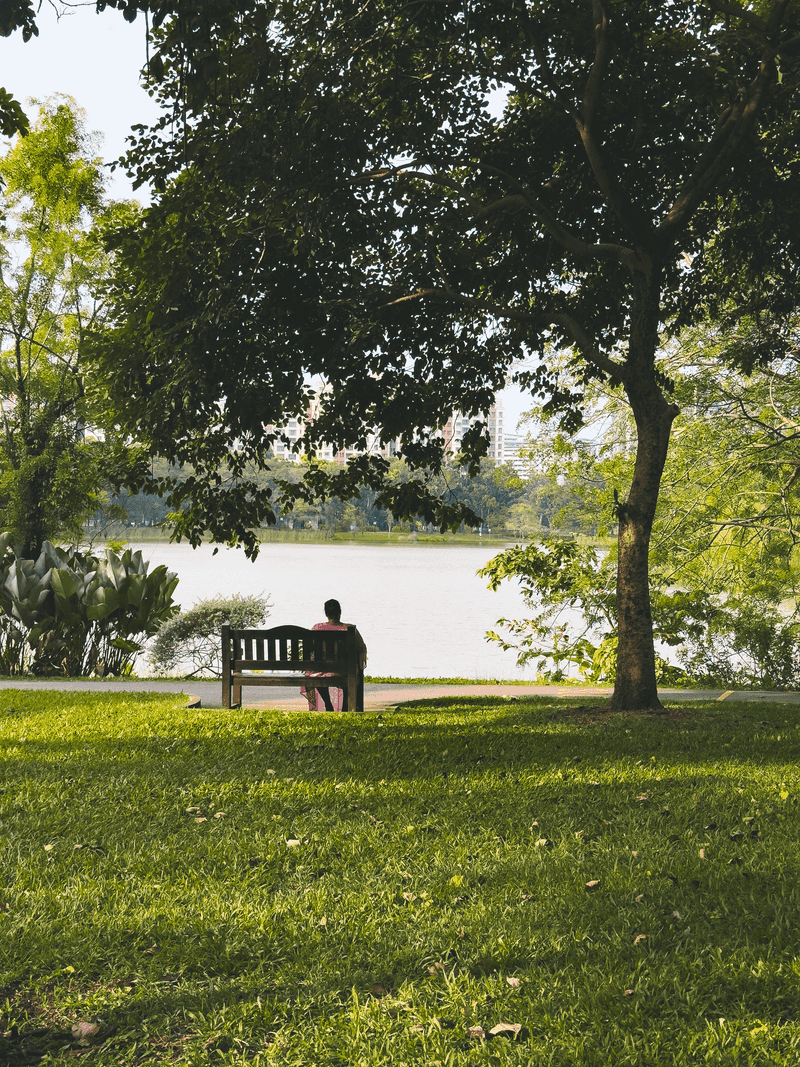
Nature does something remarkable for introverts.
It offers company without conversation, beauty without performance, and space without judgment.
Whether it is gardening in a backyard, hiking a quiet trail, or simply sitting beside a body of water, being outdoors alone feels deeply restorative.
There is scientific backing for this feeling.
Studies on what researchers call “green time” consistently show that spending time in natural environments lowers cortisol levels and improves overall mental well-being.
For introverts, nature is not just a backdrop.
It is a companion of sorts.
The rustling of leaves, the sound of moving water, and the open sky provide a kind of quiet stimulation that feels nourishing rather than draining, which is rare and genuinely precious.
13. Doing absolutely nothing

Believe it or not, doing nothing is a skill.
In a world that constantly praises productivity, introverts are quietly masters of the art of simply being.
No task, no screen, no goal.
Just existing in a moment of complete stillness.
This kind of rest is not laziness.
It is restorative.
Letting the mind wander freely through daydreams, half-formed ideas, and random memories is actually how the brain consolidates information and recharges its creative reserves.
Introverts tend to have a rich internal world that keeps them company even when nothing external is happening.
Sitting with their own thoughts is not boring.
It is genuinely enjoyable, peaceful, and often the most honest kind of rest a person can give themselves.