 MomSkoop

Jealousy is one of those feelings that can sneak up on you before you even realize what’s happening. It starts small, maybe a worried thought here or a moment of insecurity there, but over time it can quietly damage even the strongest relationships.
Recognizing the signs early gives you a real chance to address them before they cause lasting harm. If any of the following patterns sound familiar, it may be time to take an honest look at how jealousy is showing up in your life.
1. Constantly Checking Up on Them
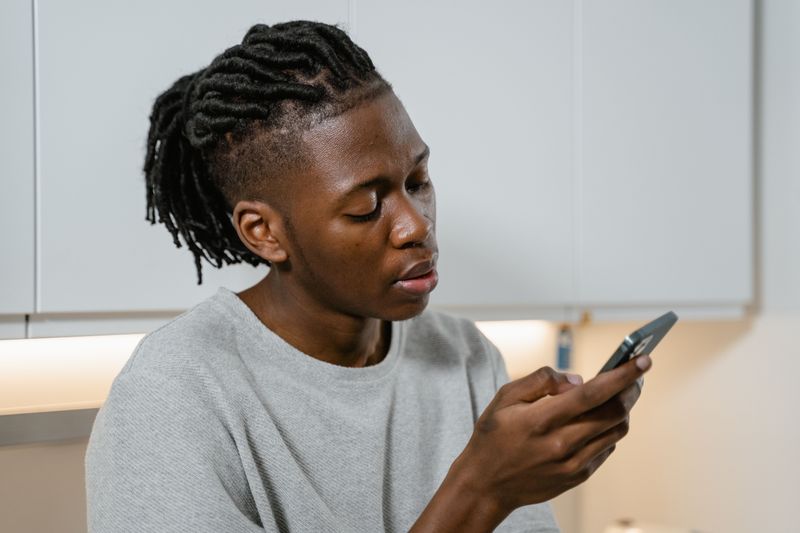
Picture this: your partner steps out with coworkers, and within an hour you have sent three texts asking where they are and who showed up.
Checking in once is caring.
Checking in repeatedly, even when everything is fine, is a different story.
This behavior often comes from anxiety rather than genuine concern.
You are not looking for information so much as reassurance that everything is okay.
Unfortunately, constant check-ins can feel suffocating to your partner.
Over time, they may start to feel monitored rather than loved.
Recognizing this pattern is the first step toward building a relationship rooted in trust rather than surveillance.
2. Feeling Threatened by Their Friendships

Friendships are a healthy and necessary part of life, but jealousy has a way of turning innocent connections into imagined threats.
When your partner mentions a close friend, especially someone you see as attractive or charming, does your stomach drop a little?
That uneasy feeling is worth paying attention to.
Feeling threatened by a friendship does not automatically mean something suspicious is happening.
More often, it reflects insecurity about your own place in the relationship.
Healthy relationships have room for outside friendships without those friendships becoming a source of conflict.
Working through the root of that fear, rather than directing it at your partner’s social life, leads to much healthier outcomes for everyone involved.
3. Comparing Yourself to Other People

Scrolling through someone’s profile and wondering if your partner finds them more interesting or attractive is something many people have experienced at least once.
When that wondering becomes a regular habit, though, jealousy has moved in.
Constant self-comparison is exhausting.
You find yourself measuring your looks, your career, your personality against strangers or acquaintances, always asking whether you somehow fall short.
The problem is that comparison is rarely fair or accurate.
You are measuring your full reality against someone else’s highlight reel.
Your partner chose you, and continuing to question that choice by stacking yourself up against others erodes your self-worth and puts unnecessary strain on the relationship over time.
4. Reading Too Much Into Small Things

A delayed reply becomes proof of something wrong.
A slightly flat tone in a text sparks a spiral of anxious questions.
Sound familiar?
When jealousy takes hold, ordinary, everyday moments start to feel loaded with hidden meaning.
This kind of overthinking is mentally draining, and it rarely leads anywhere productive.
Most of the time, a slow response just means someone was busy, not distant or dishonest.
The challenge is that once your brain is in threat-detection mode, it searches for patterns even where none exist.
Learning to pause before jumping to conclusions, maybe by asking a calm, direct question instead of assuming, can save you and your partner a lot of unnecessary stress and conflict.
5. Wanting Access to Their Phone or Messages

Few urges reveal jealousy more clearly than the desire to scroll through your partner’s messages.
Even if you have never actually done it, feeling a strong pull to check their texts, DMs, or call history is a significant sign that trust has broken down somewhere.
Privacy matters in every relationship.
Wanting to read through someone’s private conversations is not just about curiosity.
It usually signals a deep fear of being deceived or left behind.
Rather than acting on that urge, the more useful question is why the fear is there in the first place.
Having an honest conversation about what is making you feel insecure will always be more effective than secretly searching for evidence.
6. Needing Frequent Reassurance

Asking your partner if they still love you once in a while is completely normal.
Needing to hear it multiple times a day, every day, is a different matter entirely.
Frequent reassurance-seeking often signals that jealousy and insecurity are running the show.
The tricky part is that reassurance only works temporarily.
As soon as the good feeling fades, the need comes rushing back.
Your partner may try their best to help, but no amount of reassurance can fill a gap rooted in internal fear.
Building genuine self-confidence and working through the underlying anxiety, whether on your own or with a therapist, tends to be far more effective than relying on your partner to manage your emotional security.
7. Getting Upset When They Spend Time Without You

Everyone needs space, including your partner.
When they head out for a game night with friends or spend a Sunday afternoon with family, and you are left feeling rejected or resentful, jealousy may be distorting how you interpret their independence.
Needing togetherness is healthy.
Expecting your partner to include you in every single activity, or feeling hurt when they do not, places a heavy burden on the relationship.
It can also quietly isolate your partner from the people they care about.
Encouraging each other to maintain individual lives and separate friendships actually strengthens a relationship rather than weakening it.
Time apart, when approached with mutual trust, gives both people room to grow and return to each other refreshed.
8. Trying to Control Who They Interact With

Asking your partner to unfollow someone, avoid a certain coworker, or stop hanging out with a particular friend crosses a line that many people in jealous patterns do not immediately recognize.
Control dressed up as concern is still control.
Your partner has the right to manage their own social life.
When jealousy pushes you to place restrictions on who they can talk to or spend time with, it chips away at their autonomy and signals a lack of trust in their judgment.
Relationships built on restriction tend to breed resentment.
The more effective path is addressing what you are afraid of directly, communicating openly, and working together to set boundaries that feel fair and mutually agreed upon.
9. Assuming the Worst Without Evidence

Suspecting your partner of flirting or cheating, even when nothing concrete points in that direction, is one of the more painful ways jealousy shows up.
The fear feels real, but the evidence simply is not there.
This pattern often has less to do with your partner’s actual behavior and more to do with past experiences, personal fears, or low self-esteem.
When the brain is wired to expect betrayal, it starts finding it everywhere, even in perfectly innocent moments.
Challenging those automatic assumptions before acting on them is genuinely hard work, but it is necessary.
Asking yourself what actual evidence exists, and whether your reaction matches the situation, can help break the cycle before it causes unnecessary damage.
10. Feeling Possessive Over Your Partner

There is a meaningful difference between loving someone deeply and treating them like they belong to you.
Possessiveness shows up when you expect your partner to give you their exclusive attention or feel threatened any time someone else receives a piece of their time and energy.
Healthy relationships involve two people who choose each other freely, not two people where one holds the other close out of fear of losing them.
Possessive behavior, even when it comes from a place of love, can feel suffocating to the person on the receiving end.
Recognizing possessiveness in yourself takes honesty.
Asking whether your expectations are based on love or fear of loss is a powerful starting point for making real, lasting change.
11. Starting Arguments Because of Jealousy

Arguments about social media activity, past relationships, or a coworker your partner mentioned once can become surprisingly frequent when jealousy is involved.
The fights might seem like they are about specific people or situations, but at their core, they are usually about fear and insecurity.
Repeated conflict around perceived threats takes a real toll.
Each argument leaves a small emotional scar, and over time those scars add up.
Your partner may start to feel like they are walking on eggshells, careful about what they mention or who they talk to around you.
Catching yourself before a jealousy-driven argument escalates, and naming what you are actually feeling instead, can shift the entire dynamic of the conversation toward something more productive.
12. Testing Your Partner to See How They React

Deliberately making your partner jealous, pulling back affection to see if they chase you, or setting little traps to test their loyalty are behaviors that might feel justified in the moment but rarely lead anywhere good.
Testing is a form of manipulation, even when it comes from a place of genuine hurt or fear.
When you feel the urge to test your partner, what you are really looking for is proof that they care.
But manufactured situations do not produce reliable answers.
They just create confusion and erode trust on both sides.
Expressing what you need directly, even when it feels vulnerable to do so, builds far more genuine connection than any test ever could.
Honest communication beats mind games every single time.
13. Struggling to Trust Even With No Reason to Doubt

Sometimes the hardest sign to face is this one: your partner has been consistently honest, open, and loyal, and yet the suspicion still lingers.
When trust does not grow even in the presence of trustworthy behavior, the issue is not your partner.
It is the fear itself.
This kind of persistent doubt often has roots in older wounds, past relationships where trust was broken, childhood experiences, or long-held beliefs about your own worthiness.
None of that is easy to untangle on your own.
Recognizing that the problem lives inside the fear rather than inside your partner is actually a hopeful realization.
It means change is possible.
Therapy, self-reflection, and open conversations with your partner can all help rebuild the trust that jealousy has quietly been undermining.