 MomSkoop
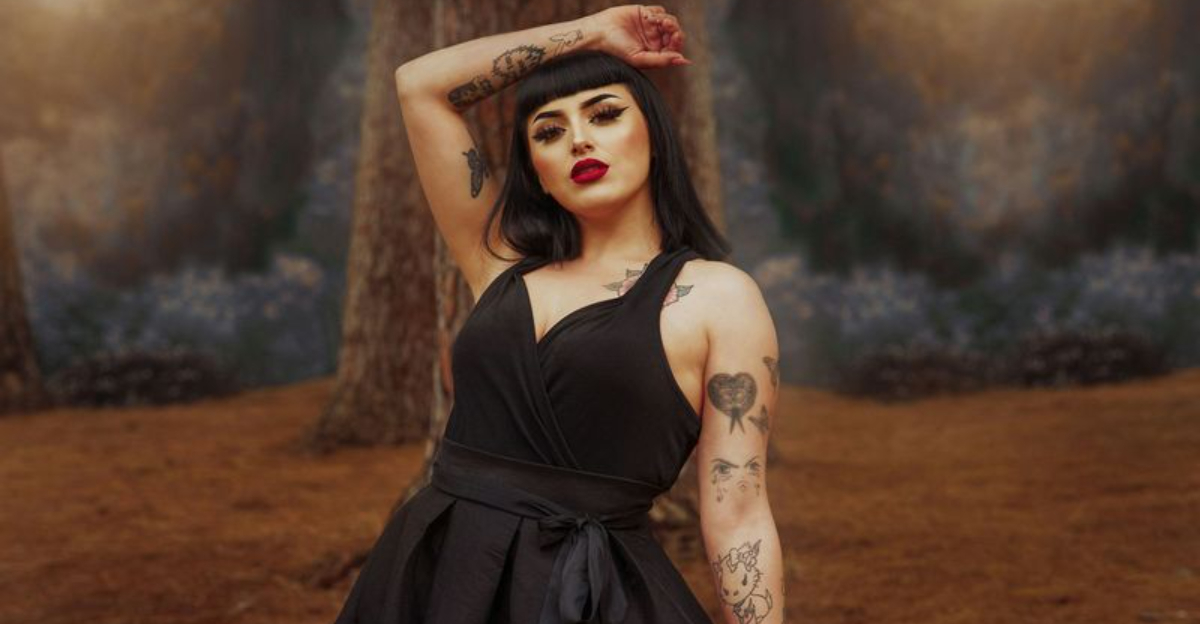
Fashion has always been more than just clothing – it is a language that speaks about culture, identity, and change. Throughout history, certain trends have boldly challenged what people believed was “normal” or “acceptable” to wear.
From corsets worn as outerwear to men stepping into skirts, these moments reshaped society’s ideas about gender, beauty, and self-expression. Get ready to explore some of the most daring and revolutionary fashion trends that changed the rules forever.
1. Corsets as Outerwear
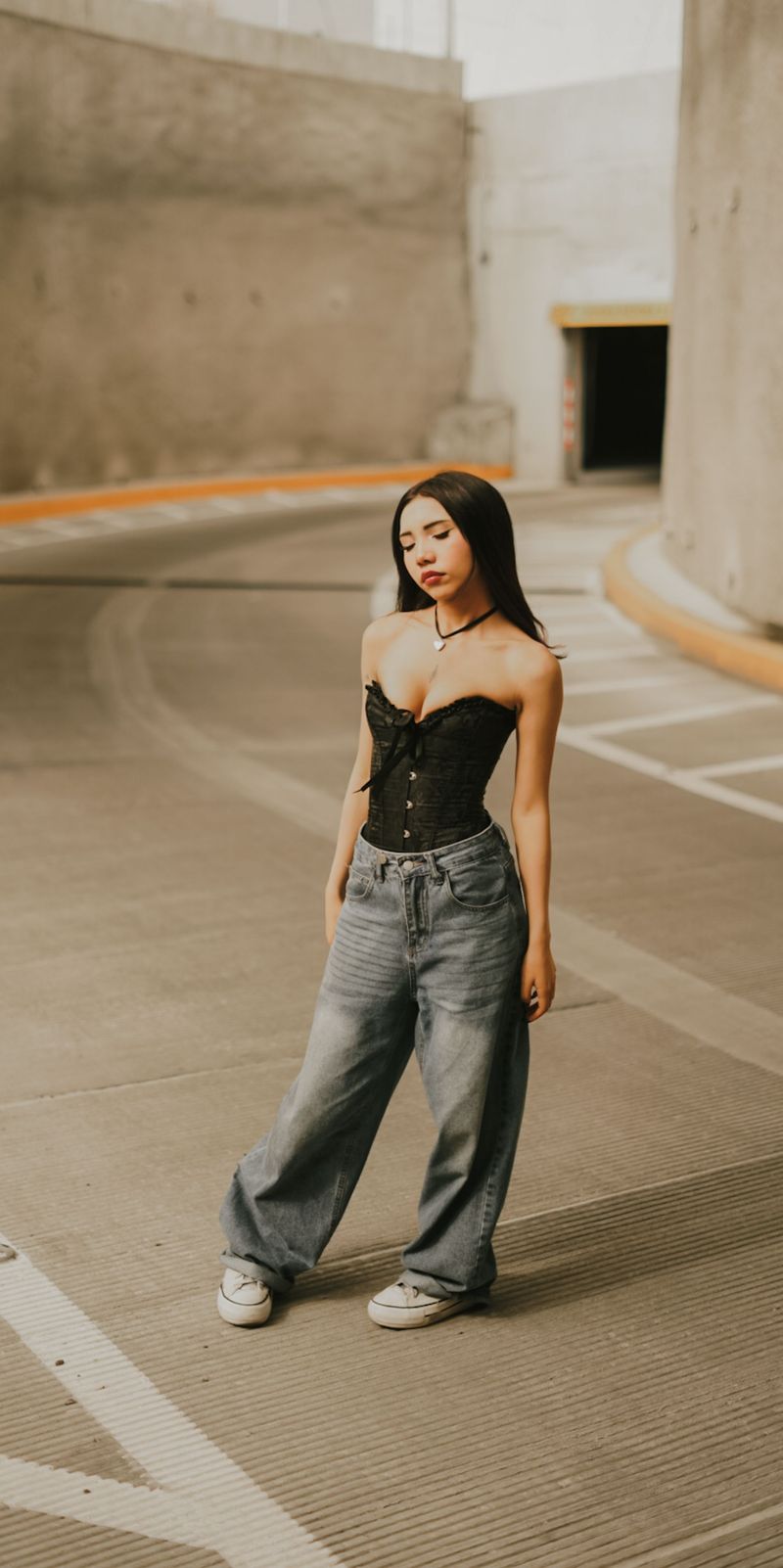
For centuries, the corset was a secret – hidden beneath layers of fabric, shaping the body away from public view.
Then fashion flipped the script.
By the 1980s and 1990s, designers like Jean Paul Gaultier brought corsets out from under clothing and placed them front and center as bold, unapologetic outerwear.
Madonna famously wore a cone-shaped corset on her 1990 Blond Ambition tour, turning the garment into a symbol of female power rather than restriction.
Suddenly, something once associated with control became a statement of confidence.
Today, corset tops remain a popular trend across streetwear and high fashion alike, proving that reinvention never goes out of style.
2. Platform Shoes
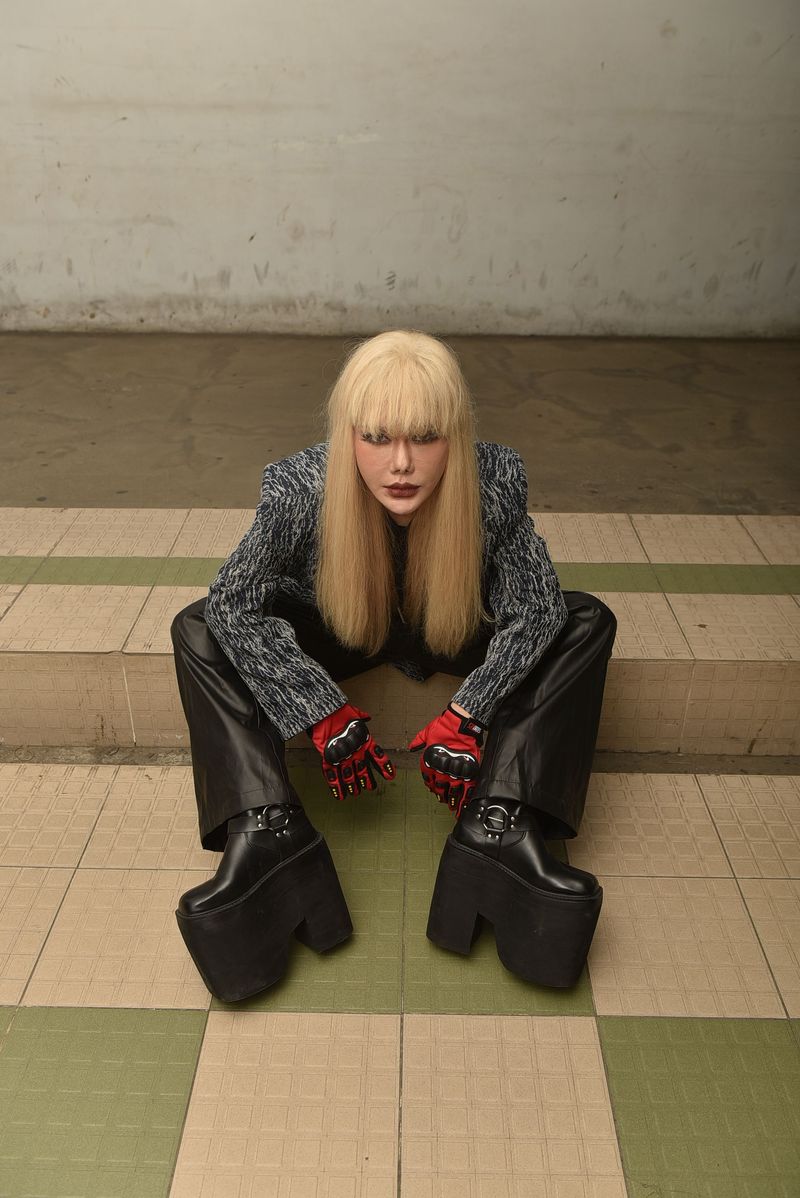
Few shoes have made people feel taller – literally and figuratively – quite like platforms.
With soles sometimes reaching several inches high, platform shoes became the footwear of choice during the 1970s disco era, worn by everyone from rock stars to everyday fashion lovers.
They were flashy, bold, and completely impractical in the best possible way.
What made platforms truly boundary-breaking was how they blurred gender lines.
Men and women alike stomped across dance floors in towering heels, challenging the idea that dramatic footwear belonged only to one gender.
Bands like KISS and ABBA made platforms iconic.
Today, chunky platform sneakers and boots remain a staple, carrying that same rebellious energy into modern closets.
3. Women Wearing Trousers
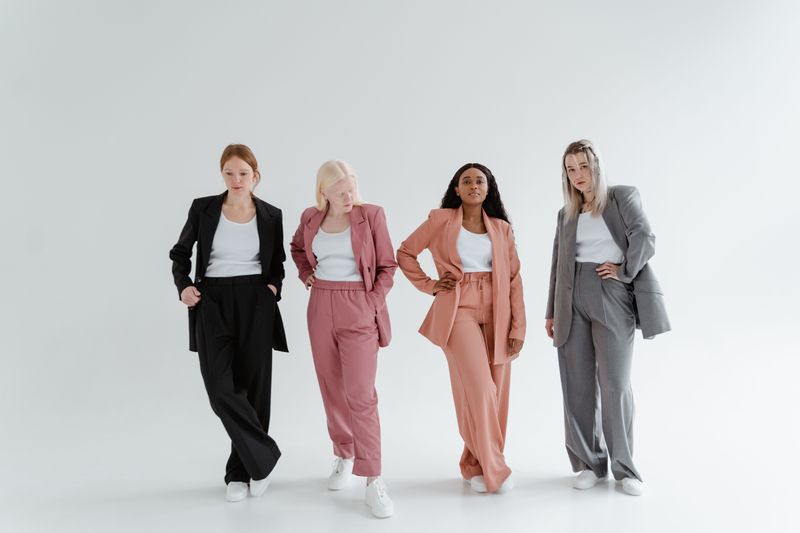
Hard to believe now, but there was a time when women wearing trousers was considered scandalous.
In the early 20th century, trousers were strictly “men’s clothing,” and women who wore them risked public disapproval – or even legal consequences in some places.
Actress Marlene Dietrich caused a stir in the 1930s simply by wearing tailored pants in public.
World War II changed everything.
As women entered factories and workplaces, practical trousers became necessary.
Designers like Coco Chanel helped make pants fashionable rather than just functional.
By the 1970s, pantsuits were a feminist statement.
Wearing trousers went from rebellion to routine, reshaping expectations about what women could and should wear in every area of life.
4. The Miniskirt Revolution
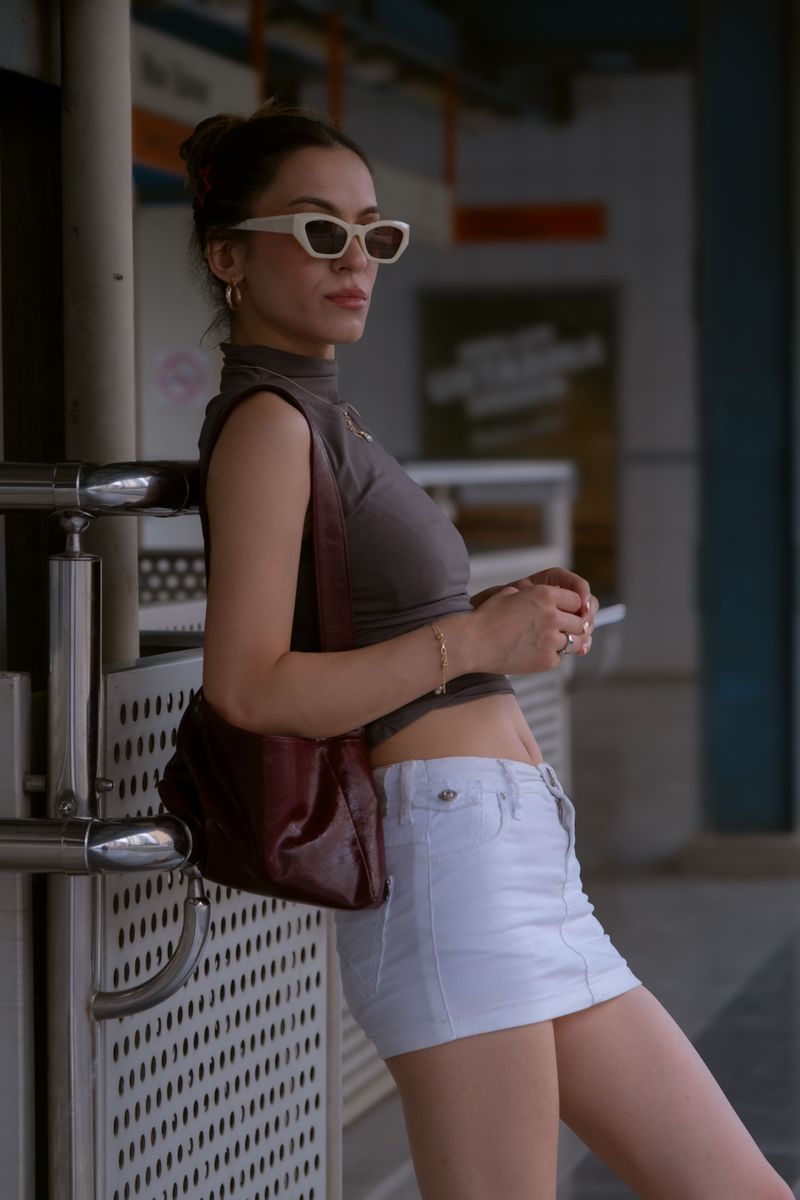
When designer Mary Quant introduced the miniskirt in the early 1960s, hemlines did not just rise – they sparked a cultural earthquake.
Skirts that stopped well above the knee were shocking to older generations who believed modesty meant covering up.
But for young women, the miniskirt was pure freedom, a way to say that they would dress exactly as they pleased.
Named after the designer’s favorite car, the Mini, the garment became a symbol of the swinging sixties and youth culture’s growing confidence.
It went hand in hand with the women’s liberation movement, representing bodily autonomy and independence.
Even today, the miniskirt remains a fashion staple that carries the spirit of that original, rule-breaking moment in every short hemline.
5. Androgynous Fashion
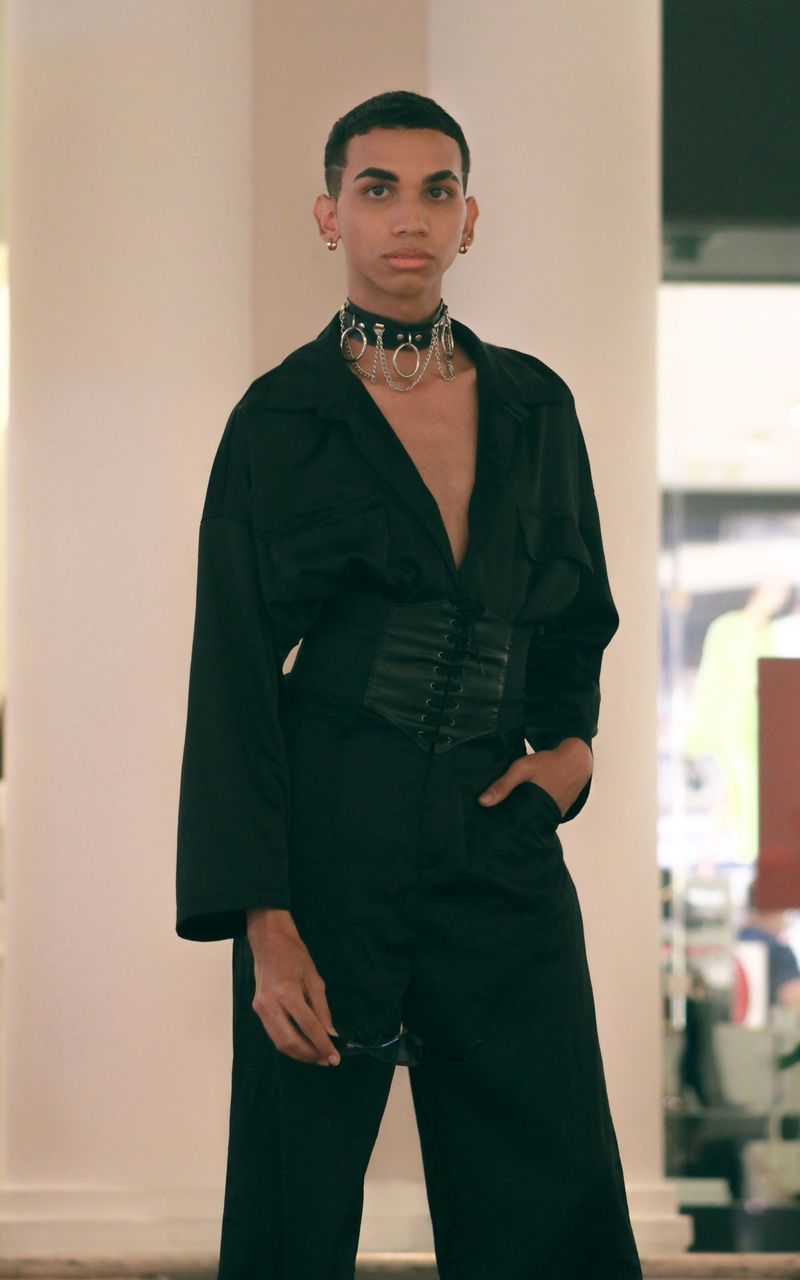
What happens when fashion refuses to choose a side?
Androgynous style answers that question beautifully.
Rooted in the idea that clothing does not belong to any one gender, androgynous fashion uses loose silhouettes, neutral tones, and tailored pieces to create looks that feel both sharp and open to interpretation.
Designers like Yves Saint Laurent pioneered this approach with his iconic Le Smoking tuxedo suit for women in 1966.
Musicians like David Bowie and Grace Jones took androgyny even further, making it theatrical and deeply personal.
Today, gender-neutral collections from major fashion houses reflect a growing understanding that style is about self-expression, not rules.
Androgynous fashion did not erase gender – it simply stopped letting gender erase creativity.
6. Punk Fashion
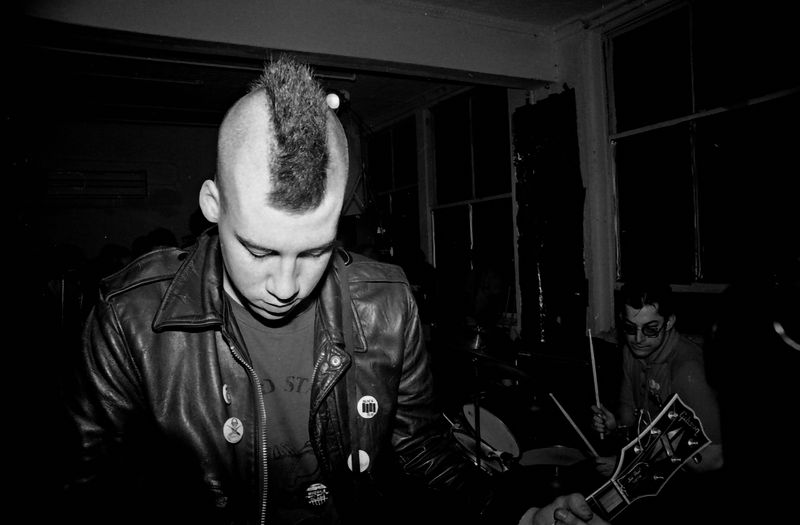
Punk fashion did not ask for permission – it arrived like a ripped seam, raw and intentional.
Emerging from the mid-1970s music scene in Britain and the United States, punk style was a deliberate rejection of everything polished and mainstream.
Safety pins held torn shirts together.
Leather jackets were covered in studs.
Hair was dyed and spiked.
Nothing was accidental.
Designer Vivienne Westwood became punk fashion’s most famous architect, selling provocative clothing from her London shop that challenged both fashion norms and political authority.
The DIY spirit of punk meant anyone could participate – you did not need money, just attitude.
That anti-establishment energy still influences streetwear, music fashion, and counterculture aesthetics around the world today.
7. Men in Skirts and Dresses
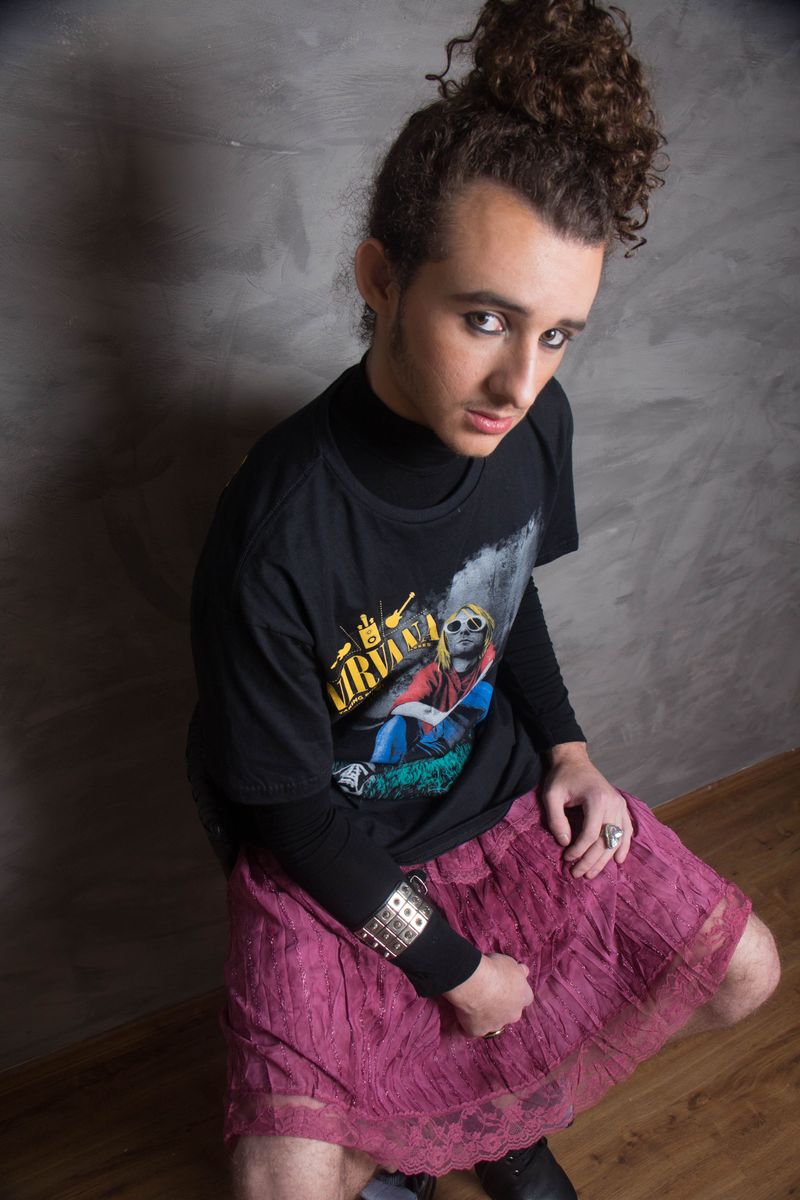
Skirts have not always been exclusively female – ancient Greek men wore tunics, Scottish men have long worn kilts, and many cultures worldwide use draped garments for all genders.
But in modern Western fashion, the idea of men wearing skirts remained taboo for decades.
That changed gradually as designers and performers began challenging the assumption head-on.
Marc Jacobs, Billy Porter, and Harry Styles have all appeared publicly in skirts or dresses, sparking both admiration and debate.
Runway collections from designers like Thom Browne and Comme des Garcons regularly feature skirts in menswear.
Each public appearance chips away at the notion that a piece of fabric has a gender.
Fashion is slowly, confidently proving that skirts belong to everyone.
8. Sheer and Transparent Clothing
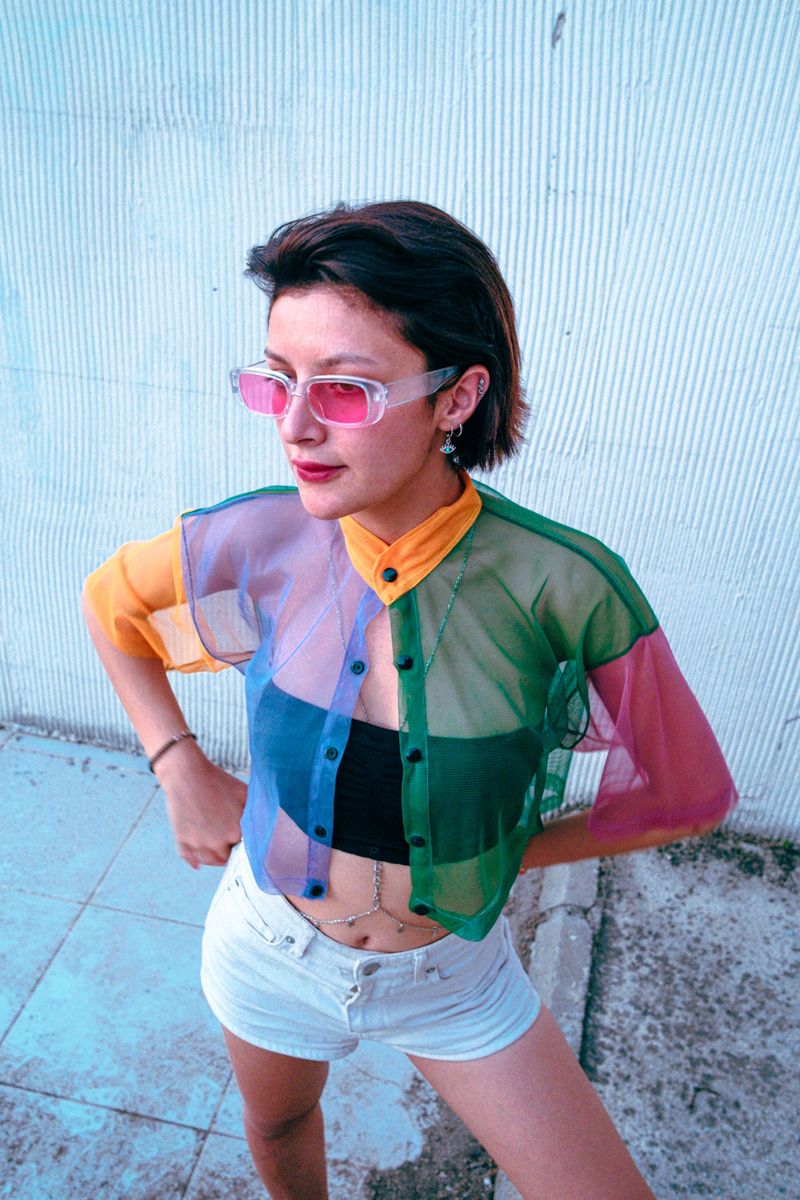
Transparency in fashion is not a new idea, but it has always been a provocative one.
Sheer fabrics – chiffon, organza, mesh, and lace – have appeared throughout fashion history, but wearing them in ways that reveal skin or undergarments was long considered scandalous.
Today, sheer clothing appears on red carpets, runways, and city streets with confidence and artistry.
Celebrities like Rihanna and Jennifer Lopez have worn jaw-dropping transparent gowns that redefined glamour.
High fashion designers including Alexander McQueen and Valentino have used sheer panels to create garments that feel both delicate and daring.
What was once considered too revealing is now celebrated as sophisticated and empowering.
Sheer fashion transformed visibility from something to hide into something worth celebrating.
9. Underwear as Outerwear
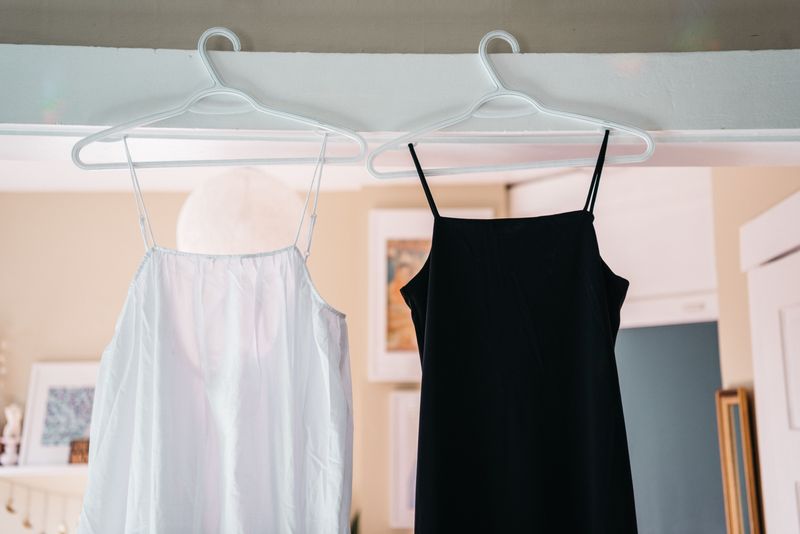
Slips were meant to stay hidden.
Bras were private.
Bodysuits and corsetry belonged behind closed doors.
Then fashion decided the most intimate garments deserved their moment in the spotlight.
The underwear-as-outerwear trend gained momentum in the 1990s, with slip dresses becoming a defining look of the decade.
Worn with chunky boots or strappy heels, they felt effortlessly cool.
Madonna helped launch the trend earlier in the 1980s by layering lacy bralettes over street clothes.
Later, designers like Calvin Klein and Dolce and Gabbana made lingerie-inspired pieces central to their collections.
The trend continues today with bralette tops, corset belts, and bodysuit styling appearing everywhere.
Underwear as outerwear is fashion’s way of saying the private can be powerfully public.
10. Oversized Silhouettes
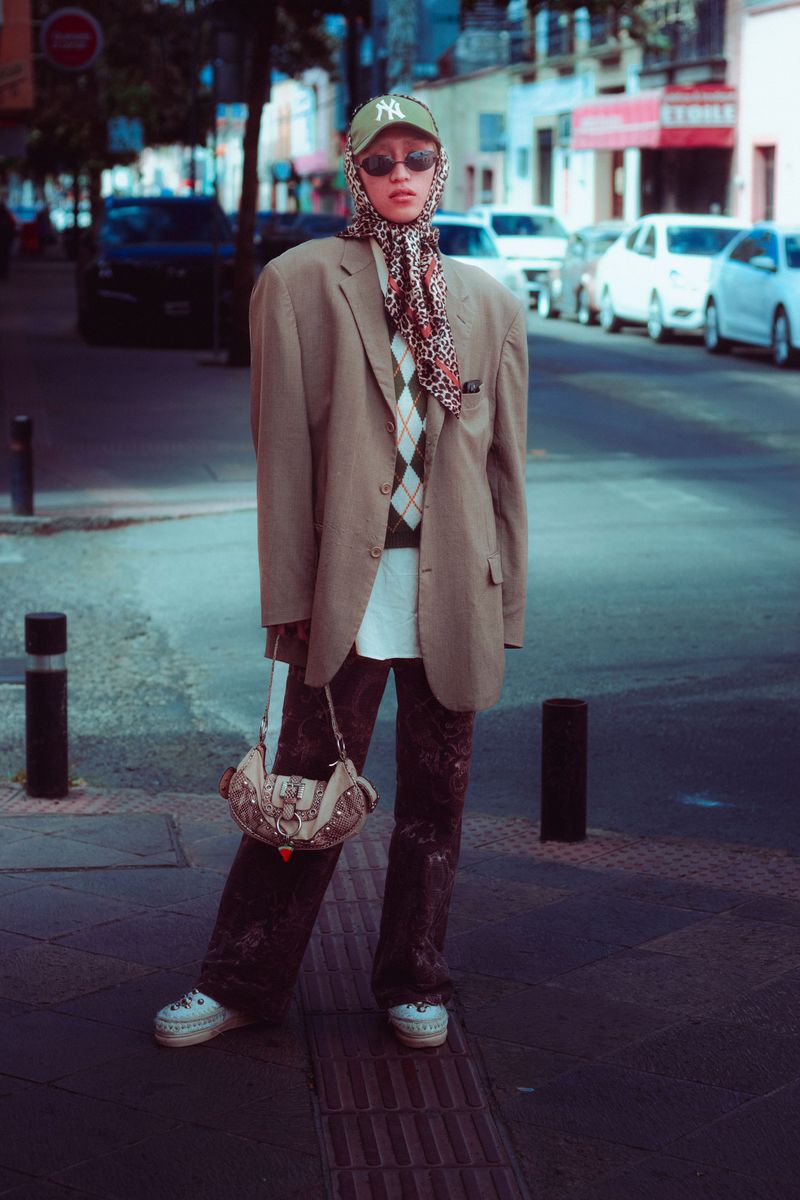
Bigger is not always better – except in fashion, where oversized silhouettes have repeatedly proven that volume can be its own kind of power.
The 1980s brought massive shoulder pads that gave blazers an almost architectural shape.
Then the 1990s hip-hop scene introduced baggy jeans and oversized hoodies that rejected fitted ideals entirely.
Each wave of oversized fashion carried its own cultural meaning.
Designers like Balenciaga and Comme des Garcons have made exaggerated proportions a signature of their aesthetic, turning shapeless into striking.
Oversized clothing also challenged the fashion industry’s obsession with showing off the body’s shape.
Wearing something big became a statement about comfort, confidence, and creative freedom.
Today, the relaxed, roomy silhouette is firmly established as a modern wardrobe essential.
11. Goth Fashion
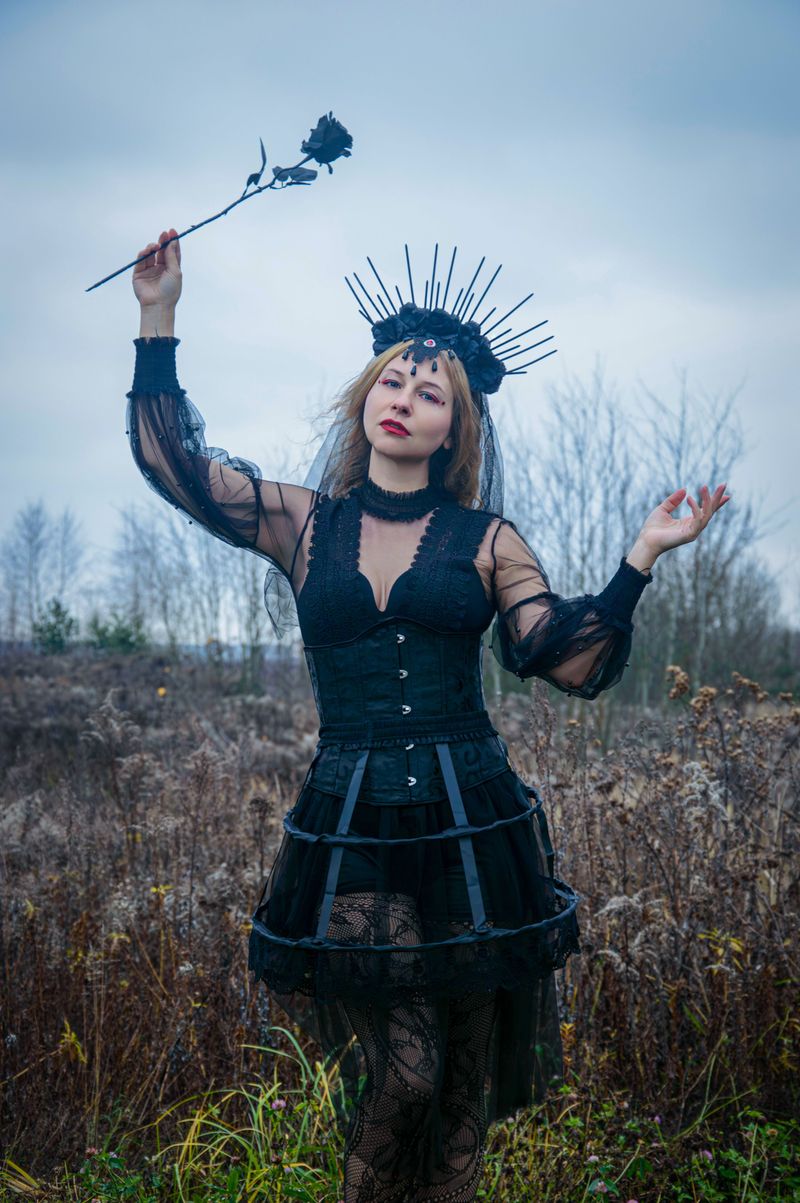
Black has always been a color of mystery, and goth fashion leaned into that fully.
Emerging from the post-punk music scene of the late 1970s and early 1980s, goth style combined Victorian-inspired corsetry, flowing lace, heavy boots, and dramatic makeup into a look that celebrated darkness as beauty.
Bands like Siouxsie and the Banshees and The Cure gave goth its soundtrack and its aesthetic.
Goth fashion did not just look different – it thought differently.
It found beauty in things mainstream culture labeled morbid or strange.
Black lipstick, pale foundation, and dramatic eyeliner became a form of artistic self-expression.
High fashion eventually caught up, with designers like Alexander McQueen drawing heavily from gothic imagery.
Goth proved that beauty does not have to be bright to be breathtaking.
12. Grunge Fashion
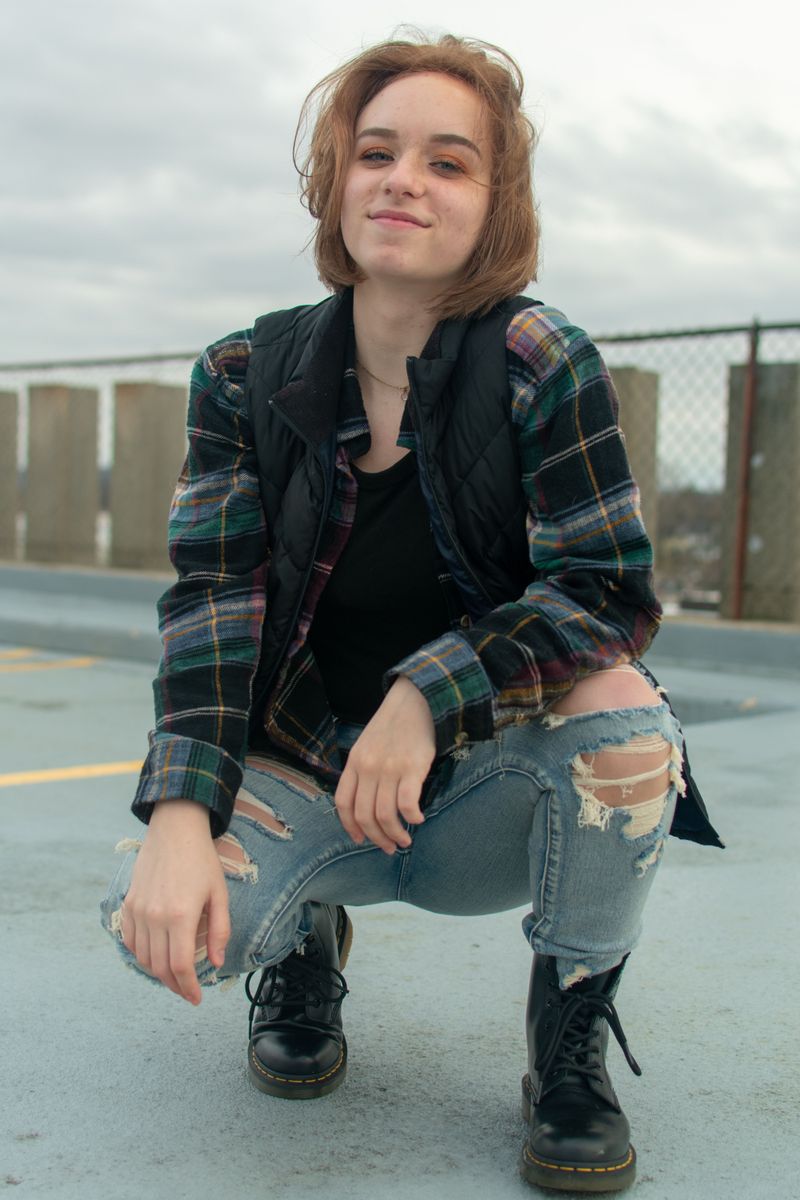
Grunge fashion did not try to impress anyone – and that was exactly the point.
Born from the Seattle music scene of the late 1980s and early 1990s, grunge style was the opposite of the polished, logo-heavy fashion that dominated the era.
Flannel shirts worn open over band tees, ripped jeans, and scuffed combat boots said loudly: we do not care about looking expensive.
Kurt Cobain and Courtney Love became accidental style icons, wearing thrift-store finds and vintage pieces that felt authentically worn.
Fashion houses like Marc Jacobs famously brought grunge to the runway in 1993, sparking debate about whether high fashion could ever truly capture anti-fashion.
Grunge’s legacy lives on in every deliberately distressed denim jacket and oversized flannel shirt worn today.
13. Gender-Fluid Tailoring
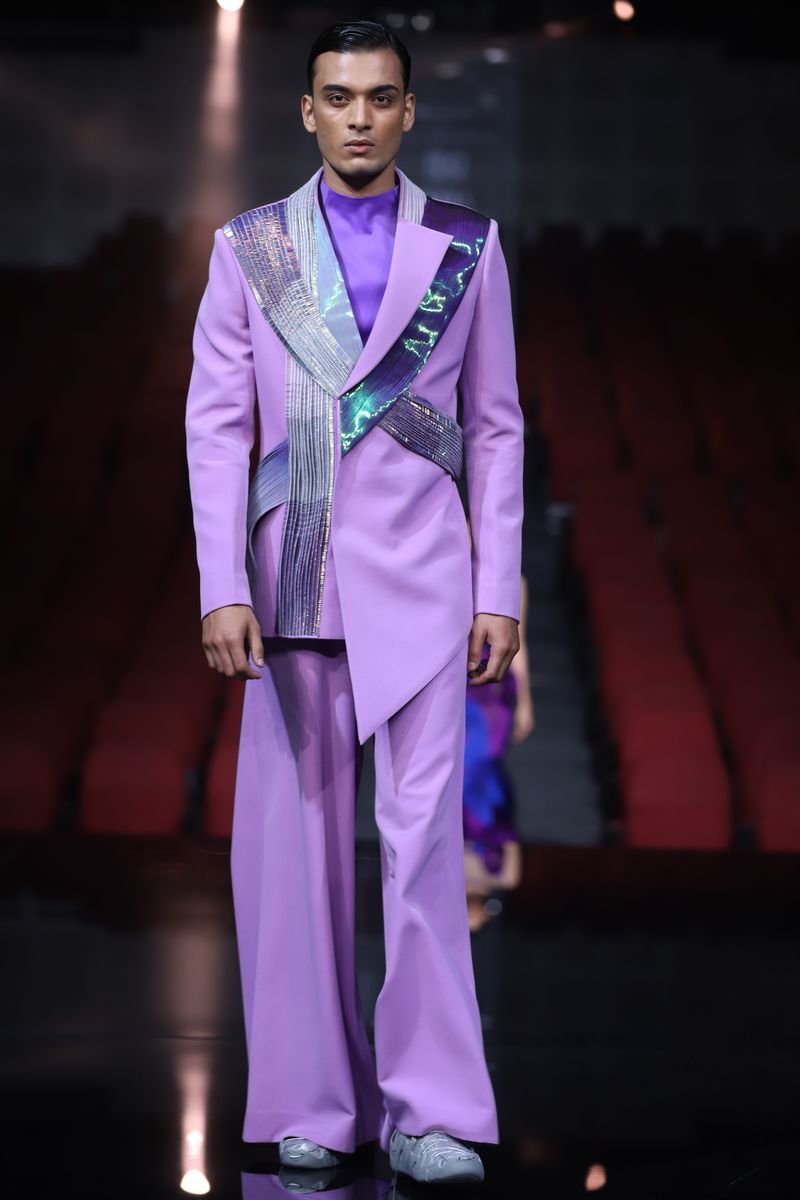
The suit has long been one of fashion’s most loaded garments.
For over a century, it signaled masculinity, authority, and professionalism – and it was cut specifically for male bodies.
Gender-fluid tailoring challenges all of that by redesigning suits without assumptions about who will wear them or what shape that person might have.
The result is clothing that fits people, not categories.
Brands like Thom Browne, Stella McCartney, and newer gender-neutral labels have reimagined tailoring with softer construction, relaxed fits, and styling that works across a spectrum of bodies.
Celebrities like Janelle Monae and Billy Porter have made gender-fluid suits red carpet staples.
The movement signals a broader shift in fashion toward designing for identity rather than enforcing it through clothing.
14. Deconstructed Clothing
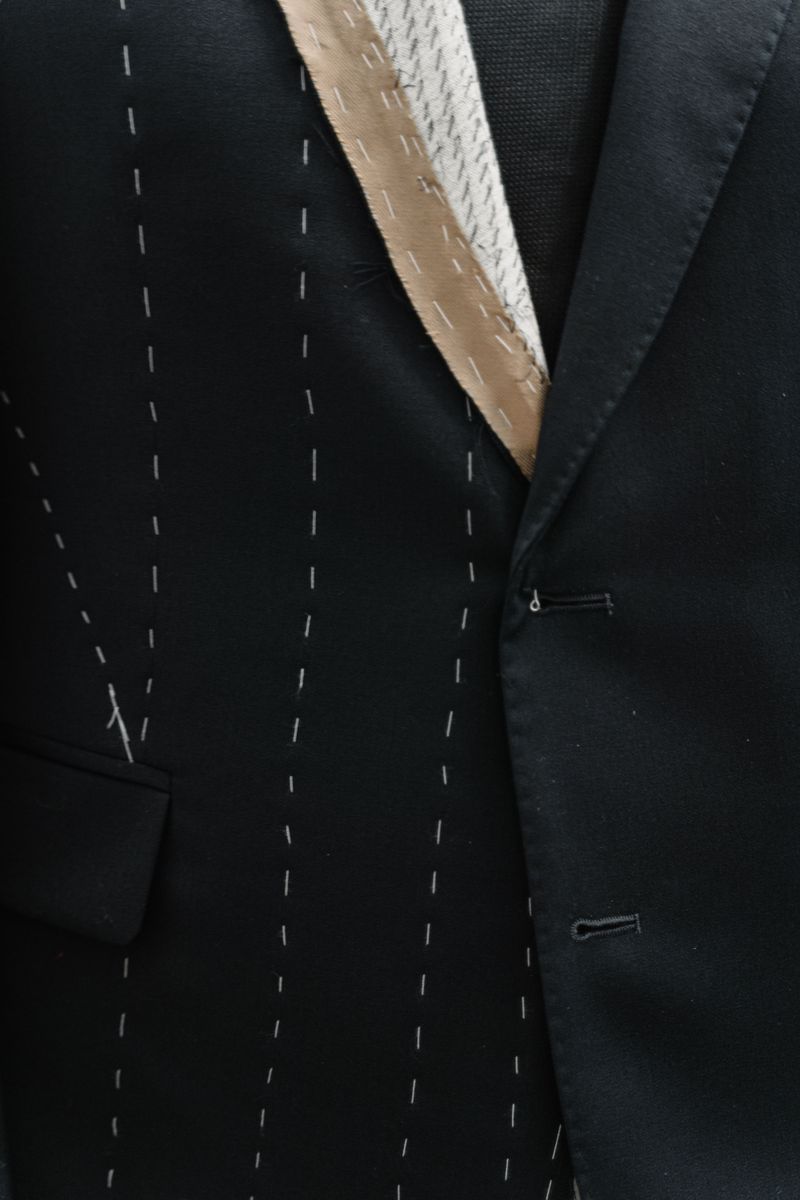
What if a garment looked deliberately unfinished – and that was the whole idea?
Deconstructed fashion turns traditional tailoring inside out, literally.
Exposed seams, raw hems, asymmetrical cuts, and visible construction details become design features rather than flaws.
Belgian designer Martin Margiela is widely credited with bringing deconstruction into high fashion during the late 1980s and 1990s, creating clothes that looked taken apart and reassembled on purpose.
Deconstruction challenged the idea that fashion must always appear neat, complete, and polished.
By showing how clothing is made, these garments made a philosophical point: beauty lives in the process, not just the finished product.
Today, deconstructed aesthetics appear across luxury fashion and streetwear, proving that imperfection, when intentional, can be the most sophisticated statement of all.
15. Extreme Footwear
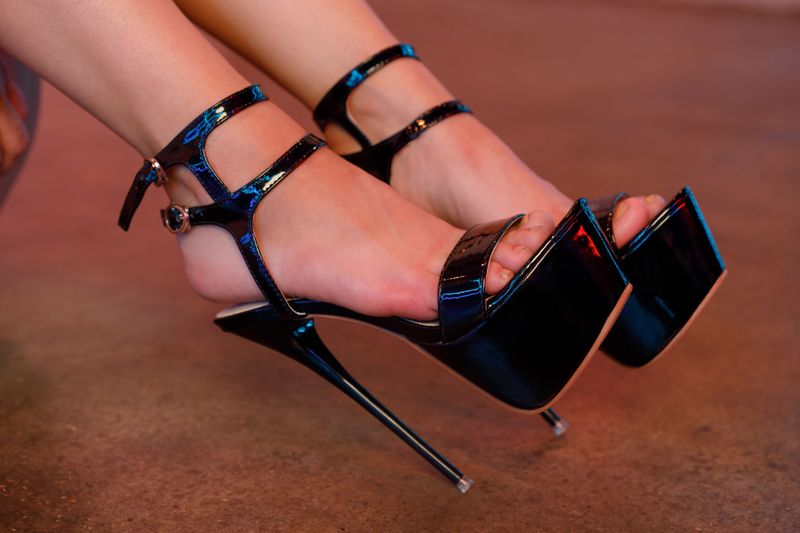
Some shoes are built for walking.
Extreme footwear is built for conversation.
From Alexander McQueen’s legendary “Armadillo” shoes – towering 12-inch platforms that looked more like sculpture than footwear – to Lady Gaga’s gravity-defying heels, extreme shoes have repeatedly tested the boundary between fashion and art.
They are not always practical, but practicality was never the point.
Extreme footwear transforms the shoe from a functional object into a statement about creativity, provocation, and the limits of design.
Designers like Iris van Herpen and Christian Louboutin have created heels that look structurally impossible yet are worn on real people.
Every pair of extreme shoes asks the same question: how far can fashion push before it becomes something else entirely?
The answer, apparently, is always further.