 MomSkoop
Few movie genres keep you on the edge of your seat quite like a well-made serial killer thriller. These films combine suspense, psychology, and storytelling in ways that are hard to forget.
Whether they are based on real events or pure fiction, the best ones make you think long after the credits roll. Here are 14 serial killer movies that have stood the test of time and are absolutely worth watching.
1. Zodiac (2007)
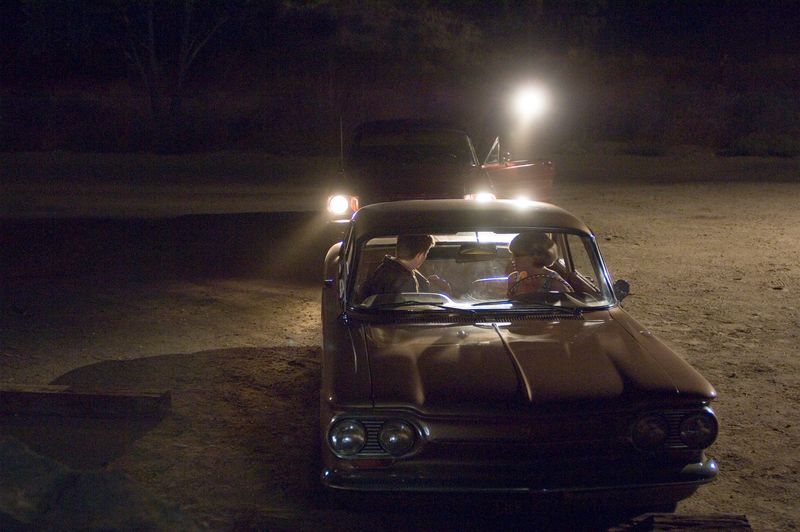
David Fincher spent years researching the real Zodiac Killer case before making this film, and that obsession shows in every frame.
Zodiac is less about jump scares and more about the slow, maddening grind of an unsolved investigation.
It follows journalists and detectives who pour their lives into catching a killer who may never be found.
Jake Gyllenhaal, Mark Ruffalo, and Robert Downey Jr. all deliver standout performances that feel grounded and real.
The film is long, detailed, and deliberately paced, which actually makes it more unsettling.
When a movie makes you feel the weight of an unsolved case, it has done something truly special.
2. Se7en (1995)
What is in the box?
Even if you already know the answer, the final act of Se7en hits like a freight train every single time.
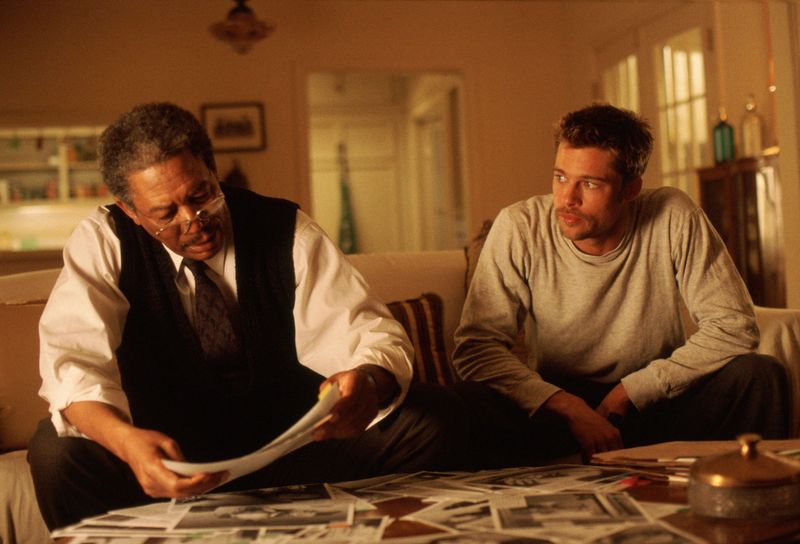
Directed by David Fincher, this film follows two detectives played by Brad Pitt and Morgan Freeman as they chase a killer using the seven deadly sins as his blueprint for murder.
The visuals are grimy, the pacing is relentless, and the ending is one of the most discussed in cinema history.
Freeman plays the weary veteran detective with quiet authority, while Pitt brings raw, emotional energy to his younger partner.
Together, they make an unforgettable team facing an unforgettable villain.
3. The Silence of the Lambs (1991)
Winning all five major Academy Awards is almost impossible, but The Silence of the Lambs pulled it off.
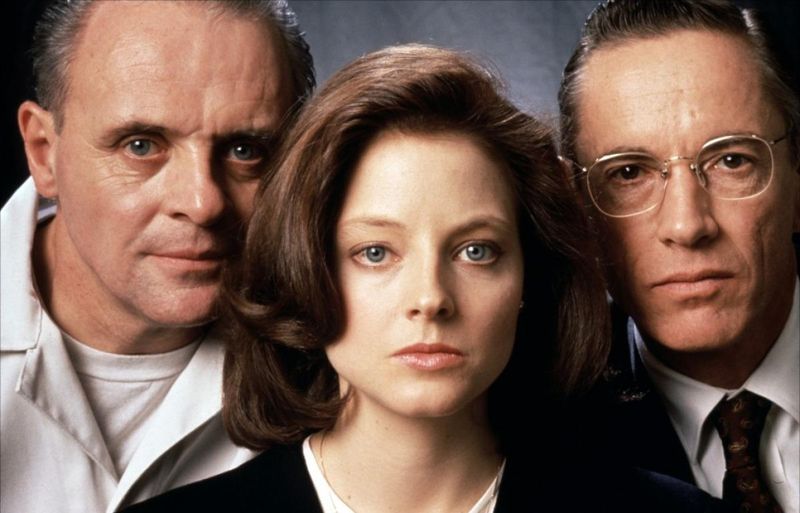
Jodie Foster plays Clarice Starling, a sharp but inexperienced FBI trainee who must interview the brilliant and terrifying Dr. Hannibal Lecter to track down another killer known as Buffalo Bill.
Anthony Hopkins plays Lecter in only about 16 minutes of screen time, yet he dominates the entire film.
The conversations between Clarice and Lecter are electric, layered with manipulation, psychology, and dark humor.
Jonathan Demme directs with confidence, using tight close-ups and unsettling silence to build dread.
Few films have balanced smart storytelling with genuine horror this effectively.
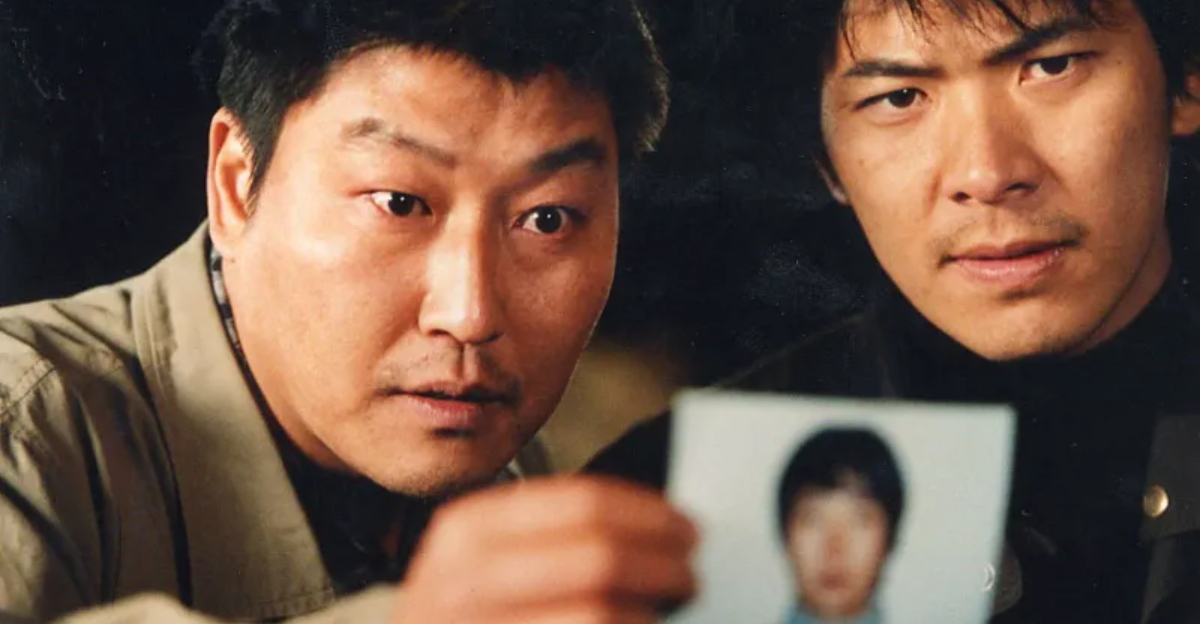
4. Memories of Murder (2003)
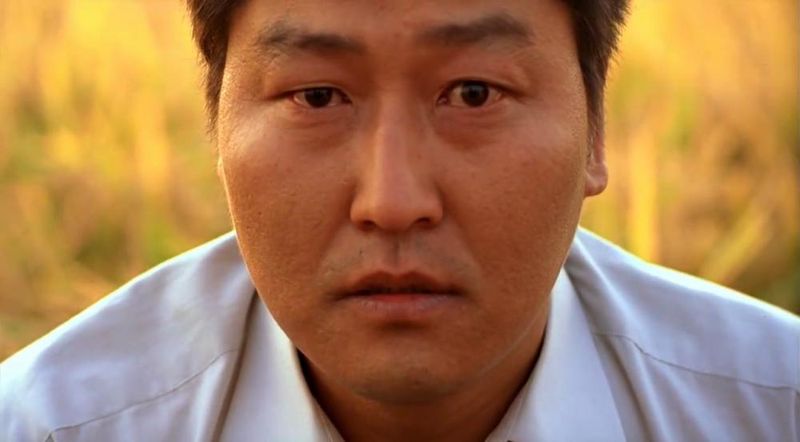
Before Bong Joon-ho won the Oscar for Parasite, he made this masterpiece about South Korea’s first known serial murders.
Memories of Murder is based on the real Hwaseong murders, which went unsolved for decades, and it uses that real-world frustration to fuel its story.
Two very different detectives, one rough-and-instinct-driven and one methodical and calm, clash constantly while chasing a ghost.
The film is remarkable because it blends dark comedy with genuine tragedy without ever feeling off-balance.
Bong captures how institutions fail ordinary people, and how desperate investigators become when answers never arrive.
The final scene, quiet and haunting, is one of the most powerful endings in modern crime cinema.
This one lingers.
5. Manhunter (1986)
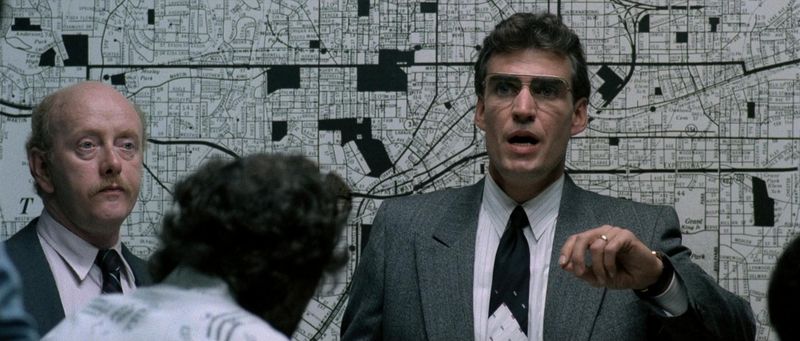
Long before Hannibal Lecter became a pop culture icon, Michael Mann introduced him, spelled Lecktor here, in this sleek, stylish thriller from 1986.
Manhunter follows Will Graham, a retired FBI profiler who must crawl back into a killer’s mindset to catch a new predator called the Tooth Fairy.
Brian Cox plays Lecktor with cold, clinical menace.
Michael Mann shoots everything with a cool, almost dreamlike visual style that feels completely unique.
Synth-heavy music, pastel colors, and long silences make Manhunter feel like no other crime film of its era.
William Petersen is excellent as Graham, a man haunted by his own ability to think like a monster.
It holds up beautifully.
6. The Vanishing (1988)
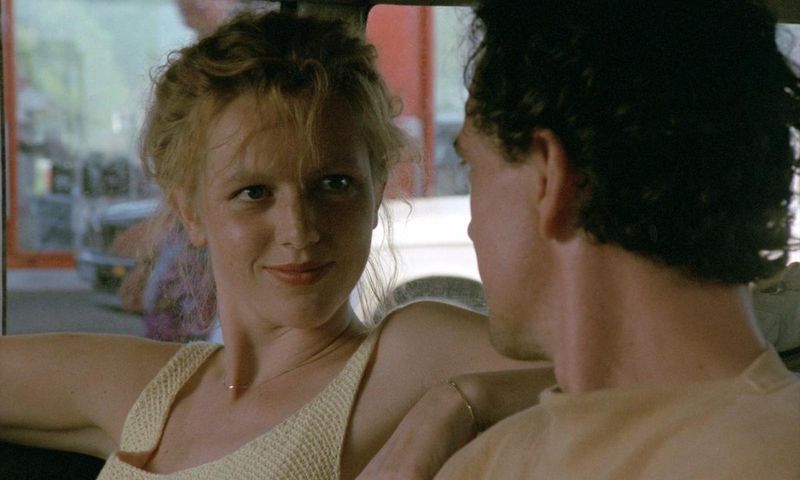
George Sluizer’s Dutch-French thriller is one of the most quietly devastating films ever made about obsession and loss.
A man’s girlfriend disappears at a highway rest stop, and instead of moving on, he spends years consumed by one burning question: what exactly happened to her?
The Vanishing refuses to follow normal thriller rules.
Rather than hiding the killer’s identity, the film shows you exactly who he is fairly early on.
That choice makes everything more disturbing, not less.
You watch two parallel stories unfold, one of grief, one of cold calculation, until they crash together in an ending that is genuinely shocking.
Avoid the 1993 American remake at all costs and watch the original Dutch version instead.
7. Henry: Portrait of a Serial Killer (1986)
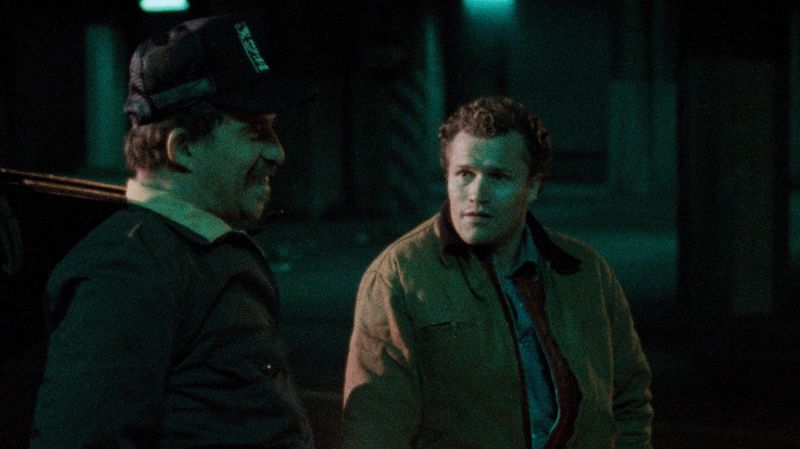
Uncomfortable, raw, and deeply unsettling, Henry: Portrait of a Serial Killer is not an easy watch.
Made on a tiny budget and largely improvised in feel, the film follows Henry, loosely based on real killer Henry Lee Lucas, as he drifts through life committing murders without guilt or emotion.
Michael Rooker’s performance is chilling precisely because Henry seems so ordinary.
Director John McNaughton strips away all the thriller movie glamour.
There is no tense music, no clever detective, and no satisfying resolution.
Henry feels almost like a documentary at times, which is exactly what makes it so effective and so disturbing.
It challenges viewers to sit with discomfort rather than offering any reassuring narrative closure.
8. Copycat (1995)
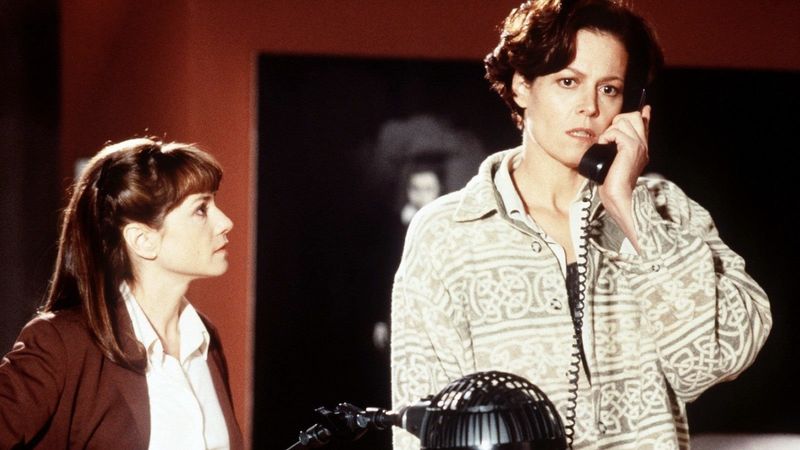
Copycat came out the same year as Se7en and got somewhat overshadowed, but it deserves a lot more credit than it typically receives.
Sigourney Weaver plays Dr. Helen Hudson, a criminal psychologist with severe agoraphobia who must help a detective, played by Holly Hunter, catch a killer who is recreating the crimes of famous serial murderers in sequence.
The concept is clever, and both lead actresses bring serious depth to their roles.
Weaver is particularly compelling, playing a woman who is both an expert on killers and genuinely terrified of one targeting her.
The film balances procedural detail with real psychological tension.
For fans of smart, character-driven thrillers from the 1990s, Copycat is an underrated gem worth revisiting.
9. American Psycho (2000)
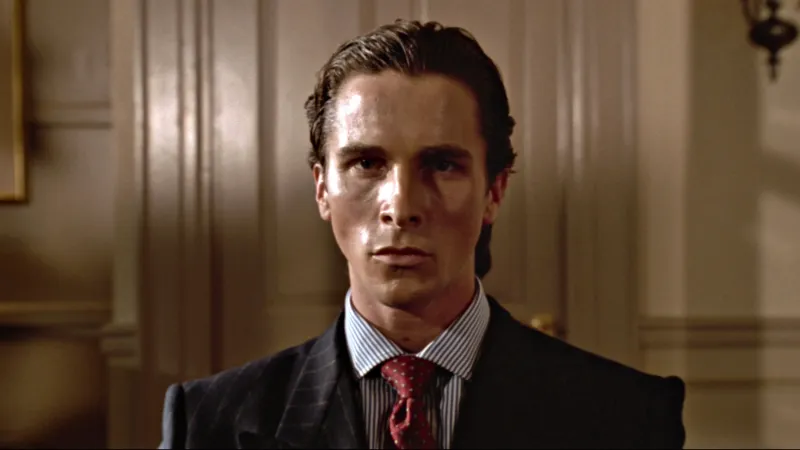
Patrick Bateman might be the most quotable movie villain of the 2000s.
Christian Bale plays him with terrifying commitment, a wealthy Wall Street banker obsessed with status, business cards, and murder.
Mary Harron directs this adaptation of Bret Easton Ellis’s novel as a sharp, darkly funny satire of 1980s yuppie culture and unchecked male ego.
What makes American Psycho fascinating is how deliberately ambiguous it remains about what is real and what is fantasy.
Bateman’s violence may be literal or it may be a metaphor for capitalist cruelty.
Either reading works.
Bale’s performance is electric, moving between charm, vanity, and terrifying rage without missing a beat.
Few films skewer wealth and masculinity with this much wit and menace.
10. Frailty (2001)
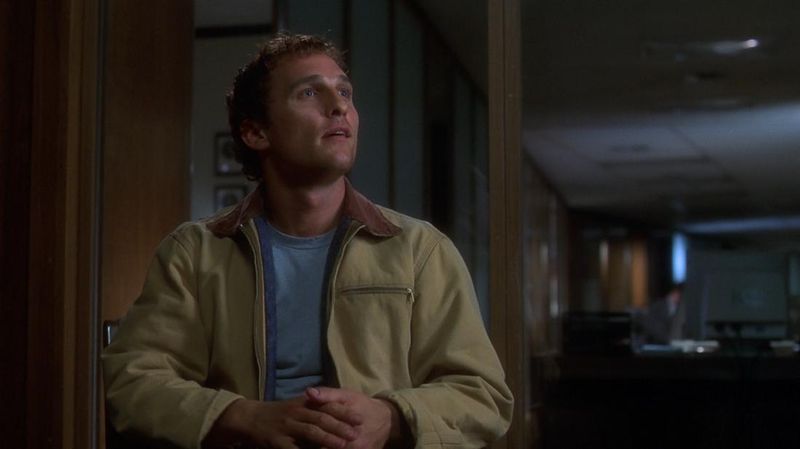
The story is told in flashback as a man recounts to an FBI agent how his father became convinced that God had commanded him to destroy demons disguised as humans.
The father is not ranting or wild-eyed.
He is calm, loving, and absolutely certain.
That calmness is what makes the film so deeply unsettling.
Paxton plays the father as a man of genuine faith, which forces the audience to sit with a deeply uncomfortable question about belief and violence.
The ending pulls the rug out in a way that rewards patient viewers.
Frailty is quiet, confident, and genuinely disturbing.
11. The Clovehitch Killer (2018)
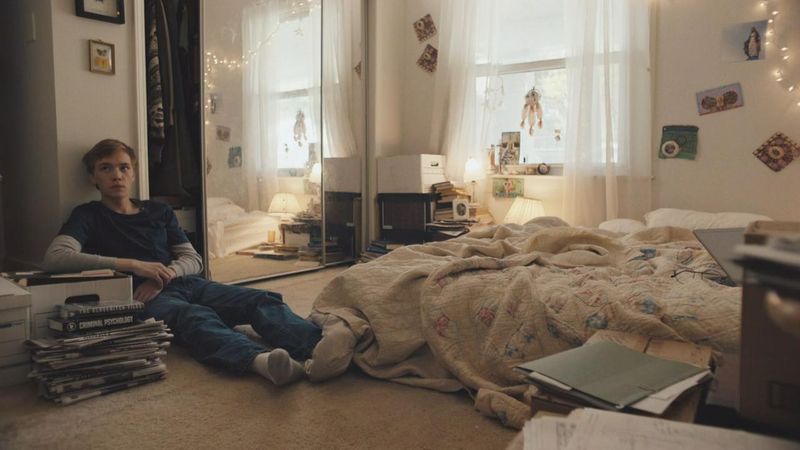
What if your dad turned out to be a monster?
The Clovehitch Killer builds its entire premise around that deeply personal horror.
A teenage boy in a tight-knit, religious small town starts finding disturbing evidence that his perfectly normal, well-liked father might be responsible for a series of unsolved murders from years earlier.
Dylan McDermott plays the father with unnerving ordinariness, never tipping too far into obvious villainy.
Director Duncan Skiles keeps the pacing slow and deliberate, more interested in the boy’s emotional turmoil than in graphic violence.
The film earns its tension honestly, through character and dread rather than shock tactics.
For viewers who prefer psychological weight over gore, The Clovehitch Killer is quietly one of the best genre films of recent years.
12. The House That Jack Built (2018)
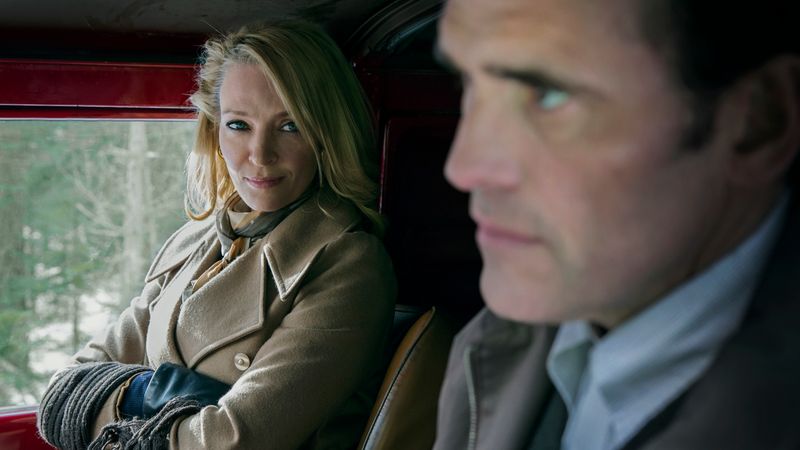
Lars von Trier is not a filmmaker who makes things easy for his audience, and The House That Jack Built is no exception.
Matt Dillon plays Jack, a serial killer who narrates five incidents from his life with disturbing self-satisfaction, treating his murders as a form of artistic expression.
The film is deliberately provocative, darkly comic, and at times extremely hard to watch.
Von Trier uses Jack’s story to explore ideas about art, destruction, and human nature in ways that are genuinely thought-provoking even when they are uncomfortable.
Dillon gives the performance of his career, making Jack oddly compelling without ever letting viewers forget how monstrous he is.
This is not entertainment for everyone, but for patient viewers, it is unforgettable.
13. The Good Nurse (2022)
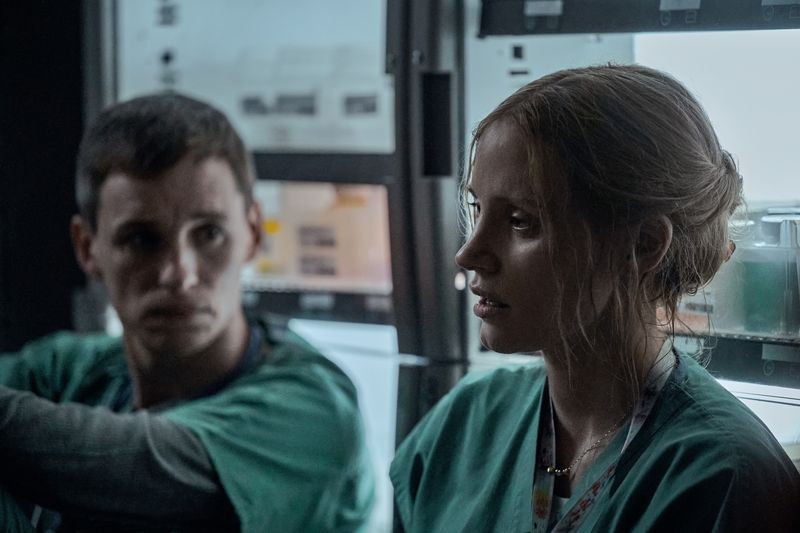
Based on the true story of Charles Cullen, a nurse believed to be one of the most prolific serial killers in American history, The Good Nurse takes a refreshingly restrained approach to its dark subject matter.
Eddie Redmayne plays Cullen with quiet intensity, while Jessica Chastain is remarkable as his colleague and friend Amy Loughren, who eventually helps investigators build a case against him.
The film focuses less on the murders themselves and more on the complex relationship between Amy and Charles.
That choice pays off, creating a film that is genuinely moving and emotionally complex rather than sensational.
Director Tobias Lindholm brings the same measured, humanist style he used in his earlier work.
The Good Nurse respects its true story without exploiting it.
14. The Killer Inside Me (2010)
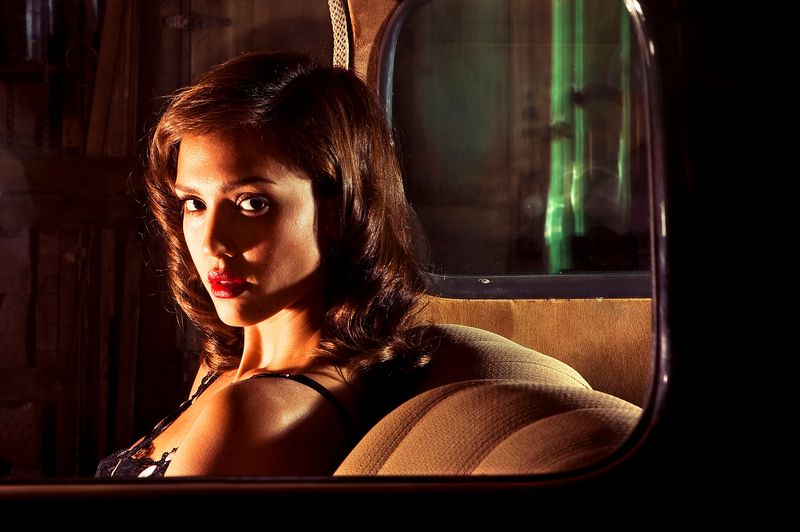
Jim Thompson’s 1952 novel is one of the darkest pieces of American crime fiction ever written, and Michael Winterbottom’s film adaptation does not soften a single edge.
Casey Affleck plays Lou Ford, a soft-spoken, well-mannered small-town deputy in 1950s Texas who harbors a violent, murderous inner life that eventually erupts with brutal force.
Affleck’s performance is one of the most chilling in recent memory precisely because Lou is so pleasant on the surface.
The film is not an easy watch, and its depictions of violence are stark and deliberate.
Winterbottom wants you to feel the dissonance between Lou’s charming exterior and his true nature.
For viewers who appreciate challenging, uncompromising crime cinema, The Killer Inside Me delivers exactly that.