 MomSkoop
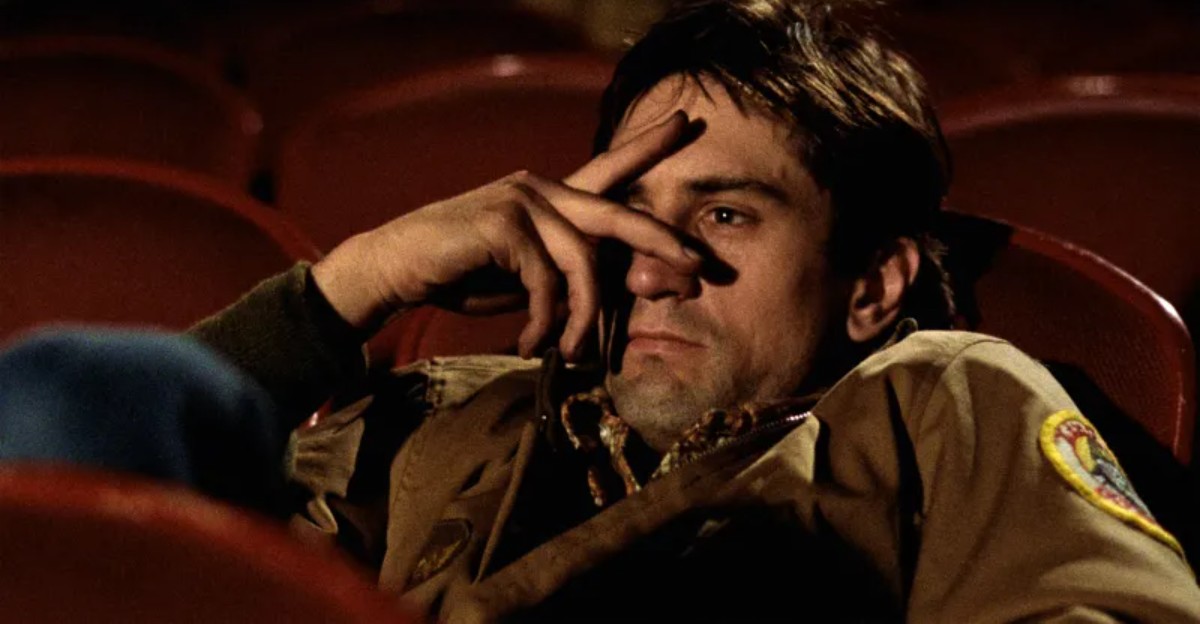
Some of the best movies ever made are celebrating their 50th birthdays, and they still pack a serious punch. Films from the mid-1970s and late 1970s tackled big ideas, told gripping stories, and created characters people never forgot.
Whether you love action, horror, comedy, or drama, there is something from this era that can grab your attention and hold it. Get ready to discover why these classics have stood the test of time.
1. Jaws (1975)
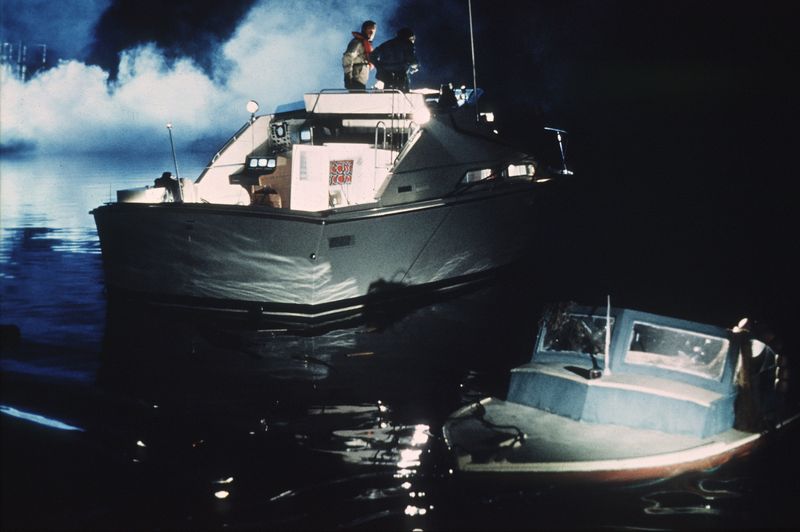
Before roller coasters of fear became a Hollywood formula, one film changed the game forever.
“Jaws” turned a simple beach vacation into the stuff of nightmares, making audiences genuinely afraid to go into the water.
Steven Spielberg built tension so masterfully that you barely see the shark for most of the movie, and somehow that makes it scarier.
The trio of characters, a police chief, a marine biologist, and a grizzled shark hunter, carry the film with real chemistry and wit.
Their banter keeps things from feeling too grim.
For a modern viewer who loves suspense, “Jaws” delivers thrills that big-budget blockbusters still struggle to match today.
2. One Flew Over the Cuckoo’s Nest (1975)
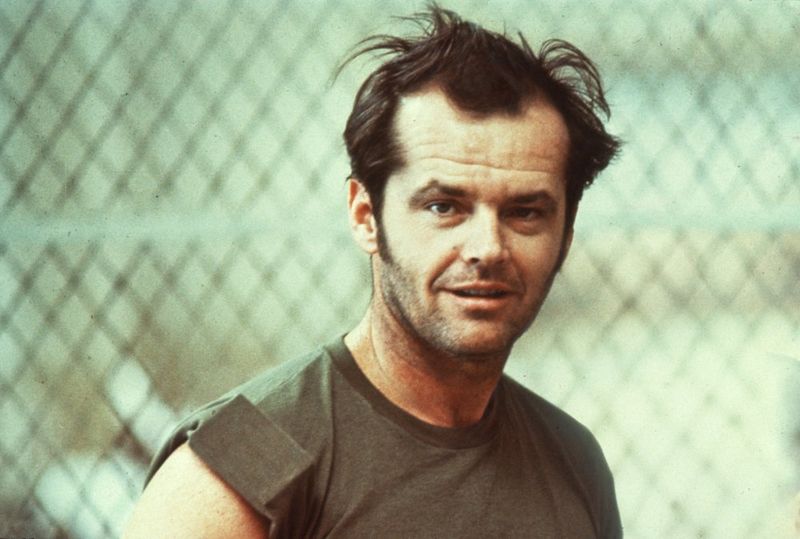
Jack Nicholson walks into a mental institution and immediately starts shaking things up, and watching him do it never gets old.
His performance as Randle McMurphy is electric, funny, heartbreaking, and completely unforgettable.
The film asks big questions about who gets to decide what “normal” means and who holds power over others.
Nurse Ratched became one of cinema’s most chilling villains, not because she screams or threatens, but because she smiles and controls.
The contrast between her cold authority and McMurphy’s wild freedom drives every scene.
Students, teachers, and anyone who has ever felt boxed in by rules will find something deeply personal in this powerful story.
3. Dog Day Afternoon (1975)
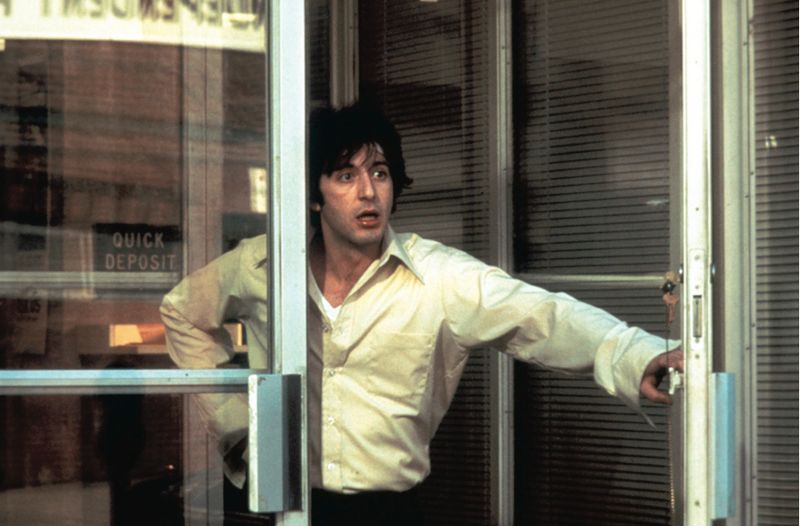
Based on a real bank robbery that went spectacularly wrong, “Dog Day Afternoon” is one of those films where truth really is stranger than fiction.
Al Pacino plays Sonny, a guy whose plan falls apart almost immediately, turning a heist into a hostage situation that drags on for hours in sweltering summer heat.
What makes this movie feel so fresh is how funny and human it is underneath all the tension.
Sonny starts yelling “Attica!” out the door and the crowd outside actually cheers for him.
The film handles complex personal themes with surprising compassion.
Anyone who enjoys crime dramas with real emotional weight will be hooked from the very first scene.
4. Monty Python and the Holy Grail (1975)
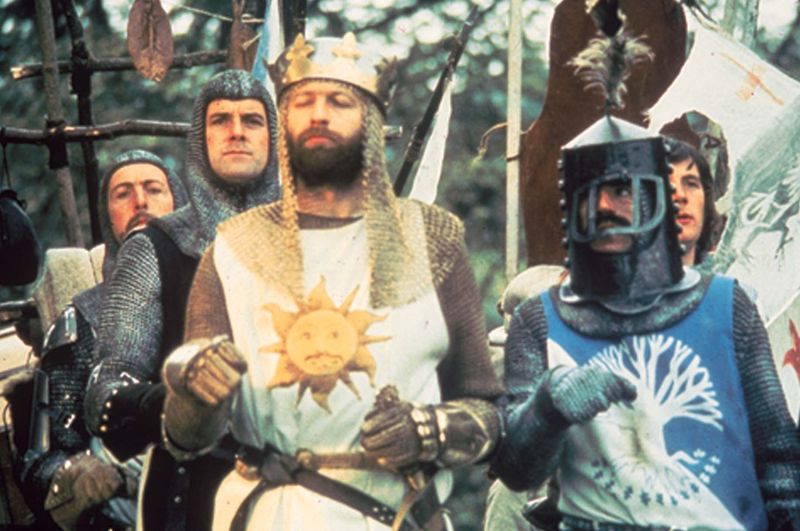
Forget everything you think you know about boring history lessons, because King Arthur’s quest for the Holy Grail has never been weirder or funnier.
The Monty Python comedy troupe tossed logic out the window and replaced it with absurd sketches, ridiculous knights, and jokes that have been quoted at dinner tables for five decades.
The budget was tiny, so the knights mime riding horses while squires clap coconut shells together.
That joke alone launched a thousand memes.
Lines like “It’s just a flesh wound!” still pop up in everyday conversations today.
If you enjoy comedy that rewards smart thinking while also being completely ridiculous, this film is an absolute must-watch experience.
5. The Rocky Horror Picture Show (1975)
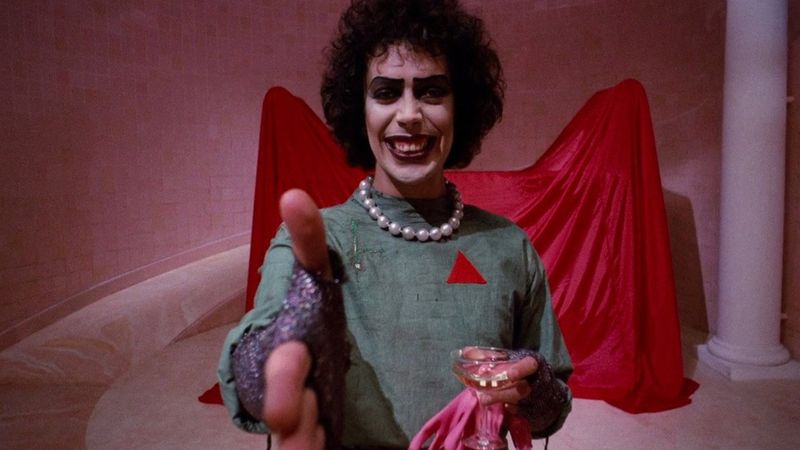
Few films have ever created a fan experience quite like this one. “The Rocky Horror Picture Show” blends science fiction, horror, and musical theater into something gloriously strange, celebrating weirdness and self-expression at a time when that was a genuinely bold move.
Audiences still dress up and shout lines at midnight screenings around the world.
Tim Curry’s performance as Dr. Frank-N-Furter is pure magnetic chaos, stealing every single frame he appears in.
Songs like “The Time Warp” became cultural touchstones that generations keep rediscovering.
For anyone who has ever felt like an outsider, this film sends a clear message: your quirks are worth celebrating.
It remains one of cinema’s most joyful and liberating experiences.
6. Barry Lyndon (1975)
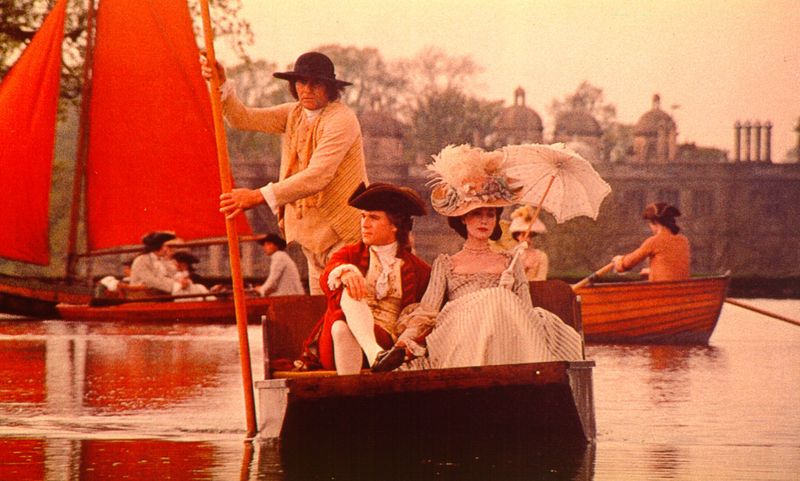
Stanley Kubrick used actual candlelight to film the indoor scenes of “Barry Lyndon,” and the results look more like moving paintings than anything else in cinema history.
The film follows an Irish rogue climbing the social ladder of 18th-century Europe through charm, luck, and deception.
It is slow and deliberate, but every frame rewards patient attention.
Ryan O’Neal plays Barry with a cool detachment that makes you root for him even when he behaves badly.
The film’s visual beauty is genuinely unmatched, even by modern productions with massive budgets.
Viewers who appreciate art, history, or simply stunning photography will find “Barry Lyndon” a rare and deeply satisfying cinematic achievement worth every minute.
7. Taxi Driver (1976)
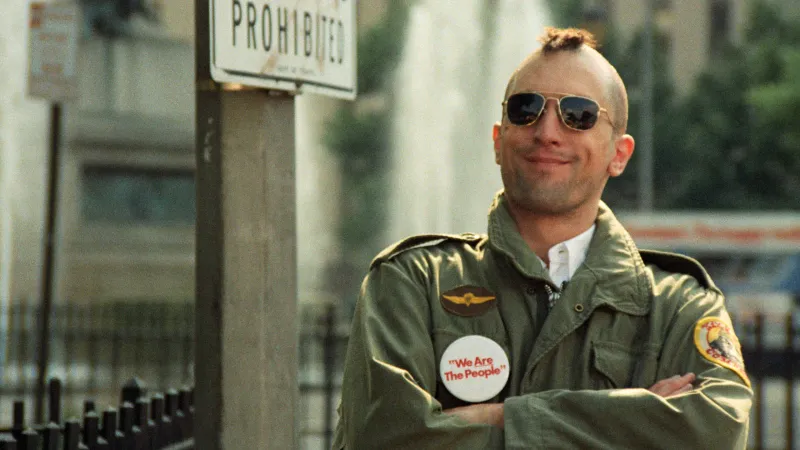
Travis Bickle talks to himself in a mirror and asks, “You talkin’ to me?” and somehow that moment became one of the most famous scenes in all of cinema.
Robert De Niro disappears completely into this character, a Vietnam veteran drifting through a grimy, chaotic New York City with a growing sense of rage and purpose.
Martin Scorsese directed “Taxi Driver” like a fever dream, using Bernard Herrmann’s haunting jazz score to put you inside Travis’s disturbed mind.
The film raises uncomfortable questions about loneliness, violence, and what society ignores on its streets.
Despite its darkness, it remains a fascinating and important film that continues to spark serious conversation about mental health and alienation.
8. Rocky (1976)
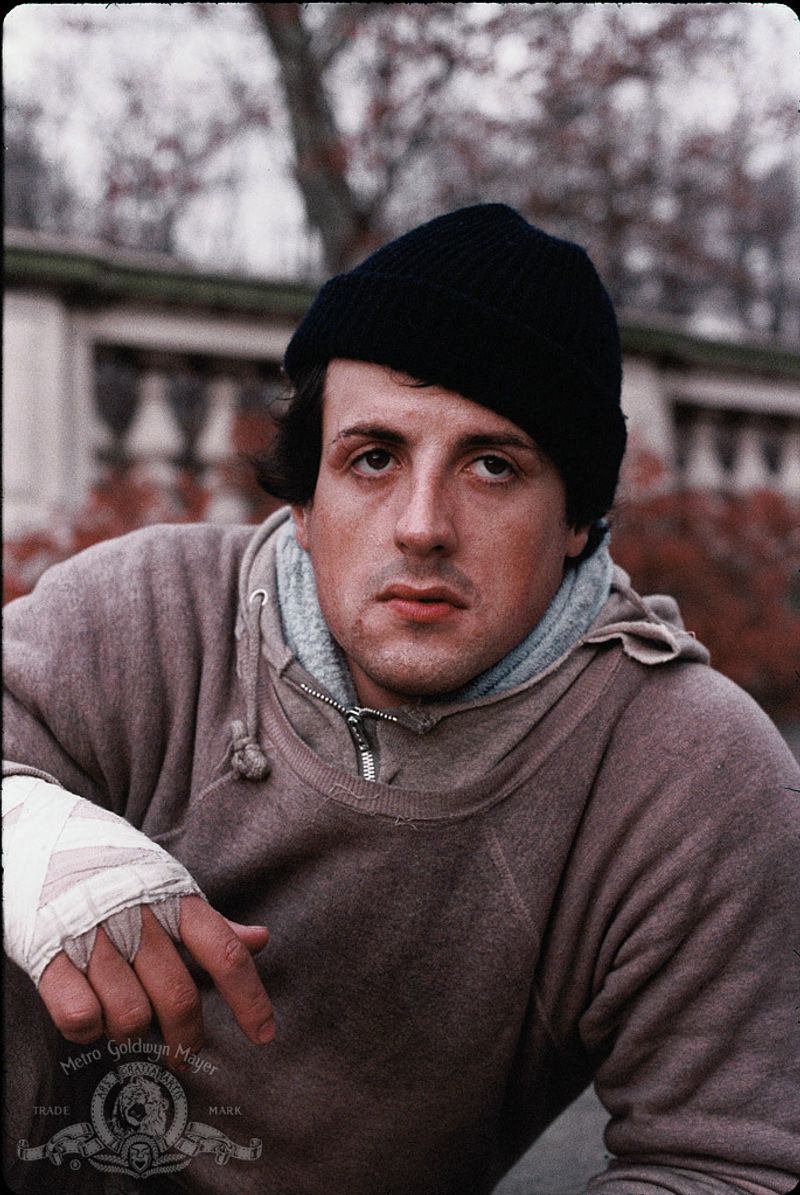
Sylvester Stallone wrote the script for “Rocky” in just three days and insisted on starring in it himself, even when studios offered far more money to cast someone else.
That stubbornness paid off, producing one of the most beloved underdog stories ever put on film.
Rocky Balboa became a symbol of heart over talent, effort over circumstance.
The training montage set to Bill Conti’s “Gonna Fly Now” still gives people chills and motivation to get off the couch.
What makes the film special is that Rocky does not necessarily win in the way you expect.
The ending is about personal dignity, not just trophies.
For anyone who has ever doubted themselves, “Rocky” feels like a warm, powerful hand on the shoulder.
9. Network (1976)
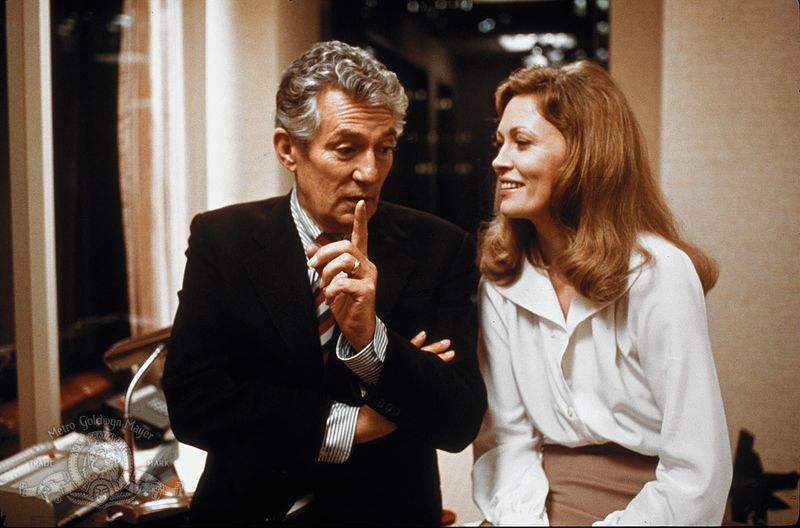
“I’m as mad as hell, and I’m not going to take this anymore!” Howard Beale shouts from a television screen, and millions of viewers agree with him.
“Network” predicted the rise of outrage-driven media with frightening accuracy, telling the story of a news anchor who has a breakdown on live TV and becomes a ratings sensation because of it.
Paddy Chayefsky’s screenplay crackles with sharp, furious wit, skewering corporate greed and the entertainment industry’s willingness to exploit human suffering for profit.
Watching it today feels less like history and more like a documentary about the present.
Faye Dunaway and Peter Finch both deliver career-defining performances in a film that still feels urgently, uncomfortably relevant.
10. Carrie (1976)
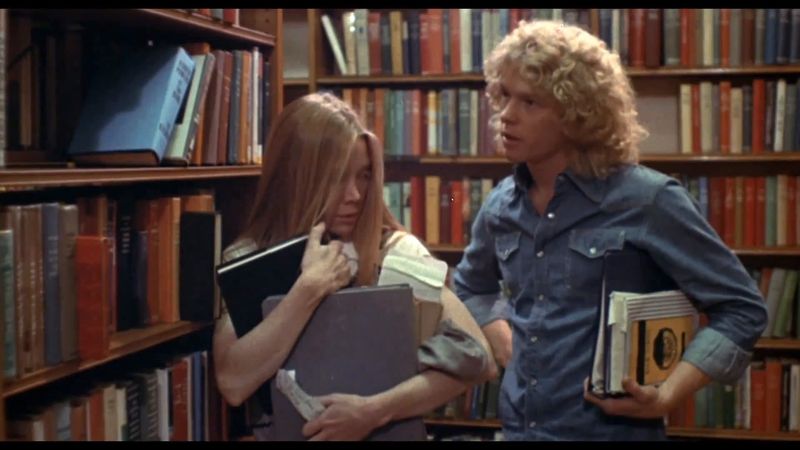
Stephen King’s first published novel became a horror masterpiece in Brian De Palma’s hands, turning a story about teenage cruelty into something genuinely terrifying.
Sissy Spacek plays Carrie White with fragile vulnerability, making the audience feel her pain so deeply that the eventual explosion of supernatural revenge feels almost justified.
The prom scene is one of horror cinema’s great set pieces, building dread so carefully that when disaster strikes, it hits like a freight train.
But the film is also a coming-of-age story about isolation, a controlling parent, and the brutality kids can show each other.
Modern viewers dealing with bullying or social anxiety will find Carrie’s story surprisingly easy to connect with on a personal level.
11. The Omen (1976)
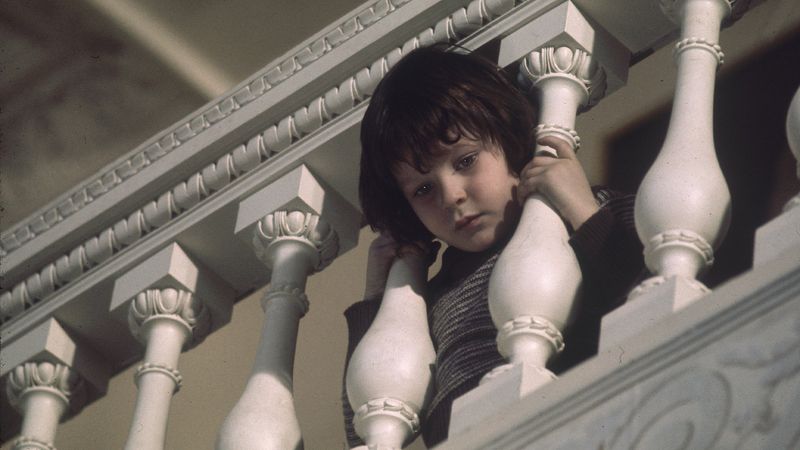
Something is deeply wrong with little Damien, and the slow realization of exactly what that is drives one of the 1970s’ most effective supernatural horror films.
“The Omen” works because it builds its dread quietly, through a series of disturbing accidents and eerie coincidences rather than constant jump scares.
Gregory Peck plays the boy’s father with dignified, heartbreaking confusion.
Jerry Goldsmith’s Oscar-winning choral score is one of the scariest pieces of music ever composed for film, filling every scene with a sense of ancient, unstoppable evil.
The movie asks a genuinely chilling question: what would you do if you suspected your own child was dangerous?
For fans of atmospheric, slow-burn horror, “The Omen” remains a deeply unsettling and rewarding watch.
12. Marathon Man (1976)
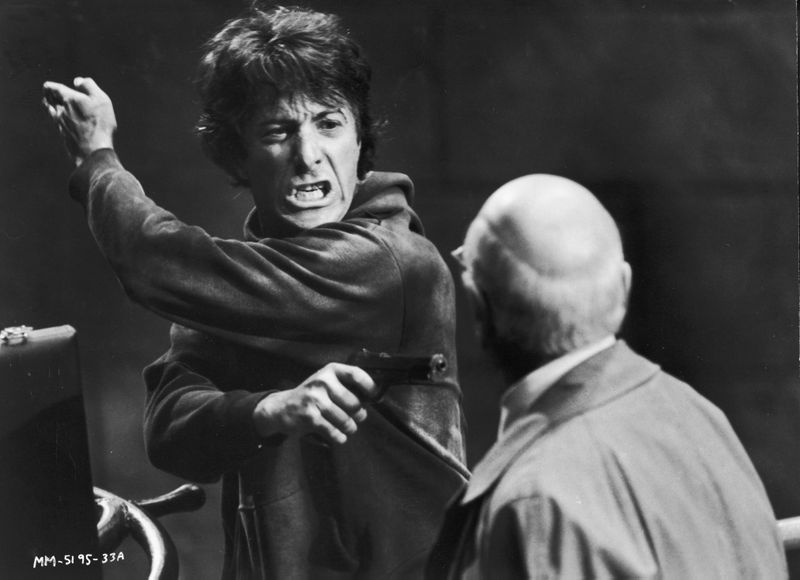
“Is it safe?” Those three words, repeated by a Nazi war criminal during a dental torture scene, became one of cinema’s most quoted and feared lines. “Marathon Man” is a paranoid thriller that grabs you fast and never really lets go, mixing Cold War anxiety, Nazi hunters, and diamond smuggling into a breathless story.
Dustin Hoffman plays a graduate student who suddenly finds himself hunted by forces he barely understands, and his confusion mirrors the audience’s perfectly.
Laurence Olivier plays the villain with terrifying, polished menace, reportedly asking Hoffman why he stayed up all night to prepare for an exhausted scene.
Olivier’s reply was simple: “Try acting, dear boy.” The film is tense, smart, and surprisingly gripping throughout.
13. All the President’s Men (1976)
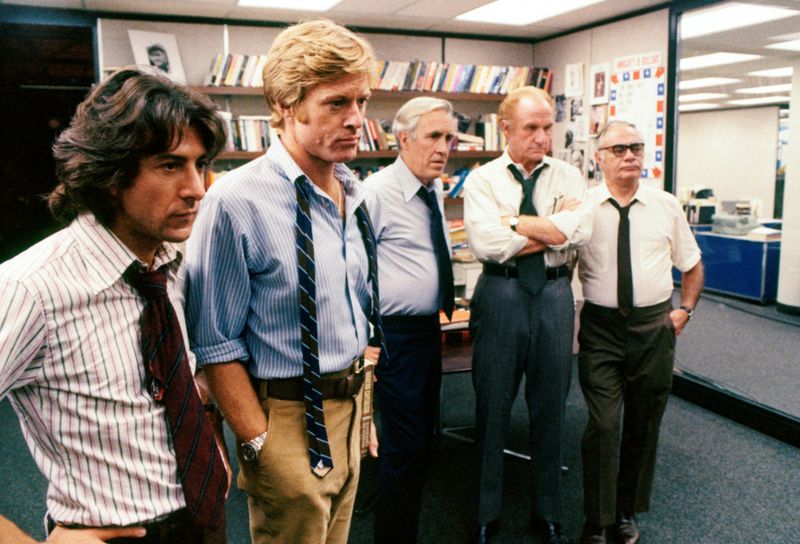
Two young newspaper reporters brought down a U.S. president, and watching them figure out how is riveting even if you already know the ending.
“All the President’s Men” follows Bob Woodward and Carl Bernstein as they chase the Watergate scandal, making the unglamorous work of journalism, phone calls, dead ends, and parking garage meetings, feel genuinely thrilling.
Robert Redford and Dustin Hoffman play the reporters with understated chemistry, and Alan J.
Pakula directs with a cool, procedural precision that keeps the tension high.
The film never dumbs down its material, trusting the audience to keep up.
For anyone curious about how truth gets uncovered in the face of powerful people trying to hide it, this film is essential and endlessly engaging.
14. The Outlaw Josey Wales (1976)
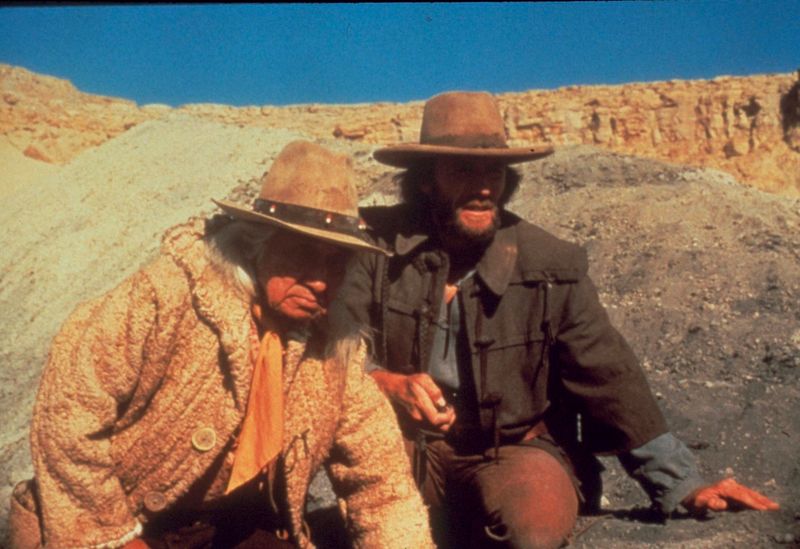
Clint Eastwood directed himself as a Missouri farmer turned reluctant outlaw, and the result is one of the most satisfying Westerns ever made.
Josey Wales is not a clean hero.
He is angry, grieving, and dangerous, but the film slowly surrounds him with a ragtag found family that softens him without turning him soft.
That balance is tricky to pull off, and Eastwood nails it.
The action scenes are sharp and exciting, but the film’s real strength is its humor and warmth, especially in the unlikely friendships Josey forms along the way.
A scene where he spits tobacco on a bounty hunter’s boots says more than most monologues could.
For Western fans or newcomers alike, “The Outlaw Josey Wales” is a thoroughly entertaining and emotionally satisfying ride.
15. Assault on Precinct 13 (1976)
John Carpenter made this lean, relentless action-thriller on a shoestring budget, and it moves so efficiently that you barely notice the lack of expensive effects.
A nearly abandoned police station gets surrounded by a gang, and a small group of cops and criminals must work together to survive the night.
The premise sounds simple because it is, and that simplicity is its greatest strength.
Carpenter’s own synthesizer score pulses with menace, creating an atmosphere of dread that never lets up.
The film influenced countless action movies that followed, from “Die Hard” to “Precinct 13’s” own 2005 remake.
Anyone who enjoys tight, no-nonsense genre filmmaking will appreciate how much Carpenter accomplished with so little.
It is a masterclass in building suspense from limited resources and pure directorial instinct.
16. Star Wars (1977)
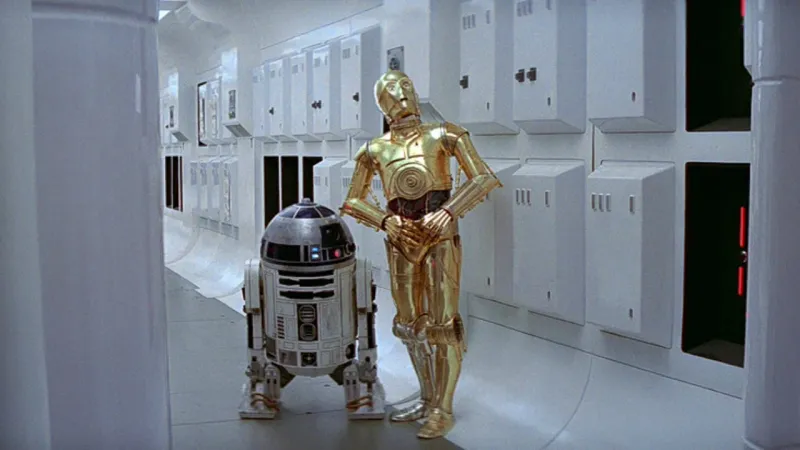
George Lucas created a galaxy far, far away and accidentally changed popular culture forever.
“Star Wars” arrived in 1977 with a farm boy, a princess, a rogue, two droids, and a villain in a black mask, and audiences lined up around the block to see it again and again.
The film borrowed from mythology, samurai movies, and classic adventure serials to build something completely new.
John Williams’ score is among the most recognizable music ever written, and the special effects still hold up remarkably well.
For a modern viewer who has grown up with sequels and spinoffs, watching the original is like reading the first chapter of a story you thought you already knew.
The sense of wonder it creates is as real today as it was nearly five decades ago.
17. Alien (1979)
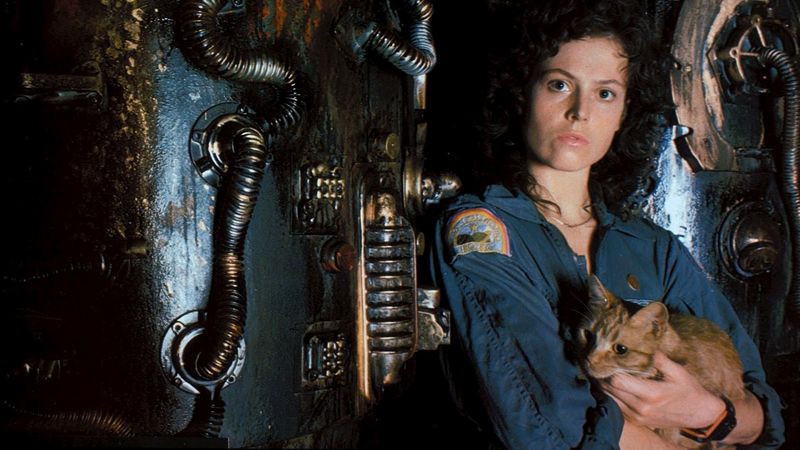
Ridley Scott’s “Alien” proved that space could be terrifying rather than triumphant, stripping away the optimism of science fiction to reveal something cold, hungry, and relentless lurking in the dark.
The creature, designed by H.R. Giger, remains one of cinema’s most disturbing and original monster designs, built on biological horror that still makes people squirm.
Sigourney Weaver’s Ripley became a landmark character, a smart, resourceful woman who survives not through luck but through genuine competence and courage.
The film moves slowly at first, letting you get attached to the crew before picking them off one by one.
For viewers who enjoy horror that relies on atmosphere over gore, “Alien” delivers a masterfully controlled and deeply unsettling cinematic experience that feels completely modern.
18. Apocalypse Now (1979)
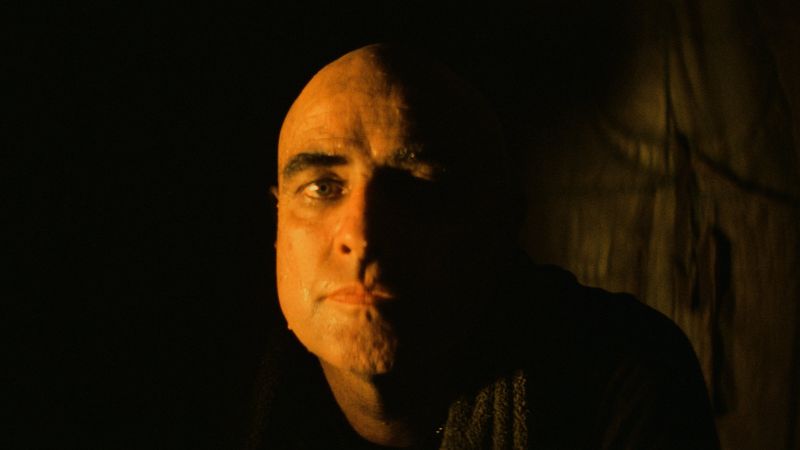
Francis Ford Coppola adapted Joseph Conrad’s “Heart of Darkness” into the Vietnam War era and created something overwhelming, chaotic, and unforgettable.
A soldier travels up a river deep into Cambodia to find a rogue colonel who has built his own kingdom, and the journey grows stranger and darker with every mile.
The production itself was so troubled that a documentary about making it became nearly as famous as the film.
The helicopter attack scene set to “Ride of the Valkyries” is pure cinematic spectacle, simultaneously thrilling and horrifying.
Marlon Brando and Martin Sheen both deliver performances that feel raw and genuinely dangerous.
Watching “Apocalypse Now” is not relaxing, but it is the kind of challenging, immersive experience that stays with you for years afterward.
19. Mad Max (1979)
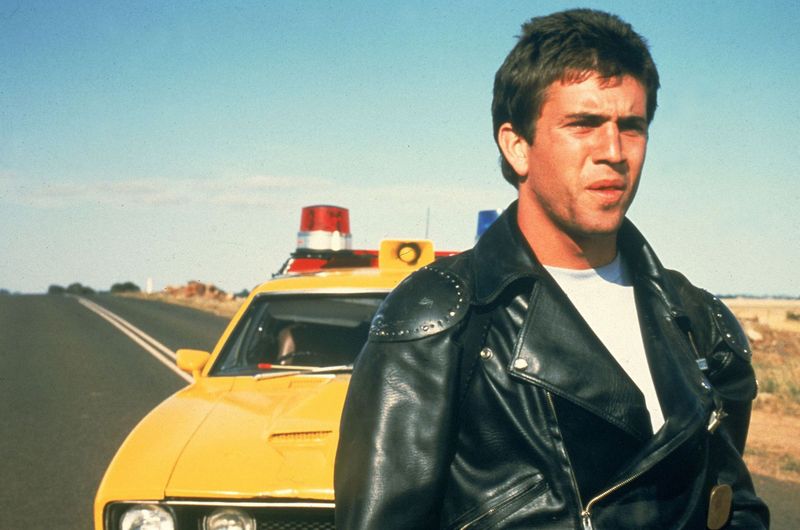
Before the franchise became a global phenomenon with “Fury Road,” a young Mel Gibson drove fast and burned everything down in the original “Mad Max.”
Made in Australia on a tiny budget, the film follows a highway cop pushed to his breaking point in a near-future society where fuel is scarce and road gangs rule.
The stunts are raw and genuinely dangerous, which gives every chase scene an edge modern CGI rarely matches.
The world-building is minimal but effective, hinting at a civilization slowly collapsing without spelling everything out.
George Miller directed with furious energy and a sharp eye for action choreography.
For fans of dystopian fiction or action cinema, watching where Max Rockatansky began is both historically interesting and genuinely exciting on its own terms.
20. The Warriors (1979)
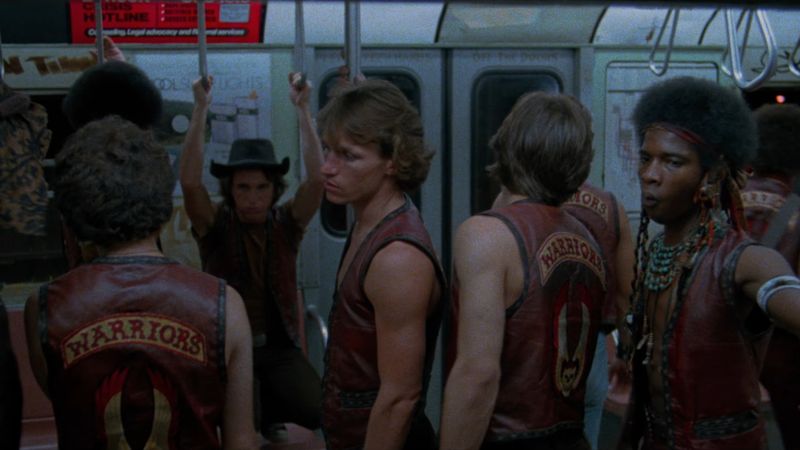
“Warriors, come out to plaaay!”
Few villain taunts in cinema history are as instantly recognizable as that one, delivered while clinking bottles together in the dark.
“The Warriors” follows a Coney Island gang trying to make it home alive through a hostile, neon-soaked New York City after being falsely accused of murdering a gang leader.
Every neighborhood they pass through brings a new, colorfully dressed threat.
Walter Hill directed it like a comic book come to life, giving each gang a distinct visual identity that makes the film feel more like a stylized fable than a realistic crime story.
The energy is relentless, the look is iconic, and the story is simple enough to follow while being exciting enough to keep you completely glued.
It has earned every bit of its cult status.