 MomSkoop
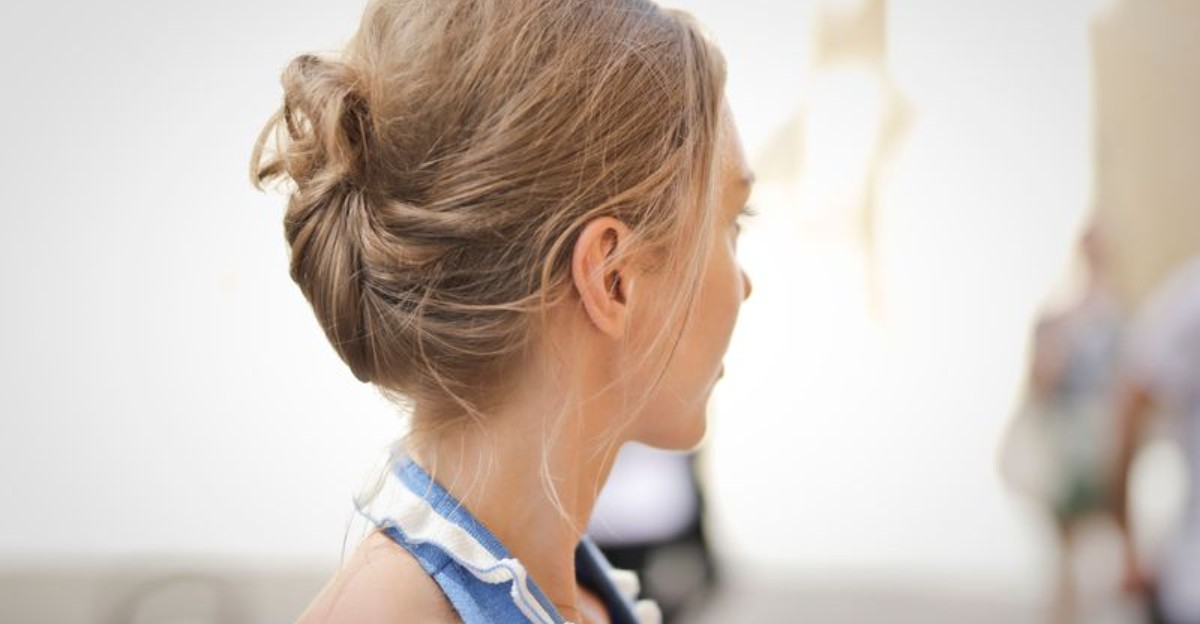
The way you style your hair every day can affect more than just your look. Certain hairstyles pull, tug, and twist your strands and scalp in ways that may lead to breakage or even hair loss over time.
Many people do not realize that their favorite go-to styles could be quietly damaging their hair roots. Learning which styles to watch out for, and how to wear them more safely, can make a real difference for your hair health.
1. High Ponytail

Ever noticed tiny baby hairs breaking off around your forehead after wearing a high ponytail?
That is not a coincidence.
Pulling all your hair up to the very top of your head creates a constant upward force on your roots and hairline, which your scalp was not designed to handle for hours at a time.
Over days and weeks, that repeated tension can weaken the follicles along your front hairline and temples.
Follicles under stress may shrink and eventually stop producing hair.
Switching to a looser version, placed slightly lower on your head, and using a soft fabric hair tie can dramatically reduce the pulling force and give your roots a much-needed break.
2. Tight Bun
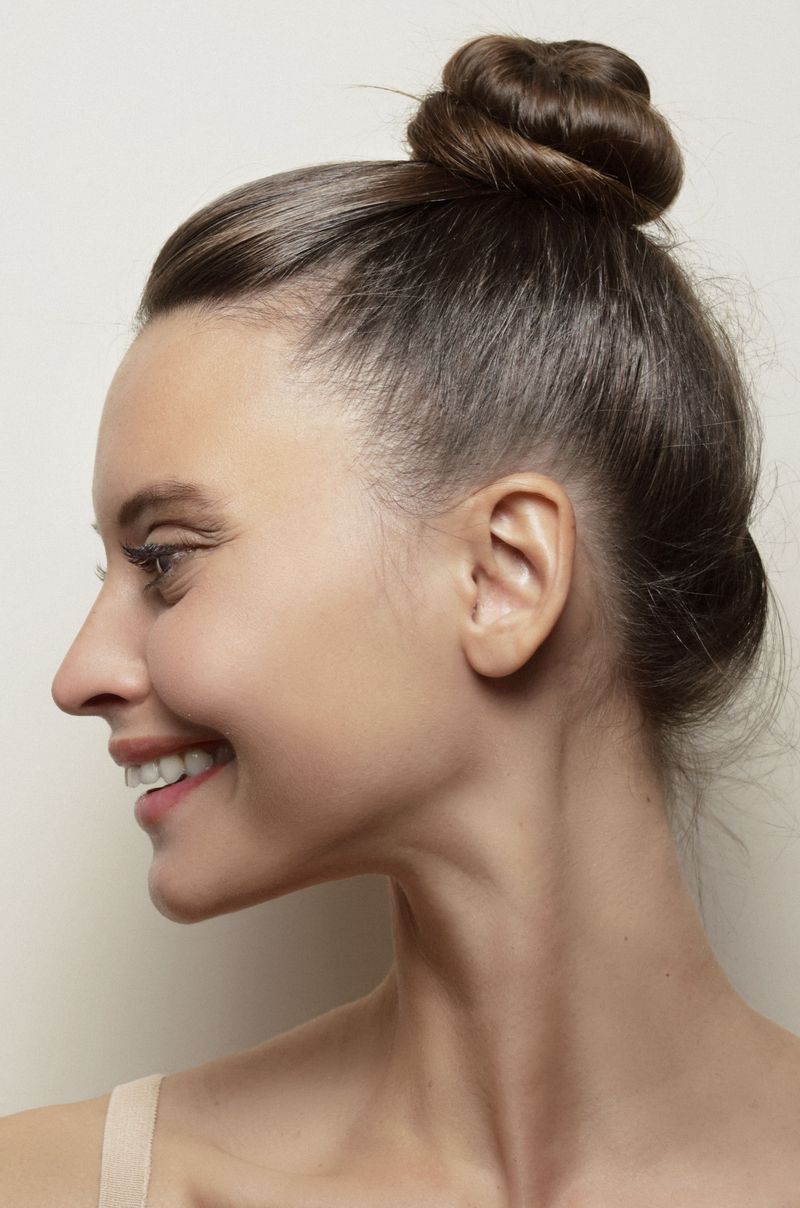
The classic bun looks polished and professional, but wearing it too tight is a hidden recipe for breakage.
When you twist and wrap your hair firmly into a bun, the strands around the edges experience the most stress.
Those shorter hairs near your temples and nape are especially vulnerable because they have less length to absorb the pulling force.
Repeated tight buns can cause a condition called traction alopecia, where hair falls out due to ongoing tension.
Loosening the bun so it sits comfortably without pulling, and alternating with other styles throughout the week, gives your edges a real chance to recover.
A scrunchie instead of a tight elastic band also helps reduce friction and snapping.
3. Slicked-Back Ponytail
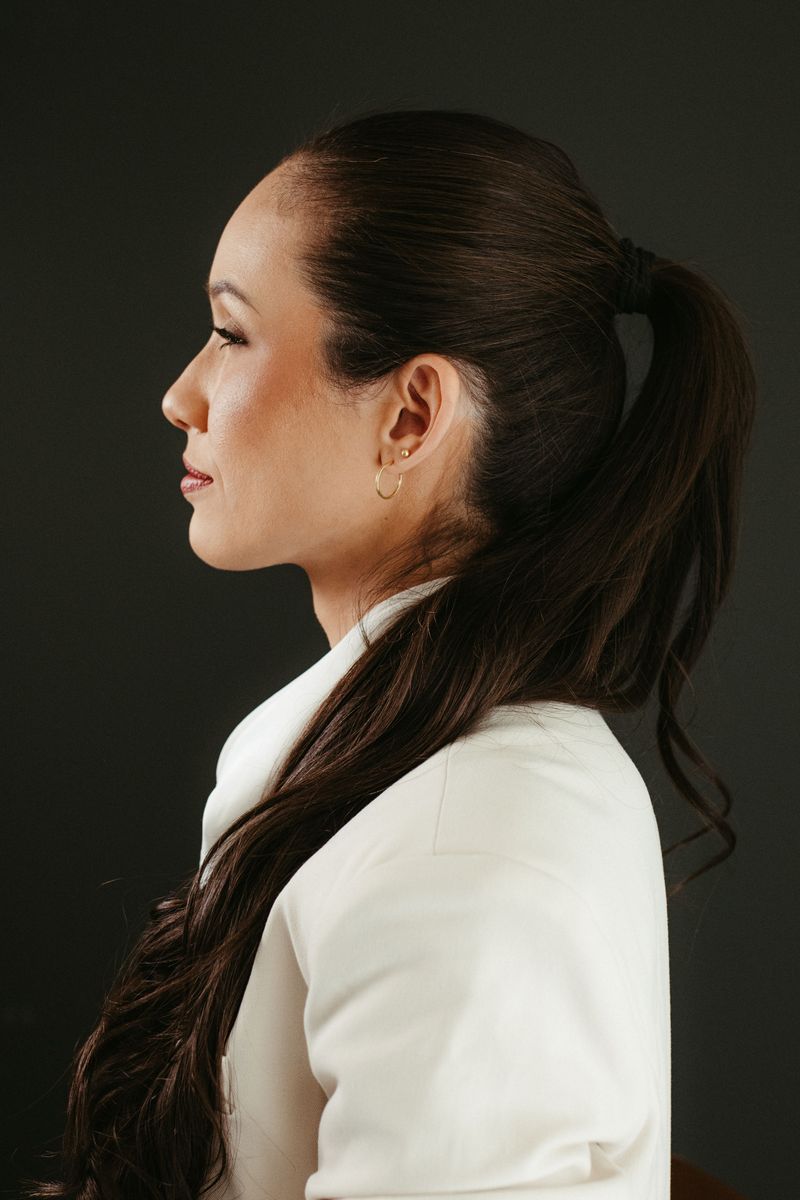
Few styles look as sleek as a perfectly slicked-back ponytail, but the process of achieving it can be rough on your hairline.
Brushing hair backward repeatedly while applying strong-hold gel or edge control creates two layers of stress at once.
The tight brushing scrapes the scalp, and the product locks the hair in a position that keeps the tension going all day.
The front hairline is the first place to show signs of strain with this style.
Thinning along the temples or a receding front edge are common early warnings.
Trying a medium-hold product instead of a maximum-hold one, and brushing more gently, can help you keep the polished look without sacrificing your hairline health in the process.
4. Tight Braids
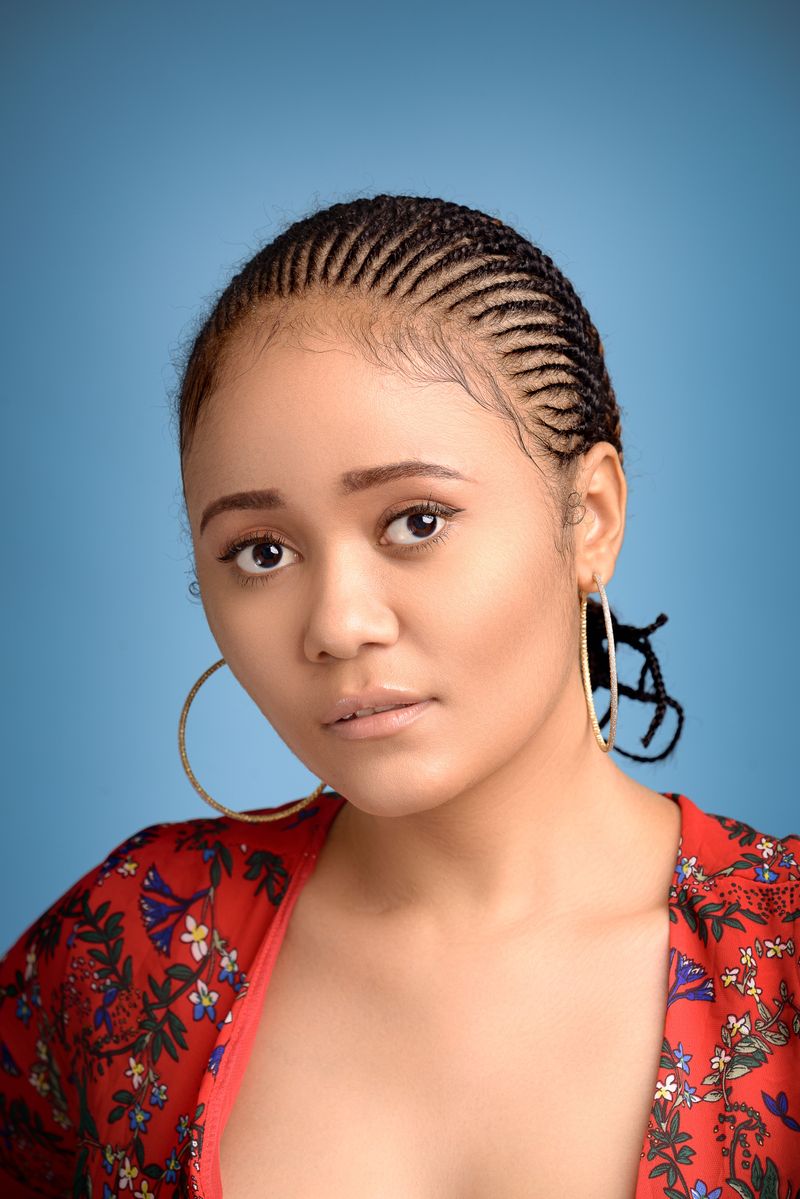
Cornrows and other tight braid styles have a rich cultural history, and they can be a beautiful protective style when done correctly.
The problem comes when the braids are installed too tightly, pulling the scalp skin upward and creating visible bumps or even soreness right after the appointment.
That discomfort is your scalp sending a clear signal that something is wrong.
Follicles under that level of strain can become inflamed, and inflammation over time leads to permanent damage.
A skilled stylist should never braid so tightly that you feel pain or see raised skin.
Asking for a looser tension upfront, and removing braids before the six-to-eight-week mark, are two simple steps that protect your scalp and keep your natural hair growing strong.
5. Box Braids
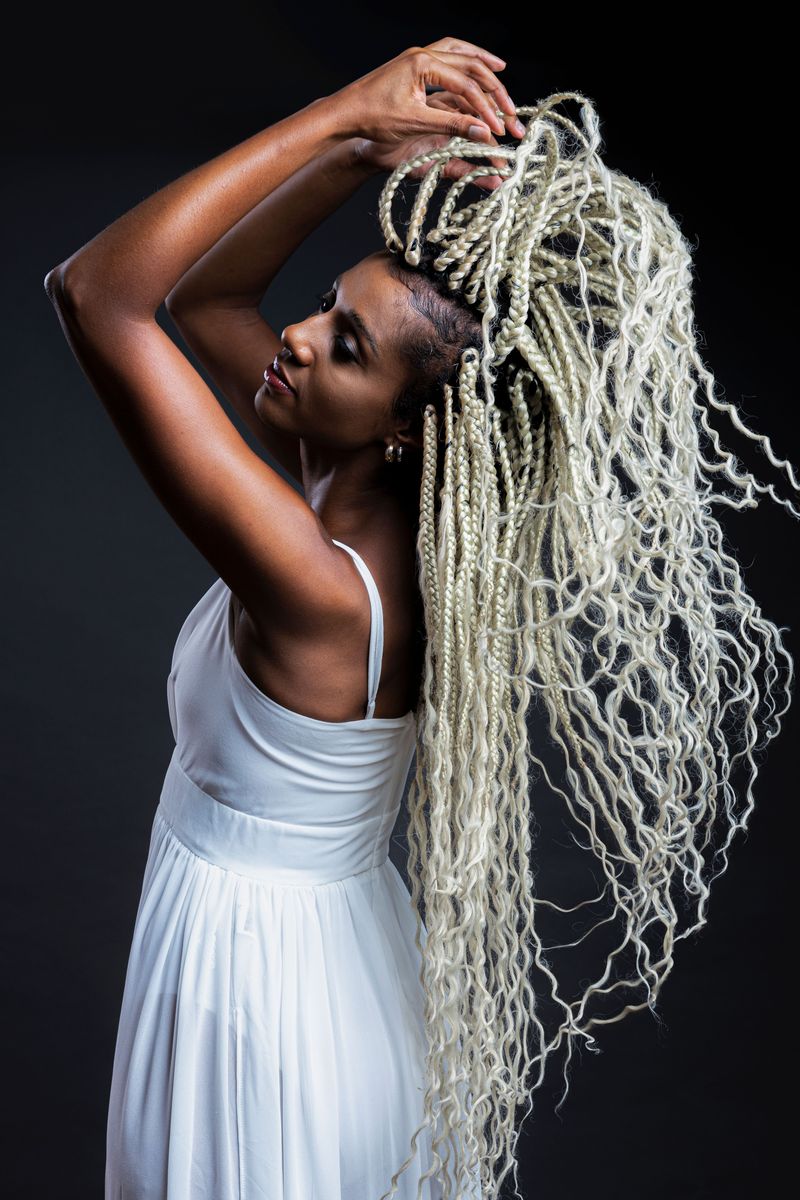
Box braids are one of the most popular protective styles around, and for good reason.
They are versatile, low-maintenance, and look amazing.
However, when the braids are made extra long or packed with thick extensions, the added weight becomes a serious concern for your natural hair underneath.
Each braid acts like a small weight attached directly to your root.
Multiply that across a full head of hair and you get a significant downward pull that stresses the follicles all day, every day.
Choosing medium-length braids over floor-length ones, and asking your stylist to use lightweight extension hair, keeps the style looking great while giving your roots a fair chance.
Taking breaks between braid installations also allows your scalp time to recover properly.
6. Tight Top Knot
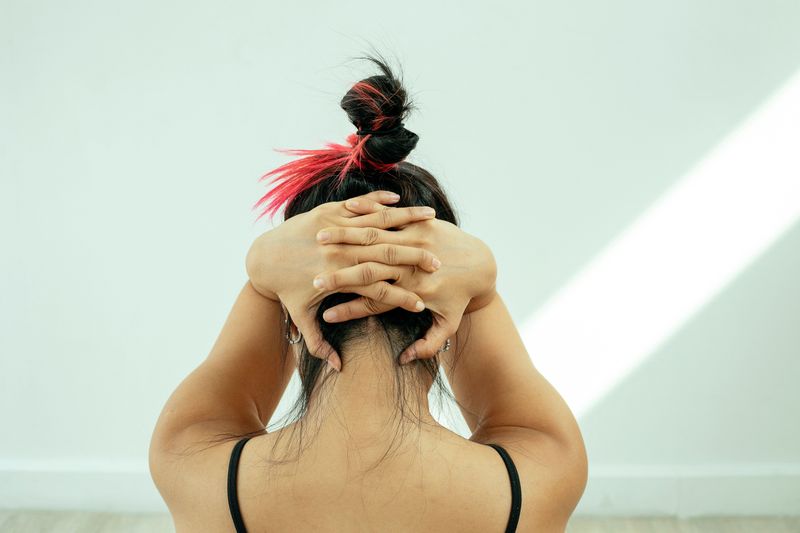
The top knot has become a go-to style for busy mornings, but placing all that pulling force directly at the crown of your head is harder on your hair than most people think.
Unlike a regular bun, the top knot concentrates tension in one specific spot, which means those follicles at the crown get stressed repeatedly without any relief.
Wearing a top knot every single day can gradually thin the hair around the crown and along the upper hairline.
You might start noticing shorter, frizzy strands that snap off rather than grow.
Rotating this style with looser options on alternate days gives the crown area time to breathe.
Using a silk or satin scrunchie instead of a tight rubber band also reduces the pressure significantly.
7. High Pigtails

High pigtails look fun and playful, but the combination of tight elastics and upward pulling hits both sides of the scalp at the same time.
For younger kids especially, whose hair follicles are still developing, repeated tight pigtails can create stress patterns that show up as thinning along the part or near the temples over time.
Many parents style pigtails every school day without realizing the cumulative effect adds up quickly.
Switching to loose, low pigtails a few days a week makes a noticeable difference.
Fabric-covered elastics or claw clips are much gentler than small rubber bands that grip and snap strands when removed.
Even small adjustments in how tightly you secure the style can protect the scalp from ongoing strain.
8. Hair Extensions
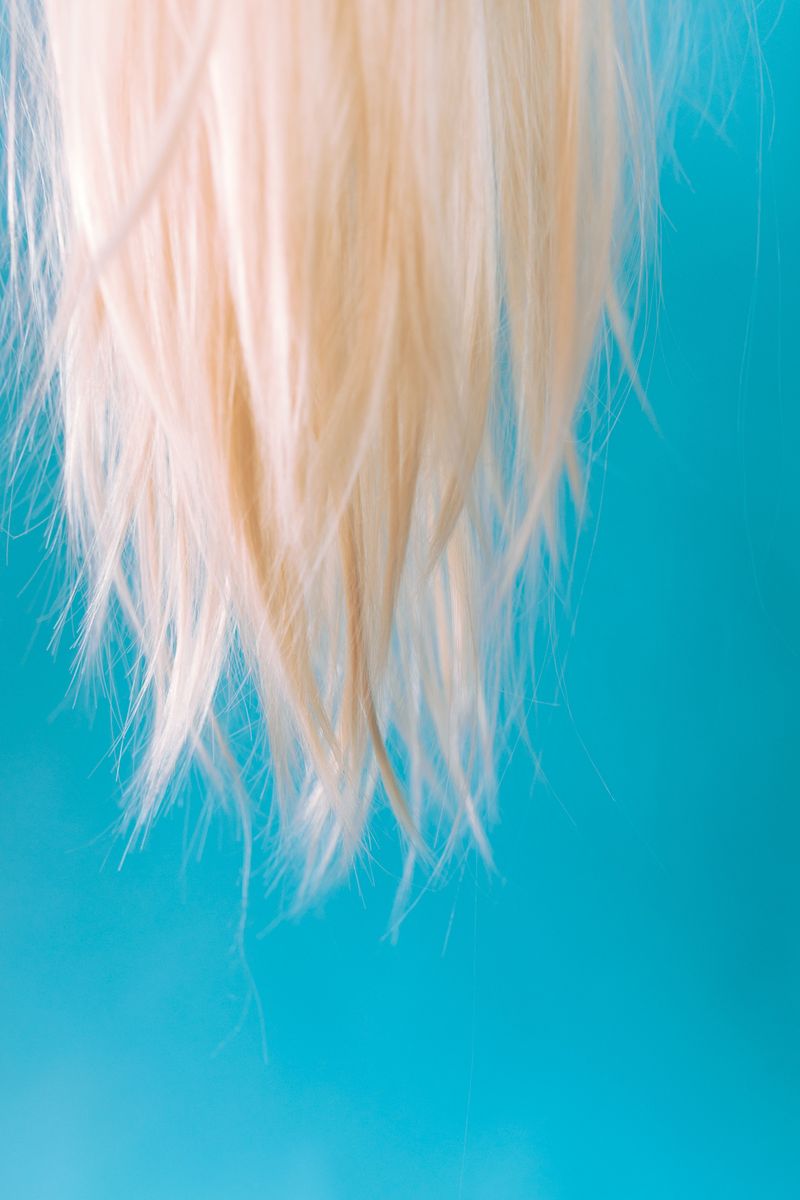
Hair extensions can instantly transform your look, adding length and volume that feels almost magical.
But behind the glamour, there is a physical reality worth understanding.
Extensions that are heavy, sewn in too tightly, or attached with strong adhesives place a continuous tug on the natural hair they are anchored to.
Over time, that constant pull weakens the attachment points, causing breakage or even bald patches where the extensions were secured.
Clip-in extensions are a lower-risk option because you can remove them at night, giving your scalp hours of rest.
For longer-term styles like sew-ins or tape-ins, visiting a professional and scheduling regular maintenance appointments helps prevent the tension from building to a damaging level.
Lighter extension hair is always the smarter choice for root health.
9. Tight Half-Up Hairstyle
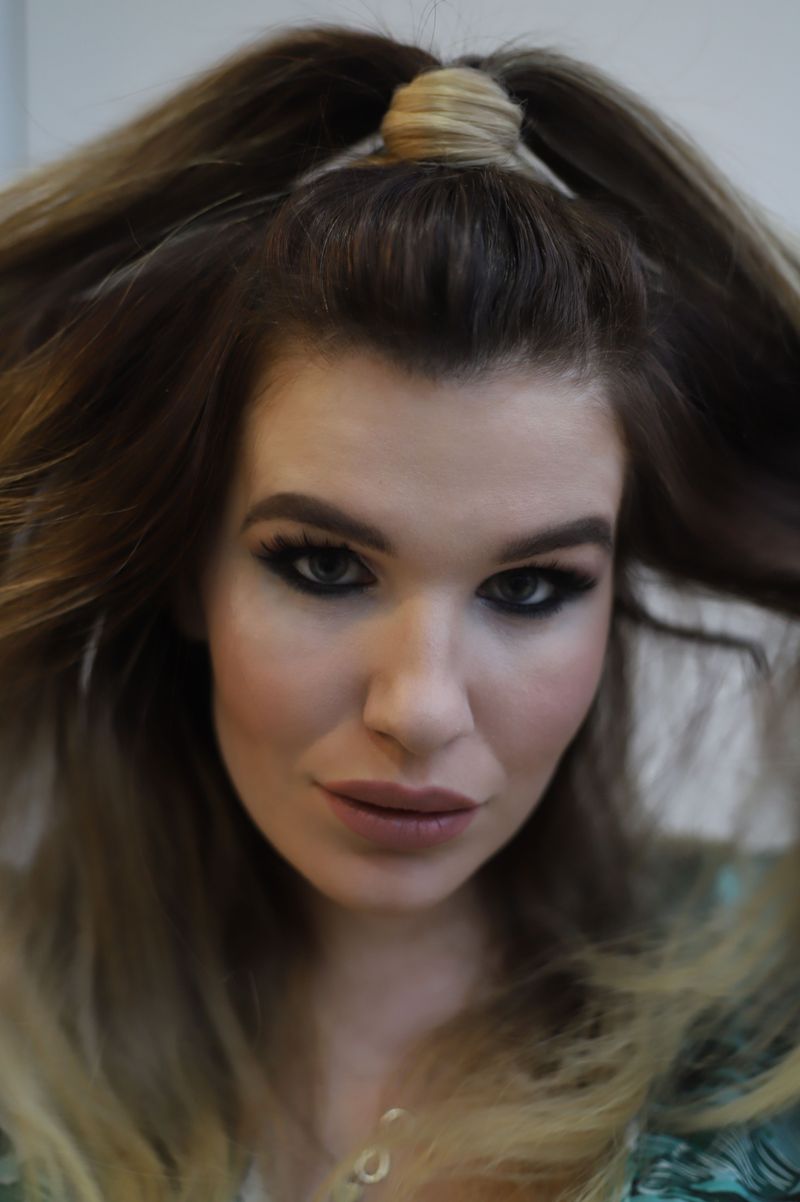
The half-up style looks effortlessly chic and works for almost any occasion.
The tricky part is that most people pull the top section back as tightly as possible to keep it smooth and neat.
When you do that every single day, the same sections of hair near the crown and temples take the brunt of the tension repeatedly.
Localized breakage is one of the first signs that a half-up style is being worn too tight.
You may notice shorter hairs sticking up around the secured area or a gradual thinning right where the elastic sits.
Positioning the elastic a little further back, using a looser hold, and alternating with a completely down style several times a week can meaningfully reduce that localized stress on your hair.
10. Tight Bantu Knots
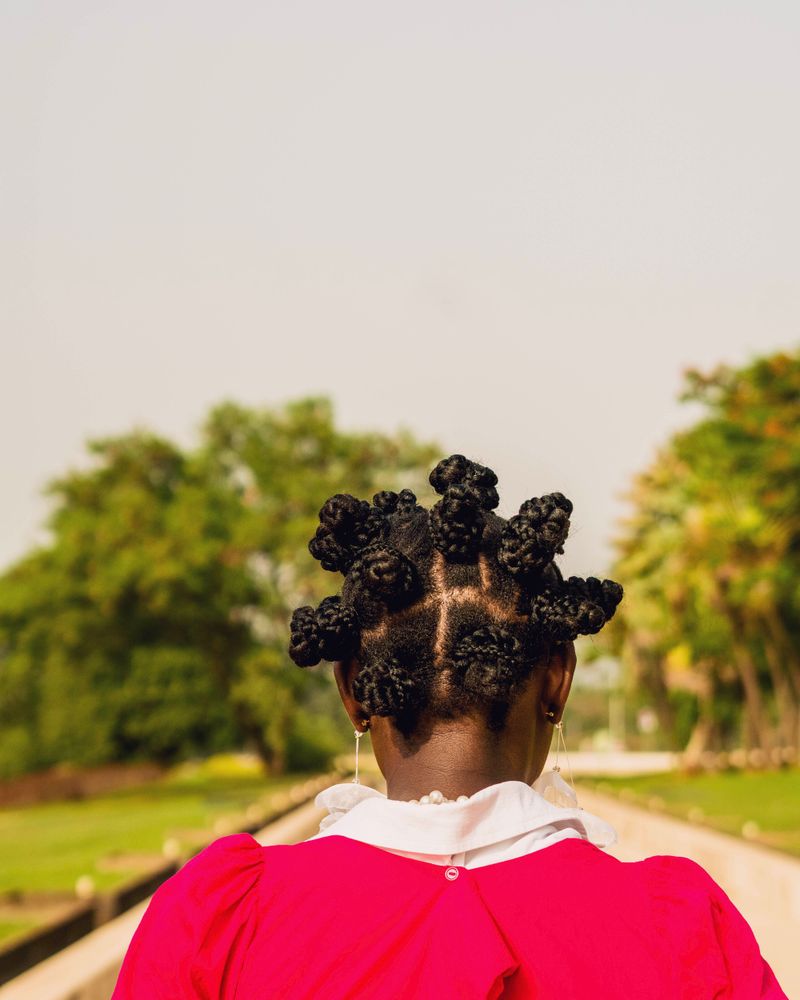
Bantu knots are a stunning style rooted in African heritage, and they also double as a great heatless curling method.
When twisted and pinned too firmly, though, each knot becomes a small source of tension right at its base.
Multiply that across a full head and the collective pulling on the roots becomes significant.
Sleeping in extremely tight Bantu knots adds hours of extra pressure on the follicles, which is when a lot of unnoticed damage can occur.
Twisting each section firmly enough to hold its shape without yanking the scalp skin is the sweet spot to aim for.
Using a satin bonnet or silk pillowcase at night also helps reduce friction while the knots set.
Giving your scalp a gentle massage after removal encourages healthy circulation and recovery.