 MomSkoop

Not every loss comes with a funeral or a clear moment to grieve. Some losses are quiet, invisible, and hard to explain to others, yet they can hurt just as deeply as any obvious goodbye.
These are the kinds of emotional losses that often go unacknowledged, even though they shape who we are and how we move through the world. Recognizing them is the first step toward healing.
1. Losing a Friendship That Once Felt Permanent
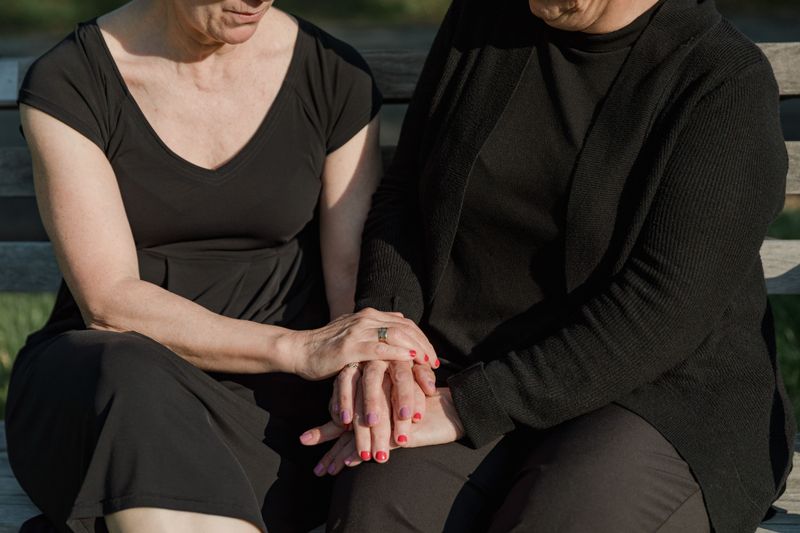
Some friendships feel like they were built to last forever.
You shared secrets, inside jokes, and life milestones together.
Then, slowly or suddenly, that person is no longer part of your daily world.
This kind of loss rarely gets the same sympathy as a breakup or a death, but it can feel just as devastating.
There is no clear ritual to mark the end of a friendship, which makes it harder to process.
You might keep wondering what went wrong or whether you could have done something differently.
Allowing yourself to grieve a lost friendship is completely valid.
Friendships matter deeply, and their endings deserve to be acknowledged, not brushed aside.
2. Outgrowing a Version of Yourself You Once Loved

Growing up means changing, but nobody warns you how strange it can feel to look back at who you used to be and barely recognize that person.
Maybe you were more carefree, more confident, or more full of wonder.
That earlier version of you had something special, and part of you misses it.
Personal growth is a good thing, but it does not always feel that way in the moment.
Letting go of a past self can feel like losing a friend you never got to say goodbye to properly.
Be gentle with yourself during these transitions.
You are not erasing who you were.
You are simply building on that foundation as you continue to grow.
3. Letting Go of a Future You Had Imagined

At some point, most people build a picture in their mind of what their life is supposed to look like.
Maybe it involved a certain career, a relationship, a city, or a dream that felt completely within reach.
When that picture falls apart, the grief can catch you off guard.
Mourning an imagined future is real and legitimate.
You are not just losing a plan.
You are losing the hope and excitement that came along with it.
That kind of grief can leave you feeling unmoored, unsure of which direction to walk next.
Rebuilding a new vision takes time and patience.
Remind yourself that a changed path does not mean a lesser one.
4. Realizing Someone Will Never Become Who You Hoped They Would Be

Caring about someone often comes with quiet hopes for them.
You imagine they will heal, grow, change, or finally show up the way you need them to.
But sometimes, the hard truth arrives: this person may never become who you hoped they would be.
That realization is its own kind of loss.
It is not about giving up on them entirely.
It is about releasing an expectation that was causing you pain.
Accepting people as they are, rather than as you wish they were, is one of the most emotionally mature and difficult things a person can do.
Give yourself permission to grieve that hope.
It was real, even if the outcome was not what you wished for.
5. Losing Closeness With a Family Member Who Is Still Alive

There is something uniquely painful about grieving someone who is still very much alive.
When closeness with a family member fades due to conflict, distance, or simply growing apart, you can feel the loss every time a holiday or milestone comes around.
People often feel confused or guilty about this kind of grief, as if they are not allowed to mourn someone who is still breathing.
But emotional distance from a family member can leave a hole just as real as any other loss.
The relationship you once had, or the one you always hoped to have, deserves to be mourned.
Seeking support from a counselor or trusted friend can help you process this complicated and often lonely kind of grief.
6. Watching a Meaningful Relationship Slowly Fade Without a Clear Ending

Not every relationship ends with a dramatic conversation or a definitive goodbye.
Some simply fade, like a song that gets quieter and quieter until you realize it has stopped playing entirely.
These slow endings can be harder to grieve because there is no clear moment to point to.
You might spend months wondering if the relationship is truly over or just going through a rough patch.
That uncertainty adds an extra layer of emotional weight that is exhausting to carry.
The ambiguity can keep you stuck, replaying conversations and looking for signs.
At some point, it helps to accept what the silence is telling you.
Closure does not always come from a conversation.
Sometimes it comes from within yourself.
7. Leaving a Place That Once Felt Like Home

Home is not just a building.
It is a feeling, a collection of memories, smells, sounds, and a sense of belonging that wraps around you like a warm blanket.
When you leave a place that truly felt like home, something inside you shifts in a way that is hard to put into words.
Whether it was a childhood house, a college town, or a neighborhood where you built your life, losing that place can trigger a grief that surprises you.
People sometimes feel embarrassed to admit how much they miss a location, but that attachment is completely human and deeply meaningful.
Honoring that connection by keeping photos, staying in touch with people from that place, or revisiting when possible can help ease the ache.
8. Losing Trust in Someone You Still Care About

Few things are as disorienting as loving someone while no longer fully trusting them.
Trust, once broken, changes the entire landscape of a relationship.
Even if you choose to stay and work things out, you may grieve the version of that relationship where trust felt easy and automatic.
This kind of loss is layered and complicated.
You are not just mourning a betrayal.
You are mourning the safety and certainty that came with believing in someone completely.
The world feels a little less solid when that foundation cracks.
Rebuilding trust is possible, but it takes honesty, time, and effort from both sides.
In the meantime, acknowledging the grief you feel is a healthy and necessary part of moving forward together or apart.
9. Accepting That an Important Chapter of Your Life Is Over

Life moves in chapters, and some of them are absolutely golden.
A particular season of friendship, a job you loved, a period of freedom or adventure.
When those chapters close, even naturally and on good terms, there can be a quiet sadness that lingers.
Accepting that something wonderful is truly over requires a kind of emotional courage that does not get enough credit.
You can be grateful for what was and still feel the sting of its ending.
Both things are true at the same time, and holding that tension is part of being human.
Journaling, talking with someone you trust, or simply sitting with your feelings can help you honor that chapter before turning the page toward whatever comes next.
10. Mourning the Person You Were Before a Painful Experience Changed You
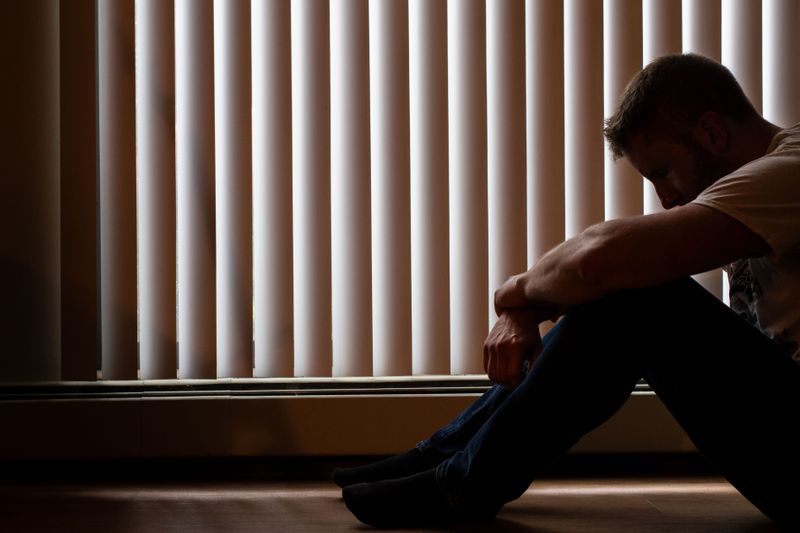
Trauma, loss, and hardship leave marks.
Sometimes the most profound change is not what happened to you, but who you became because of it.
Looking back at the person you were before a painful experience can feel like looking at a stranger, and that distance is its own kind of grief.
You might miss your old sense of innocence, your lighter outlook, or your ability to trust without hesitation.
Grieving that former self does not mean you are broken.
It means you recognize how much you have been through and how much it has cost you.
Many people find that with time and support, they build something new and even stronger.
But first, it is okay to simply miss who you used to be.
11. Losing the Sense of Safety, Certainty, or Belonging You Once Had

There was probably a time when the world felt more predictable, safer, and more welcoming.
Maybe it was childhood, a particular community, or a period in your life when things just seemed to make sense.
Losing that feeling of safety or belonging is a quiet but powerful kind of grief.
When certainty disappears, anxiety often rushes in to fill the gap.
You may find yourself second-guessing things that once felt solid, from relationships to beliefs to your place in the world.
That disorientation is exhausting and deeply unsettling for most people.
Rebuilding a sense of safety starts small.
Finding one trustworthy person, one stable routine, or one community where you feel seen can slowly help restore that precious sense of belonging.