 MomSkoop
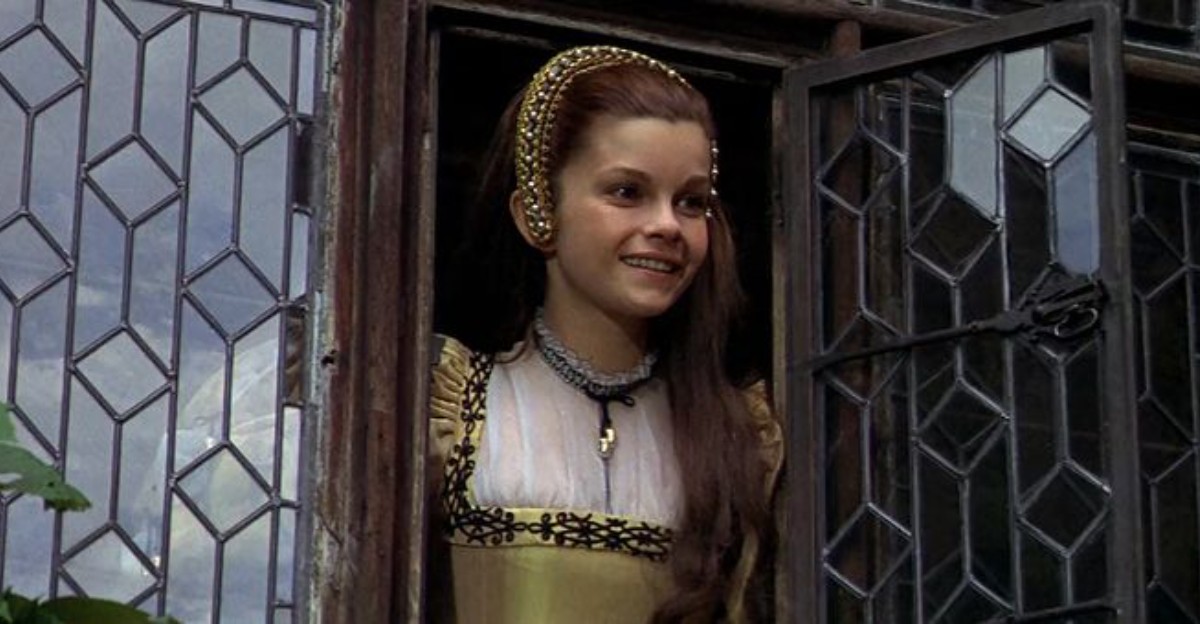
The 1970s were a golden era for bold, complex female performances in Hollywood. Many talented actresses dominated the decade with unforgettable roles that earned them awards, critical praise, and devoted fans.
But when the ’80s arrived, some of those same women found themselves stepping back from the spotlight, whether by choice or circumstance. Here is a look at 13 actresses whose careers shifted dramatically between these two very different decades.
1. Ali MacGraw
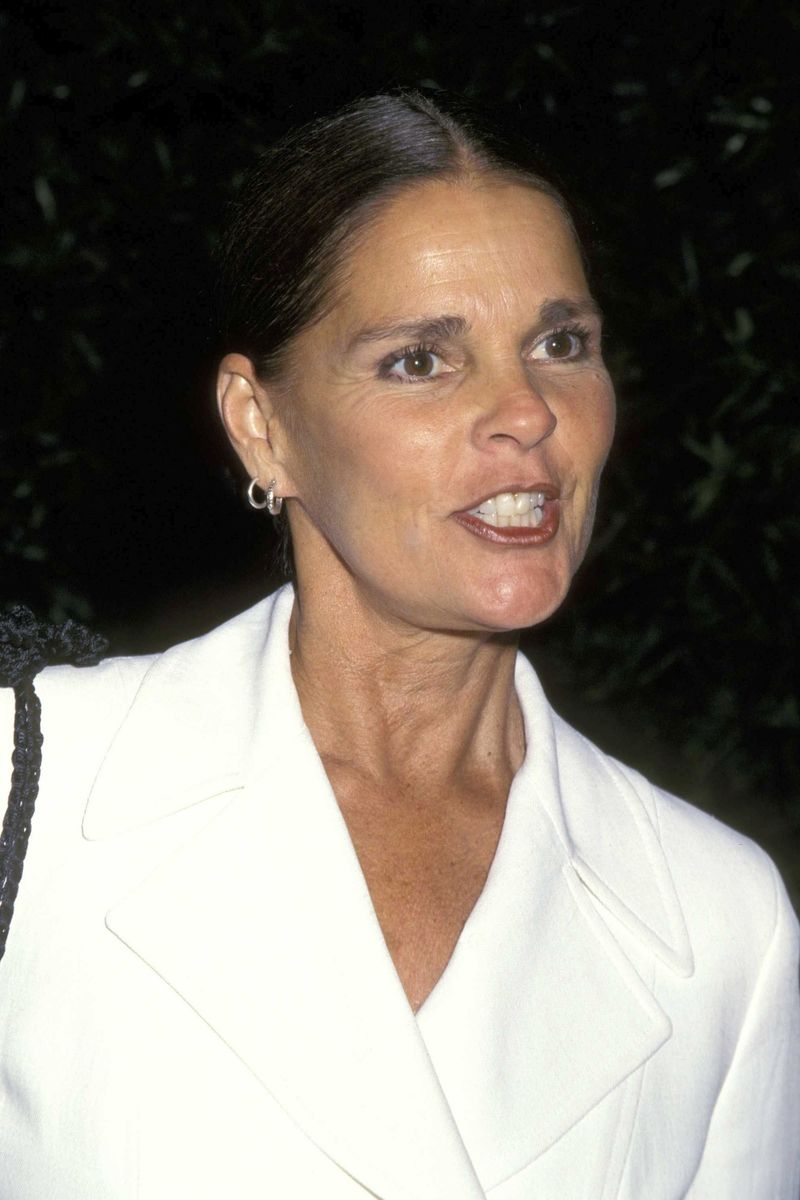
Few actresses defined romantic tragedy quite like Ali MacGraw.
Her role in “Love Story” (1970) made her a household name almost overnight, and her Oscar-nominated performance cemented her status as one of Hollywood’s brightest stars.
She followed that with “The Getaway” in 1972, proving she had real screen presence beyond tearjerker roles.
When the 1980s arrived, MacGraw largely stepped away from acting.
Personal life changes, including her marriage to Steve McQueen, shifted her priorities.
She made a high-profile return in the TV miniseries “Dynasty” spin-off “The Colbys” in 1985, but her film output remained sparse.
MacGraw later became known for her yoga advocacy, finding a new calling far from the camera.
2. Karen Black
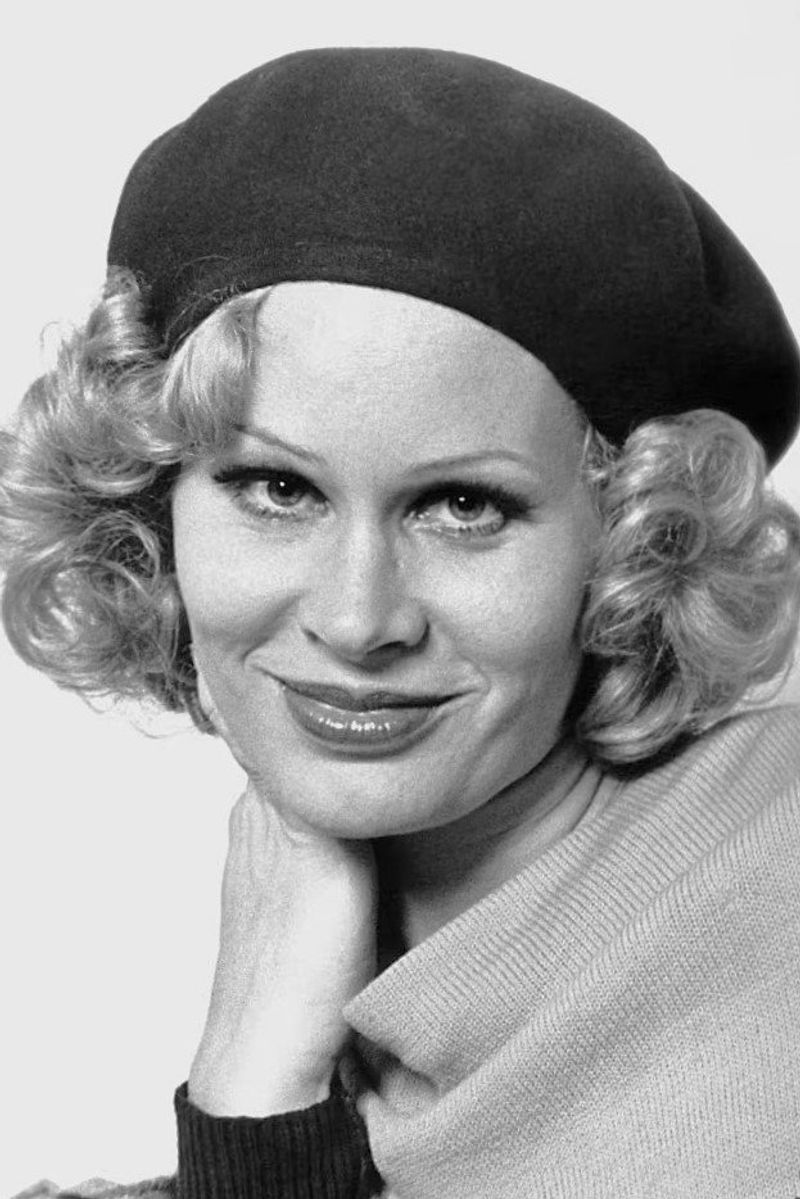
Karen Black was one of the most daring actresses of the 1970s, never afraid to take on raw, unconventional roles.
She earned an Oscar nomination for “Five Easy Pieces” in 1970 and delivered memorable performances in “Nashville,” “The Great Gatsby,” and “Airport 1975.” She was everywhere, and audiences loved her unpredictable energy.
By the 1980s, however, Black found herself moving away from major studio productions.
She continued working steadily, but the roles became smaller and the budgets thinner.
She appeared in a string of low-budget horror films, which kept her busy but did not match her earlier prestige.
Her talent never faded; the opportunities just changed shape as Hollywood’s tastes shifted.
3. Margot Kidder
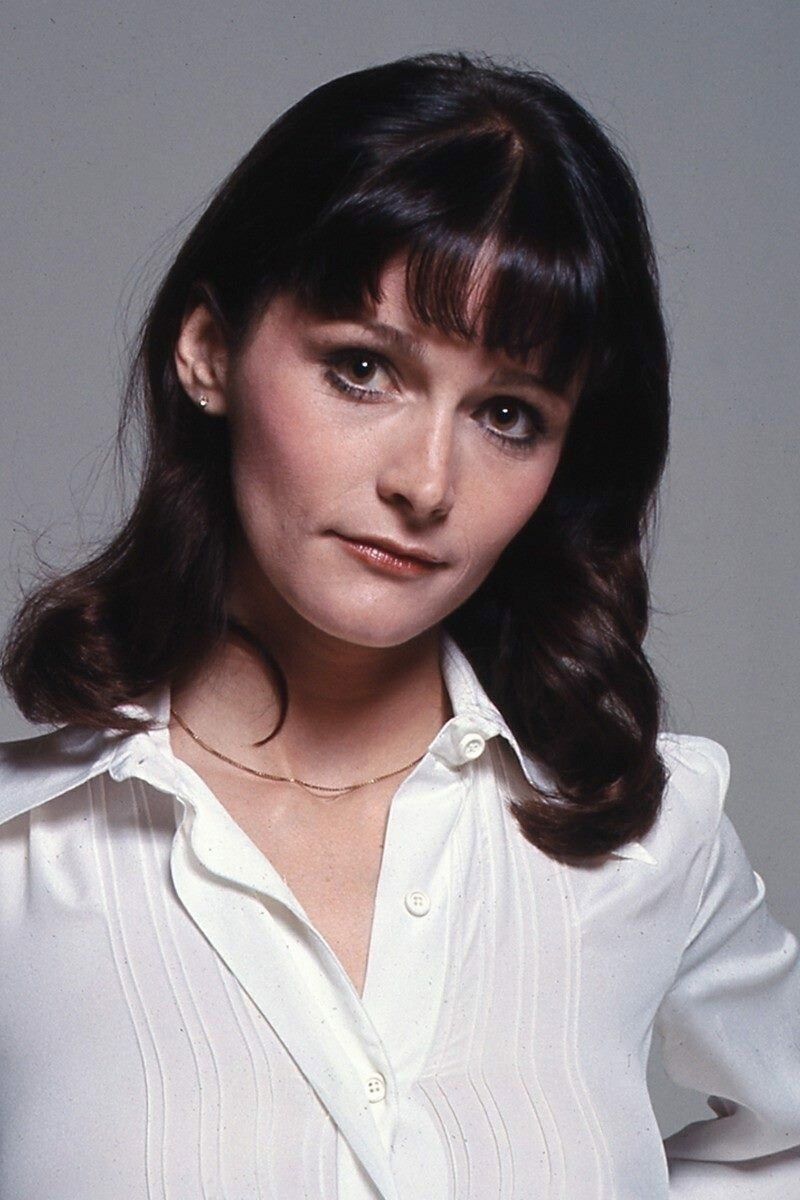
Margot Kidder soared to global fame playing Lois Lane opposite Christopher Reeve in “Superman” (1978).
That role made her one of the most recognizable faces in the world, and her sharp wit and natural charm translated beautifully on screen.
She had also impressed critics earlier with “The Amityville Horror” and Brian De Palma’s “Sisters.”
The 1980s brought fewer standout opportunities for Kidder.
She reprised the Lois Lane role in sequels, but outside of those appearances, major film roles became harder to come by.
Personal struggles, including a serious car accident in 1990, also affected her career trajectory.
Still, she remained a beloved figure, and fans never stopped cheering for the woman who made Lois Lane truly iconic.
4. Talia Shire
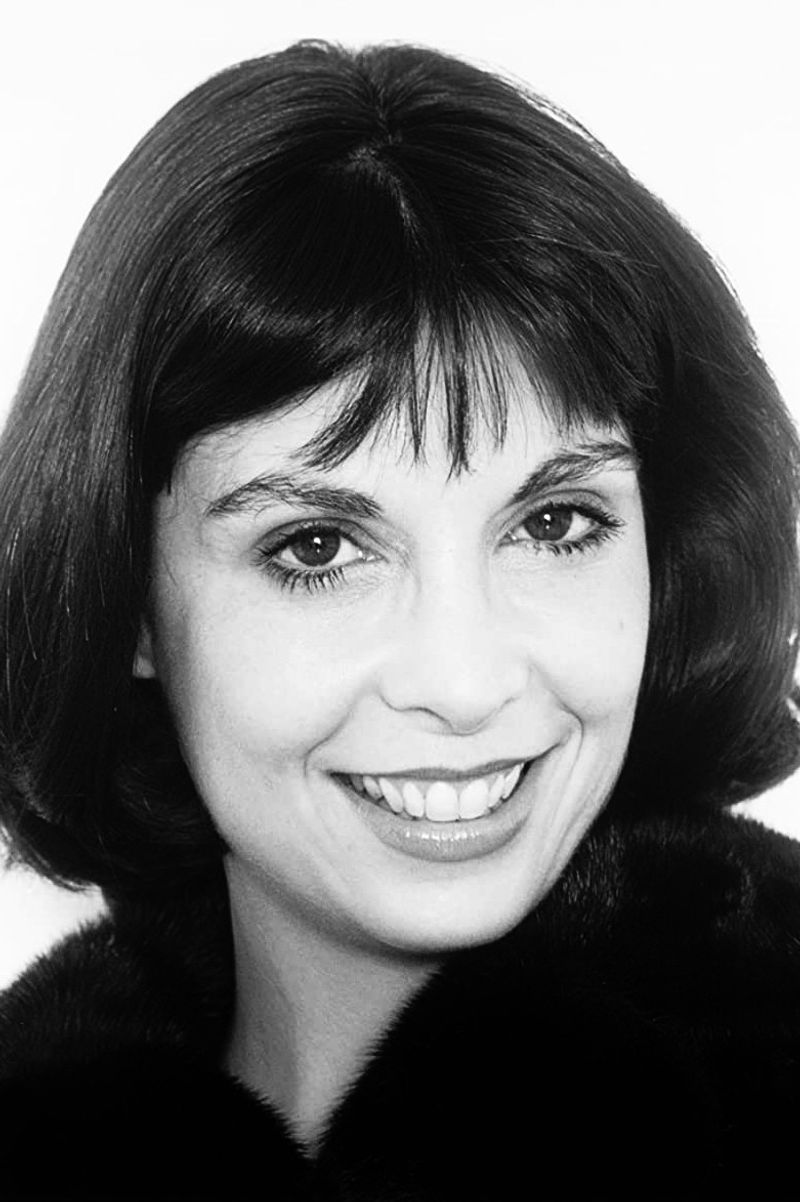
Talia Shire earned back-to-back Oscar nominations in the mid-1970s that most actresses only dream about.
She was heartbreaking as Connie Corleone in “The Godfather” films and quietly powerful as Adrian in “Rocky” (1976).
Those two franchises gave her a rare dual identity in pop culture, and she handled both roles with extraordinary emotional depth.
As the 1980s progressed, Shire continued appearing in the “Rocky” sequels, but fresh leading roles in major films were scarce.
She worked in television and took on smaller film parts, but never quite recaptured the spotlight she had shared with Stallone and Pacino.
She remained respected within the industry, and her performances in the ’70s still hold up as some of the decade’s finest.
5. Louise Fletcher
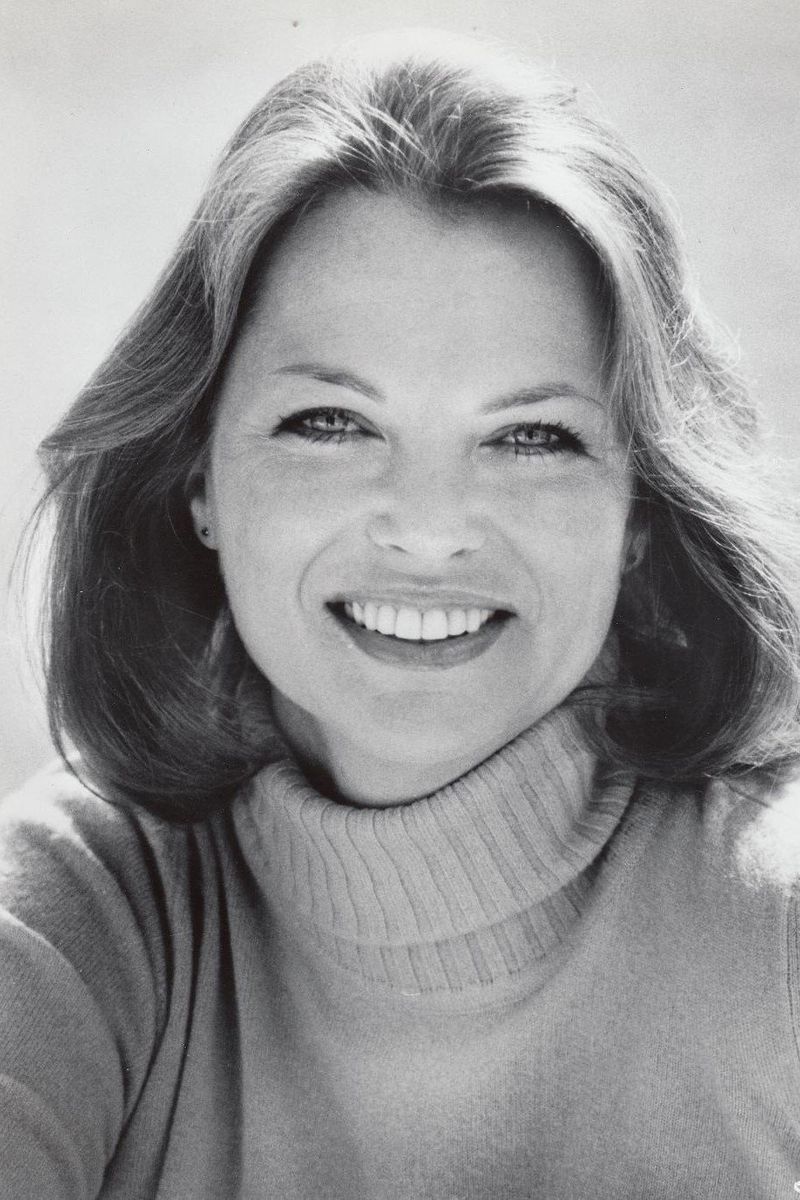
Winning the Academy Award for Best Actress is a career milestone very few ever reach.
Louise Fletcher did it in 1976 for her chilling portrayal of Nurse Ratched in “One Flew Over the Cuckoo’s Nest,” a performance so iconic it later topped the American Film Institute’s list of greatest villains.
Her controlled, cold delivery was unforgettable and genuinely unsettling.
Surprisingly, that Oscar win did not translate into a flood of major film roles in the 1980s.
Fletcher worked consistently in film and television, but blockbuster leading parts did not come her way.
She appeared in films like “Brainstorm” and “Firestarter,” yet none matched the cultural weight of Cuckoo’s Nest.
Hollywood sometimes struggles to place Oscar winners in a new category after a defining role.
6. Marsha Mason
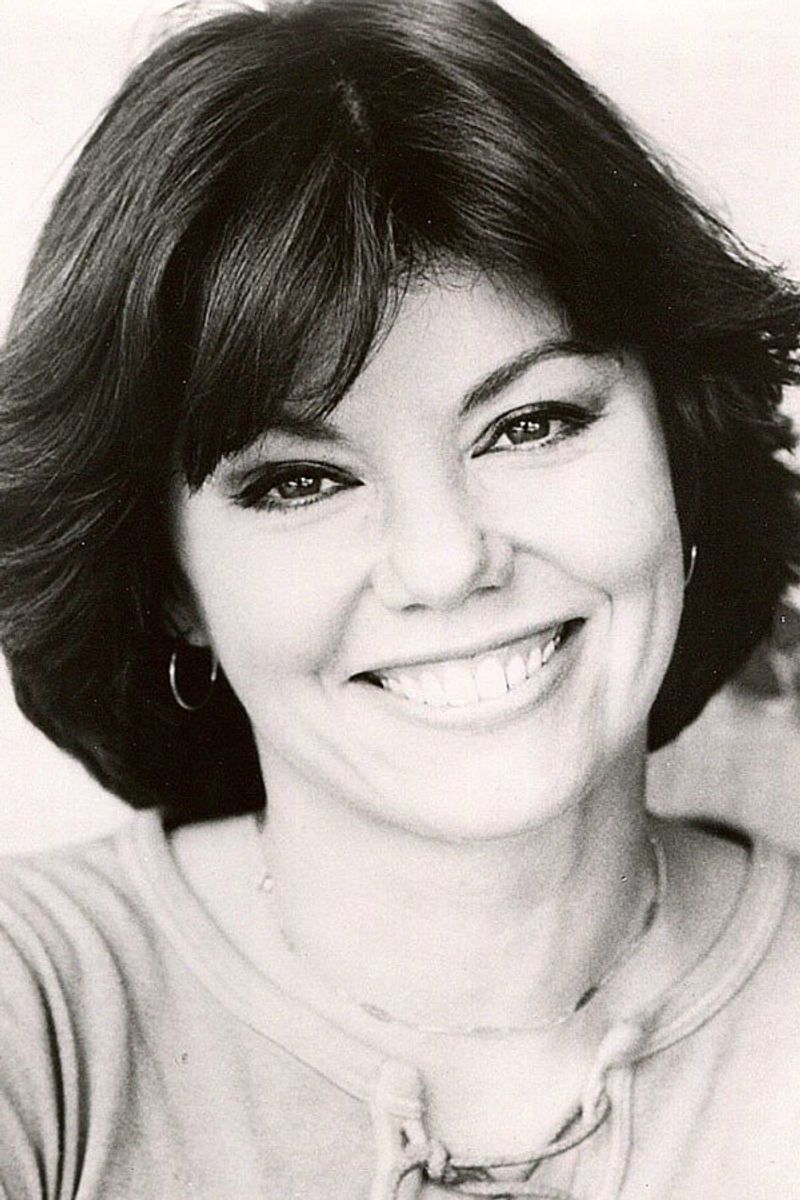
Marsha Mason was one of the most nominated actresses of the 1970s, collecting four Academy Award nominations across the decade.
Her collaborations with writer Neil Simon produced some genuinely touching performances, especially in “The Goodbye Girl” (1977), where her chemistry with Richard Dreyfuss felt completely real.
She had a warmth on screen that made audiences root for her every time.
The 1980s saw Mason’s film career slow considerably.
She continued working in theater, which had always been a passion, and appeared in television projects.
Film roles grew less frequent and less prominent.
Her personal life, including her divorce from Neil Simon, may have influenced the kinds of stories she wanted to tell.
She remained an admired talent, just one working at a quieter pace.
7. Diana Ross
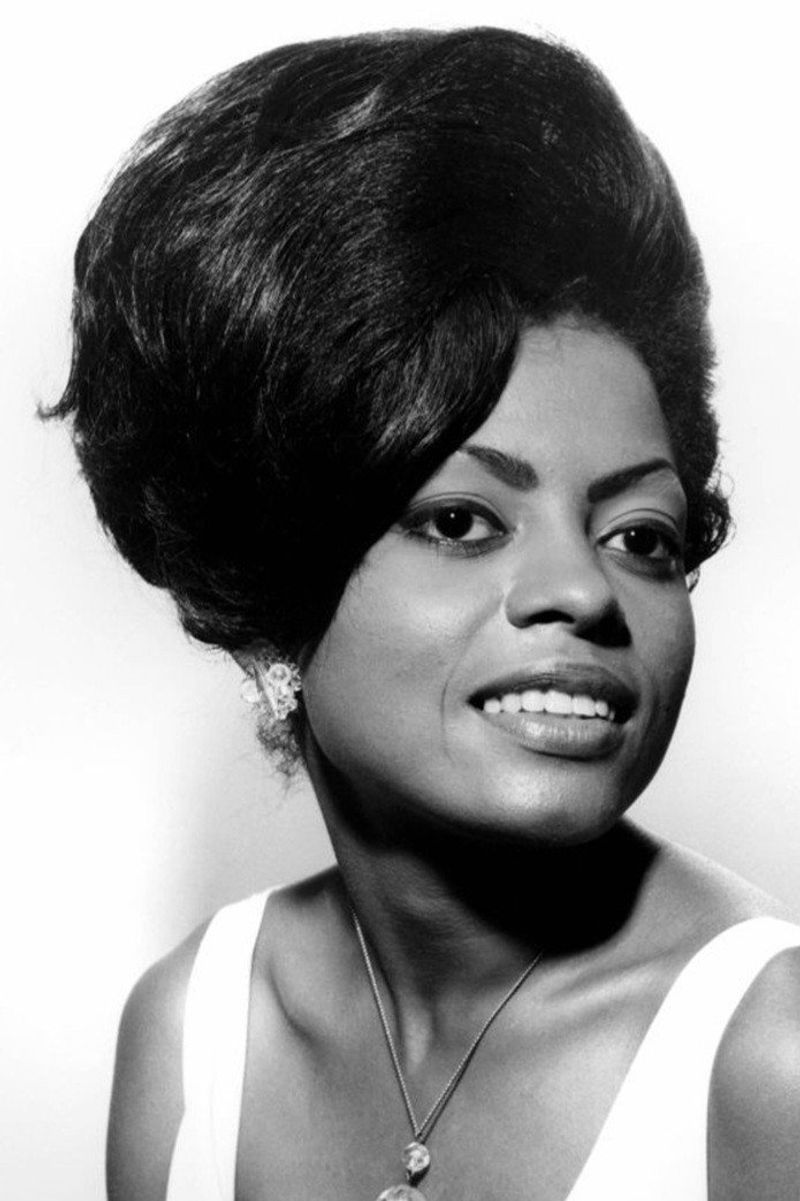
Diana Ross made one of the most talked-about acting debuts in Hollywood history when she starred in “Lady Sings the Blues” (1972), earning an Oscar nomination for her portrayal of Billie Holiday.
She followed that with “Mahogany” (1975) and “The Wiz” (1978), proving she was more than just a music superstar crossing over to film.
After “The Wiz,” Ross did not return to acting in feature films for many years.
Her 1980s focus shifted almost entirely back to music, where she continued achieving major commercial success.
While her film absence was noticeable, her musical career kept her in the public eye.
It was a conscious pivot rather than a fadeout, but Hollywood lost one of its most magnetic presences when she stepped away from the screen.
8. Tuesday Weld
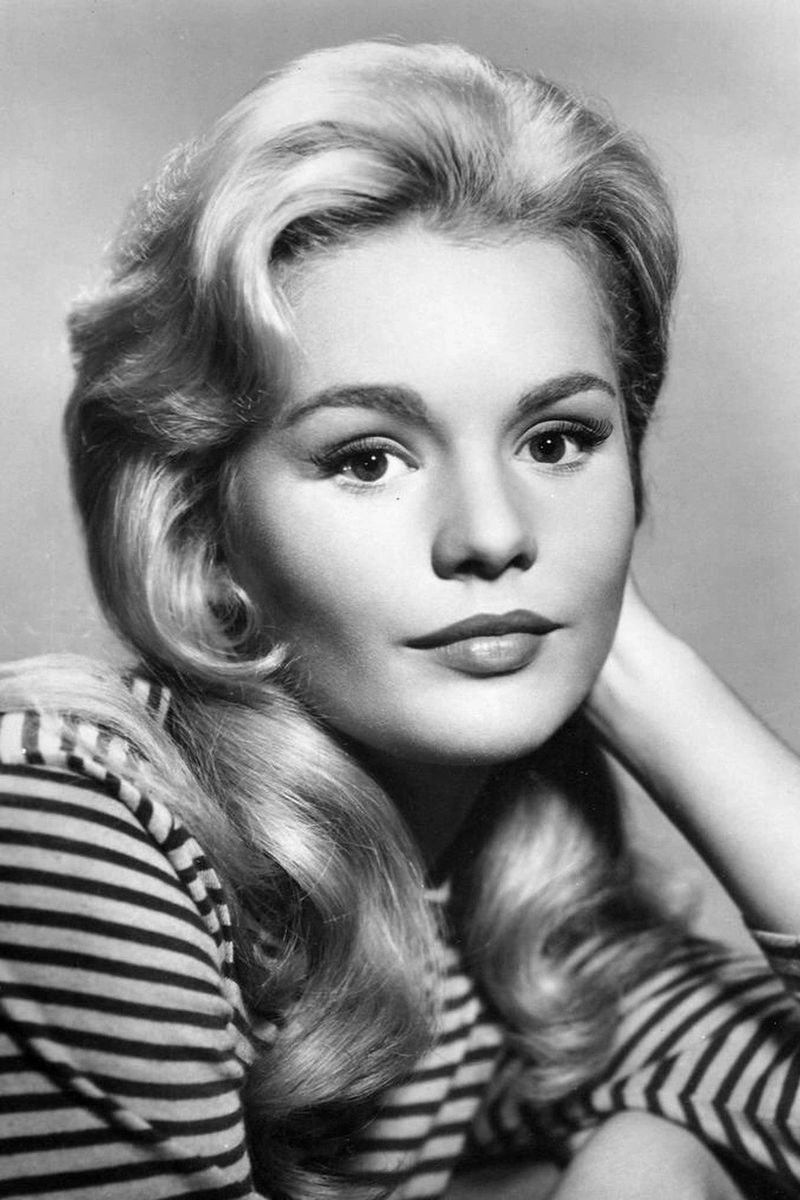
Tuesday Weld was always something of a Hollywood mystery, a gifted actress who seemed to resist the very stardom that chased her.
She delivered remarkable performances in films like “Pretty Poison” (1968) and earned an Oscar nomination for “Looking for Mr. Goodbar” (1977).
Critics adored her, and many considered her one of the most underrated performers of her generation.
By the 1980s, Weld was appearing far less frequently on screen.
She took selective roles in television movies and occasional features, but never pursued mainstream Hollywood ambitions.
Her 1981 appearance in “Thief” alongside James Caan reminded audiences how compelling she could be.
Weld always seemed to operate on her own terms, prioritizing personal life over industry pressure, which made her career path genuinely unique among her peers.
9. Genevieve Bujold
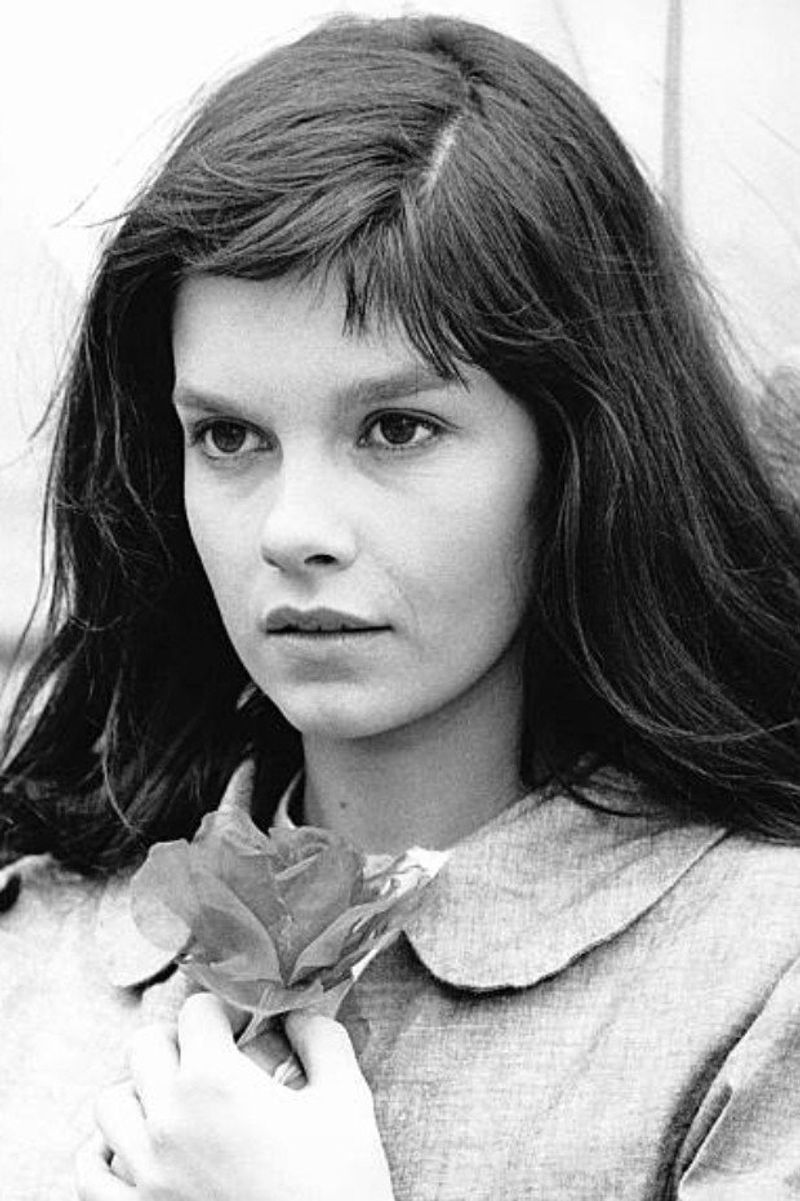
Canadian actress Genevieve Bujold brought an intensity and intelligence to every role she tackled.
She earned an Oscar nomination for “Anne of the Thousand Days” (1969) and delivered one of the most gripping thriller performances of the decade in “Coma” (1978).
Her accent and unconventional screen presence made her stand out in a Hollywood full of polished leading ladies.
The 1980s were quieter for Bujold in terms of major Hollywood productions.
She appeared in films like “Tightrope” (1984) with Clint Eastwood, which gave her good visibility, but consistent leading roles were harder to find.
She continued working in Canadian and international cinema, staying true to her artistic instincts.
Her career choices reflected a preference for quality over quantity, a trade-off that kept her respected but less visible.
10. Glenda Jackson
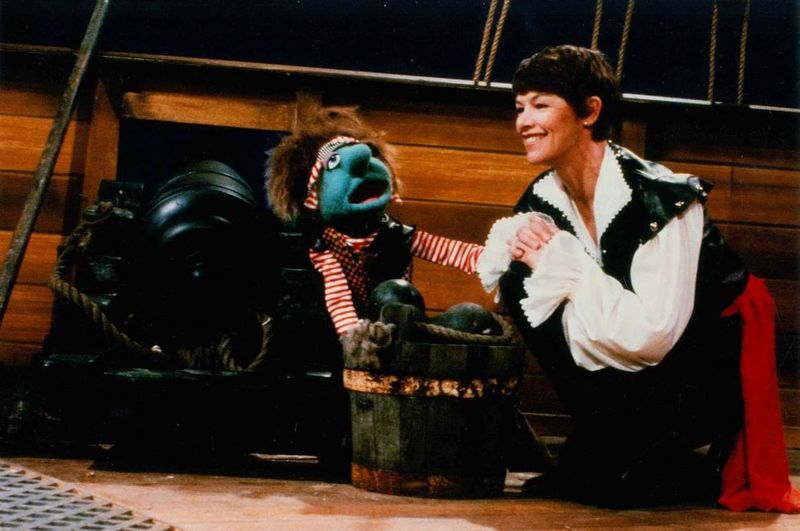
Glenda Jackson is one of the few performers to win two Academy Awards for Best Actress, taking home the prize for “Women in Love” (1970) and “A Touch of Class” (1973).
Her fierce intelligence and refusal to play conventional feminine roles made her one of the most respected actresses working in film during the 1970s.
She commanded the screen like few others could.
What made Jackson’s shift away from film unique was her reason for it.
In 1992, she left acting entirely to pursue a career in British politics, eventually serving as a Member of Parliament for 23 years.
But even before that, her 1980s film output had already slowed.
She focused more on theater and television, prioritizing stage work and public service over Hollywood pursuits.
11. Faye Dunaway
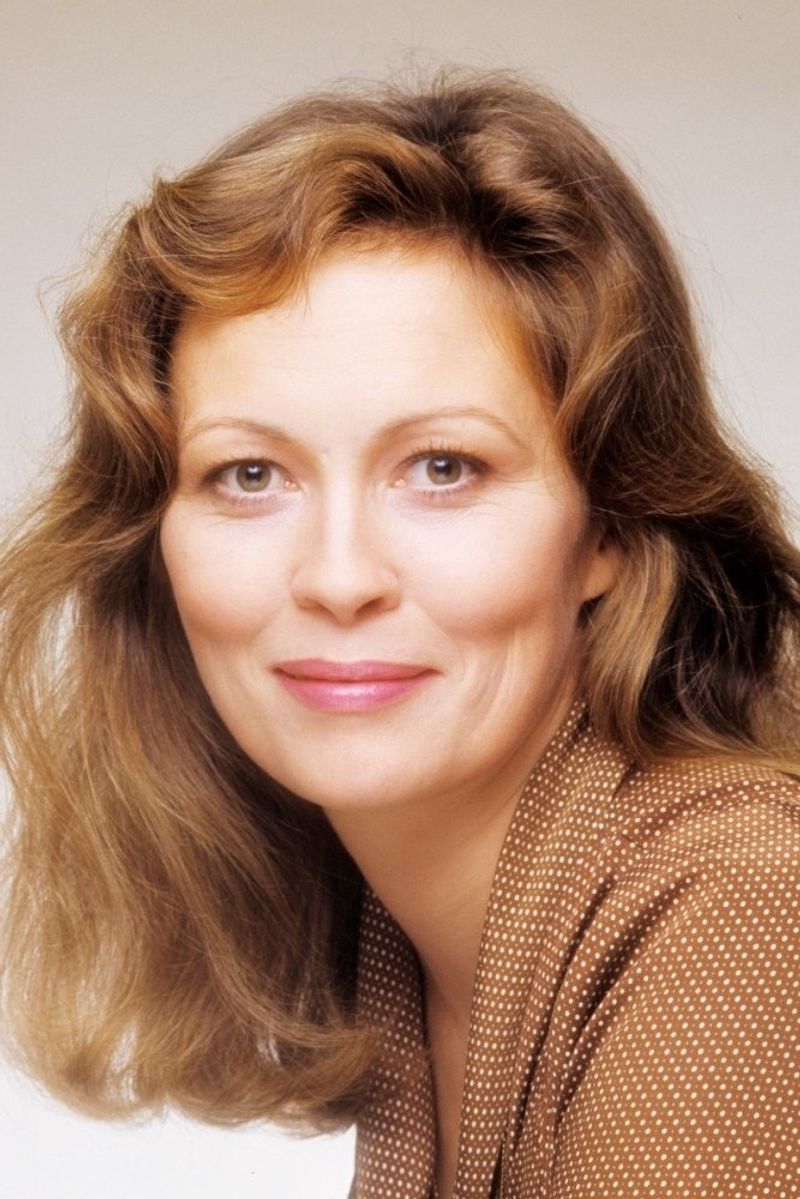
Few actresses had a 1970s run as spectacular as Faye Dunaway.
She starred in “Chinatown” (1974), won the Oscar for “Network” (1976), and appeared in “Three Days of the Condor” and “The Thomas Crown Affair” earlier in her career.
Her combination of beauty, intelligence, and fearlessness made her one of the defining actresses of New Hollywood.
The 1980s brought a complicated chapter for Dunaway.
Her performance in “Mommie Dearest” (1981) became unintentionally campy, and despite its cultural staying power, it hurt her reputation with serious filmmakers for a time.
Roles became less prestigious through the decade, though she continued working in television and international productions.
Her talent was never in question, but Hollywood’s perception of her shifted after that polarizing performance.
12. Ellen Burstyn
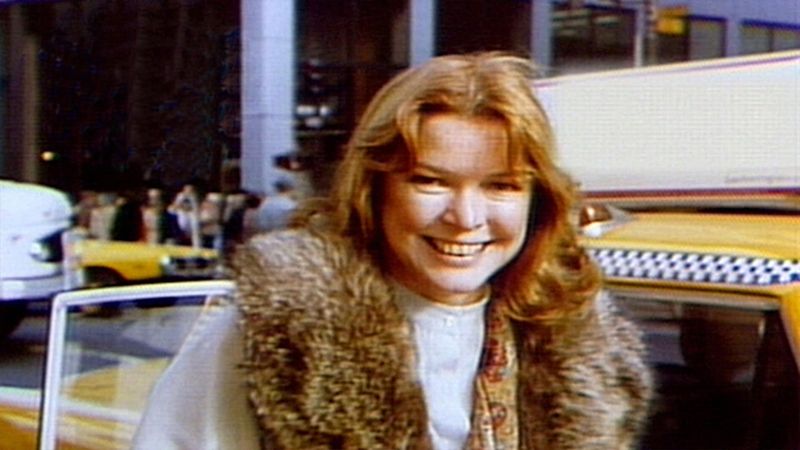
Ellen Burstyn’s 1970s work is nothing short of extraordinary.
She earned Oscar nominations for “The Last Picture Show,” “The Exorcist,” and “Alice Doesn’t Live Here Anymore,” winning the award for the latter in 1975.
She also appeared in “Same Time, Next Year” in 1978, earning yet another nomination.
Few actresses have matched that level of sustained critical recognition in a single decade.
The 1980s saw Burstyn take on fewer film roles, though she remained deeply committed to her craft.
She focused significantly on theater and became artistic director of the Actors Studio, channeling her energy into nurturing other performers.
Film appearances grew selective rather than frequent.
Her dedication to the art of acting never wavered; she simply chose to express it in different ways as the decade unfolded.
13. Cybill Shepherd
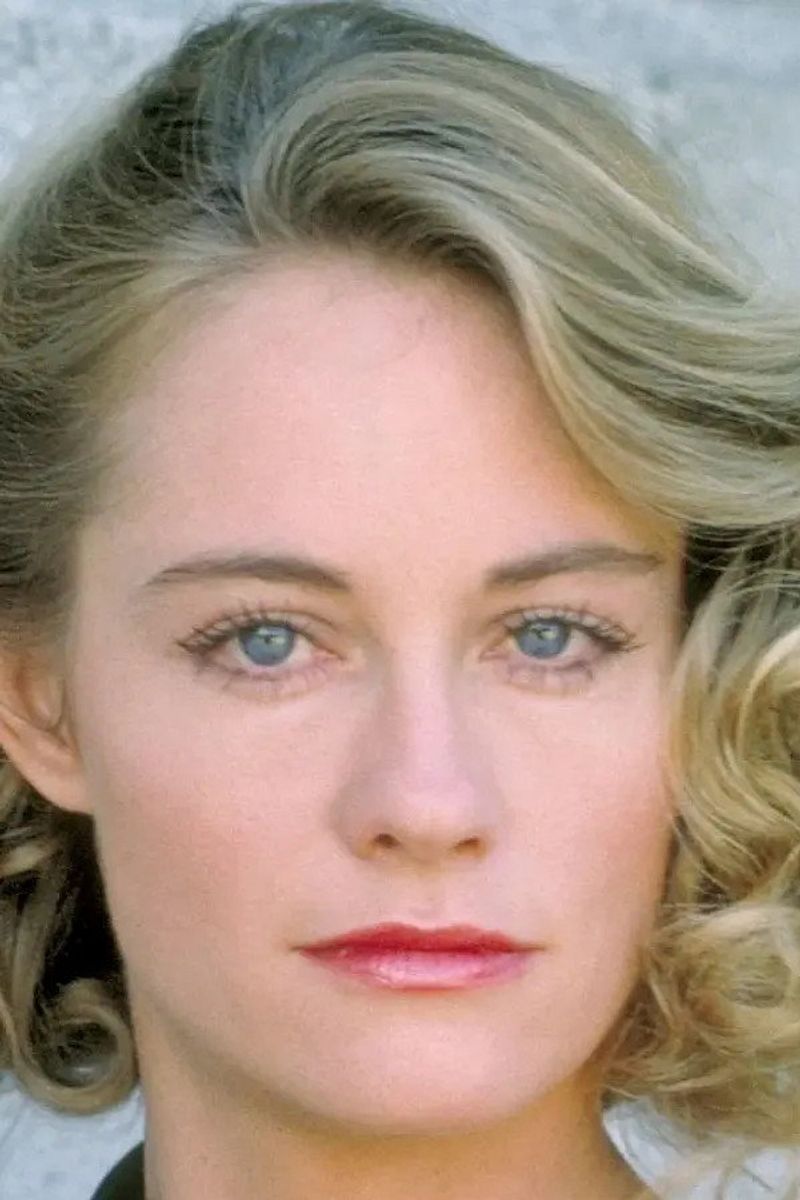
Cybill Shepherd burst onto screens with an effortless cool that made directors like Peter Bogdanovich take immediate notice.
She starred in “The Last Picture Show” (1971) and “Daisy Miller” (1974), and her off-screen relationship with Bogdanovich made her one of the most talked-about women in Hollywood.
Her screen presence was magnetic, blending beauty with a sharp, self-aware quality.
Through much of the 1980s, Shepherd’s film career stayed relatively quiet.
She appeared in a few projects but did not reclaim her earlier film momentum until television came calling.
Her comeback in the hit series “Moonlighting” (1985) opposite Bruce Willis was a major pop culture moment, reminding everyone exactly how charming she could be.
Sometimes the small screen offers a better second act than any movie could.