 MomSkoop

Language is always changing, and Gen Z has taken some everyday phrases and given them a whole new spin. Words that older generations use in one way can mean something completely different to younger people today.
This gap in meaning can lead to some pretty funny misunderstandings between parents, teachers, and their Gen Z kids or students. Knowing what these phrases really mean to each group can help bridge the gap and keep conversations clear.
1. No Worries

For older generations, “No worries” is a polite way to say “It’s okay” or “Don’t stress about it.” It carries a warm, reassuring tone, like patting someone on the back after a small mistake.
Most adults use it as a genuine expression of forgiveness or comfort.
Gen Z, on the other hand, sometimes uses “No worries” in a slightly passive-aggressive way.
If a friend cancels plans last minute and the response is a flat “No worries,” it might actually mean the opposite.
The tone and context do all the heavy lifting here.
Reading the vibe behind the words matters just as much as the words themselves.
2. I’m Dead

Hearing someone say “I’m dead” used to be alarming.
For older generations, those two words signal something serious and are never taken lightly.
It’s the kind of phrase that would stop a conversation cold and cause real concern.
For Gen Z, “I’m dead” simply means something is so funny that they can barely handle it.
Think of it as the next level of “I’m dying of laughter.” It has nothing to do with anything serious and everything to do with a hilarious meme or joke.
If a Gen Z teen texts this after you send them a funny video, consider it a compliment.
You just passed the humor test.
3. That’s Wild
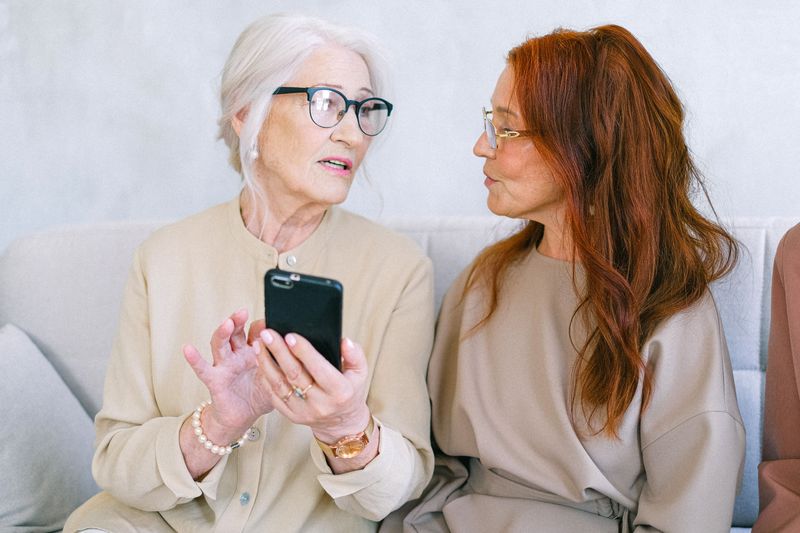
Older generations tend to use “That’s wild” when something is genuinely shocking or hard to believe, like hearing unexpected news or learning a surprising fact.
The phrase carries real emotional weight and signals that the speaker is truly caught off guard.
Gen Z uses it too, but often as a filler response when they are not fully engaged in the conversation.
Similar to saying “Wow” or “Hmm,” it can mean “I heard you” without much deeper reaction.
It is basically a polite way of moving the conversation along.
So if a Gen Z person responds to your big news with “That’s wild,” do not assume they are as shocked as you might expect them to be.
4. It’s Giving

“It’s giving” is one of those phrases that can leave older generations completely puzzled.
Rooted in Black and LGBTQ+ culture, this expression means that something has a certain energy, vibe, or resemblance to something else. “It’s giving main character” means someone is acting like the star of their own story.
For older adults, the phrase sounds grammatically incomplete. “It’s giving what?” is a very common response.
The missing object at the end feels like an unfinished sentence to anyone not plugged into current slang.
Once you understand the meaning, though, it is actually a creative and flexible compliment.
Gen Z uses it to describe fashion, attitude, and energy in a way that feels fresh and expressive.
5. Say Less

“Say less” sounds like a request to stop talking, which can feel a little rude if you are hearing it for the first time without context.
An older adult might take it as an interruption or a sign of disrespect, especially mid-sentence.
In Gen Z language, “Say less” actually means the complete opposite of what it sounds like.
It translates to “I totally understand, no need to explain further” or “I am already on board.” It is a quick, efficient way to agree without a long back-and-forth.
Think of it as the slang version of “Got it” or “I’m in.” Once you know what it means, it feels pretty efficient and even a little cool.
6. Bet

Short, punchy, and endlessly versatile, “Bet” is one of Gen Z’s favorite single-word responses.
It can mean “okay,” “agreed,” “for sure,” or even “challenge accepted,” depending on the situation.
It is the ultimate low-effort, high-meaning reply.
For older generations, “Bet” is something you place at a casino or make with a friend over a sports game.
Hearing a teenager respond to a request with just the word “Bet” can feel dismissive or even confrontational to someone unfamiliar with the slang.
Context is everything with this one.
A cheerful “Bet!” means enthusiastic agreement, while a slow, flat “Bet” might signal mild annoyance.
Pay attention to the tone and you will crack the code quickly.
7. Slay

Once upon a time, “slay” had a pretty dark literal meaning.
For older generations, it still primarily conjures images from fairy tales or action movies.
Hearing someone shout “You slayed it!” at a school talent show might raise a few confused eyebrows among parents in the crowd.
For Gen Z, “slay” is one of the highest compliments you can give.
It means someone performed exceptionally, looked amazing, or totally crushed whatever they were doing.
Beyonce concerts, a killer presentation, and a perfect outfit can all earn the title of “slay.”
The word has evolved into a celebration of confidence and excellence.
If someone tells you that you slayed, you can smile, say thanks, and take it as a genuine win.
8. You Ate
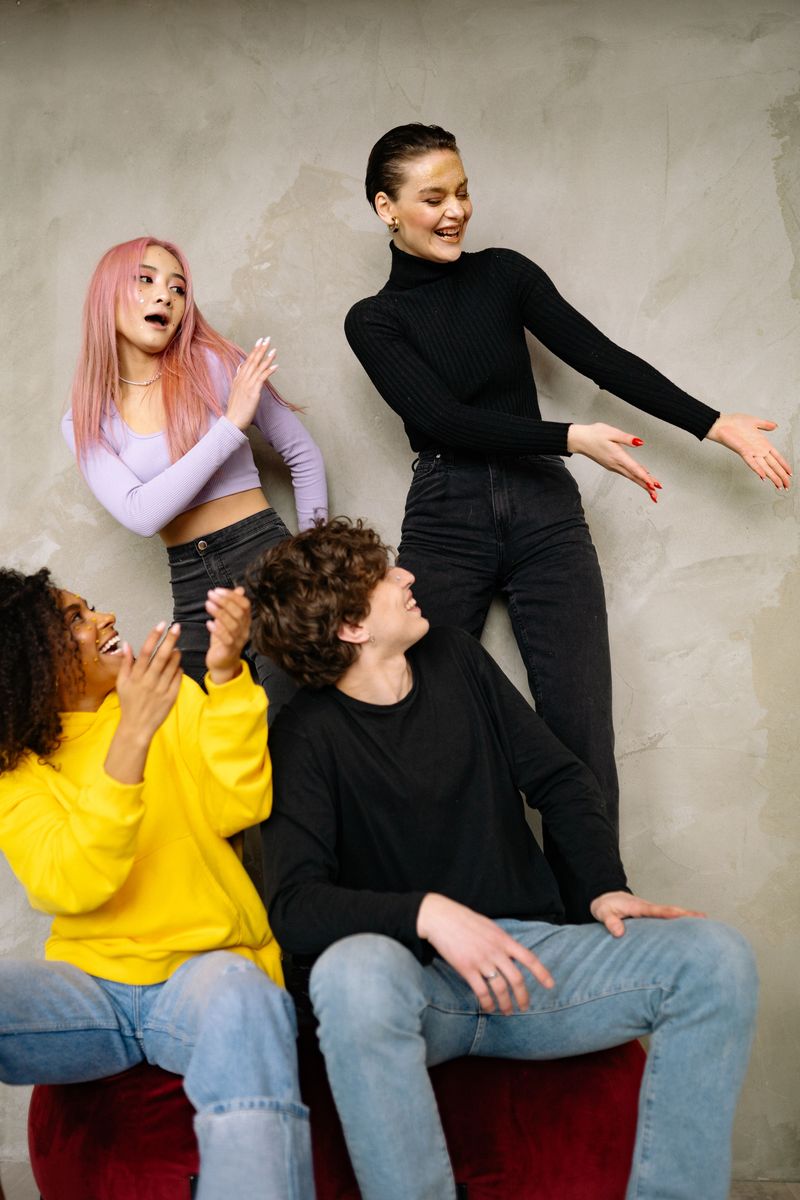
Food has nothing to do with this one. “You ate” or the fuller version “You ate and left no crumbs” is Gen Z’s way of saying someone absolutely nailed something.
It is a high-energy compliment reserved for truly impressive performances, outfits, or moments.
For older generations, hearing “You ate that” in reference to a dance routine or a speech can be genuinely baffling.
The food imagery does not connect naturally to excellence, and the phrase can easily be misread as a weird inside joke rather than sincere praise.
Once decoded, it is actually one of the most enthusiastic compliments in Gen Z’s vocabulary.
If someone says you ate, you basically just delivered a flawless performance worth celebrating.
9. Low-Key

Older generations use “low-key” mostly in a literal sense, describing something that is calm, understated, or not drawing much attention.
A low-key party means a small gathering with no big fuss, and that meaning still holds up pretty well across all age groups.
Gen Z has expanded the phrase to also mean “kind of” or “secretly a little bit.” Saying “I low-key love that show” means admitting a slight, almost reluctant affection for something.
It softens an opinion and makes it feel less intense or embarrassing to admit.
The good news is that this is one phrase where the generational gap is not too wide.
Most people can figure out the meaning from context without too much trouble.
10. High-Key
Think of “high-key” as the louder, more confident sibling of “low-key.” While “low-key” softens an opinion, “high-key” amplifies it.
Saying “I high-key love that movie” means you are not just a little into it, you are openly and unashamedly obsessed.
For older generations, “high-key” might sound like a musical reference or something related to volume and energy.
It does not immediately register as a way to express strong feelings or enthusiasm about something.
Gen Z uses it to signal that they are being completely upfront and unapologetic about their opinion.
There is no hiding behind “low-key” here.
If someone high-keys something, they want everyone to know exactly how they feel, no filters attached.
11. It’s Not That Deep

“It’s not that deep” is Gen Z’s way of telling someone to relax and stop overthinking a situation.
It is meant to be reassuring, suggesting that whatever the issue is, it does not require a full emotional breakdown or lengthy analysis.
Keep it light, basically.
For older adults, this phrase can come across as dismissive or even a little disrespectful, especially when they feel the topic genuinely deserves serious attention.
Being told something is “not that deep” mid-conversation can feel like a brush-off.
The key is knowing when Gen Z means it kindly versus when the tone shifts.
Most of the time, it is genuinely meant to reduce stress and encourage a more chill approach to whatever is going on.
12. I Can’t

Older generations hear “I can’t” and assume someone is expressing an inability to do something, whether physical, emotional, or logistical.
It sounds like a statement of limitation, maybe even frustration.
Out of context, it can sound pretty dramatic.
For Gen Z, “I can’t” is almost always used as a reaction to something overwhelmingly funny, cute, or unbelievable.
It is a short way of saying “I cannot handle how amazing or hilarious this is right now.” Think of it as emotional overflow compressed into two words.
It is actually one of the more expressive phrases in Gen Z’s toolkit.
When a teen watches a puppy video and types “I can’t,” they are not struggling.
They are completely and joyfully overwhelmed.
13. Respectfully

In traditional usage, “respectfully” signals that you are about to disagree or share a differing opinion while still being polite and considerate.
Older generations use it in formal writing, emails, and professional settings as a sign of courtesy and good manners.
Gen Z has flipped the script entirely.
When someone says “Respectfully” before a statement, it usually means the opposite of what follows will actually be very respectful.
It is a tongue-in-cheek setup for a blunt, honest, or slightly savage opinion that they feel totally justified in sharing.
“Respectfully, that haircut is not it” is a perfect example.
The word is more of a comedic disclaimer than a genuine pledge of politeness, and Gen Z uses it with a knowing smirk.