 MomSkoop

The words we hear as children can shape the way we see ourselves for the rest of our lives. Growing up with encouraging, honest, and loving messages helps build a strong sense of self-worth.
People with healthy self-esteem often trace their confidence back to a few powerful phrases they heard regularly. These nine statements might seem simple, but their impact runs incredibly deep.
1. I’m Proud of You

Few phrases carry as much weight as hearing “I’m proud of you” from someone you love and respect.
For a child, those four words can light up an entire day.
They signal that your effort has been noticed and that you matter to the people around you.
When kids hear this regularly, they start to believe in their own ability to achieve things.
They learn that hard work is worth it, not just for rewards, but for the joy of growth itself.
Pride shared between a parent and child builds a bridge of trust and motivation.
Over time, children who hear this phrase begin to feel proud of themselves too, which is where real confidence begins.
2. Your Feelings Matter
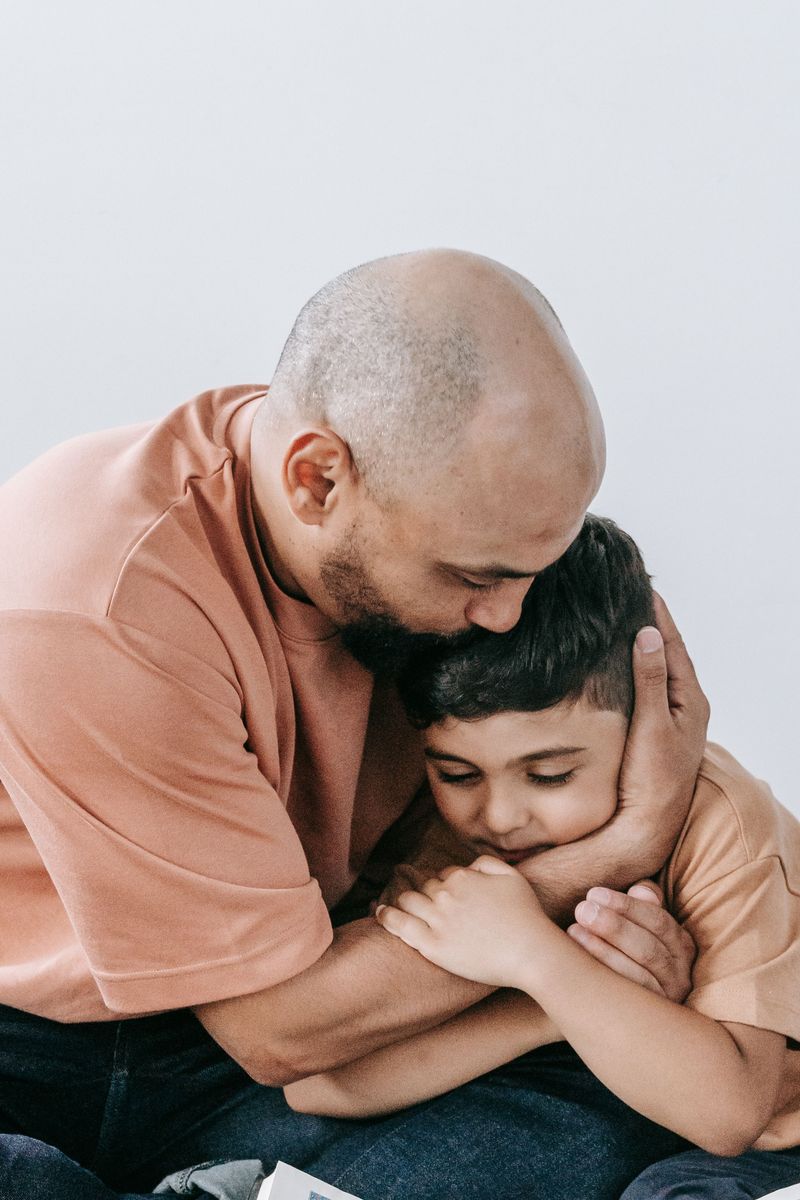
Imagine telling a child that what they feel inside is real and worth paying attention to.
That simple act of validation can completely change how a person relates to their own emotions for the rest of their life.
Feelings that are dismissed early on tend to go underground and cause problems later.
Children who were told their feelings matter grow up knowing it is okay to be sad, frustrated, or scared.
They do not waste energy pretending to be fine when they are not.
That emotional honesty becomes a superpower in relationships and everyday life.
Healthy self-esteem is deeply connected to emotional awareness, and it all starts with someone saying, “What you feel is valid.”
3. It’s Okay to Make Mistakes

Nobody gets everything right on the first try, and children who learn this early have a huge advantage in life.
Being told that mistakes are okay removes the fear of failure before it ever has a chance to take root.
That freedom to try, stumble, and try again is where real learning happens.
Kids raised with this message tend to take on challenges with curiosity rather than dread.
They see a wrong answer as a stepping stone, not a stop sign.
That mindset follows them into adulthood, making them more resilient when life gets hard.
Perfection was never the goal.
Growing, learning, and bouncing back, that is what healthy self-esteem is really built on.
4. You Don’t Have to Be Perfect

Perfectionism can be exhausting, and children who are never given permission to be imperfect often grow up feeling like they are never enough.
Hearing “you do not have to be perfect” is like putting down a heavy backpack you did not even realize you were carrying.
It is a relief that changes everything.
This phrase teaches kids that their worth is not tied to flawless performance.
A spelling mistake, a missed goal, or a failed test does not define them.
They learn to separate who they are from what they produce.
People with healthy self-esteem understand that being human means being wonderfully, beautifully imperfect.
That acceptance starts with someone saying it out loud when they are young.
5. I Trust You

There is something quietly powerful about being trusted.
When a child hears “I trust you,” it sends a clear message: you are capable, you are responsible, and I believe in your judgment.
That kind of faith from a grown-up plants a seed of self-belief that keeps growing for years.
Trust also teaches accountability.
Kids who are trusted learn to take their choices seriously because they know someone believes they will make good ones.
It creates a positive cycle where confidence and responsibility build each other up.
Adults who grew up hearing this phrase often carry a quiet, grounded belief in themselves.
They do not need constant reassurance because they already know, deep down, that they are capable of handling things.
6. You Can Say No

Teaching a child that they have the right to say no is one of the most protective gifts a caregiver can give.
Kids who grow up knowing their boundaries are respected develop a strong sense of personal agency.
They understand that their comfort and safety matter, and that no one is entitled to override them.
This simple message also lays the groundwork for healthy relationships later in life.
A person who learned to say no as a child is far less likely to say yes out of fear or guilt as an adult.
That is a life-changing difference.
Confidence is not just about speaking up loudly.
Sometimes it is about quietly, firmly holding your ground, and knowing you have every right to do so.
7. What Do You Think?
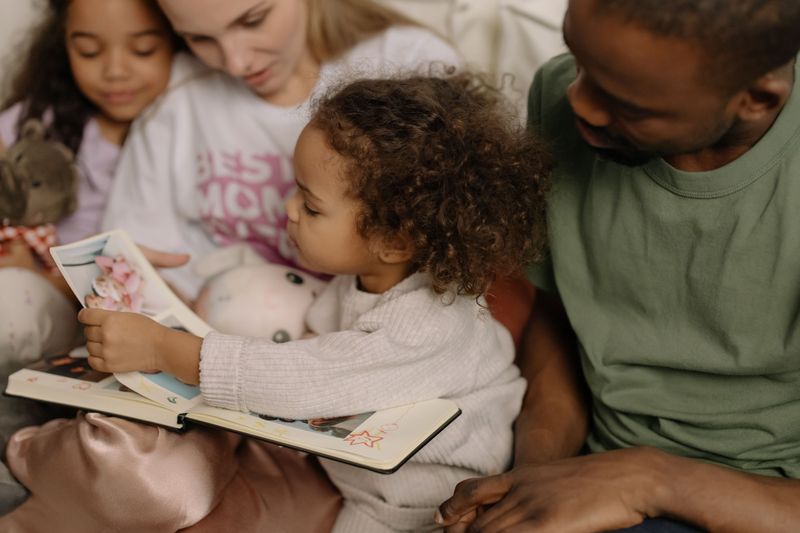
Being asked “what do you think?” might seem like a small gesture, but for a child, it is enormous.
It says: your opinion has value.
Your perspective is worth hearing.
You are not just a passenger in this conversation, you are a participant.
That recognition shapes how a person shows up in the world.
Children who were regularly asked for their thoughts learn to trust their own instincts.
They practice forming opinions, defending ideas, and thinking critically from a young age.
Those skills become the foundation of strong communication and healthy self-expression.
Growing up feeling heard builds the kind of self-esteem that does not waver when someone disagrees.
You already know your thoughts are worth sharing, and that is more than enough.
8. You Are Loved Even When We Disagree

Conflict is a normal part of any relationship, but children who grow up fearing that love will disappear during a disagreement carry that anxiety with them everywhere.
Being told “you are loved even when we disagree” teaches something profound: love is not conditional on compliance.
It does not disappear when things get hard.
Kids raised with this message learn that relationships can survive tension.
They do not have to hide their true feelings or pretend to agree just to keep the peace.
That security allows them to be honest, which is a cornerstone of healthy self-esteem.
Unconditional love does not mean no rules or no consequences.
It means the relationship is bigger than any single argument, and that safety changes everything.
9. You Don’t Have to Earn My Love

Some children grow up feeling like love is a reward they have to work for, and that belief follows them into adulthood in painful ways.
Hearing “you do not have to earn my love” is one of the most freeing things a child can experience.
It removes the exhausting pressure to perform, achieve, or behave perfectly just to feel accepted.
When love is freely given, children feel safe enough to be themselves.
They stop performing and start actually living.
That authenticity is the bedrock of genuine self-esteem, the kind that does not crumble when things go wrong.
People who grew up knowing they were loved just for existing tend to love themselves more easily too.
And that changes absolutely everything about how they move through the world.