 MomSkoop
Getting dressed well isn’t just about buying expensive clothes. Sometimes the smallest details are what separate a sharp, put-together look from one that falls flat.
A wrinkled collar, bulging pockets, or mismatched accessories can quietly undermine an otherwise great outfit. Knowing what to watch out for makes it surprisingly easy to level up your everyday style.
1. Trousers pooling around the shoes
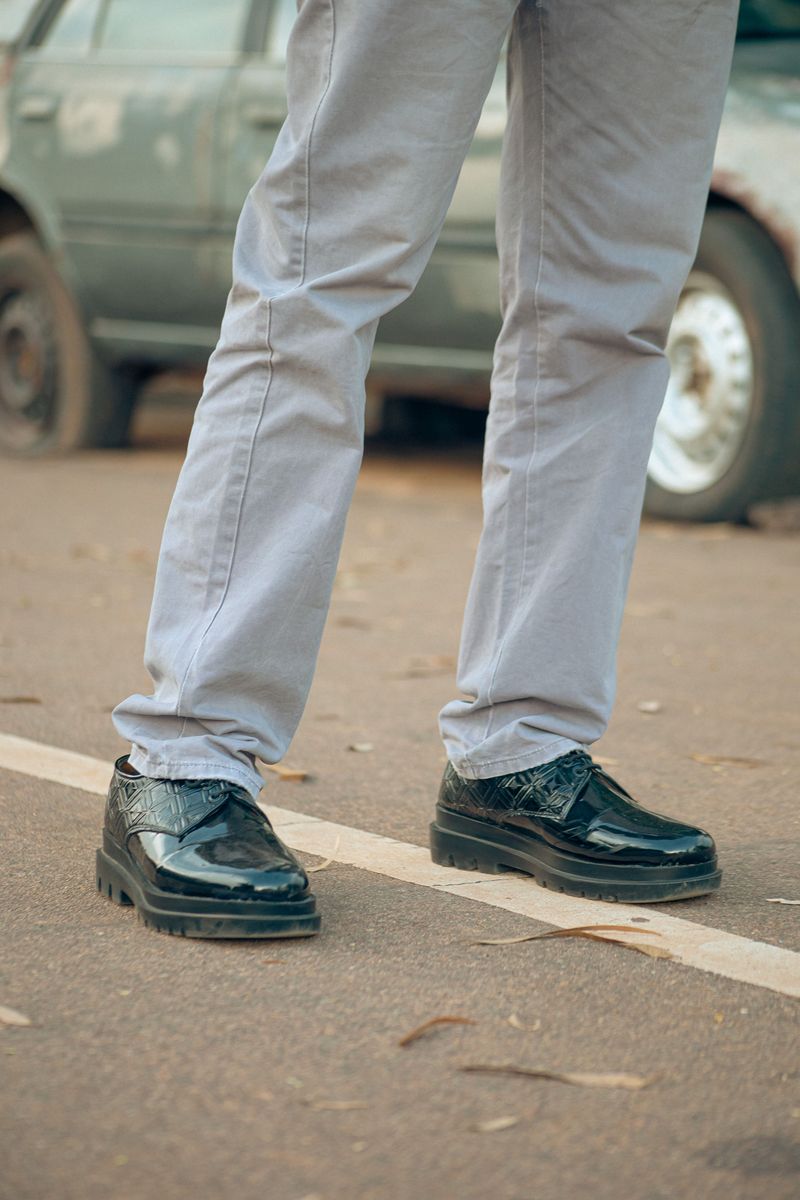
Excess fabric stacking at the ankle is one of those things you might not notice in the morning but everyone else sees throughout the day.
When trousers bunch up around your shoes, the whole lower half of your outfit looks sloppy, even if everything else is perfectly tailored.
For most tailored outfits, aim for a slight break or no break at all.
Wider, relaxed trousers can run a little longer, but the drape should look deliberate, not like the trousers are swallowing your feet.
Getting trousers hemmed by a tailor is affordable and makes a dramatic difference.
Think of it as the finishing touch your outfit actually needs.
2. Shirt collars that collapse or curl

A collar that rolls inward or curls at the tips does something surprisingly damaging: it draws the eye to the messiest part of your outfit, right near your face.
Clean lines around the collar and neck frame your appearance the way a picture frame sets off a painting.
Iron or steam the collar before wearing, and use collar stays if your shirt has the slots for them.
Make sure the collar actually fits your neck properly, because an oversized collar will always collapse no matter how much you iron it.
Checking that your collar sits correctly under a jacket is a quick habit that pays off every single time you get dressed.
3. Overstuffed trouser pockets
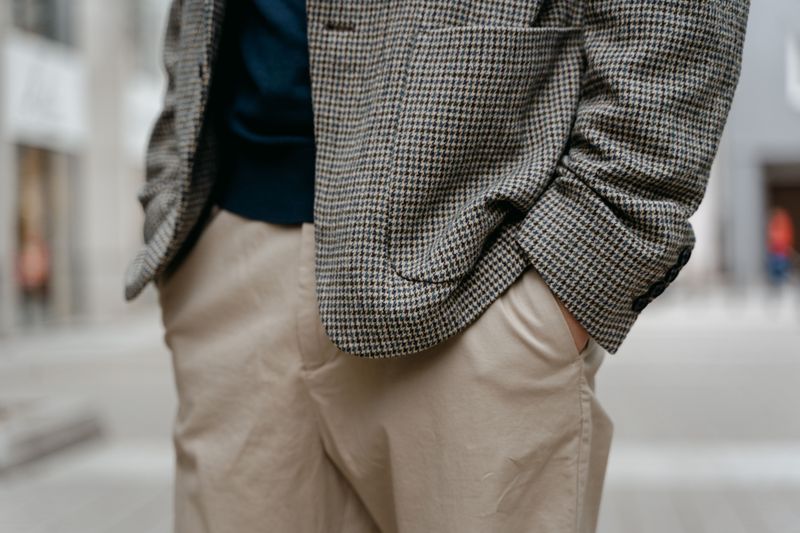
Picture a beautifully cut pair of trousers ruined by a phone, wallet, keys, and earbuds all crammed into the side pockets.
Bulging pockets pull the fabric in every wrong direction, creating lumps and bumps that kill the silhouette entirely.
The fix is simpler than most people expect.
Carry fewer items in your trouser pockets by using inside jacket pockets for your phone or wallet, or grab a slim bag for days when you genuinely need to carry a lot.
Minimizing what you put in your pockets is one of those invisible style upgrades that nobody can quite identify, but everyone notices the result.
Your trousers will hang the way they were designed to.
4. Sleeves that are slightly too long
Jacket sleeve length is one of those details that quietly signals whether a suit fits or was simply bought off the rack and worn without alteration.
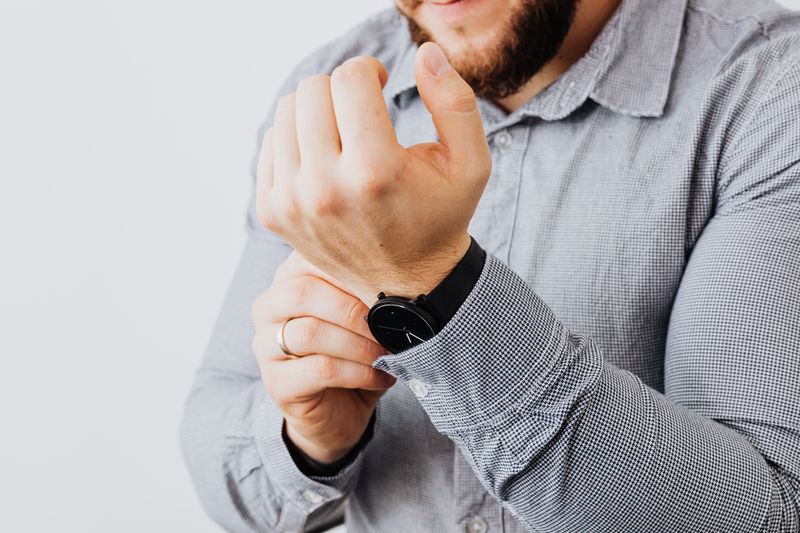
When the jacket sleeve covers most of your hand, the whole upper half of your outfit looks borrowed rather than worn.
A reliable benchmark is showing roughly a quarter to half an inch of shirt cuff below the jacket sleeve.
That small flash of white or colored cuff adds visual polish and shows that the proportions of your outfit have been considered.
Most tailors can adjust sleeve length for a reasonable cost.
It’s one of the highest-impact alterations you can make to an off-the-rack jacket.
5. A belt and shoes that fight each other
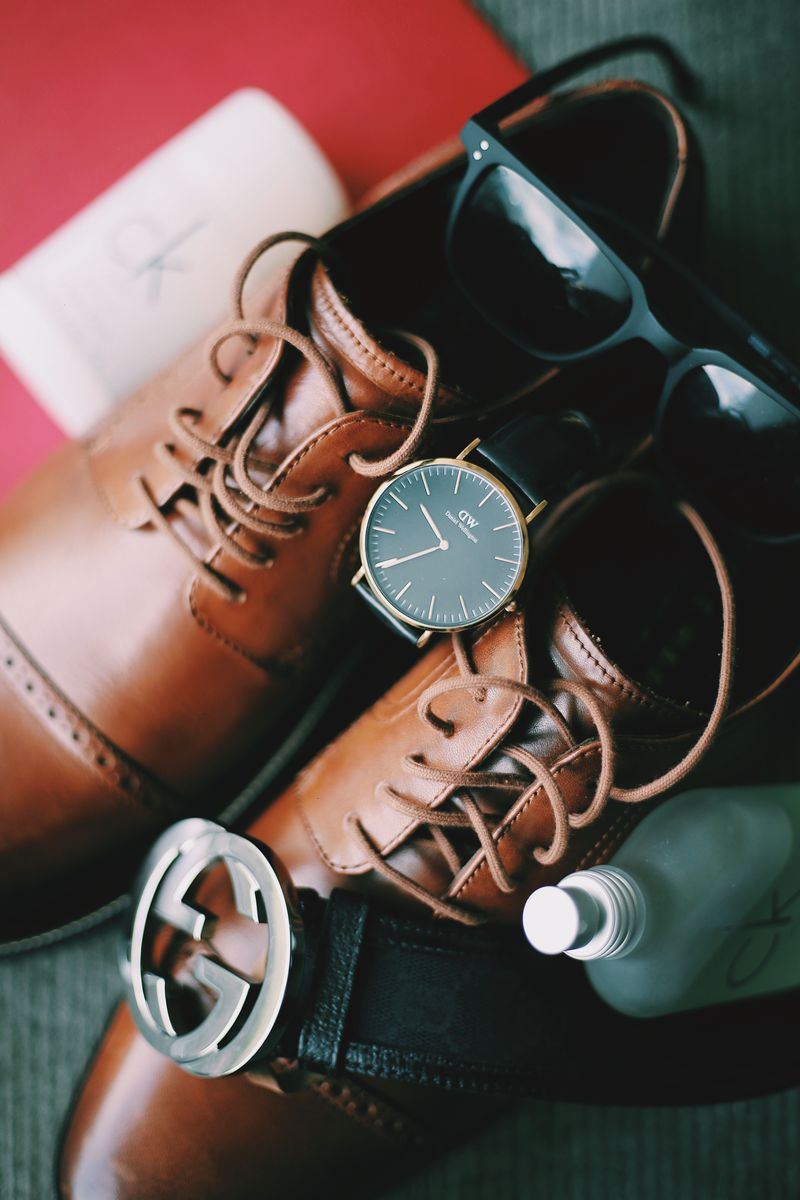
Your belt and shoes don’t need to be an identical color, but they should at least feel like they belong in the same conversation.
Pairing a very formal dark-brown shoe with a conspicuously casual tan belt sends mixed signals about the overall dress code you’re going for.
The goal is to match the general level of formality, texture, and color family rather than chasing a perfect match.
A polished leather belt with dress shoes, or a casual woven belt with loafers, keeps things coherent without being rigid.
This matters most with business and formal clothing, where every detail gets more scrutiny.
When in doubt, go darker and simpler with both choices.
6. Dirty, heavily creased, or neglected shoes
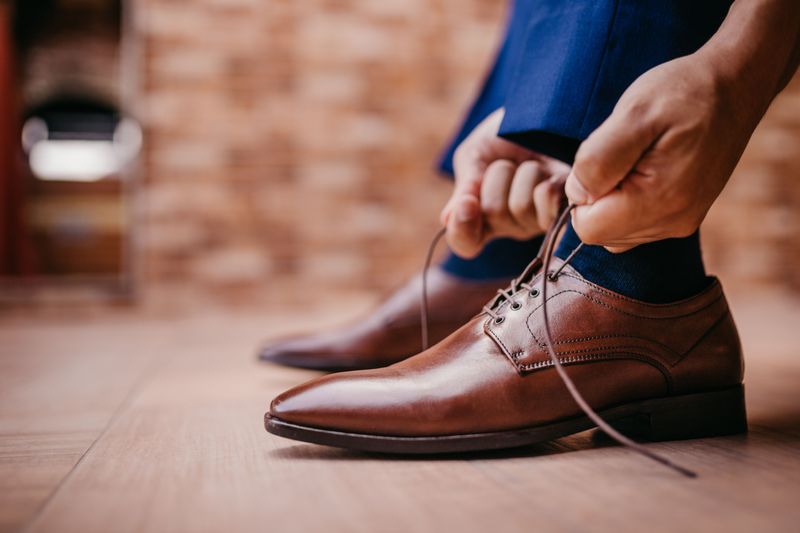
Shoes occupy a small percentage of your total visual space, but they carry a disproportionate amount of weight in how finished an outfit looks.
People notice dirty or neglected shoes more than almost any other detail, often without consciously realizing it.
Leather shoes benefit from regular conditioning and polishing, while suede needs brushing to stay fresh.
Even sneaker midsoles deserve a wipe-down if you’re wearing them with anything remotely put-together.
Shoe trees are worth the investment because they help leather shoes hold their shape between wears, reducing deep creasing over time.
Spending five minutes on your shoes before a big day can genuinely transform how the entire outfit reads from the ground up.
7. Visible undershirts in the wrong context

A white crew-neck undershirt peeking out from beneath an open dress-shirt collar creates an unintended horizontal line right at the chest.
It’s a small thing, but it interrupts the clean V-shape that an open collar is supposed to create, and it can make a smart casual outfit feel unfinished.
The simplest solution is choosing a deep V-neck undershirt that stays hidden behind the shirt’s opening.
Some undershirts are specifically designed to be invisible under open collars, which makes the problem disappear entirely.
If you prefer crew-neck undershirts, simply button your shirt higher so the undershirt doesn’t show.
The point is to make the undershirt functional without letting it become an accidental design element.
8. A tie with the wrong proportions
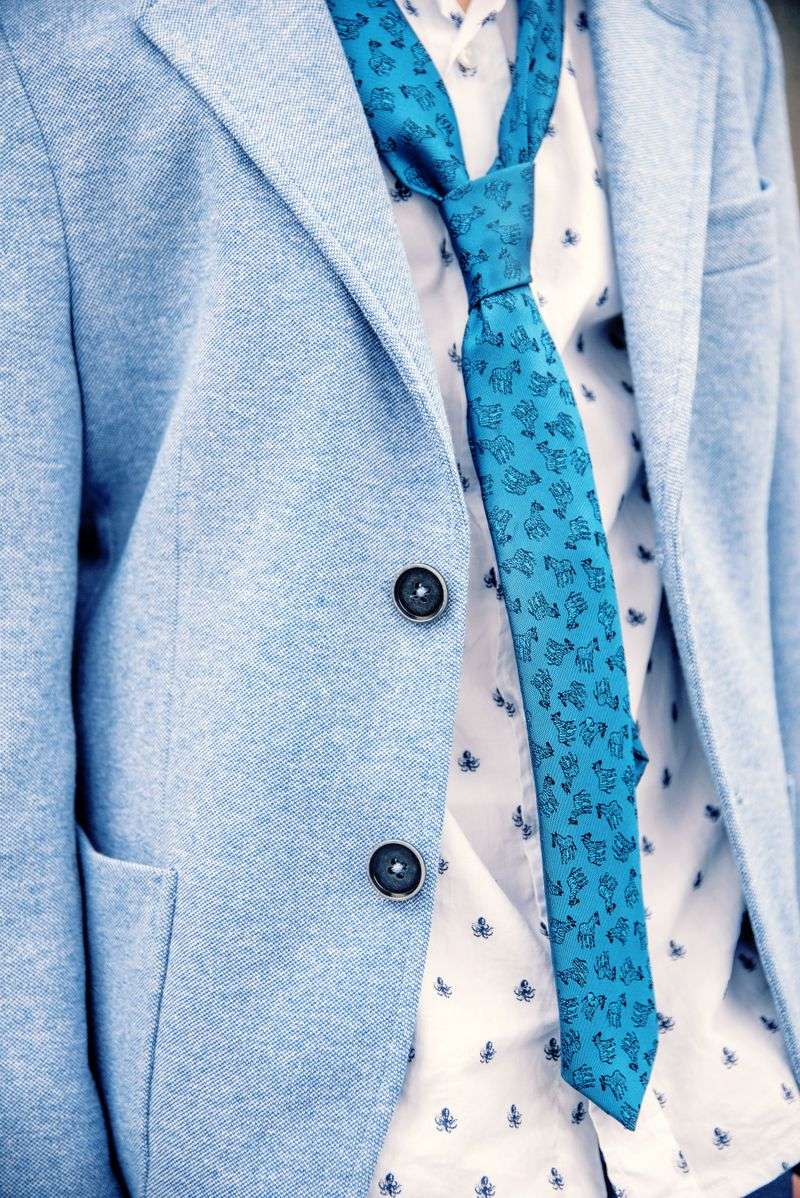
Proportions matter enormously in menswear, and nowhere is this more obvious than when a very skinny tie meets a pair of broad lapels.
The visual imbalance is immediate: one element dominates while the other looks like an afterthought.
As a general principle, your tie width should coordinate with your lapel width and your overall build.
A broader man in a wider-lapel suit typically benefits from a fuller tie, while slimmer cuts call for narrower options.
Tie length matters too.
The tip of the tie should reach approximately the waistband or belt area, not float above it or disappear below.
Getting both width and length right creates a balanced, intentional look that holds together from collar to waist.
9. Too many competing accessories
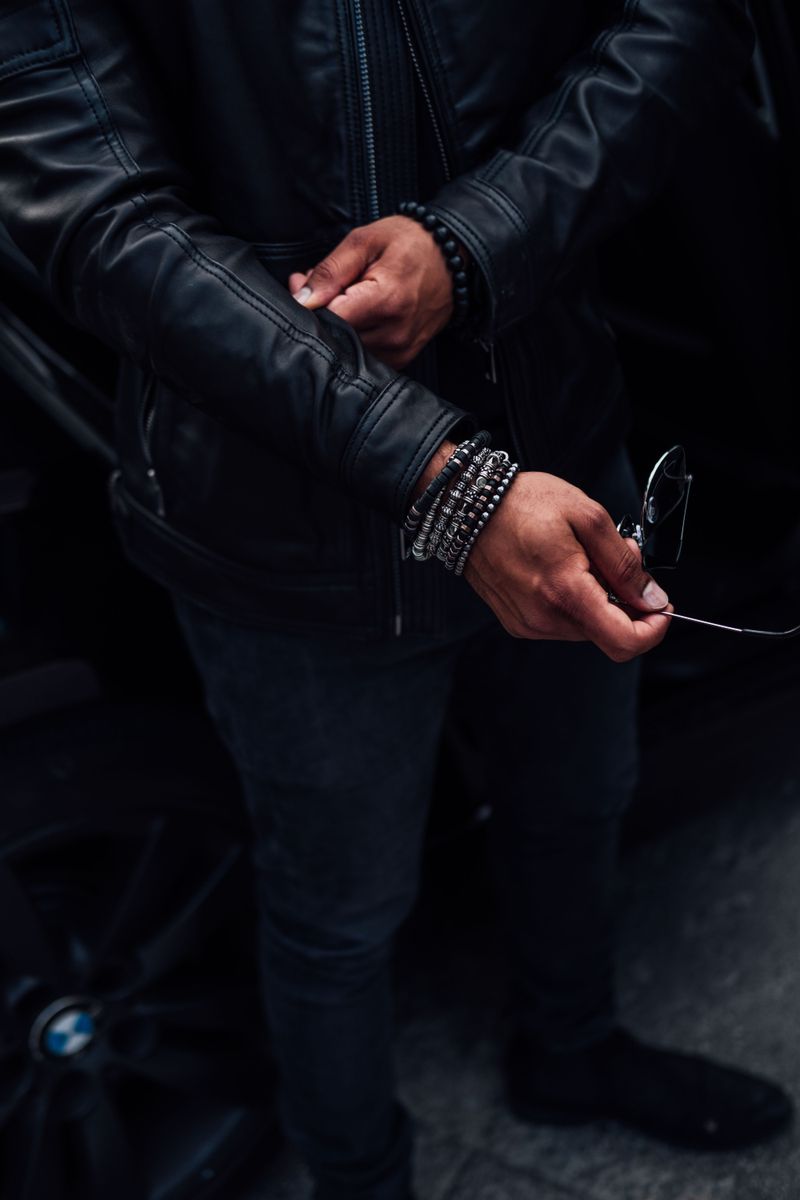
Accessories are fantastic tools for expressing personality, but wearing all of them at once turns your outfit into visual noise.
A pocket square, patterned tie, lapel pin, bracelets, statement watch, rings, and bold glasses can each work beautifully on their own terms.
When they all compete at the same time, though, there’s no clear focal point.
The eye doesn’t know where to land, and the outfit ends up feeling chaotic rather than considered.
Decide which one or two details you want people to actually notice, then let the rest of the outfit quietly support those choices.
Restraint isn’t boring; it’s what separates someone who looks stylish from someone who looks like they’re trying too hard.
10. Wrinkled fabric in high-visibility areas
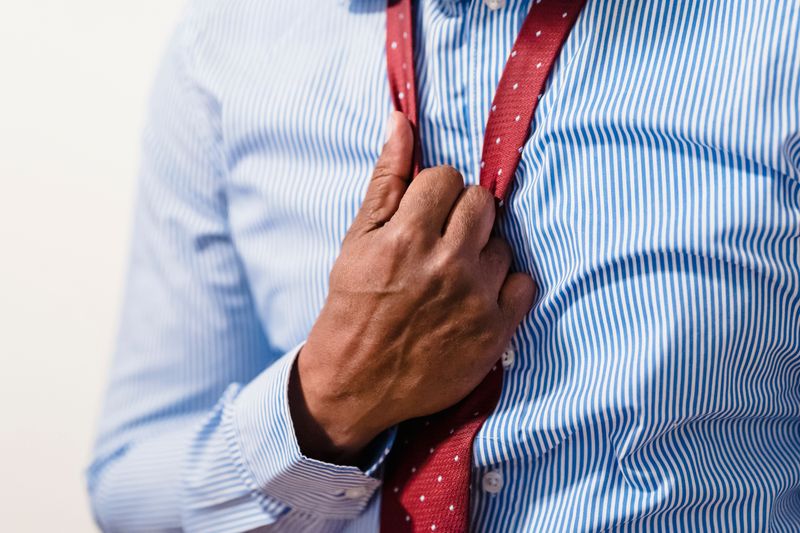
Not all wrinkles are created equal.
A few soft creases on a linen jacket are expected and even part of the charm.
But wrinkles around the shirt placket, collar, jacket front, or trouser thighs are in the highest-visibility zones of your outfit, and they’re hard to overlook.
Cotton shirting and wool trousers generally respond well to steaming or pressing before you wear them.
A handheld steamer is a genuinely useful investment that takes less than two minutes to use and makes a noticeable difference.
The goal isn’t to look artificially stiff or overdone.
Smooth, well-maintained fabric simply reads as cared-for, and that single quality elevates even a fairly basic outfit beyond what the individual pieces might suggest.
11. Poorly managed shirt tucking

Few things undermine a tailored look faster than a shirt that balloons dramatically at the waist or keeps escaping from the trousers throughout the day.
It signals that the shirt doesn’t quite fit, which draws attention to the one thing you were hoping nobody would notice.
Fit and shirt length matter far more than constantly retucking.
A shirt designed for tucking should have a longer tail that stays put; shorter casual shirts are genuinely meant to be worn untucked and shouldn’t be forced into trousers at all.
For dressier outfits, smooth any excess fabric toward the sides and back before fastening your trousers.
That small step keeps the front of the shirt flat and the waistline looking clean all day.
12. Ignoring the condition of small details
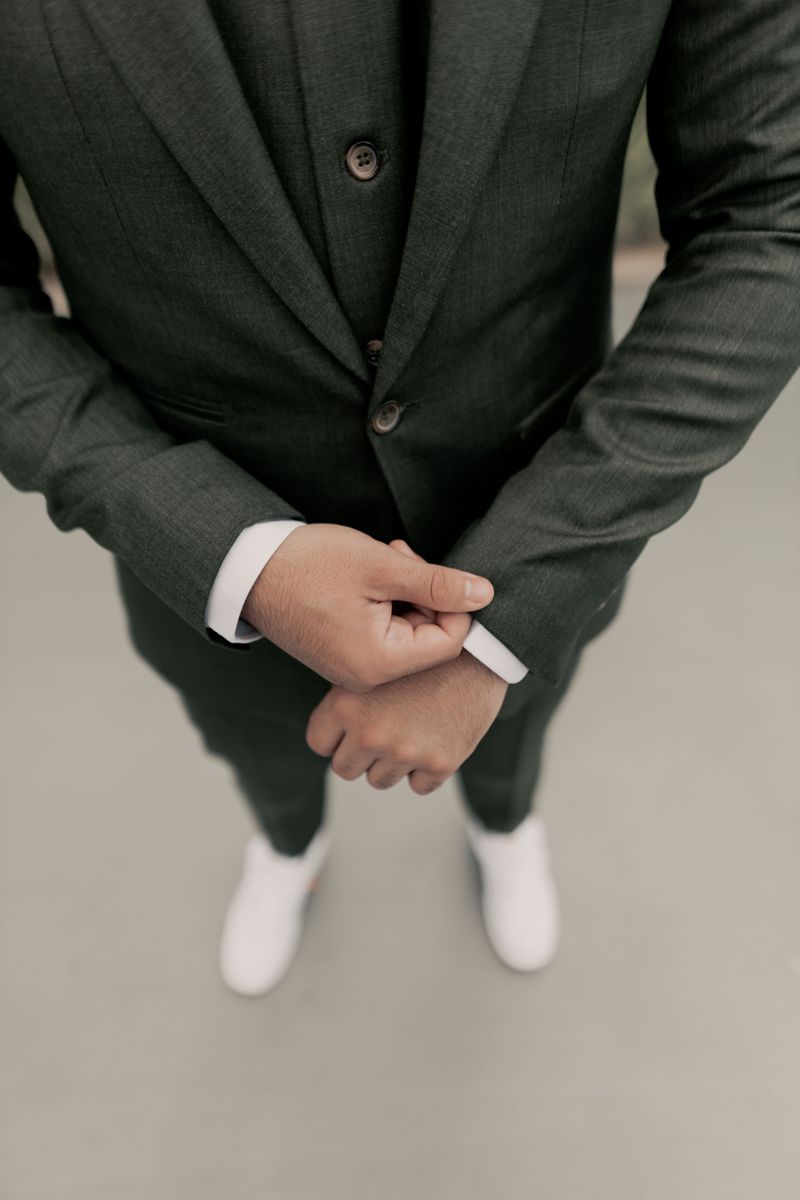
Loose threads, lint on dark wool, pilling, missing buttons, scuffed belt leather, deodorant marks, and pet hair are all individually minor.
Separately, each one is easy to dismiss.
Together, though, they communicate something clear: this outfit wasn’t checked before it left the house.
The good news is that this is the easiest category to fix.
A 30-second inspection in decent lighting before you walk out the door catches most of these issues immediately.
A lint roller, small scissors for stray threads, and a spare button kit are all you need.
Adding one more accessory rarely improves an outfit as much as simply removing a piece of lint or tightening a loose button.
Small details handled well create a cumulative effect that reads as genuine polish.