 MomSkoop

A good marriage does more than bring two people together – it quietly shapes who each person becomes over time. Living closely with someone you love, trust, and respect pushes you to grow in ways you might never expect.
From learning patience to understanding forgiveness, the lessons that come from a strong partnership run deep. If you have ever wondered how a healthy marriage changes a person, here are twelve powerful ways it happens.
1. You Become More Patient
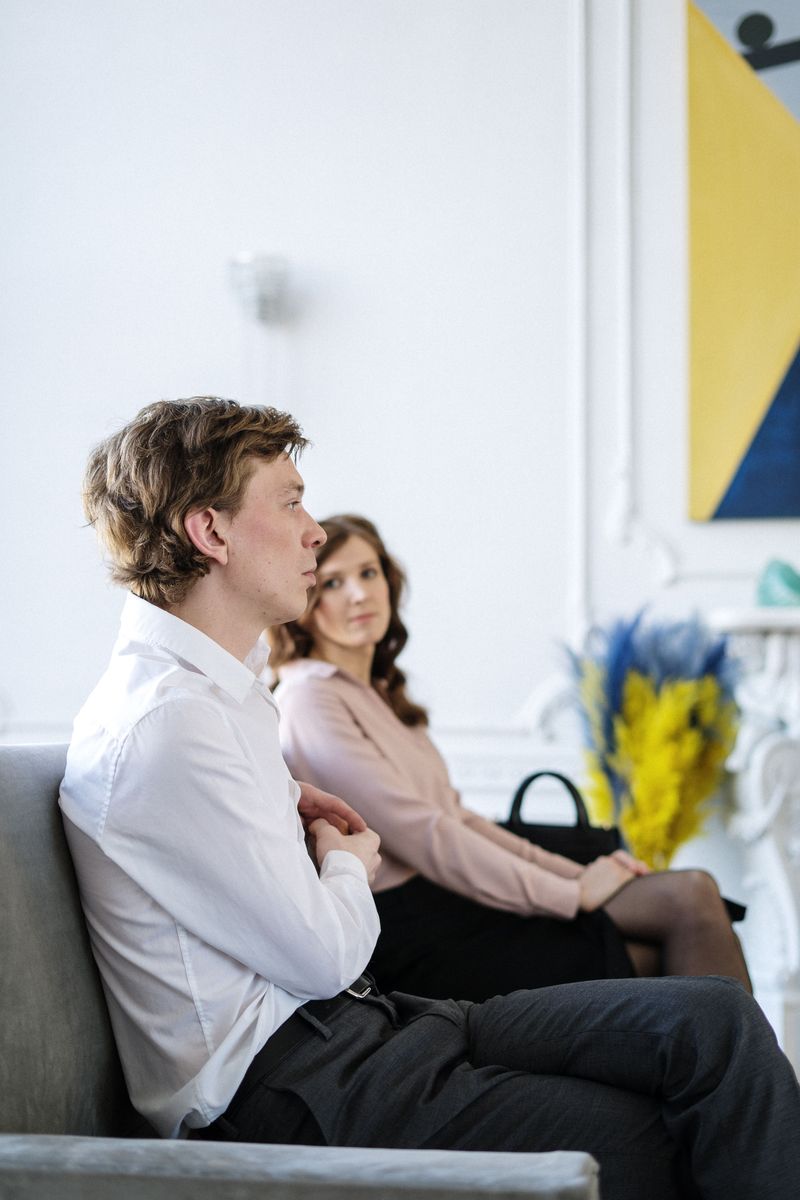
Patience does not come naturally to most people, but marriage has a way of teaching it without you even realizing it.
When you live with someone every day, you quickly learn that not every disagreement needs an immediate solution.
Some arguments need time, not speed.
A good marriage helps you slow down and think before reacting.
You start to notice that waiting a few hours, or even a day, often leads to better conversations and calmer outcomes.
The pressure to “win” fades when you care more about the relationship than the argument.
Over time, this patience spills into other areas of life, making you more steady and thoughtful at work, with friends, and in tough situations.
2. You Communicate More Clearly

Ever struggled to say what you really mean without it turning into a fight?
A healthy marriage becomes one of the best communication classrooms you will ever attend.
You quickly learn that how you say something matters just as much as what you say.
Expressing needs, feelings, and concerns in a constructive way becomes a daily practice.
Instead of blaming or shutting down, you learn to use honest, respectful words that actually move conversations forward.
You stop expecting your partner to read your mind.
These skills do not stay locked inside your relationship either.
Clearer communication at home leads to stronger friendships, better work relationships, and fewer misunderstandings with the people around you every single day.
3. You Become Less Selfish

Before marriage, many decisions feel simple because they only affect you.
Once you share your life with someone, that changes completely.
You naturally start weighing how your choices affect another person, and that shift is surprisingly powerful.
Wanting the last slice of pizza feels different when someone else is hungry too.
Spending money freely feels different when bills are shared.
Little by little, self-centered habits soften and a more generous mindset takes root.
You begin thinking in terms of “we” rather than just “me.”
Researchers who study relationships have found that people in committed partnerships tend to make more considerate decisions overall.
The daily practice of caring for someone else genuinely rewires how you think about the world around you.
4. You Learn How to Compromise

Getting your way feels great in the moment, but a good marriage teaches you that the best outcome and your preferred outcome are not always the same thing.
Compromise is not about losing – it is about finding something that actually works for both of you.
Maybe you want to spend the weekend hiking while your spouse prefers staying in.
A compromise might mean one weekend each, or finding an activity you both enjoy.
Neither person gets everything, but both feel heard and respected.
That matters more than most people expect.
Over time, this skill becomes second nature.
You stop approaching disagreements as battles and start treating them as puzzles to solve together, which makes every area of life feel a little less stressful.
5. You Become More Emotionally Mature
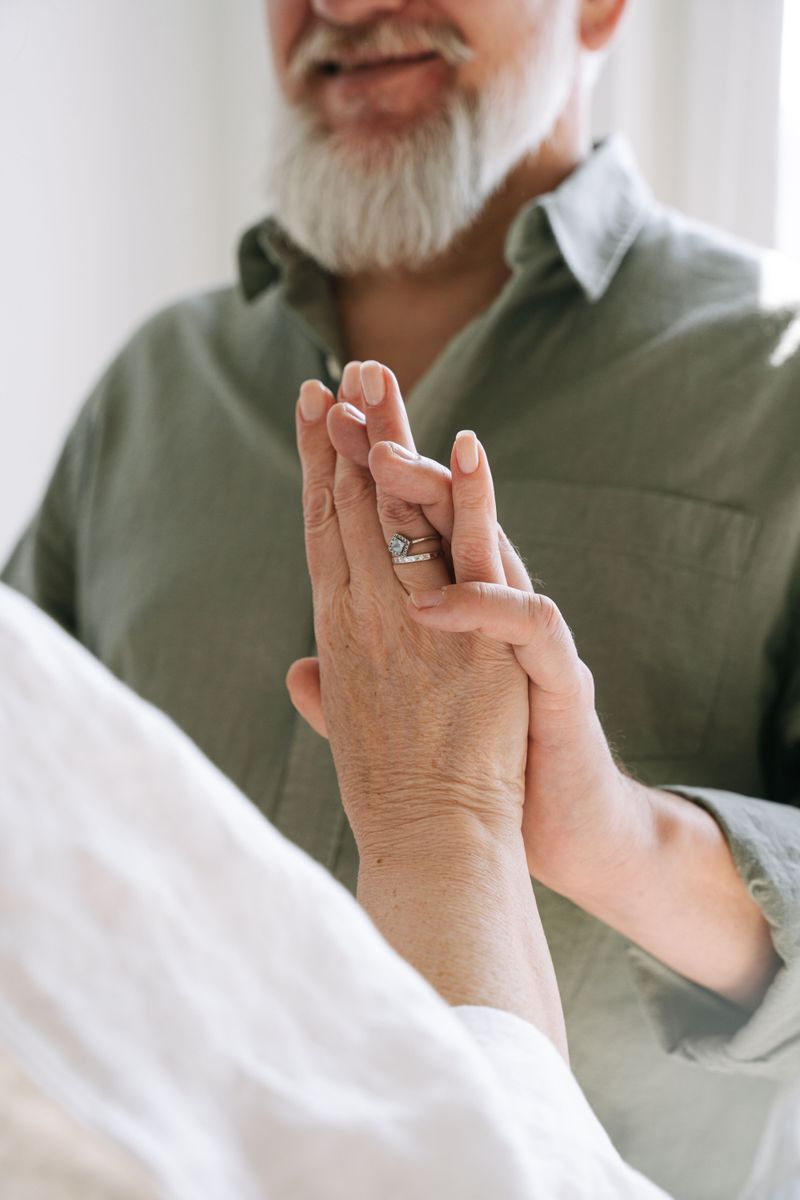
Emotional maturity is one of those things people talk about but rarely explain clearly.
At its core, it means managing your feelings responsibly instead of letting them manage you.
Marriage, especially a good one, puts this skill to the test regularly.
Anger, jealousy, disappointment, and frustration all come up in even the happiest relationships.
What changes over time is how you handle them.
You learn to pause before snapping, to express hurt without attacking, and to recognize when your emotions are clouding your judgment.
Handling emotions well inside a marriage gradually makes you more stable and grounded everywhere else too.
Friends notice it.
Coworkers notice it.
Even strangers in traffic might benefit from the calmer, more measured version of you that marriage helped create.
6. You Become a Better Listener

Most people think they are good listeners, but real listening is harder than it sounds.
A healthy marriage reveals the difference between waiting for your turn to speak and actually hearing what your partner is saying.
That gap can be surprisingly wide at first.
Understanding your spouse often means listening without immediately jumping to defend yourself, offer solutions, or redirect the conversation.
Sometimes people just need to feel heard.
Learning to sit with that, without fixing or fighting, is a skill that takes real practice.
Once you build this habit at home, it transforms how you show up for everyone in your life.
Friends feel more comfortable opening up to you.
Family members feel respected.
Being a great listener turns out to be one of the kindest things you can offer anyone.
7. You Learn to Apologize Sincerely

Pride can be stubborn.
For many people, saying “I am sorry” feels like admitting defeat.
But a strong marriage gradually shifts that perspective in a meaningful way.
You begin to realize that protecting your ego is far less valuable than repairing the connection you care about.
A sincere apology is not just saying the words – it means acknowledging what you did, understanding how it affected your partner, and genuinely trying not to repeat it.
Hollow apologies get recognized quickly and do not heal much of anything.
Practicing real accountability inside a marriage builds character that extends far beyond your relationship.
You become someone who takes responsibility at work, with friends, and in everyday life – and that kind of integrity quietly earns deep, lasting respect from the people around you.
8. You Become More Dependable

There is something about being truly needed by another person that brings out a stronger, more reliable version of yourself.
When someone counts on you every single day, showing up halfway just stops feeling acceptable.
Consistency becomes a priority rather than an afterthought.
A good marriage encourages follow-through in small ways and large ones.
You remember what matters to your partner.
You keep your word.
You handle responsibilities because you understand that your actions – or lack of them – directly affect someone you love.
This dependability does not stay contained to your home life.
Employers, friends, and family begin to see you as someone who can be trusted and counted on.
Being reliable is one of the most underrated qualities a person can develop, and marriage often builds it steadily over time.
9. You Develop Greater Empathy

Empathy – the ability to genuinely understand how someone else feels – grows naturally when you share your life closely with another person.
Marriage places you right inside someone else’s world, giving you a front-row view of their fears, struggles, joys, and pressures.
When your partner has a hard day at work, you feel a version of that weight too.
When they are nervous about something, you instinctively want to ease it.
Over time, this closeness trains your heart and mind to look beyond your own experience when reading any situation.
People who develop strong empathy tend to be more compassionate coworkers, kinder neighbors, and more thoughtful parents.
The habit of considering someone else’s inner world, practiced daily in marriage, quietly becomes one of your most valuable human qualities.
10. You Learn the Value of Forgiveness

Holding onto resentment feels powerful at first, but it is exhausting over time.
A lasting marriage teaches you that forgiveness is not about pretending something did not hurt – it is about choosing the relationship over the grudge.
That choice gets easier with practice.
Forgiveness in a healthy marriage does not mean accepting harmful behavior or ignoring real problems.
It means processing the hurt, having honest conversations, and then releasing the bitterness so it does not quietly poison everything good between you.
People who learn to forgive within their marriages often carry that ability into every other relationship they have.
Friendships last longer.
Family tensions ease more quickly.
Letting go of resentment, while still addressing what matters, is one of the most freeing skills a person can develop throughout their lifetime.
11. You Become More Grateful

It is easy to overlook the ordinary moments – a warm meal, a kind word after a rough day, someone checking in just to see how you are doing.
Marriage has a way of slowly opening your eyes to how much these small things actually mean.
When someone shows up for you consistently, you start noticing it.
A partner who listens, helps, encourages, or simply sits beside you during hard times becomes a daily reminder that support is not something to take for granted.
Gratitude grows quietly from that awareness.
Studies on happiness consistently show that grateful people report higher life satisfaction and stronger relationships.
A good marriage plants the seeds of that gratitude early, and the habit of appreciating what you have tends to grow far beyond your relationship over time.
12. You Understand Love as an Action

Most people grow up thinking love is primarily a feeling – something that either exists or it does not.
A good marriage teaches a more complete picture.
Feelings fluctuate.
Life gets busy, stressful, and messy.
What keeps a relationship strong is not just emotion – it is effort.
Choosing to be kind on a difficult day, following through on a promise when it is inconvenient, showing loyalty when it would be easier not to – these are the actions that build lasting love.
They are small decisions made again and again, often without any fanfare.
Understanding love as something you do rather than only something you feel changes how you treat everyone around you.
It makes you more intentional, more present, and more willing to put in the quiet, consistent work that meaningful relationships genuinely require.