 MomSkoop

Most people never mean to be rude with their phones, but some everyday habits send the wrong message without anyone realizing it. A quick glance at a screen or a speakerphone call in public can make the people around you feel invisible or unimportant.
These small moments add up over time and can quietly damage friendships, work relationships, and everyday interactions. Understanding which habits come across as disrespectful is the first step toward changing them.
1. Checking the Phone While Someone Is Talking

Picture this: you are mid-sentence, sharing something that matters to you, and the person across from you suddenly looks down at their phone.
Even a one-second glance can feel like a punch to the gut.
It quietly signals that whatever is on that screen is more interesting than what you have to say.
Most people who do this do not realize how hurtful it feels from the other side.
The fix is surprisingly simple.
Keep your phone face-down or out of sight during conversations.
When someone feels truly heard, the connection between both people grows stronger and more genuine.
2. Putting the Phone on the Table During Meals

There is something about a phone sitting on the table during a meal that changes the whole mood.
Even when it is silent, its presence sends a quiet message: notifications might matter more than this conversation.
Studies have shown that people enjoy meals less and feel less connected when phones are visible, even if no one touches them.
Keeping the phone in your pocket or bag during meals is a small act with a big payoff.
It tells the people you are with that this time together is worth protecting.
Try going phone-free for just one meal and notice how much richer the conversation becomes.
3. Texting During Face-to-Face Conversations

Multitasking sounds efficient, but typing a text reply while someone is talking to you rarely comes across as productive.
To the person speaking, it feels like their words are hitting a wall.
The brain genuinely cannot give full attention to two conversations at once, no matter how confident we feel about our ability to juggle both.
What makes this habit tricky is that the texter usually believes the message is urgent enough to justify the split focus.
More often than not, it is not.
A kind approach is to say, “Give me one second,” send the reply quickly, then put the phone away.
That small acknowledgment goes a long way.
4. Watching Videos With the Sound on in Public

Public spaces have an unspoken agreement: keep your noise to yourself.
When someone blasts a TikTok, reel, or voice note without headphones, that agreement gets broken fast.
The people nearby did not sign up to hear your content, and having it forced on them can feel surprisingly invasive and irritating.
The solution is one of the easiest on this list: use earbuds or headphones.
Most phones also have a do-not-disturb or silent mode that can help avoid accidental sound spills.
Carrying a pair of earbuds means you never have to choose between your entertainment and being considerate of the people sharing your space.
Everyone around you will quietly thank you.
5. Taking Speakerphone Calls Around Other People

Speakerphone was designed for privacy, not public use.
When you take a call on speaker in a shared space, you are essentially pulling everyone nearby into a conversation they never agreed to join.
Both sides of the exchange become background noise for strangers, coworkers, or fellow passengers who have no way to escape it.
Beyond the noise factor, speakerphone calls in public can also expose private details about you or the person on the other end.
Holding the phone to your ear or using earbuds keeps the conversation contained and respectful.
If the call needs to happen and a private space is not available, stepping outside or into a quieter corner makes a real difference.
6. Scrolling During Meetings or Gatherings

Scrolling through a feed during a meeting or group gathering is one of those habits that feels harmless from the inside.
After all, you can scroll and listen at the same time, right?
Not really.
Research on divided attention shows that screen engagement pulls cognitive focus away from what is being said, even when it does not feel that way.
From the outside, scrolling looks a lot like checked-out boredom, even when that is not the intention.
Colleagues and friends notice, and it can quietly affect how they see your level of respect and investment.
Putting the phone away and taking notes by hand is one simple swap that keeps you engaged and shows others that their time matters to you.
7. Taking Photos Without Asking First
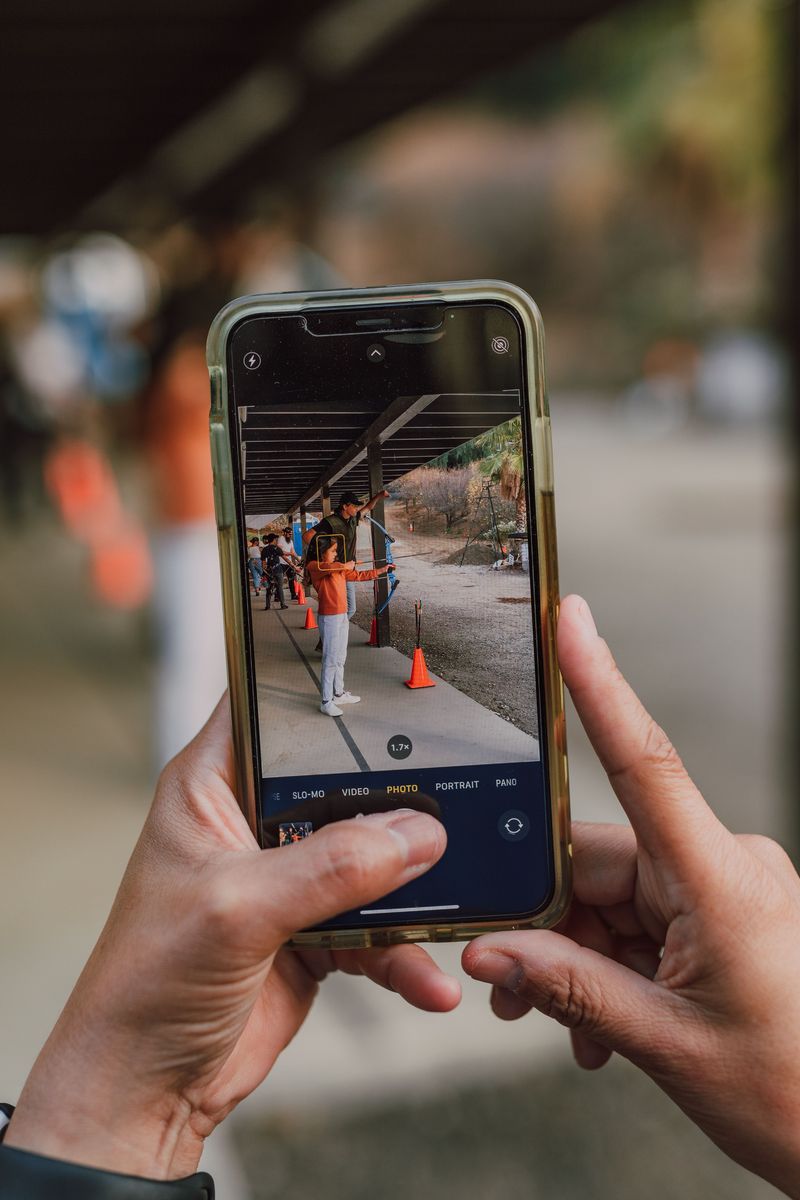
Cameras are everywhere now, and that has made snapping photos feel automatic.
But just because you can photograph someone does not always mean you should, especially without asking.
Not everyone wants their image captured, and even fewer people want to find themselves posted on social media without any say in the matter.
This habit can catch people in unflattering or private moments and share them with an audience they never chose.
A simple “Can I grab a photo?” before shooting respects boundaries and gives people a chance to prepare or decline.
It is a tiny ask that shows genuine consideration.
Most people will say yes happily, and everyone walks away feeling respected rather than caught off guard.
8. Expecting Instant Replies From Others
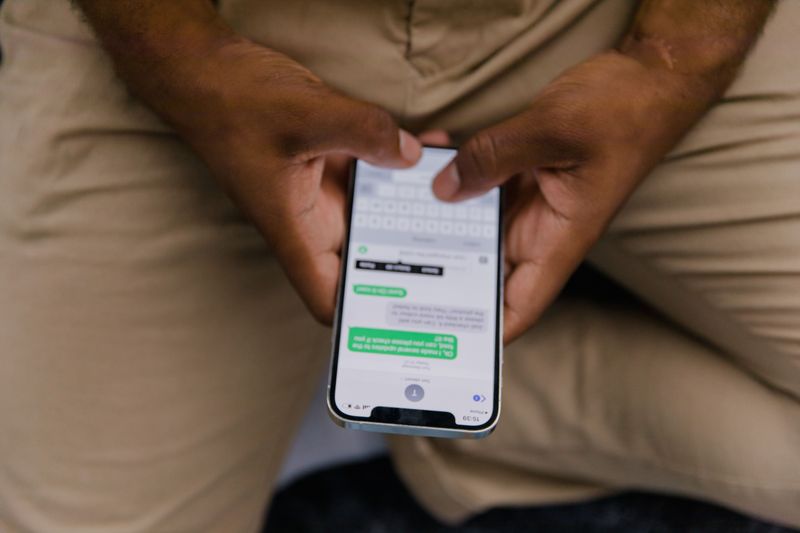
Sending a “??” or a string of follow-up texts when someone has not replied within minutes puts a lot of pressure on the other person.
Not everyone is glued to their phone, and many people manage full lives that pull their attention away from messaging for hours at a time.
Constant follow-ups can feel demanding, even when the sender means no harm.
Healthy communication includes trusting that the other person will respond when they are able to.
If something is genuinely urgent, a phone call is often more appropriate than a barrage of texts.
Giving people breathing room to reply on their own schedule builds trust and makes conversations feel less like obligations and more like genuine exchanges between two people who respect each other.
9. Interrupting Conversations to Answer Every Notification

Every buzz, ping, and banner alert can feel like a tiny emergency, but treating them that way during a conversation sends a clear message to the person in front of you.
That message is: anything on this phone is more important than you.
Over time, this habit chips away at the quality of relationships and makes people feel consistently undervalued.
Not every notification deserves immediate attention, and most can wait five or ten minutes without any real consequence.
Turning on do-not-disturb during conversations is a practical way to stay present without missing anything truly urgent.
When the person you are with sees that you are fully there with them, it creates a sense of warmth and connection that no notification can replicate.
10. Using the Phone While Someone Is Serving or Helping You

Few things make a service worker feel more invisible than a customer who stays on a call or scrolls through their feed while being helped.
Whether you are ordering coffee, checking into a hotel, or picking up a prescription, that brief interaction deserves basic human acknowledgment.
The person helping you is doing a job that involves real effort and attention.
Staying on your phone in those moments communicates that the interaction is not worth pausing for, which can feel genuinely dismissive.
A quick “Can I call you back in one minute?” before stepping up to the counter is all it takes.
Eye contact, a smile, and a simple thank-you cost nothing and make a lasting impression on the people who help make your day run smoothly.
11. Showing People Things on Your Phone Without Context

Handing someone your phone and expecting them to watch a three-minute video or scroll through a photo album puts them in an awkward spot.
They may not have the time, interest, or energy for it, but saying so feels rude when the phone is already in their hand.
The social pressure to react positively can feel exhausting, especially when the content is not something they would have chosen themselves.
A better approach is to describe what you want to share and ask if they are interested before handing anything over. “I have this funny clip, want to see it?” gives people an easy, comfortable way to say yes or no. Sharing becomes genuinely fun when the other person actually wants to be part of it.
12. Recording Everything Instead of Being Present

There is a strange irony in spending a whole concert, birthday dinner, or family celebration with your phone held up in front of your face.
You are technically there, but you are experiencing the moment through a screen rather than through your own senses.
The people around you may also feel like they are part of a content shoot rather than a shared memory.
Capturing a few meaningful photos or a short clip is perfectly fine.
The habit becomes a problem when recording replaces actually being there.
Putting the phone down for most of a special moment and trusting your memory to hold it can feel surprisingly freeing.
The moments you experience fully tend to stay with you far longer than the ones you only filmed.