 MomSkoop
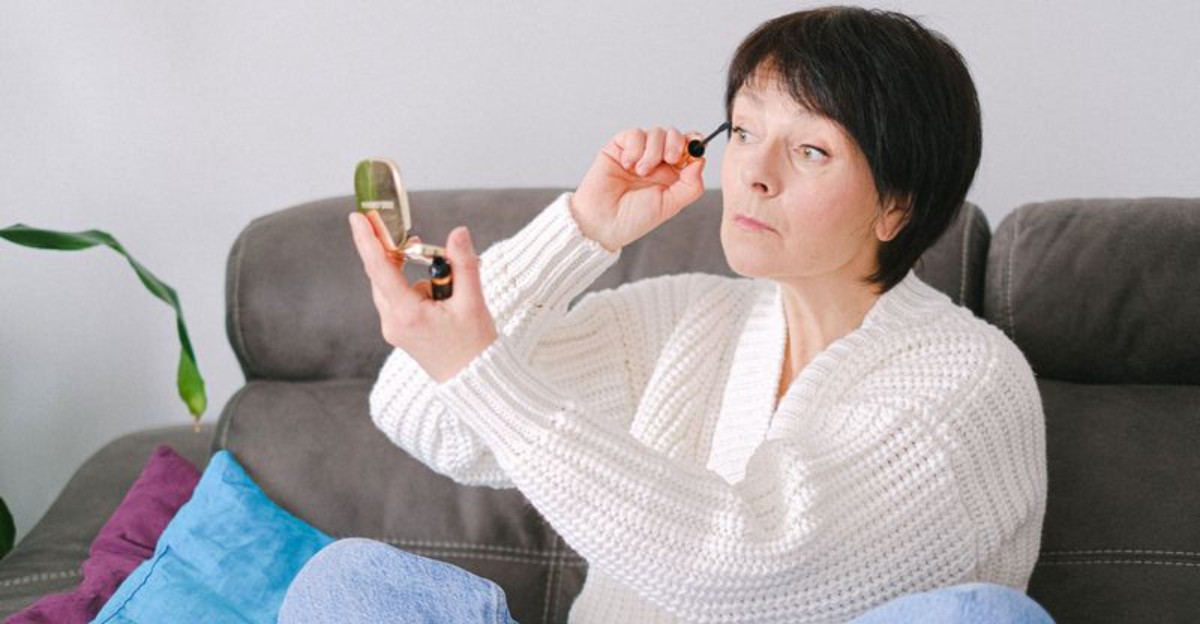
Your makeup routine might feel like second nature by now, but some of those tried-and-true habits could actually be working against you. Skin changes a lot over the decades, and the products and techniques that worked in your 30s may not be doing you any favors today.
A few smart tweaks can make a surprisingly big difference in how fresh, polished, and confident you look. Here are ten makeup habits worth rethinking if you are over 50.
1. Swap Heavy Foundation for a Lighter, Hydrating Formula
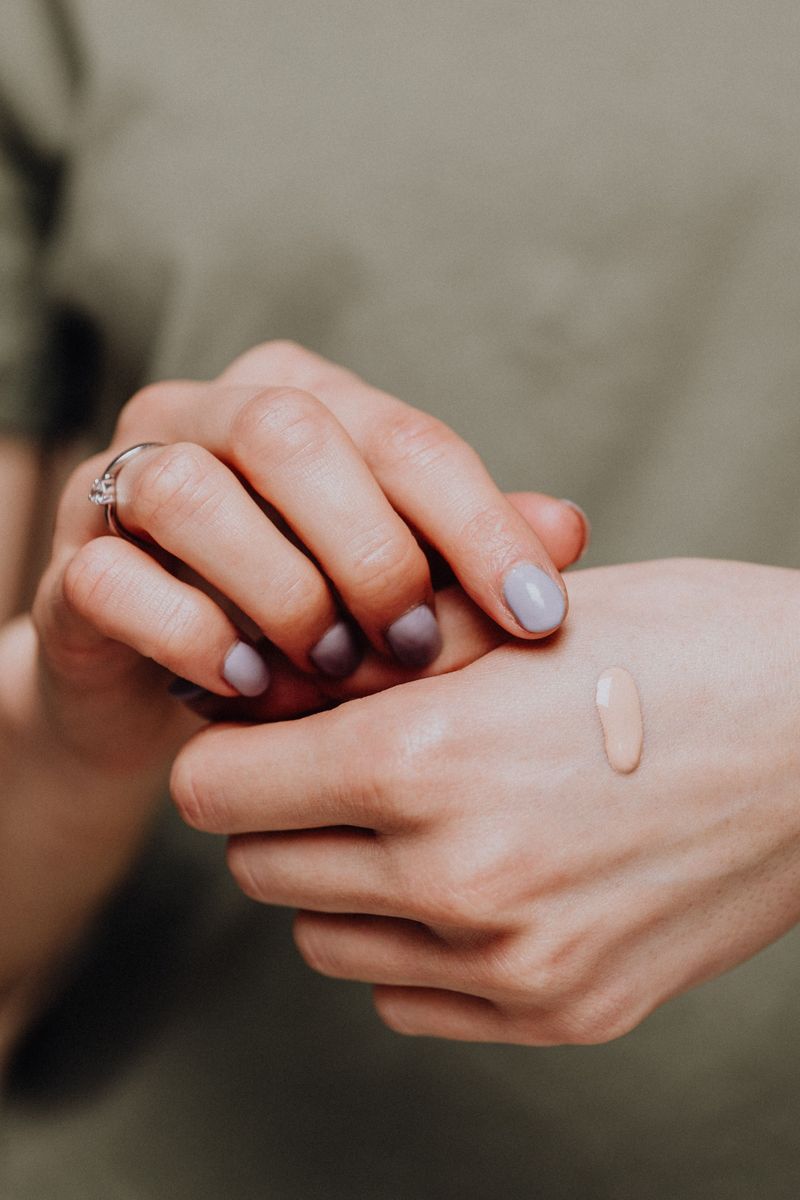
Full-coverage foundation used to feel like the ultimate fix, but after 50, it can actually highlight the texture you are trying to hide.
Thick formulas tend to settle into fine lines and dry patches, making skin look cakey rather than polished.
Switching to a hydrating skin tint or a buildable, lightweight foundation changes the whole picture.
These formulas blur imperfections without sitting on top of the skin.
Your complexion ends up looking more like skin and less like a mask.
Look for ingredients like hyaluronic acid or glycerin for added moisture.
Apply with fingertips or a damp sponge to blend seamlessly and avoid streaks.
2. Use Powder Only Where You Actually Need It
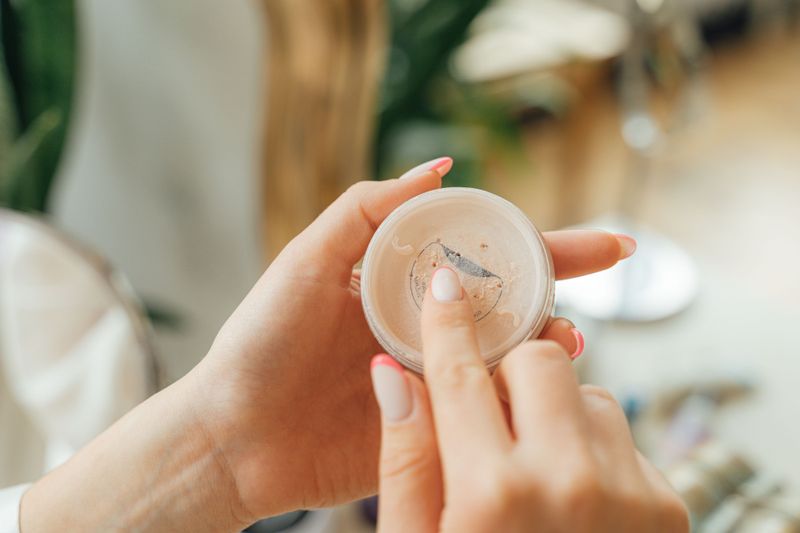
Powder is a classic tool, but layering it all over your face after 50 can quietly age you.
It tends to exaggerate dryness and emphasize texture, especially around the eyes, mouth, and cheeks where skin loses elasticity over time.
The smarter approach is to use powder only where shine is actually a problem, usually the forehead, nose, and chin.
A light press with a small brush or a fluffy puff is all you need.
Less really is more here.
Try a finely milled translucent powder for the most natural finish.
Setting spray can also help lock in makeup without the drying effect of heavy powder application.
3. Never Skip Skin Prep Before Applying Makeup
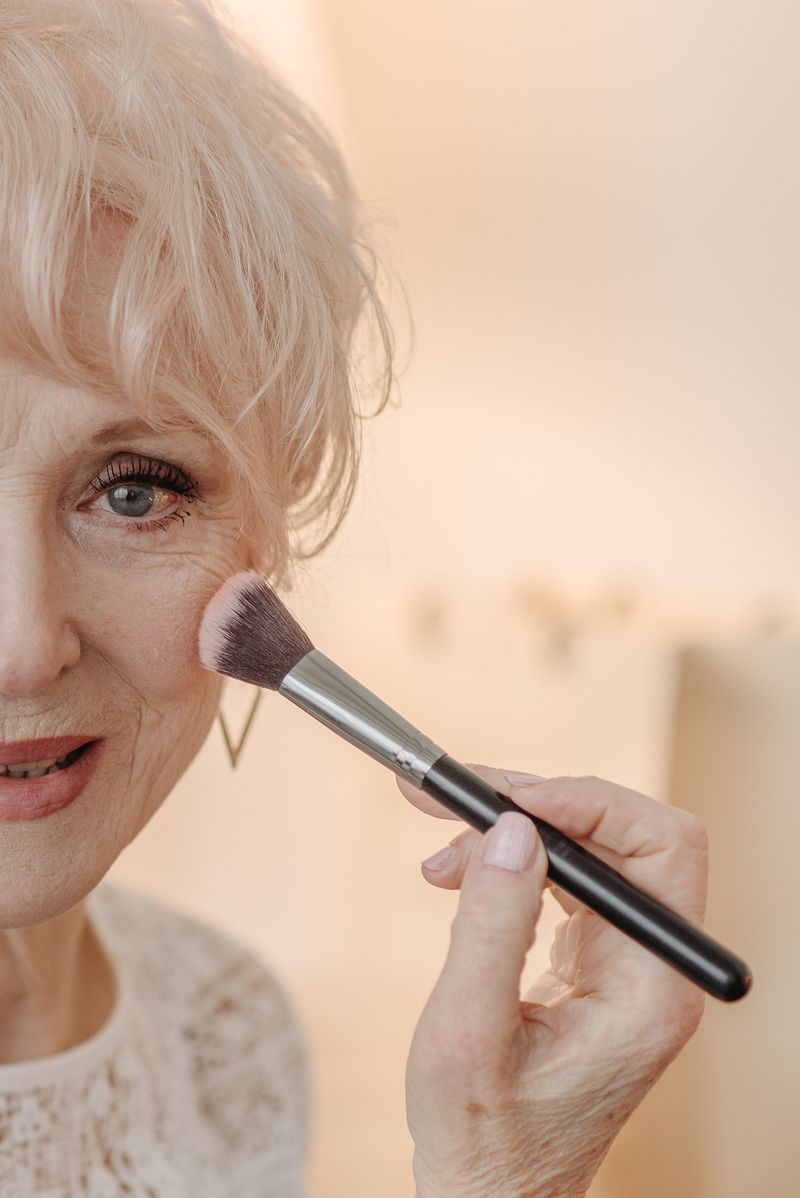
Rushing straight into makeup without prepping your skin is one of the easiest ways to end up with patchy, uneven coverage.
Mature skin tends to be drier and less smooth, so a good base really matters more now than it did years ago.
Moisturizer is your best friend before foundation.
It plumps the skin slightly, softens fine lines, and gives makeup something smooth to grip onto.
SPF adds sun protection and also helps products glide on more comfortably.
Give your skincare products a few minutes to absorb before picking up a brush.
That short wait pays off in a finish that looks fresh and lasts longer through the day.
4. Choose a Creamy, Flexible Concealer Under the Eyes
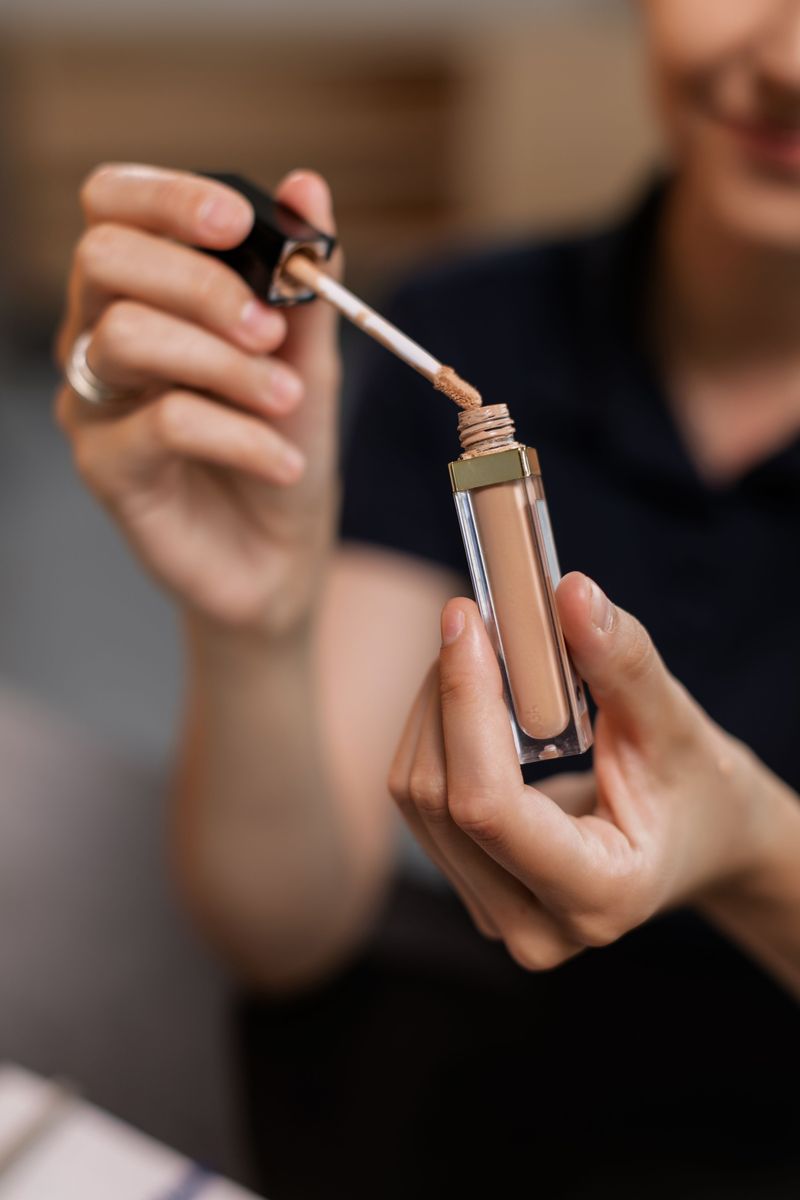
Matte concealer under the eyes sounds like a logical choice for coverage, but it often backfires.
The skin in that area is thin and prone to creasing, and a dry, heavy formula makes fine lines look deeper almost immediately after application.
A creamy, flexible concealer is a much kinder option.
It moves with the skin instead of settling into folds, and it reflects a little light to brighten the area naturally.
Apply it only where you genuinely need coverage rather than painting the entire under-eye zone.
Tap gently with your ring finger to blend, since that finger applies the least pressure.
Avoid setting with heavy powder, or use just the tiniest amount to prevent creasing.
5. Fill Brows with Fine Strokes Instead of Heavy Lines
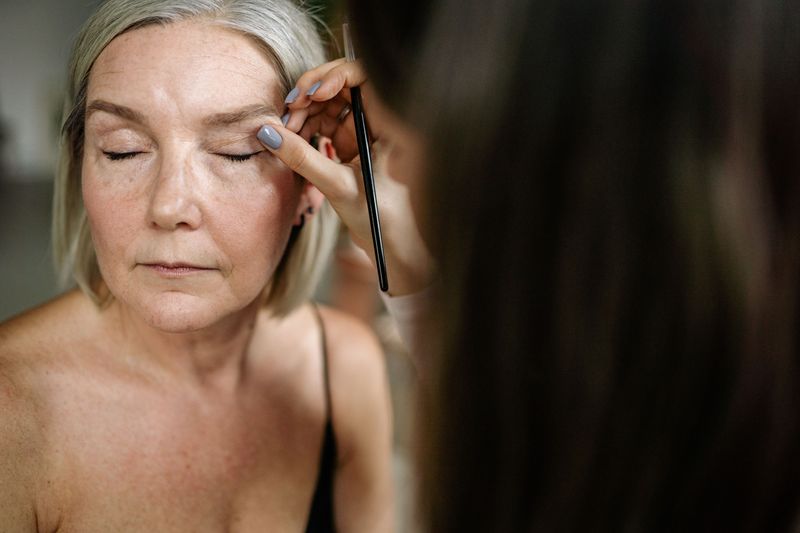
Bold, heavily filled brows were a popular look for a while, but on mature faces they can read as harsh rather than polished.
Brows naturally thin and lighten with age, so overfilling them with a dark, waxy pencil creates a stark contrast that draws attention for the wrong reasons.
Using a fine-tipped brow pencil with light, feathery strokes mimics the look of real hair much more convincingly.
Choosing a shade slightly softer than your natural brow color keeps things looking believable and age-appropriate in the best way.
Finish with a clear or tinted brow gel to set the shape and add a polished touch.
Groomed but natural is the sweet spot to aim for.
6. Try Warmer Eyeliner Shades Beyond Classic Black
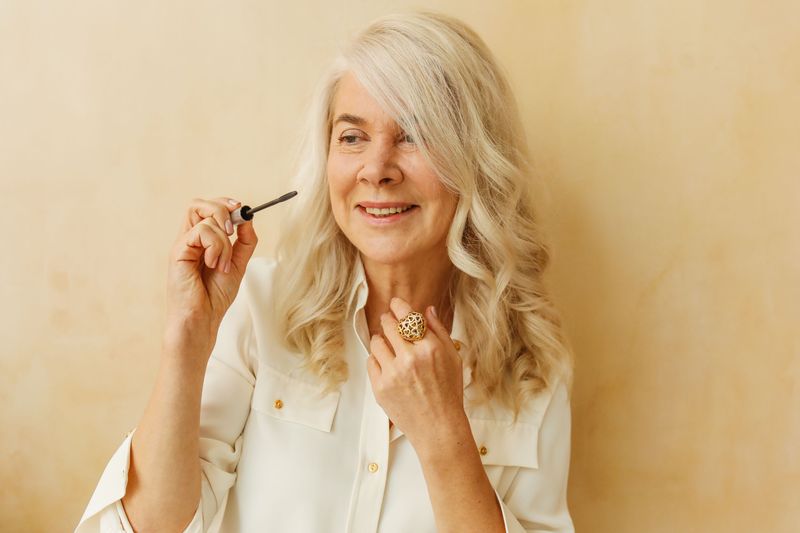
Black eyeliner has been a staple for decades, and there is nothing wrong with it.
But on mature eyes, a very stark black line can sometimes feel heavier than intended, especially if the eye area has changed in shape or fullness over the years.
Swapping to brown, bronze, charcoal, or even a soft plum can define your eyes just as effectively while feeling a bit more relaxed and flattering.
These shades create depth without the same visual weight that a sharp black line can bring.
Smudging the liner slightly after application also softens the effect beautifully.
Experiment with one or two warmer shades and notice how they can actually make eyes look more awake and expressive.
7. Stop Lining the Entire Lower Lash Line
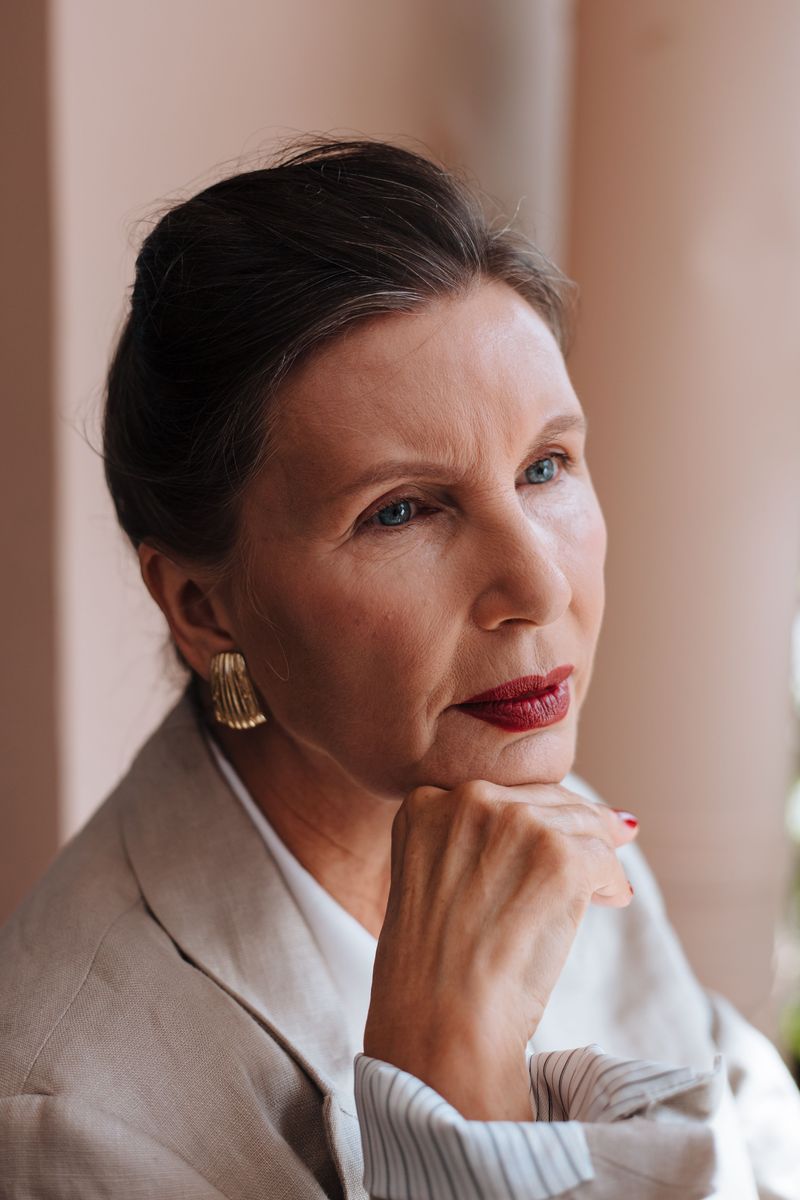
Running eyeliner all the way around both eyes was once considered a classic technique, but on mature eyes it can actually make them look smaller and more tired.
The lower lash line in particular, when heavily lined, tends to drag the eye down rather than lift it.
Concentrating liner near the upper lashes or just at the outer corners creates definition while keeping the eyes looking open and awake.
This subtle shift in placement makes a noticeable difference in how bright and lifted the eyes appear overall.
A soft smudge at the outer corner using a small brush works especially well.
Try it once and you may never want to go back to the full outline.
8. Add Dimension with Satin or Cream Blush
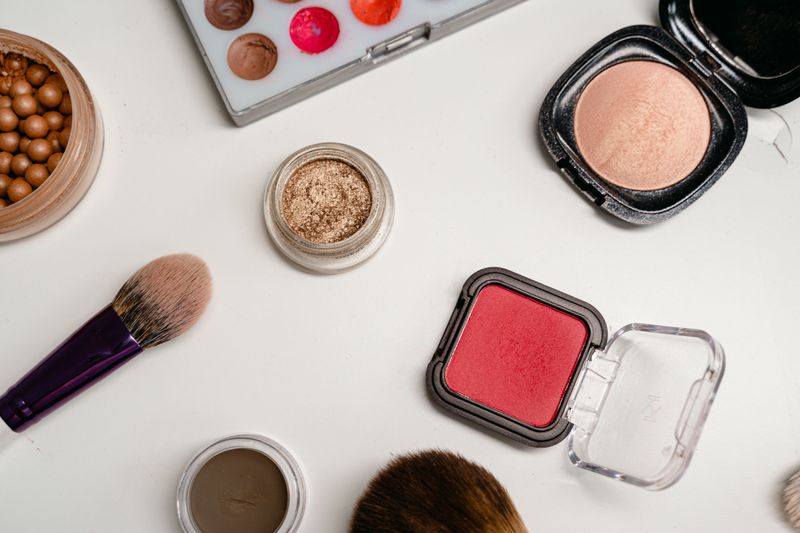
Matte blush has its place, but after 50 it can sometimes look flat on the skin rather than fresh.
Skin naturally loses some of its youthful glow over time, and a completely flat blush shade does little to bring that luminosity back.
Satin-finish or softly luminous blush adds a gentle dimension that mimics a natural flush from within.
Cream formulas are another excellent option because they melt into the skin and move with it, rather than sitting on top like powder can.
Apply cream blush with fingers or a damp sponge for the most skin-like result.
A light hand is all you need since a little goes a long way with these richer, more pigmented formulas.
9. Soften Your Lip Liner for a More Natural Look
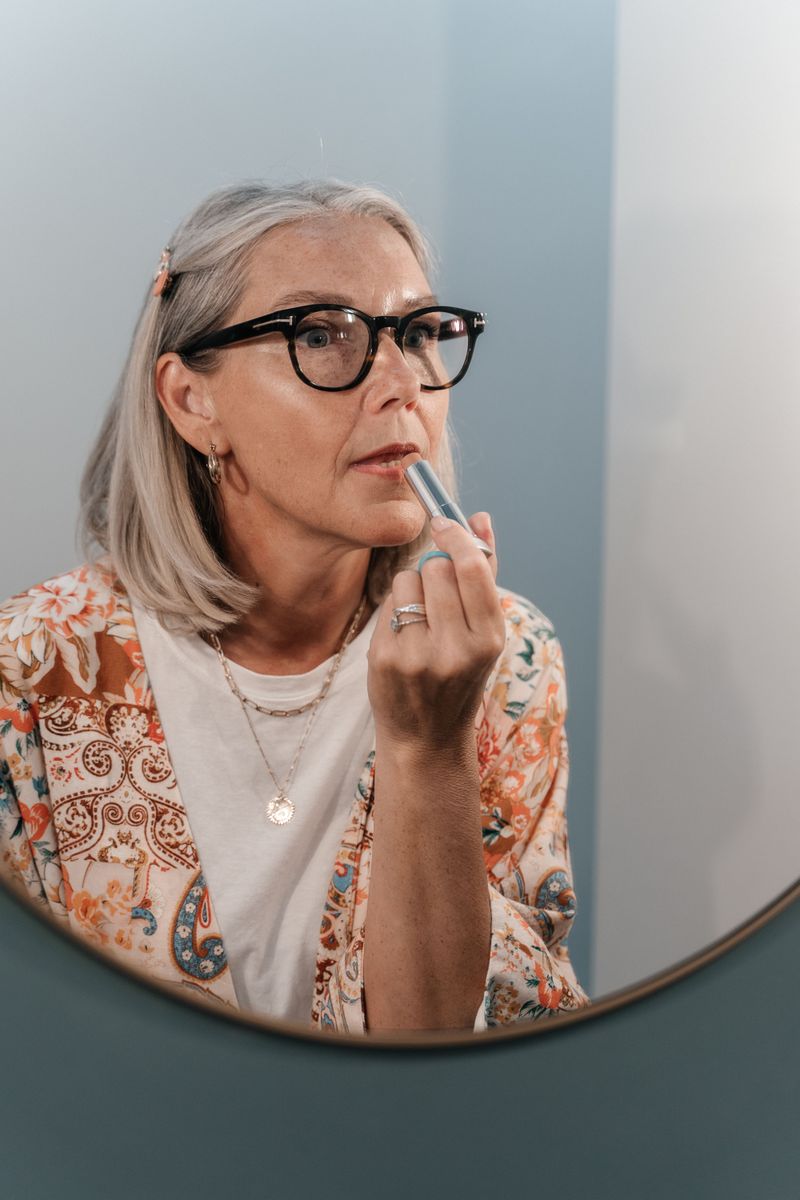
A sharp, contrasting lip liner used to be a go-to for definition, but it can look dated and even emphasize lip lines rather than minimize them.
Harsh edges also tend to bleed into fine lines around the mouth as the day goes on.
Choosing a liner close to your natural lip color, or one that matches your lipstick, keeps the look soft and seamless.
The real trick is blending the edges inward before applying color so there is no visible line at all, just a beautifully shaped lip.
This approach also prevents the floating lip liner look that ages any makeup routine quickly.
A blended liner acts as a base, helping lipstick last longer and stay in place throughout the day.
10. Let Go of Outdated Makeup Rules That No Longer Serve You
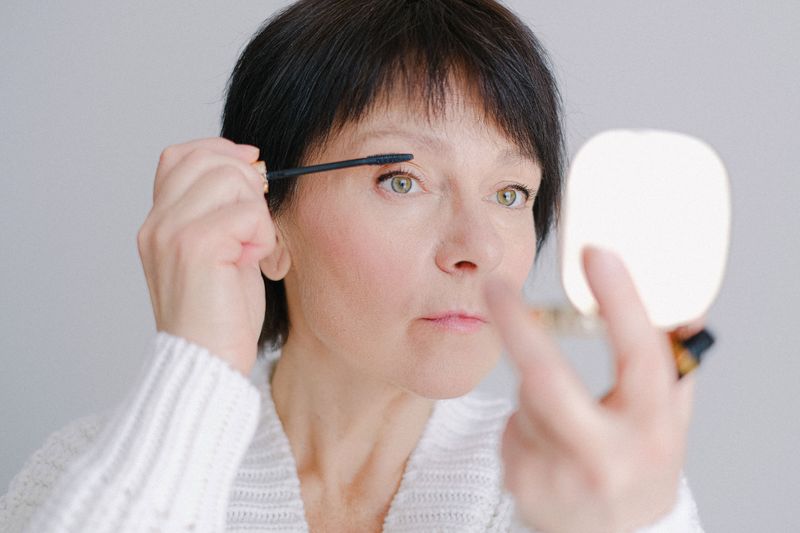
Somewhere along the way, a lot of people picked up the idea that after a certain age, shimmer is off-limits, bold lips are too much, and trends are for younger faces only.
None of that is actually true, and holding onto those ideas can keep you stuck in a routine that stopped feeling like you a long time ago.
Makeup is meant to be adjusted to suit the face you have right now, not the face you had at 30.
Placement, texture, and color all shift over time, and that is a normal part of evolving your look.
If a bold lip makes you happy, wear it.
If a little shimmer makes your eyes sparkle, use it.
Your face, your rules.