 MomSkoop
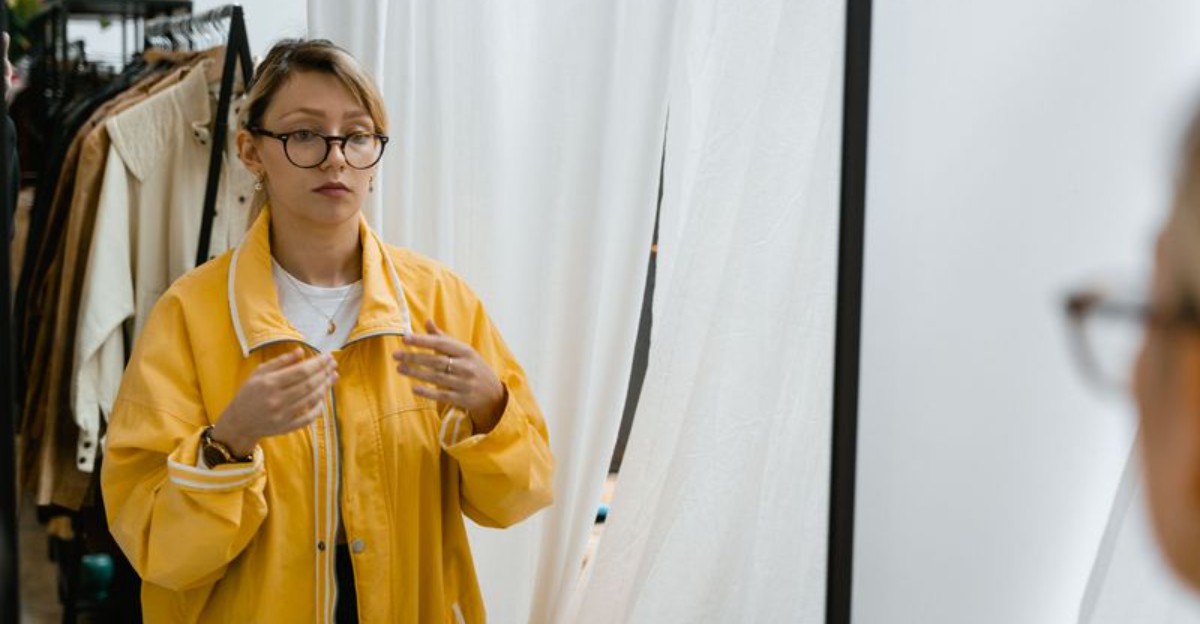
The clothes we wear say a lot more about how we feel on the inside than most people realize. Sometimes, our outfit decisions are less about style and more about hiding, blending in, or seeking approval from others.
These habits can quietly signal that we are struggling to feel good about ourselves. Recognizing these patterns is the first step toward dressing in a way that truly feels like you.
1. Dressing to Disappear

Some people do not choose neutral, quiet clothing because they love understated style.
They choose it because standing out feels genuinely frightening.
There is a real difference between preferring simplicity and actively shrinking yourself through what you wear.
If you catch yourself thinking, “I just don’t want anyone to notice me,” that is worth paying attention to.
Clothes can become a kind of camouflage when self-worth is low.
You start building an invisible wall out of beige and grey.
Try adding one small element that feels a little bolder each week.
It does not have to be dramatic.
Even a colorful scarf or printed bag can be a quiet act of showing up for yourself.
2. Buying Everything Oversized
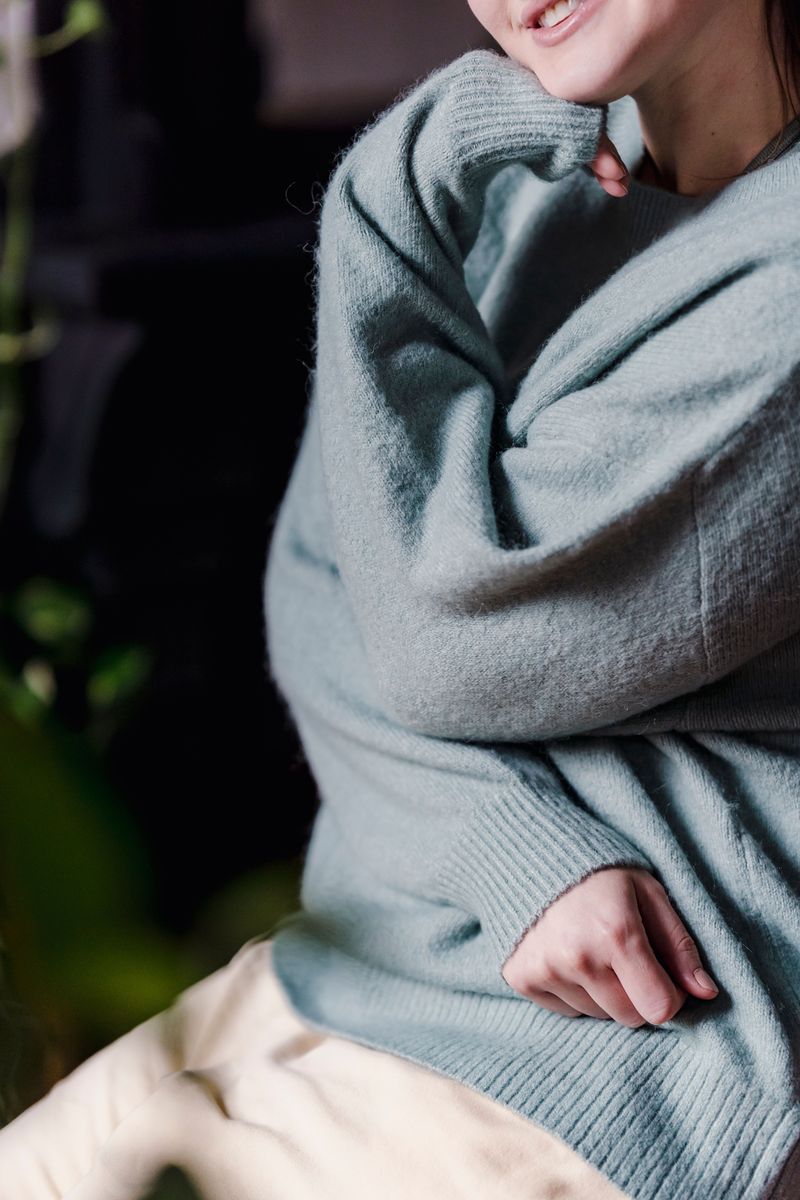
Oversized clothing is genuinely trendy and can look amazing when worn with intention.
But there is a version of oversized dressing that has nothing to do with style.
It is about hiding your actual body because showing it feels too exposing or too risky.
Many people unconsciously use big, shapeless clothes as a kind of armor.
The logic goes: if no one can see my shape, no one can judge it.
That thinking, while understandable, often keeps confidence stuck in place.
Wearing clothes that fit your real body right now, not the body you wish you had, is a genuinely powerful move.
You deserve to take up space exactly as you are today.
3. Never Wearing the Special Clothes
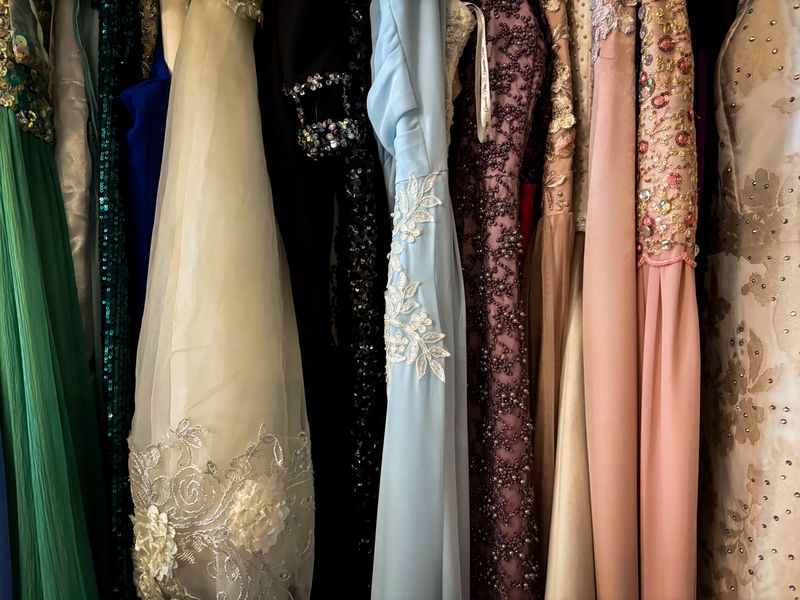
Almost everyone has that one piece hanging in the closet with the tags still on.
Maybe it is a dress you loved in the store, a blazer that felt powerful, or shoes that made you feel like a different version of yourself.
And yet, there it hangs.
Saving something for a “special occasion” that never quite arrives is often a sign that you do not feel worthy of wearing it today.
The message underneath is: I am not enough yet.
Here is a reality check: today is already a special occasion.
Wearing something you love on an ordinary Tuesday is not wasteful.
It is actually one of the kindest things you can do for yourself.
4. Copying Someone Else’s Entire Aesthetic

There is nothing wrong with drawing inspiration from people whose style you admire.
Fashion is literally built on influence and borrowing ideas.
The problem shows up when you stop adding any part of yourself to the equation at all.
Recreating someone else’s entire wardrobe from head to toe usually signals that trusting your own taste feels too uncertain or even embarrassing.
It is easier to borrow someone else’s approved identity than to risk being judged for your own.
Style is actually one of the most personal forms of self-expression available to you.
Start with just one piece that is completely, uniquely yours and build from there.
Your instincts deserve a fair shot.
5. Removing an Outfit After One Negative Comment
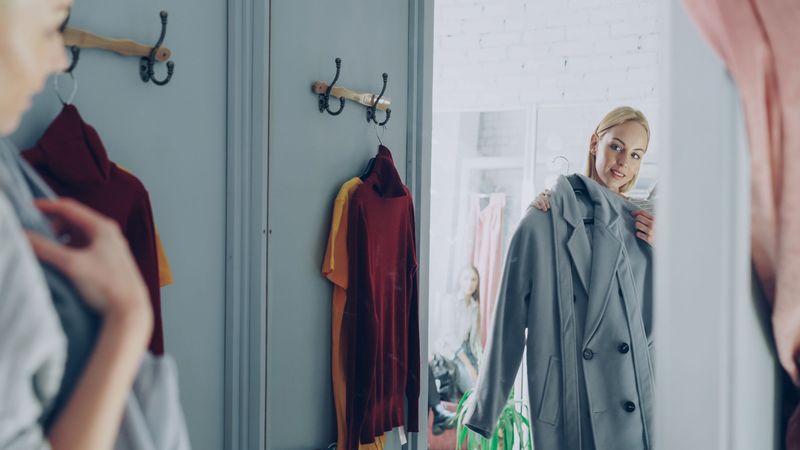
You put together an outfit, looked in the mirror, and felt genuinely good.
Then one person raised an eyebrow or made a small comment, and suddenly that confidence evaporated completely.
Sound familiar?
This pattern reveals how much external validation is driving your fashion choices.
When one offhand remark can completely undo your confidence, it shows that your self-approval is not yet strong enough to hold steady under pressure.
That is not a character flaw, but it is worth noticing.
Other people’s opinions about your clothes say far more about them than about you.
Building the habit of returning to your own first reaction, before anyone else weighs in, is genuinely worth the effort.
6. Constantly Asking Does This Look Okay?
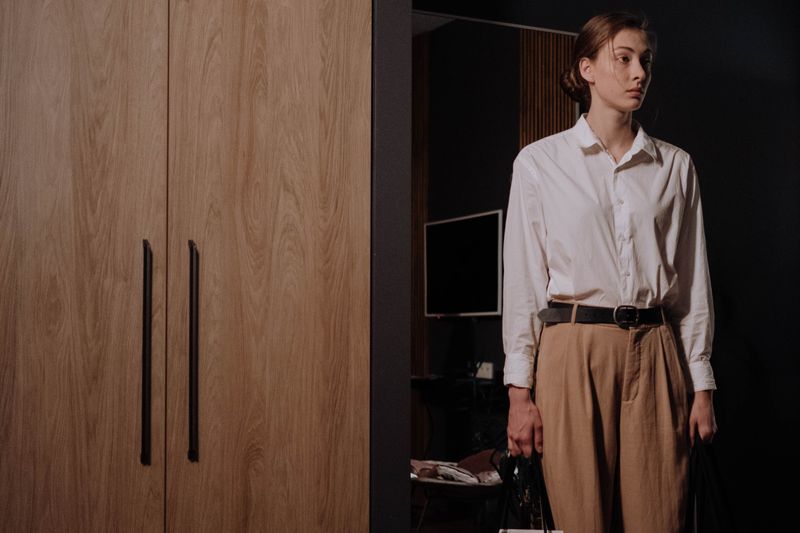
Checking in with a trusted friend about an outfit every now and then is completely normal.
But when you cannot leave the house without getting sign-off from at least one other person, that is a different situation altogether.
Constantly seeking reassurance suggests that your own opinion of your appearance does not feel reliable or trustworthy.
You keep outsourcing the decision because making it yourself feels too uncertain.
Over time, this habit actually weakens your confidence rather than building it.
A useful experiment: decide on your outfit, commit to it, and leave without asking anyone.
Notice what happens.
Most of the time, nothing bad occurs.
That small act of trusting yourself starts to add up in meaningful ways.
7. Using Designer Logos as Reassurance

Luxury brands and designer pieces can be genuinely beautiful and worth investing in.
But when the label is doing all the emotional heavy lifting, something else is going on.
The logic becomes: if the brand is respected, maybe people will respect me too.
Relying on logos as a social shield suggests that your personal taste does not yet feel “enough” on its own.
You are borrowing credibility from a fashion house rather than trusting what you actually like.
That is an expensive way to avoid the real work.
Confidence in style comes from knowing yourself, not from wearing a name that others recognize.
Try mixing in pieces you genuinely love regardless of their label and see how that feels.
8. Always Choosing the Least Noticeable Option
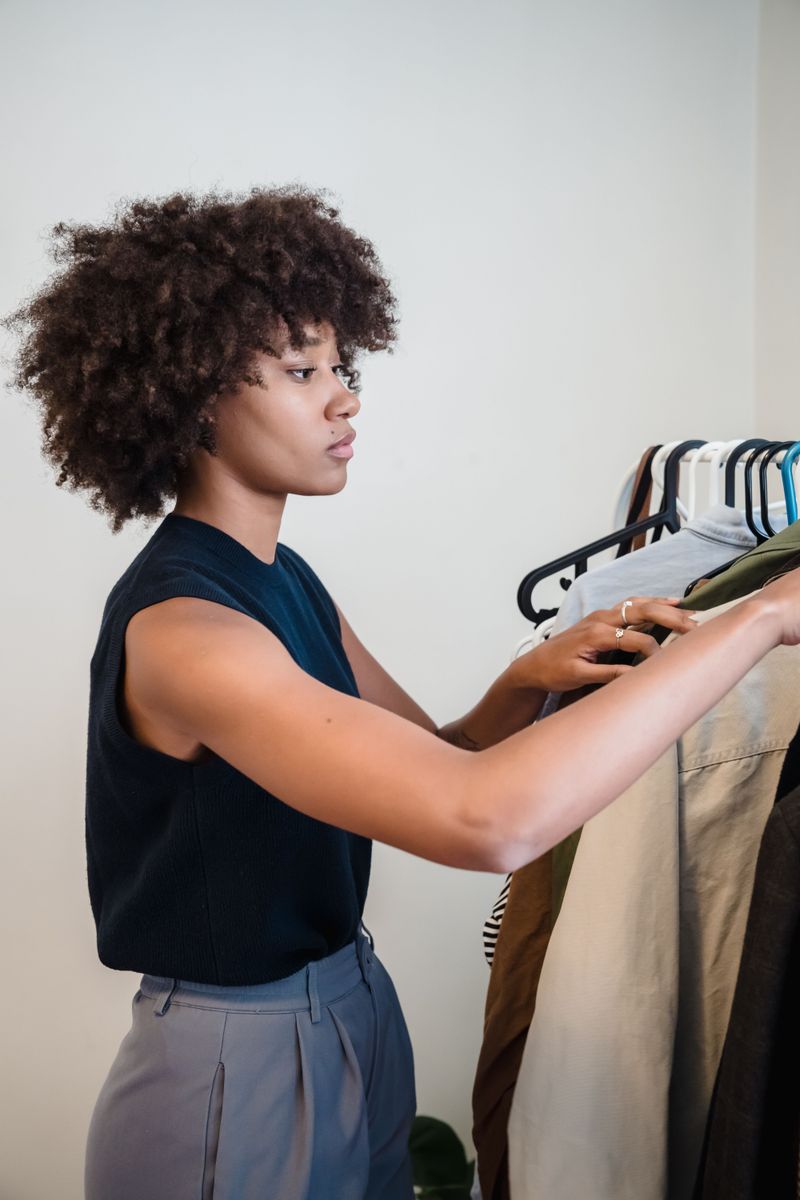
You walked into the store wanting the bright red dress.
You walked out with another plain navy top.
If that sequence sounds familiar, you are not alone.
Defaulting to the safe, invisible choice is one of the most common quiet confidence struggles in fashion.
Black, grey, and beige are not the problem.
The problem is choosing them out of fear rather than genuine preference.
When you automatically filter out anything that might attract attention, you are letting anxiety make your wardrobe decisions.
Next time you are drawn to something bold, try it on before talking yourself out of it.
Your gut reaction in the fitting room, before the self-doubt kicks in, is usually the most honest one.
9. Refusing to Repeat Noticeable Outfits
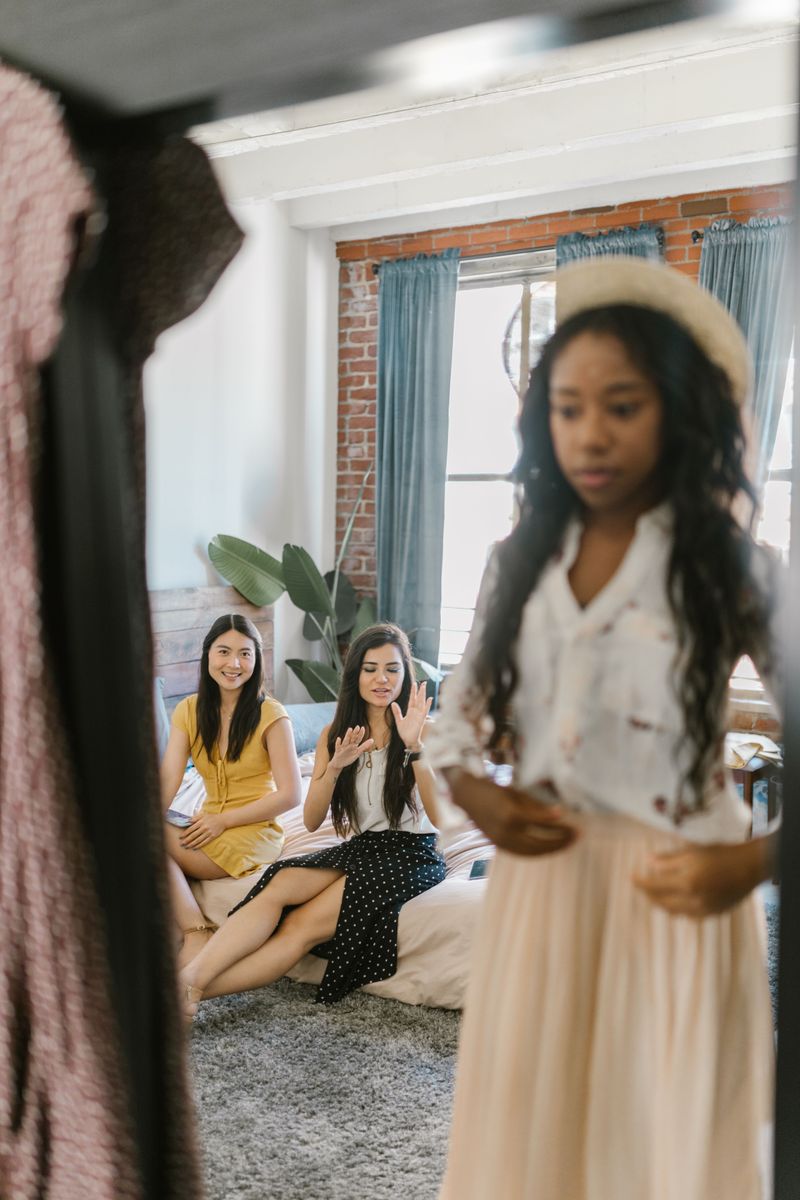
Royals, celebrities, and some of the most stylish people in the world repeat outfits regularly and proudly.
Yet many people live in quiet terror of being spotted twice in the same memorable look.
The fear?
That others will assume they are broke, lacking taste, or somehow lesser.
This anxiety reveals a belief that you are being watched and judged far more closely than you actually are.
Psychologists call this the spotlight effect, and research consistently shows people notice us far less than we think.
Wearing a great outfit twice is not a fashion crime.
It is actually a sign of confidence.
The person who wears what they love without apology is always more interesting than the person hiding behind variety.
10. Dressing for an Imagined Critic
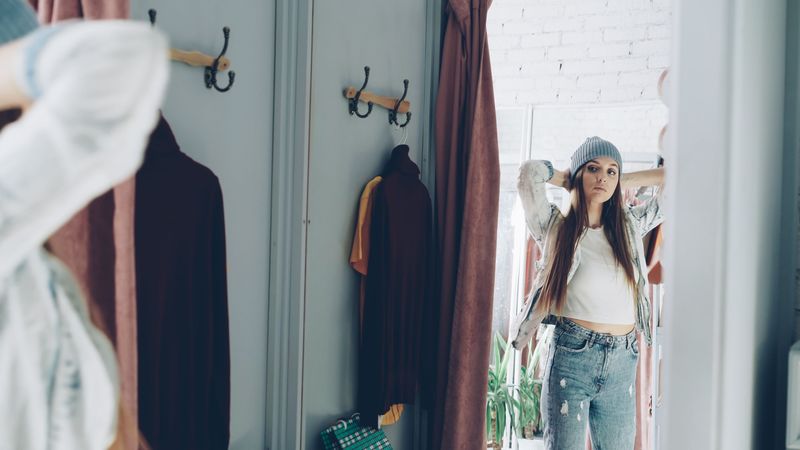
Picture this: you are getting dressed, but instead of thinking about what you enjoy, you are mentally running your outfit past a critical coworker, a judgmental friend, or a stranger on the street.
That imagined voice starts making the decisions instead of you.
Dressing for an imagined critic means you have essentially handed your wardrobe over to someone who is not even in the room.
It is exhausting, and it rarely produces outfits you actually feel good in.
You end up wearing something that is designed to avoid criticism rather than something you love.
Whose voice is running your wardrobe?
Identifying it is genuinely useful.
Once you name the imagined critic, you can start consciously choosing your own opinion instead.
11. Hiding Behind Excessive Layering

Layering is a legitimate and creative style technique.
Some of the most interesting outfits involve unexpected combinations of textures and lengths.
But layering can also become a way of making yourself smaller and less visible without anyone noticing that is what you are doing.
Adding a cardigan over every outfit, always reaching for the oversized jacket, draping a scarf regardless of the weather: these habits can be a physical way of saying “please don’t look at me too closely.” The coverage provides a sense of safety that feels easier than being seen.
Ask yourself honestly: am I adding this layer because it looks great, or because it makes me feel less exposed?
The answer matters more than you might expect.
12. Avoiding Anything That Attracts Compliments
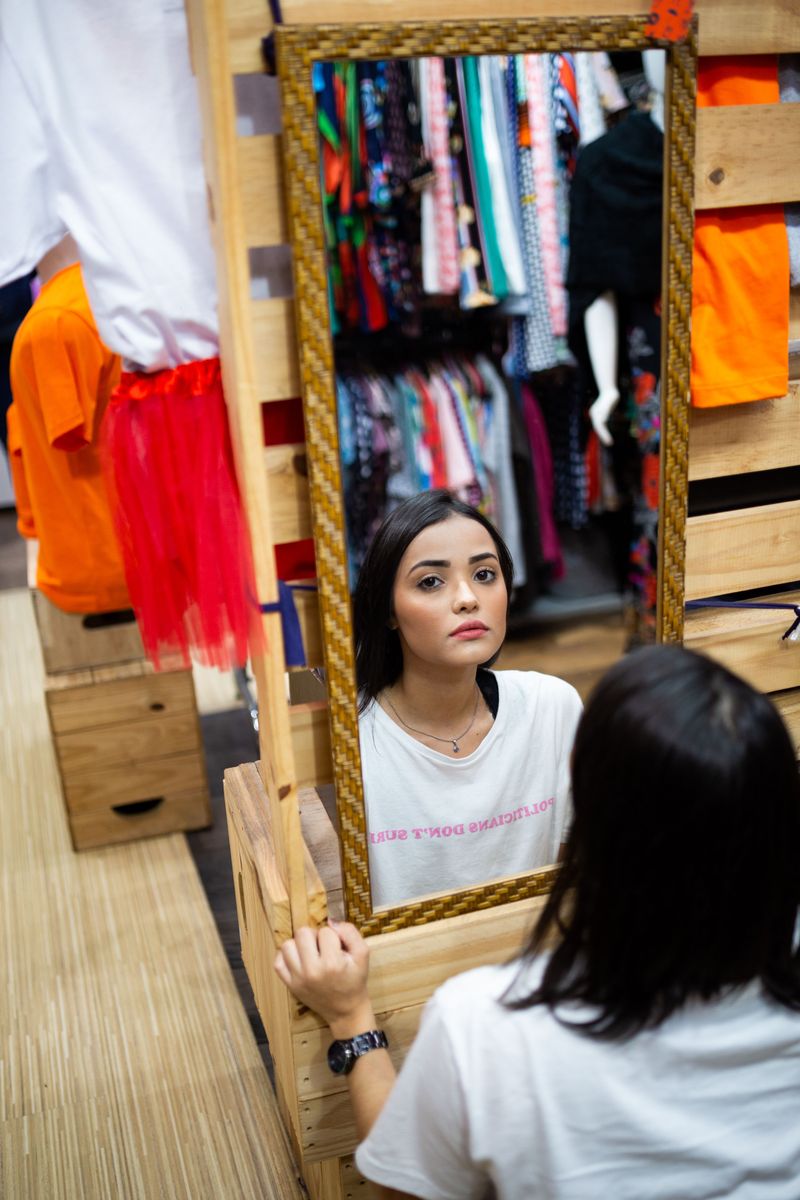
Getting a compliment should feel good.
For many people, it genuinely does.
But for others, being noticed, even positively, triggers something uncomfortable.
If a piece of clothing starts attracting too much attention, it quietly gets retired to the back of the closet.
This pattern often comes from a deep discomfort with being seen or valued.
The attention itself feels like too much, even when it is kind.
So the bold shoes get replaced with plain ones, and the striking dress stays at home where it is safe.
Compliments are not a threat.
Learning to receive them without shrinking, and to keep wearing the things that earn them, is a genuine act of building self-worth one outfit at a time.
13. Buying Clothes for a Future Version of Yourself
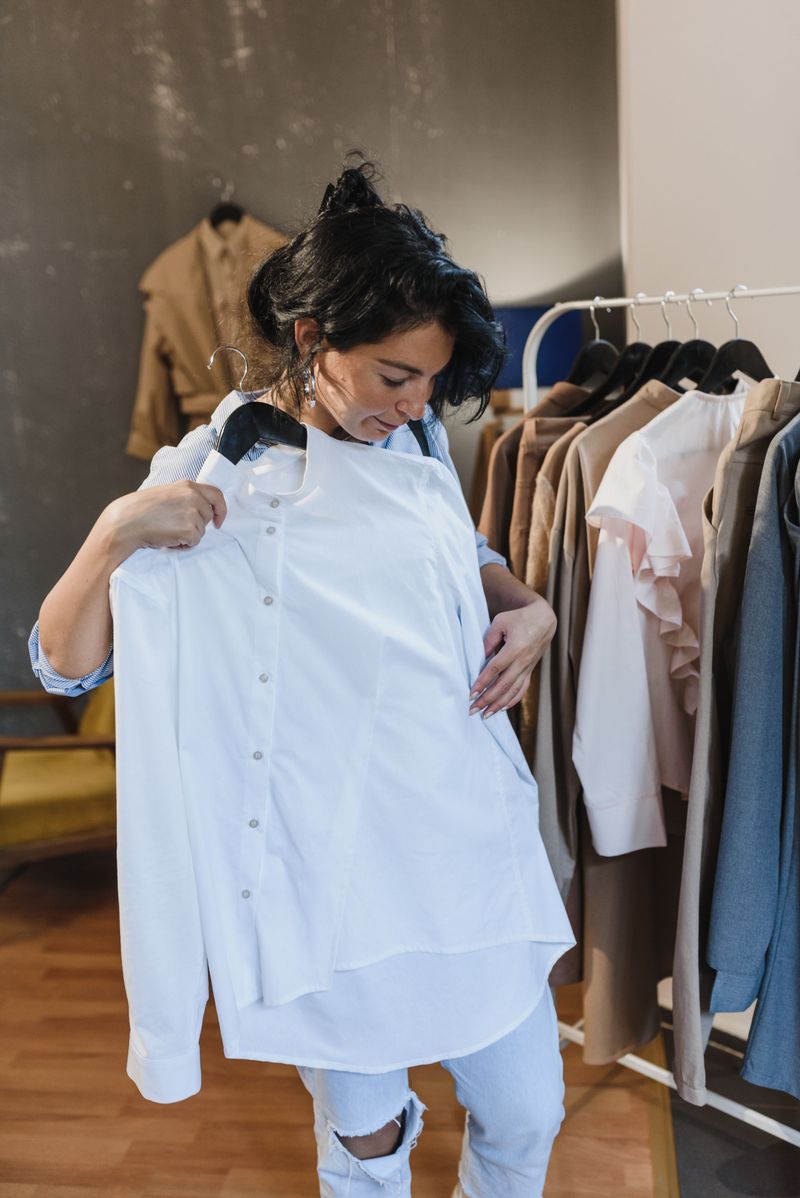
The wardrobe for “when I lose weight” or “when I finally feel good about myself” is one of the most quietly heartbreaking fashion habits out there.
You build a collection for a future person while the present version of you wears the same tired, ill-fitting things on repeat.
This habit communicates a painful message: you do not deserve nice clothes yet.
You are on probation from your own wardrobe.
But that future self you are dressing for?
She will have her own reasons to wait too, if the mindset does not shift.
Buying clothes that fit and flatter your body right now, today, is not giving up.
It is one of the most direct forms of self-respect available to you.
14. Changing Outfits Over and Over Before Going Out
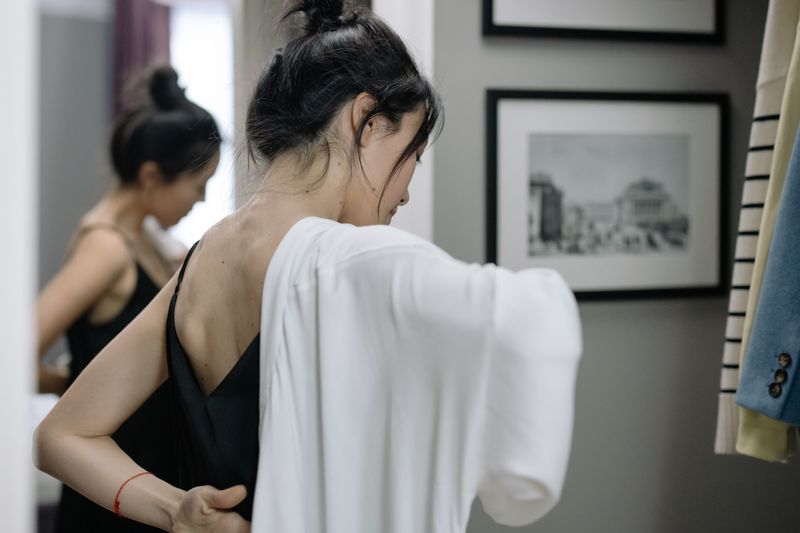
There is a fun kind of outfit experimenting, where you try different combinations because you are genuinely enjoying the creative process.
Then there is the spiral: every option starts to feel wrong the moment you imagine other people evaluating it, and you end up on your fifth change feeling worse than when you started.
This cycle is driven by anxiety, not creativity.
The problem is not your wardrobe.
The problem is that your internal critic gets louder the closer you get to being seen by others.
No outfit will ever feel good enough when the real issue is fear of judgment.
Giving yourself a two-outfit maximum rule can help interrupt the spiral.
Decide, commit, and go.
The outfit matters far less than showing up.