 MomSkoop

Social anxiety is more common than most people realize, and it can make everyday interactions feel overwhelming. For someone with anxiety, even simple tasks like saying hello to a stranger or answering a phone call can trigger intense worry and self-doubt.
These feelings are real, valid, and shared by millions of people around the world. Understanding which social situations tend to be the hardest is a great first step toward managing them.
1. Meeting New People

That moment when someone new walks toward you with a smile can feel like a spotlight suddenly switched on.
Your heart races, your palms get sweaty, and your mind scrambles for the right words to say.
For people with anxiety, meeting new people is one of the most stressful experiences imaginable.
The fear often comes from worrying about making a bad first impression.
Will they like you?
Will you say something awkward?
These thoughts can spiral quickly.
One helpful trick is to prepare a few simple conversation starters ahead of time, so you feel less caught off guard.
Remember, most people are too focused on themselves to notice your nervousness as much as you think they do.
2. Introducing Yourself to a Group

Standing up and saying your name to a room full of strangers can feel like walking a tightrope.
Every pair of eyes is on you, and even the simplest words can feel impossible to get out.
Group introductions are a classic anxiety trigger because there is no escaping the attention.
Many people with anxiety rehearse what they will say over and over beforehand, only to forget everything the moment it is their turn.
That is completely normal.
Focusing on just one or two key things to share about yourself can make the moment feel more manageable.
Taking a slow breath before speaking also helps calm the nervous system and steadies your voice when it matters most.
3. Speaking in Front of an Audience

Public speaking consistently ranks as one of the top fears among people of all ages, and for those with anxiety, it can feel absolutely terrifying.
The thought of forgetting your words or being judged by an entire audience is enough to cause panic days before the event even happens.
Interestingly, some of the world’s most famous speakers have dealt with serious stage fright.
Practice and preparation are the two biggest tools that help.
Rehearsing your material until it feels natural builds confidence over time.
Starting small, like speaking in front of just a few trusted friends, can also ease you into larger settings gradually.
The audience usually wants you to succeed, even if anxiety tells you otherwise.
4. Making Small Talk with Strangers

Small talk sounds simple enough on the surface.
A quick comment about the weather, a friendly nod, a casual question about someone’s day.
But for someone with anxiety, these tiny exchanges can feel like navigating a minefield without a map.
The pressure of keeping a conversation going with someone you barely know is genuinely exhausting.
There is always the fear of an awkward silence or saying something that lands wrong.
One useful approach is to ask open-ended questions that invite the other person to keep talking, which takes some pressure off you.
Topics like weekend plans, local events, or even a shared experience nearby can open doors to easy, low-stakes conversation that feels more natural over time.
5. Attending a Party or Social Gathering

Parties are supposed to be fun, but for someone with anxiety, walking into a room full of people can feel more like a challenge than a celebration.
The noise, the crowds, the expectation to mingle and seem cheerful all add up quickly.
Many people with social anxiety spend the days leading up to a gathering dreading it, and sometimes cancel at the last minute to avoid the discomfort altogether.
One strategy that actually helps is arriving early, before the crowd builds, so you can ease into the environment gradually.
Having a trusted friend by your side also makes a huge difference.
Giving yourself permission to leave if you need to can also lower the pressure and make attending feel less daunting overall.
6. Going Somewhere Alone

Going out alone might seem like a simple, everyday thing, but for someone with anxiety, it can feel surprisingly intimidating.
Whether it is eating at a restaurant solo or attending a movie by yourself, the worry of being noticed and judged can be overwhelming.
There is often an internal voice that says everyone is watching and wondering why you are alone.
In reality, most people are far too busy with their own lives to pay much attention.
Bringing a book, headphones, or something to keep your hands busy can help ease that self-conscious feeling.
Starting with short solo outings in comfortable, familiar places is a great way to build confidence before tackling busier or more unfamiliar environments on your own.
7. Making a Phone Call

For many people with anxiety, texting feels safe, but phone calls feel like a completely different story.
There is no time to think before you respond, no ability to edit what you say, and no way to read the other person’s facial expressions for reassurance.
Phone anxiety is so common that it even has its own nickname: “telephobia.” The fear of saying something wrong or not understanding what the other person says can make even a simple call to schedule an appointment feel like a huge deal.
Writing down key points before dialing can help you feel more prepared.
Practicing with people you trust, like a close friend or family member, is also a low-pressure way to build your confidence with calls over time.
8. Asking Someone for Help

Asking for help feels simple, but anxiety has a way of turning it into something much more complicated.
The fear of being seen as incompetent, annoying, or burdensome can stop someone from reaching out, even when they genuinely need assistance.
This can show up in all kinds of situations, from asking a teacher to explain something again to flagging down a store employee for directions.
People with anxiety often prefer to struggle in silence rather than risk feeling like a bother.
Reminding yourself that asking for help is a sign of self-awareness, not weakness, can shift your perspective.
Most people are happy to assist when asked kindly, and the interaction is usually far less painful than anxiety makes it seem beforehand.
9. Starting a Conversation

Knowing you want to talk to someone and actually doing it are two very different things when anxiety is involved.
The first sentence feels like the hardest part, and the mental rehearsal of what to say can go on endlessly without ever turning into action.
What if they are not interested?
What if the timing is wrong?
What if you stumble over your words?
These questions loop on repeat in an anxious mind.
One practical approach is to start with an observation about your shared surroundings, something simple and low-risk like commenting on the environment or a nearby event.
It removes the pressure of being clever or interesting right away.
Conversations rarely need a perfect opening line to go well.
10. Joining an Ongoing Group Conversation

Walking up to a group that is already deep in conversation can feel like trying to jump onto a moving train.
You hover nearby, waiting for the right moment, but that moment never seems to come.
Meanwhile, the longer you wait, the more anxious you feel.
People with anxiety often worry they will interrupt, say something off-topic, or simply not be welcomed into the group.
The truth is, most groups are open to new voices when approached warmly.
Making brief eye contact with someone in the group and smiling is often enough to signal your interest in joining.
You do not need to say something brilliant to fit in.
A simple laugh or nod of agreement can be enough to ease your way into the conversation naturally.
11. Eating or Drinking in Front of Other People

Eating in front of others might seem like a basic, everyday activity, but for someone with anxiety, it can stir up intense self-consciousness.
Worrying about spilling something, chewing loudly, or being watched while eating can make mealtimes feel more stressful than enjoyable.
This type of anxiety is especially common during formal dinners, first dates, or work lunches where the social stakes feel higher.
Some people avoid eating in public altogether, which can affect their social life and nutrition.
Choosing familiar foods you feel comfortable eating can reduce some of the pressure.
Focusing on the conversation rather than on what you are doing with your fork and knife is another helpful mental shift that many people with anxiety find genuinely useful.
12. Talking to Someone in Authority

There is something uniquely nerve-wracking about talking to someone who holds power over you, whether it is a teacher, a boss, a doctor, or a coach.
For people with anxiety, these interactions carry extra weight because the stakes feel much higher than a regular conversation.
The fear of being judged, corrected, or misunderstood by someone in a position of authority can be paralyzing.
Even asking a basic question can feel risky.
Writing down what you want to say beforehand helps organize your thoughts and reduces the chance of blanking mid-conversation.
Remembering that authority figures are also just people, who make mistakes and appreciate honesty, can take some of the intimidation out of these moments and make them feel more approachable overall.
13. Going on a First Date

First dates come loaded with expectations, excitement, and a whole lot of anxiety.
The pressure to be charming, interesting, and likable all at once while also managing your nerves is a lot for anyone to handle, let alone someone who already struggles with social anxiety.
Many people with anxiety overthink every detail before a first date, from what to wear to what topics to bring up.
Then, during the date itself, they may spend so much energy monitoring their own behavior that they forget to actually enjoy the moment.
Shifting focus from “how am I coming across?” to genuine curiosity about the other person can ease the pressure significantly.
Most first dates are awkward for both people, and that shared awkwardness can actually become its own kind of connection.
14. Expressing Disagreement or Saying No

Saying no is one of the most important skills a person can have, yet for those with anxiety, it often feels almost impossible.
The fear of upsetting someone, causing conflict, or being seen as difficult can lead people to agree to things they really do not want to do.
This people-pleasing tendency is exhausting and can build up resentment over time.
Learning to express disagreement respectfully is not about being confrontational.
It is about being honest in a way that respects both yourself and the other person.
Phrases like “I appreciate the offer, but I am not able to” or “I see it a bit differently” are low-conflict ways to hold your ground without shutting down the conversation entirely.
15. Being the Center of Attention

Birthdays, awards, surprise parties, compliments in front of a group.
For most people, these moments feel wonderful.
For someone with anxiety, being the center of attention can feel absolutely suffocating, even when the attention is positive and well-meaning.
The feeling of being watched and evaluated by multiple people at once triggers the same stress response as a genuine threat.
The body goes into fight-or-flight mode, causing blushing, sweating, or a racing heart.
Knowing this is a physical response, not a personal flaw, can help reduce shame around it.
Grounding techniques like focusing on a single object in the room or taking slow breaths can help bring the nervous system back to a calmer state during these spotlight moments.
16. Making a Mistake or Feeling Embarrassed in Front of Others
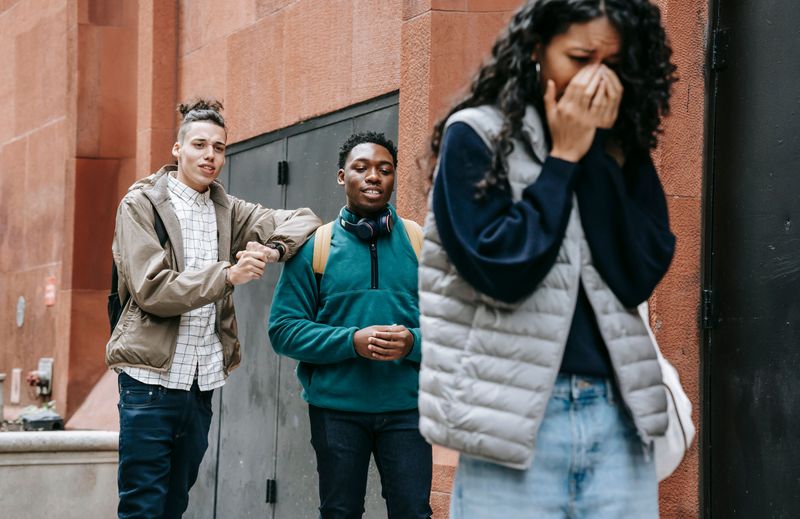
Everyone makes mistakes.
Everyone has a cringe-worthy moment they wish they could erase.
But for someone with anxiety, a small embarrassing slip can feel catastrophic and replay in their mind for hours, days, or even weeks after it happens.
This mental replay, sometimes called “post-event processing,” keeps the shame alive long after everyone else has forgotten the incident entirely.
It is worth remembering that other people’s memories of your embarrassing moment fade much faster than your own.
Self-compassion is a powerful tool here.
Treating yourself with the same kindness you would offer a friend in the same situation can break the cycle of rumination.
Mistakes are a normal part of being human, and they do not define your worth or how others truly see you.