 MomSkoop

Many men grow up hearing that they should be strong, tough, and in control of their emotions. Because of this, opening up about how they truly feel can be one of the hardest things to do in a relationship.
When feelings stay bottled up, it creates distance between partners who could otherwise grow closer. Understanding what men struggle to say out loud can help couples build more honest, caring connections.
1. Vulnerability

Feeling emotionally exposed is something many men quietly carry without ever saying a word about it.
Admitting that something hurt them, or that they are afraid of being rejected, can feel like handing someone a weapon.
Society has long told men that showing weakness is dangerous, so they learn to hide it instead.
But vulnerability is not weakness.
It is actually one of the bravest things a person can do in a relationship.
When a man lets his guard down and shares how he truly feels, it creates real closeness.
Partners who encourage this with patience and kindness make it much easier for men to open up over time.
2. Insecurity

Most people assume men are always confident, but self-doubt hits just as hard for them as it does for anyone else.
A man might quietly wonder if he is attractive enough, successful enough, or truly valued in his relationship.
These thoughts can swirl around in his head for weeks without his partner ever knowing.
Saying “I feel insecure” out loud can feel embarrassing, even shameful.
Men often worry that admitting this will make their partner see them differently or lose respect for them.
Honest conversations about insecurity, handled with care and without judgment, can actually strengthen a relationship rather than weaken it.
Feeling safe to share doubts is a sign of real trust.
3. Fear
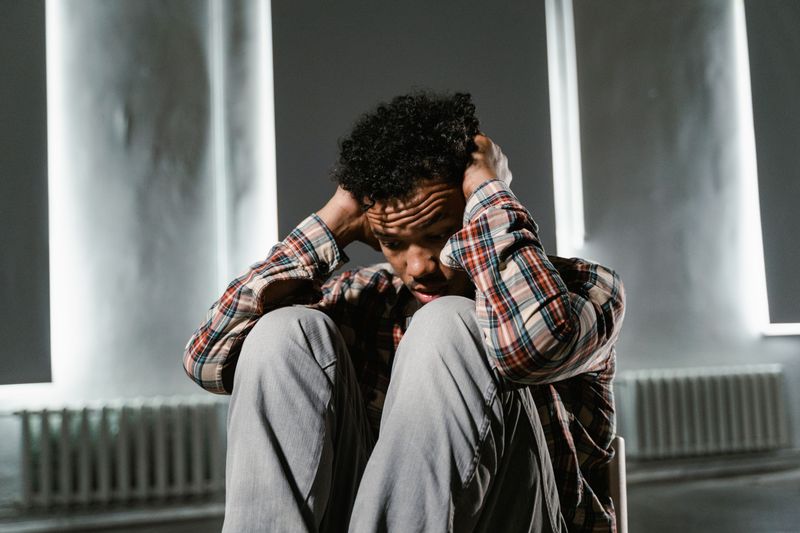
Fear is one of the most common emotions men experience but rarely talk about openly.
Worrying about failing at work, losing a partner, or facing an uncertain future can be exhausting.
Many men carry these fears silently because they believe expressing them will make them seem weak or incapable.
The truth is, fear is a completely human response to real-life pressures.
When a man finally says “I am scared,” it takes enormous courage.
Partners who respond with reassurance rather than criticism create a space where honesty can grow.
Acknowledging fear together, instead of pretending it does not exist, helps both people feel less alone when life gets hard.
4. Loneliness
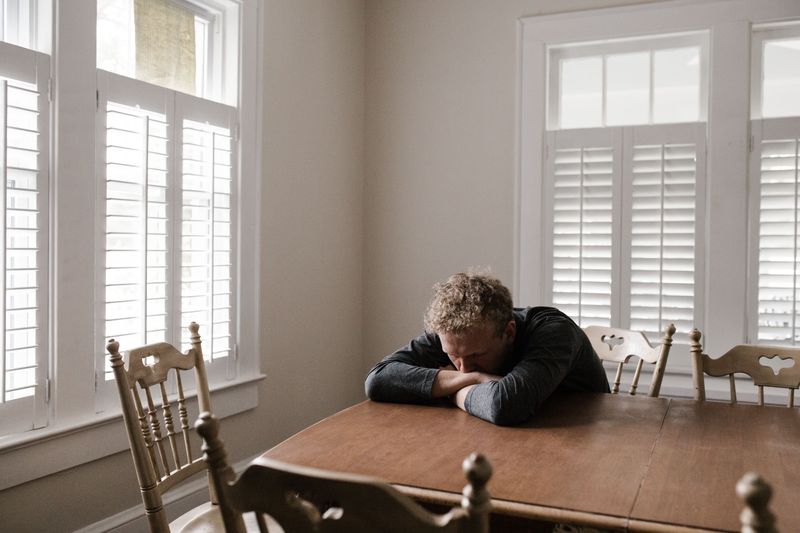
Here is something that surprises many people: a man can feel completely alone even when he is sitting right next to his partner.
Emotional disconnection does not require physical distance.
When conversations stay surface-level and deeper feelings are never shared, loneliness quietly moves in.
Men rarely say “I feel lonely” because it sounds like a complaint about the relationship, and they do not want to cause conflict or hurt their partner’s feelings.
But loneliness left unspoken tends to grow.
Checking in with each other regularly, asking real questions, and actually listening to the answers can close that emotional gap.
Small moments of genuine connection matter far more than grand gestures when it comes to feeling truly seen.
5. Sadness

Crying is often treated like something men are not supposed to do, which means sadness gets stuffed down and hidden behind silence, irritability, or distraction.
A man who is hurting might not even realize how low he feels until it starts affecting his sleep, his appetite, or his patience.
Talking about sadness feels risky when you have spent years learning to push it aside.
Many men fear being seen as overly emotional or burdensome if they admit they are struggling.
Partners can help by creating a judgment-free environment where sadness is treated as normal, not dramatic.
Simply saying “You can tell me when something is bothering you” goes a long way toward making a man feel safe enough to open up.
6. Jealousy

Jealousy is one of those emotions that feels embarrassing to admit, especially for men who do not want to come across as controlling or possessive.
Yet feeling a little threatened when someone else shows interest in their partner is a very natural human response rooted in fear of loss.
The problem is not the feeling itself but what happens when it stays hidden.
Unexpressed jealousy often turns into passive behavior, cold moods, or unnecessary arguments about completely unrelated things.
Saying “I felt a little jealous earlier” with honesty and calm, rather than acting it out, keeps small feelings from turning into bigger problems.
A partner who listens without mocking that admission makes it much easier to handle these moments together, as a team.
7. Shame

Shame is one of the heaviest emotions a person can carry, and for men, it often centers on things like money troubles, career setbacks, or personal mistakes they feel they should have avoided.
The idea that a man should always have things figured out makes admitting failure feel almost unbearable.
Rather than talk about it, many men go quiet, withdraw, or overcompensate by pretending everything is fine.
This silence protects them from judgment but also cuts them off from the support they actually need.
Partners who respond to struggles with compassion instead of criticism make a huge difference.
Knowing that someone still loves and respects you even when things go wrong is exactly what helps shame lose its grip.
8. Need for Reassurance

Men want to hear that they are loved, valued, and appreciated just as much as anyone else does.
But asking for reassurance can feel awkward when the cultural expectation is that men should be self-assured at all times.
So instead of asking, many men wait and hope their partner will offer those words on their own.
When reassurance does not come, small doubts can grow into bigger insecurities over time.
A simple “I love you,” “You did a great job,” or “I am really glad you are mine” can mean more to a man than his partner might realize.
Relationships thrive when both people feel genuinely valued.
Making appreciation a regular habit costs nothing but pays off in closeness and emotional security for both partners.
9. Feeling Unappreciated

Many men put in consistent effort, whether that means working long hours, handling repairs, managing finances, or showing up in quiet everyday ways, without ever hearing a simple thank you.
Over time, that silence can start to feel like their contributions do not matter, even when they know that is probably not true.
Feeling unappreciated rarely gets spoken out loud because men worry they will sound needy or like they are keeping score.
But the feeling builds up, and eventually it affects motivation, mood, and emotional connection.
Acknowledging what your partner does, even for the small things, is one of the easiest ways to keep resentment from forming.
Gratitude expressed regularly is a quiet but powerful way to keep a relationship strong and both people feeling seen.
10. Feeling Inadequate

Am I doing enough?
Am I a good enough partner, parent, or provider?
These questions run through many men’s minds far more often than their partners would ever guess.
The pressure to meet expectations, whether real or imagined, can make a man feel like he is constantly falling short no matter how hard he tries.
Talking about feeling inadequate is deeply uncomfortable because it touches on a man’s core sense of identity.
Admitting it feels like confirming a fear he has been trying to outrun.
Partners who offer specific, genuine praise and avoid comparisons to other men or unrealistic standards help more than they know.
Feeling like you are enough, exactly as you are, is something everyone deserves to hear from the person they love most.
11. Need for Affection

Physical closeness, a hug that lasts a little longer, a hand held during a stressful moment, or a quiet cuddle at the end of the day matters deeply to many men.
But admitting a need for more tenderness or warmth can feel uncomfortably vulnerable, especially when men are expected to always be the ones initiating connection.
When this need goes unexpressed, some men pull back emotionally or become distant in ways that confuse their partners.
Opening up about wanting more affection takes honesty and a little courage.
Partners who respond with warmth rather than awkwardness make it easier for men to ask for what they need.
Physical closeness and emotional intimacy are deeply connected, and both people in a relationship deserve to feel genuinely held and cared for.
12. Overwhelm

There is a particular kind of exhaustion that comes from carrying too much for too long without ever saying “I cannot handle all of this right now.” Many men take on enormous amounts of responsibility at work, at home, and in their relationships, all while keeping a calm face on the outside.
Admitting overwhelm feels like admitting failure, as if asking for help means they are not capable of handling their own life.
But staying silent only adds more weight over time.
Partners who check in genuinely, and who respond without judgment when a man says he is stretched too thin, create breathing room that is truly healing.
Sharing the load, both practically and emotionally, makes relationships feel like a partnership rather than a solo performance under constant pressure.
13. Fear of Abandonment

Underneath a lot of relationship anxiety lives a fear that is rarely spoken: the worry that one day, the person they love most will simply stop loving them back and leave.
This fear does not always come from something the partner has done.
Often it is rooted in past experiences of loss, rejection, or feeling left behind.
Because this fear sounds clingy or irrational, many men never say it out loud.
Instead, it shows up as jealousy, clinginess, emotional shutdown, or overreacting to small disagreements.
Reassuring a partner consistently, following through on promises, and showing up reliably over time are the things that slowly quiet this fear.
Love that feels steady and dependable is the most powerful antidote to the deep worry that it could all disappear.