 MomSkoop
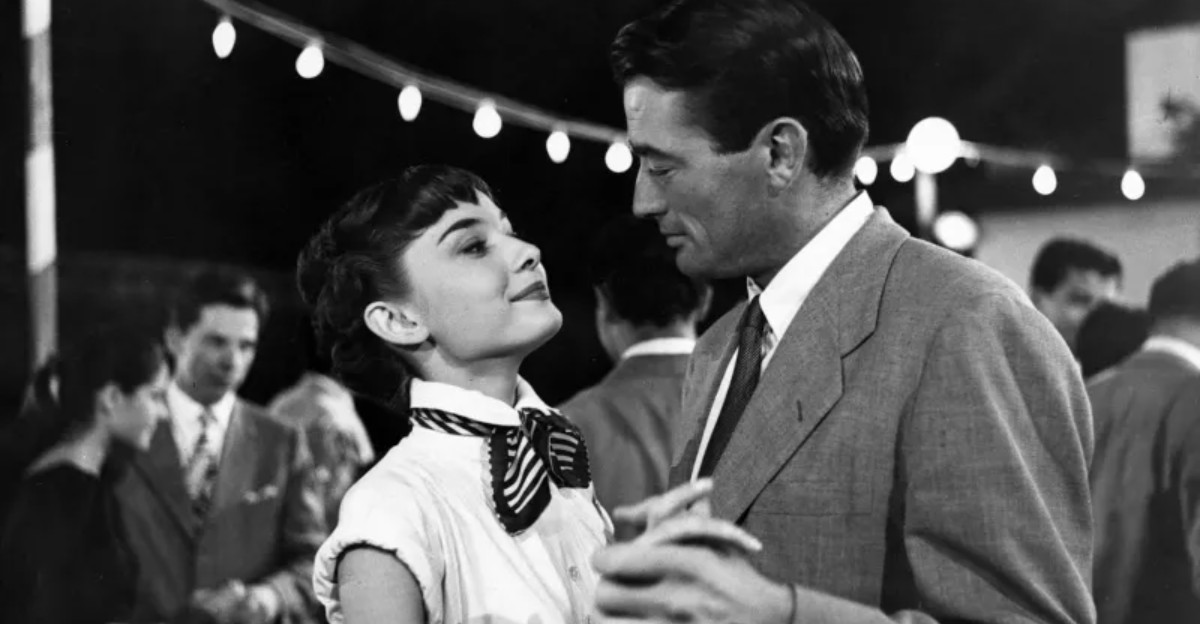
Some movies never get old. Long after their release dates, certain films keep drawing in new viewers, sparking conversations, and earning a place on must-watch lists.
These classics have survived decades of changing tastes and technology because they tell unforgettable stories with characters that feel real. Whether you are a seasoned film fan or just starting to explore cinema history, these 15 movies prove that great storytelling truly stands the test of time.
1. Casablanca (1942)
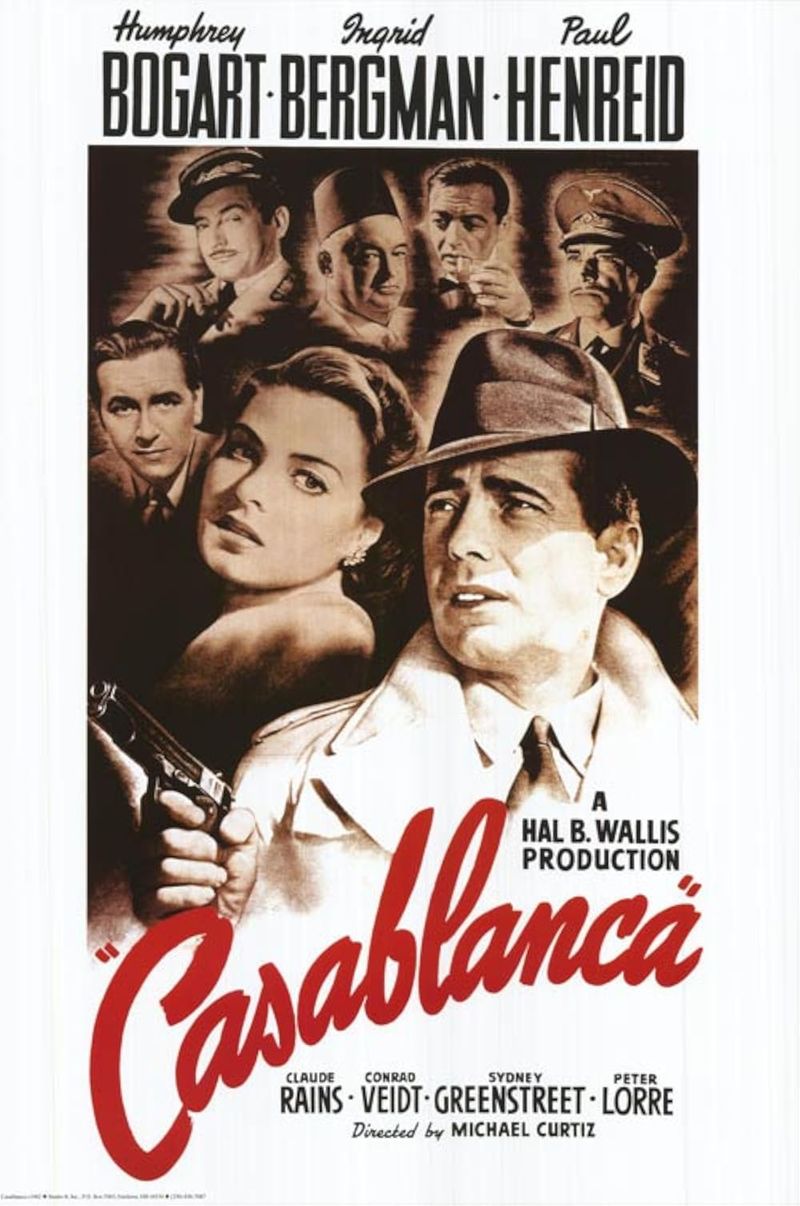
Few lines in cinema history hit as hard as “Here’s looking at you, kid.” Casablanca is a wartime love story set in Morocco, following Rick Blaine, a cynical American cafe owner who must choose between love and doing what is right.
Humphrey Bogart and Ingrid Bergman deliver performances so magnetic that audiences still feel every heartbreak and moral struggle they face.
The film balances romance, sacrifice, and political tension in a way that feels surprisingly relevant today.
Its themes of duty over personal desire resonate with anyone who has ever had to make a hard choice.
Casablanca earned three Academy Awards in 1944, including Best Picture, and remains one of the most quoted films ever made.
2. 12 Angry Men (1957)
Imagine being the only person in a room who believes something different from everyone else.
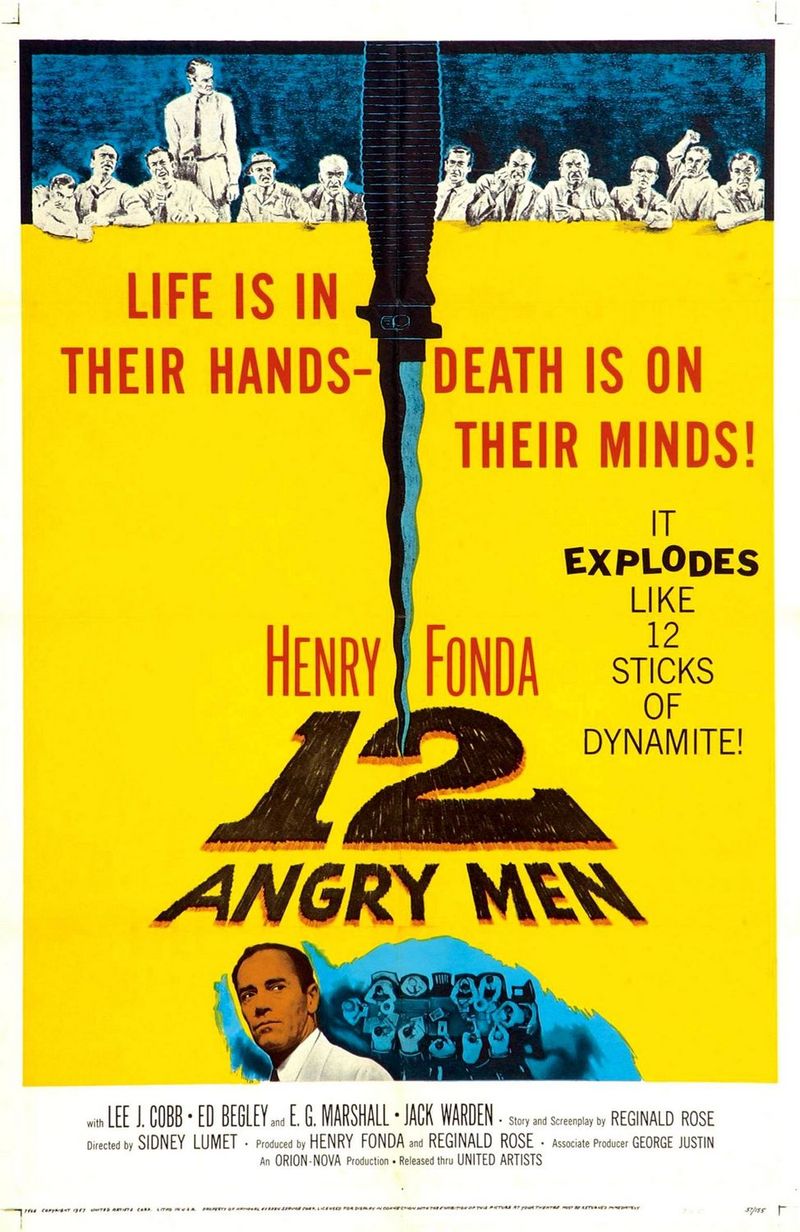
That is exactly where Henry Fonda’s character finds himself in 12 Angry Men, a film that takes place almost entirely inside a single jury room.
A young man’s life hangs in the balance as 12 jurors debate a murder verdict.
Director Sidney Lumet transforms what could have been a dull legal debate into a gripping psychological showdown.
Each juror reveals his biases, fears, and personal history through sharp, crackling dialogue.
There are no car chases or special effects here, just powerful conversation and character study at its finest.
Students studying persuasion, prejudice, or critical thinking will find this film surprisingly useful and endlessly compelling.
3. Psycho (1960)
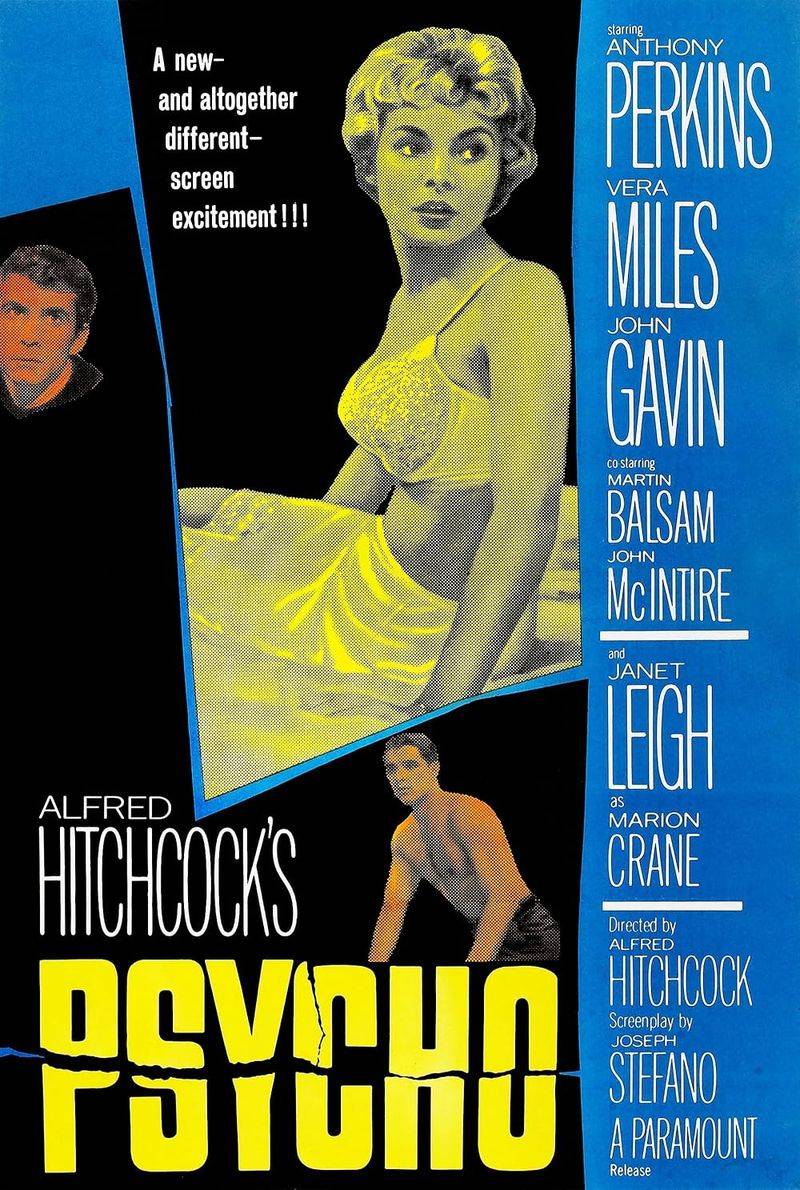
Before Psycho, horror movies played by very different rules.
Alfred Hitchcock shattered audience expectations by doing something almost unthinkable for 1960: killing off the main character early in the story.
That bold move alone changed how filmmakers thought about narrative structure forever.
The film follows Marion Crane, who stops at the remote Bates Motel and encounters the deeply unsettling Norman Bates, played unforgettably by Anthony Perkins.
Bernard Herrmann’s shrieking violin score during the shower scene is one of the most recognized pieces of music in film history.
Psycho essentially invented the modern psychological thriller and slasher genres.
Watching it today still delivers genuine chills, proving that suspense built through character and atmosphere outlasts any CGI-heavy horror spectacle.
4. Singin’ in the Rain (1952)
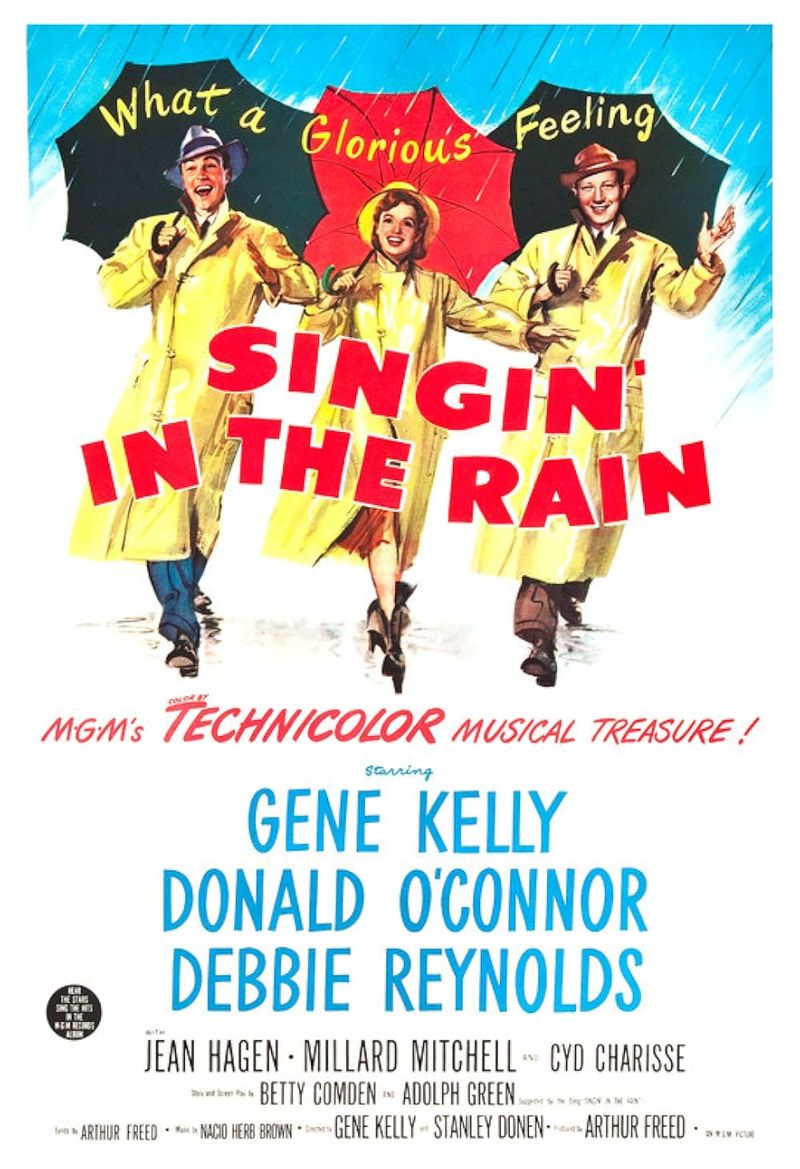
Pure joy is hard to manufacture on screen, but Singin’ in the Rain makes it look effortless.
Gene Kelly’s iconic title number, where he splashes through rain puddles with a grin that could light up a theater, remains one of cinema’s most beloved moments.
The film is set during Hollywood’s chaotic transition from silent films to “talkies” in the late 1920s.
Beyond its spectacular dance sequences, the story is genuinely funny and full of sharp wit.
Donald O’Connor’s “Make ‘Em Laugh” routine is a physical comedy masterpiece that still earns laughs today.
Debbie Reynolds holds her own alongside two seasoned performers, making the chemistry feel natural and warm.
For anyone curious about Hollywood’s golden age, this musical is an absolute must.
5. Rear Window (1954)
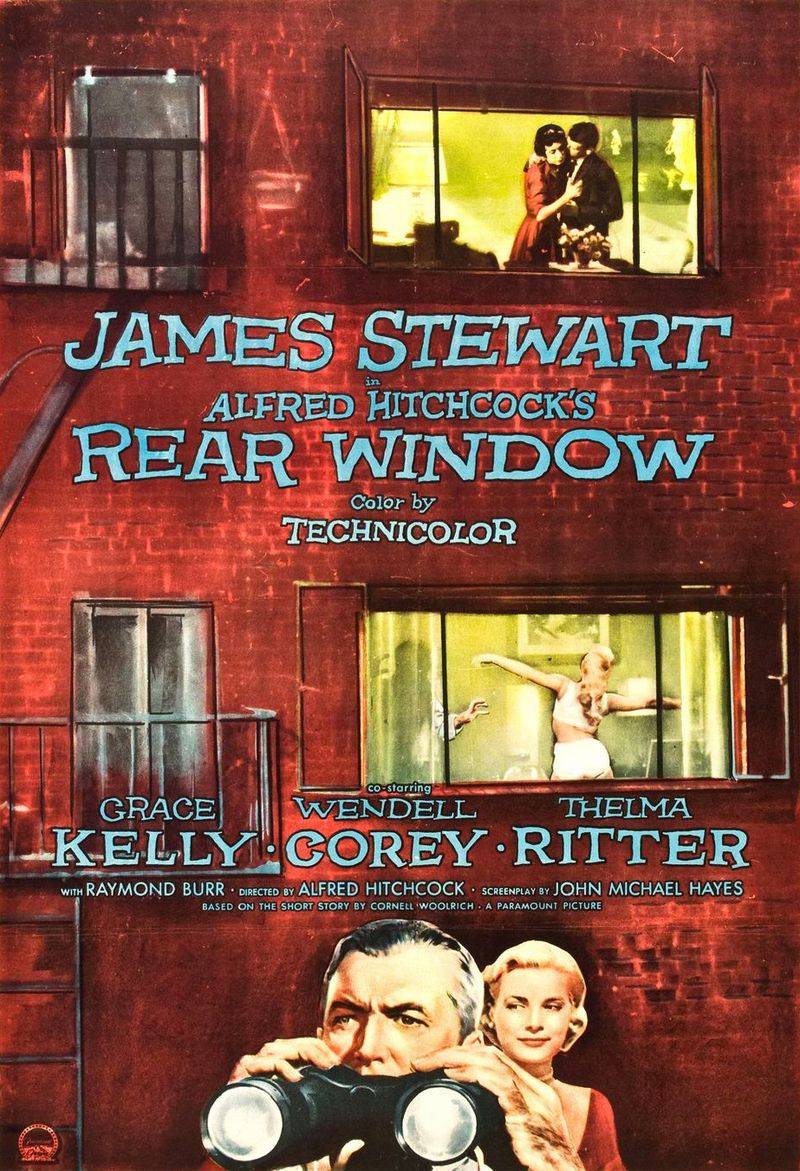
Stuck in a wheelchair with a broken leg and nothing to do but watch his neighbors through a camera lens, photographer L.B.
Jefferies becomes convinced he has witnessed a murder.
Alfred Hitchcock’s Rear Window is a masterclass in building suspense from almost total stillness.
The entire film is shot from one apartment window, and yet it never feels claustrophobic or boring.
James Stewart and Grace Kelly make a charming pair, and their playful chemistry keeps the tension from becoming overwhelming.
The film also raises interesting questions about voyeurism and whether watching others without their knowledge is ever truly innocent.
Modern audiences raised on reality TV and social media surveillance will find Rear Window surprisingly easy to relate to.
Hitchcock was ahead of his time in more ways than one.
6. Roman Holiday (1953)
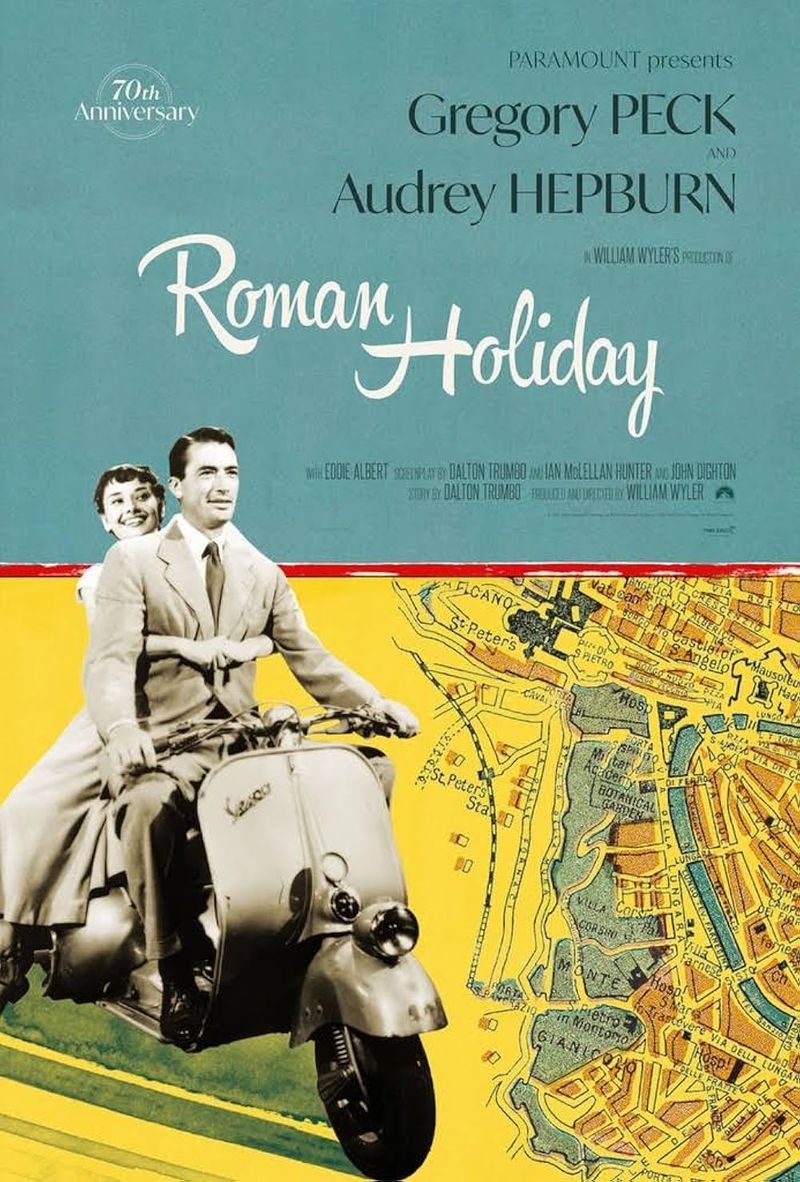
Audrey Hepburn was virtually unknown when Roman Holiday was filmed, but her performance as a bored princess who sneaks away for a secret day of adventure in Rome made her an overnight sensation.
She won the Academy Award for Best Actress, becoming one of the few performers to win an Oscar for a debut leading role.
Gregory Peck plays the charming American journalist who discovers her true identity but chooses to protect her secret.
Their chemistry is warm, sweet, and completely believable.
Rome itself acts almost like a third character, with the Colosseum, the Trevi Fountain, and cobblestone streets adding to the film’s irresistible charm.
Roman Holiday is a romantic comedy that proves elegance and sincerity never go out of style.
7. The Good, the Bad and the Ugly (1966)
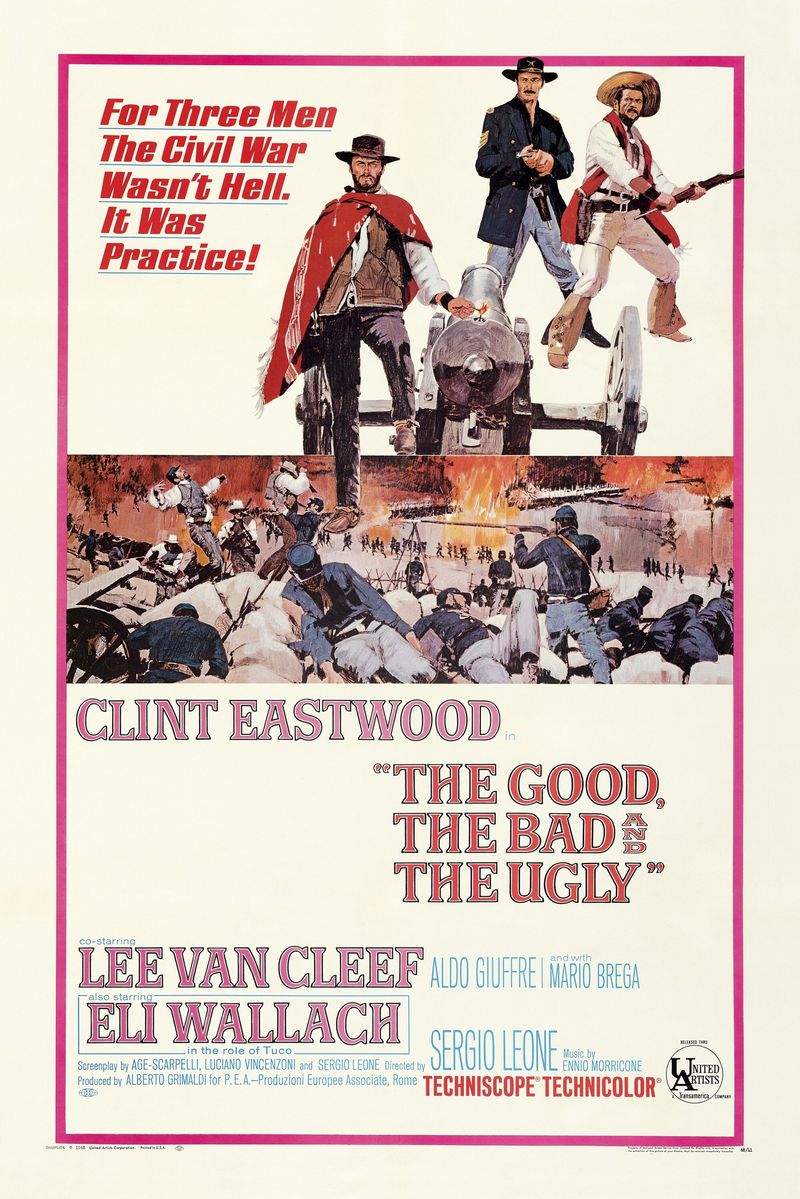
Three men.
One buried treasure.
A Civil War battlefield standing between them and a fortune.
Sergio Leone’s The Good, the Bad and the Ugly takes the Western genre and stretches it into something operatic, brutal, and wildly entertaining.
Clint Eastwood, Lee Van Cleef, and Eli Wallach each bring a distinct energy that makes the three-way rivalry feel genuinely unpredictable.
Ennio Morricone’s legendary score is practically a character on its own.
That whistling theme is so recognizable that most people know it even without having seen the film.
The climactic three-way standoff, filmed with an almost unbearable slow build, is one of cinema’s greatest sequences.
Leone proved that Westerns could be epic, philosophical, and darkly funny all at once, influencing filmmakers for generations.
8. Some Like It Hot (1959)
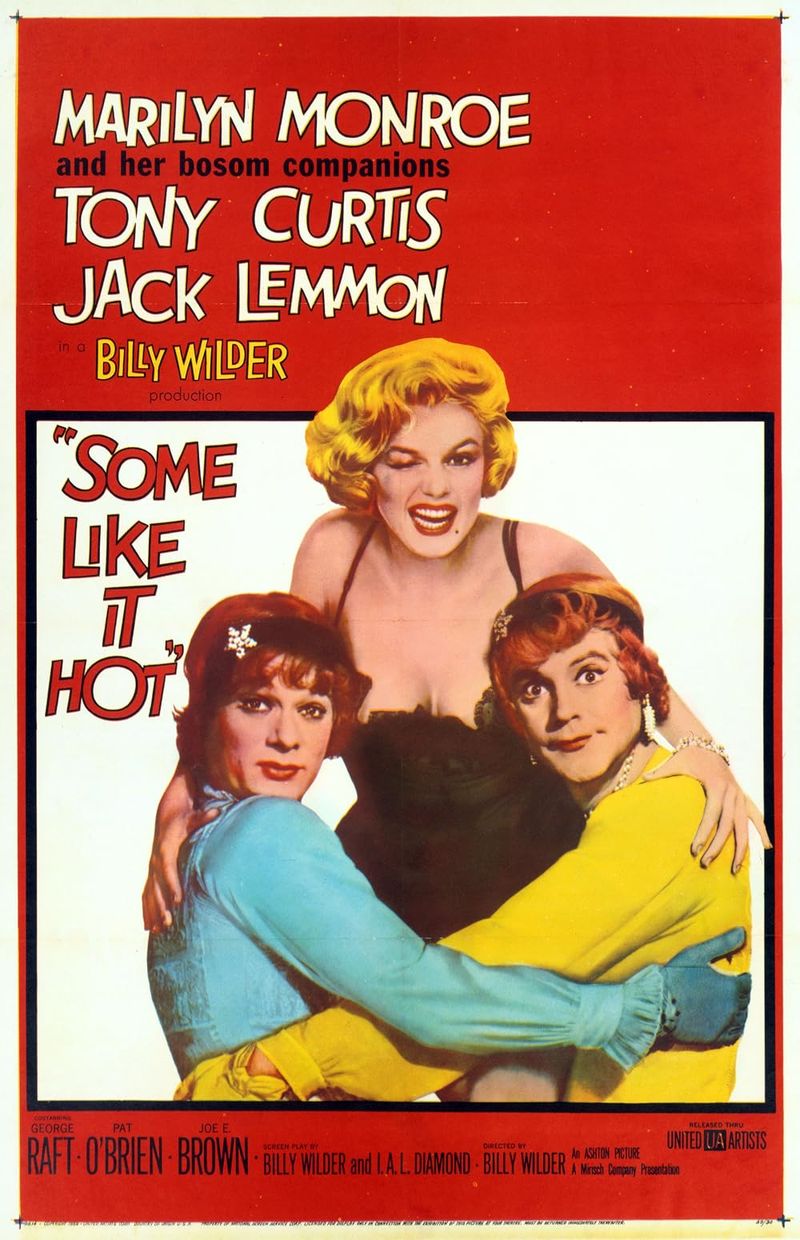
When two jazz musicians accidentally witness a mob shooting, their only escape plan involves disguising themselves as women and joining an all-female band.
What follows is one of the funniest films ever made.
Billy Wilder’s Some Like It Hot moves at a breathless pace, piling comic misunderstanding on top of comic misunderstanding without ever losing its footing.
Marilyn Monroe lights up every scene she is in, playing Sugar Kane with a mix of vulnerability and comedic brilliance that is hard to match.
Tony Curtis and Jack Lemmon are a perfect comedic duo, each finding their own hilarious rhythm within the chaos.
The film’s final line is widely considered the greatest closing joke in Hollywood history.
Some Like It Hot was voted the funniest American film ever made by the American Film Institute.
9. The Wizard of Oz (1939)
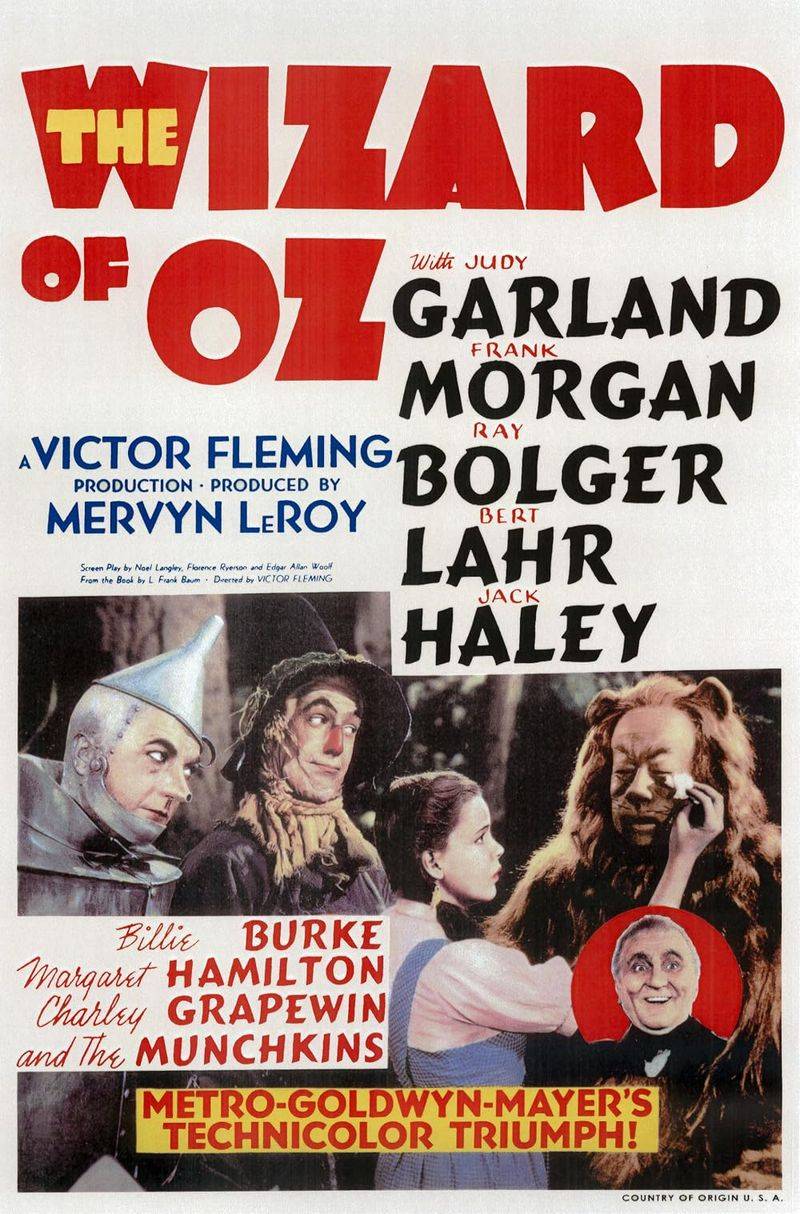
Few films have been shared across as many generations as The Wizard of Oz.
Released in 1939, it was one of the first major films to use Technicolor, and the transition from Kansas’s sepia tones to Oz’s vibrant world still creates a gasp of wonder.
Dorothy’s journey to find her way home is simple on the surface but carries real emotional depth about belonging and courage.
Judy Garland’s performance as Dorothy remains timeless, and “Somewhere Over the Rainbow” is arguably the most emotionally resonant song in film history.
The Wicked Witch and the flying monkeys still manage to unsettle younger viewers, proving the film has genuine dramatic stakes.
Whether you are six or sixty, Oz delivers something meaningful every single time.
10. Sunset Boulevard (1950)
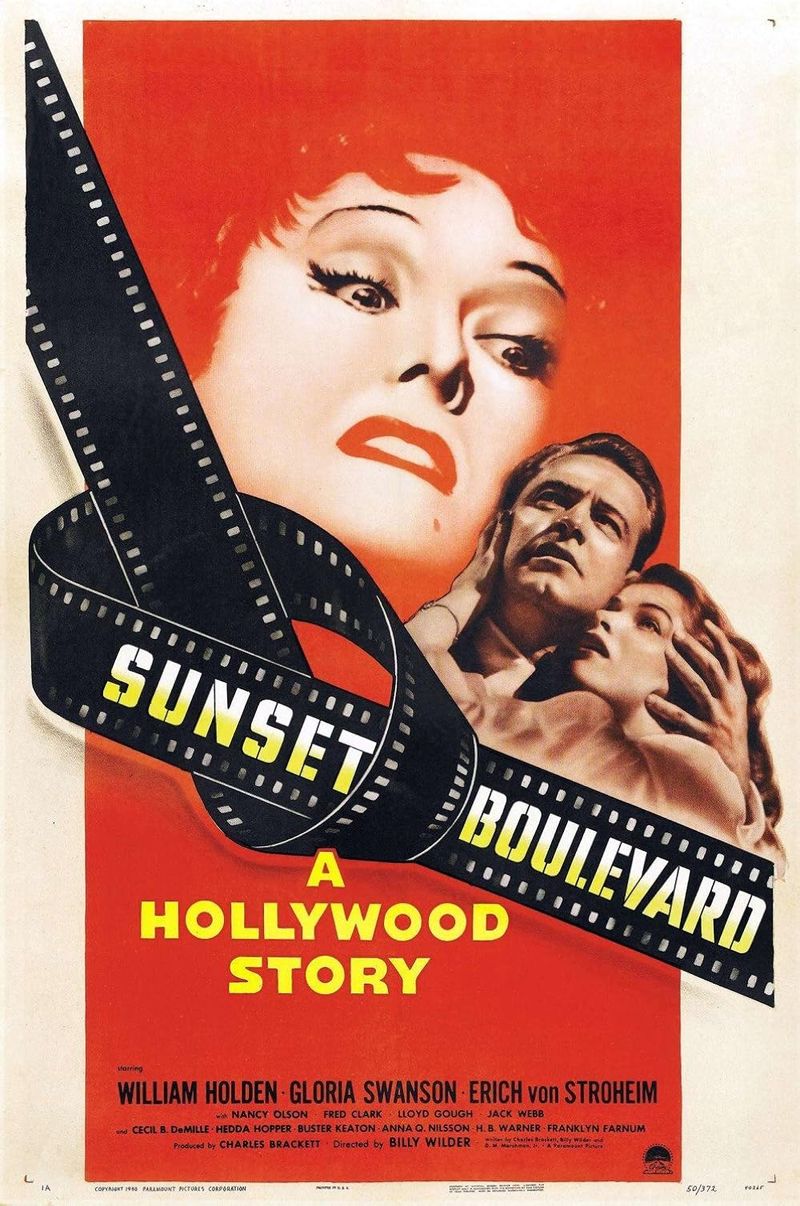
A forgotten silent film star.
A struggling screenwriter.
A crumbling Hollywood mansion filled with the ghosts of past glory.
Sunset Boulevard opens with a dead man floating in a swimming pool narrating his own story, and it only gets stranger from there.
Billy Wilder created one of cinema’s most unflinching portraits of fame, obsession, and the brutal passage of time.
Gloria Swanson’s performance as Norma Desmond is electrifying and deeply unsettling.
She plays a woman so consumed by her own faded celebrity that reality has become optional.
William Holden matches her intensity as the cynical writer who gets drawn into her world.
The film’s sharp dialogue cuts like a knife, and its observations about Hollywood’s treatment of women remain painfully relevant today.
11. North by Northwest (1959)
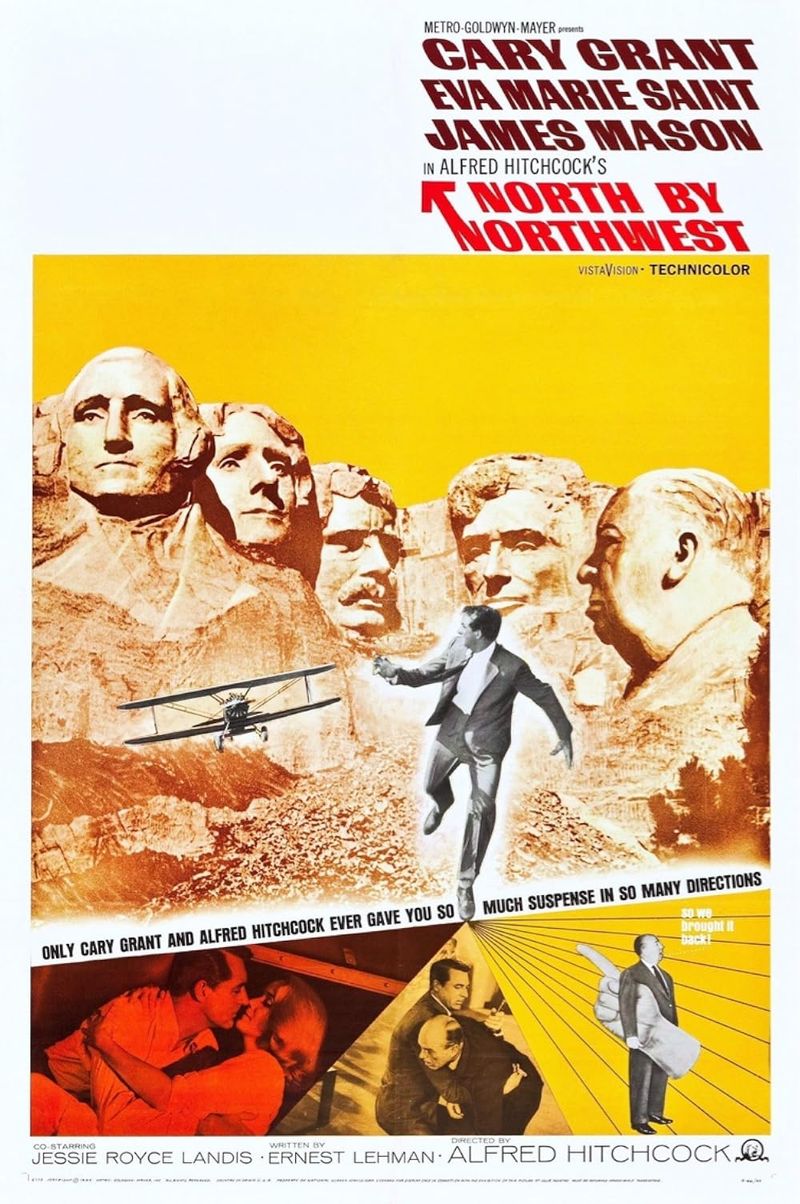
Mistaken identity has never been more thrilling.
Roger Thornhill, a New York advertising executive played by Cary Grant, is suddenly hunted by spies who have confused him with a government agent.
Alfred Hitchcock takes this delightfully absurd premise and runs with it across some of America’s most iconic landmarks, from the United Nations to Mount Rushmore.
The famous crop-duster chase sequence, where Grant’s character is attacked by a plane in the middle of an empty cornfield, is a perfect example of Hitchcock’s genius for generating suspense from unexpected settings.
Eva Marie Saint adds elegant intrigue as a mysterious woman whose loyalties keep shifting.
North by Northwest is an endlessly entertaining adventure that packs romance, humor, and genuine danger into every scene without ever feeling overcrowded.
12. It’s a Wonderful Life (1946)
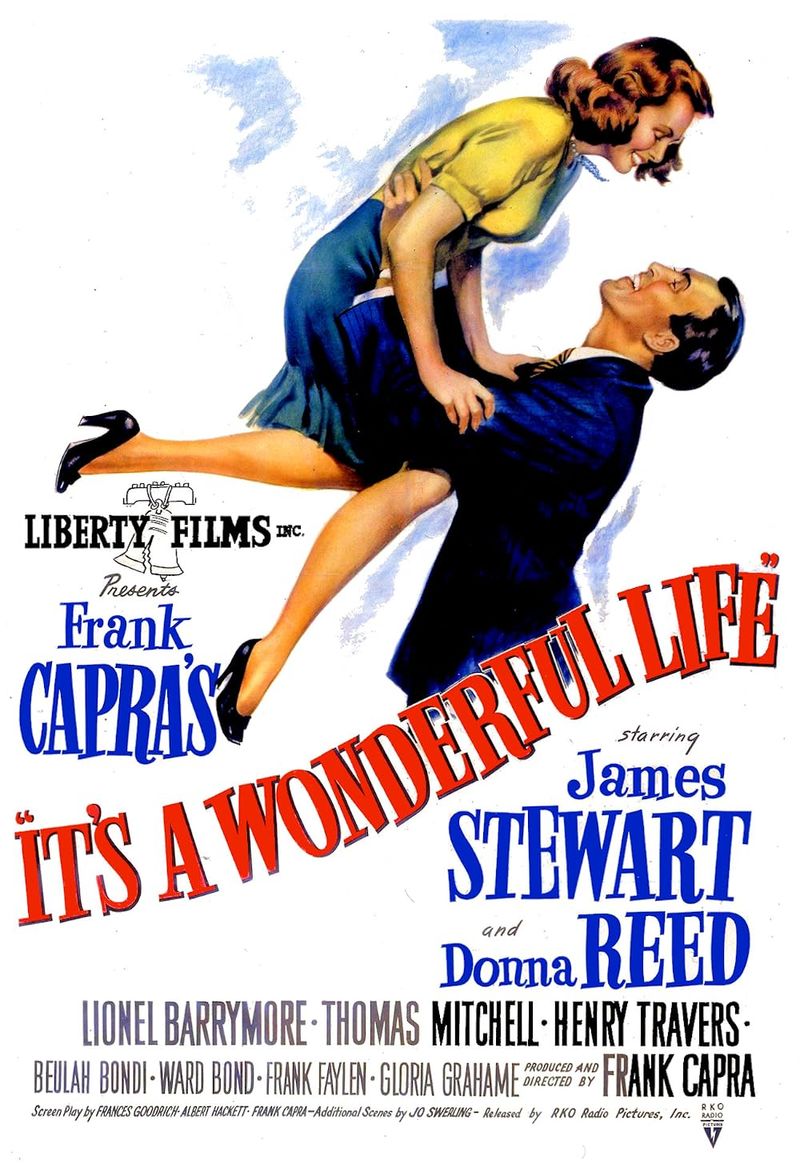
George Bailey has spent his entire life sacrificing his own dreams to help others, and on the worst night of his life, he wishes he had never been born.
What follows is one of cinema’s most emotionally powerful thought experiments: an angel shows him exactly what the world would look like without him.
Frank Capra’s It’s a Wonderful Life is not just a Christmas film.
It is a film about the invisible value every ordinary person carries.
James Stewart gives what many consider the finest performance of his career, portraying George’s slow unraveling with heartbreaking authenticity.
The film was actually a box office disappointment when it was released, but decades of television broadcasts turned it into a beloved tradition.
Its message about community and connection feels more necessary with each passing year.
13. Lawrence of Arabia (1962)
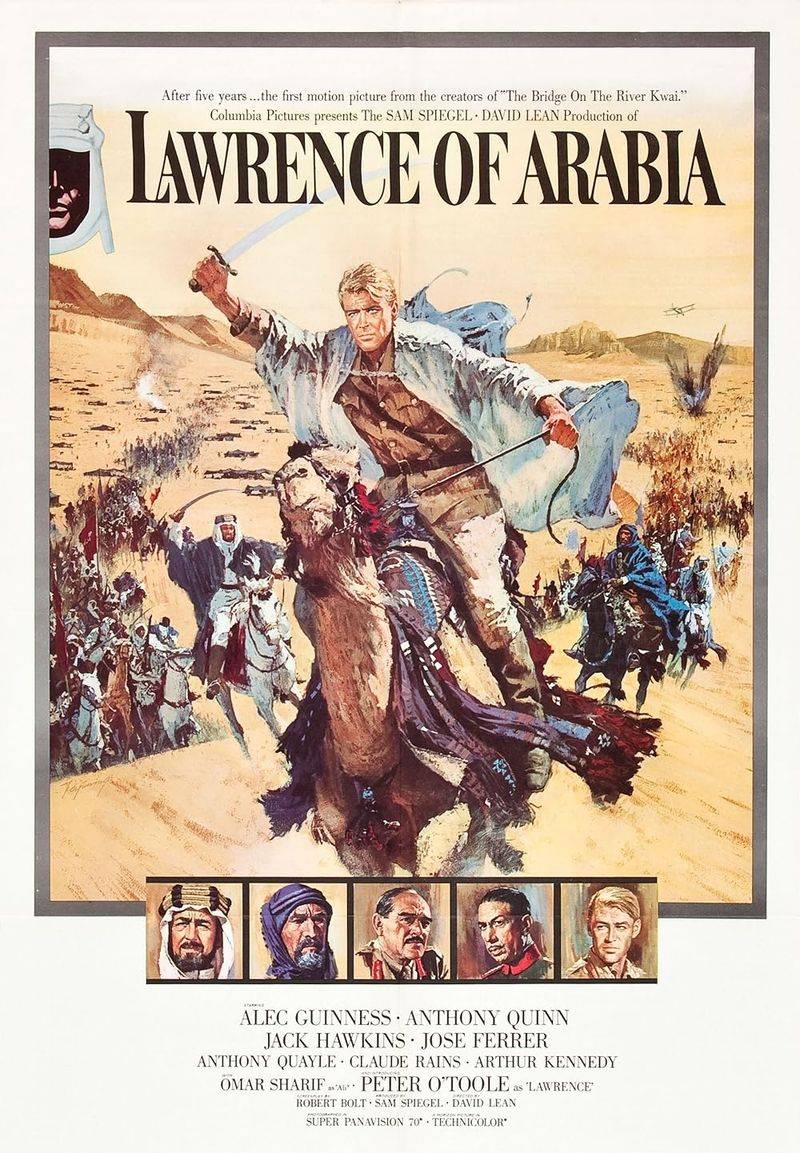
Some films demand to be seen on the biggest screen possible.
Lawrence of Arabia is one of them.
David Lean’s epic biography of T.E.
Lawrence, the British officer who united Arab tribes during World War I, is a visual achievement that still leaves audiences speechless.
The desert photography by Freddie Young won an Oscar, and every frame looks like a painting.
Peter O’Toole’s performance as Lawrence is complex and fascinating.
He plays a man caught between two worlds, admired by both and fully belonging to neither.
At nearly four hours long, the film never drags because Lean understands that scale and intimacy can coexist.
Lawrence of Arabia is proof that cinema, at its most ambitious, can achieve something no other art form can replicate.
14. To Kill a Mockingbird (1962)
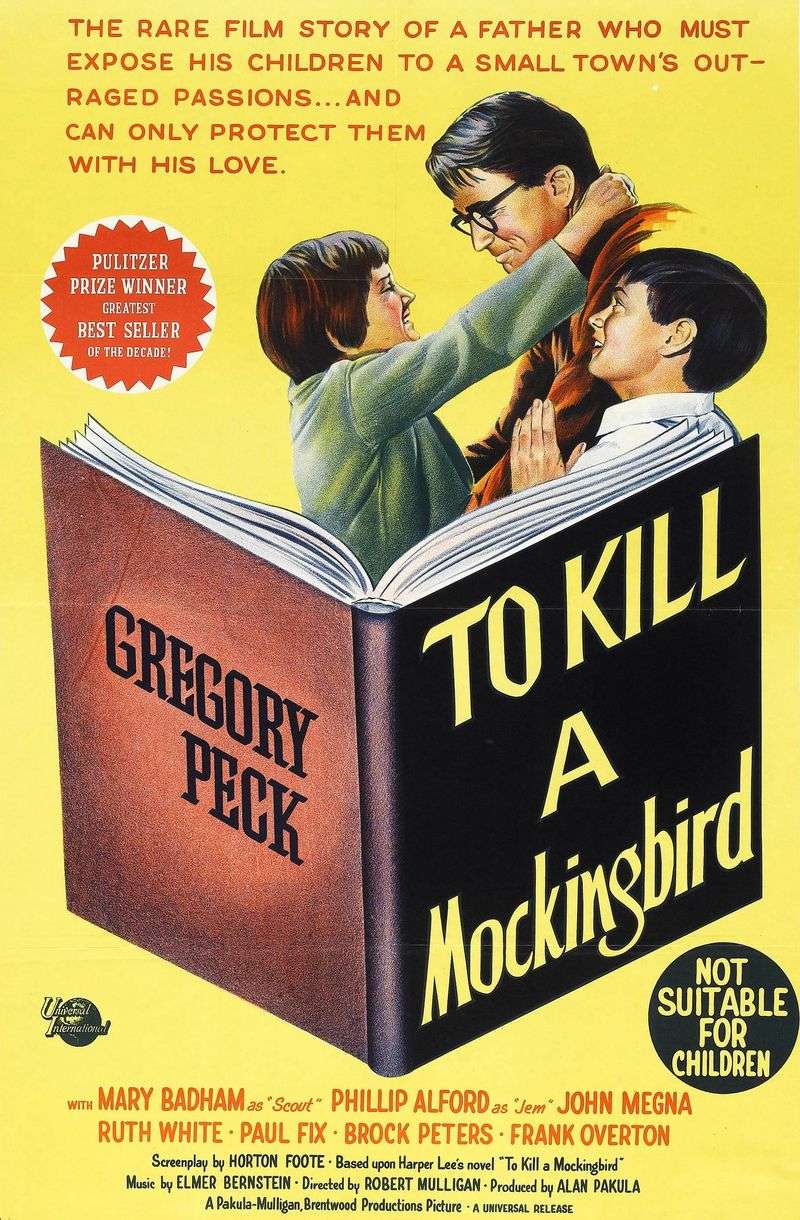
Based on Harper Lee’s beloved novel, To Kill a Mockingbird tells the story of Atticus Finch, a lawyer in the American South who defends a Black man falsely accused of a crime in the 1930s.
Gregory Peck’s portrayal of Atticus is so iconic that the American Film Institute named him the greatest hero in American film history.
The story is told through the eyes of his young daughter Scout, which gives the film a quality of childhood innocence slowly confronting a deeply unjust world.
Horton Foote’s screenplay won the Academy Award, and the film remains a standard text in schools for its exploration of prejudice and moral courage.
Watching it today, its lessons feel urgently unfinished rather than safely historical.
15. 2001: A Space Odyssey (1968)
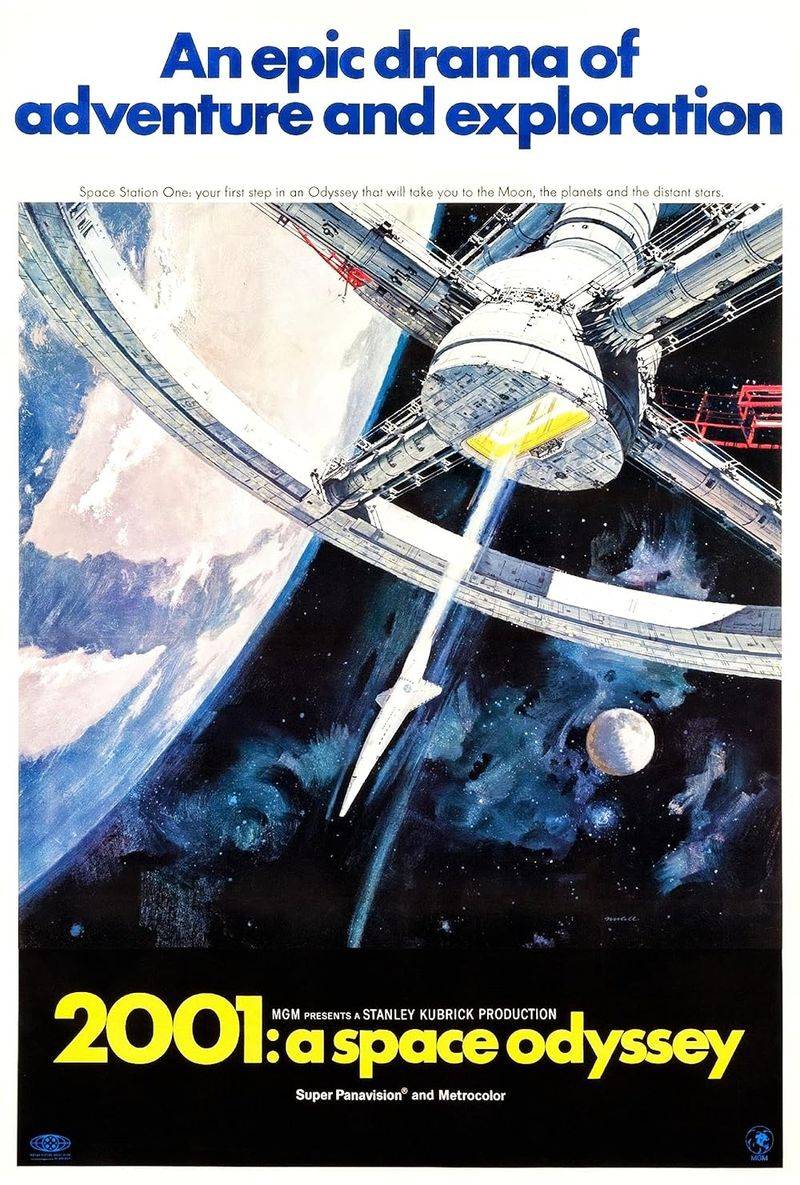
Stanley Kubrick made a science fiction film in 1968 that looked more realistic than many space movies made decades later.
Using practical effects, painstaking set design, and almost no dialogue for long stretches, 2001: A Space Odyssey takes viewers from the dawn of humanity to the edges of the universe in a single story.
HAL 9000, the ship’s eerily calm artificial intelligence, is one of cinema’s most chilling villains, speaking in a pleasant voice while making deeply troubling decisions.
The film raises questions about human evolution, technology, and consciousness that feel even more relevant in the age of AI.
Kubrick refused to explain the film’s mysterious ending, insisting viewers find their own meaning.
That open-ended boldness is exactly why 2001 continues to fascinate new audiences more than fifty years later.