 MomSkoop

Finding love looks a little different for Gen Z than it did for older generations. From swiping on apps to sliding into DMs, young people today have more ways than ever to meet someone special.
Whether it happens online or in person, the search for a romantic connection is still very much alive. Here is a look at the most common ways Gen Z is making it happen.
1. Dating Apps Like Tinder, Hinge, and Bumble
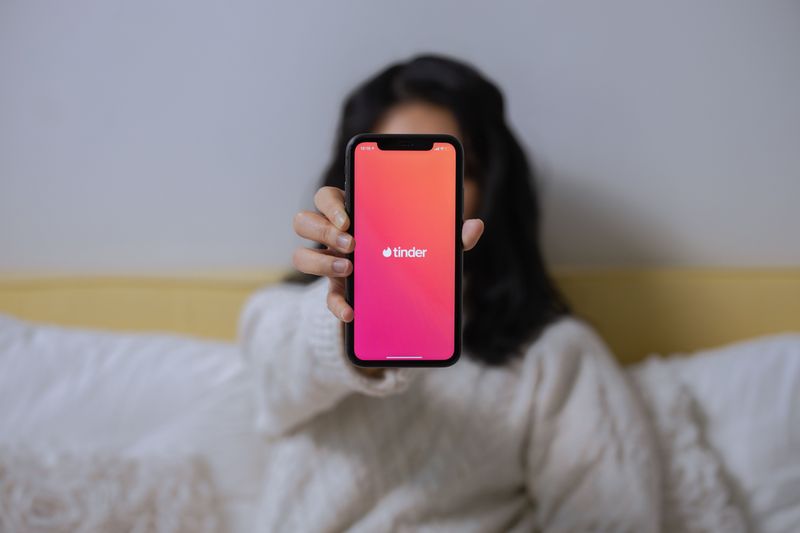
Swipe right or swipe left – that simple gesture has changed how millions of people meet.
Dating apps like Tinder, Hinge, and Bumble have become some of the most popular tools Gen Z uses to find romantic partners.
These platforms let users browse profiles, match with people they like, and start conversations from the comfort of their own phone.
Each app has its own personality.
Hinge focuses on meaningful connections, Bumble lets women message first, and Tinder keeps things casual and fast.
Many Gen Z users appreciate being able to filter matches by interests or values.
While apps can feel overwhelming at times, plenty of real relationships have started with a simple swipe.
2. Social Media Platforms Like Instagram and TikTok

Sometimes a comment on a TikTok video or a reply to an Instagram story is all it takes to spark something real.
Social media has quietly become one of the biggest matchmakers for Gen Z.
Platforms like Instagram, TikTok, Snapchat, and X allow people to connect through posts, stories, and direct messages without ever being in the same room.
What makes social media different from dating apps is that attraction often grows organically.
You might follow someone for their humor or creativity, and feelings develop over time through regular interaction.
Sliding into someone’s DMs can feel nerve-wracking, but for Gen Z, it has become a totally normal and accepted way to express romantic interest.
3. Meeting Through Mutual Friends
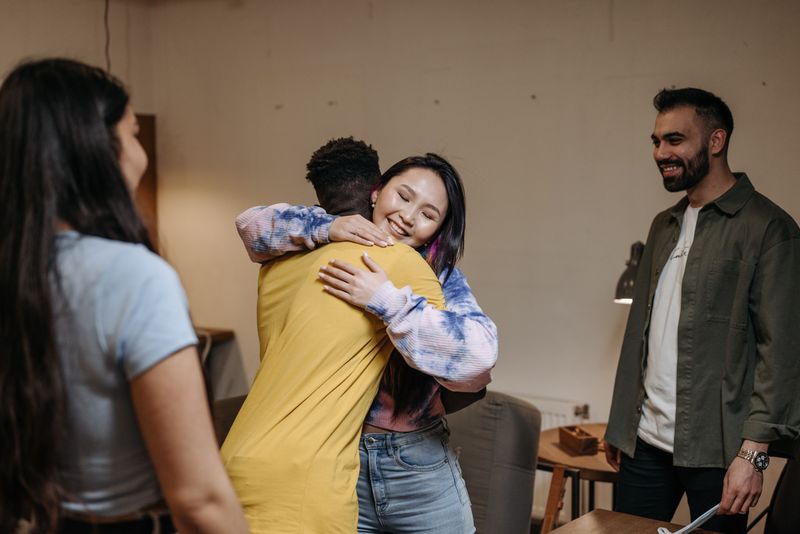
Long before apps existed, mutual friends were the original matchmakers – and that tradition is far from dead.
Many Gen Z couples trace their relationship back to a friend who made an introduction, a group hangout where two people clicked, or a party where someone said, “You two should meet.”
There is something naturally comfortable about meeting someone through a shared social circle.
You already know they are trustworthy because people you care about vouch for them.
Group settings also take the pressure off, making it easier to be yourself.
Whether it is a birthday dinner or a casual hangout, friend networks continue to play a big role in how Gen Z finds love.
4. School or University Connections
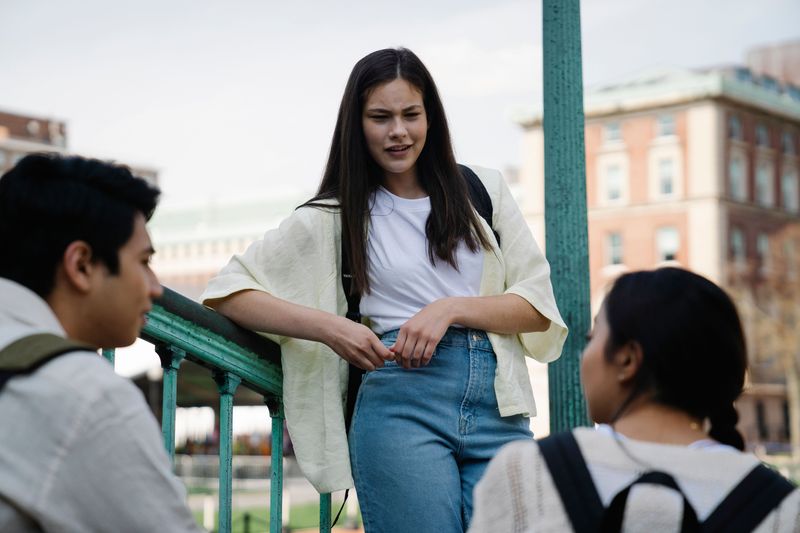
Spending hours in the same classroom, cramming for the same exams, and surviving the same deadlines – school creates a bond like few other places can.
For many Gen Z individuals, romantic relationships begin right on campus.
Whether it is a lab partner who becomes something more or a crush spotted across a lecture hall, universities and schools are rich environments for connection.
Student organizations, campus events, and study groups all provide natural opportunities to meet people with similar goals and interests.
The shared experience of student life builds common ground quickly.
Many couples who meet in school say that going through stressful and exciting times together helped them grow close faster than they expected.
5. Workplaces and Professional Networks

Forty hours a week in the same building with the same people creates plenty of chances for sparks to fly.
Workplace romances are nothing new, but Gen Z is navigating them in fresh ways – including through professional networking apps like LinkedIn or industry events.
Meeting someone who shares your career ambitions can feel especially exciting.
Of course, work relationships come with extra responsibility.
Many young professionals are careful about keeping things respectful and professional, especially given company policies.
Still, when handled thoughtfully, some of the most lasting partnerships have started at the office.
Shared goals, daily interaction, and seeing someone perform under pressure can reveal a lot about their character in ways casual dating simply cannot.
6. Parties, Concerts, and Social Events
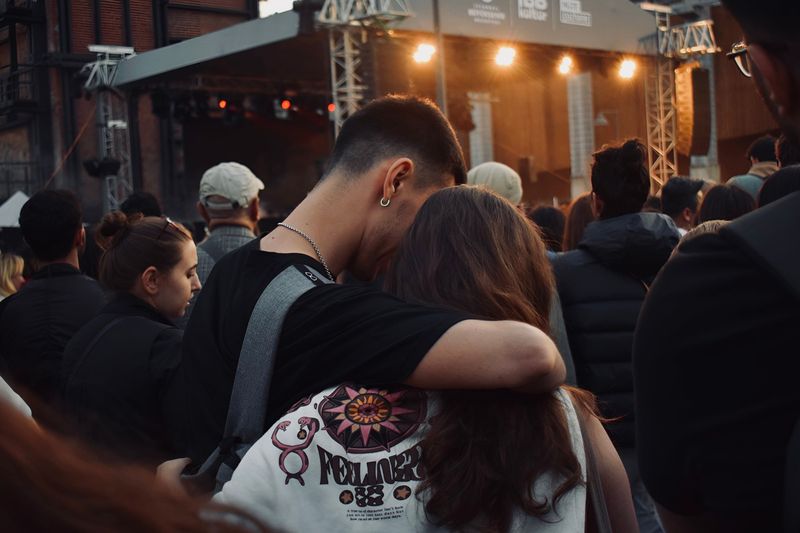
There is a reason so many love stories begin with the line, “We met at a party.” Festivals, concerts, birthday celebrations, and nightlife events create high-energy environments where people feel open, social, and ready to connect.
For Gen Z, these settings are still some of the most exciting places to meet someone new.
Shared experiences like cheering for the same artist or laughing through the same awkward moment create instant bonding.
The relaxed, fun atmosphere lowers social walls and makes starting a conversation feel natural.
Many Gen Z daters say that meeting someone at a live event felt more authentic than any app match because the connection happened face-to-face, in a real and memorable moment.
7. Hobbies, Gyms, and Interest Groups
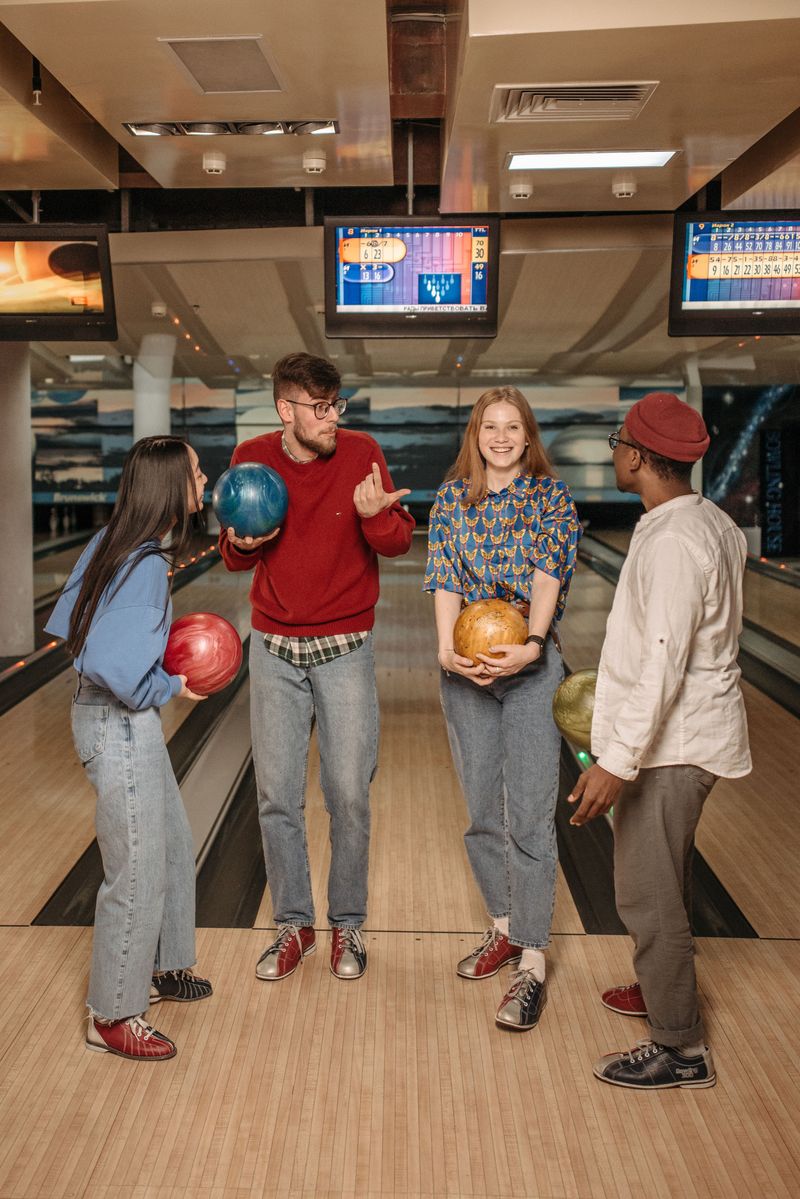
Shared passion is a powerful foundation for romance.
Joining a gym, signing up for a pottery class, volunteering at a local shelter, or joining a recreational sports league all put you in the same space as people who already care about the same things you do.
For Gen Z, pursuing hobbies is not just about personal growth – it is also an organic way to meet potential partners.
Unlike dating apps where you are specifically searching for romance, hobby groups remove that pressure entirely.
You bond over something you both love first, and attraction can grow from there.
Many Gen Z couples credit a shared interest as the reason they fell for each other, saying it gave their relationship a strong and natural starting point.
8. Online Communities Like Discord and Reddit

Not every meaningful connection starts with a face.
Online communities built around gaming, fandoms, book clubs, and niche interests have become surprisingly fertile ground for Gen Z romance.
Discord servers, Reddit threads, and fan communities bring together people who might never have crossed paths in real life but share a deep passion for the same things.
What starts as a friendly conversation about a favorite game or TV show can slowly evolve into something deeper.
Many Gen Z users say that falling for someone online felt more genuine because they connected through personality and shared values first, before looks ever entered the picture.
Long-distance relationships that began in online spaces have become increasingly common and accepted within this generation.
9. Friends Who Become Romantic Partners

Ask a dozen Gen Z couples how they met, and a good number will smile and say, “We were friends first.” The friends-to-lovers path is not just a romance novel trope – it is one of the most common ways young people find lasting relationships.
Years of inside jokes, late-night talks, and genuine trust can quietly shift into something much deeper.
Many people find that falling for a close friend feels both terrifying and completely right.
The risk of changing the friendship can be scary, but the reward is a relationship built on a rock-solid foundation.
Gen Z tends to value emotional connection deeply, making the slow-burn friendship romance a natural and beloved path to love.
10. Everyday Public Places Like Cafes and Parks

Sometimes love really does show up when you least expect it – while waiting for your coffee order or reading on a park bench.
Meeting someone in a public everyday setting is rarer for Gen Z compared to older generations, but it still happens and often feels like the most romantic story of all.
Libraries, bookstores, public transit, and neighborhood parks all offer unexpected moments of connection.
Gen Z has grown up online, so approaching a stranger in person can feel intimidating.
But many young people say they secretly wish it happened more.
A genuine compliment or a shared laugh over something silly can open a door.
Real-life, spontaneous meetings carry a magic that no algorithm can fully replicate, and Gen Z knows it.
11. Religious and Cultural Community Events
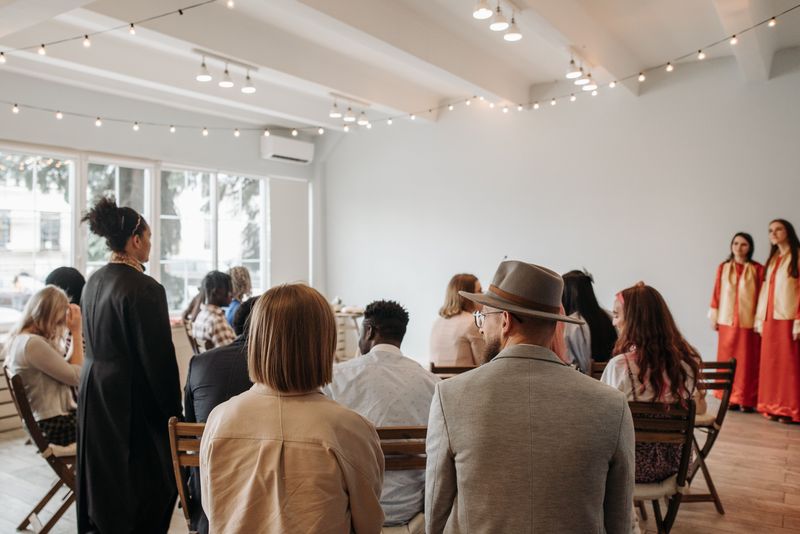
For many Gen Z individuals, faith and cultural identity are central to who they are – and finding a partner who shares those values matters deeply.
Religious organizations, cultural associations, and community events create spaces where young people with similar backgrounds and beliefs naturally come together.
Mosque gatherings, church youth groups, and cultural festivals all serve as meaningful settings for connection.
Beyond just shared beliefs, these communities offer a built-in sense of trust and familiarity.
Families are often involved, and relationships that begin here tend to carry a sense of purpose and intention.
Many Gen Z members who prioritize faith or heritage say that meeting someone within their community felt like finding a partner who truly understands the most important parts of their life.