 MomSkoop
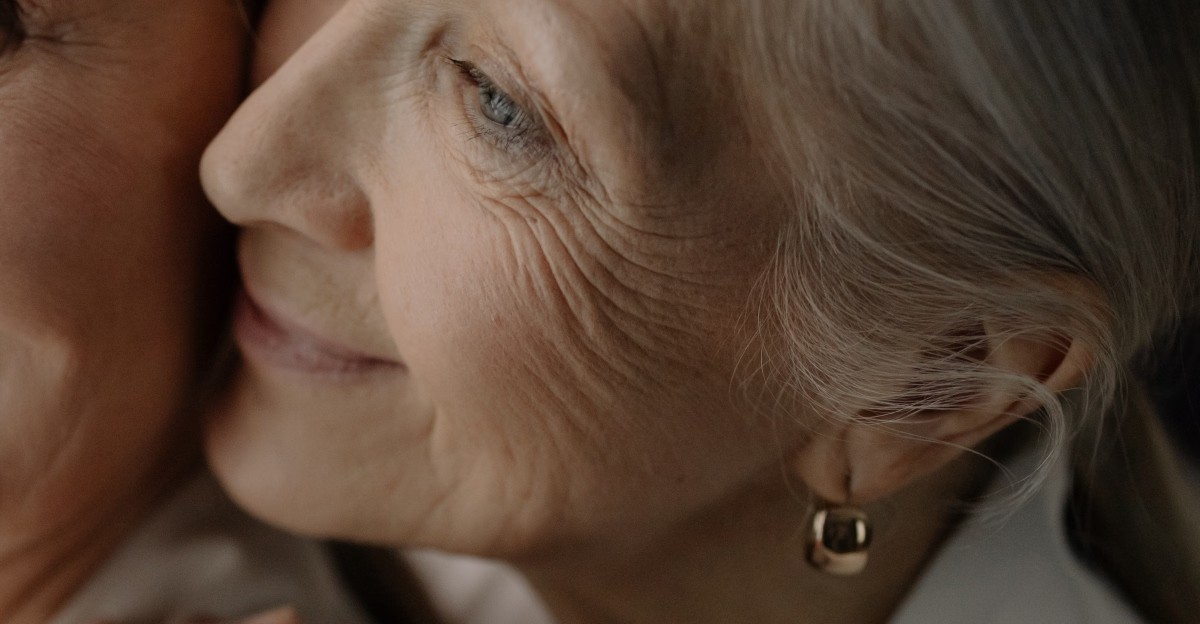
For decades, women were told to cover up, smooth out, and hide the natural signs of getting older. From gray hair to stretch marks, aging was treated like something to be ashamed of.
But a powerful shift is happening, and younger women are leading the charge by proudly showing the very things older generations felt pressured to conceal. This new wave of body acceptance is changing beauty standards for everyone.
1. Gray and Silver Hair
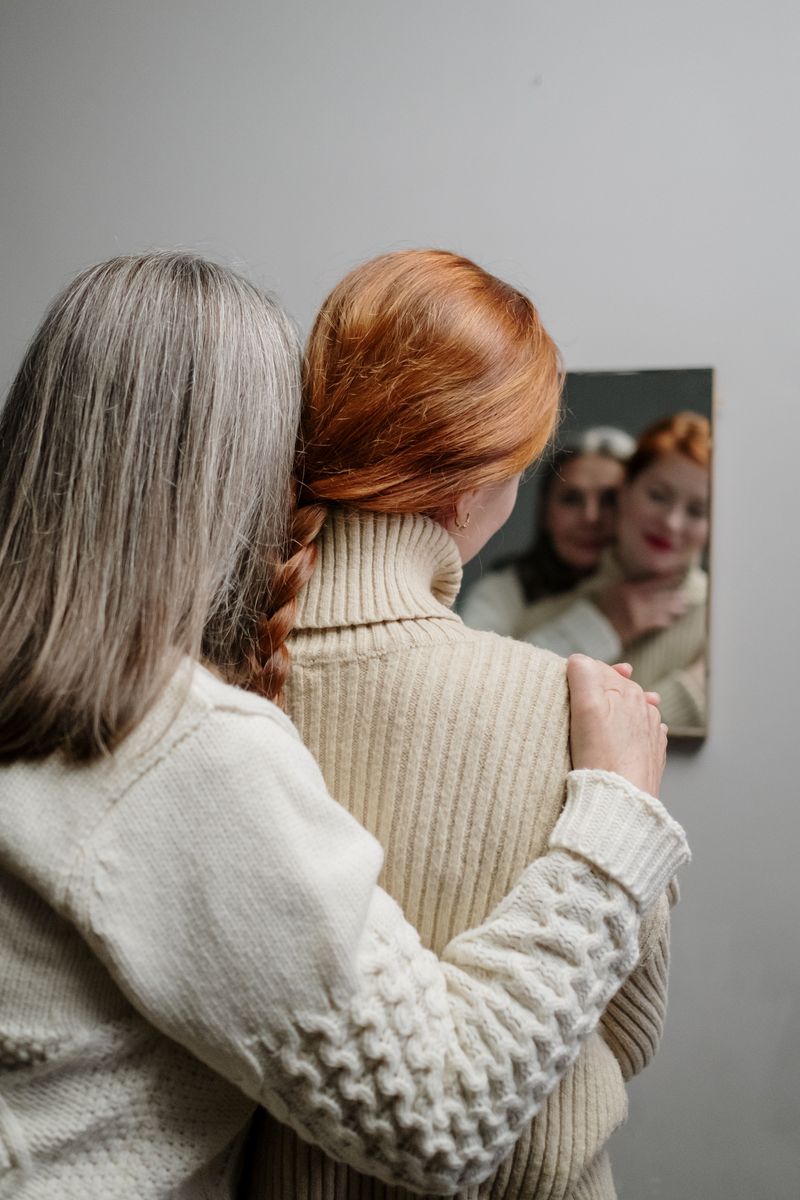
There was a time when the first silver strand sent women rushing to the salon.
Gray hair was seen as something to fix, not flaunt.
Today, younger women are skipping the dye and letting their natural silver grow in with pride.
Social media has played a big role in this shift.
Hashtags celebrating gray hair have millions of followers, and influencers in their 20s and 30s are intentionally going silver.
The look is bold, distinctive, and full of personality.
Choosing to go gray is also a practical decision.
It saves money, reduces chemical exposure, and takes less maintenance.
More importantly, it sends a message that natural beauty at every stage of life is worth celebrating.
2. Smile Lines and Crow’s Feet
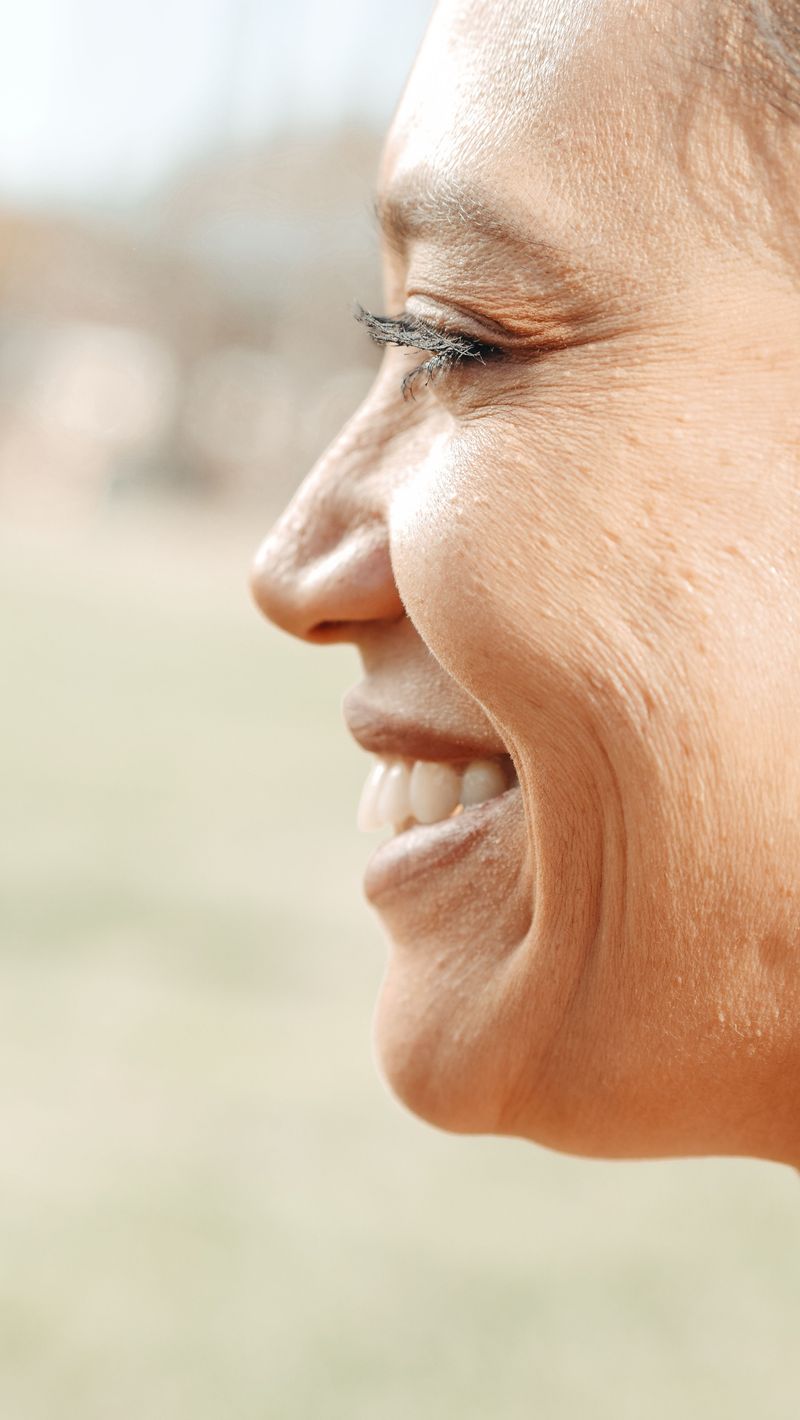
Laugh lines used to be considered something to erase with creams, fillers, or careful camera angles.
Older women often felt embarrassed by the lines that formed around their eyes and mouth over years of smiling.
That mindset is changing fast.
Younger women are now calling these marks what they really are: proof of a life well-lived.
Crow’s feet show you have laughed hard and often.
Smile lines mean you have experienced genuine joy.
That reframing has made a huge difference in how people see facial aging.
Unfiltered selfies and makeup-free photos are becoming more common online.
Women are proudly showing their natural expressions, wrinkles included, because authenticity has become far more appealing than a perfectly smooth, edited face.
3. Stretch Marks

Stretch marks appear on most bodies at some point, yet for years they were treated like flaws to hide under clothing or smooth away in photos.
Women who had them after pregnancy or weight changes often felt self-conscious wearing swimwear or cropped tops.
Now, younger women are showing their stretch marks openly and without apology.
Unretouched photos on social media have helped normalize these natural skin patterns.
Seeing real bodies represented in everyday spaces makes a huge difference for people who grew up thinking they needed to hide.
Brands are also catching on, featuring unedited models in swimwear campaigns.
Stretch marks are increasingly seen as a natural part of having a body, not a problem that needs fixing or concealing.
4. Cellulite
Cellulite affects around 90 percent of women at some point in their lives, yet it has long been treated as something shameful.
Magazines used to airbrush it away, and beauty companies made billions selling products that promised to eliminate it.
Younger generations are pushing back on that messaging.
More women are posting unedited photos that show cellulite naturally, and the response has been overwhelmingly positive.
People are tired of seeing only one type of body celebrated while everything else gets digitally erased.
Accepting cellulite is part of a broader movement toward honesty in how bodies are shown and talked about.
When women stop hiding it, they also stop feeling like something is wrong with them, and that shift in confidence is genuinely powerful.
5. Natural Body Hair
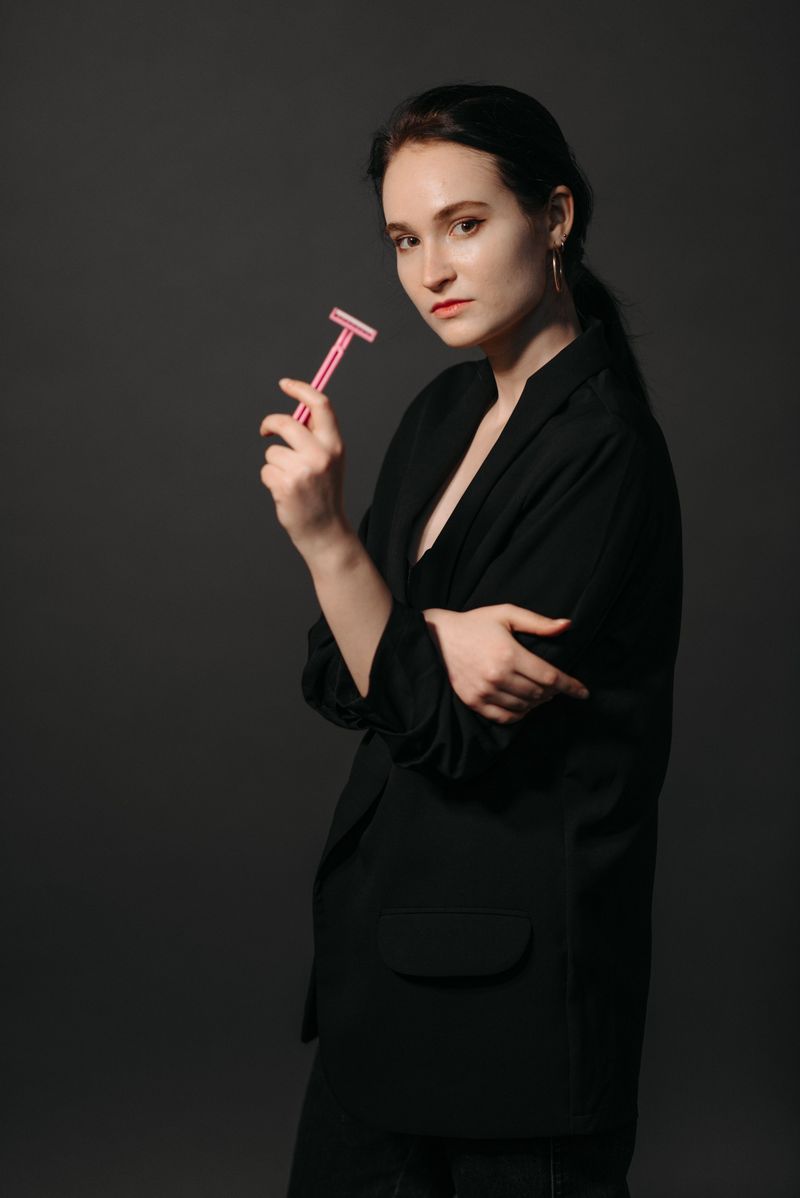
The expectation that women remove all body hair is a relatively recent cultural invention, yet it became so normalized that many women felt anxious skipping even a single shave.
Underarm hair, leg hair, and facial hair were all treated as things to eliminate immediately.
A growing number of younger women are questioning why that rule exists at all.
Some are going fully natural, while others simply shave less often or only when they feel like it.
The point is that the choice belongs to them, not to a beauty standard.
Celebrities and athletes have helped normalize visible body hair by appearing in photos and on red carpets without removing it.
Body hair is gradually being accepted as a personal preference rather than a hygiene requirement or social obligation.
6. Soft and Rounded Stomachs
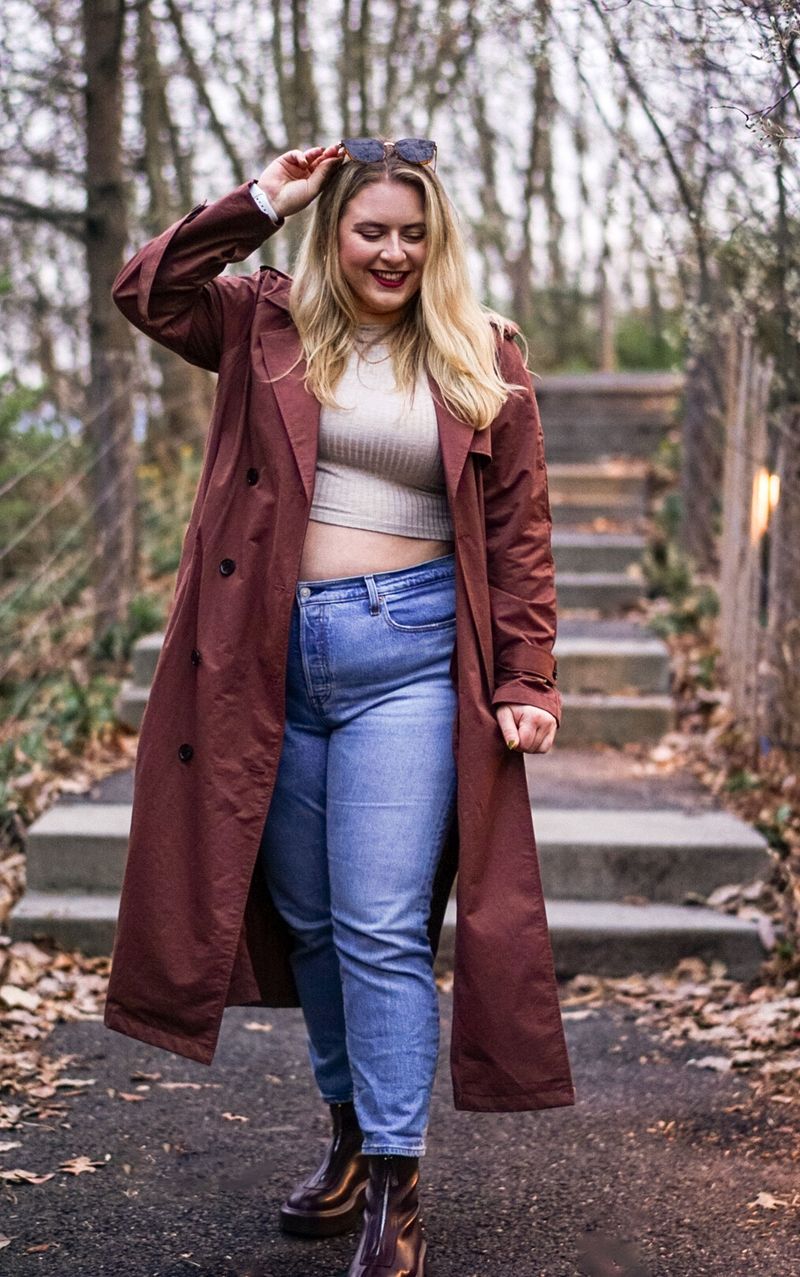
For a long time, a flat stomach was held up as the gold standard of a woman’s body.
Advertisements, fitness culture, and fashion all reinforced the idea that any softness around the midsection needed to be worked off or hidden away.
Younger women are challenging that narrative in a meaningful way.
Crop tops, bikinis, and fitted clothing are being worn by women of all body types, and the cultural response has been mostly supportive.
Seeing diverse body shapes in everyday media helps shift what people consider normal and attractive.
A rounded stomach can simply be the result of how a body stores fat, carries organs, or recovers from pregnancy.
None of those things are problems.
More women are recognizing that comfort in their own skin matters far more than conforming to an unrealistic ideal.
7. Wrinkles and Forehead Lines
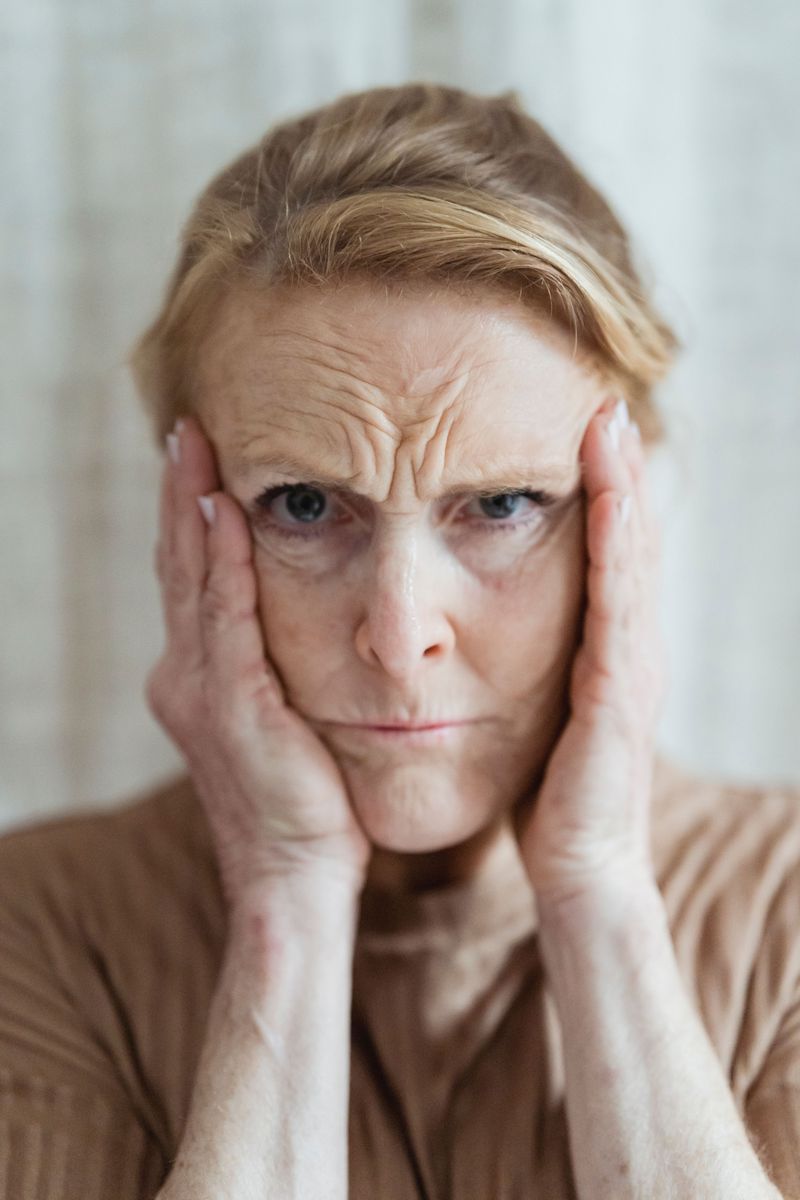
Heavy foundation, Botox, and careful lighting were once the go-to tools for hiding forehead lines and facial wrinkles.
The pressure to appear ageless was enormous, especially for women in public-facing roles like acting, media, or business.
Something is shifting in how wrinkles are perceived.
Younger women are wearing minimal makeup, skipping fillers, and letting their natural facial movement show.
There is even a term for it now: skin acceptance.
The idea is simple but radical, that your face does not need to be frozen or smoothed to be beautiful.
Seeing public figures openly age without intervention has made a difference.
When women in the spotlight stop hiding their lines, it gives everyday women permission to do the same.
Wrinkles are becoming recognized as texture, not failure.
8. Age Spots and Freckles
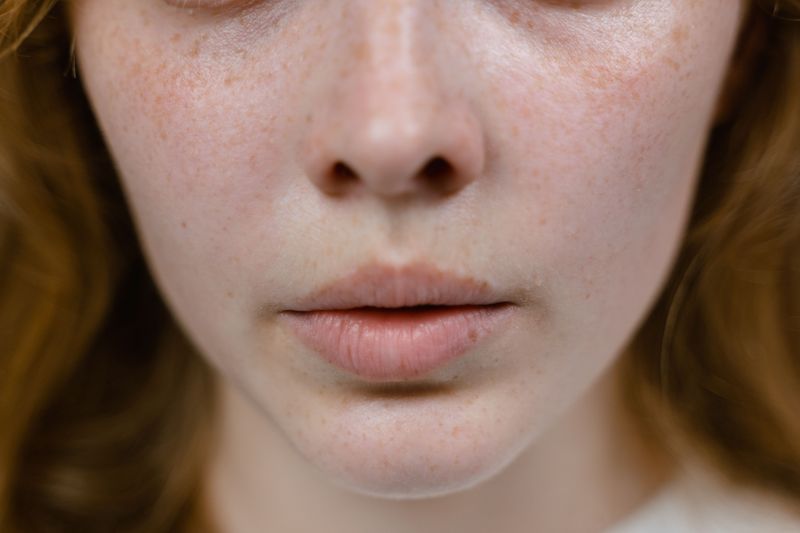
Foundation and concealer have long been used to create a perfectly even skin tone, covering freckles, age spots, and sun marks that naturally develop over time.
Women were taught that uneven skin was something to fix before stepping out the door.
Freckles have actually become trendy among younger generations, with some people even using makeup to fake them.
That same appreciation is slowly extending to age spots and sun-related pigmentation.
People are starting to see these marks as part of a person’s unique story rather than a skin problem.
Going foundation-free or wearing lighter coverage is becoming more common, especially among younger women who prefer a natural look.
Showing real skin, spots and all, is part of a wider movement toward honesty and self-acceptance in everyday beauty routines.
9. Thinning Hair
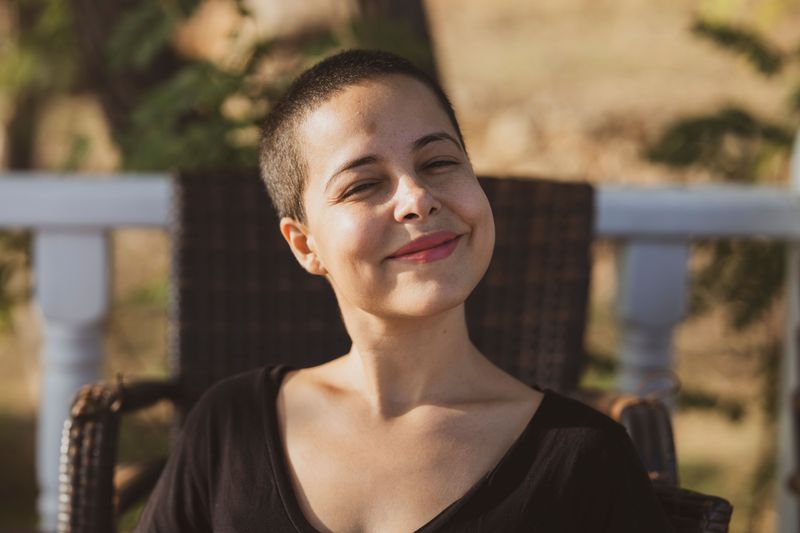
Hair thinning affects millions of women and can happen for many reasons including stress, hormonal changes, postpartum shifts, or genetics.
For a long time, women dealing with it felt pressure to hide it with extensions, wigs, or specific hairstyles designed to create the illusion of volume.
More women today are choosing shorter cuts, buzz cuts, or simply wearing their thinning hair as it is.
Some have found that embracing the change feels more freeing than constantly fighting it.
A short or shaved style can look incredibly bold and intentional rather than something to apologize for.
Online communities have made a real difference here.
Women sharing their thinning hair journeys openly have helped others feel less alone.
Normalizing this experience removes the shame that kept so many women hiding something they had no control over.
10. Visible Veins and Changing Hands
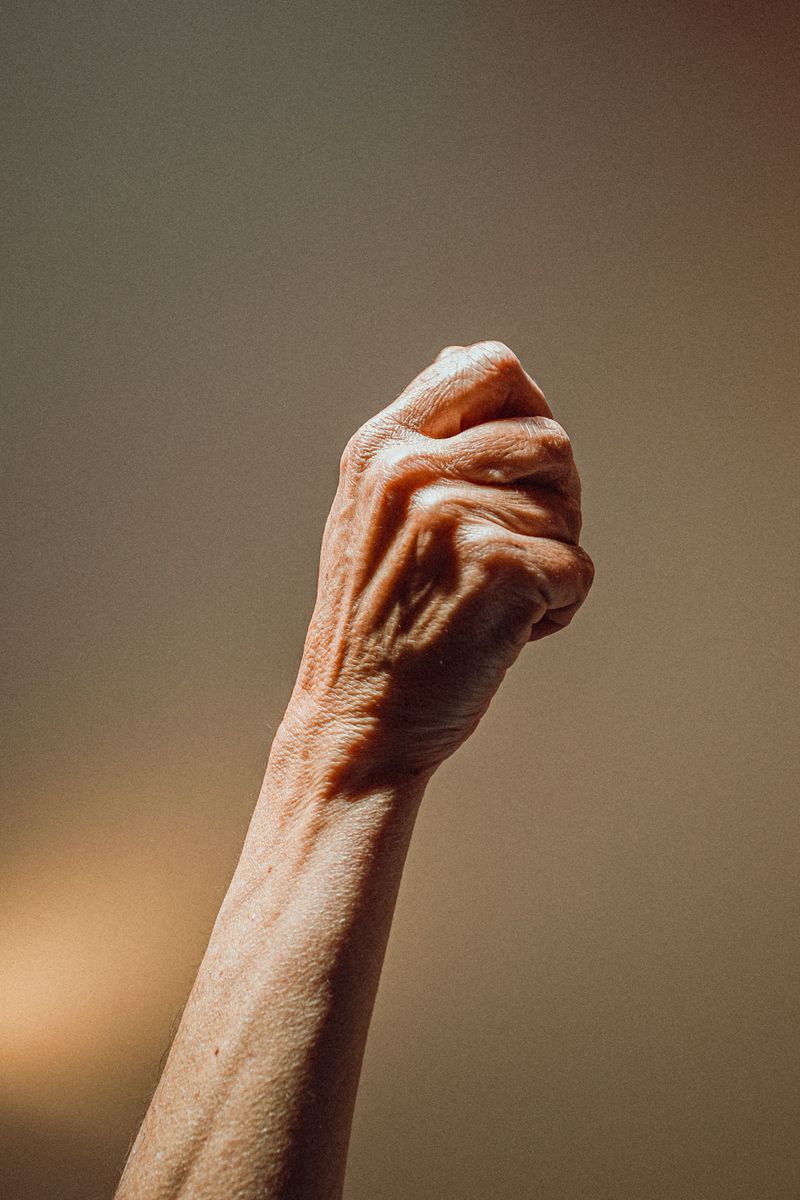
Hands are often one of the first places where visible signs of aging appear.
Veins become more prominent, skin loses some elasticity, and texture changes over time.
Older women sometimes felt self-conscious about their hands in photos or public situations.
Younger women are beginning to leave their hands unedited in photos and videos.
Rather than applying heavy filters or cropping out their hands, they are letting the natural texture show.
There is something refreshing about seeing real hands that have actually worked, created, and lived.
Hand care has also shifted from hiding to nurturing.
Moisturizing, wearing sunscreen, and keeping nails healthy are popular, but the goal is less about erasing age and more about taking care of skin that deserves attention and appreciation at every stage.
11. Natural Skin Texture
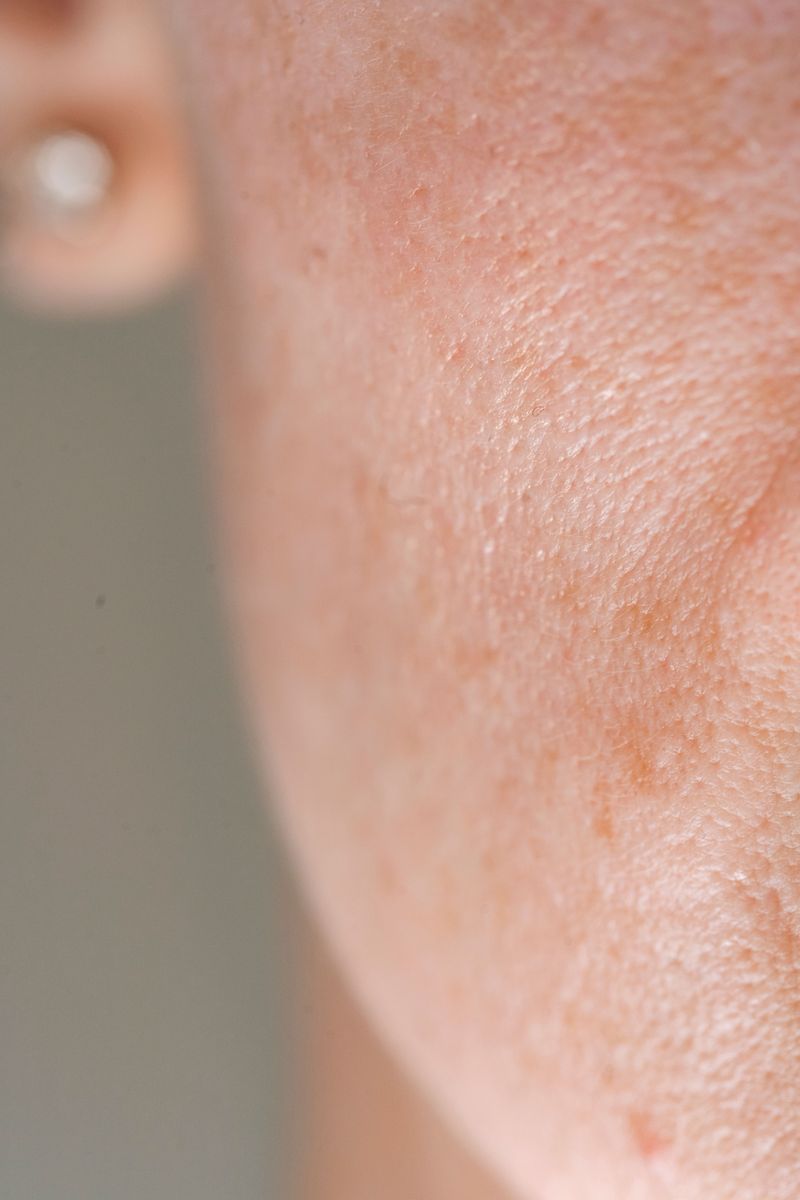
Filters and photo editing tools have made it incredibly easy to present a perfectly smooth, pore-free face online.
For years, that became the standard people compared themselves to, even though it was never real.
Women felt pressure to look airbrushed even in casual, everyday photos.
A growing movement is pushing back against that unrealistic standard.
The “no-filter” trend encourages women to post photos showing their actual skin, including pores, pigmentation, fine lines, and uneven texture.
Seeing real faces online is helping people recalibrate what normal skin actually looks like.
Skincare brands are also shifting their messaging, moving away from the promise of flawless skin toward language about healthy, well-cared-for skin.
That change in framing matters.
Real texture is not a flaw; it is simply what living in a body looks like.
12. Loose Skin and Body Changes
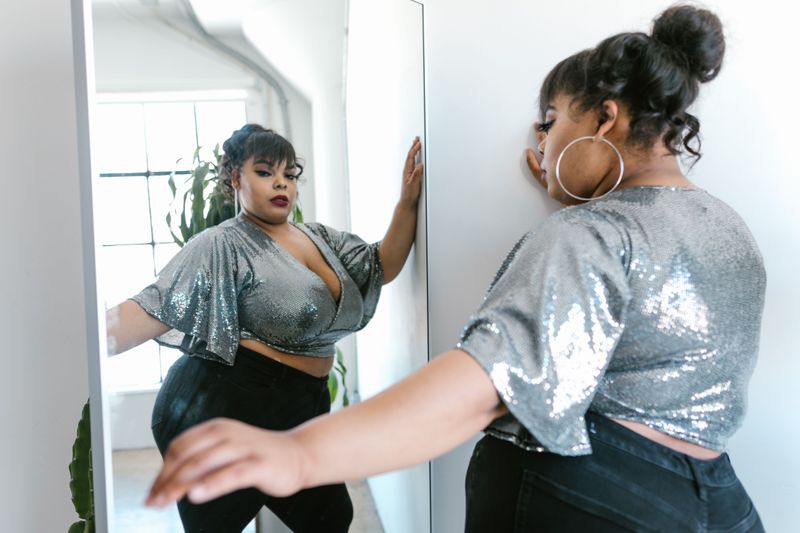
Loose skin has long been treated like a secret to keep hidden under long sleeves and shapewear.
But more women are stepping out and showing their bodies exactly as they are, no filters, no cover-ups.
It is a quiet but powerful act of self-acceptance.
Younger women, especially those who have lost weight or gone through pregnancy, are normalizing skin that stretches, sags, and shifts.
Body-positive creators online share unedited photos that show real skin in real light.
Seeing those images makes a huge difference for people who grew up thinking their bodies were the problem.
13. Uneven Skin Tone and Discoloration
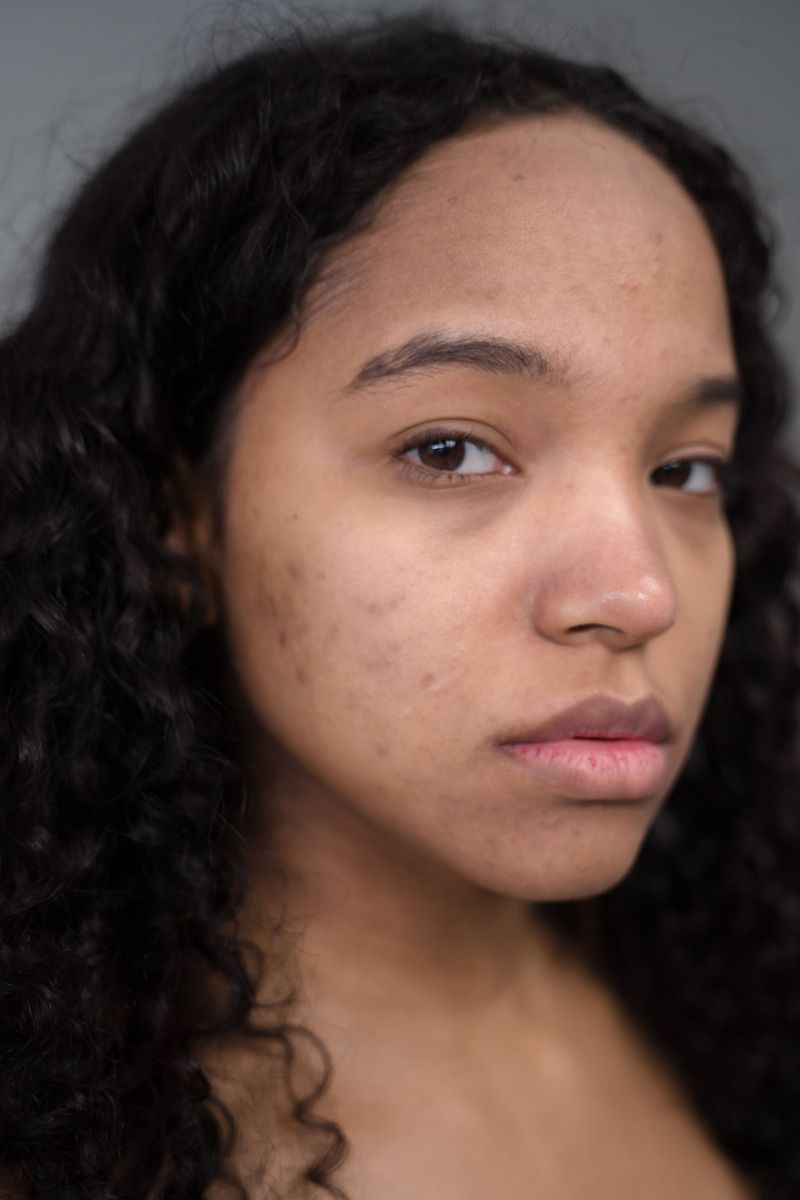
Perfect, poreless skin has been sold to women as the standard for decades.
Redness, dark patches, and blotchy areas were things many women spent years trying to erase.
Younger women are pushing back on that idea in a big way.
Skipping heavy foundation and letting natural skin show, uneven tone and all, has become a real trend.
Influencers post bare-faced content that celebrates exactly the skin they were born with.
Dermatologists even point out that some discoloration is a totally normal part of how skin ages and changes over time.
Real skin has variation, and that is now something to celebrate.
14. Softer Arms and Upper Body
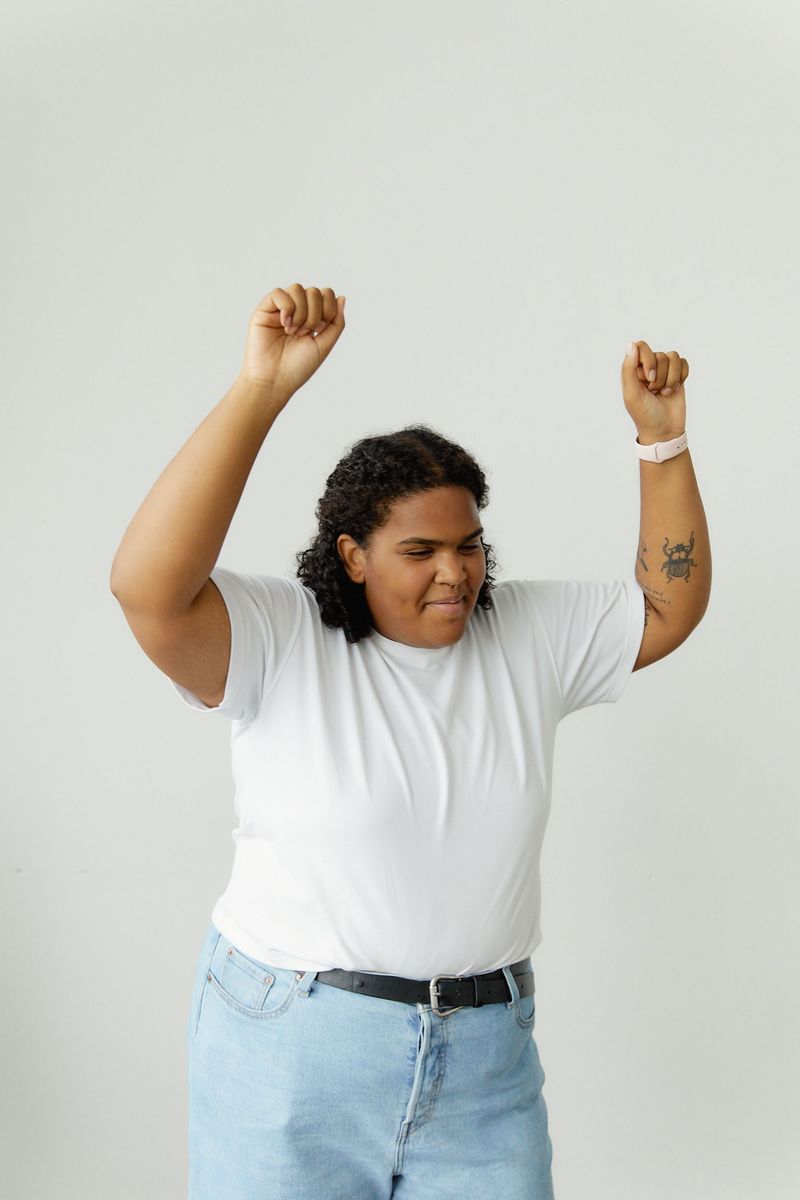
For a long time, women avoided sleeveless tops if their arms were not toned or firm.
Hiding softer arms under cardigans and long sleeves felt like the only acceptable option.
That kind of thinking kept a lot of women uncomfortable through some very hot summers.
Now, younger women are wearing what they want regardless of arm shape or size.
The idea that arms need to look a certain way to be “beach ready” is being challenged every day on social media.
Softness is being reframed as something normal, not something to work off or apologize for.
Confidence looks great in every sleeve length.