 MomSkoop

Growing up as the oldest sibling is a unique experience that shapes who you are in ways you might not even realize. From being the first to try everything to often being the one everyone looks to for answers, firstborns carry a lot on their shoulders.
Research shows that birth order can genuinely influence personality, habits, and how we relate to others. If you are the oldest in your family, some of these traits might feel surprisingly familiar.
1. Strong Sense of Responsibility
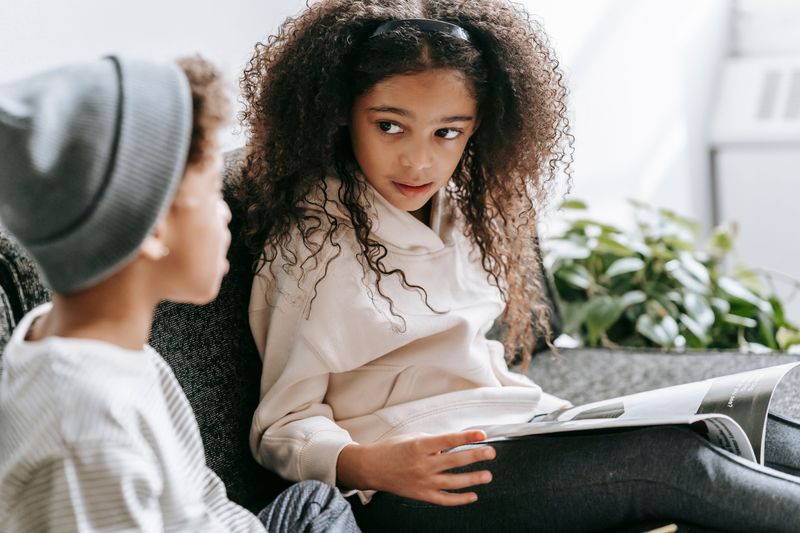
Some people just seem to carry the weight of the world on their shoulders, and oldest siblings often know exactly what that feels like.
From a young age, firstborns are frequently given tasks, trusted with information, and counted on to set a good example.
That early experience of being relied upon sticks around long into adulthood.
This strong sense of responsibility can be a real strength.
It makes oldest siblings dependable friends, hardworking employees, and trustworthy partners.
However, it can also feel exhausting when you feel like everything falls on you.
Learning to share the load is something many firstborns work on throughout their lives.
2. Natural Leadership Tendencies

Walk into almost any room, and the oldest sibling is often the one who starts organizing things before anyone even asks.
Leadership comes naturally to firstborns because they practiced it at home, guiding younger brothers and sisters through games, homework, and everyday life.
That early role as the “big one” builds real confidence over time.
Studies have actually found that a disproportionate number of world leaders, CEOs, and astronauts are firstborns.
Taking charge just feels comfortable when you have been doing it since childhood.
Of course, this can sometimes come across as bossy to others, so oldest siblings often learn to balance leading with listening as they grow older.
3. High Expectations for Themselves

Perfectionism has a way of sneaking into the lives of oldest siblings early on.
Parents tend to photograph every milestone, celebrate every achievement, and set high standards for their firstborn.
Over time, those outside expectations become internal ones, and the oldest child starts pushing themselves harder than anyone else would.
This drive can lead to impressive accomplishments.
Many firstborns excel academically, professionally, and creatively because they simply refuse to settle for less than their best.
The tricky part is that they can also be incredibly hard on themselves when things do not go perfectly.
Practicing self-compassion, something that does not come naturally, becomes one of the most important skills for many oldest siblings to develop.
4. Protectiveness Toward Others

Ask any oldest sibling about their younger brothers or sisters, and you will almost certainly see their eyes light up with a mix of love and fierce loyalty.
That protective instinct kicks in early and never really goes away.
Even when siblings grow up and move out, the oldest often keeps a watchful eye from a distance.
This trait extends beyond family, too.
Oldest siblings frequently become the friend who checks in, the coworker who speaks up for others, and the partner who fiercely defends the people they love.
It is a beautiful quality, though it sometimes means taking on more worry than is truly necessary.
Trusting others to handle their own challenges is an ongoing lesson for many firstborns.
5. Independence Developed Early
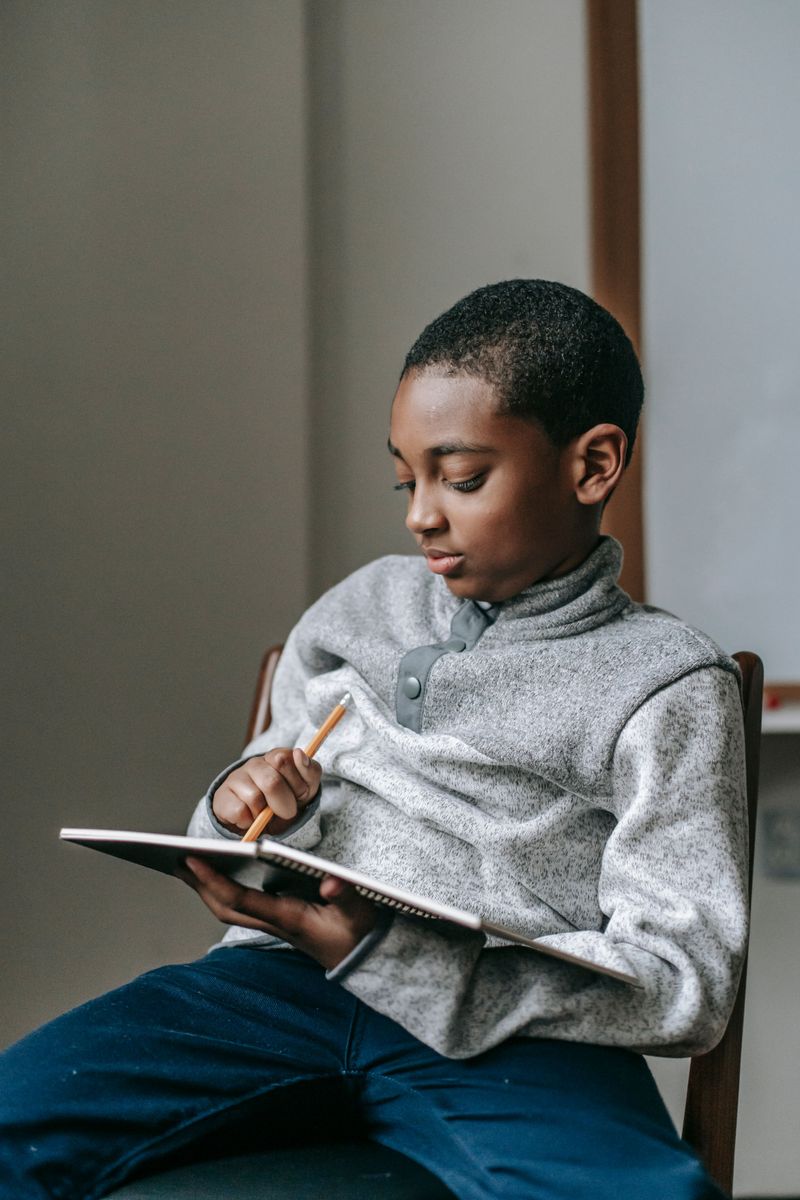
Before younger siblings arrived, the oldest child had a brief window of being the only one.
Then, when the family grew, parents naturally became busier, and the firstborn learned to figure things out independently.
This was not always planned, but it shaped a deeply self-reliant personality that lasts well into adulthood.
Oldest siblings often pride themselves on handling things without needing to ask for guidance.
They research solutions, troubleshoot problems, and push through obstacles using their own resources.
While this independence is genuinely admirable, it can sometimes make firstborns reluctant to lean on others even when doing so would actually help.
Recognizing that accepting support is a sign of strength, not weakness, is a growth area many oldest siblings return to again and again.
6. People-Pleasing Tendencies
Growing up under the spotlight of being the first child means that parental approval feels especially important.
Oldest siblings quickly learn what behaviors earn praise and which ones disappoint, and many develop a habit of shaping their actions around what others expect or want.
That pattern can become a deeply ingrained way of moving through the world.
People-pleasing is not all bad.
It often makes firstborns thoughtful, considerate, and excellent at reading a room.
The challenge comes when saying yes to everyone else means saying no to their own needs.
Many oldest siblings eventually realize that their worth is not tied to how much they do for others, and learning to set boundaries becomes one of the most freeing steps they can take.
7. Difficulty Asking for Help

Here is something many oldest siblings quietly struggle with: admitting they need help feels almost uncomfortable, like a small defeat.
From early on, firstborns are cast in the role of the capable one, the one with answers, the one who manages.
Asking for assistance can feel like stepping out of that identity entirely.
This tendency shows up in school, at work, and in personal relationships.
An oldest sibling might quietly stress over a problem for days before finally reaching out, even when help was readily available all along.
The good news is that recognizing this pattern is the first step to changing it.
Asking for help is not a crack in the armor; it is actually one of the most practical and courageous things anyone can do.
8. Rule-Consciousness

Rules were not just suggestions in the firstborn’s world.
They were the guidelines that earned approval, kept things running smoothly, and set the standard for everyone who came after.
Oldest siblings often grow up with a genuine respect for structure, routines, and established expectations, both at home and in the wider world.
This trait makes firstborns reliable and trustworthy in environments that value consistency and follow-through.
They tend to do well in organized settings and are often the ones reminding everyone else about deadlines or policies.
On the flip side, this rule-consciousness can sometimes make it hard for oldest siblings to be flexible when life does not follow the plan.
Learning to adapt without feeling anxious is a skill worth building.
9. A Strong Need for Control
Uncertainty makes a lot of people uncomfortable, but for many oldest siblings, the unknown feels especially unsettling.
Preferring to plan ahead, know the details, and anticipate outcomes is practically second nature for firstborns who grew up keeping things together at home.
Control feels like safety, and safety feels like peace of mind.
This need for control can make oldest siblings excellent planners and organizers.
They are the friend who already has the reservation made, the route mapped, and the backup plan ready.
The challenge arises when life refuses to cooperate, as it often does.
Practicing flexibility and sitting with uncertainty without spiraling is genuinely difficult for many firstborns, but it becomes easier with time and self-awareness.
10. Maturity at a Young Age
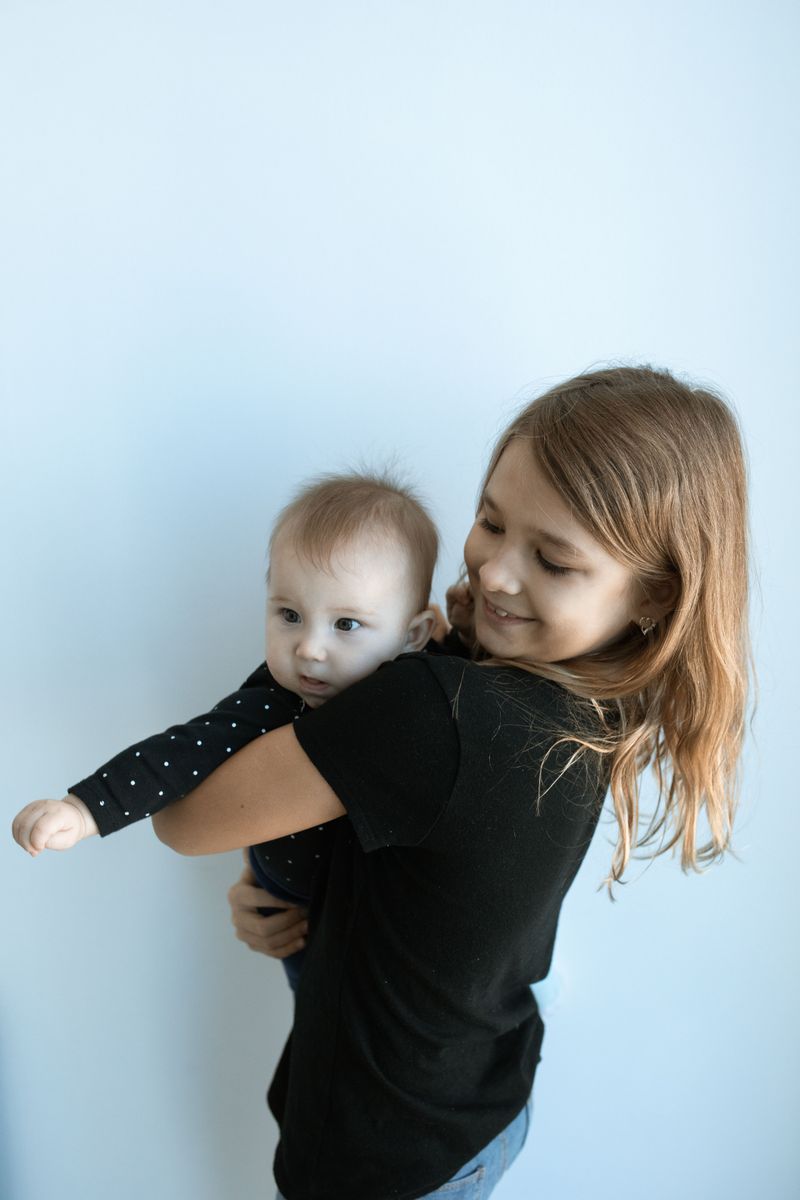
There is a reason oldest siblings sometimes feel like they were born 30 years old.
Being around adults more in the early years, being spoken to seriously, and being trusted with real responsibilities all speed up emotional development.
Many firstborns describe feeling older than their peers from a surprisingly young age.
That early maturity has genuine advantages.
Oldest siblings tend to be thoughtful, composed, and wise beyond their years.
They often connect easily with adults and earn trust quickly in professional settings.
However, it is worth acknowledging that growing up fast also means missing out on some carefree moments that younger siblings may have enjoyed more freely.
Giving themselves permission to be playful and lighthearted is something many firstborns have to consciously practice.
11. Sensitivity to Criticism or Failure

When you have spent your whole life being the example, the benchmark, the one who is supposed to get it right, criticism lands differently.
For many oldest siblings, even a small piece of negative feedback can feel like a much bigger blow than it would to someone else.
The standard they hold themselves to is simply very high.
This sensitivity is closely connected to all those years of wanting to meet expectations and fearing disappointment.
Mistakes that others might brush off can linger in a firstborn’s mind for days.
Working on building a healthier relationship with failure, seeing it as information rather than a verdict on their worth, is genuinely transformative for oldest siblings who are willing to do that inner work.
12. Caretaking Tendencies
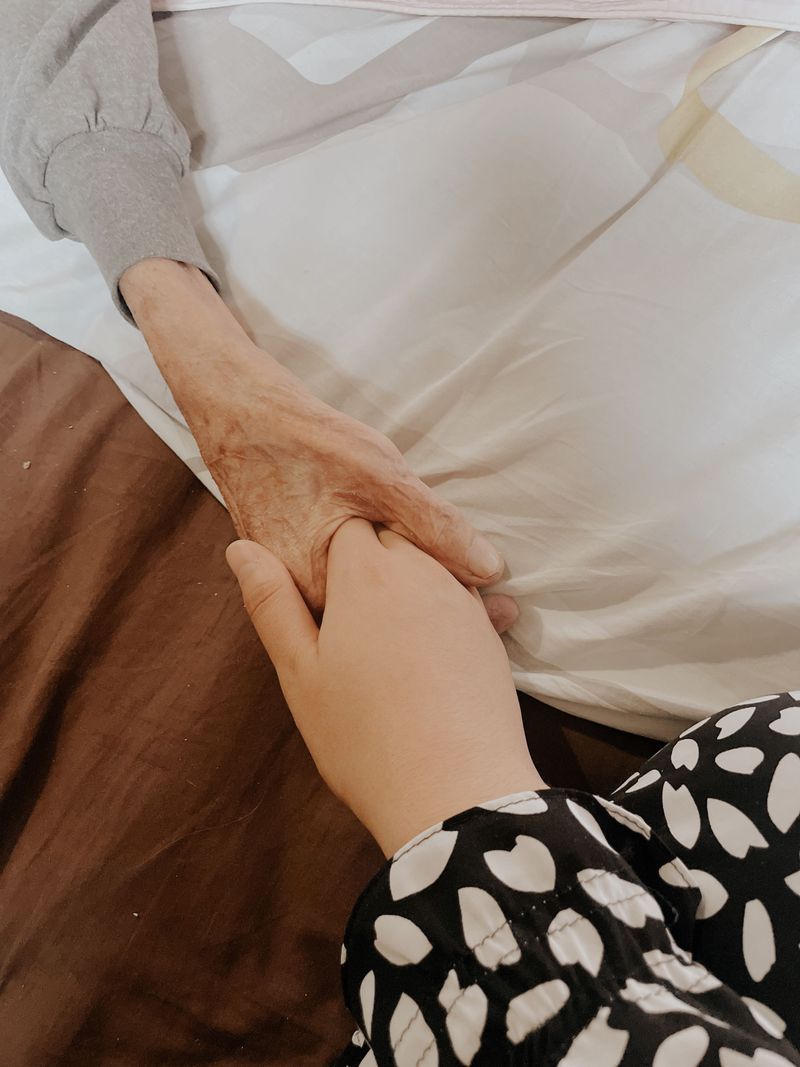
Checking in on people, offering advice before it is even requested, making sure everyone has what they need – these are practically automatic behaviors for many oldest siblings.
Caretaking is woven into their identity from childhood, when looking after younger brothers and sisters was simply part of daily life.
That instinct does not disappear when they leave home.
Oldest siblings often find themselves drawn to careers in healthcare, education, counseling, or other helping fields.
They are the friends who show up with soup when you are sick and remember your important appointments.
The challenge is learning that caretaking should not come at the expense of their own well-being.
Nurturing themselves with the same energy they give others is something firstborns genuinely need to prioritize.
13. Feeling Responsible for Family Harmony
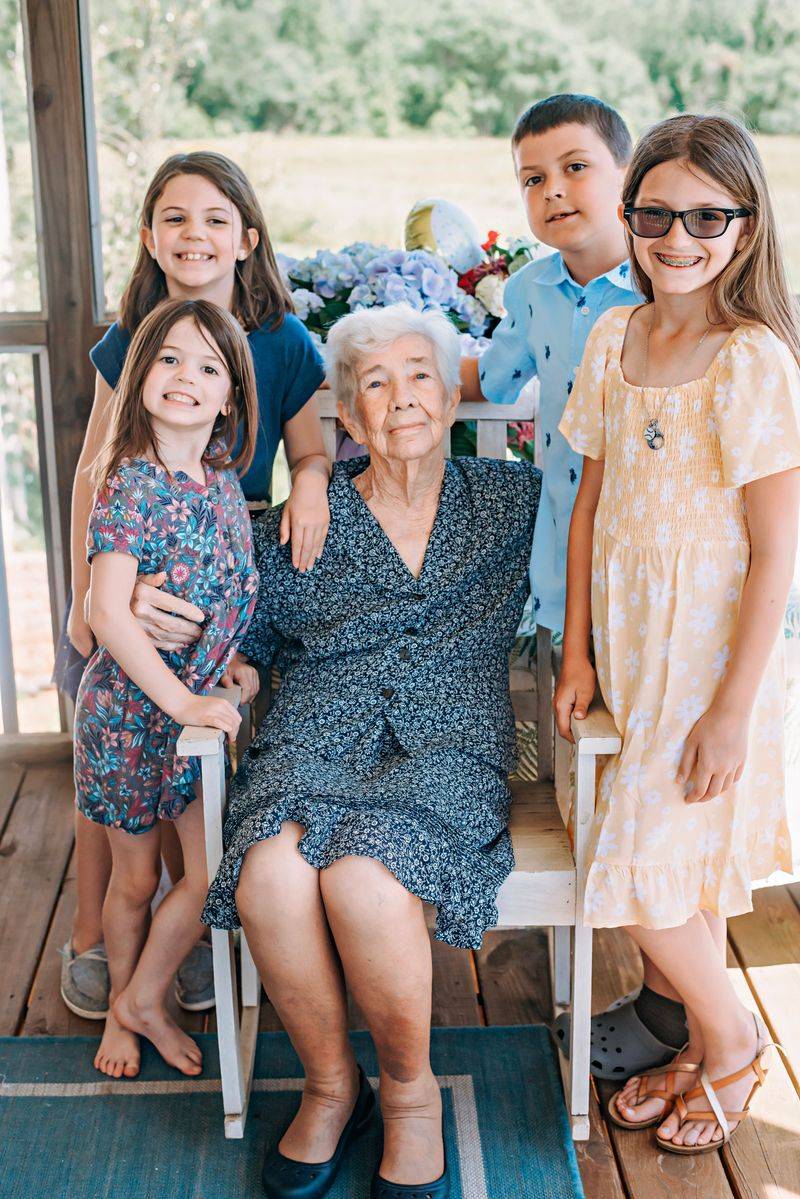
When tension rises in the family, many oldest siblings feel an almost automatic urge to fix it.
Keeping the peace, smoothing things over, and making sure everyone gets along can feel like a personal mission.
This pattern often starts in childhood and quietly follows firstborns into every relationship and group dynamic they encounter later in life.
While being a natural peacemaker is a wonderful quality, carrying the emotional weight of an entire family is genuinely exhausting.
Oldest siblings sometimes absorb stress that is not theirs to carry and feel guilty when they cannot resolve situations that are truly out of their hands.
Recognizing that family harmony is a shared responsibility, not a solo job, is one of the most freeing realizations a firstborn can have.