 MomSkoop

Words can stick with people far longer than we realize, and men are no exception. Many guys quietly carry the weight of offhand remarks about their appearance, even when those comments were never meant to hurt.
Body image is not just a women’s issue – men deal with it too, often without saying a word. Understanding which comments can sting helps all of us choose kinder, more thoughtful words.
1. You’re Too Skinny

Being called “too skinny” might sound harmless to some, but for many men, it cuts deep.
Body weight is often tied to feelings of strength and self-worth, and pointing out that someone looks thin can feel like an attack on their masculinity.
Some men struggle to gain weight no matter how much they eat, thanks to genetics or a fast metabolism.
They may already feel self-conscious about it.
Hearing the comment out loud makes it worse.
Rather than commenting on a man’s size, try focusing on something unrelated to his body.
A simple compliment about his personality or achievements goes a much longer way than any remark about how much he weighs.
2. You’ve Gained a Lot of Weight

Few comments land harder than being told you have gained a lot of weight.
For a man who may already be struggling with his health, stress eating, or a tough season in life, this observation feels more like a judgment than a concern.
Weight gain can happen for many reasons – medication, mental health challenges, injury, or simply a change in routine.
Most men are already aware of changes in their body and do not need someone else pointing it out.
Good intentions do not always make a comment kind.
If you are genuinely worried about someone’s health, a private and caring conversation is far better than a blunt remark that leaves a lasting sting.
3. You’re Really Short for a Guy

Height is one of those things a man has absolutely zero control over, which makes comments about it especially frustrating.
Society has long connected tallness with confidence and power in men, so being told you are short for a guy can feel dismissive and even belittling.
Many shorter men have spent years learning to carry themselves with confidence, working past stereotypes and social expectations.
A careless remark about their height can unravel that hard-earned confidence in seconds.
Height says nothing about a person’s character, capability, or worth.
Choosing to comment on it – even as a joke – often says more about the speaker than the person being talked about.
Skip the height jokes and appreciate the whole person instead.
4. Your Arms Are So Small
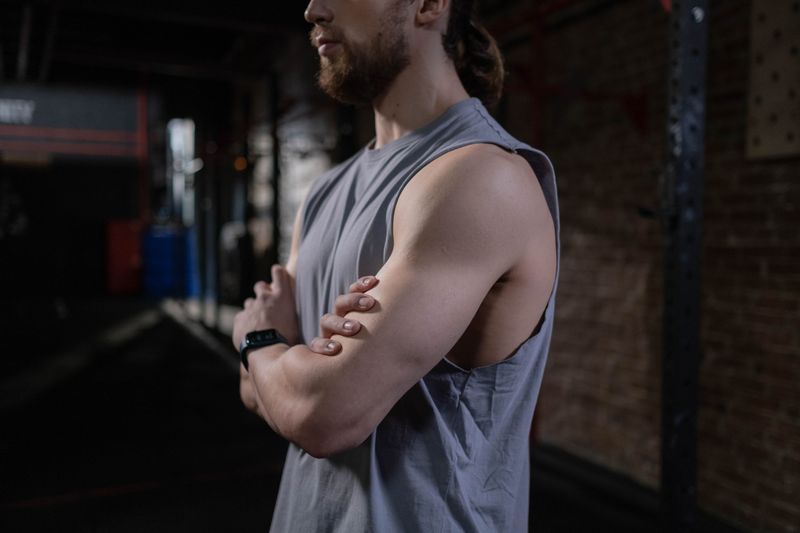
For a lot of men, arm size is directly linked to how strong and capable they feel.
So when someone says “your arms are so small,” it can hit like a punch to the gut – even if it was said with a laugh.
Gym culture and social media have made muscular arms a kind of standard for male fitness.
Men who do not fit that mold often already feel the pressure.
Hearing it said aloud by someone they know only adds to the insecurity.
Building muscle takes time, dedication, and the right conditions.
Some men work incredibly hard and still do not bulk up easily.
Recognizing someone’s effort rather than measuring their results is always the more respectful choice.
5. You’re Starting to Get a Belly
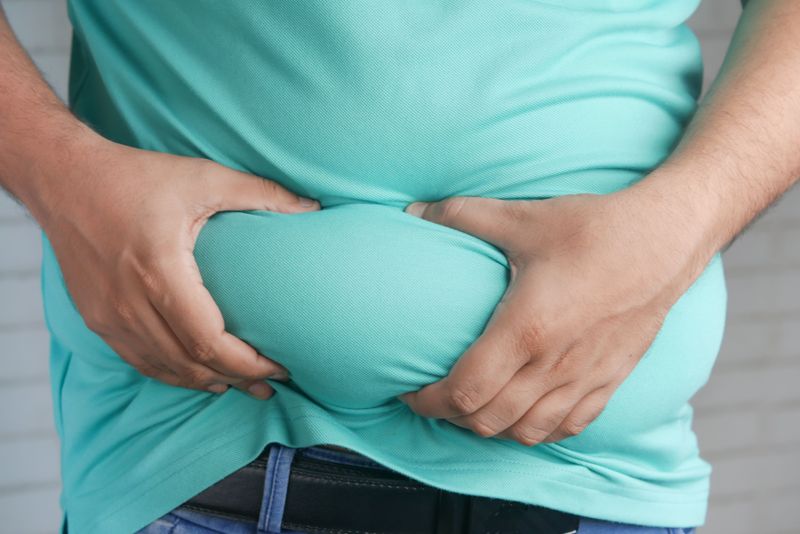
The belly comment is one that sneaks up on men, often delivered casually at a family gathering or during a friendly hangout.
It may be meant as light teasing, but the message received is often much heavier: “I notice your body is changing, and not in a good way.”
Belly fat in men is frequently connected to stress, hormonal shifts, and aging – none of which are easy to control.
Many men are already quietly dealing with these changes and feeling embarrassed about them.
Pointing out a belly does not motivate anyone to get healthier.
More often, it causes shame.
A man who wants to make changes will do so on his own terms, and he deserves encouragement rather than unsolicited observations about his midsection.
6. Your Hairline Is Really Receding
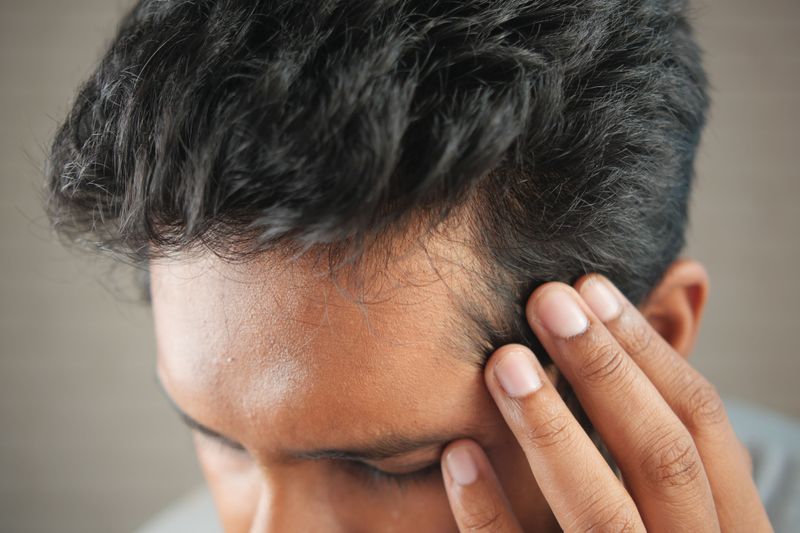
Hair loss is one of the most emotionally loaded topics for men, and yet people bring it up as if it is casual small talk.
Telling a man his hairline is receding is pointing out something he almost certainly already knows – and probably thinks about more than you realize.
Male pattern baldness affects millions of men and can begin as early as the mid-20s.
For many, it comes with a quiet grief over a changing appearance they never asked for.
Some men embrace it gracefully, while others find it genuinely distressing.
Either way, drawing attention to it rarely helps.
What men need is to feel seen beyond their hairline.
Focus on who they are, not what their hair is doing – or not doing – anymore.
7. You Don’t Have Much Muscle
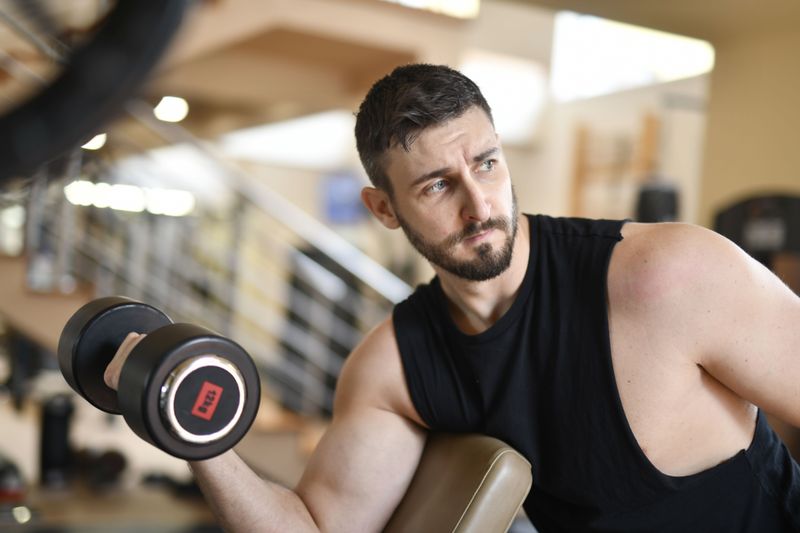
Muscle mass has become a measuring stick for male worth in many social circles, which makes “you don’t have much muscle” one of the more hurtful things you can say to a guy.
It implies he is not trying hard enough or that his body does not measure up.
The reality is that body composition varies widely based on genetics, lifestyle, health conditions, and personal goals.
Not every man wants to look like a bodybuilder, and not every man’s body responds to exercise the same way.
Some men are working harder than they look.
Others simply have different priorities.
Commenting on a lack of muscle does not push anyone toward the gym – it just makes them feel like they are falling short of a standard they never agreed to.
8. You Look Older Than Your Age

Aging is inevitable, but being told you look older than your age feels like a personal failing.
For men, this comment often stirs up anxiety about health, virility, and how the world perceives them – all wrapped up in one seemingly offhand observation.
Stress, sun exposure, genetics, and lifestyle all play roles in how quickly someone appears to age.
A man who looks older than his years may have been through a lot – and hearing that it shows on his face is rarely comforting.
There is no upside to telling someone they look older than they are.
If anything, it plants a seed of insecurity that can grow quietly over time.
Complimenting what someone has going for them is always the better path forward.
9. Your Chest Is Kind of Small
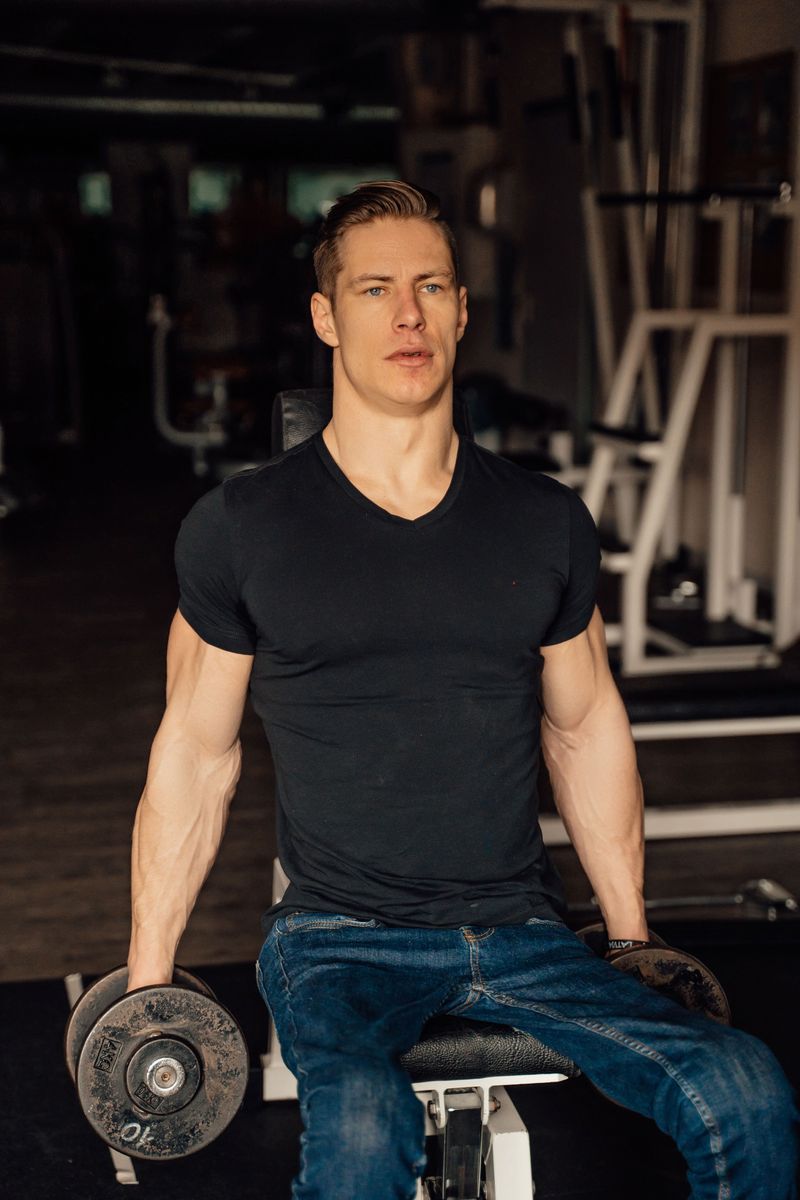
A broad, defined chest is often held up as a symbol of male strength and attractiveness.
So when someone tells a man his chest is kind of small, it can feel like they are saying he falls short of what a man is supposed to look like.
Chest size, like most physical traits, is largely determined by genetics and body type.
Some men train consistently and still have a naturally slim frame.
Comments like this ignore all that effort and reduce a person to one physical measurement.
Men rarely bring up this insecurity on their own because they feel they are not supposed to care about it.
But they do.
Being thoughtful about what you say – especially about someone’s body – costs nothing and protects a lot.
10. You Looked Better When You Were Fitter
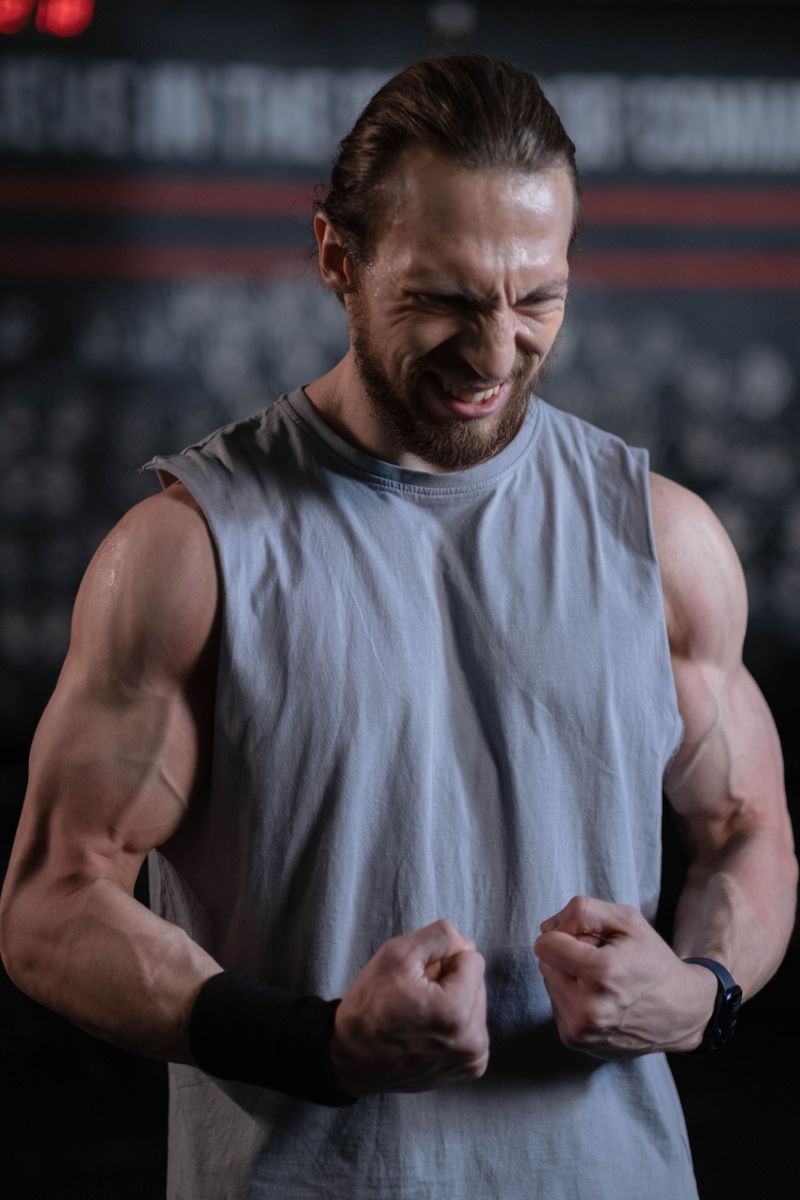
Of all the body comments on this list, this one might sting the most.
Telling a man he looked better when he was fitter is not just a comment about now – it is a comparison that dismisses everything he is going through to reach this point in his life.
Life changes people.
Jobs, relationships, grief, and aging all leave marks.
A man who was once in peak shape may have gone through a great deal to arrive where he is today.
That story deserves respect, not a before-and-after critique.
This kind of comment can quietly chip away at a man’s motivation and self-image for a long time.
Celebrating who someone is right now, rather than comparing them to a past version, shows real care and emotional maturity.