 MomSkoop

Trends come and go, but millennials are doing something different: they are actively walking away from habits and lifestyles that once defined their generation. From hustle culture to fast fashion, many are rethinking what really matters.
These shifts are not just personal choices; they reflect a bigger cultural change happening right now. Read on to find out which 14 trends millennials are leaving behind and why it makes a lot of sense.
1. Hustle Culture and the Glorification of Burnout

Not too long ago, bragging about working 80-hour weeks was practically a badge of honor.
Millennials were told that grinding nonstop was the only path to success, and many believed it.
But the mental health cost turned out to be enormous.
Burnout is now widely recognized as a real crisis, not a sign of weakness.
Millennials are setting work hours, logging off at reasonable times, and refusing to let their job title define their worth.
Rest is being reclaimed as productive, not lazy.
Choosing balance over busyness is a powerful act of self-preservation.
More millennials are asking whether the hustle was ever worth it, and finding the honest answer is usually no.
2. Fast Fashion and Its Throwaway Mentality
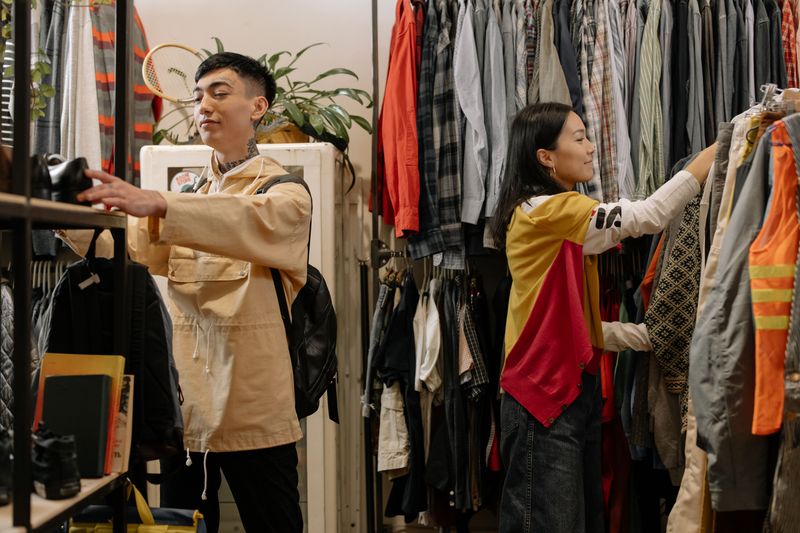
Buying a new outfit every week used to feel exciting and affordable.
Fast fashion brands made it easy to keep up with trends without spending much.
The problem?
Those cheap clothes often fall apart quickly and pile up in landfills at alarming rates.
Millennials are now gravitating toward secondhand shops, clothing swaps, and brands that prioritize durability and ethical production.
Paying a bit more for something that lasts years beats replacing a flimsy shirt every few months.
Thrift stores and resale platforms like Depop and ThredUp have exploded in popularity for good reason.
Sustainable style is not just eco-friendly; it often looks more interesting and unique than anything mass-produced.
3. Sterile All-White and Gray Minimalist Interiors
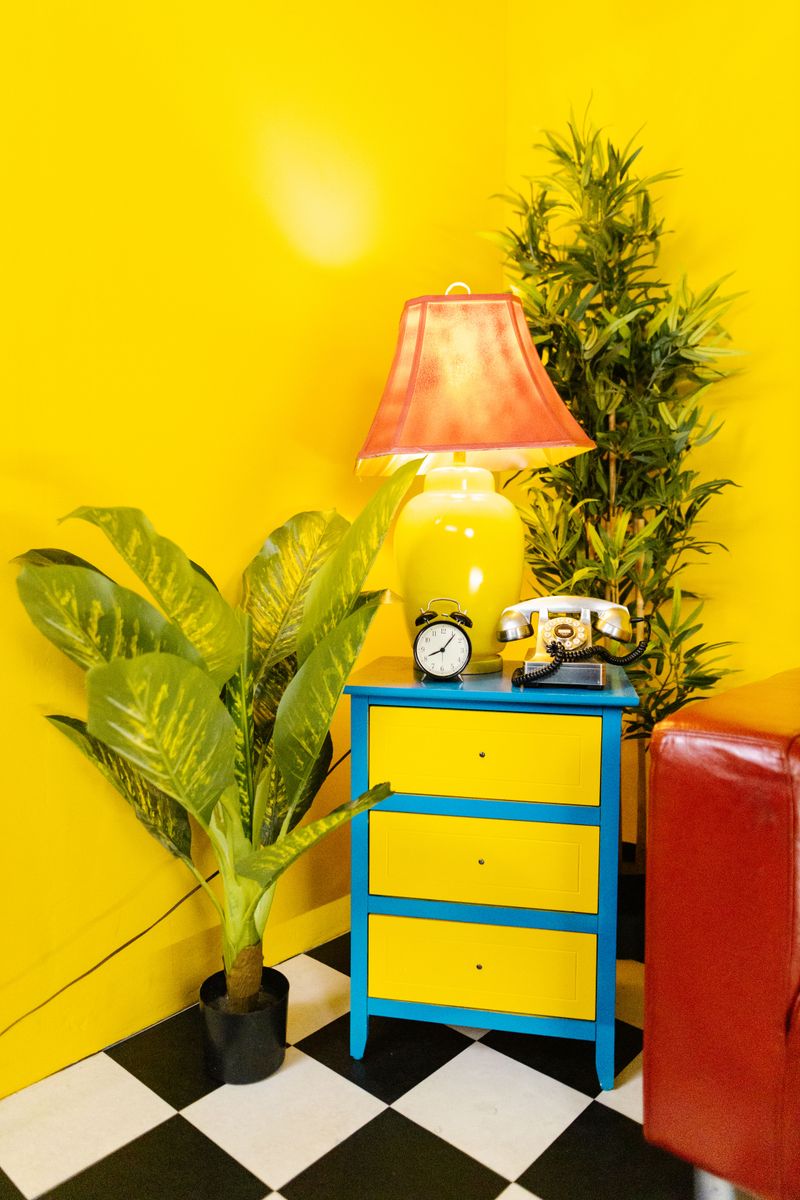
For years, the dream home aesthetic was all clean lines, white walls, and gray everything.
Instagram feeds were flooded with spaces that looked more like showrooms than places where real people actually lived.
Comfort was often sacrificed for a certain kind of cool.
Millennials are now welcoming color, personality, and warmth back into their homes.
Earthy tones, mismatched furniture, bold prints, and lots of plants are replacing the cold, sterile look.
A home should feel like a hug, not a gallery.
Interior design is getting personal again, and that is a refreshing shift.
Spaces that reflect who you actually are tend to feel far more livable than anything copied from a design magazine.
4. Open-Plan Layouts Without Privacy or Purpose
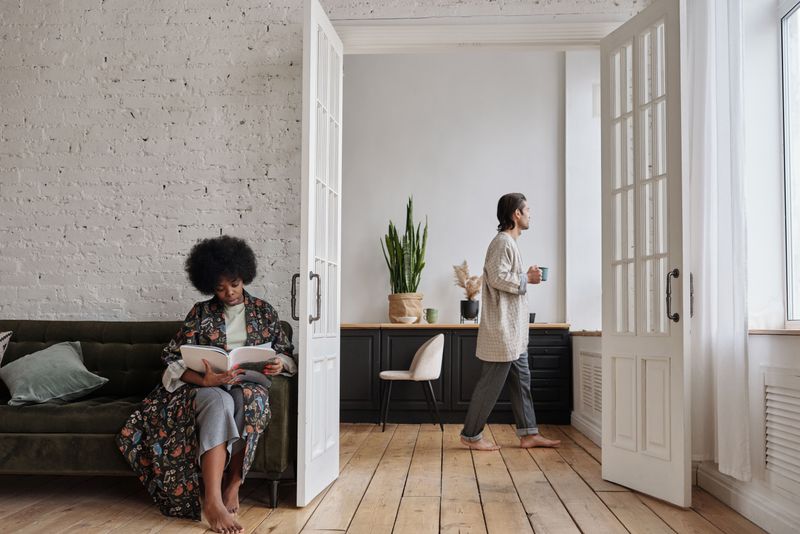
Open-plan living was sold as the future of both homes and offices.
Tearing down walls meant more light, more collaboration, and more connection.
What nobody mentioned was how loud, distracting, and exhausting wide-open spaces could actually become.
Working from home during the pandemic showed many millennials exactly how much they craved defined, quiet spaces.
A dedicated room for work, rest, or creativity makes a huge difference in focus and mental clarity.
Privacy is not antisocial; it is necessary.
Architects and designers are noticing the shift.
Cozy nooks, room dividers, and purposeful layouts are making a comeback because people need spaces that serve a real function, not just look impressive on a real estate listing.
5. Heavy Personal Sharing on Social Media

There was a time when sharing every meal, vacation, and milestone online felt natural and fun.
Social media promised connection, and for a while, it delivered.
But oversharing slowly started to feel more like a performance than genuine communication.
Millennials are pulling back, posting less frequently and protecting more of their personal lives from public view.
Privacy is being treated as a form of self-care.
Not every moment needs an audience, and that realization has been quietly liberating for many.
Digital boundaries are becoming more common and more respected.
Keeping certain experiences just for yourself or close friends actually makes those moments feel more meaningful, not less.
Real life does not need a filter or a caption to matter.
6. Influencer-Perfect Lifestyles and Polished Content
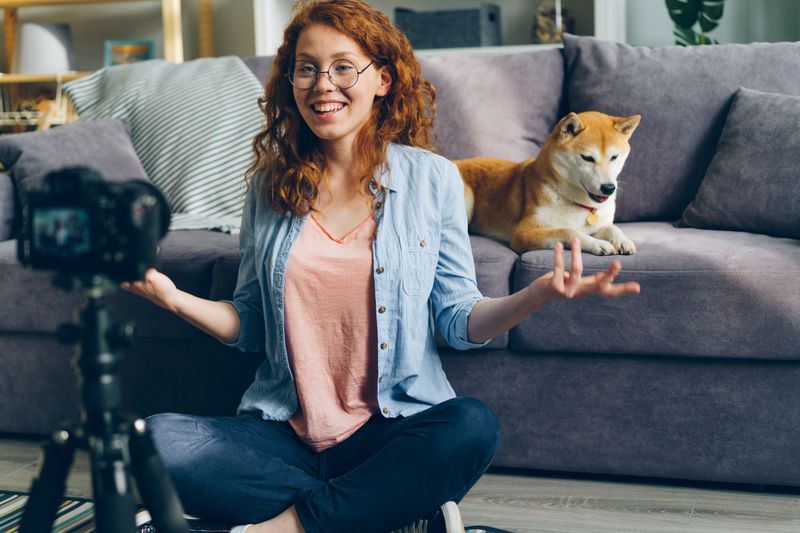
Perfectly lit photos, sponsored products, and curated feeds once set the standard for what a successful life was supposed to look like online.
Influencer culture made aspiration feel attainable, but it also made real life feel embarrassingly ordinary by comparison.
Audiences are craving something different now.
Raw, honest, and sometimes messy content is outperforming the polished kind.
Creators who share their struggles, bad days, and unfiltered opinions are building deeper connections than those hiding behind picture-perfect aesthetics.
Authenticity has become the new currency of social media.
Millennials are both producing and consuming content that feels real, because genuine human connection is far more satisfying than any aesthetically flawless but emotionally hollow highlight reel.
7. Dating Apps as the Default Way to Meet People

Swiping right became the modern way to find love, and for a while, it felt exciting.
Dating apps promised endless options and efficient matchmaking.
But somewhere along the way, the experience started feeling more like a second job than a romantic adventure.
App fatigue is real.
Many millennials report feeling burned out by the repetitive cycle of matching, chatting, and ghosting.
Meeting people through shared hobbies, mutual friends, or community events is making a quiet comeback as a more natural and less exhausting alternative.
Meaningful connection rarely comes from an algorithm.
More millennials are logging off and showing up in real life, recognizing that the best relationships often grow from shared experiences rather than a well-crafted bio and a lucky swipe.
8. Big Traditional Weddings and All the Pressure That Comes With Them
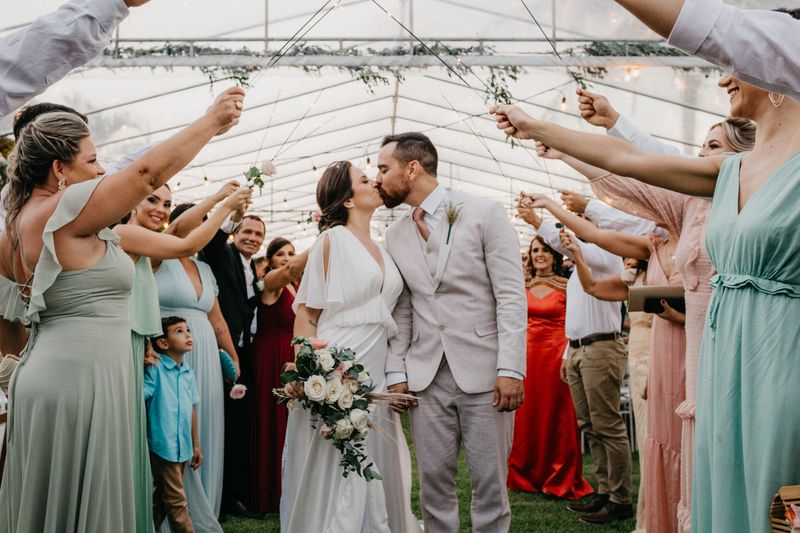
For decades, a big wedding was considered a rite of passage.
Hundreds of guests, a lavish venue, a towering cake, and a five-figure price tag were all part of the expected package.
Many couples went into serious debt just to have one perfect day.
Millennials are rethinking the whole script.
Micro-weddings, elopements, and nontraditional celebrations are becoming increasingly popular choices.
The focus is shifting from impressing a crowd to actually enjoying the moment with the people who matter most.
A wedding does not need to be extravagant to be meaningful.
Couples are discovering that a smaller, more personal celebration often creates better memories than a stressful, budget-busting event that takes years to financially recover from.
9. Alcohol-Centered Socializing
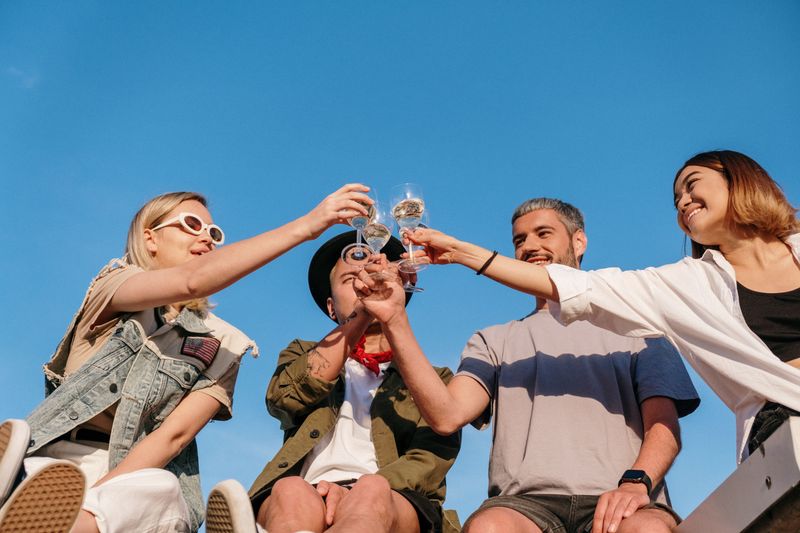
Happy hours, bar crawls, and wine nights were once the backbone of millennial social life.
Alcohol was practically woven into every celebration, networking event, and casual hangout.
Skipping a drink sometimes felt like opting out of the fun entirely.
A growing number of millennials are choosing moderation or going alcohol-free altogether.
The sober-curious movement has made it much easier to socialize without drinking, with mocktail menus and alcohol-free bars popping up in cities across the country.
Feeling good the morning after a social event turns out to be pretty appealing.
Many millennials report clearer minds, better sleep, and stronger social connections when alcohol is no longer the centerpiece of every gathering.
The fun does not disappear; it just changes shape.
10. Disposable Furniture That Does Not Last
Flat-pack furniture that arrives in a box and falls apart within two years became a millennial staple partly out of necessity.
It was cheap, easy to assemble, and good enough for the moment.
But “good enough” has a way of adding up to a lot of waste over time.
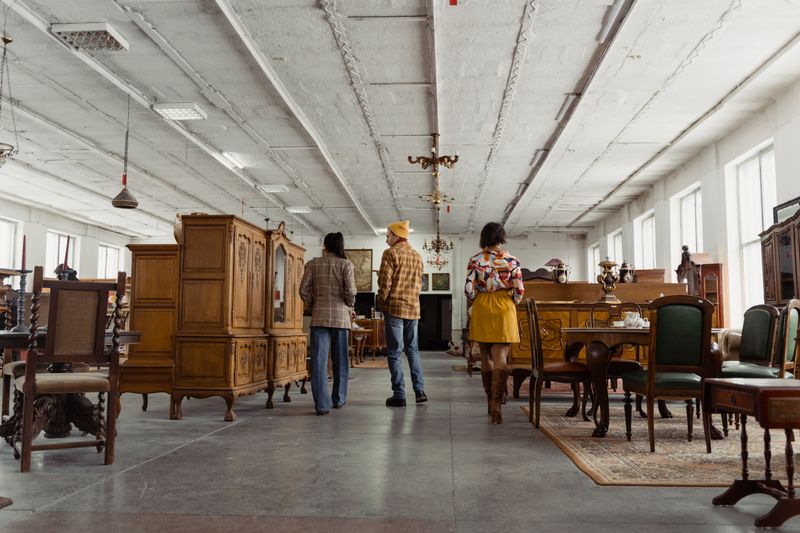
Secondhand marketplaces, vintage stores, and furniture repair culture are having a major moment.
Millennials are hunting for solid, well-made pieces that can last decades rather than buying something new every time they move or redecorate.
Quality over quantity is winning the argument.
A beautifully worn wooden table or a lovingly repaired armchair carries a kind of character that no flat-pack bookshelf can match.
Investing in furniture that ages well is both financially smart and genuinely satisfying.
11. Subscription Overload Across Every Platform
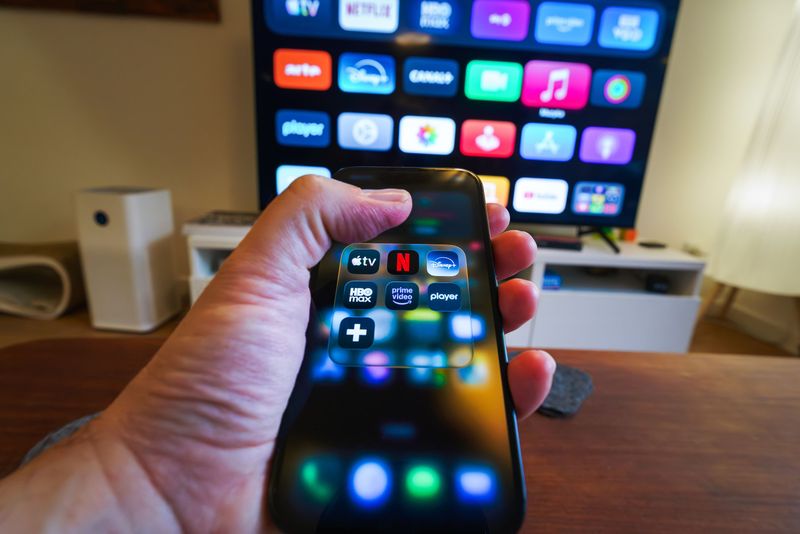
Streaming services, meal kits, software apps, gym memberships, curated boxes, and premium news sites all sound great individually.
Signing up is always easy.
The problem is that subscriptions stack up quietly, and before long, a significant chunk of income disappears each month on services barely used.
Millennials are auditing their subscriptions with new seriousness.
Canceling unused services, sharing accounts, and choosing free alternatives where possible has become a practical financial habit.
The convenience of subscriptions is only worth it when you actually use what you are paying for.
Subscription fatigue is pushing people toward more intentional spending.
Owning something outright, even if it costs more upfront, often feels more satisfying than renting access to it indefinitely through a recurring monthly charge.
12. Brand Loyalty for Its Own Sake

Sticking with the same brand year after year used to signal reliability and good taste.
Loyalty programs rewarded repeat customers, and many people simply never questioned whether they were actually getting the best deal.
Familiarity felt like enough of a reason to keep buying.
Millennials are shopping with sharper eyes these days.
Reviews, ingredient lists, ethical practices, and actual value all factor into purchasing decisions now.
Brand reputation alone no longer earns automatic trust or a guaranteed sale.
This shift is pushing companies to genuinely earn customer loyalty through quality and transparency rather than just clever marketing.
For shoppers, it means getting better products and fairer prices by refusing to settle out of habit.
Loyalty should be earned, not assumed.
13. Work as the Core of Personal Identity

“What do you do?” used to be the first question at any social gathering, and the answer carried enormous weight.
For many millennials, their career was not just what they did; it was who they were.
Professional achievement felt like the most important measure of a person’s worth.
That equation is changing.
Hobbies, relationships, creative pursuits, and simply resting are being recognized as equally valid parts of a full life.
Setting boundaries around work hours and protecting personal time has become an act of genuine self-respect, not slacking off.
A job can be meaningful without consuming your entire identity.
Millennials are learning that a career is something you have, not something you are, and that distinction makes an enormous difference in long-term happiness and mental health.
14. Constant Upgrading of Phones, Cars, and Household Items
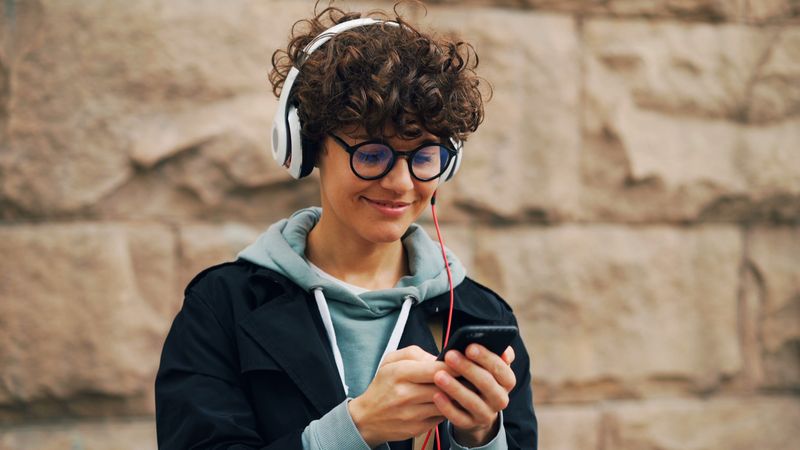
Every year brought a new phone model, a sleeker car, and updated appliances promising to make life just a little bit better.
The upgrade cycle was relentless, and marketers were very good at making last year’s version feel hopelessly outdated.
Keeping up felt like a financial obligation.
Millennials are pressing pause on automatic upgrades.
Keeping a phone for four or five years, repairing instead of replacing, and skipping the latest model unless there is a genuinely compelling reason to switch are all becoming normal choices.
Resisting the upgrade treadmill saves money and reduces electronic waste at the same time.
It turns out that a perfectly functional phone from two years ago does everything most people actually need, and that realization is quietly revolutionary.