 MomSkoop

Growing up with unpredictable parents can shape the way you think, feel, and behave well into adulthood. When home life felt uncertain, your brain learned to adapt in ways that helped you survive – but those same adaptations can follow you long after you leave.
Many adults carry habits they do not even realize are connected to their childhood experiences. Understanding where these patterns come from is the first step toward changing them.
1. Overanalyzing People’s Moods

You learned early that a shift in someone’s expression could mean the whole atmosphere at home was about to change.
So you became an expert at reading rooms.
You can spot a tense jaw, a clipped tone, or a distant stare from across the room before most people even notice anything is off.
This habit made sense when you were a kid trying to stay safe.
As an adult, though, it can be exhausting to constantly scan everyone around you for warning signs.
You may misread neutral expressions as anger or worry when there is nothing actually wrong.
Practicing mindfulness and reminding yourself that not every mood is about you can slowly help quiet this hypervigilant habit over time.
2. People-Pleasing to Avoid Conflict

Keeping others happy felt like a survival skill when you were young.
If a parent’s mood could flip without warning, making sure they stayed calm seemed like the safest strategy.
That pattern did not just disappear when you grew up.
People-pleasing often looks like saying yes when you mean no, laughing at jokes that bother you, or going along with plans you dislike just to avoid upsetting someone.
Over time, this erases your own needs and builds quiet resentment.
Learning to set small boundaries is a good starting point.
You do not have to overhaul everything overnight.
Even one honest “no” a week can begin to rebuild your sense of self-worth and personal agency.
3. Difficulty Relaxing When Things Are Calm

Calm should feel good – but for many people who grew up in unpredictable homes, quiet actually feels unsettling.
When peace never lasted long as a child, your nervous system learned to stay alert even during the good moments.
You might find yourself waiting for something to go wrong when life seems too smooth.
Maybe you create small problems in your head or feel guilty for resting.
This constant low-level tension can drain your energy without you even realizing it.
Grounding exercises, like slow breathing or naming five things you can see around you, can gently teach your body that calm is safe.
Over time, stillness can start to feel like rest instead of a warning signal.
4. Avoiding Conflict at Almost Any Cost

Disagreement felt dangerous growing up.
Arguments at home may have escalated fast, turned unpredictable, or led to punishment.
So you learned to stay quiet, say sorry quickly, or give in just to make things stop.
As an adult, avoiding conflict can mean you never advocate for yourself.
You might let others take credit for your work, stay in situations that hurt you, or swallow your feelings until they boil over.
None of that actually keeps you safe – it just delays the discomfort.
Healthy conflict is a normal part of real relationships.
Starting with low-stakes conversations, like calmly expressing a preference at a restaurant, can help you practice speaking up without the fear of everything falling apart.
5. Struggling to Trust That People Will Stay Consistent
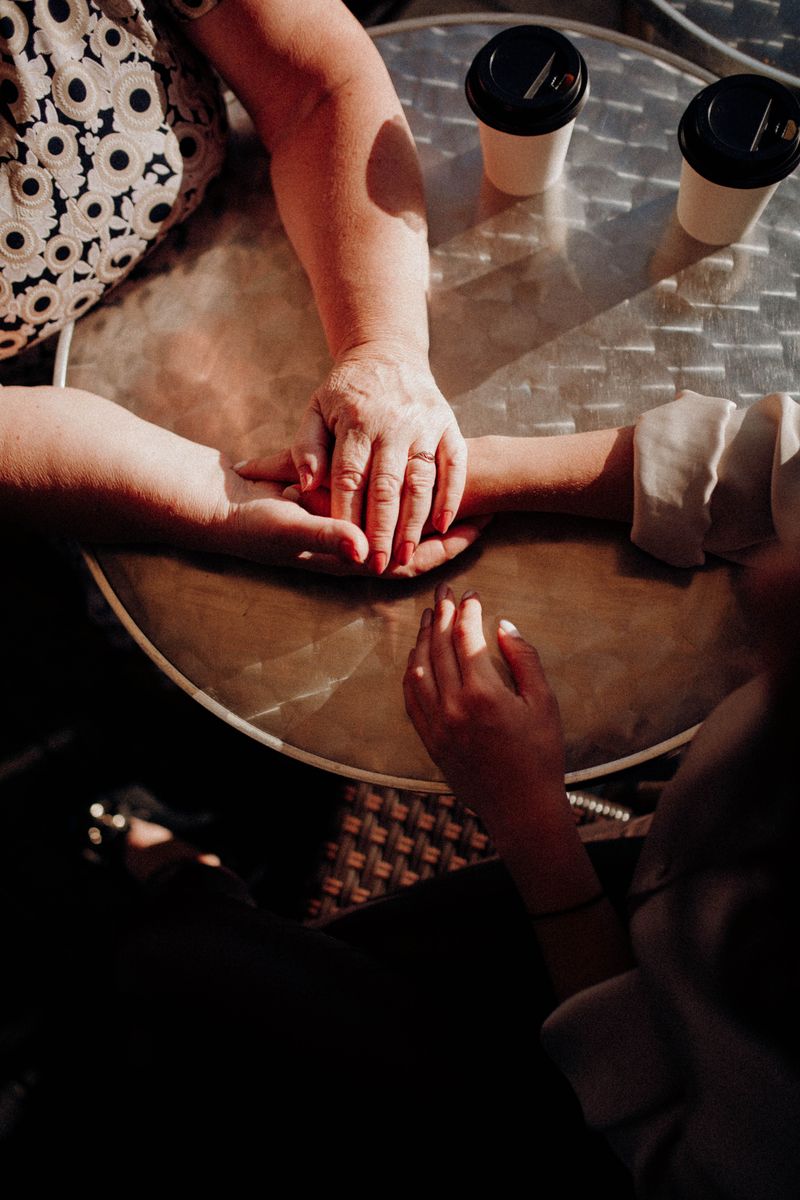
When a parent could be warm one moment and cold the next, trusting consistency in other people becomes genuinely hard.
Your brain learned that closeness can disappear without warning, so it keeps one eye on the exit, just in case.
This shows up in adult relationships as waiting for people to change, pulling away when things get too close, or feeling surprised when someone actually follows through on a promise.
You might even self-sabotage connections that are going well because the comfort feels unfamiliar.
Therapy, journaling, and open conversations with trusted people can help rewire these expectations slowly.
Not everyone operates the way your early caregivers did, and that truth is worth practicing believing.
6. Overexplaining Decisions and Actions

Ever catch yourself giving a five-minute explanation for why you chose a certain restaurant?
Overexplaining is a quiet sign that somewhere along the way, your choices were regularly questioned, criticized, or dismissed.
When you grew up expecting to be misunderstood or challenged, loading your answers with extra context felt protective.
As an adult, this habit can come across as nervous or defensive, even when you have nothing to justify.
It can also signal to others that you do not trust your own judgment.
Try practicing short, confident answers.
You are allowed to say “I just prefer it that way” and leave it there.
Building trust in your own decisions is a gradual process, but each small moment of confidence adds up.
7. Needing Control and Predictability

Structure feels like safety when your childhood lacked it.
Adults who grew up with unpredictable parents often become the ones who plan everything, struggle with last-minute changes, or feel genuine anxiety when a routine gets disrupted.
This need for control is not about being bossy.
It is about trying to create the stability that was missing early on.
The problem is that life rarely cooperates with perfectly laid plans, and the stress of unexpected changes can become overwhelming.
Building flexibility in small doses helps.
Try leaving one part of your weekend unplanned and sitting with that openness.
The more you practice tolerating small uncertainties, the less threatening bigger ones will start to feel over time.
8. Becoming Fiercely Self-Reliant

Depending on someone who was unpredictable taught you a hard lesson: relying on others can leave you stranded.
So you learned to handle things yourself.
You became capable, resourceful, and independent – qualities that serve you well in many areas of life.
The downside is that asking for help can feel almost impossible.
You might push through exhaustion, refuse support from people who genuinely want to give it, or feel like needing others is a weakness.
That belief was formed in survival mode, not in truth.
Real strength includes knowing when to lean on someone else.
Letting a trusted person help you with one small thing this week is a quiet but powerful act of healing and growth.