 MomSkoop

Some of the best life skills were never taught in a classroom or found in an app. Older generations figured out a lot of practical wisdom through everyday living, and much of it still holds up today.
From managing money to building real connections, these habits can make a big difference in your daily life. Whether you are 18 or 35, these timeless practices are worth picking up.
1. Writing Things Down by Hand
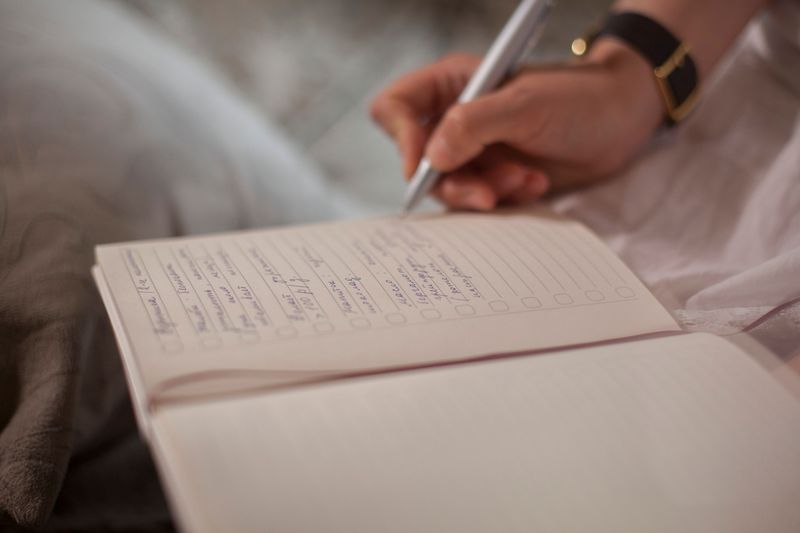
There is something powerful about putting pen to paper that no keyboard can quite replace.
Studies have shown that writing by hand helps your brain process and remember information more effectively than typing.
When you take notes by hand, you are forced to slow down and think about what matters most.
This habit is especially useful during meetings, classes, or brainstorming sessions.
Handwriting also helps with focus because it removes the temptation to multitask.
Even keeping a simple daily to-do list on paper can help you feel more organized and in control of your time.
2. Cooking Meals from Scratch
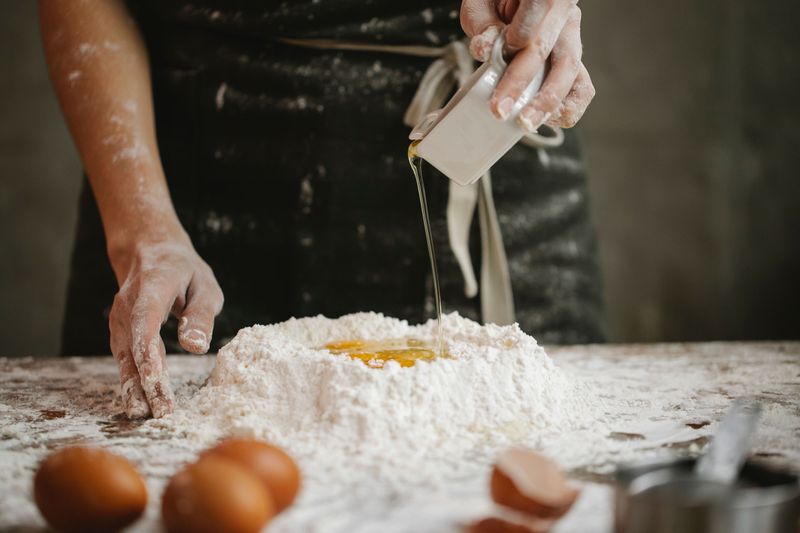
Knowing how to cook a real meal from scratch is one of those skills that pays off every single week.
Cooking at home is almost always cheaper than ordering takeout or buying pre-made meals, and you have full control over what goes into your food.
It does not take fancy techniques to get started – simple recipes are a great way to build confidence.
Beyond saving money, cooking builds patience, creativity, and a sense of accomplishment.
Sharing a home-cooked meal with friends or family also strengthens relationships in a way that restaurant dining rarely does.
Start with a few basic recipes and build from there – your wallet and your health will thank you.
3. Repairing Instead of Replacing
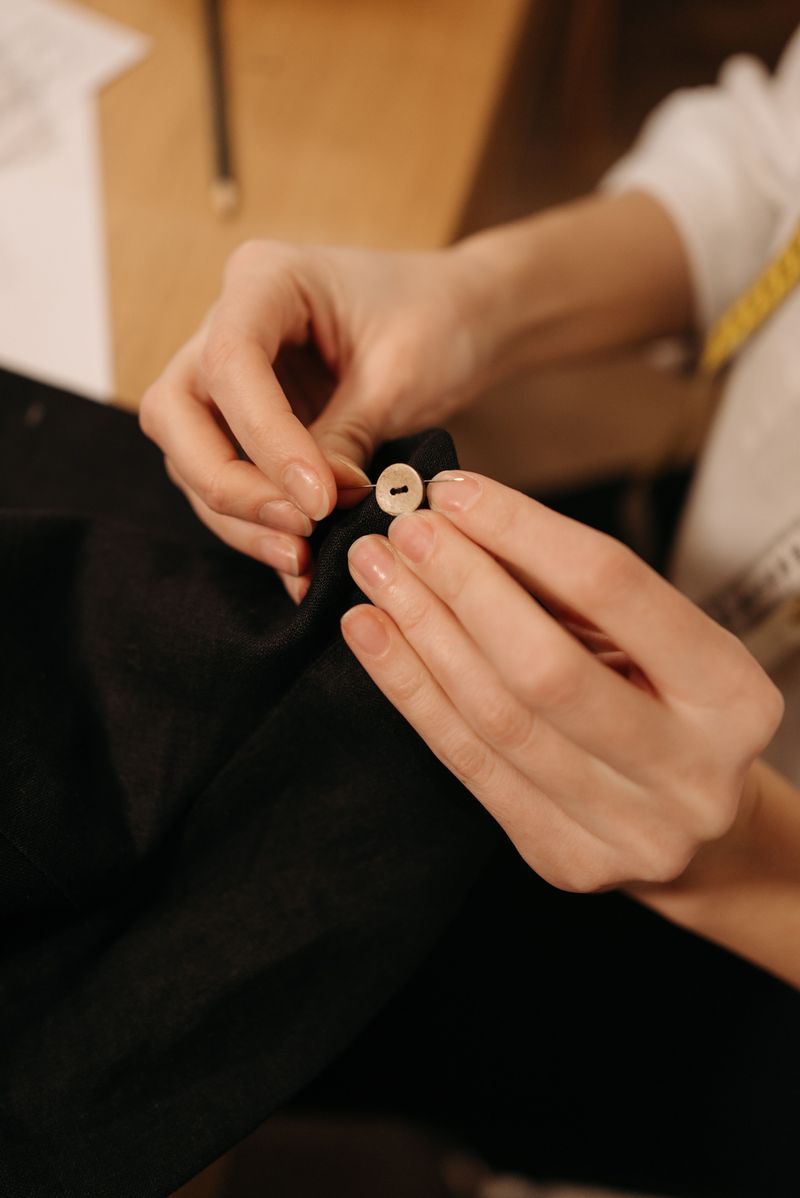
Before tossing something out, ask yourself: could this be fixed?
Older generations grew up mending clothes, patching furniture, and making things last because replacing items was not always an option.
That mindset is making a comeback, and for good reason.
Repairing things saves money and reduces waste, which is better for both your budget and the environment.
Sewing on a button, fixing a loose chair leg, or patching a hole in a bag are all skills that take very little time to learn.
There are countless free tutorials online to help beginners get started.
Choosing to repair rather than replace also builds a healthier relationship with your belongings.
4. Keeping a Household Budget

Your bank balance tells you what you have right now, but a budget tells you where your money is actually going.
Tracking income and expenses might sound boring, but it is one of the most powerful financial habits you can build.
Many people are surprised to discover how much they spend on small, forgettable purchases each month.
A simple budget does not require special software – a notebook or a basic spreadsheet works perfectly.
Set aside categories for rent, groceries, savings, and fun money so nothing catches you off guard.
Reviewing your budget regularly helps you spot patterns and make smarter choices.
Financial stress drops significantly when you know exactly where you stand.
5. Reading Regularly

Scrolling through short videos is entertaining, but it rarely leaves you with new knowledge or a sharper mind.
Regular reading – whether it is a novel, a newspaper, or a long magazine article – trains your brain to focus for longer stretches of time.
That kind of concentration is becoming increasingly rare and increasingly valuable.
Reading also builds vocabulary, improves writing skills, and expands your understanding of the world.
Non-fiction books can teach you history, science, money management, and psychology in a way that feels engaging rather than like homework.
Even 20 minutes of reading a day adds up to dozens of books per year.
Pick a topic you genuinely care about and start there.
6. Being Punctual

Showing up on time is one of the simplest ways to show someone that you respect their time.
In a world where being late has become almost normalized, punctuality stands out in the best possible way.
Employers, professors, and friends all notice when someone consistently arrives when they say they will.
Being punctual also reduces your own stress.
Rushing out the door in a panic or scrambling to make up excuses takes more energy than simply planning ahead.
Build in a buffer of 10 to 15 minutes for any appointment or commitment and notice how much calmer your mornings feel.
Reliability is a reputation that takes time to build but can be lost very quickly.
7. Saving Before Buying

Buying something before you can truly afford it often means paying more in the long run through interest and fees.
The old-fashioned habit of saving up for something first might feel slow, but it keeps you out of debt and helps you make more thoughtful purchasing decisions.
Waiting also gives you time to decide if you really want the item at all.
Try setting up a separate savings account for specific goals, whether that is a new laptop, a vacation, or a car.
Watching the balance grow toward your target is surprisingly motivating.
This habit also builds financial discipline that carries over into every area of your life, making big goals feel more achievable over time.
8. Knowing Your Neighbors

Most people today can name every character in their favorite TV show but not the person living next door.
Knowing your neighbors might sound old-fashioned, but it creates a genuine safety net that no app can replicate.
A neighbor who knows your routine can notice when something seems off and look out for you.
Local relationships also make everyday life easier and more enjoyable.
Neighbors can share tools, watch packages, water plants, or simply offer a friendly face after a tough day.
Community connection has been linked to lower rates of stress, loneliness, and anxiety.
A simple wave, a quick introduction, or helping someone carry groceries can be the start of a relationship that genuinely matters.
9. Having Screen-Free Conversations

Putting your phone away during a conversation is a small act that sends a big message: this person matters to me right now.
Full attention is becoming rare, and people genuinely feel the difference when someone is truly present rather than half-distracted by notifications.
Eye contact and active listening build trust faster than almost anything else.
Screen-free conversations also tend to go deeper.
Without the temptation to look things up or share memes mid-sentence, the dialogue naturally becomes more personal and meaningful.
Try making it a rule at meals or during one-on-one time with friends and family.
You might be surprised how much more connected you feel after just a few days of practicing this habit.
10. Keeping Practical Skills Sharp
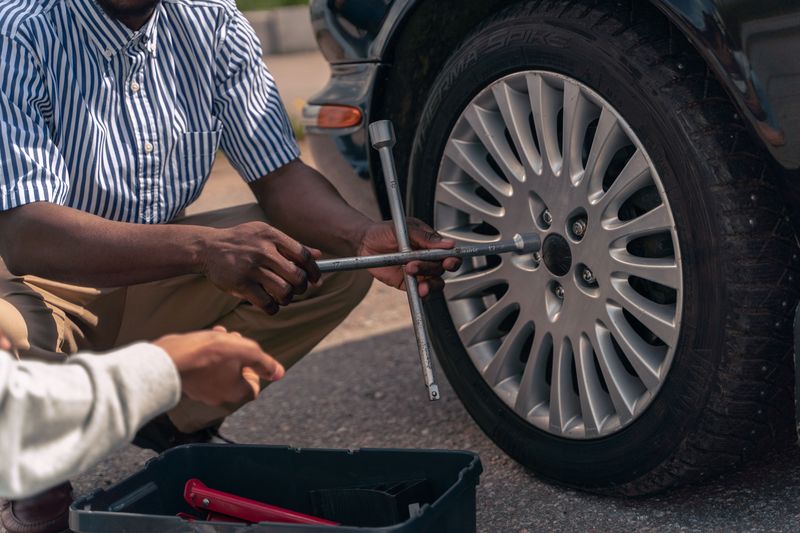
Knowing how to change a tire, sew on a button, unclog a drain, or plant a small garden used to be considered basic life knowledge.
Somewhere along the way, these skills became optional, and many younger people have never had the chance to learn them.
That gap can be surprisingly costly when something breaks and there is no one to call.
Practical skills build confidence and independence in a way that is hard to get anywhere else.
They also save real money.
A basic home repair that costs a professional hundreds of dollars might take you 30 minutes and a few dollars in supplies.
Start small – YouTube tutorials make it easier than ever to learn hands-on skills from the comfort of home.
11. Sending Thoughtful Handwritten Notes
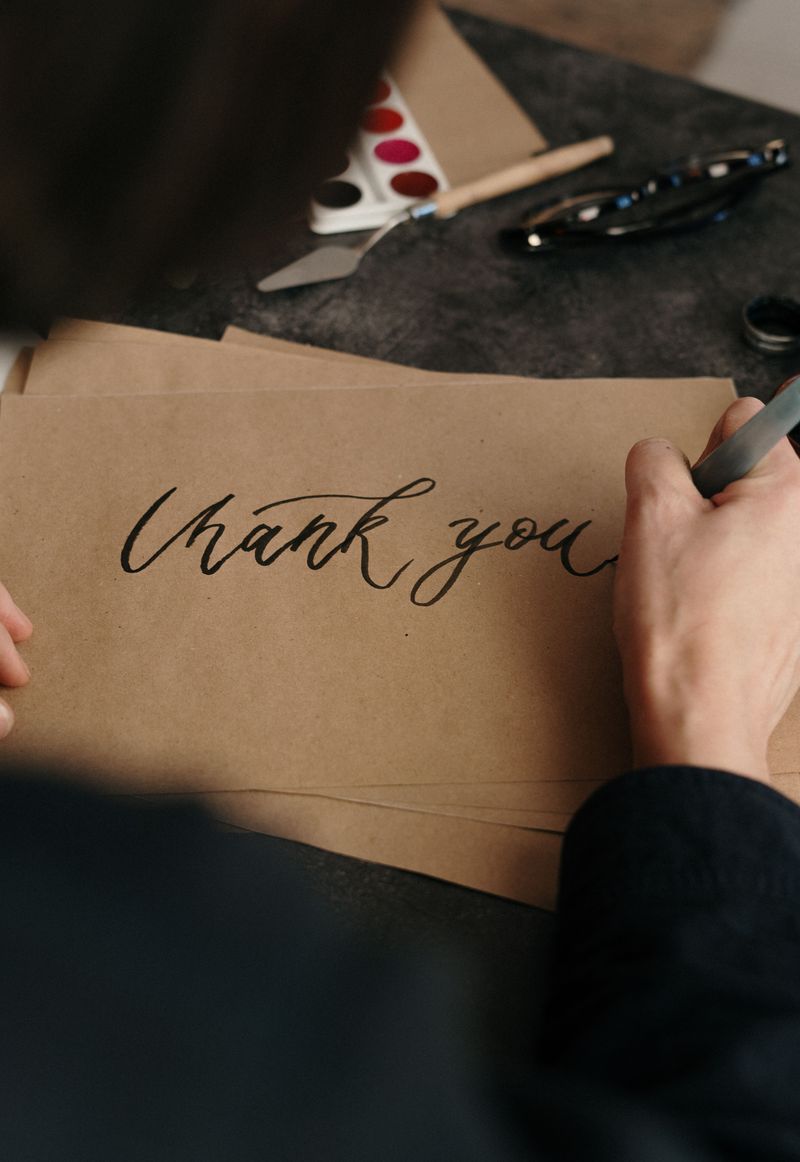
In the age of instant messaging, a handwritten note arrives like a small gift.
It takes more effort than sending a text, and that effort is exactly what makes it meaningful.
A birthday card written by hand, a thank-you note after an interview, or a letter to a friend going through a hard time carries a warmth that a digital message rarely matches.
Sending notes also encourages you to slow down and think about what you actually want to say.
There is no autocorrect or emoji to lean on – just your own words.
People tend to keep handwritten notes for years, sometimes decades.
That kind of lasting impression is worth the five minutes it takes to write one out properly.
12. Taking Care of Your Possessions

The things you own last a lot longer when you actually take care of them.
Cleaning your shoes regularly, storing clothes properly, maintaining your bike, and keeping electronics free of dust are all small habits that prevent big replacement costs down the road.
Older generations often made items last for decades simply by treating them with care.
Taking care of your possessions also shifts your mindset.
When you invest time in maintaining something, you tend to value it more and think twice before replacing it on a whim.
This habit pairs well with buying quality over quantity – fewer, better things that are well maintained will serve you far longer than a constant cycle of cheap replacements.
Start with one category and build from there.