 MomSkoop

Friendships are one of the most important parts of life, but sometimes they shift in ways that are hard to explain. You might notice small changes that leave you feeling confused or even a little sad.
Recognizing these shifts early can help you decide whether to work on the friendship or give each other some space. Here are 12 signs that a friendship may be changing.
1. You talk less often than you used to

Remember when you and your friend used to text constantly or talk for hours?
If those conversations have become rare, it might mean something has shifted.
It does not always mean something is wrong, but a noticeable drop in communication is worth paying attention to.
Life gets busy, and people change over time.
However, when the silence stretches on for weeks without either of you trying to reconnect, it can signal that the friendship is cooling off.
Check in with yourself and ask whether the quiet feels comfortable or uncomfortable.
If it feels uncomfortable, reaching out with a simple message can open the door again.
Sometimes all it takes is one honest conversation to get things back on track.
2. Conversations feel more forced or surface-level

There is a certain ease that comes with a close friendship.
You can talk about anything without overthinking it.
When conversations start to feel like a job interview rather than a catch-up, that ease has likely faded.
Forced small talk about the weather or school schedules, when you used to share your deepest thoughts, is a clear shift.
It can feel awkward to admit, but surface-level chats are a sign that the emotional connection may be weakening between you two.
Before assuming the worst, consider whether something stressful is happening in their life.
Sometimes people pull back temporarily.
A gentle, open-ended question like “How are you really doing?” can break through the surface and restart real conversation.
3. One person is always the one reaching out

Friendships work best when both people put in effort.
If you have started to notice that you are always the one texting first, calling first, or suggesting plans, the balance has tilted.
A one-sided effort can feel exhausting and discouraging over time.
It is natural to go through phases where one friend is busier than the other.
But when this becomes the permanent pattern, it often means the other person is not prioritizing the friendship in the same way you are.
That realization can sting.
Try pulling back for a week or two and see if your friend reaches out on their own.
The result will tell you a lot about where things really stand between you both right now.
4. Plans keep getting canceled without effort to reschedule

Canceling plans happens to everyone once in a while.
Life is unpredictable, and sometimes things come up.
But when cancellations become a regular pattern, and your friend does not even try to reschedule, that says something important about their priorities.
It is the lack of effort to reschedule that really matters here.
A friend who genuinely values your time will feel bad about canceling and will quickly suggest another day.
When that follow-up never comes, the message is hard to ignore.
Bring it up calmly instead of letting resentment build.
You could say something like, “I feel like we keep missing each other.
Can we plan something solid soon?” Honest communication often clears up what silence only makes worse over time.
5. Sharing personal things with each other has stopped

One of the best parts of a close friendship is having someone you can tell anything to.
When that openness disappears, the friendship can start to feel hollow.
If you have noticed that you no longer share your worries, wins, or random thoughts with each other, something has changed.
Sometimes people stop sharing because they fear judgment or because they no longer feel emotionally safe with that person.
Other times, they simply grow apart and find new people to confide in.
Neither reason makes it easy to accept.
Reflect on why you stopped sharing.
Was there a moment that made you feel unheard or judged?
Understanding the root cause can help you decide whether to rebuild that trust or accept that the friendship has naturally evolved into something more casual.
6. Emotional support has become one-sided
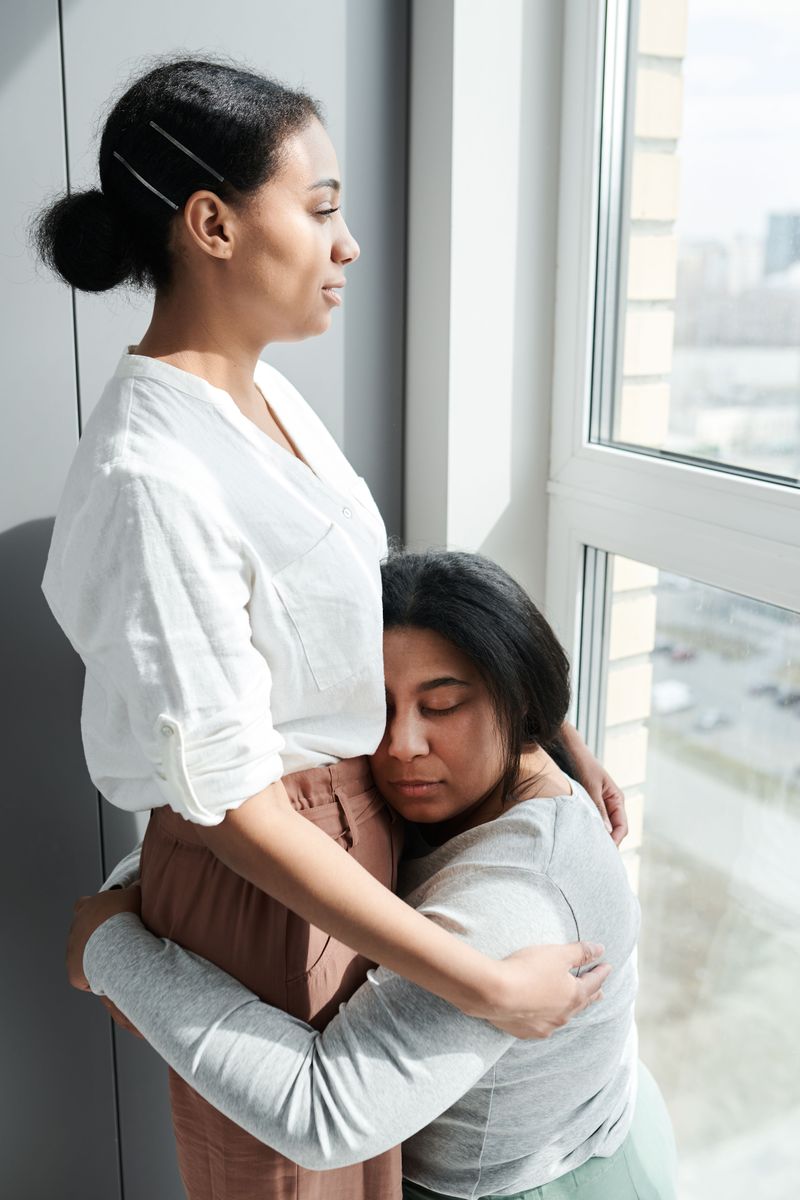
Good friendships are built on mutual support.
You show up for each other during hard times, celebrate wins together, and listen without judgment.
When only one person is doing all of that, the friendship becomes draining instead of uplifting.
Feeling like a therapist to someone who never checks in on you is a real sign of imbalance.
Over time, this one-sided dynamic can breed quiet resentment, even if you genuinely care about the other person and want to help them.
Healthy friendships require give and take.
If your friend rarely asks how you are doing or brushes past your struggles, try gently expressing how you feel.
A true friend will want to hear that and make an effort to show up better for you.
7. Spending time together leaves you feeling drained

Hanging out with a good friend should leave you feeling recharged, not worn out.
If you find yourself counting down the minutes until you can go home, or feeling exhausted after every meetup, pay attention to that feeling.
Your emotions are giving you useful information.
Feeling drained can happen when conversations are mostly negative, when you feel like you have to perform or pretend, or when the dynamic feels unequal.
None of those things make for a fun or fulfilling hangout.
Ask yourself what specifically makes you feel tired after seeing this friend.
Is it the topics you talk about?
The energy they bring?
Or the way you feel around them?
Pinpointing the cause can help you figure out your next step with honesty and clarity.
8. Small things are starting to cause more irritation or tension

Every friendship has small annoyances.
Nobody is perfect, and quirks that once seemed cute can start to feel grating over time.
But when minor things are suddenly sparking real arguments or lingering tension, that is a sign worth taking seriously.
Increased irritation often signals that there is something bigger going on underneath the surface.
Unspoken frustrations, unmet expectations, or a growing sense of disconnection can all show up as snapping over small things.
The little stuff becomes a release valve for bigger feelings.
Rather than letting tension simmer, try addressing what is really bothering you.
Calmly saying “I feel like we have been a little off lately” opens the door for a real conversation.
Clearing the air early prevents small cracks from turning into bigger breaks in the relationship.
9. You are growing in different directions with fewer shared interests

People grow and change, and that is completely normal.
But when two friends start heading in very different directions, it can create a quiet gap between them.
The things you once bonded over may no longer hold the same meaning for both of you.
Maybe you have developed new passions, new friend groups, or new goals that your old friend does not relate to.
That does not make either of you wrong.
It simply means you are evolving, and sometimes friendships evolve too, or quietly fade.
Growing apart does not have to be dramatic or painful.
Some friendships shift into something more casual and that is okay.
The key is being honest with yourself about whether you still genuinely enjoy each other’s company or are simply holding on out of habit.
10. You feel left out of important parts of their life

Finding out that your friend went to a party, made a big decision, or shared exciting news with everyone except you is a painful experience.
Feeling excluded from important moments is a strong signal that your place in their life may have shifted.
Close friends make each other feel included and valued.
When you are consistently the last to know things, or not included at all, it suggests that your friend may not see you as a priority in the same way anymore.
That realization hurts, and it is okay to acknowledge that.
Before pulling away, consider having an honest conversation.
Sometimes people do not realize they have been leaving someone out.
Expressing how you feel, without blame, gives your friend the chance to make things right if they truly care about keeping you close.
11. The friendship feels like an obligation rather than something you enjoy
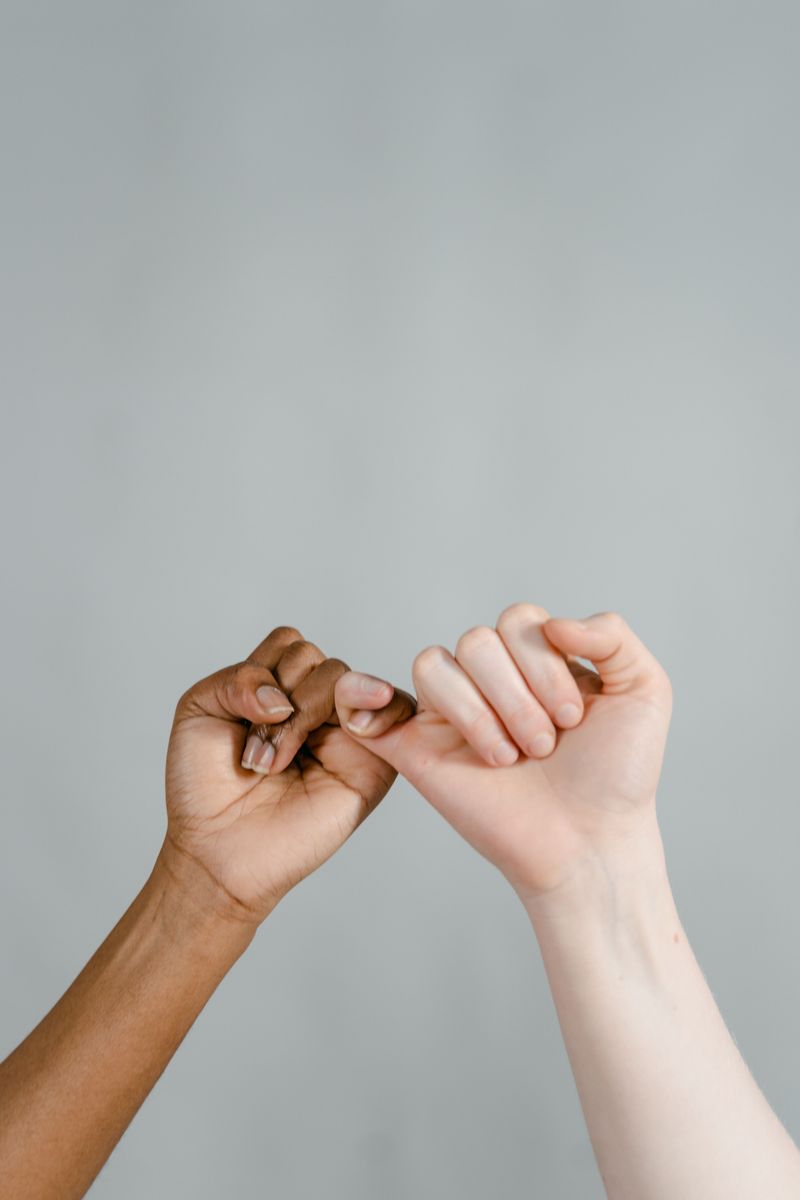
There is a big difference between wanting to see someone and feeling like you have to.
When hanging out with a friend starts to feel like a chore you have to check off your list, the joy has slipped out of the relationship somewhere along the way.
Friendships should feel like something you choose, not something you are stuck with.
If you are making excuses to avoid plans, or dreading the time you spend together, that is worth reflecting on.
Guilt and loyalty can keep people in friendships long past their natural expiration point.
Honest self-reflection matters here.
Ask yourself whether you are staying because you genuinely value this person or simply because you feel bad about letting go.
Both answers are valid, but only one of them is a good reason to keep investing your time and energy.
12. Emotional distance creeps in even when you are together

Physical presence does not always equal emotional connection.
You can be sitting right next to someone and still feel miles away from them.
When that distant feeling shows up regularly, even during time spent together, the friendship has likely shifted in a meaningful way.
This kind of emotional gap is sometimes harder to name than other signs because it is subtle.
You might laugh at the same things and have a fine time, but something feels missing.
That intangible sense of closeness that once made the friendship feel special is no longer there.
Acknowledge the feeling rather than brushing it aside.
Sometimes naming it out loud to your friend, in a kind and open way, can bring you closer again.
Other times it confirms what you already suspected: the friendship has quietly moved into a new chapter.