 MomSkoop
Some of the most powerful stories in anime belong to characters who never hold the main spotlight. Supporting characters can carry entire emotional journeys, from revenge and guilt to friendship and self-discovery.
The fourteen characters on this list each have arcs rich enough to anchor their own series. Once you notice how deep their stories run, it becomes hard to look at them as anything less than protagonists.
1. Killua Zoldyck – Hunter x Hunter
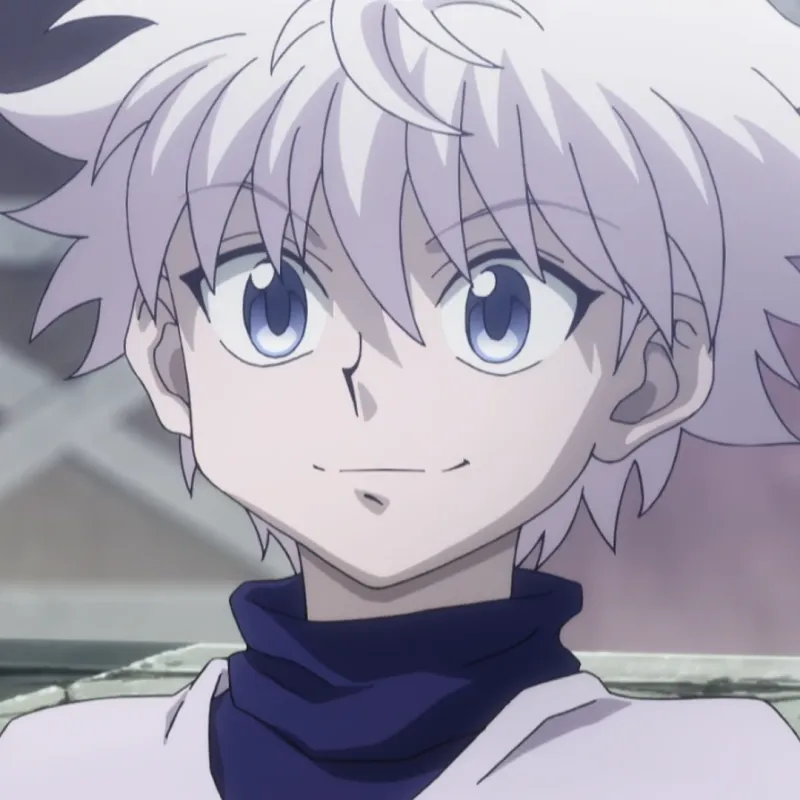
Born into a family of elite assassins, Killua never had a chance to choose who he was.
From childhood, pain, isolation, and killing were his entire world.
His mind was literally conditioned to flee when he faced someone stronger, a psychological chain that held him back for much of the story.
What makes his arc so powerful is watching him slowly break free from that conditioning.
His friendship with Gon becomes the first real thing he has ever chosen for himself.
He learns what it means to care, to protect someone, and to define himself outside of his family’s expectations.
By the end, Killua walks away not as an assassin, but as someone who finally knows what love and loyalty feel like.
2. Reigen Arataka – Mob Psycho 100
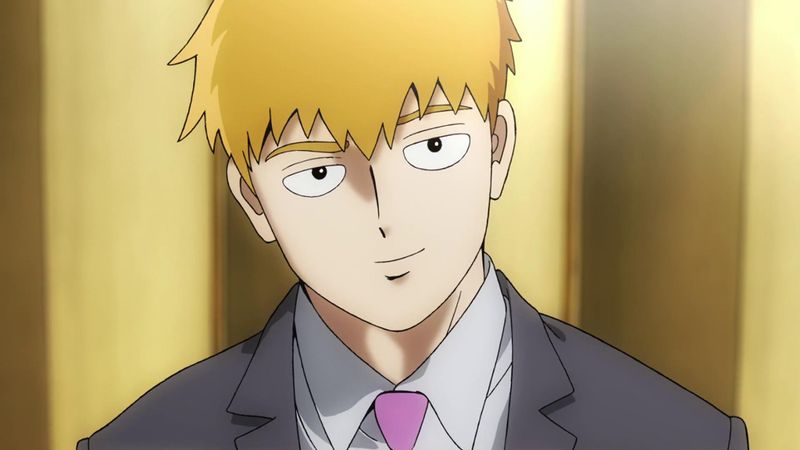
Reigen Arataka is a fraud running a psychic consultation business, and he knows it.
Yet somehow, he becomes one of the most emotionally intelligent characters in all of anime.
His confidence is a performance, but underneath it lies a man genuinely struggling with his own purpose and worth.
His relationship with Mob is complicated in the best way.
He relies on the kid more than he admits, and when that dynamic cracks, his insecurity spills out in ways that feel painfully real.
Watching him confront his own shortcomings without superpowers or special gifts is oddly moving.
Reigen earns his growth the hard way, through honesty, humility, and choosing to do better when it would have been easier to keep pretending.
3. Vegeta – Dragon Ball Z
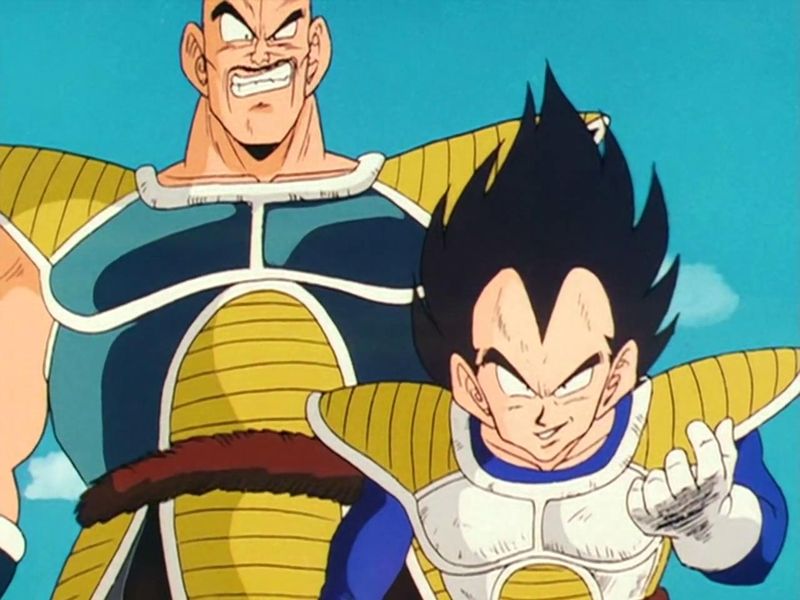
Few character arcs in anime history cover as much ground as Vegeta’s.
He arrives as a cold-blooded killer, a prince who believes his bloodline makes him superior to everyone around him.
His pride is not just personality, it is armor he cannot imagine living without.
Decade by decade, that armor cracks.
Humiliation, rivalry with Goku, building a family, and eventually sacrificing himself for a planet he once tried to destroy all reshape who he is.
His love for Bulma and Trunks sneaks up on him, and on the audience, in the most honest way.
Vegeta never fully loses his edge, and that is what makes his growth so satisfying.
He becomes better without ever pretending his past did not happen.
4. Roy Mustang – Fullmetal Alchemist Brotherhood
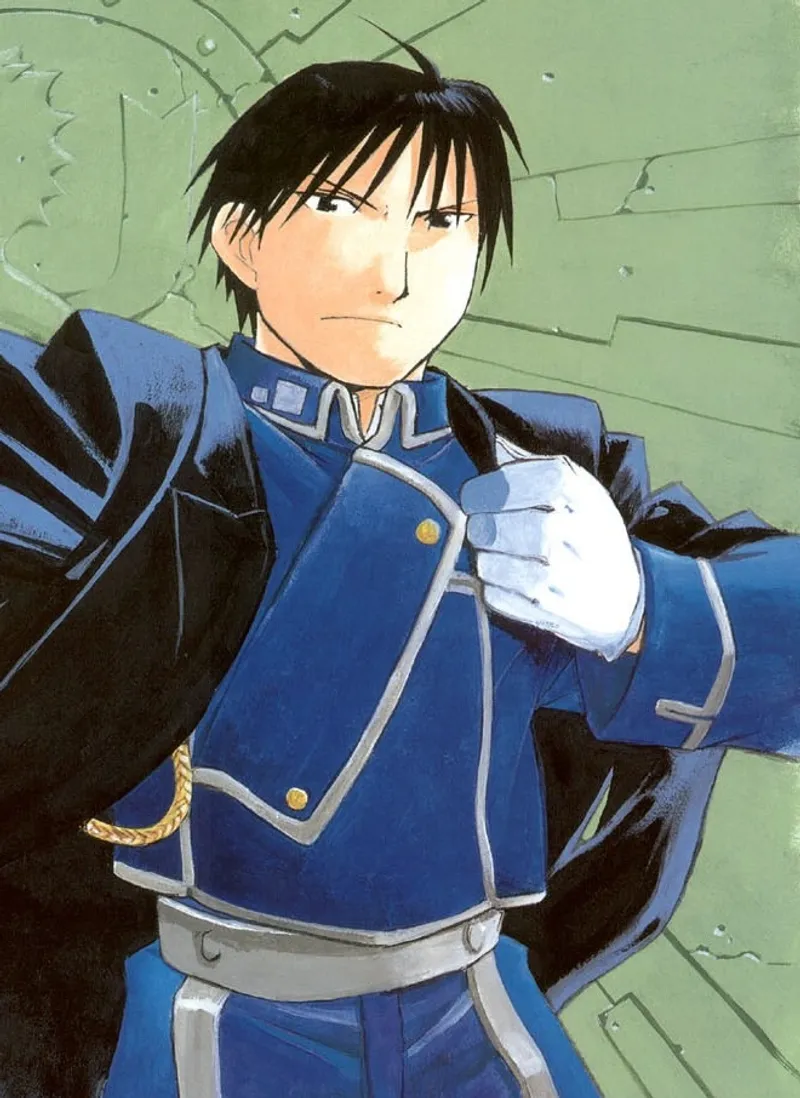
Roy Mustang wants to become Führer, and the show never lets that ambition feel simple.
Behind his sharp wit and commanding presence is a man haunted by the Ishval massacre, a war crime he participated in following orders he now despises.
That guilt quietly drives everything he does.
His path toward political reform is tangled with grief, loyalty, and a need for revenge that nearly destroys him.
The people under his command are not just soldiers to him, they are the reason he keeps pushing forward.
What separates Mustang from a typical ambitious character is that he holds himself accountable.
He does not want power for its own sake.
He wants it because he believes he owes the world something better than what came before.
5. Kakashi Hatake – Naruto
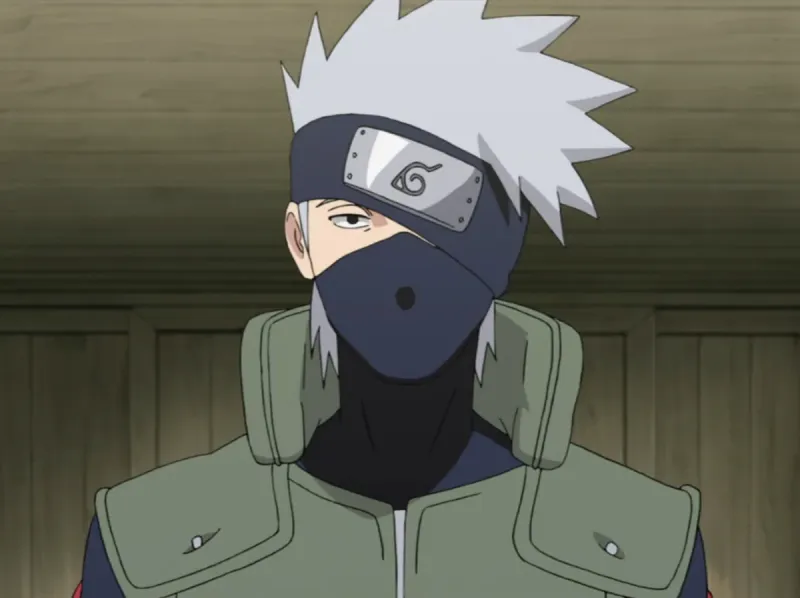
Before Kakashi ever became anyone’s teacher, his life had already been packed with more tragedy than most protagonists face in an entire series.
His father’s death, losing Obito, watching Rin die, and surviving the brutal ANBU years all left marks that shaped how he leads and how he loves.
He teaches Naruto, Sasuke, and Sakura while quietly carrying wounds none of them fully understand.
His detached humor and famous tardiness are not quirks, they are coping mechanisms worn smooth over years of grief.
Eventually becoming Hokage feels less like a reward and more like a full circle.
Kakashi’s arc is a reminder that the strongest people are often the ones who have lost the most and still chose to show up.
6. Askeladd – Vinland Saga
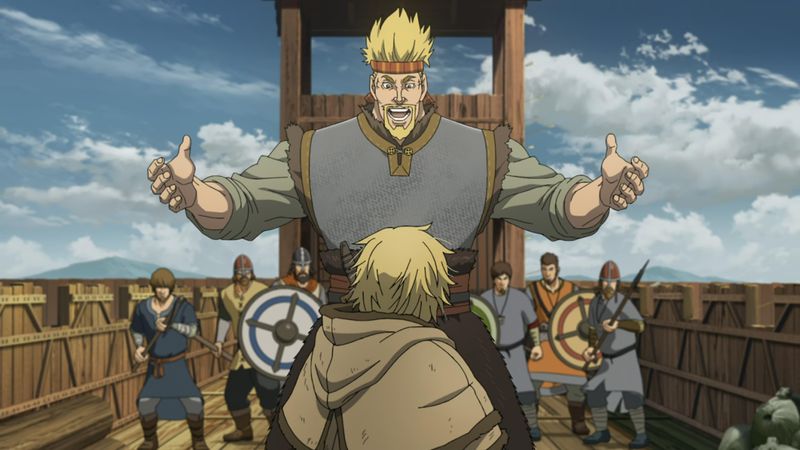
Askeladd is the kind of character who makes you question everything you thought you understood about villainy.
He is cruel, manipulative, and responsible for tremendous suffering, including acts that haunt young Thorfinn throughout the series.
Yet his reasoning is never shallow.
His Welsh heritage and bitter hatred of the Danes are not backstory details.
They are the engine of his entire existence.
Every political move, every calculated cruelty, connects back to a man trying to protect something he was never sure could survive.
His final decisions, made in full knowledge of the cost, reframe everything that came before.
Askeladd burns out rather than fades, and in doing so, he delivers one of anime’s most genuinely shocking and emotionally complex exits.
7. Levi Ackerman – Attack on Titan
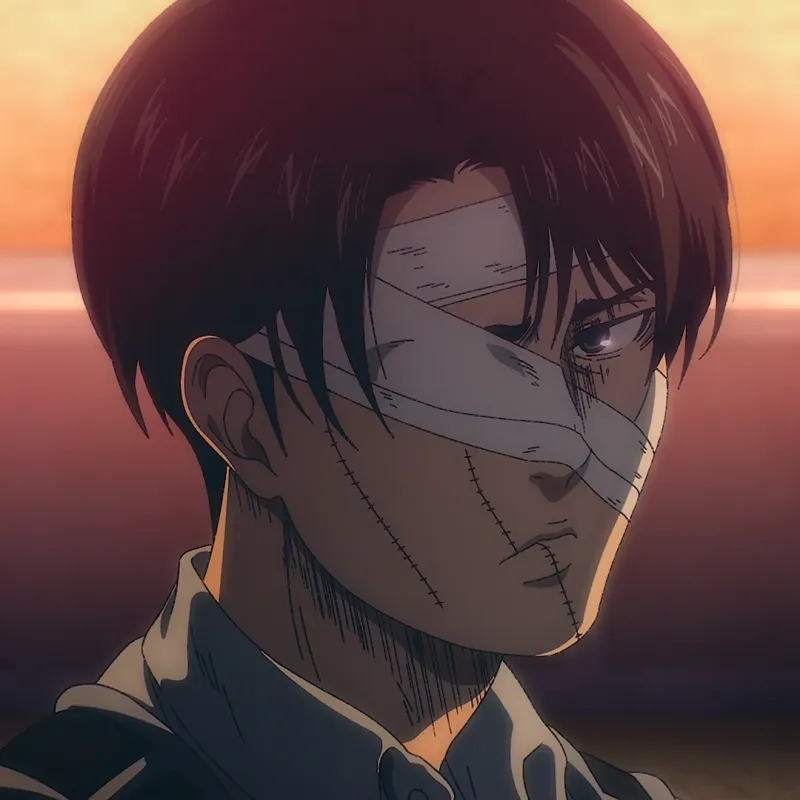
Growing up in the underground slums of Wall Sina gave Levi a worldview built on survival, not idealism.
He learned early that the world does not reward kindness, and he carried that lesson into every fight and every command decision he ever made.
What makes his arc quietly devastating is how much he loses while still choosing to keep going.
Erwin, Isabel, Farlan, and squad after squad of people he trained and cared for in his own difficult way.
Levi does not grieve loudly, but the weight accumulates visibly.
His struggle between personal attachment and ruthless duty never resolves cleanly, and that is the point.
He is not a hero who wins.
He is a soldier who endures, and that distinction carries its own kind of power.
8. Megumi Fushiguro – Jujutsu Kaisen
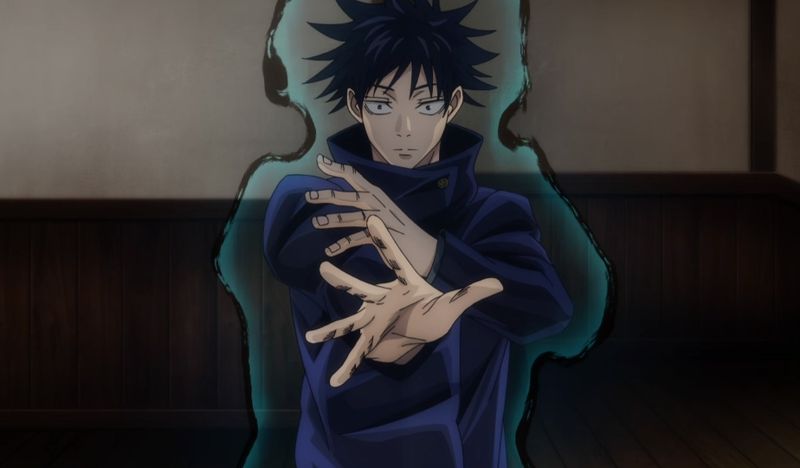
Megumi operates on a moral logic that most shonen heroes would reject outright.
He does not fight to save everyone.
He fights to save the people he has decided are worth saving, and he is surprisingly unapologetic about that distinction.
It makes him fascinating to watch.
His connection to the Zenin clan and the burden surrounding his sister Tsumiki add layers that the story has only begun to fully unpack.
There is a version of Megumi’s story that ends very badly, and the series seems aware of that possibility in a way that creates genuine tension.
His raw potential as a sorcerer is constantly mentioned but rarely fully unleashed.
That restraint makes every moment he does cut loose feel earned and electrifying in a way few characters manage.
9. Bruno Bucciarati – JoJo’s Bizarre Adventure Golden Wind
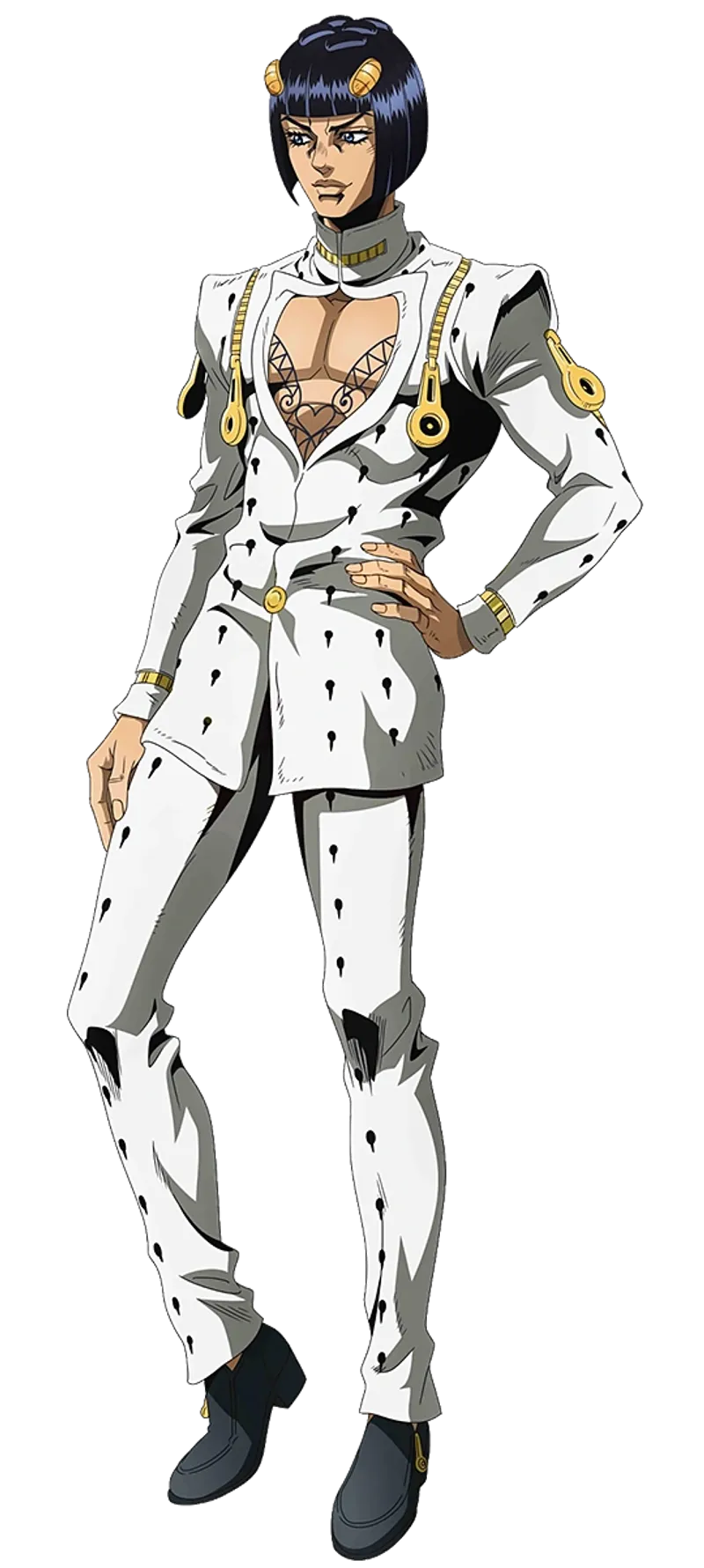
Bruno Bucciarati is technically Giorno’s ally, but in practice he functions as a co-protagonist for much of Golden Wind.
His moral compass operates in the grey zone of organized crime, but it never wavers on the things that matter most to him: protecting his team and doing what is right.
His revolt against Passione’s leadership is not impulsive.
It comes from a place of deep conviction, and he commits to it even after learning what it will cost him personally.
The fact that he keeps fighting despite knowing his own situation is one of Part 5’s most quietly heartbreaking elements.
Bruno’s loyalty inspires everyone around him.
He leads not through power alone, but through the kind of integrity that makes people willing to follow someone into genuinely impossible situations.
10. Yuno – Black Clover
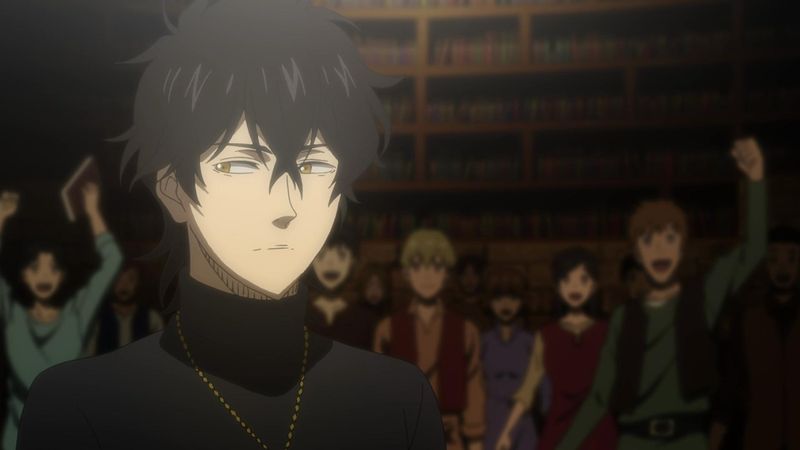
Yuno and Asta grew up as orphans together, and their rivalry forms the backbone of Black Clover’s emotional core.
But Yuno’s story is more than just being the talented counterpart to Asta’s underdog hustle.
His path carries its own weight and its own secrets.
Discovering his royal heritage reframes everything about who he thought he was and where he came from.
That revelation does not simplify his story, it complicates it in ways that force him to decide what his identity actually means beyond bloodline and raw power.
His steady, almost serene confidence is not arrogance.
It is the focus of someone who made a promise and intends to keep it.
Yuno’s arc could stand alone as a study in quiet, determined ambition meeting unexpected truth.
11. Kurapika – Hunter x Hunter
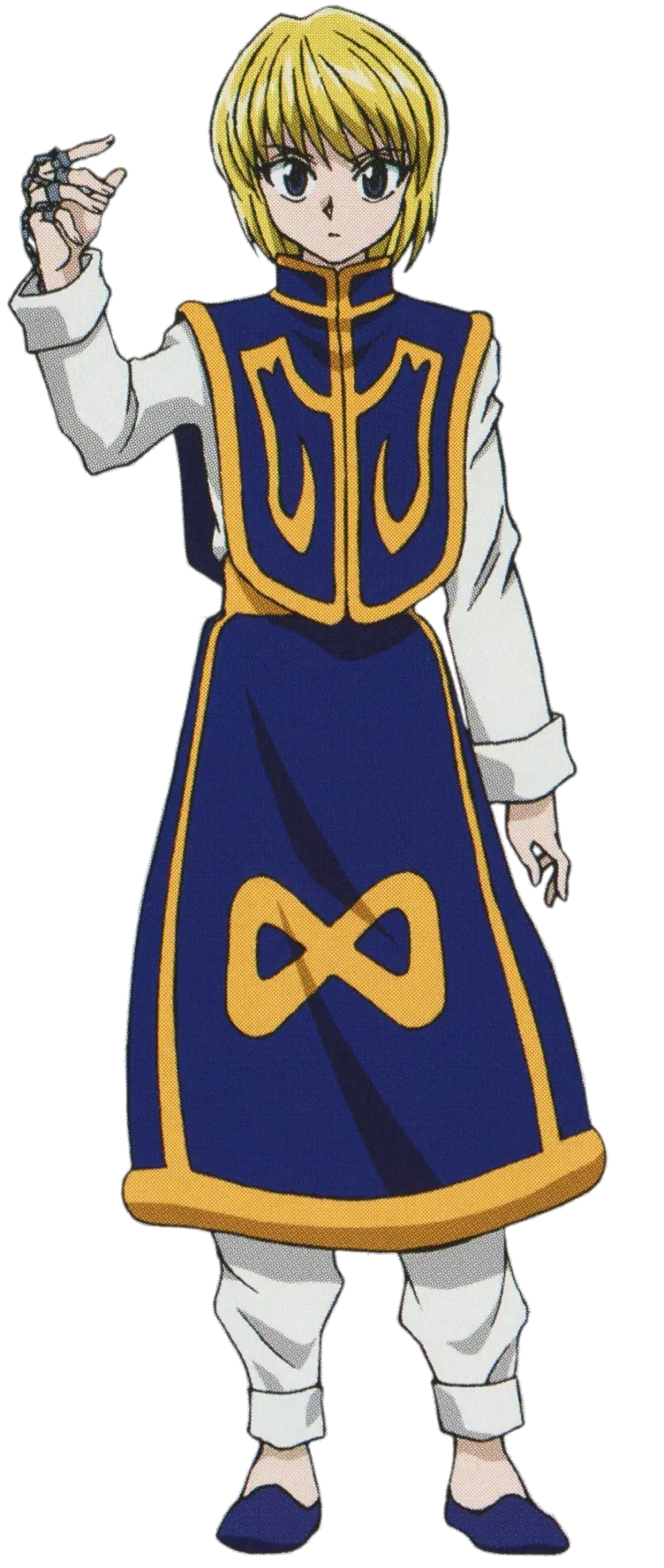
Kurapika’s story is soaked in grief from the very beginning.
His entire clan was slaughtered for their rare scarlet eyes, and he carries that loss as both motivation and curse.
When the narrative shifts to follow him, the tone of the entire series changes with it.
His pursuit of the Phantom Troupe is not just revenge, it is an obsession that isolates him from everyone who might care about him.
He is aware of this, which makes it sadder rather than less compelling.
He chooses the path that costs him the most because he cannot imagine choosing otherwise.
Kurapika functions as a darker mirror to Gon’s brightness.
His arc asks hard questions about whether revenge can coexist with humanity, and it refuses to offer easy answers.
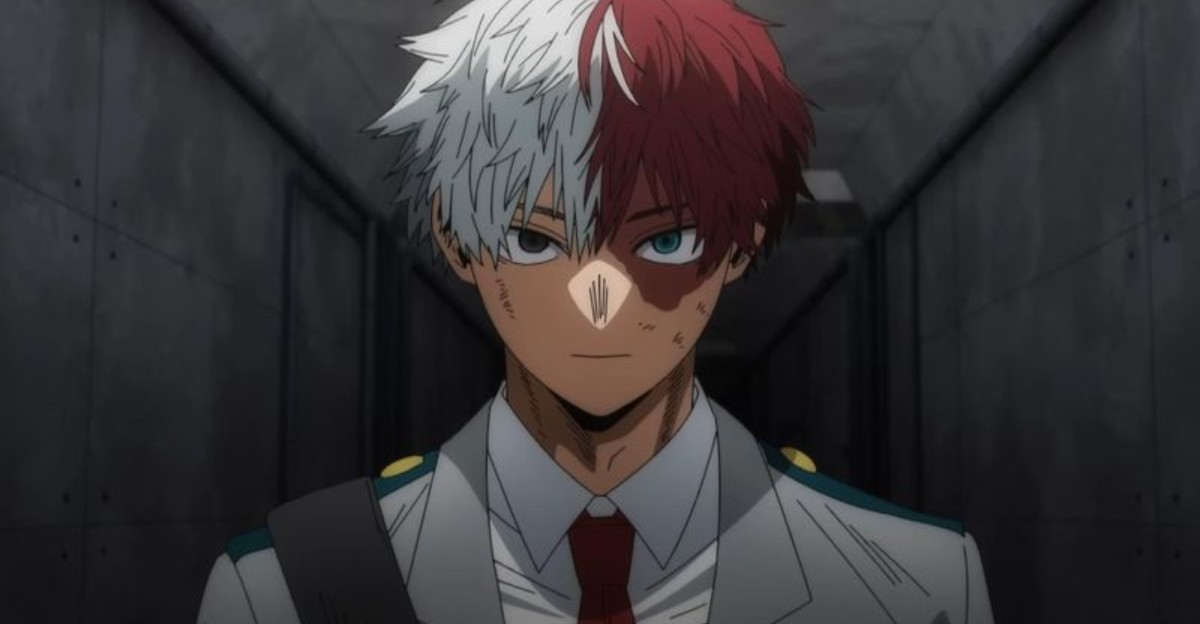
12. Shoto Todoroki – My Hero Academia
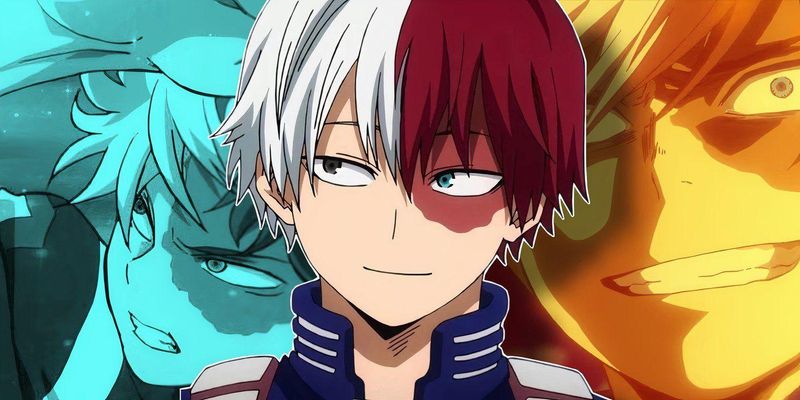
Half his hair is red from his father’s fire quirk, and half is white from his mother’s ice.
For most of his life, Shoto refused to use the red side at all.
That refusal was not stubbornness, it was a silent protest against a father who treated him more like a project than a person.
Endeavor’s ambition poisoned Shoto’s childhood and fractured his family.
Watching Shoto gradually separate his identity from both the trauma and the expectation is one of My Hero Academia’s most carefully developed emotional threads.
His turning point during the Sports Festival, choosing to use his full power on his own terms, is one of the series’ defining moments.
He does not forgive easily or quickly, and that restraint makes every step of his growth feel honest.
13. Kyo Sohma – Fruits Basket
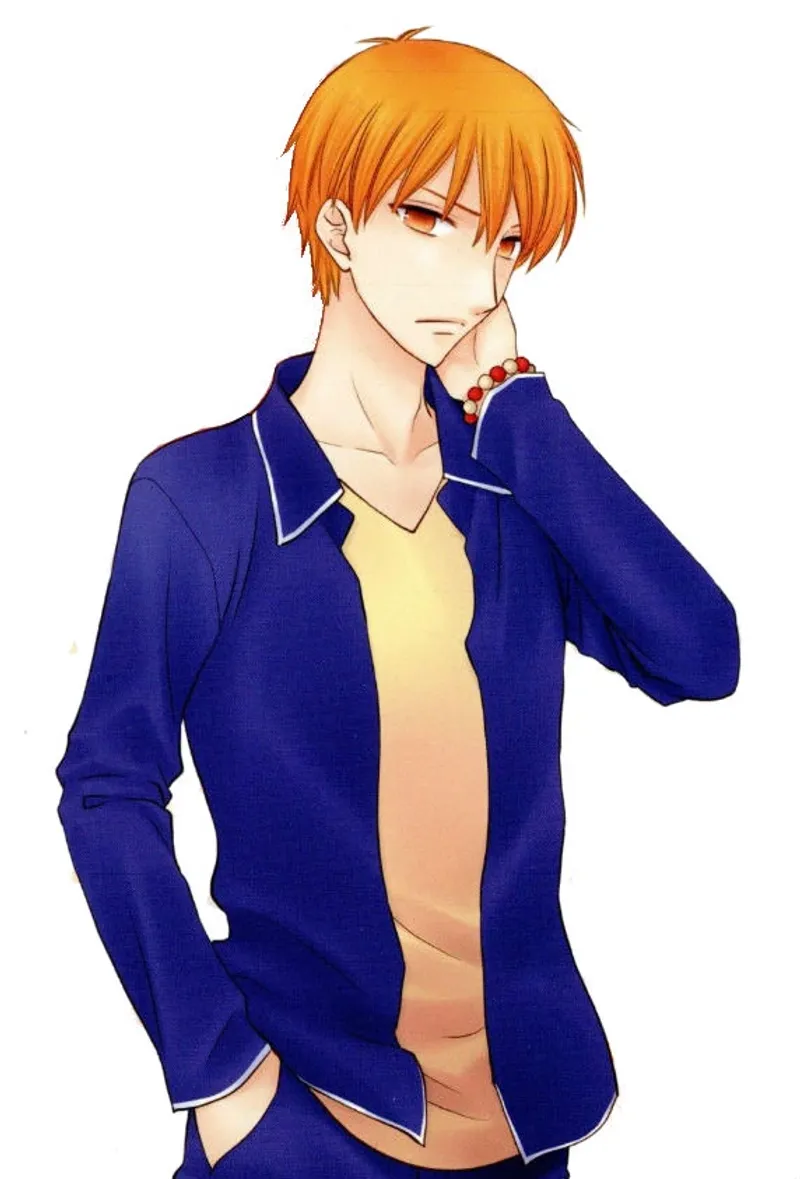
At first, Kyo just seems like the hot-headed rival who can never beat Yuki no matter how hard he tries.
That rivalry is real, but it is covering something much more painful underneath.
Kyo carries guilt that was placed on him before he was old enough to understand it.
As the Cat of the Zodiac, he was born into rejection.
The Sohma family’s curse made him an outcast by design, and that isolation shaped every wall he built around himself.
Accepting love feels dangerous to someone who has been told he does not deserve it.
Tohru’s steady, unconditional warmth is what slowly dismantles those walls.
Kyo’s arc is ultimately about learning that being loved is not a trick, and that letting someone in does not have to mean getting hurt.
14. Ishigami Yu – Kaguya-sama Love Is War
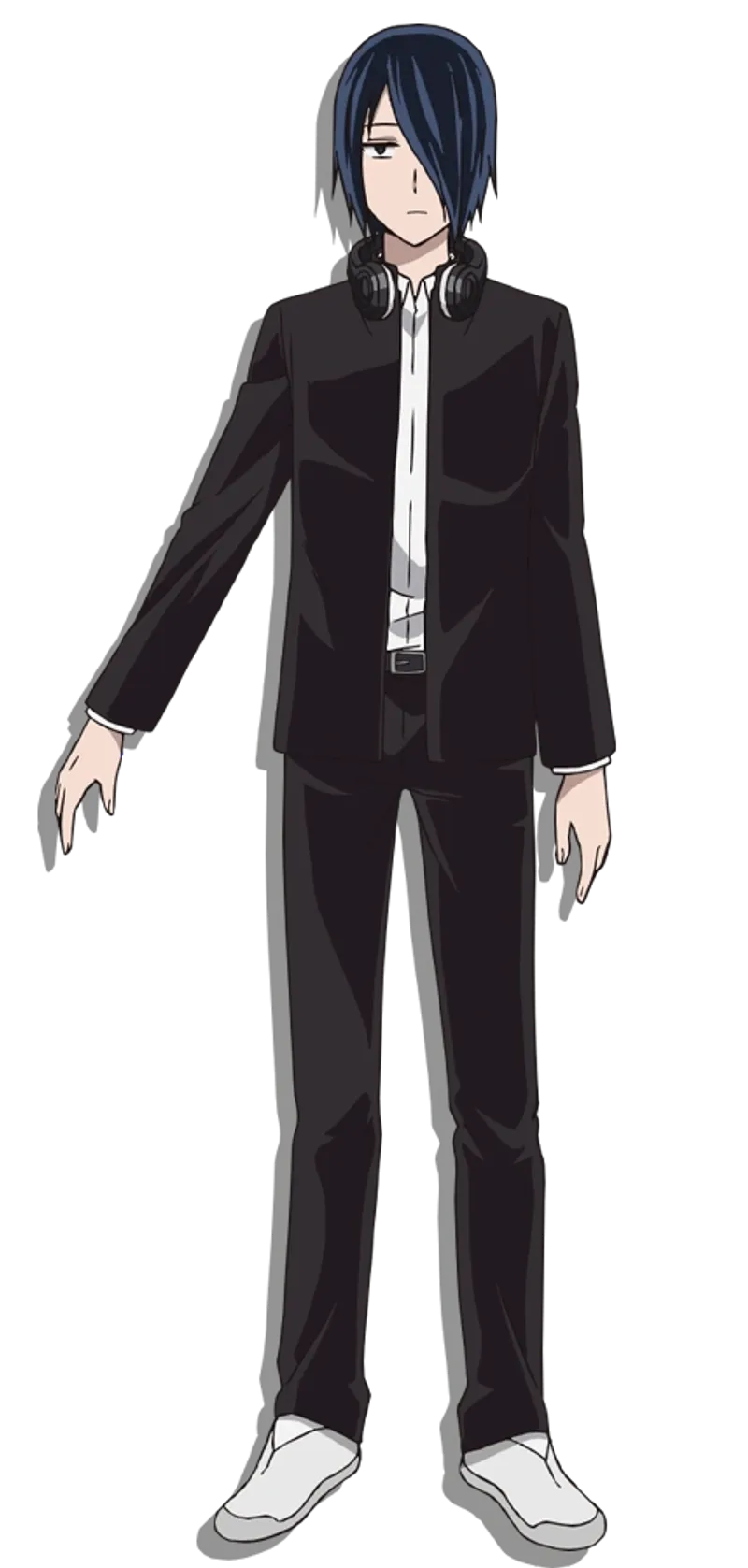
When Ishigami Yu first appears, he seems like comic relief, the gloomy student council treasurer who mostly complains and plays video games.
Then the show starts peeling back the layers, and what it reveals is genuinely affecting.
He was publicly ostracized at his school for something he did that looked terrible from the outside but came from a place of real courage.
Nobody believed his side of the story, and he stopped expecting them to.
That quiet resignation is heartbreaking once you understand it.
His friendships, his romantic disappointment with Tsubame, and his slow, careful rebuilding of a social life form one of the most complete coming-of-age arcs in the series.
Ishigami earns every small moment of happiness with the kind of patience that makes you genuinely root for him.