 MomSkoop
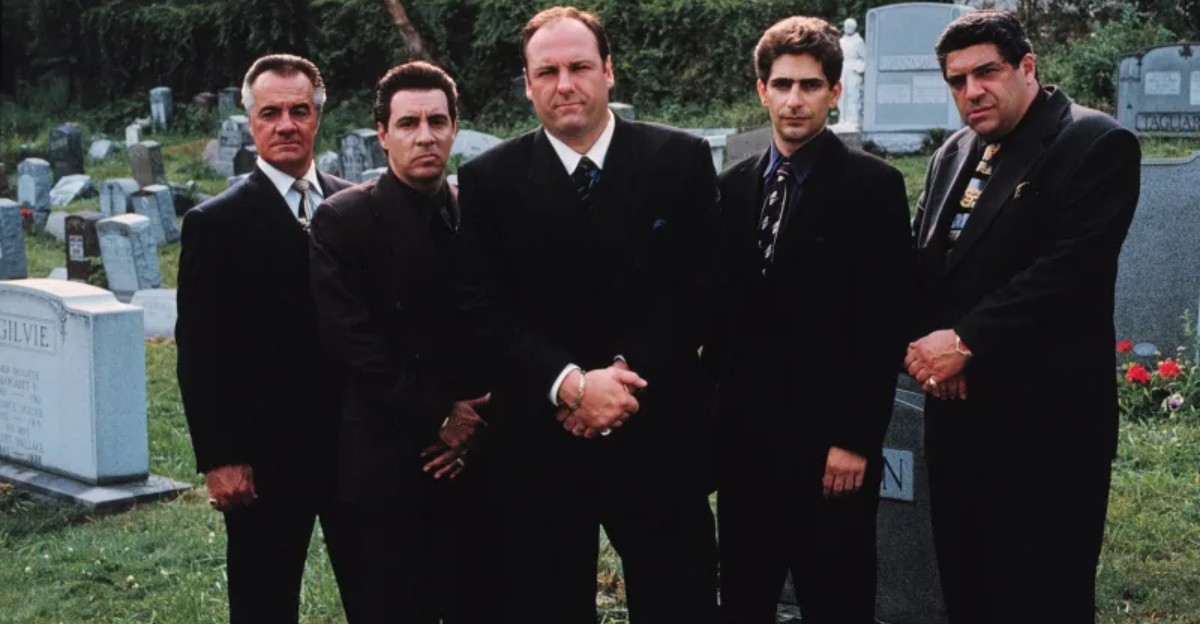
Some TV shows hit their stride right out of the gate, but others take a little time to find their footing and then absolutely soar. The series on this list didn’t just survive their early seasons – they used them as a launchpad to become something far greater.
From crime dramas to animated adventures, these shows grew sharper, deeper, and more emotionally powerful with each passing season. If you ever doubted whether sticking with a slow-starter was worth it, these examples will change your mind.
1. Breaking Bad
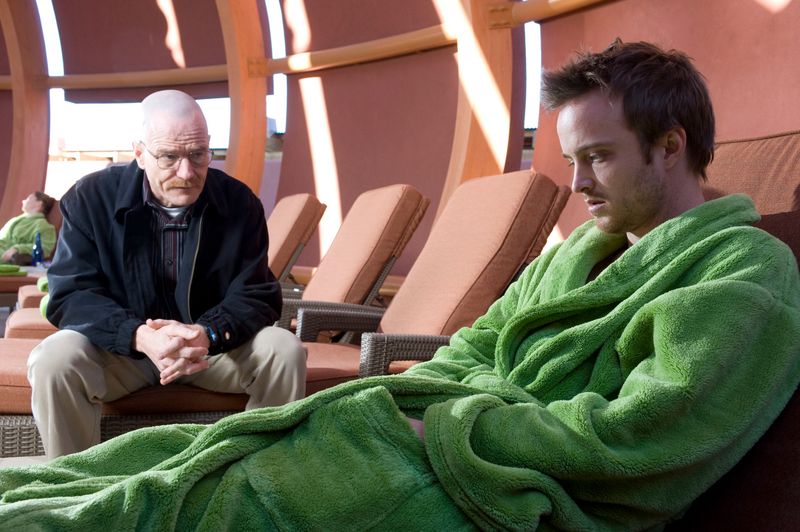
Few shows have matched the sheer momentum of Breaking Bad.
What began as a story about a desperate chemistry teacher cooking meth to pay medical bills gradually transformed into one of the most gripping character studies in TV history.
Each season raised the stakes higher than the last.
By its final seasons, the show had earned near-universal acclaim, with critics calling it one of the greatest dramas ever made.
Creator Vince Gilligan and his team crafted a story that got tighter, more intense, and more emotionally devastating as it progressed.
Walter White’s descent from a sympathetic figure to a full-blown villain remains one of television’s most compelling arcs.
Breaking Bad didn’t just improve – it became legendary.
2. Better Call Saul
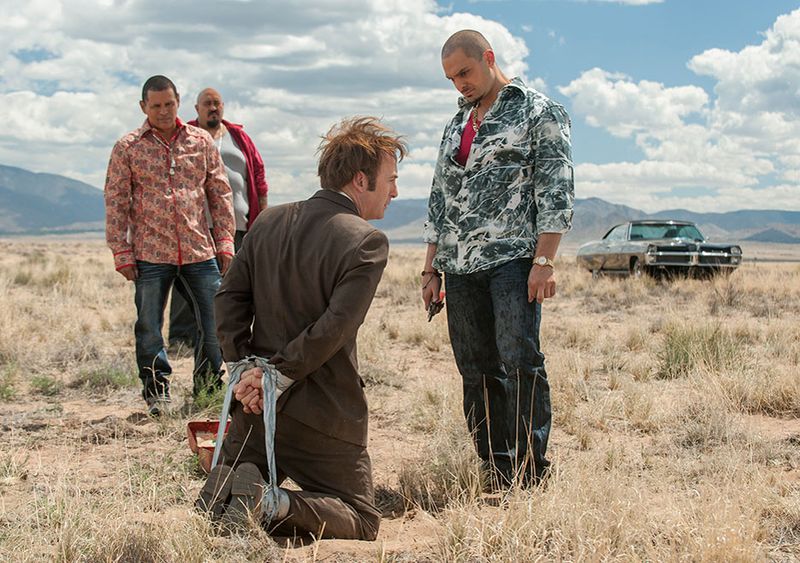
Spin-offs rarely outshine their source material, but Better Call Saul came breathtakingly close.
When it launched in 2015, many fans assumed it would simply be a lighter, comedic companion to Breaking Bad.
Instead, it quietly became something extraordinary on its own terms.
Season after season, the show deepened its exploration of Jimmy McGill’s moral unraveling, crafting a slow-burn tragedy that rivaled anything on television.
The writing grew more precise, the performances more layered, and the dramatic weight more crushing.
By the time its sixth and final season aired, critics were openly debating whether it had surpassed its predecessor.
Better Call Saul proved that patience and ambition, when combined, can produce something genuinely unforgettable.
3. Succession
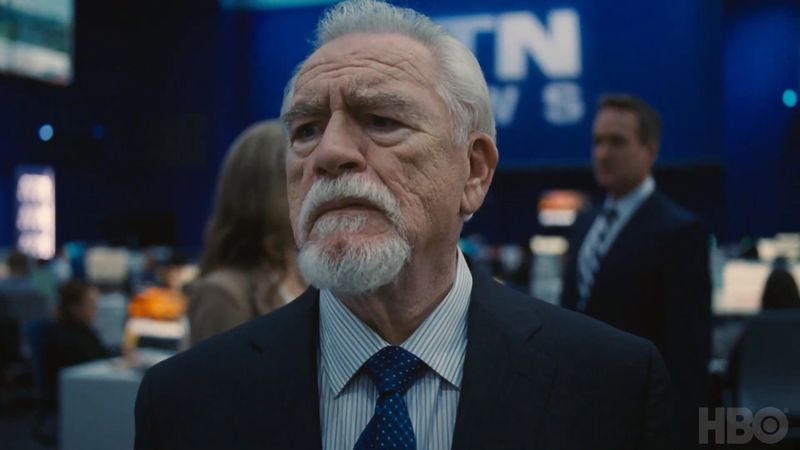
Succession started with a deceptively simple premise: a wealthy media family tears itself apart fighting over control of the empire.
But what looked like a show about rich people squabbling quickly revealed itself to be something far more layered and emotionally sharp.
By its third and fourth seasons, the character writing had reached a remarkable level of complexity.
Every family member felt fully realized, their flaws and vulnerabilities painfully human despite their obscene privilege.
The dialogue crackled with wit and cruelty in equal measure.
The final season delivered one of the most discussed endings in recent TV history.
Succession sharpened itself into a razor-edged drama that left audiences and critics stunned by how accomplished it had become.
4. The Sopranos
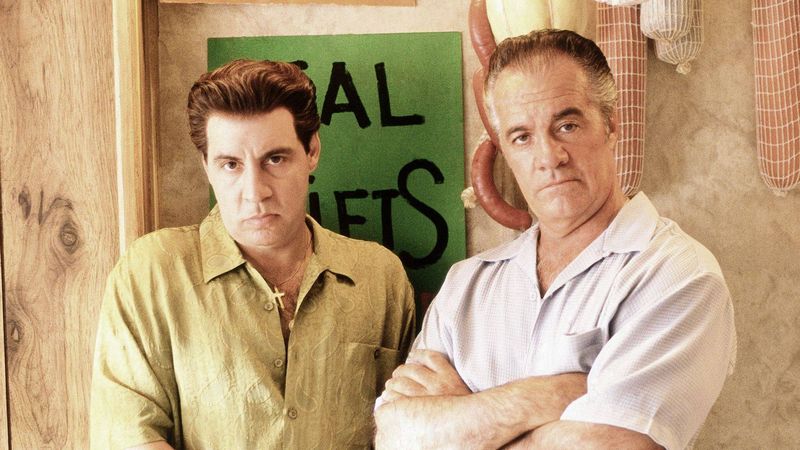
When The Sopranos premiered in 1999, it was already groundbreaking.
But the show kept pushing further, using later seasons to explore the psychology of its characters in ways that felt genuinely experimental for television at the time.
Creator David Chase grew bolder with each season, incorporating dream sequences, philosophical detours, and long stretches of quiet dread that challenged what a crime drama could be.
Some episodes felt more like art films than TV.
By its controversial finale, The Sopranos had moved so far beyond its origins that it had reshaped the entire landscape of prestige television.
Its willingness to take risks and deepen its ambitions made it one of the most influential shows ever created.
5. Mad Men
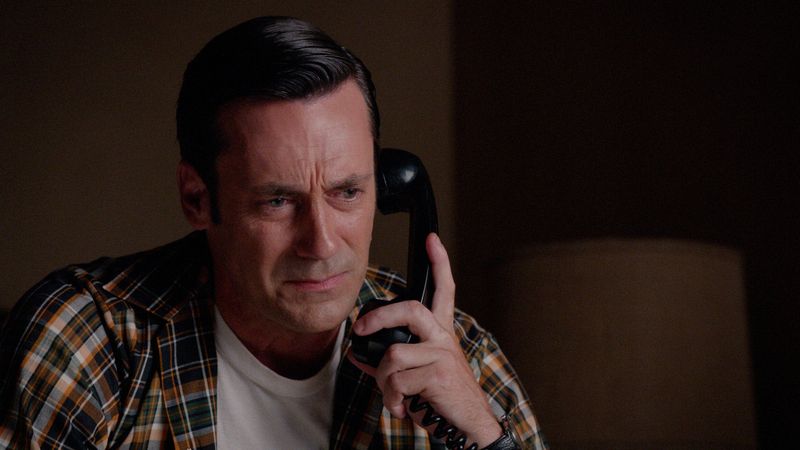
Mad Men opened with style to spare, but its early seasons were sometimes criticized for prioritizing aesthetic over emotional depth.
Over seven seasons, that balance shifted dramatically.
The show grew increasingly willing to sit with its characters’ pain and confusion.
Don Draper’s story became less about the glamour of 1960s advertising and more about the cost of building an identity on a lie.
Supporting characters like Peggy and Joan were given arcs that matched or even surpassed the lead in richness and complexity.
By its final run of episodes, Mad Men had evolved into a meditation on identity, reinvention, and the American dream.
Creator Matthew Weiner delivered a finale that felt both inevitable and deeply earned.
6. BoJack Horseman
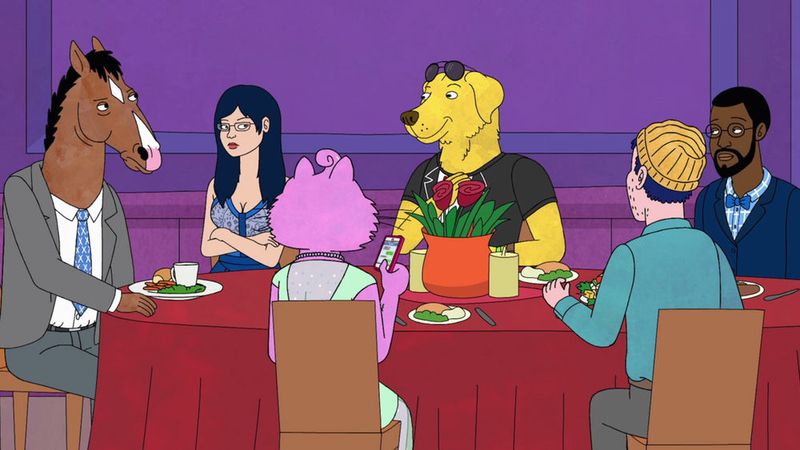
At first glance, a Netflix cartoon about a washed-up horse actor sounded more like a quirky comedy than a prestige drama.
BoJack Horseman started with plenty of jokes, but it was clearly building toward something more unsettling from the very beginning.
By its third and fourth seasons, the show had fully committed to exploring addiction, depression, and self-destruction with a rawness that stunned viewers.
Episodes like “Fish Out of Water” and “Time’s Arrow” became celebrated as some of the most inventive TV storytelling in years.
The final season brought BoJack’s journey to a conclusion that was honest rather than comforting – a brave choice that cemented the show’s reputation as far more than just a satirical comedy.
7. The Americans
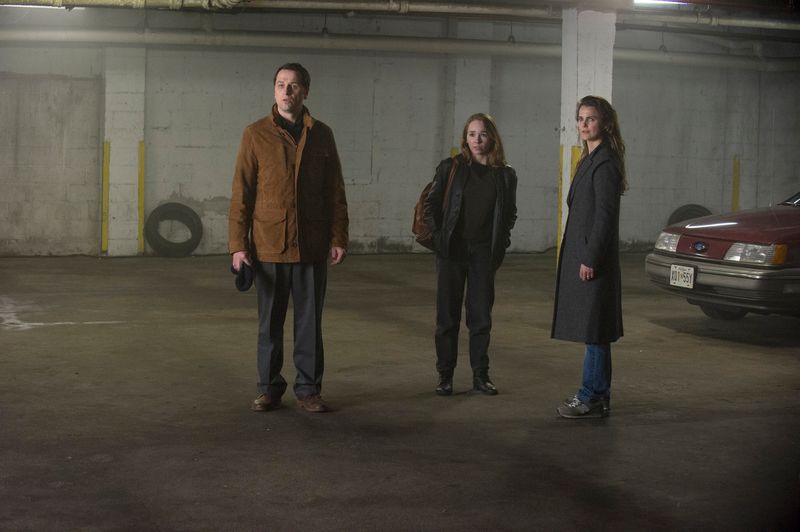
Spy thrillers live or die by tension, and The Americans built its slowly and deliberately.
The show followed two Soviet agents living undercover as a normal American family in the 1980s, and its early seasons established the premise with care and precision.
As the series progressed, the emotional stakes climbed to almost unbearable levels.
The marriage at the center of the story became one of the most complex and heartbreaking relationships in television history.
Every mission carried a greater moral weight.
Its final season is widely considered one of the finest conclusions any drama has ever delivered, paying off years of slow-burn storytelling with devastating results.
The Americans grew more intense and more acclaimed right up to its very last frame.
8. Schitt’s Creek
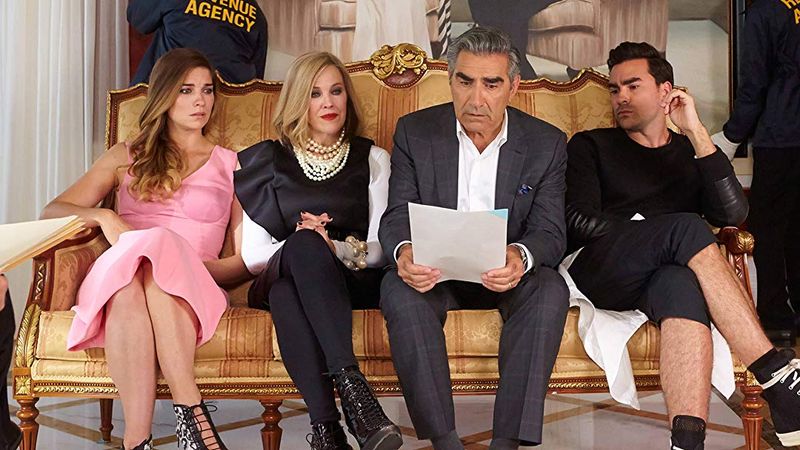
When Schitt’s Creek launched in 2015, it was a broad fish-out-of-water comedy about a wealthy family suddenly forced to live in a tiny town they once bought as a joke.
The humor was sharp, but the emotional warmth took a little time to develop.
By its later seasons, something remarkable had happened.
The characters had grown so much that audiences genuinely rooted for each of them.
The show became a celebration of community, acceptance, and unexpected belonging that felt deeply sincere.
At the 2020 Emmy Awards, Schitt’s Creek made history by sweeping every major comedy category.
What started as a satirical premise became one of television’s most beloved ensemble comedies, proving that character growth on screen can mirror a show’s own artistic growth.
9. Halt and Catch Fire
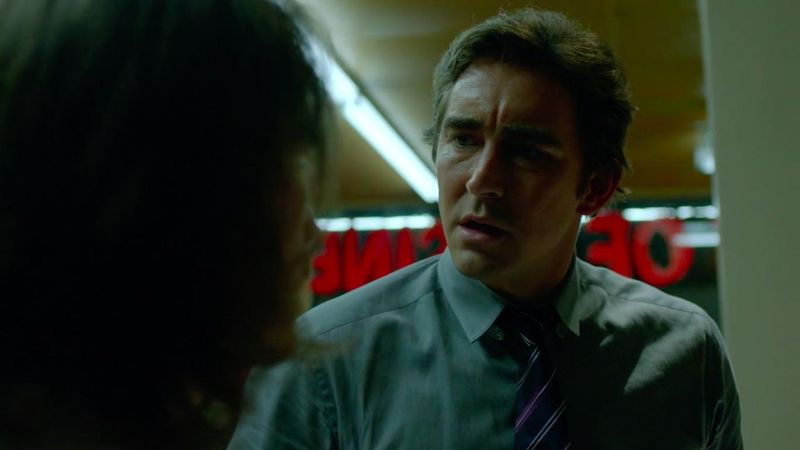
Halt and Catch Fire had a rough start.
Its first season, set in the early 1980s tech boom, was criticized for leaning too heavily on familiar prestige drama tropes and an unlikable lead character.
Many viewers walked away early.
Those who stayed were rewarded with one of the most dramatic reinventions in TV history.
The show shifted its focus toward its female characters, particularly Cameron and Donna, and suddenly everything clicked.
The storytelling became warmer, more urgent, and genuinely moving.
By its final two seasons, Halt and Catch Fire had developed a devoted following and near-perfect critical scores.
It remains a hidden gem of the prestige TV era, proof that a show willing to reinvent itself can find its true identity.
10. Black Sails
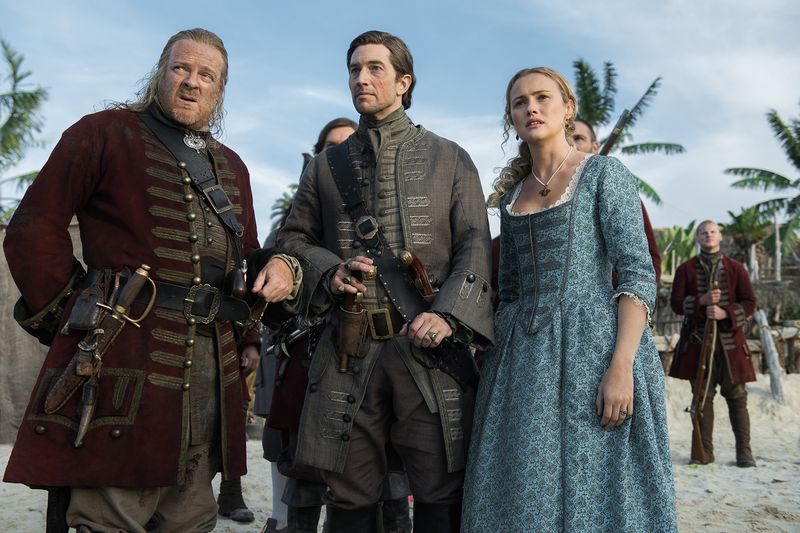
Black Sails launched as a Treasure Island prequel with plenty of action and spectacle but was initially dismissed by some critics as style over substance.
The pirate setting was vivid, but the story took time to find its deeper purpose.
Starting with its second season, the show began weaving in rich political themes, exploring colonialism, freedom, and the nature of civilization versus chaos.
Characters who seemed one-dimensional in early episodes became fascinatingly complex.
The action never disappeared, but it gained real meaning.
By its fourth and final season, Black Sails had transformed into a surprisingly sophisticated historical drama that earned genuine critical respect.
It showed that genre television, given the right creative ambition, can transcend its original boundaries entirely.
11. Star Wars: The Clone Wars

Star Wars: The Clone Wars began in 2008 with a theatrical film that received a lukewarm reception.
The early episodes of the series were fun but often felt like children’s entertainment without much depth.
Fans weren’t sure where it was headed.
Then something shifted.
The show began tackling darker themes, including war, loss, moral ambiguity, and the cost of conflict.
Story arcs grew longer and more sophisticated.
Characters like Ahsoka Tano developed into some of the most beloved figures in the entire Star Wars universe.
By the time its final season premiered on Disney Plus in 2020, The Clone Wars was being celebrated as essential Star Wars storytelling.
Its finale arc is now considered among the franchise’s finest achievements, animated or otherwise.
12. Justified
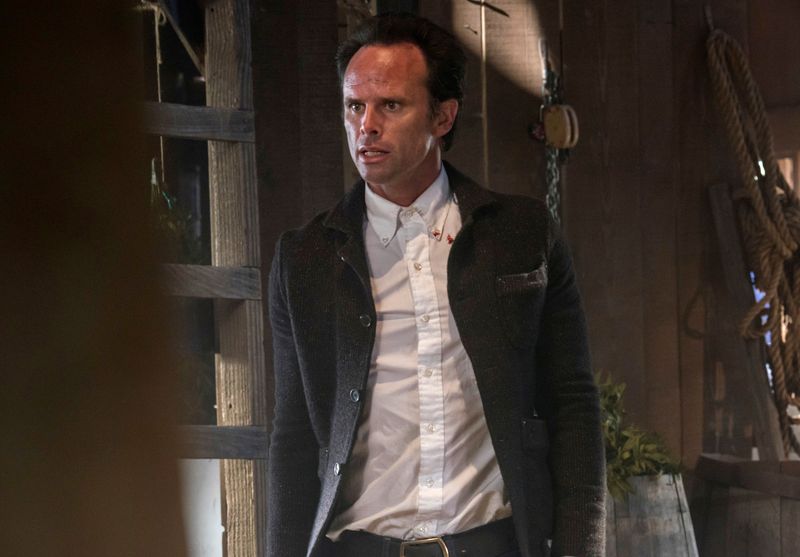
Not every show figures out its identity in the first season, but Justified came remarkably close and then kept getting better.
The crime drama about U.S.
Marshal Raylan Givens found its true power when it leaned into the complicated, almost buddy-comedy tension between Raylan and villain Boyd Crowder.
By season two, with the introduction of Margo Martindale’s unforgettable Mags Bennett, the show had reached a whole new level.
The writing became sharper, the characters richer, and the Kentucky setting felt like a living, breathing world.
Few shows have made rural crime feel so cinematic and so deeply human.
13. Parks and Recreation
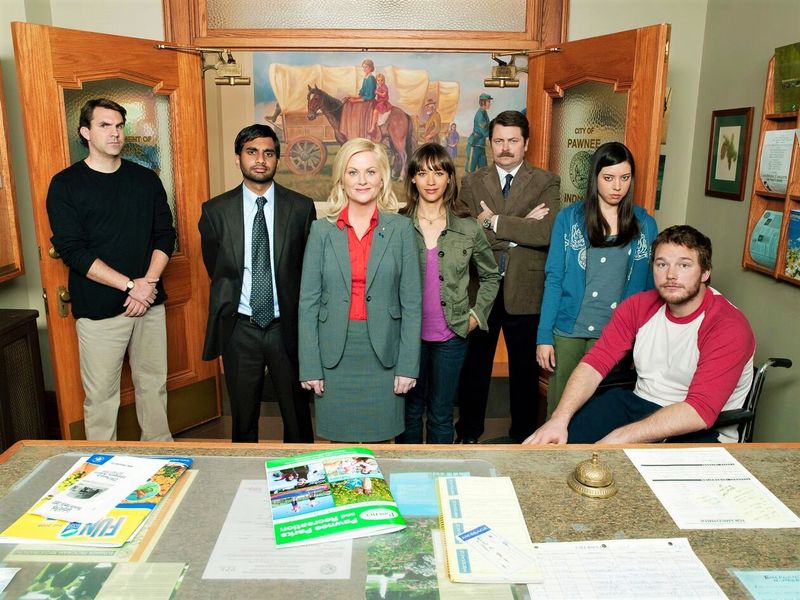
Season one of Parks and Recreation is almost unrecognizable compared to what the show eventually became.
It started as a somewhat awkward mockumentary that felt too similar to The Office, struggling to carve out its own identity.
Then something remarkable happened.
The writers leaned into optimism, warmth, and genuine friendship, and the show transformed into one of the most feel-good comedies ever made.
Leslie Knope became an icon of joyful determination.
By its later seasons, Parks and Rec had built a world so full of heart that saying goodbye to Pawnee felt like leaving real friends behind.
14. Buffy the Vampire Slayer
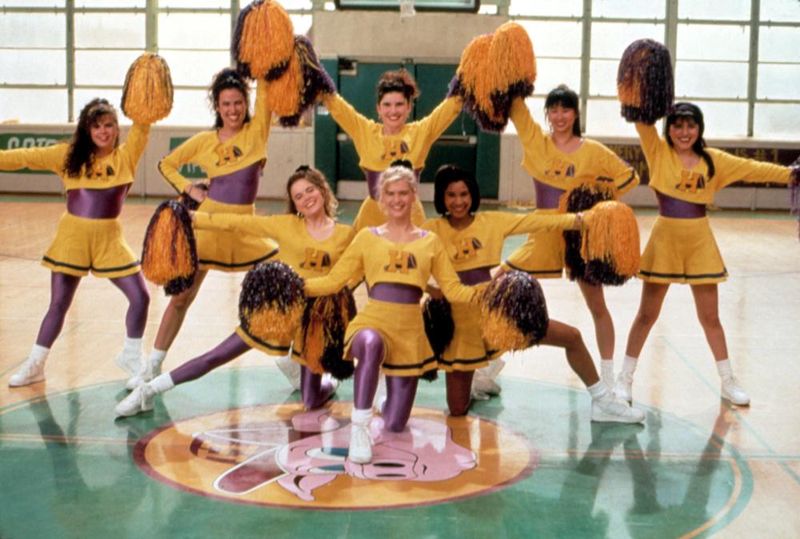
Buffy the Vampire Slayer began as a fun, campy monster-of-the-week show with a killer premise and a charming lead.
But around season two, creator Joss Whedon started pushing the emotional boundaries of what a genre show could do.
Storylines tackled grief, addiction, identity, and heartbreak with a depth that caught many viewers off guard.
The season two finale, where Buffy must kill the man she loves to save the world, remains one of TV’s most gut-wrenching moments.
The show kept evolving through its run, proving supernatural storytelling could carry real emotional and philosophical weight.