 MomSkoop
Some rock bands burn bright for a short time, leaving behind a handful of unforgettable songs before fading from the charts. These acts managed to capture massive audiences, top radio playlists, and even sell out arenas, only to see their spotlight fade faster than expected.
Whether it was changing musical trends, lineup issues, or simply one era-defining album, their runs at the top were surprisingly short. Their music, however, has stuck around long after the fame did.
1. The Knack
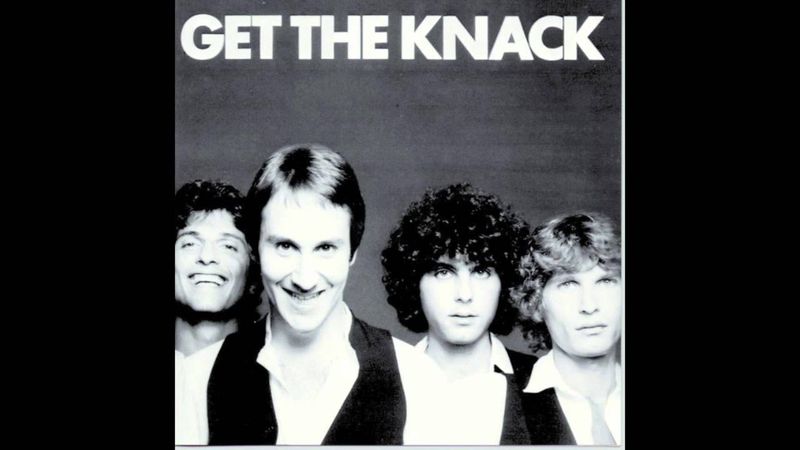
Few songs hit as hard and fast as “My Sharona” did in the summer of 1979.
The Knack rode that track straight to number one, and for a brief, electric moment, they looked like the next Beatles.
Critics even called their debut album “Get the Knack” a new-wave classic.
But the backlash came almost as quickly as the fame.
A growing “Knuke the Knack” movement among music critics and rival artists undercut their momentum.
Their follow-up albums struggled to repeat the magic of that debut.
The band never recaptured that massive mainstream moment, though “My Sharona” remains one of the most recognizable guitar riffs in rock history.
Their rise and fall happened at lightning speed.
2. Blind Melon
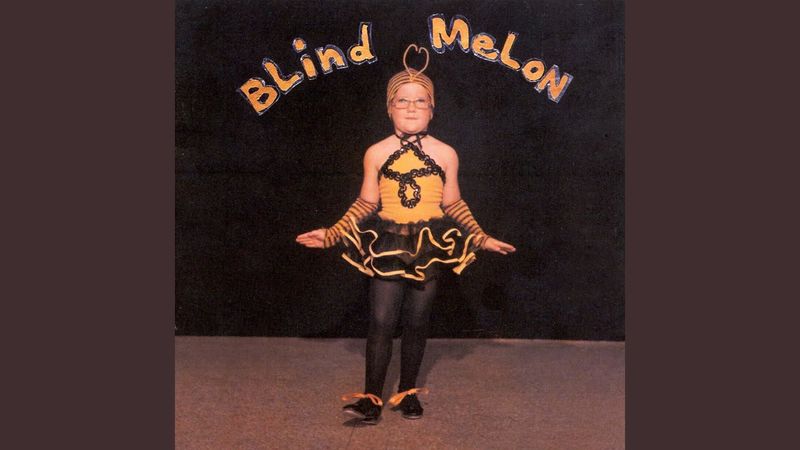
Remember the little girl in the bee costume from the “No Rain” music video?
That image became one of the most iconic visuals of the early 1990s, and it helped Blind Melon connect with a massive audience almost overnight.
The song was warm, quirky, and impossible to forget.
Their 1992 self-titled debut went multi-platinum, and the band seemed poised for a long career.
Sadly, frontman Shannon Hoon struggled with addiction throughout their brief run.
He passed away in October 1995, cutting the band’s story tragically short.
A second album, “Soup,” was released just before his death but never found the same commercial footing.
Blind Melon’s mainstream window was heartbreakingly narrow.
3. Spin Doctors
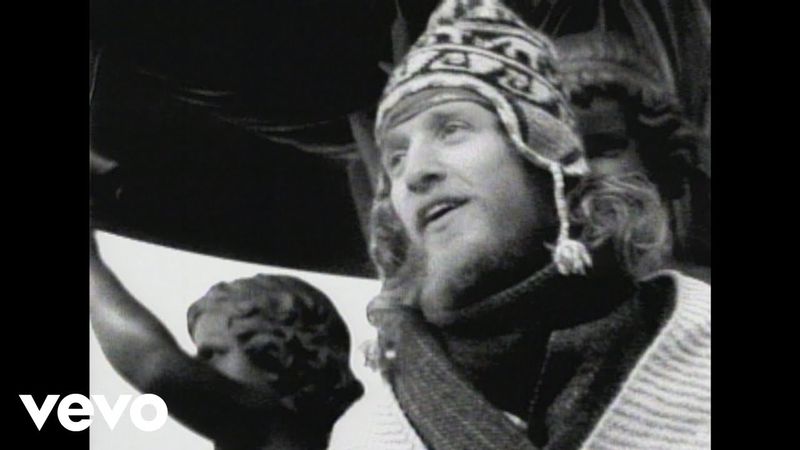
Between 1992 and 1994, it felt like “Two Princes” and “Little Miss Can’t Be Wrong” were playing everywhere, from grocery stores to school dances to car radios.
The Spin Doctors had an easygoing, jam-band looseness that made their music feel instantly likeable.
Their debut album “Pocket Full of Kryptonite” sold over five million copies in the United States alone.
By 1994, though, the musical climate was shifting hard toward grunge and alternative rock with a darker edge.
The Spin Doctors’ sunny, funky sound started to feel out of step.
Their follow-up albums failed to generate anywhere near the same excitement.
They remain a beloved nostalgic act, but their window of massive commercial success was surprisingly tight for such a radio-friendly band.
4. Candlebox
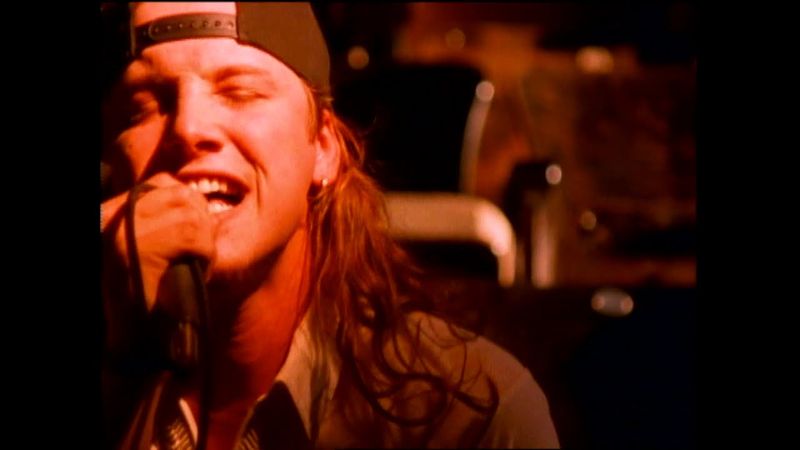
Candlebox arrived at exactly the right moment, releasing their self-titled debut in 1993 when grunge was dominating rock radio.
Songs like “Far Behind” and “You” connected with listeners who were hungry for emotionally raw guitar music.
The album eventually sold over four million copies, a genuinely impressive run for a debut.
But the grunge wave that carried them up also came crashing down around them.
By the time their second album “Lucy” arrived in 1995, public interest in the genre was already cooling off rapidly.
Critics were largely dismissive, and radio support dried up.
Candlebox kept recording and touring through the years, but they never reclaimed that mid-1990s commercial peak.
Their debut remains a solid snapshot of a specific rock moment.
5. Live
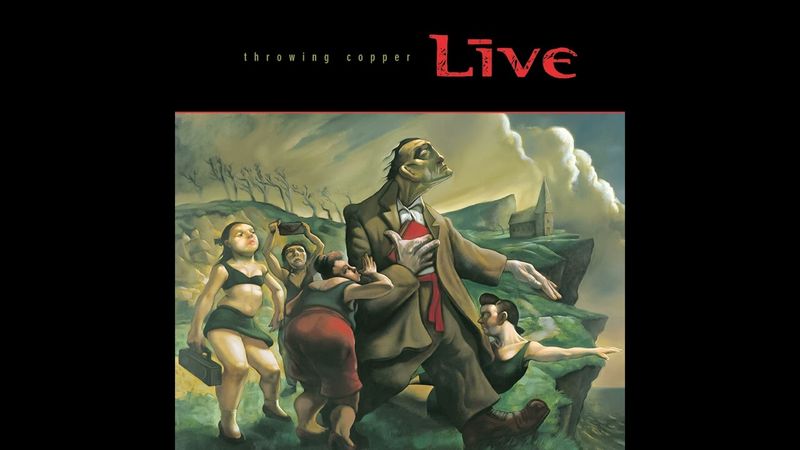
“Throwing Copper,” released in 1994, is one of the most commercially successful rock albums of the entire decade.
Tracks like “Lightning Crashes,” “Selling the Drama,” and “I Alone” made Live one of the biggest bands on the planet for a few years.
Their earnest, spiritually charged lyrics gave them a distinct identity in a crowded alternative rock landscape.
From roughly 1994 through 1997, they were a genuine arena-level act.
But their subsequent albums received a more mixed response, and the band’s momentum slowed considerably heading into the 2000s.
Internal tensions eventually led to the departure of frontman Ed Kowalczyk in 2009.
“Throwing Copper” still sounds massive today, but Live’s period of true mainstream dominance was concentrated into a surprisingly short stretch of years.
6. Silverchair
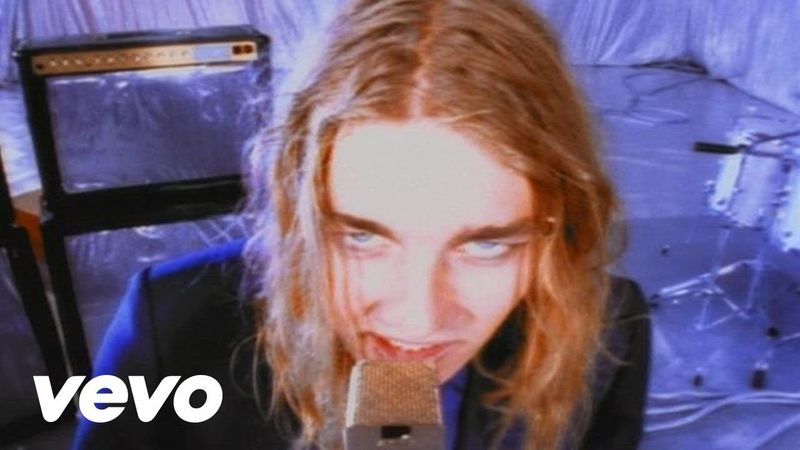
Silverchair were teenagers when they recorded “Frogstomp” in 1995, which made their heavy, grunge-influenced sound all the more jaw-dropping. “Tomorrow” became a massive international hit, and the band from Newcastle, Australia, suddenly found themselves on stages around the world.
The sheer novelty of their youth helped fuel enormous media attention.
In Australia, they remained major stars for years, releasing acclaimed albums well into the 2000s.
Their U.S. mainstream prominence, however, was much more concentrated.
American audiences embraced “Frogstomp” enthusiastically but never quite connected with their later, more experimental work at the same commercial level.
Frontman Daniel Johns grew into a genuinely adventurous musician, but for most American rock fans, Silverchair is remembered mainly for that explosive mid-1990s breakthrough.
7. Spacehog

“In the Meantime” is one of those songs that sounds like it was always supposed to exist.
Spacehog released it in 1995 as part of their debut album “Resident Alien,” and it quickly became a staple of alternative radio.
The track had a glam-rock swagger and a hypnotic bassline that set it apart from most of its contemporaries.
The British-born, New York-based band seemed poised for a long run based on that debut’s success.
But their follow-up albums failed to produce another song with anywhere near the same radio appeal.
By the late 1990s, they had largely slipped from mainstream view.
“In the Meantime” still shows up in movies, TV shows, and commercials regularly, keeping the Spacehog name alive even if the band’s commercial peak was brief.
8. Marcy Playground
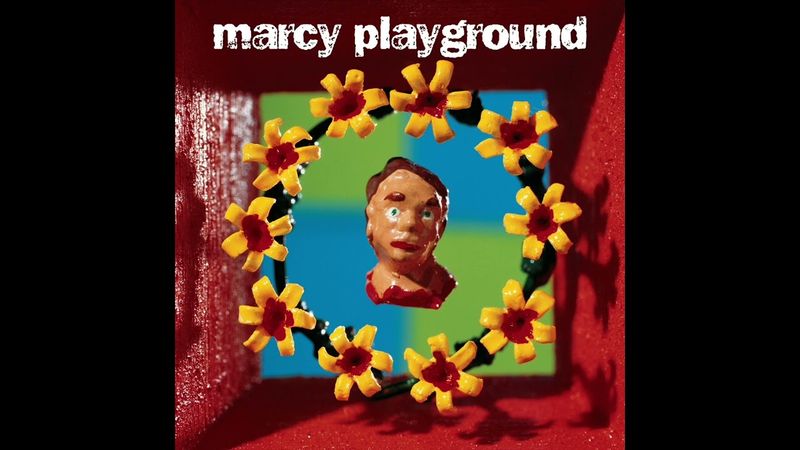
Marcy Playground had crafted a song so oddly hypnotic that it spent 15 weeks at number one on the Billboard Modern Rock chart, a genuinely remarkable achievement.
The self-titled debut album went platinum on the strength of that one track.
The problem was replicating that strange, lightning-in-a-bottle feeling.
Follow-up albums were received politely but never generated the same level of public fascination.
The band continued recording, but mainstream audiences had largely moved on by the early 2000s.
9. Fastball
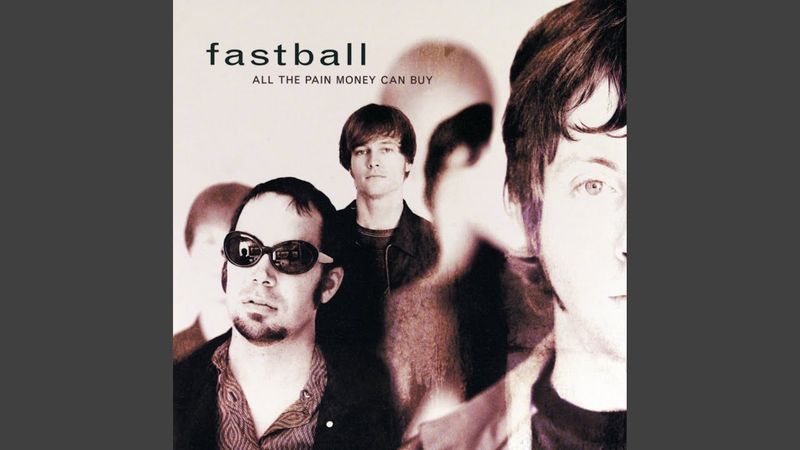
“The Way” is one of those songs that sneaks up on you and then refuses to leave your head.
Fastball released it in 1998, and the track became a massive crossover hit, landing on both rock and pop radio playlists simultaneously.
The backstory behind the song, inspired by an elderly couple who went missing, gave it an unexpectedly poignant depth.
“Out of My Head” also performed well, and for a moment, Fastball looked like they could sustain a long career.
Their third album, released in 2000, failed to generate similar excitement, and radio support faded quickly.
The pop-rock landscape was changing fast around them.
They kept making music through the years, but that late-1990s stretch remains the high point of their mainstream commercial story by a wide margin.
10. New Radicals
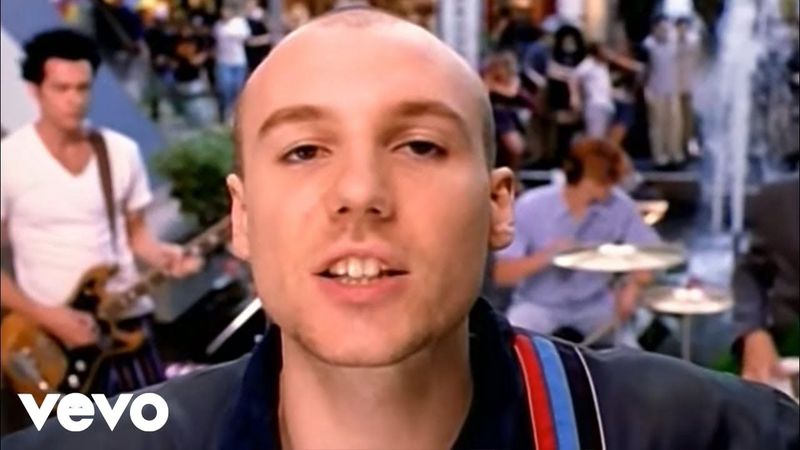
New Radicals pulled off something almost unheard of in rock music: they released exactly one album, scored a massive global hit, and then deliberately walked away. “You Get What You Give,” released in 1998, was an infectious, optimistic anthem that climbed charts worldwide.
Frontman Gregg Alexander wrote and produced nearly everything on “Maybe You’ve Been Brainwashed Too.”
Then, just as the album was gaining traction, Alexander disbanded the project in 1999.
He cited burnout and a desire to focus on songwriting and production behind the scenes.
The decision shocked fans and the music industry alike.
The song has enjoyed several revivals over the decades, most notably at the 2021 Biden inauguration.
New Radicals are proof that one great song can outlast almost any career.
11. Lit
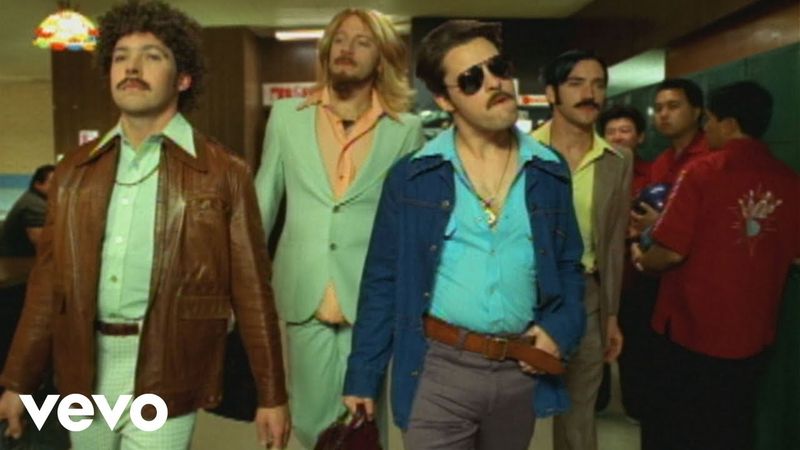
“My Own Worst Enemy” is the kind of song that practically writes itself into your memory after one listen.
Lit released it in 1999, and the track became an anthem for anyone who had ever made a questionable decision and had to face the morning after.
The Orange County band had a punchy, melodic sound that fit perfectly on late-1990s rock radio.
Their album “A Place in the Sun” went platinum, and for a couple of years, Lit were a genuine rock radio fixture.
But subsequent releases struggled to match that commercial momentum, and the pop-punk landscape shifted considerably in the early 2000s.
They have remained an active touring band, and “My Own Worst Enemy” still earns significant royalties.
But their window of true mainstream dominance closed faster than most fans expected.
12. Alien Ant Farm

Covering Michael Jackson’s “Smooth Criminal” could have been a career-ending gamble, but Alien Ant Farm turned it into a career-making moment.
Their 2001 version was punchy, guitar-driven, and genuinely fun, earning massive radio and MTV airplay during a time when rock was competing hard for mainstream attention.
The cover introduced the band to millions of listeners almost overnight.
Their album “ANThology” sold well on the strength of that single, and they toured extensively.
But capturing that same level of public excitement with original material proved difficult.
Follow-up albums received modest attention without replicating the viral-before-viral-was-a-thing impact of “Smooth Criminal.”
The band has continued releasing music over the years with a dedicated fanbase.
Still, 2001 and 2002 represent their undeniable commercial peak by almost any measure.
13. The Vines
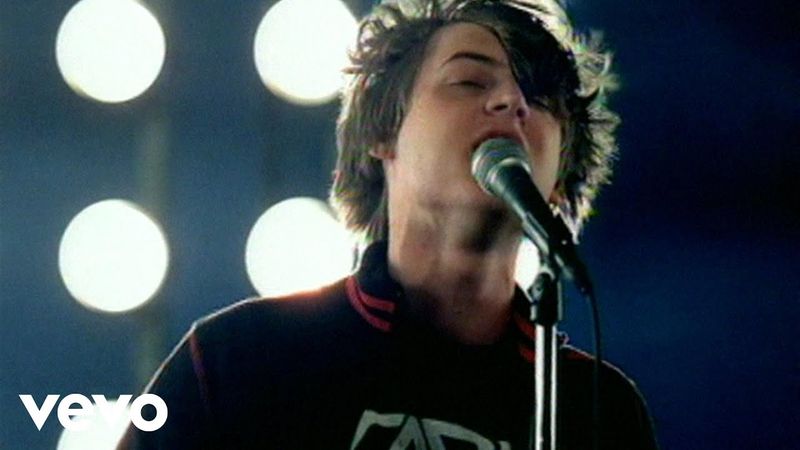
During the early-2000s garage-rock revival, The Vines were positioned as one of the most exciting new bands on the planet.
Their debut album “Highly Evolved,” released in 2002, landed on magazine covers and year-end lists almost immediately.
Tracks like “Get Free” and “Ride” had a raw, urgent energy that felt genuinely thrilling in the polished pop landscape of the time.
Frontman Craig Nicholls became as famous for his unpredictable live performances as for the music itself.
His struggles with Asperger syndrome and mental health were later discussed publicly, providing context for some of the band’s turbulent moments.
Media attention eventually shifted away as quickly as it had arrived.
The Vines never quite delivered on that enormous early promise commercially, leaving “Highly Evolved” as the definitive chapter of their story.
14. Jet
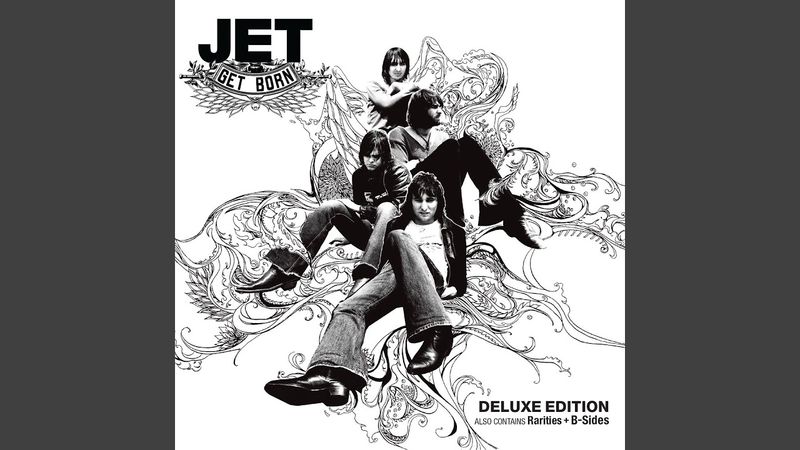
Few rock songs from the 2000s hit as immediately as “Are You Gonna Be My Girl.” Jet released that track in 2003, and its opening drum count-in became one of the most recognized sounds on rock radio almost instantly.
The Melbourne band had a classic rock swagger that felt refreshing during an era dominated by post-grunge and nu-metal.
“Cold Hard Bitch” and the beautifully tender “Look What You’ve Done” showed the band had genuine range beyond just raw energy.
Their debut “Get Born” sold millions worldwide, and they toured relentlessly.
But the sophomore album “Shine On” arrived in 2006 to a much cooler critical and commercial reception.
By 2012, the band had officially broken up.
Their 2003 to 2005 run, though, was genuinely electric and hard to overstate.
15. The Darkness
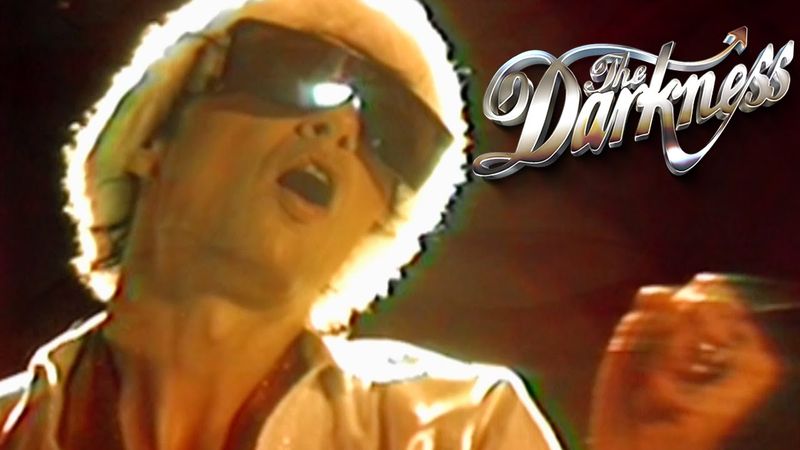
Nobody expected a band doing unashamed, falsetto-heavy glam rock in 2003 to become one of the biggest acts in Britain almost overnight.
The Darkness arrived with “Permission to Land” and immediately divided opinion: were they a novelty act or genuine rock heroes?
As it turned out, millions of people simply did not care about that debate and bought the album anyway.
“I Believe in a Thing Called Love” became a massive international hit, and the band’s theatrical live show was genuinely spectacular.
But the follow-up album “One Way Ticket to Hell and Back” arrived in 2005 to a much more skeptical audience.
Internal tensions, including frontman Justin Hawkins entering rehab, fractured the band shortly after.
Their comeback in later years earned respect, but nothing matched that spectacular 2003 to 2004 explosion of popularity.
16. Wolfmother
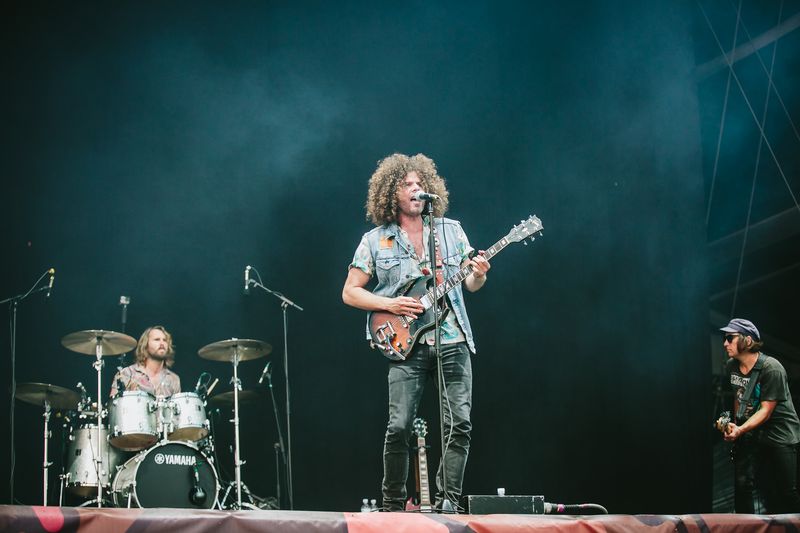
Wolfmother crashed onto the scene in the mid-2000s sounding like a band beamed in directly from 1972.
Their debut album, released internationally in 2005, was packed with thunderous riffs, wailing vocals, and an unapologetic love of classic rock excess. “Woman” and “Joker and the Thief” became genuine rock radio staples across multiple continents.
They won a Grammy for Best Hard Rock Performance in 2007, which felt like a coronation.
But almost immediately after, the band fell apart.
Two of the three members departed, citing creative and personal tensions with frontman Andrew Stockdale.
Stockdale rebuilt the lineup and released more music, but the commercial magic of that debut proved impossible to recreate.
Wolfmother’s original run was thrilling, short, and loud, exactly the kind of rock story that sticks with you.